Underbody Coating
Underbody coating
What is Underbody coating?
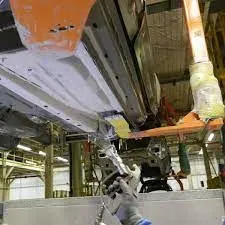
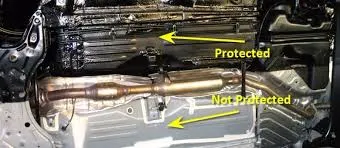
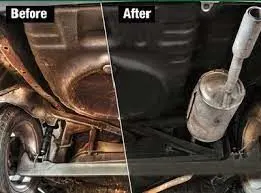
As the name itself says, it is the process of applying layers of some chemicals as a coating in the body that are located in belly/ base regions that are directly exposed to soil, mud, water, and ground.
Why is it required?
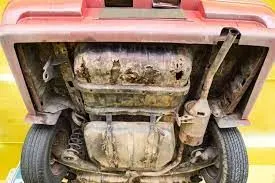
We all know that steel and Iron are very strong metals, and also available at a minimal cost. Hence its wide application is seen in the automotive industry. Besides their good properties, we need to understand that they even undergo a degradation process called Rusting and Corrosion. This is a very serious problem, as the metal loses strength day by day. That’s why the Underbody coating is done, which provides long-term protection from corrosion to the car's underbody. It also protects parts like internal body panels, frame rails, and other inner cavities that are not physically accessible but are prone to corrosion.
What are its types?
- Asphalt-Based Automotive Underbody Coating:
This asphalt-based undercoating provides a bit of extra durability against rocks, chips, and moisture. Asphalt-based undercoating generally contains a little bit of rubberized material that sets up firmly and also helps soften noise. Generally sold in five-gallon containers, this type of undercoating needs more cure time and is NOT paintable, making it best to use only for undercarriages.
- Polyurethane Underbody Coating:
This type of vehicle undercoating is a little bit quicker and easier to apply. This type of sealant works by seeping into all cracks and seams, displacing salt and moisture, and oozing around rusty areas to bond with and protect the unoxidized metal. It also sands quickly in case we need to perform bodywork and can be painted over. On the flip side, this type of car undercoating generally requires a little bit more surface preparation.
- RubberizedUnderbody Coating:
This is easy to apply and offers sound-cushioning as well as protection from dust, moisture, and dents. In addition, rubberized undercoating is also safe to use on wheel wells and quarter panels, and dries to a soft rubbery finish that prevents further rust, damage, or moisture seeps. The coating can be painted over and, if necessary for bodywork, can be easily removed with an undercoating removal spray. Overall, the rubbersed coating is generally the best option for protecting your vehicle's undercarriage, as it provides the simplest and best protective measures against rust and moisture.
- Wax or Paraffin-Based Underbody Coating:
A paraffin-based undercoating will be the cheapest and quickest option available with which to protect the undercarriage of your vehicle. However, it will wear off quicker than other types of undercoating and will need to be stripped and reapplied at least once every year. Wax-based underbody coatings never truly harden. During application, they drip or flow into seams and cracks to provide protective properties. They are usually available in a spray gun canister or an aerosol can and offer at least a base protection in moderately humid climates.
The Pros of Underbody coating:
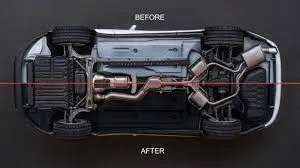
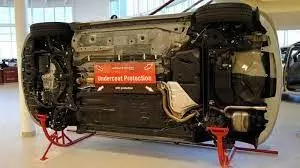
The obvious pros of undercoating are the protection it provides to the exposed metal parts of the vehicle. If the vehicle is used in an area where salt and sand are used on the roadways in cold weather, these materials can be corrosive to your vehicle. Undercoating gives an extra layer of protection against rust and corrosion, protecting the car. Undercoating will eventually wear out, but we can get years of protection from it. Even vehicles in warmer climates gain protection as debris is repelled and kept away from eating at the vehicle.
Cons of Underbody coating:
When examining the vehicle undercoating's pros and cons, we do want to look at potential downsides to getting undercoating. Undercoating will work best on new vehicles that have not been exposed to road conditions. A used vehicle may already have residue on the bottom of the car or even have spots of rust and corrosion. Undercoating will not help us if corrosion already exists and the corrosion needs to be removed first before it can be applied, which can be expensive.