PROJECT 11 - CATIA V5 - UNDERBODY COATING
What is Underbody Coating?
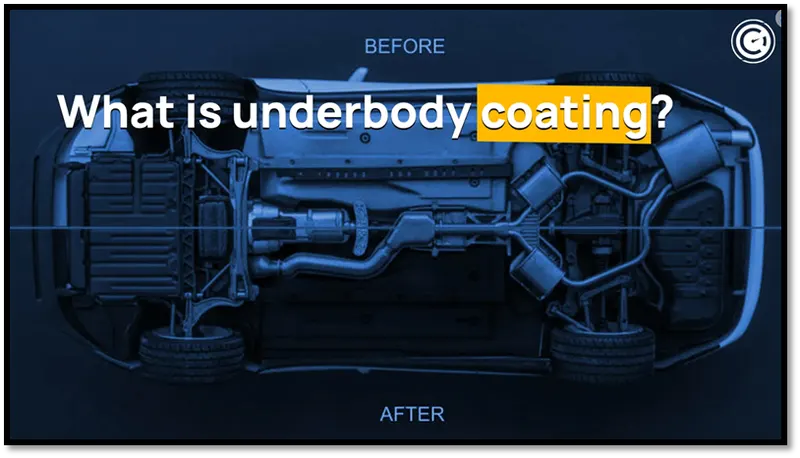
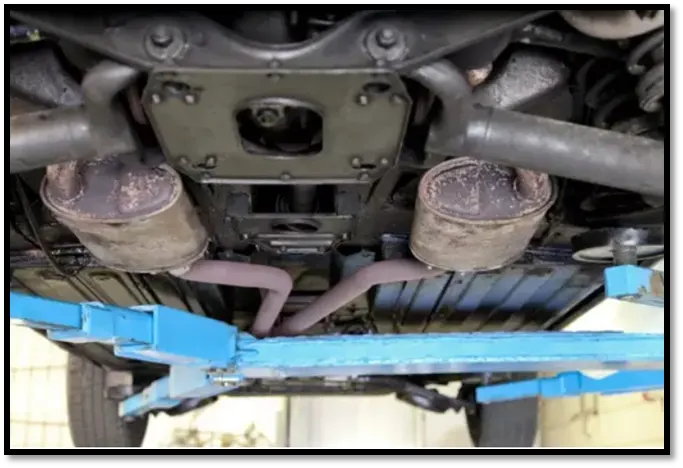
Underbody coating is a thick cladding (typically made of rubber) that is placed uniformly to the car’s underside. When the automobile is fresh off the lot and spotless, it is usually sprayed or painted on. But it’s acceptable if you apply the undercoating after a couple of years. This is because it might protect the undercarriage from additional harm. In the process of painting several layers of coatings are given over the surface of the car to make it suitable to withstand damage occurring by mechanical and chemical exposure. This coating process requires some additional coatings or different coatings depending upon the purpose for which it is served. The coating process which is done to underbody components between electrode deposition and primer coating processes is known as underbody coating.
Process –
When it comes to updating your vehicle or using any sort of coating, remove the rust completely first and then proceed. Rust removal is easily achieved by sandblasting or sanding, depending on the area and the extent of the rust. Once you've removed the rust and prepped your undercarriage for coating, give it a quick rinse and let it dry to ensure you aren't further trapping any contaminants on your vehicle's underbelly. Using a degreaser to clean the metal first is also recommended. Most undercoating is generally applied with a spray gun. A disposable spray gun will work best; once the undercoating hardens, it becomes very difficult to clean the gun even with a lot of thinner. A Schultz disposable spray gun is the best option. No matter what type of vehicle undercoating you've selected, two coats will provide the optimum protection. Allow ample dry time between coats. Let the undercoating cure completely (usually overnight) before driving your vehicle on the road.
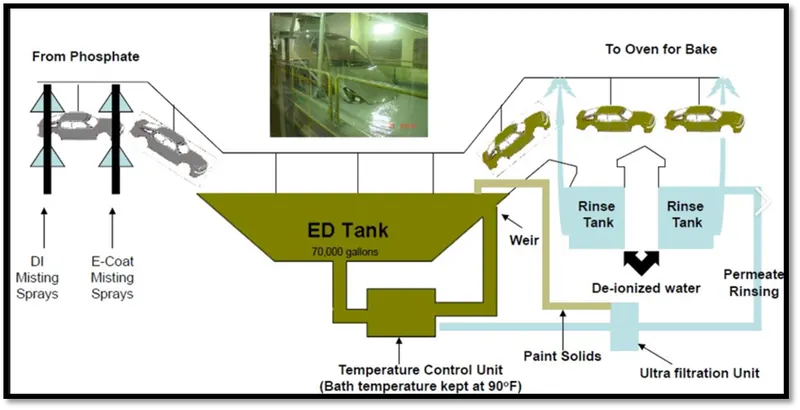
Underbody components:
Rear Floor Panel, Tunnel, Front Shock Tower Wheel House, Front Side Rail, Rear Shock Tower Wheel House, Rear Seat Panel, Dash Cross Member, Rear Back Panel, Rear Side Rail, Rear Floor Cross Member, Side Sill Inner, Front Floor Panel.
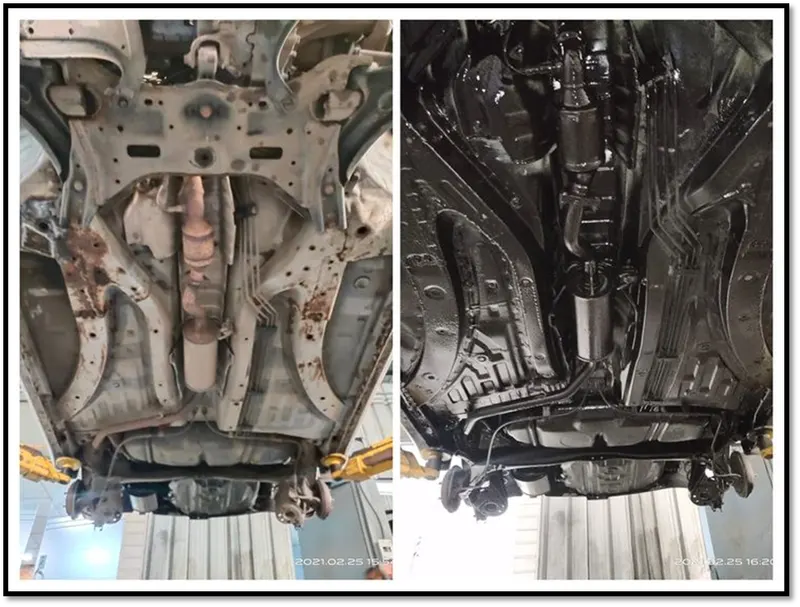
Purpose of underbody coatings:
The main purpose of undercoating is to check rust especially in the body components like frame rails along with other exposed metal parts. Underbody coating can also reduce wear and tear. Getting a fresh coat can cost you up to ₹6,000.
Modern procedure for automotive coating processes:
Pre-Treatment –
The excess material is removed and the surface is cleaned to make it suitable for the coating process. The dirt and welding residue is cleaned and removed during pre-treatment. The pre-treatment also consists of 4 stages [Hot Water, Degreaser, Surface Conditioner, and Phosphate] which are done before electrode deposition processes
Electrode position –
The electrode deposition coat provides rust and corrosion protection. I is done over Body in White. The metal underbody and the frames are coated to prevent corrosion. While areas that are not coated are primed before applying the additional coating.
Rustproof materials [Sealers/PVC] –
The underbody coating has some specific advantages when compared to that of electrode deposition. The underbody coating has noise reduction, vibration reduction, and anti-chipping properties in addition to that of underbody coating.
Primer –
The primer is applied over the top body of a car to improve weather resistance, improve appearance, chipping resistance, improve adhesion between electrode position coat and topcoat, and reduce the volatile organic compounds that cause the atmospheric pollution.
Topcoat –
The topcoat has two stages, they are base coat and clear coat. The base coat has the primary colouring pigment, while the clear coat provides a protective coating against environmental effects, ultraviolet light degradation, unmatched colour retention and a smooth even finish.
Underbody coating methods:
Rubberized underbody coating - It is mainly coated to the underbody to prevent it from scratches. Applying rubberized underbody coating is a convenient process.
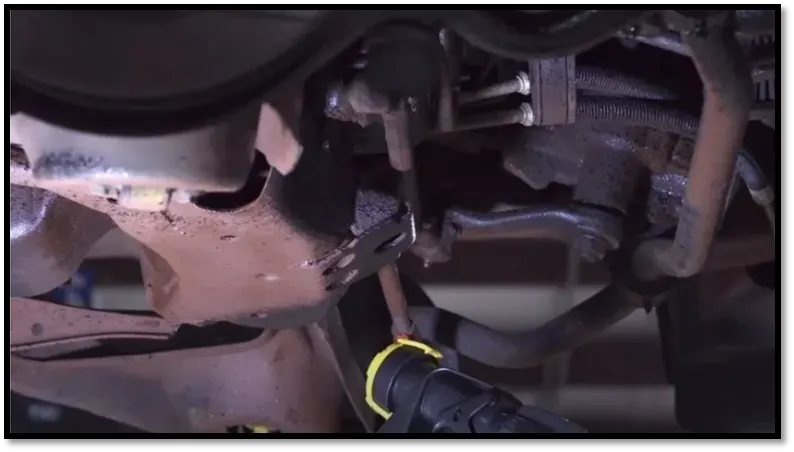
Polyurethane underbody coating - Polyurethane-based underbody coating protects the lower surface or underbody of the vehicle from cracks and fractures. Paint can be directly applied after Polyurethane-based underbody coating.
Wax or Paraffin underbody coating - This type of underbody coating is applied to prevent the underbody surface from moisture. The major disadvantage of this process is this type of coating is not long-lasting but is affordable.
Asphalt-based underbody coating - Paint cannot be directly applied after Asphalt based underbody coating. It is a time-consuming coating process that is preferred for heavy duty vehicles for its high protection capabilities than Rubberized underbody coating. However, this material has little rubber content for sound insulation. Skill Bot You may now pick from the options below.
Pros –
Minimizes Sound: It minimizes the sound from underneath the car resulting a noiseless, smooth driving experience.
Heat Insulation: It insulates the interior of the car from extreme temperatures from beneat the vehicle providing a comfortable cabin experience.
Anti-chipping property: If any stone hits the coating it does not get chipped away hence protects the underbody from exposure to water.
Cons –
Applying underbody coating will not have any effect to the already corroded part.
Undercoating is costly.
Since the corrosion itself starts after few year, underbody coating is not preferable to owner who change their car after few year
Conclusion –
Underbody coating is one of the hidden factors for prolonged life of the car. As it protects the car from dust, minor hit of small gravel, minor wear and tear and rust. It provides strength to the underbody. But the coating is not for lifetime, it removes or chipped out as time passes. In wet area, the coating damages faster as compared to dry area. So therefore, check-up is required over every 1 or 2 years.