Supervised Learning - Prediction Week 3 Challenge
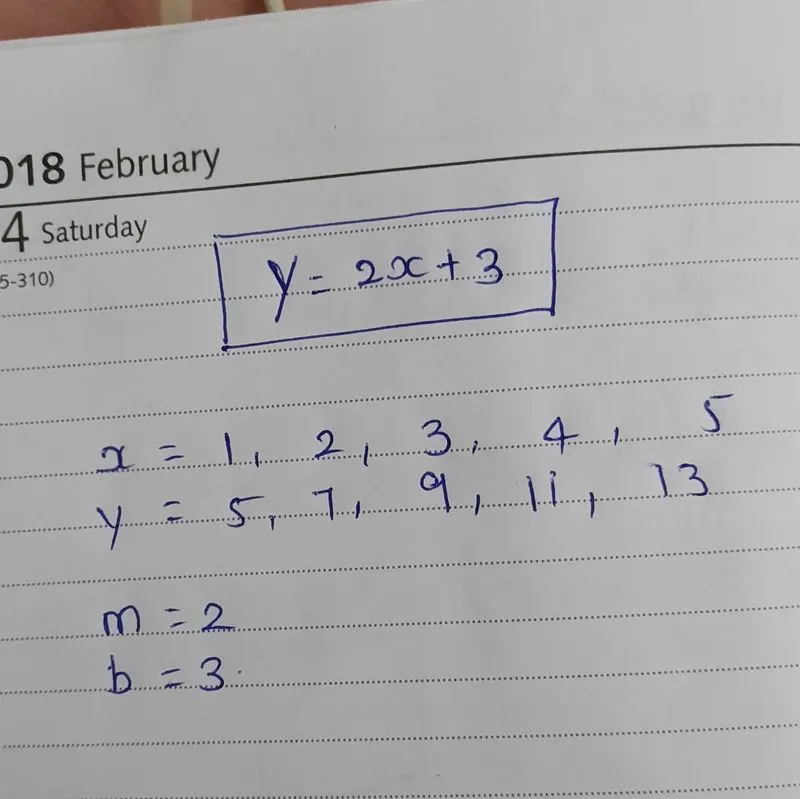
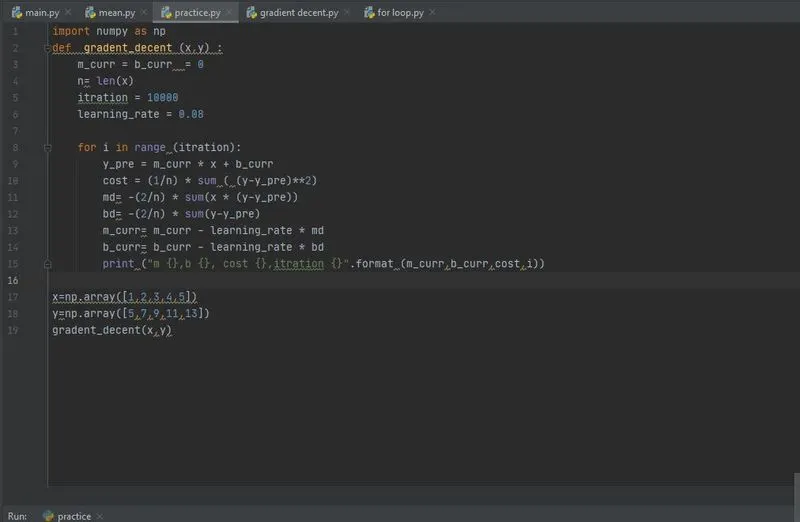
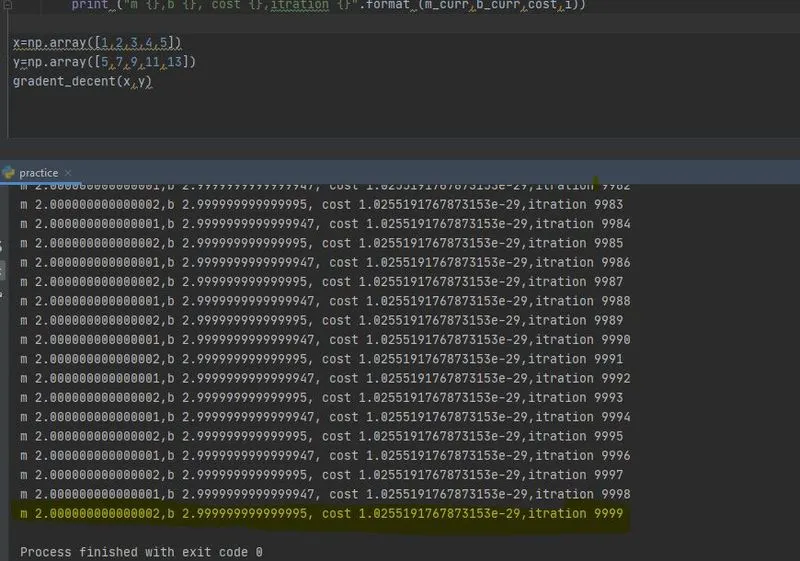
1: gradient descent in python: know regression equation Y=2x=3 with loss funtion 1/n`sum`(yi-(mxi=v))^2
2.
L1-norm loss function is also known as least absolute deviations (LAD), least absolute errors (LAE). It is basically minimizing the sum of the absolute differences (S) between the target value (Yi) and the estimated values (f(xi)):
L2-norm loss function is also known as least squares error (LSE). It is basically minimizing the sum of the square of the differences (S) between the target value (Yi) and the estimated values (f(xi):
The differences of L1-norm and L2-norm as a loss function can be promptly summarized as follows:
3.the different loss function of regressions are:
mean square error
mean absolute error
smooth mean absolutee error
log cosh loss
quantaile loss
4.The learning rate controls how quickly the model is adapted to the problem. Smaller learning rates require more training epochs given the smaller changes made to the weights each update, whereas larger learning rates result in rapid changes and require fewer training epochs.
5. To evaluate linear regression analyzing the correlation and directionality of the data, estimating the model, i.e., fitting the line, and evaluating the validity and usefulness of the model.
6.main difference between R2 and the adjusted R2: R2 assumes that every single variable explains the variation in the dependent . The adjusted R2 tells you the percentage of variation explained by only the independent variables that actually affect the dependent variable