Simulate the Flow over a cylinder and explain the phenomenon of karman vortex street using Ansys Fluent
Aim: Simulate the Flow over a cylinder and explain the phenomenon of karman vortex street.
Software used: Ansys Fluent
Renolds Number:
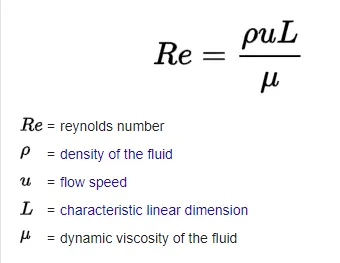
The Reynolds number is the ratio of interial forces to viscous forces within a fluid which is subjected to relative internal movement due to different fluid velocities.
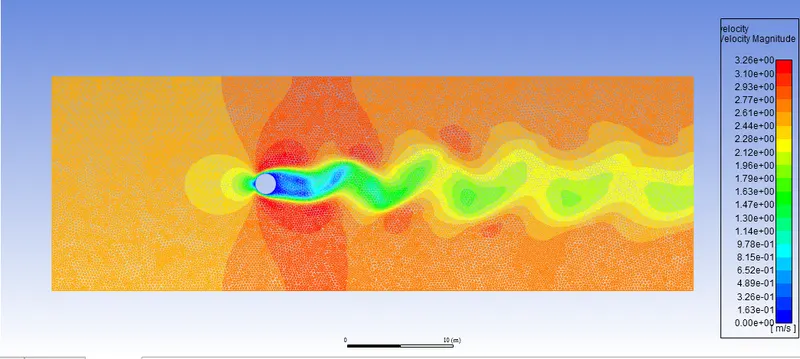
karman Vorte street:In fluid dynamics, a Kármán vortex street is a repeating pattern of swirling vortices, caused by a process known as vortex shedding, which is responsible for the unsteady separation of flow of a fluid around blunt bodies.

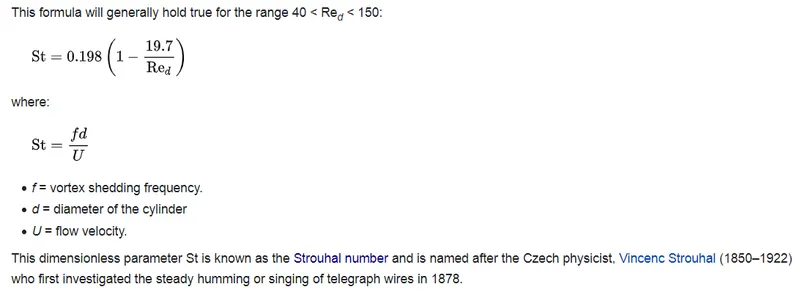
Strouhal Number: In dimensional analysis, the Strouhal number is a dimensionless number describing oscillating flow mechanisms.
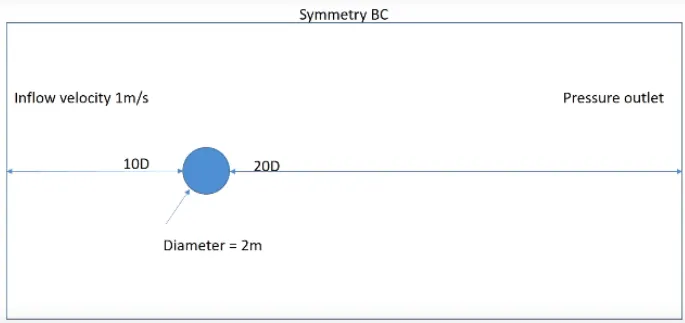
Geometry:
Diameter of the clinder = 2 Metre
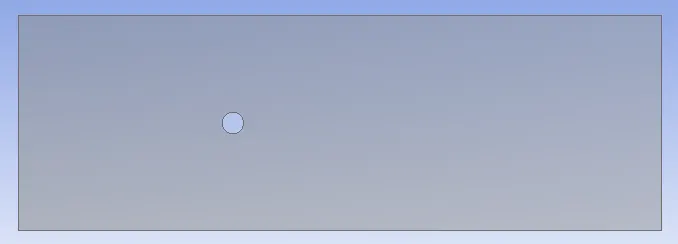
Meshing:
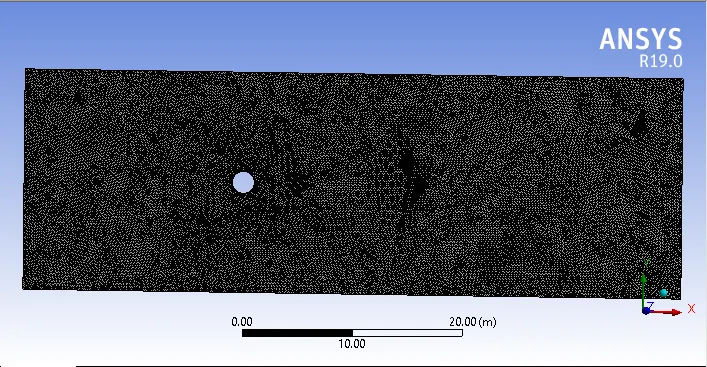
Statistics:
Type of Mesh Used : Triangular Method
Element Sie: 0.20M
Nodes:23729
Elements:46334
Edge Sizing:
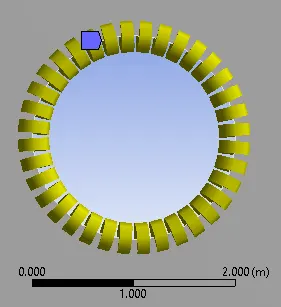
Number of Divisons : 36
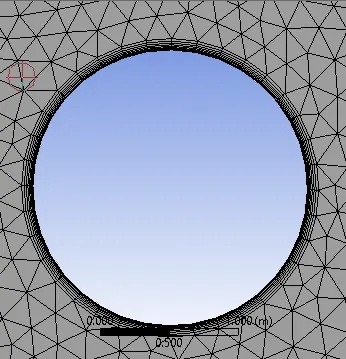
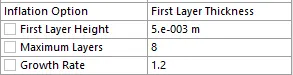
Inflation Layers:
Setup:
Model: Viscous (Laminar)
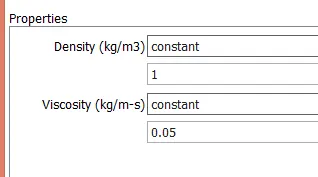
Materials: Air(user- defined properties)
Reference values:
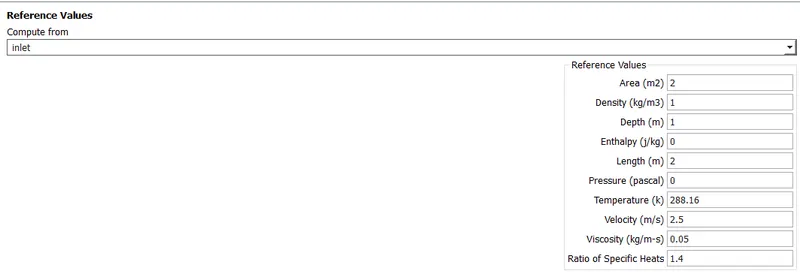
Part 1: steady State Re = 100
Boundary Conditions:
Inlet velocity: 2.5 (m/s) for Re = 100
Results of Steady State:
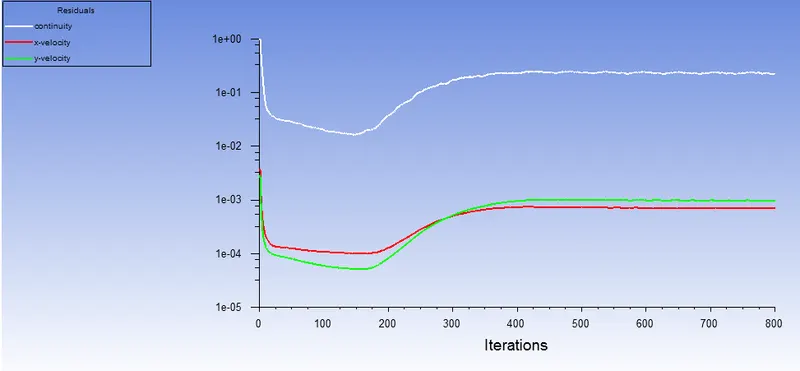
Residual Plot:
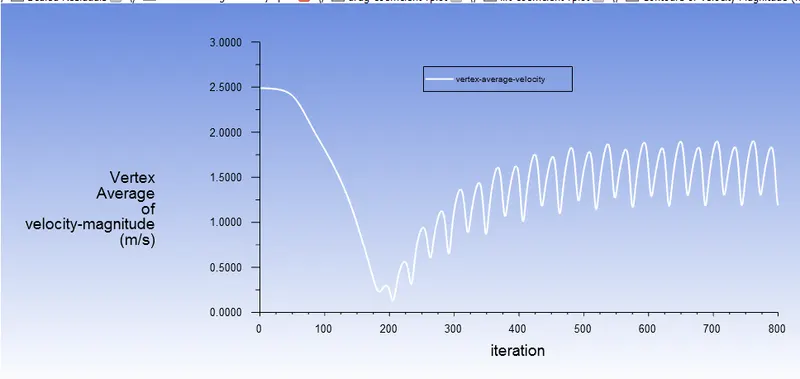
Vertex Average-Velocity:
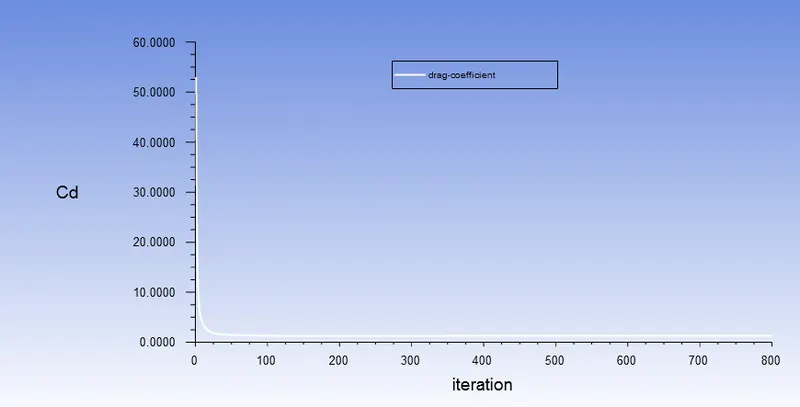
Coefficient of Drag:
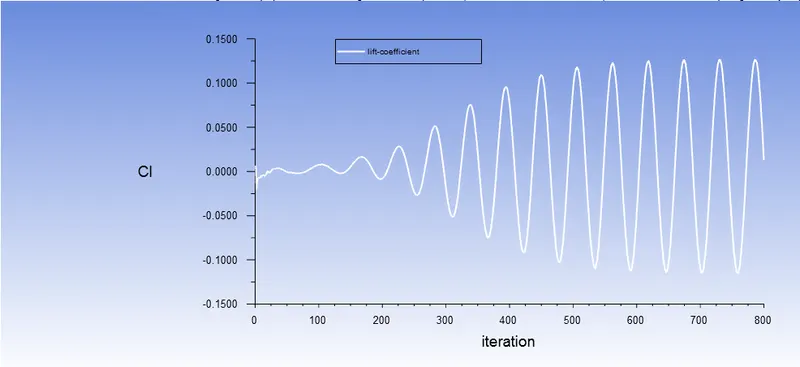
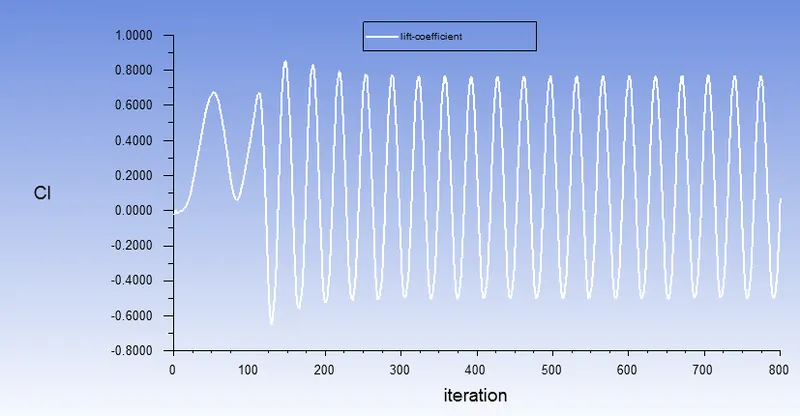
Coefficient of Lift:
Velocity Contour:
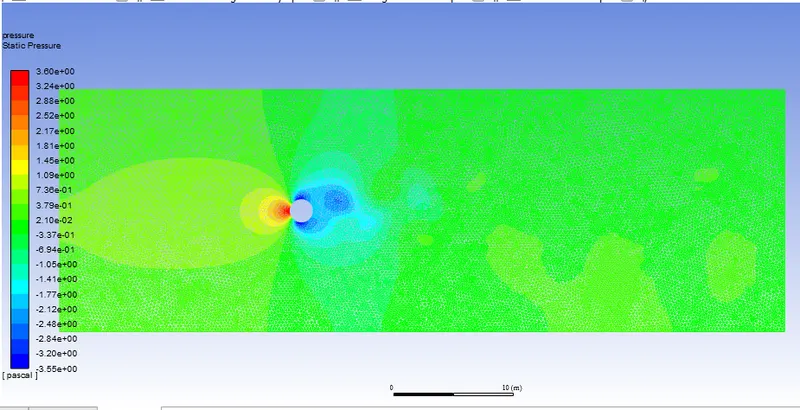
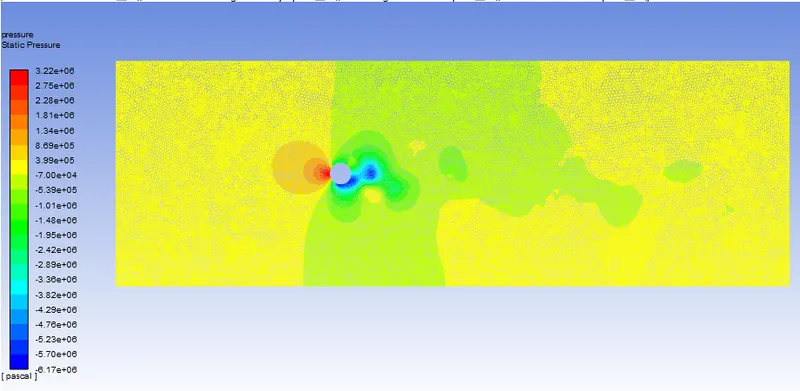
Pressure Countor:
Unsteady state Re = 100
Results of Unsteady State:
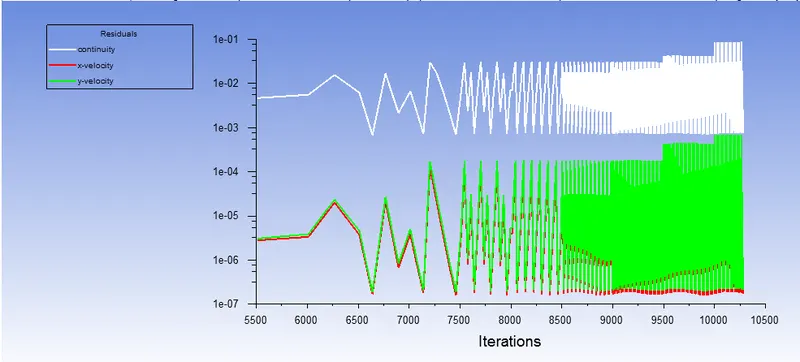
Residual Plot:
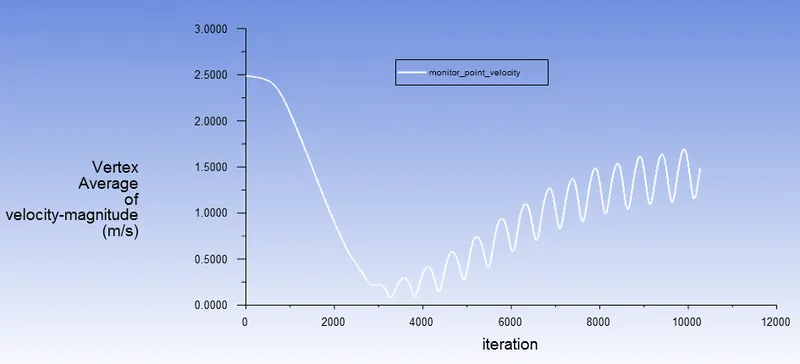
Vertex Average-Velocity:
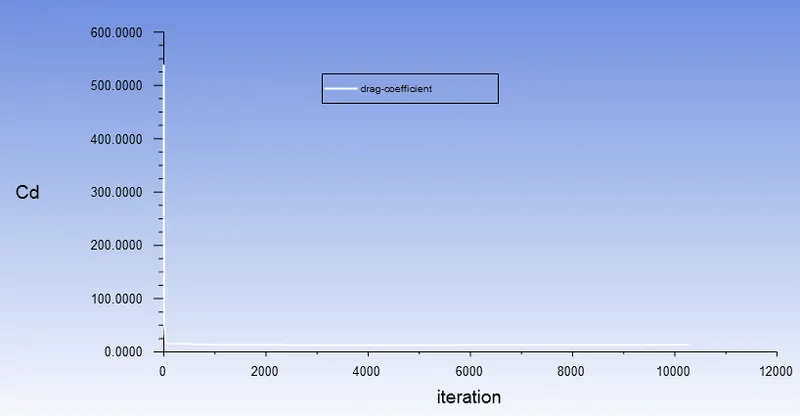
Coefficient of Drag:
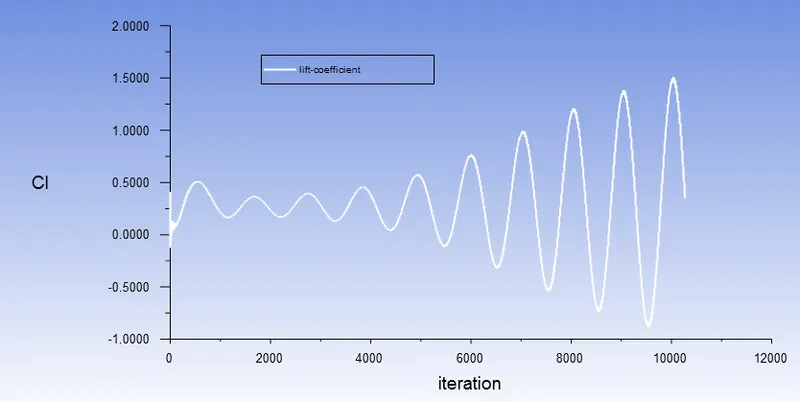
Coefficient of Lift:
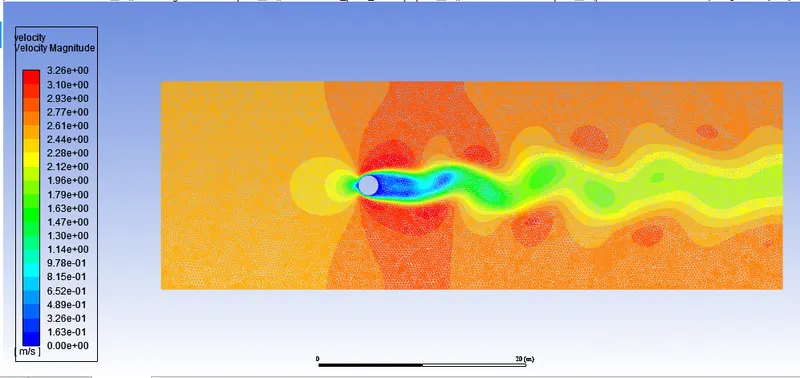
Velocity Contour:
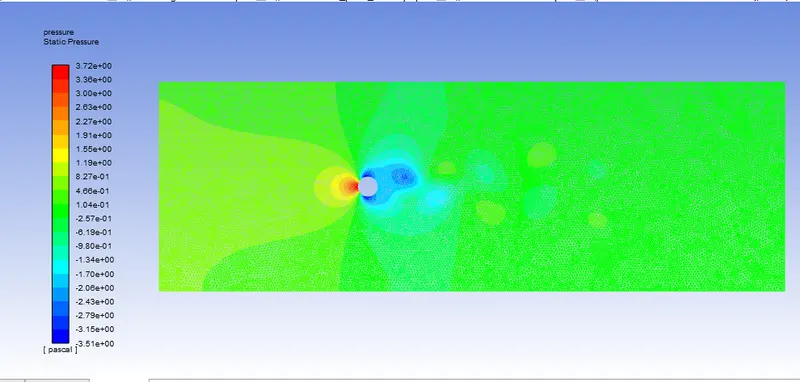
Pressure contour:
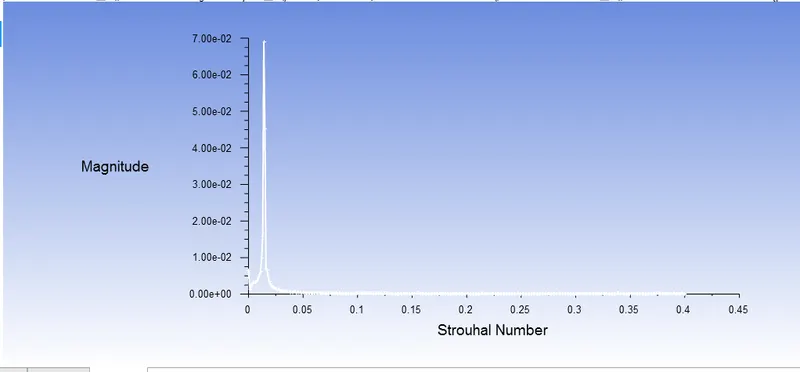
Strouhal Number for Unsteady flow:
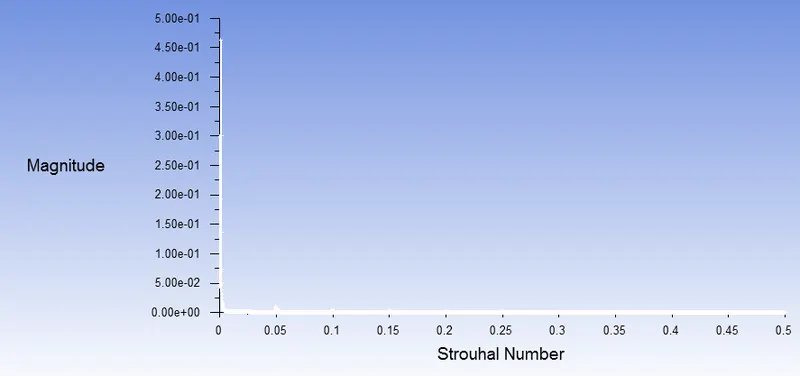
As per the above graph the Strouhal number for the unsteady case is 4.50e-01
As per formula the Strouhal number calculated as
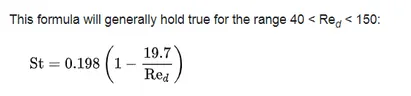
St = 0.198(1- 19.7/100) = 0.1589
Conclusions:
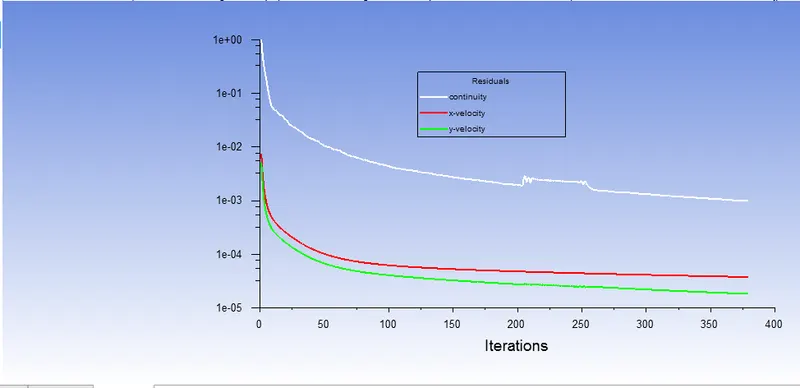
1. Both Steady and Unsteady states conditions values are converged.
The coefficient of lift and Coefficient of drag values for both steadty and unsteady are (Re = 100)

Part II
1. Calculate the coefficient of drag and lift over a cylinder by setting the Reynolds number to 10,100,1000,10000 & 100000. (Run with steady solver)
Re = 10
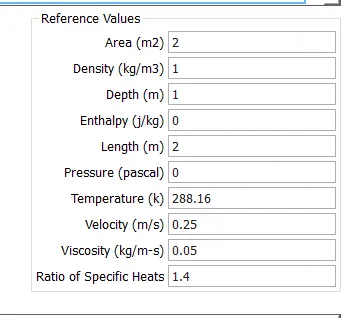
Reference values:
Boundary Conditions:
Inlet velocity: 0.25 (m/s) for Re = 10
Results:
Residual Plot:
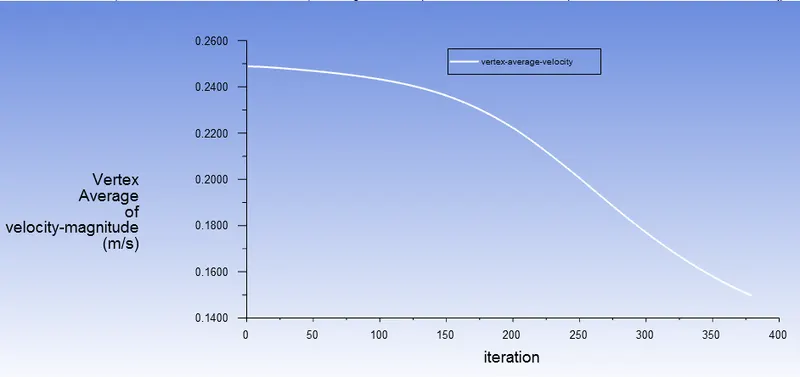
Vertex Average-Velocity:
Coefficient of Drag:
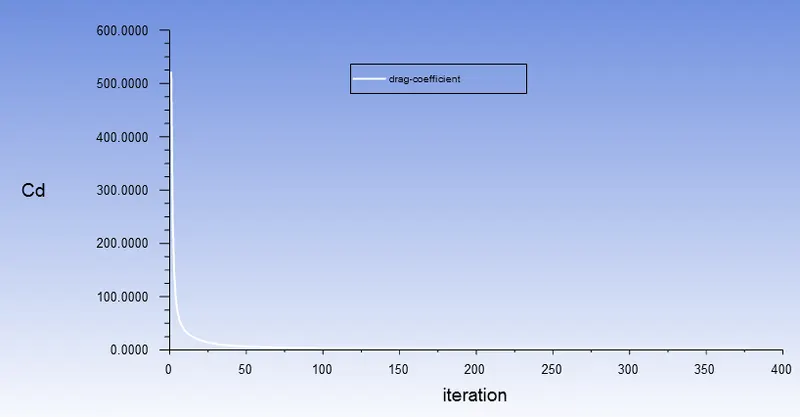
Coefficient of Lift:
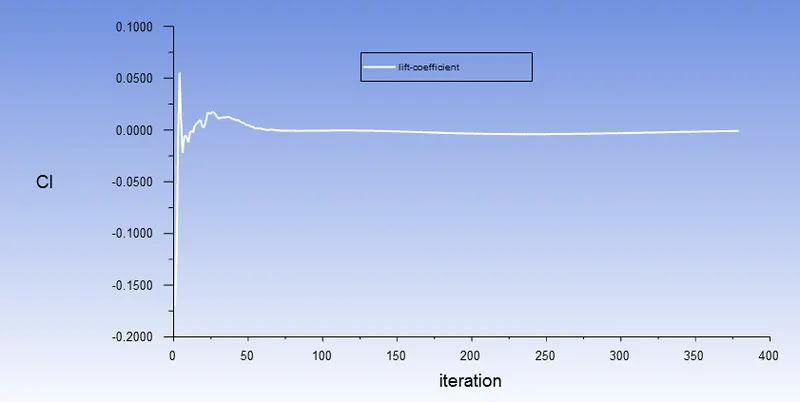
Velocity Contour:
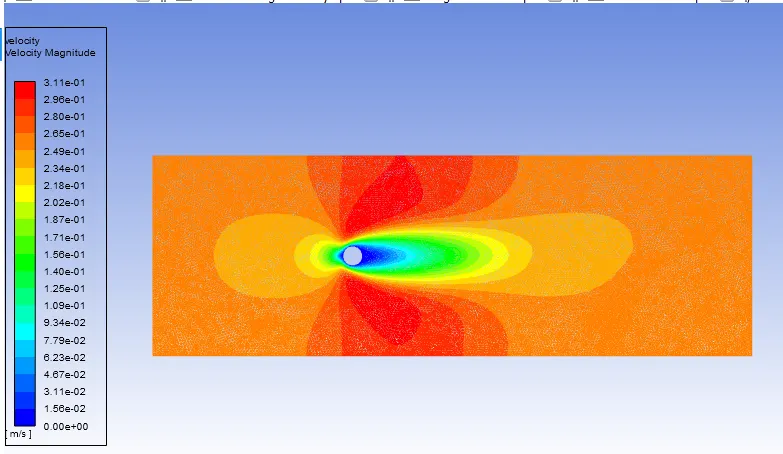
Pressure Contour:
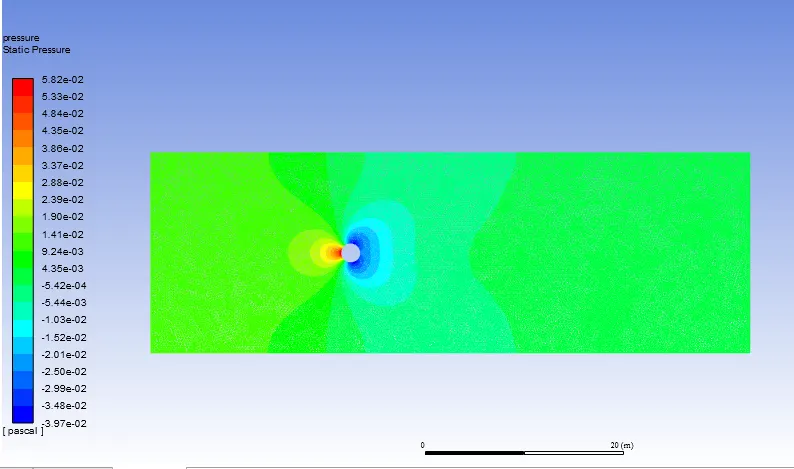
Re = 100
Reference values:
Re = 100
Boundary Conditions:
Inlet velocity: 2.5 (m/s) for Re = 100
Results of Steady State:
Residual Plot:
Vertex Average-Velocity:
Coefficient of Drag:
Coefficient of Lift:
Velocity Contour:
Pressure Countor:
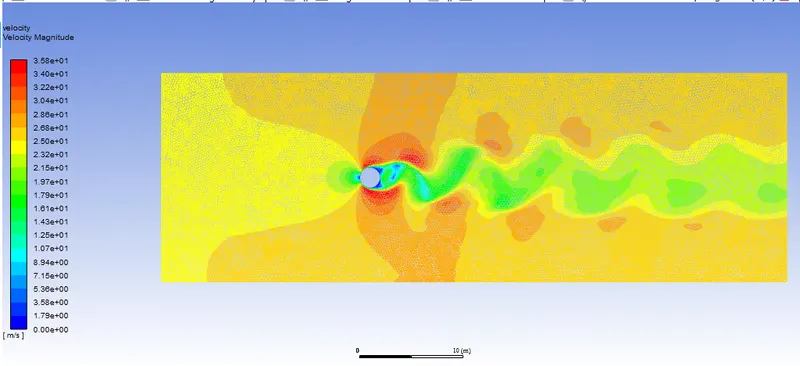
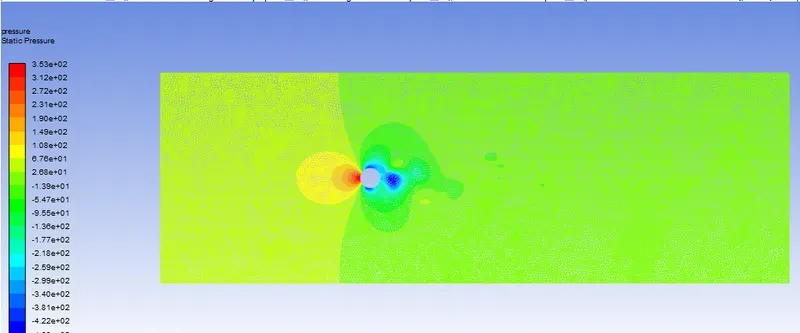
Re = 1000
Reference values:
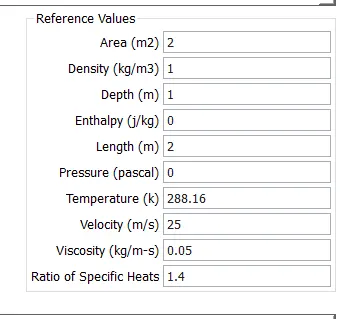
Inlet velocity: 25 (m/s) for Re = 1000
Results of Steady State:
Residual Plot:
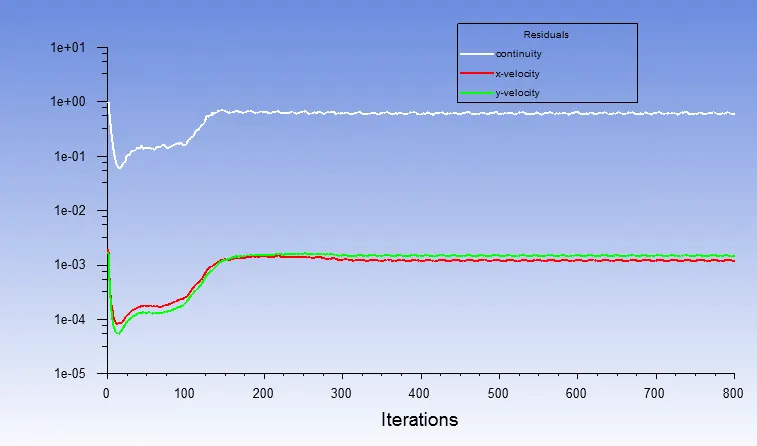
Vertex Average-Velocity:
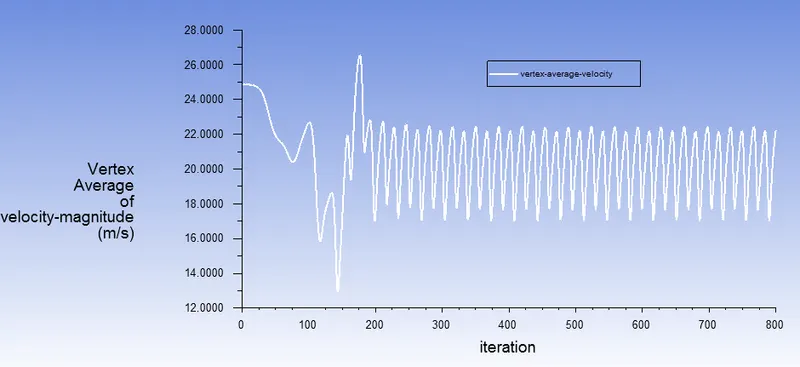
Coefficient of Drag:
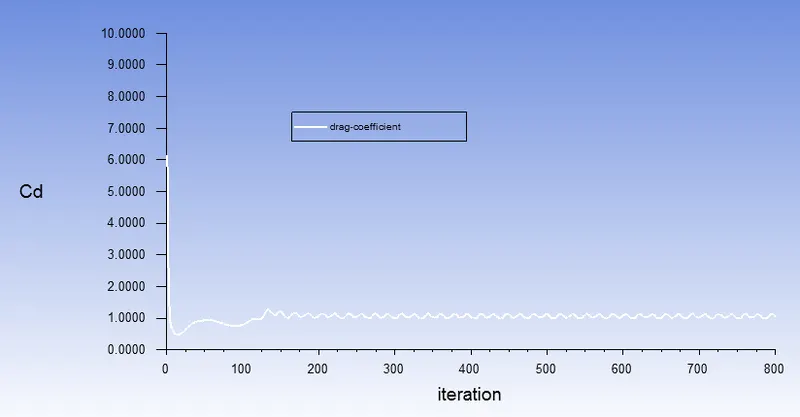
Coefficient of Lift:
Velocity Contour:
Pressure Countor:
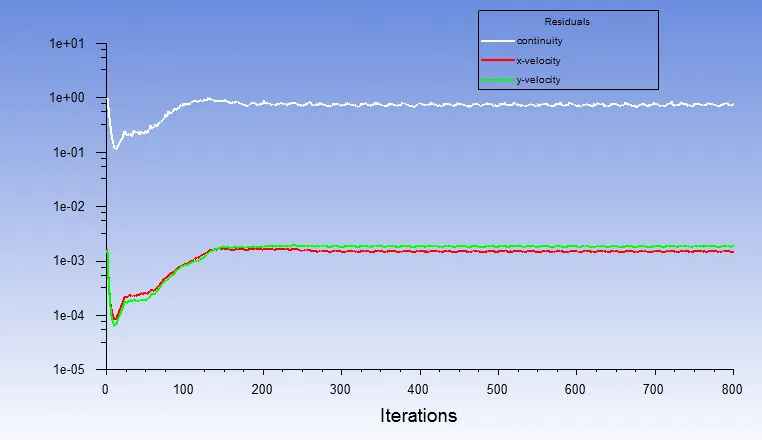
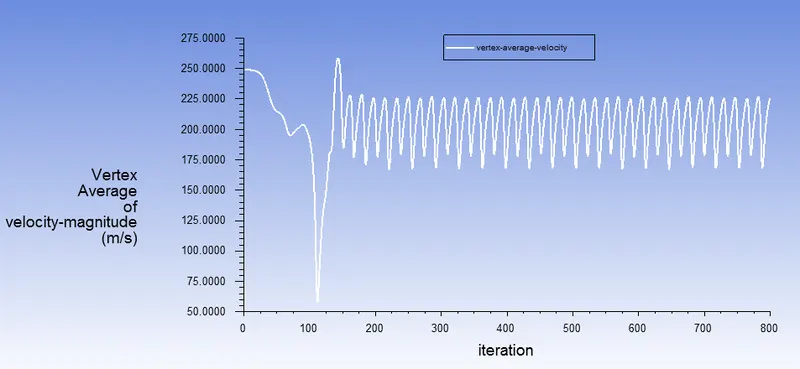
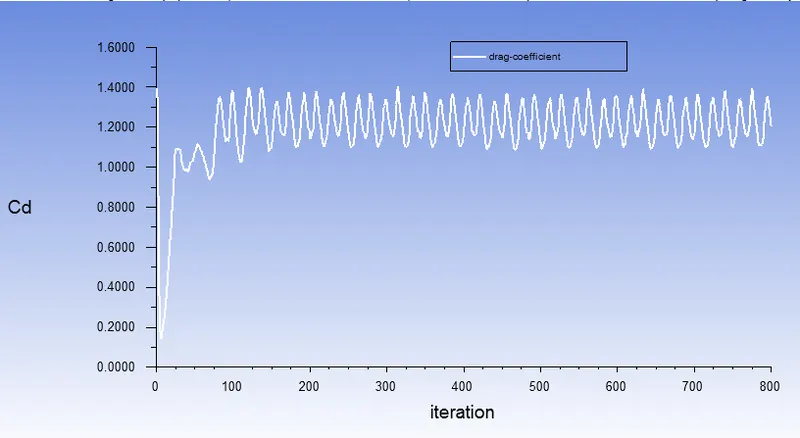
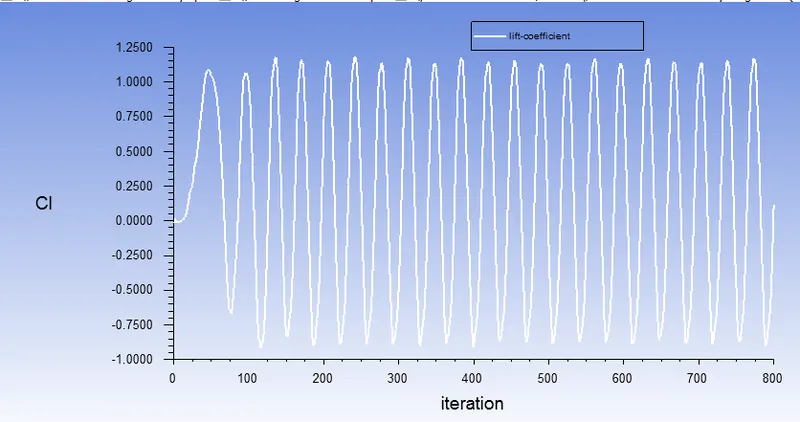
Re = 10000
Reference values:
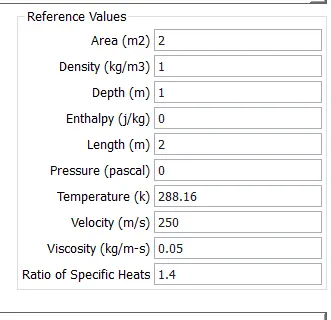
Inlet velocity: 250 (m/s) for Re = 10000
Results of Steady State:
Residual Plot:
Vertex Average-Velocity:
Coefficient of Drag:
Coefficient of Lift:
Velocity Contour:
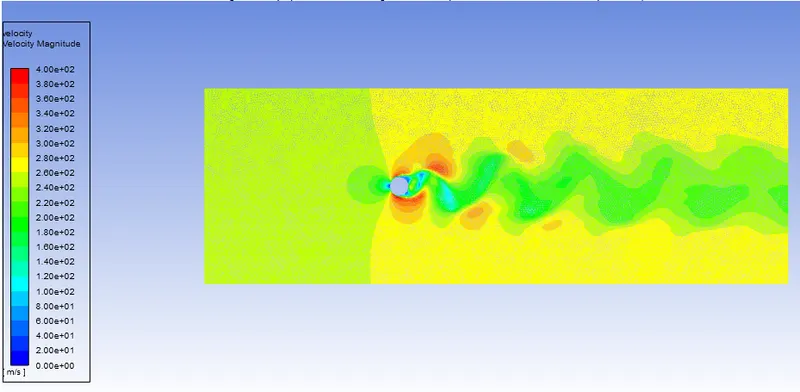
Pressure Countor:
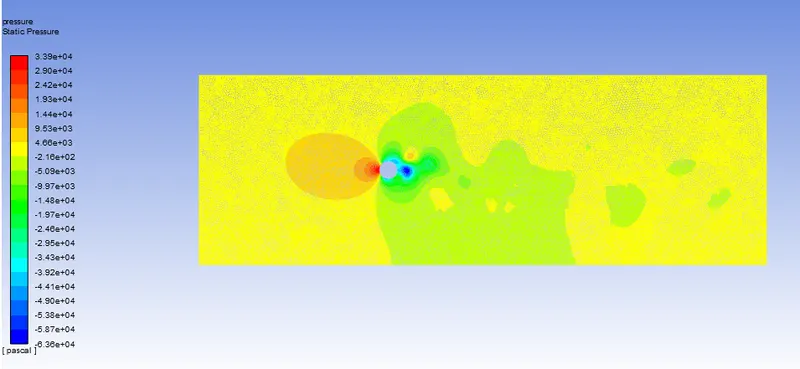
e = 100000
Reference values:
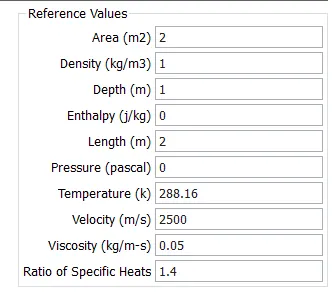
Inlet velocity: 2500 (m/s) for Re = 100000
Results of Steady State:
Residual Plot:
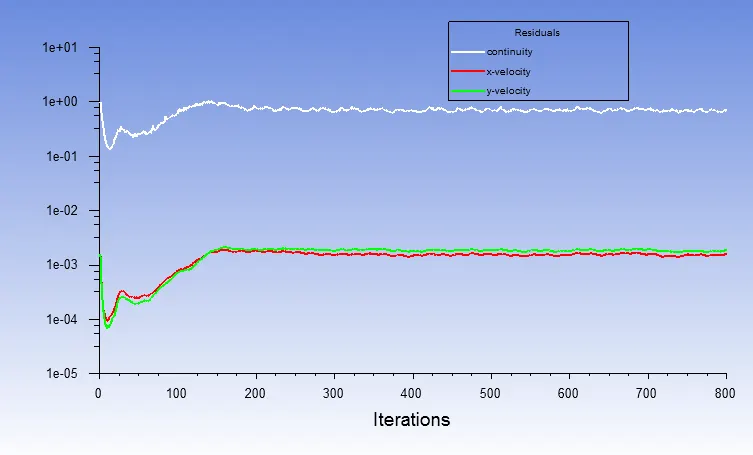
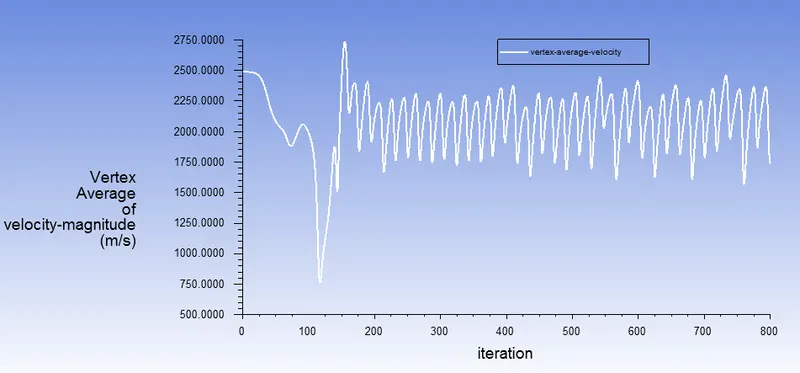
Vertex Average-Velocity:
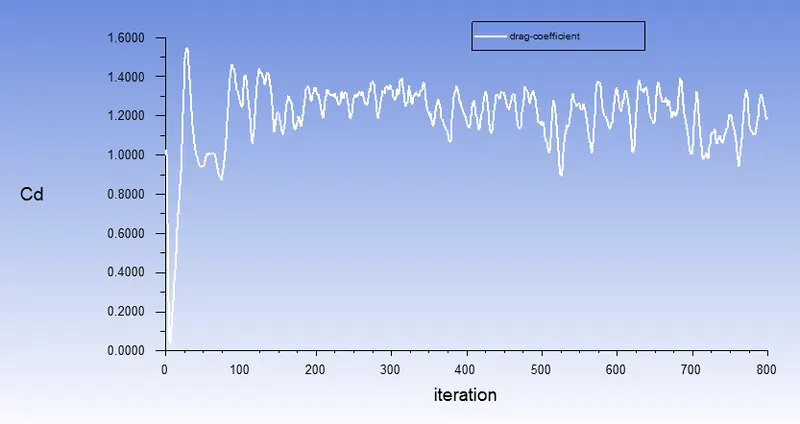
Coefficient of Drag:
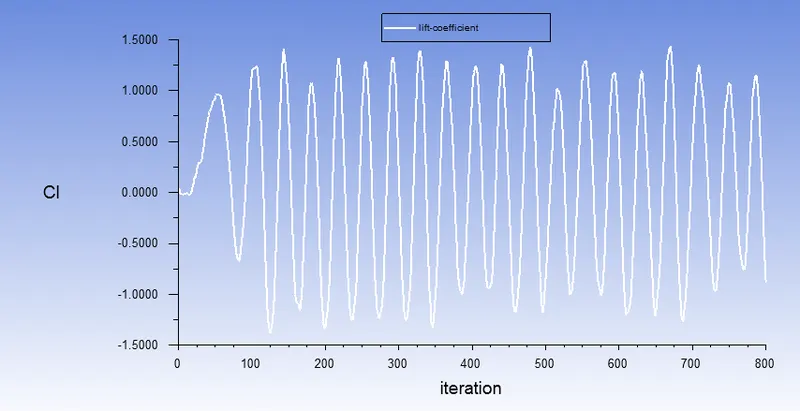
Coefficient of Lift:
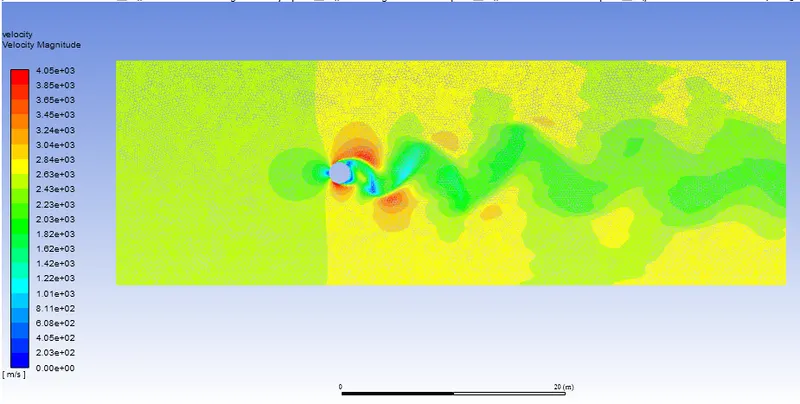
Velocity Contour:
Pressure Countor:
2. Discuss the effect of Reynolds number on the coefficient of drag.
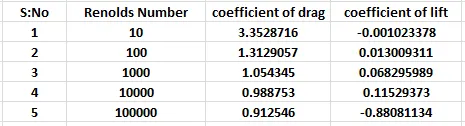
From the above results following observed:
1. As the reynolds number increases coefficient of drag reduces accordingly.
2. At lower Reynolds number (Re = 10), their is no formation of vortices.
3. vortices Shaddding formed at higher Reynolds numbers like 100,1000,10000,100000 respectively.
4. Transient study is good suitable for karman vertex phenomenon.
Results should be validated with any standard literature and error should be within 5 %
As per the article of Numerical Simulation of a laminar flow past a circular cylinder, the coefficient of drag values are
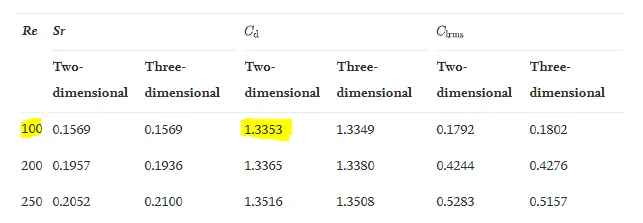
for Re = 100, the cd value getting from the our solution is
Cd = 1.31299057
percentge of error = 1.3353-1.31299057/1.3353 = 0.0167*100 = 1.677
It can be observed that percentage of error in within 5% limit.