Roof Design
ROOS DESIGN OF HATCHBACK CAR AND ANALYSIS (BIW)
OBJECTIVE
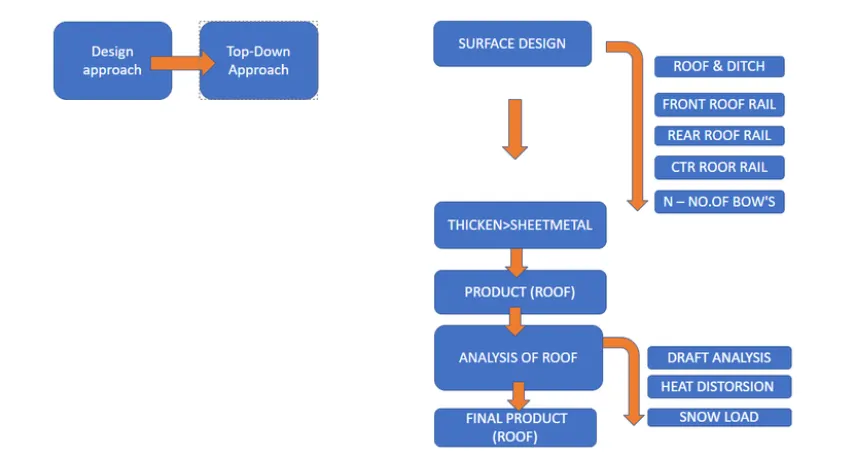
To design a ROOF of the car from the given styling surface with consideration of all engineering aspects which are draft analysis for DFM, heat distortion, and snow load prediction to justify roof curvature.
INTRODUCTION
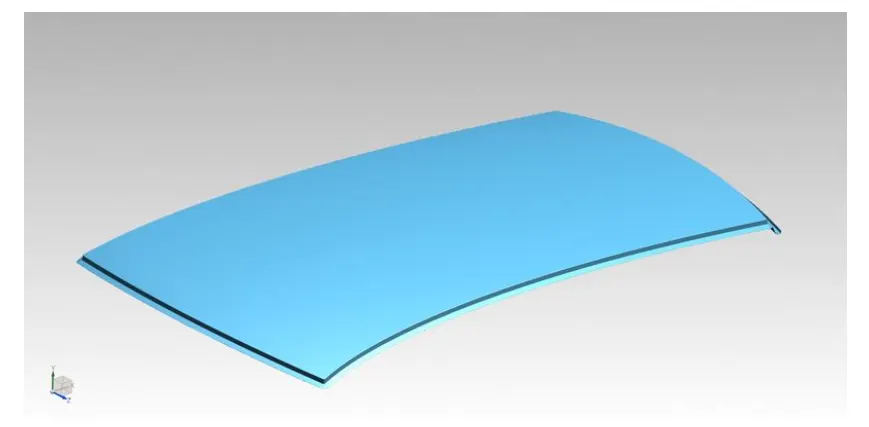
An automobile roof or car top is the portion of an automobile that sits above the passenger compartment,protecting the vehicle occupants from sun, wind, rain, and other external elements. this is called the roof.
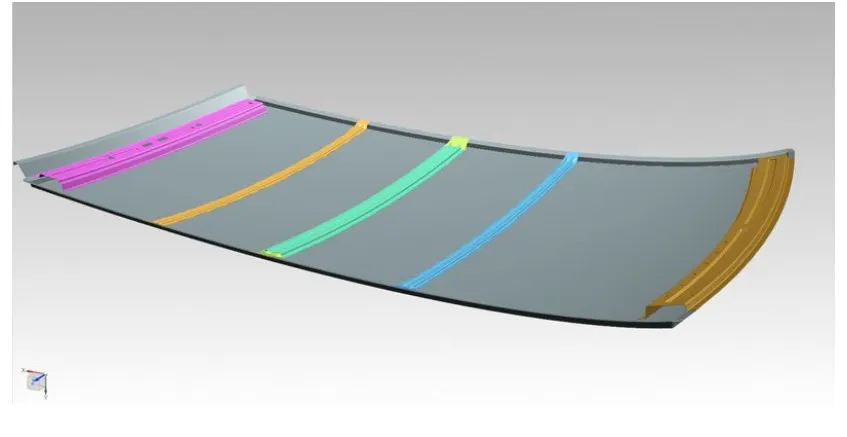
To give the strength to the roof we attached bow roofs, bow roof is nothing but it is a supporting sheet metal part.
The rear roof tail as the name suggests it place on the end of the roof. the master section should have the right geometry so that the back door will dlitch area with the help of henge to open and close the back door.
In this design phase, I used 3 bow roofs with one reinforcement.
PROCESS STEPS/ APPROACH
ROOF 1
ROOF 2
ROOF WITH DETAILS
FRONT ROOF RAIL
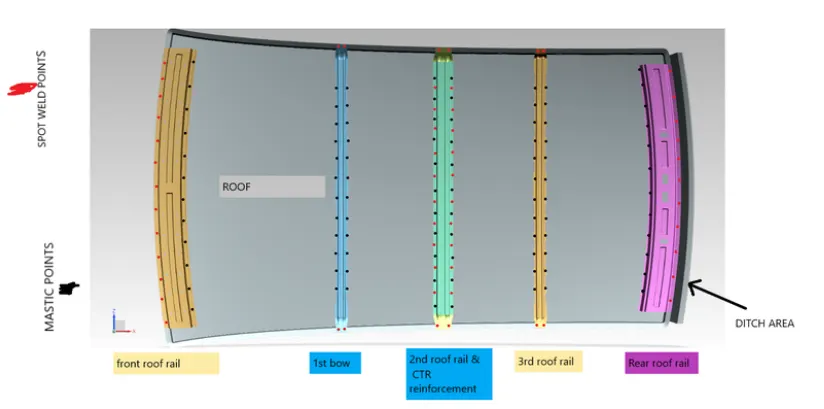
The front roof rail is the one that joints the front roof side and the bodyside front. basically, the roof rails and the roofs are joined with the help of mastic and spot welding. the front most end is joined by spot weld and the backside will be joined by the mastics.
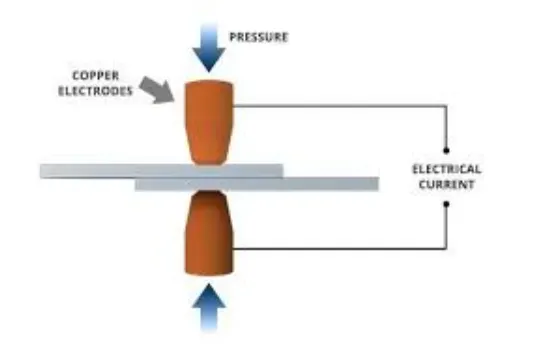
SPOT WELDING
Spot welding ( or resistance spot welding ) is a type of electic resistance welding used to weld various sheet metal products, through a process in which contacting metal surface points are joined by the heat obtained from resistance to electric current.
MASTIC JOINT
Mastic in automotive sheet metal generally used to bond two different sheet metals by using additives and sealant. it is very helpful to reduce vibration between the sheet metal part.
Given master section
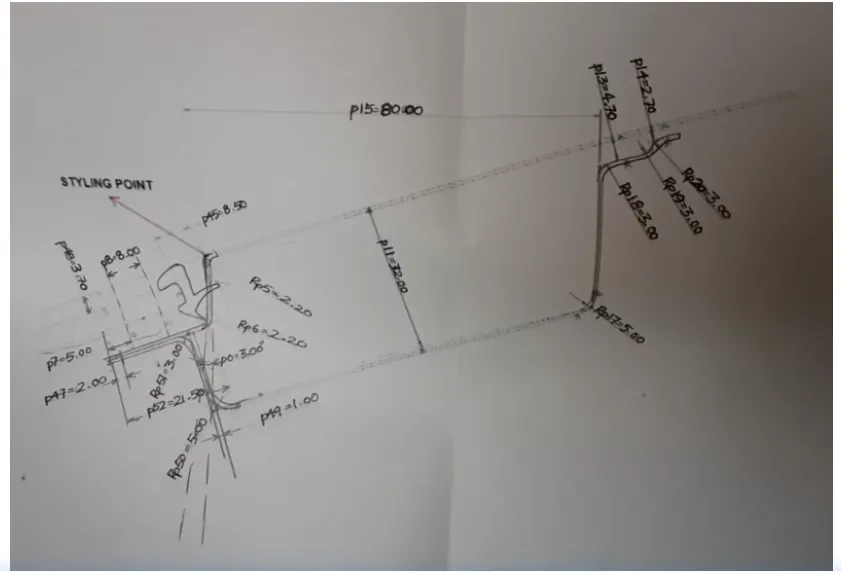
The master section of front the roof rail
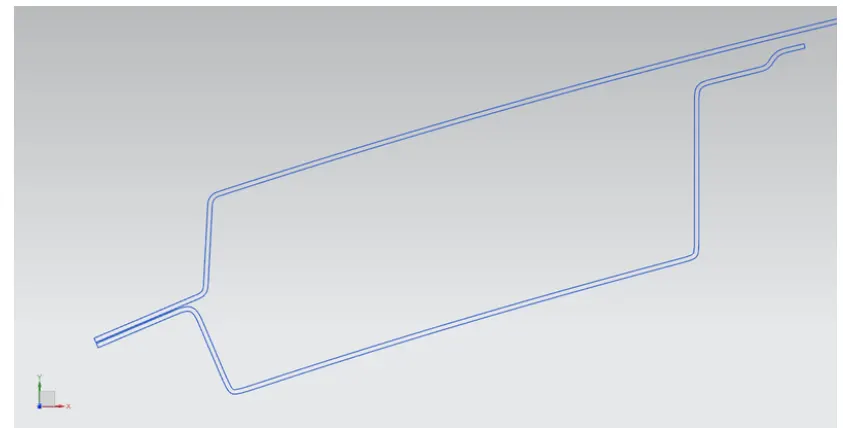
Top view of FRR
- The thickness of roof=0.75mm
- front rail roof thickness=0.75mm
- Embosses are created to improve the strength of the FRR.
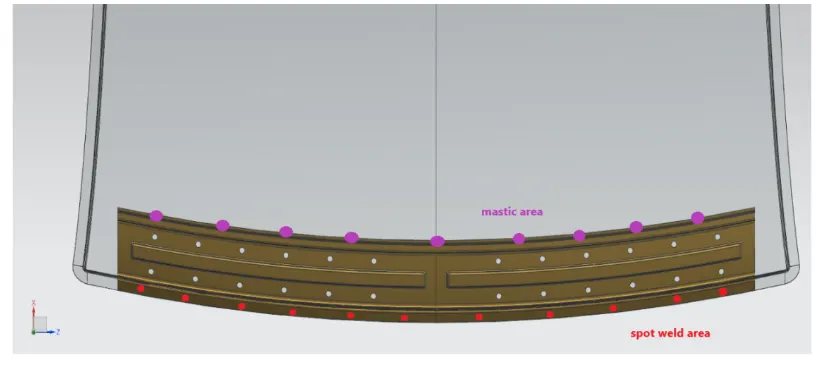
REAR ROOF RAIL
Rear roof is attached at the end of the roof as shown in fig. back door will come and attach with the rear roof rail with the help of henge attachments. while designing the rear rail we have to consider the backside view clearance so the driver able to see backward through the windshield. which is called rear visibility criteria.
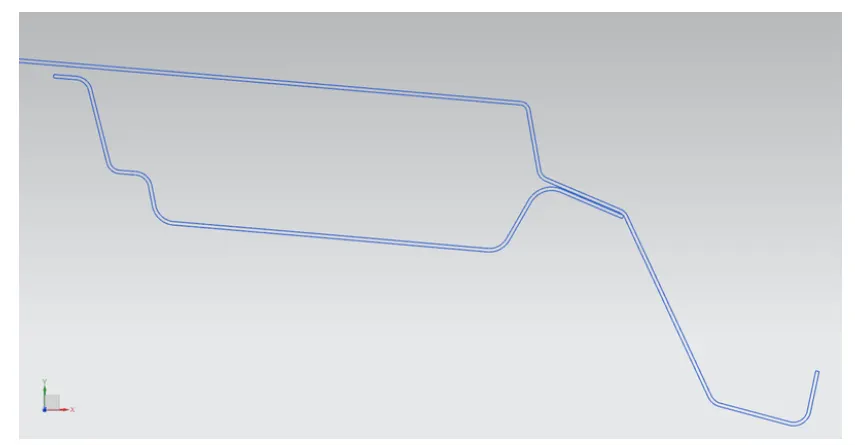
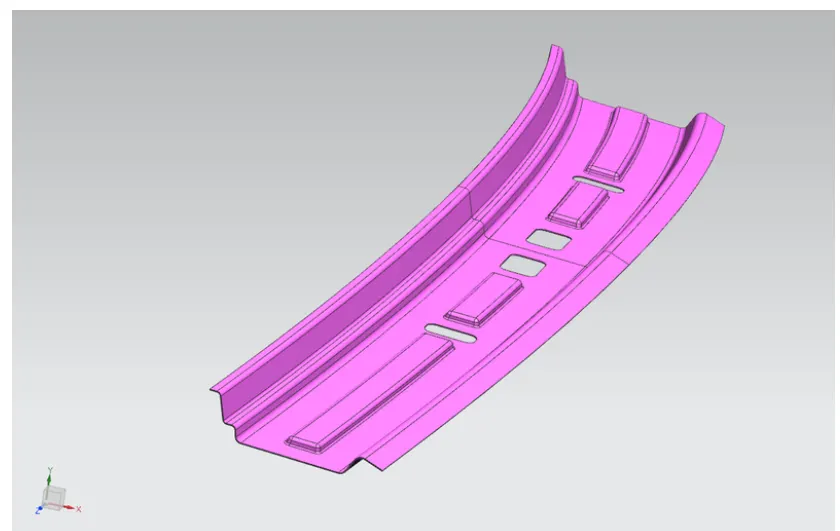
Mastic and spot weld joints are used as similar as the FRR. to joint RRR with the roof.
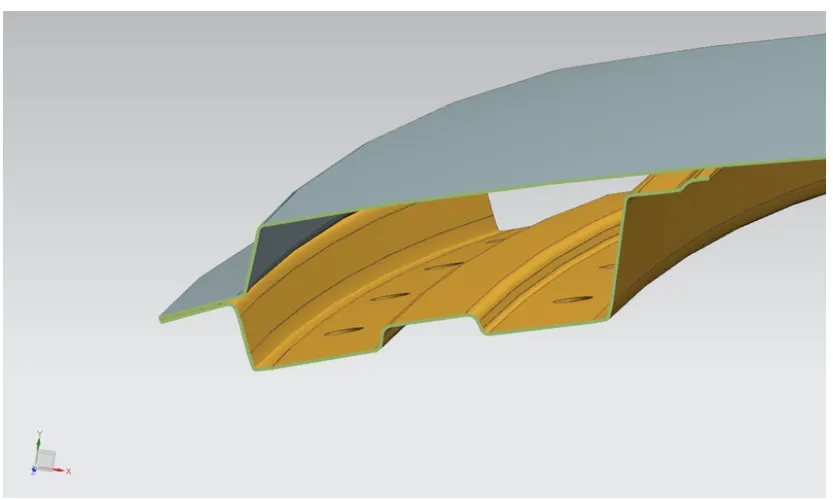
- the thickness of rear roof rail=o.75
- the thickness of the roof 0.75
- embosses are created to improve the strength and holes were created to minimizing the material weight. lesser the weight higher the performance of the car.
ROOF BOW 1
These roof bows were created to improve the stiffness of the roof. since if the car was too long or too height also the no of bow roof are also increased.
DRAFT ANALYSIS ON THE BOW ROOF
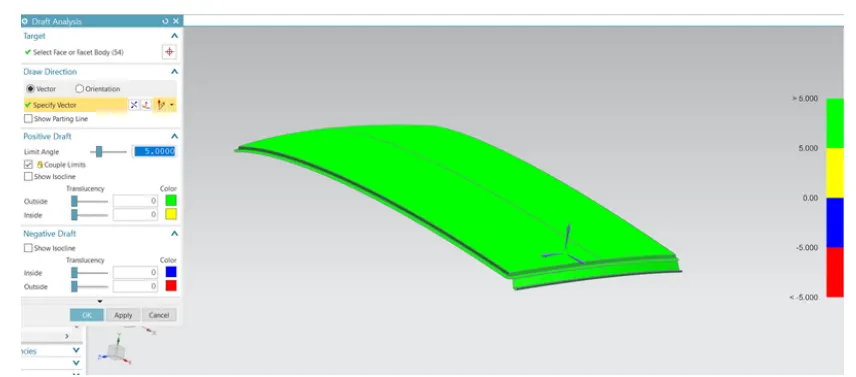
we have a negative draft value it might make a problem in the manufacturing phase so we have to redesign this part. here we have a negative draft angle which means it might be a problem. so we have to bring some more draft angle value to make it manufacturable.
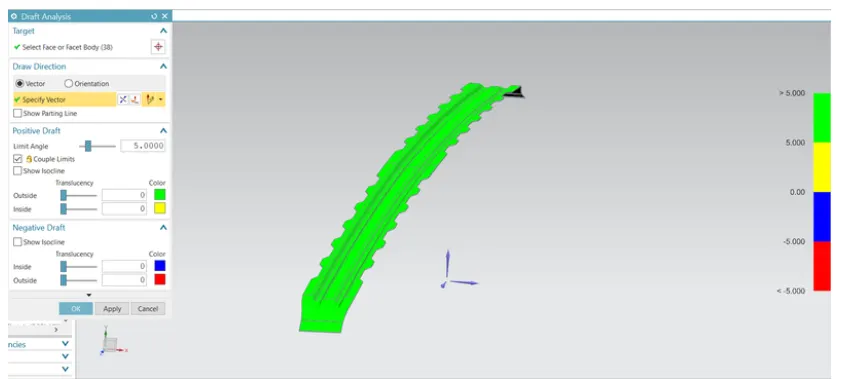
Draft analysis on the rear roof rail
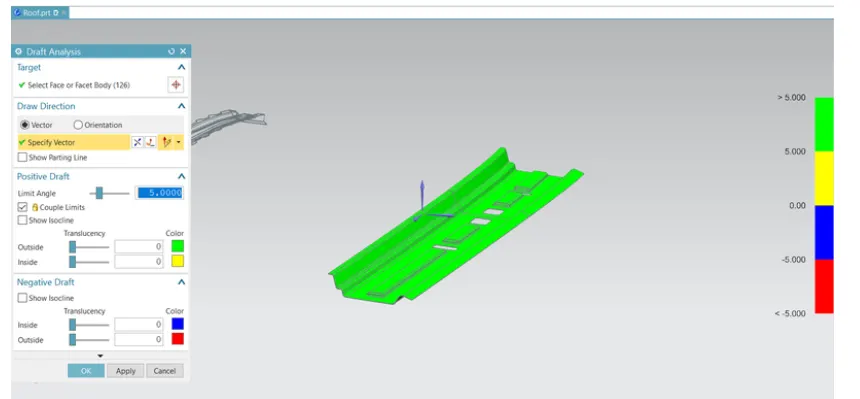
TEST WILL BE CONDUCTED
There is some physical test which will be conducted on the car roof which has been filled for passenger safety.
life of test
- roof crash test
- heat distortion test
- snow load test
TEST TYPE: static test
ROOF CRASH TEST
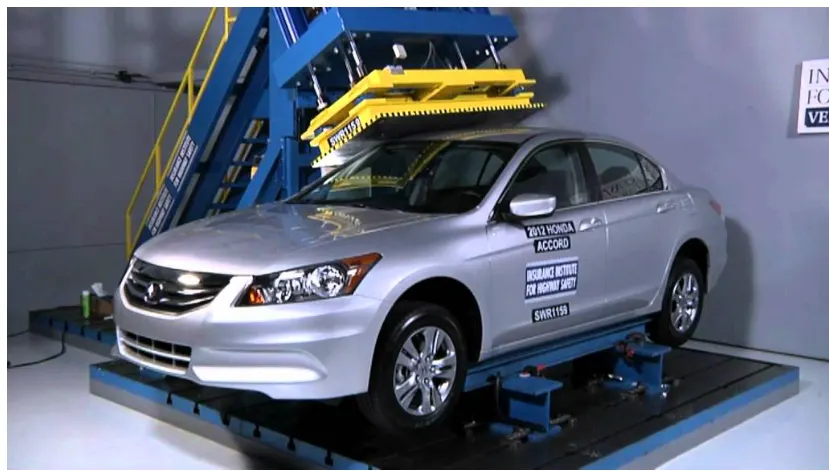
HEAT DISTORTION TEST
curvature study
This is the theoretical study to make sure the correct position of bow roofs. these are the prediction formulas.
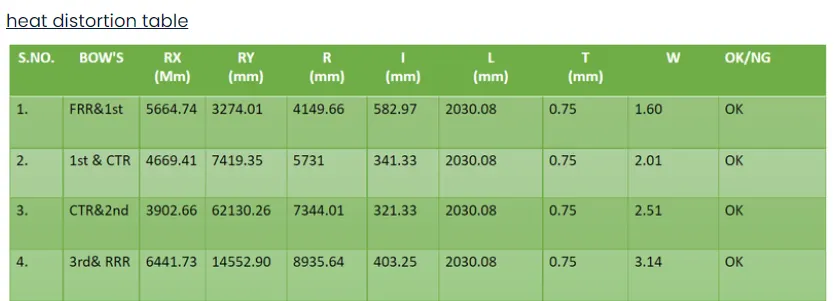
AREA MOMENT OF inertia values
BOW ROOF FIRST
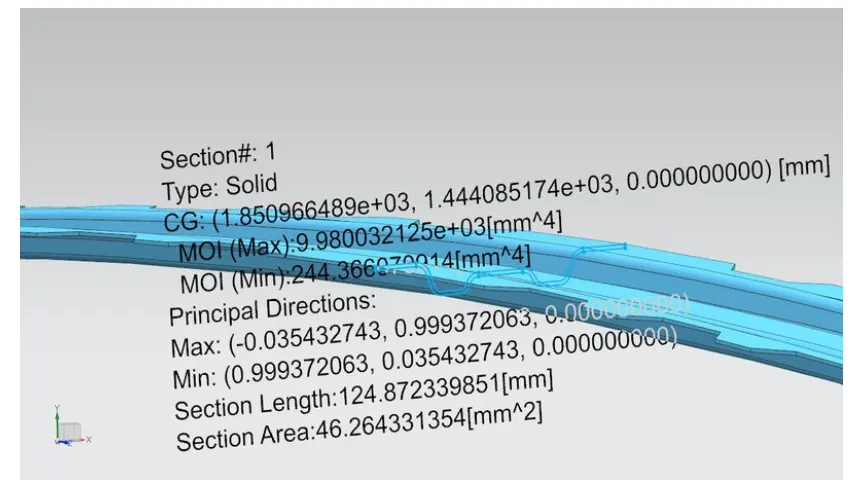
MOI =244.3660 mm4
CTR blow and reinforcement
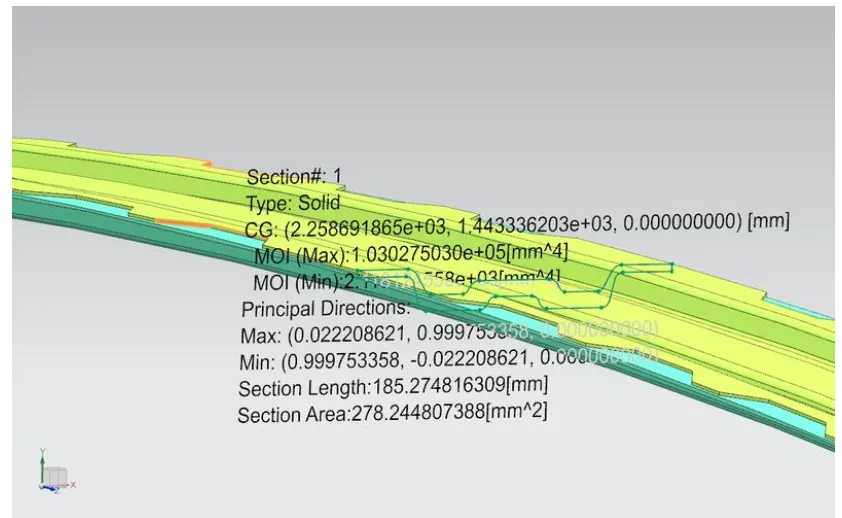
MOI=2.1181e+3 mm4
BOW ROOF 3
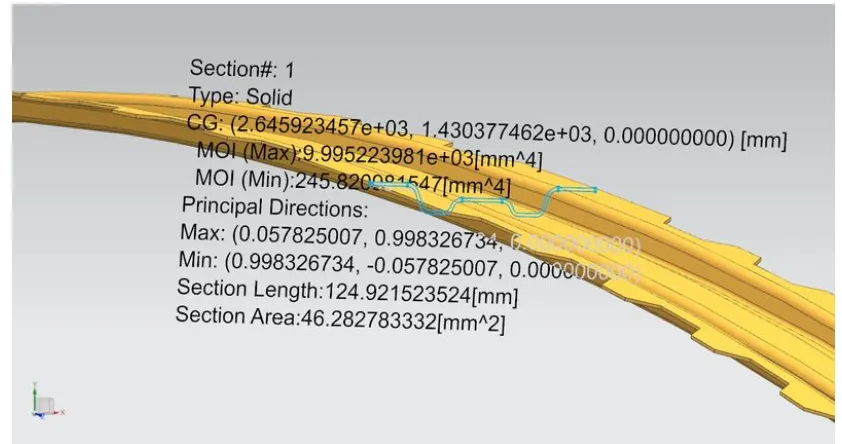
MOI=245.8200 mm4
snow load table
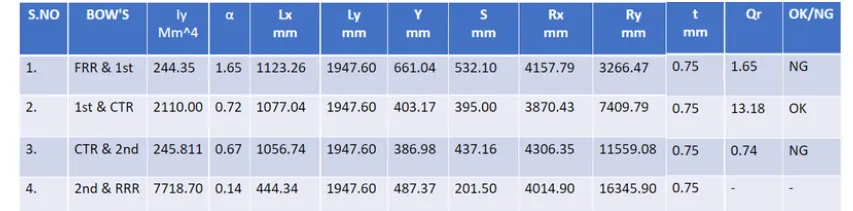
Redesign the bow to improve the moment of inertia
- make changes in the position of bow's
- Add an extra bow make some bead or embossed on the roof to strengthening the roof from its displacement.
- passes the test report to the styling team to change the radius of curvature of the part.
ACTION
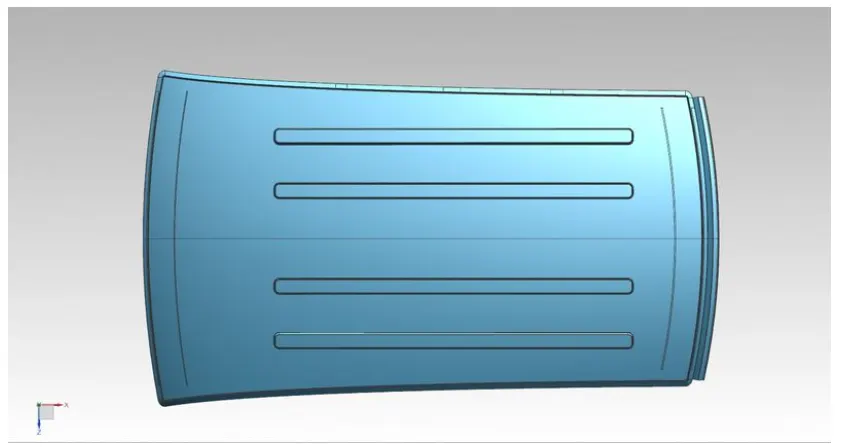
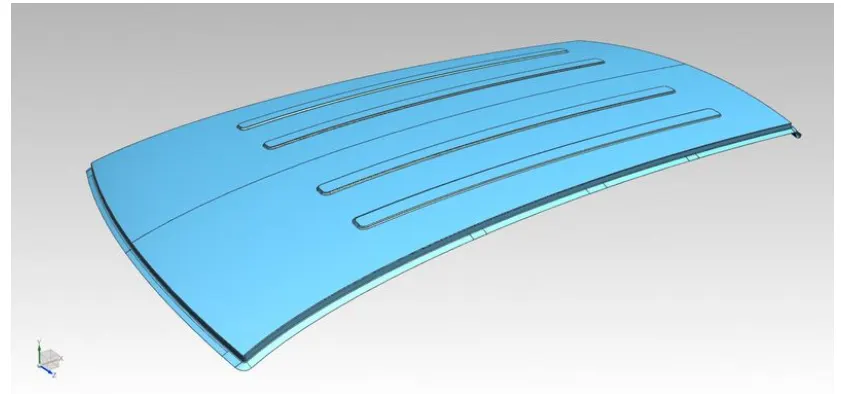
I choose to add some beads and embosses on the roof. so the roof will get passed in the real-time snow load test. the embossed i created drastically improved the strength of the roof.
FINAL ROOF DESIGN
CONCLUSION
Therefore, we designed the roof outer panel, front roof rail, Rear roof rail, Bow roof rail 1&2 and center roof rails according to the given master cross sectional drawing. then did a curvature study on the roofs and perform calculations for heat distortion and snow load prediction has been done. As per the results Bow roofs positions and strength are good. Finally verified the feasibility of manufacturing by draft analysis.