Roof challenge
ROOF DESIGN USING GIVEN MASTER SECTIONS
Aim- To develop the essential flanges and reinforcements with appropriate dimensions and checking draft by performing Draft analysis, Calculating Section inertia, Heat distortion and Snow load on the roof.
Roof- An automobile roof or car top is the portion of an automobile that sits above the passenger compartment, protecting the vehicle occupants from sun, wind, rain, and other external elements.
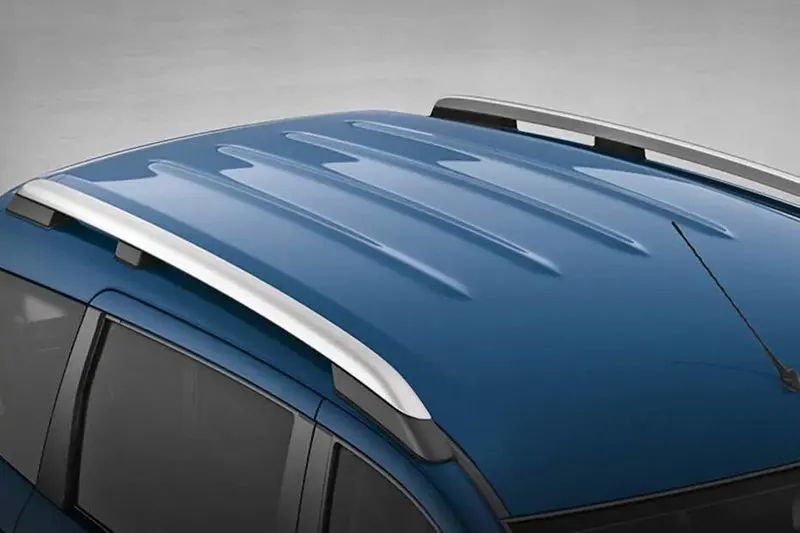
In later years, many variations on the automobile roof developed.
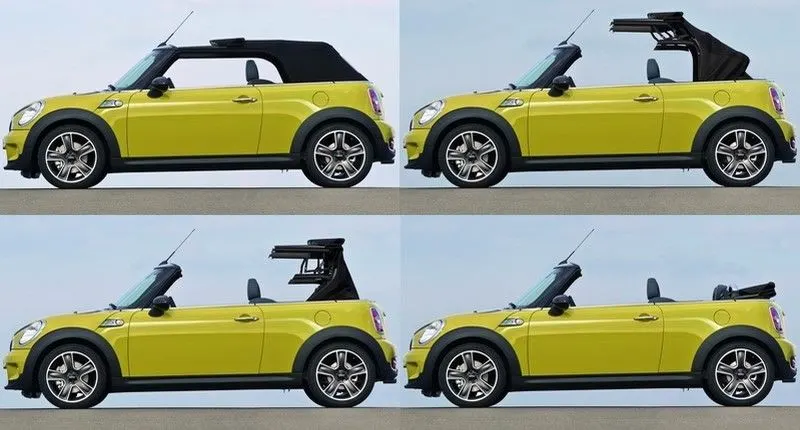
Convertible roofs - A convertible or cabriolet is a passenger car that can be driven with or without a roof in place. The methods of retracting and storing the roof vary between models. A convertible allows an open-air driving experience, with the ability to provide a roof when required. Potential drawbacks of convertibles are reduced structural rigidity (requiring significant engineering and modification to counteract the effects of removing a car's roof) and cargo space.
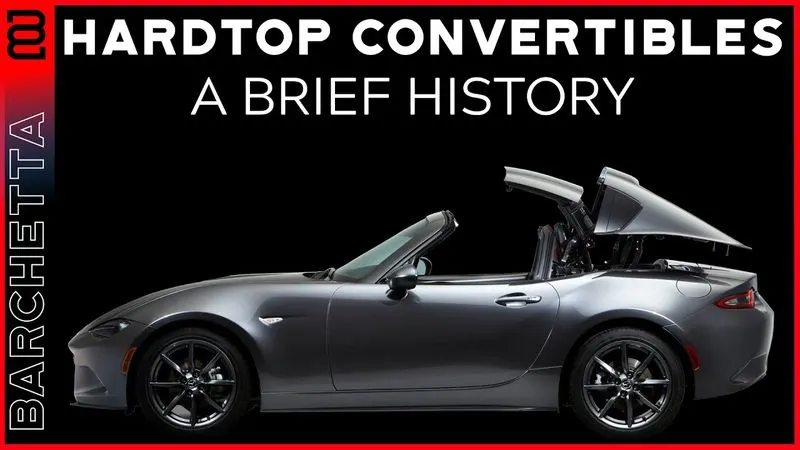
Hardtops - A hardtop is a rigid form of automobile roof, which for modern cars is typically constructed from metal.
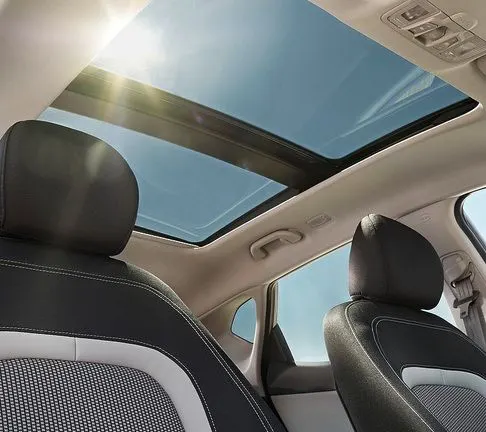
Sunroofs - A sunroof is a movable panel that opens to uncover a window in an automobile roof, allowing light and/or fresh air to enter the passenger compartment. Sunroofs can be manually operated or motor driven, and are available in many shapes, sizes and styles. While the term sunroof is now used generically to describe any glass panel in the roof, the term "moonroof" was historically used to describe stationary glass panes rigidly mounted in the roof panel over the passenger compartment. A moonroof has a glass panel that is transparent and usually tinted. Previous terms include Sunshine Roof, Sliding Head and Sliding Roof.
T-Tops - A T-top is an automobile roof with a removable panel on each side of a rigid bar running from the center of one structural bar between pillars to the center of the next structural bar. The panels of a traditional T-top are usually made of auto grade safety glass.
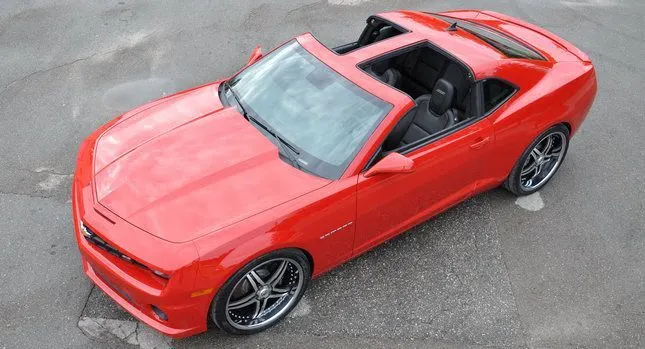
Targa Tops - Targa top, or targa for short, is a semi-convertible car body style with a removable roof section and a full width roll bar behind the seats. The rear window is normally fixed, but on some targa models, it is a removable plastic foldable window, making it a convertible-type vehicle. Any piece of normally fixed metal or trim which rises up from one side, over the roof and down the other side is sometimes called a targa band, targa bar, or a wrapover band.
Targa tops are different from T-tops, which have a solid, non-removable bar running between the top of the windscreen and the rear roll-bar, and generally have two separate roof panels above the seats that fit between the window and central t-bar.
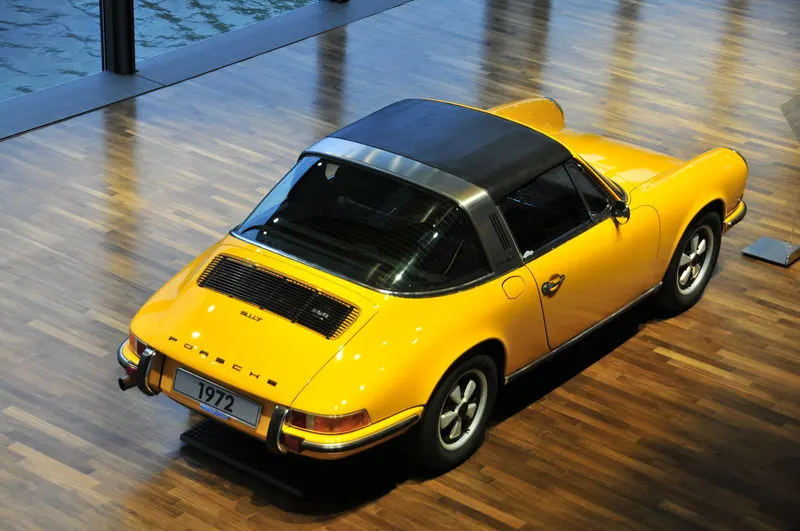
Vinyl Roofs - This covering was originally designed to give the appearance of a convertible to models with a fixed roof, but eventually it evolved into a styling statement in its own right. When leather, canvas and vinyl were sometimes used along with landau bars, to give a fairly accurate reproduction of a horse-drawn carriage's movable top.
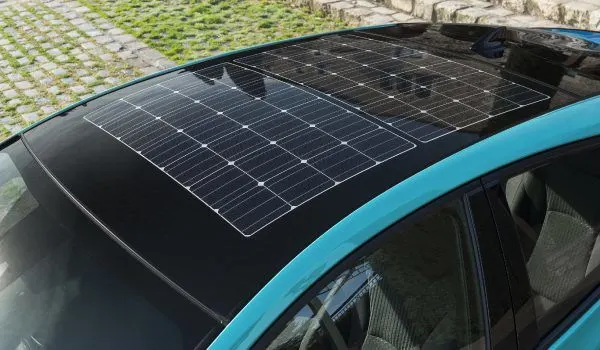
Solar Panel Roof- The Solar panel roofs are newly developed for electric cars, to charge the batteries by using sunlight without stopping at charging stations which consumes a good time to recharge the batteries. So that the solar panel roofs were developed for on going recharging of batteries.
DESGN CRITERIA:
- Visibility criteria as safety and functionality
- Head clearance for ease and comfort
- Draft analysis fro easy manufacturing and tooling
- Safety parameters for users
- Heat distortion
- snow load criteria
To create the Roof Given data is-
Roof Skin
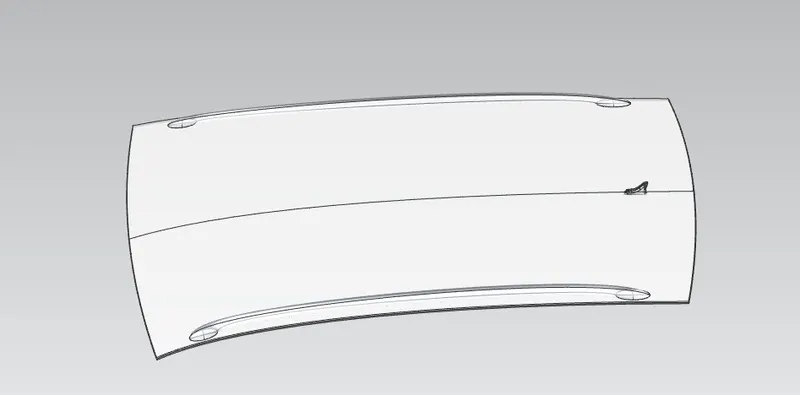
Given Mastersection
FRONT ROOF RAIL:
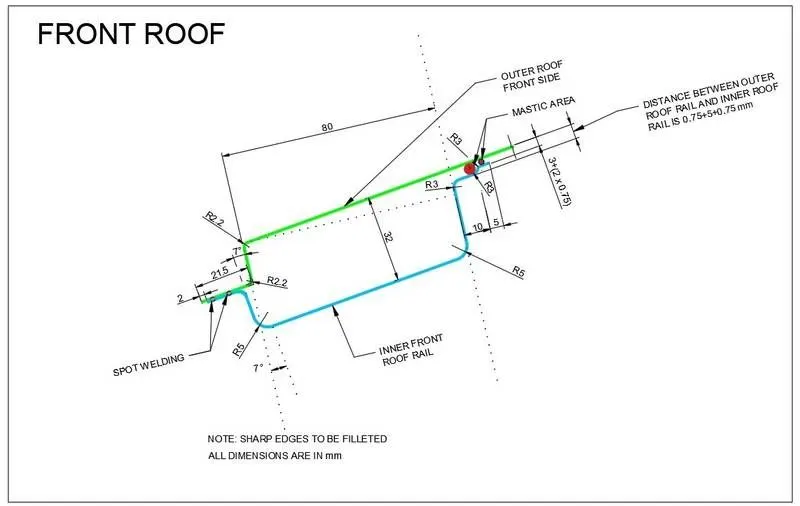
The front roof rail is created at the front side of the roof to provide strength to the roof. Headroom clearance and the driver visibility are the two important factors to be considered while designing the front roof rail. the front roof rail is connected to the roof outer panel with the help of mastic seal.
BOW ROOF:
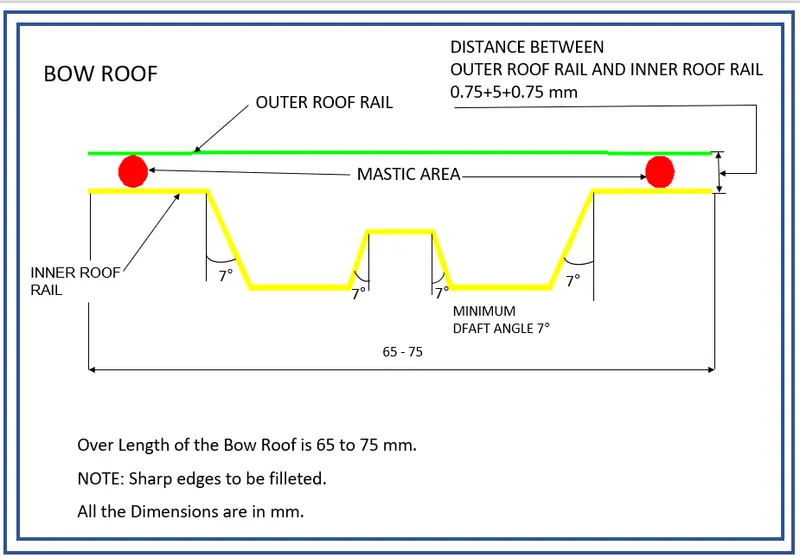
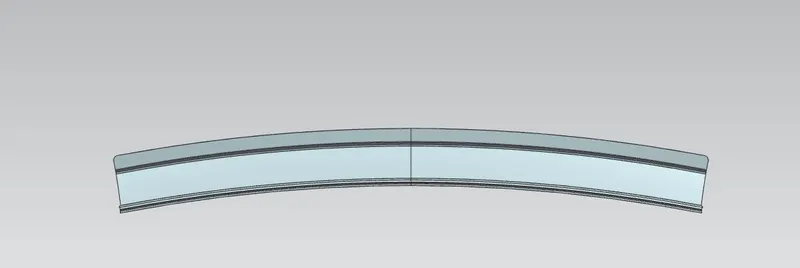
It is used to give strength to the area between the front roof and the centre roof rail. Also it is created in the area between the centre roof rail and the rear roof rail to provide enough strength. It can be created in any numbers depending upon the roof length but the position of the bow roofs is to be justified by curvature study.
CENTRE ROOF RAIL:
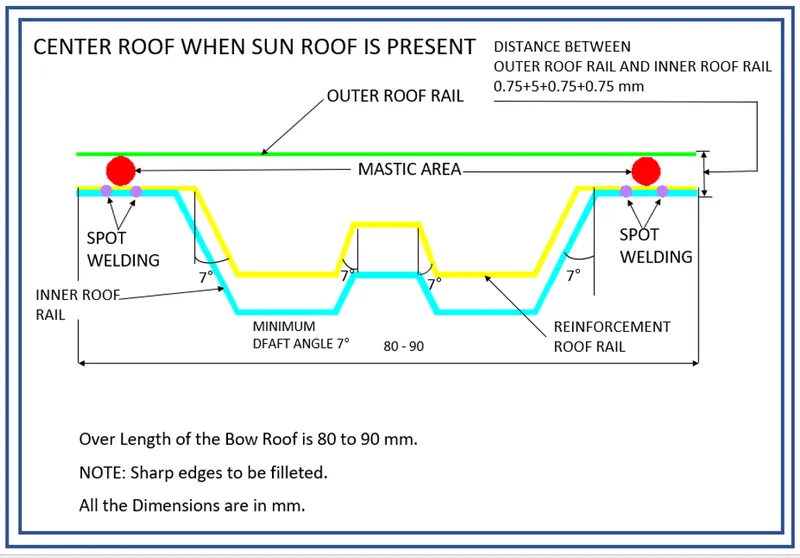
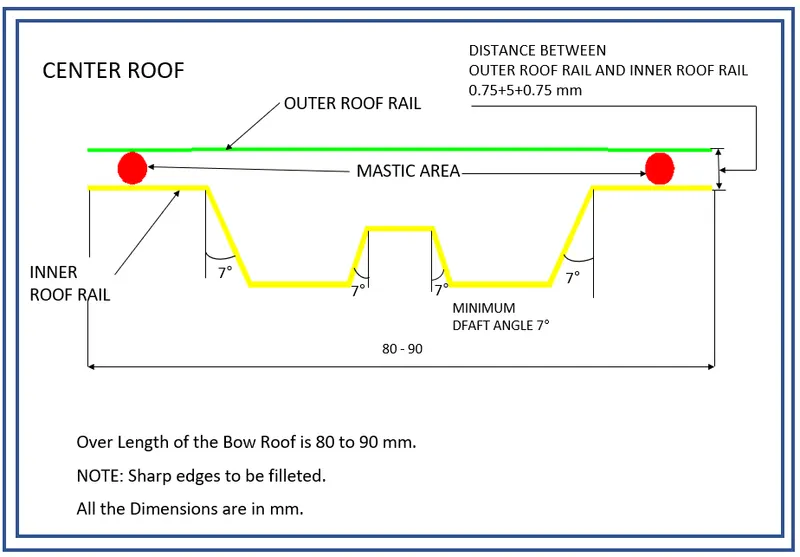
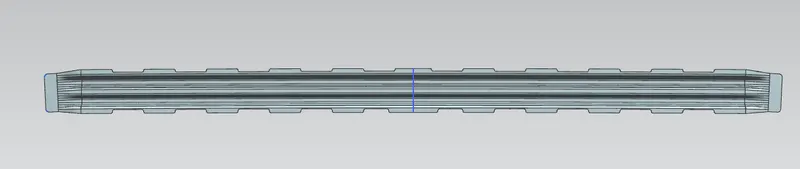
It is created at the centre of the roof. It is connected to the roof by mastic seal.
REAR ROOF RAIL:
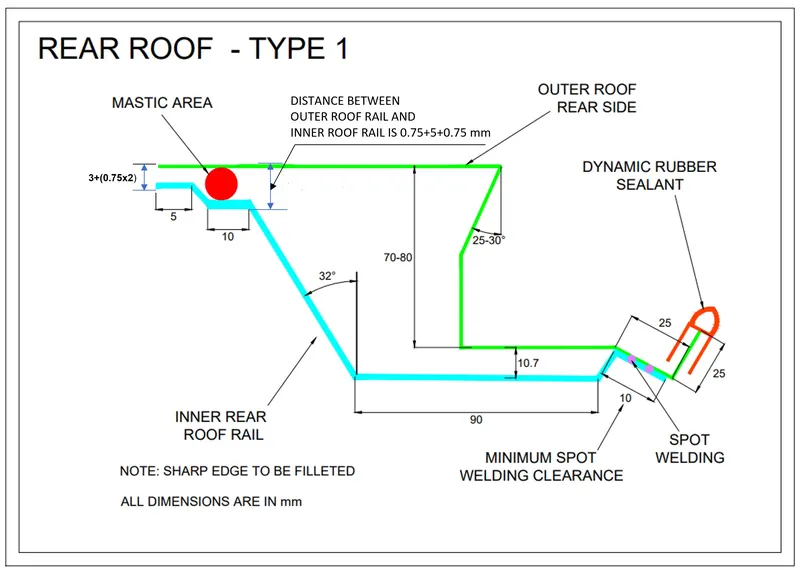
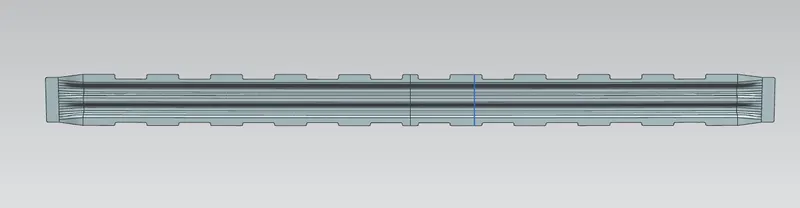
It is created at the rear end of the roof. The fitment of the backdoor is to be considered while designing the rear roof rail.
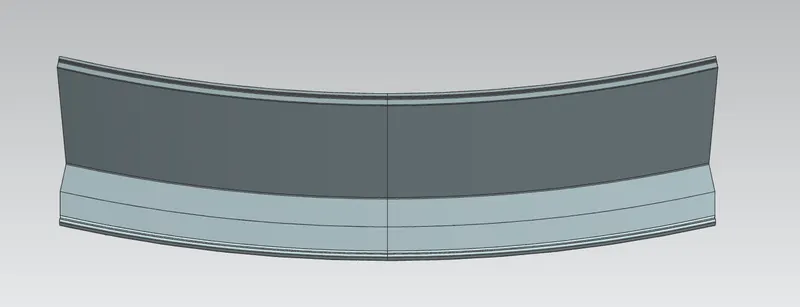
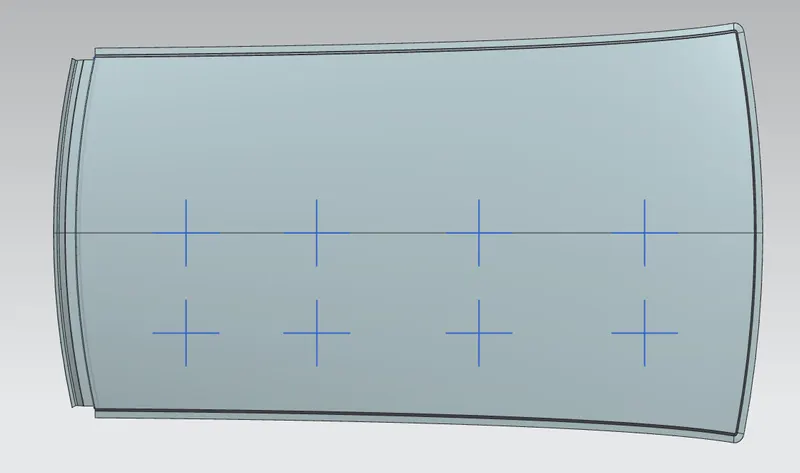
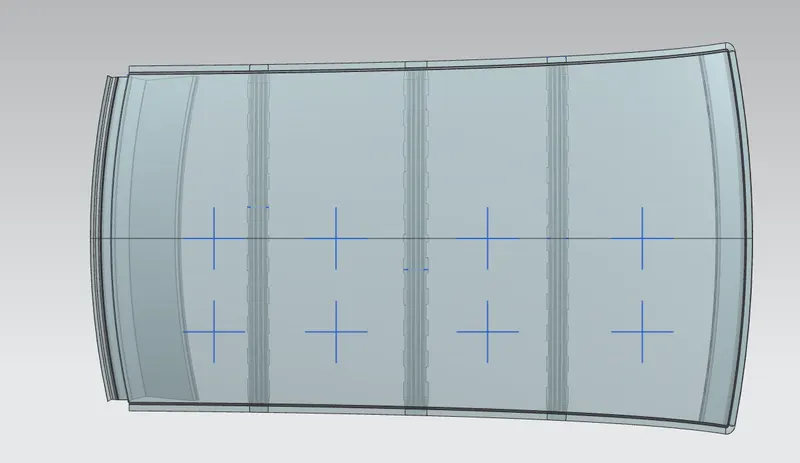
ROOF IMAGES:
HEAT DISTORTION CRITERIA:
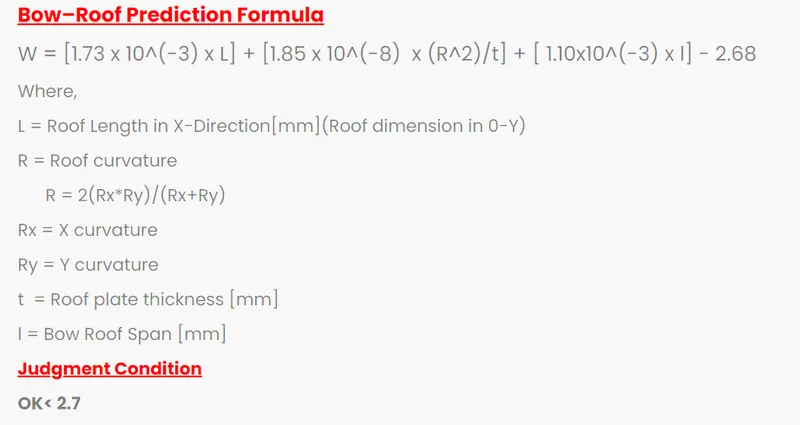
Heat distortion temperature is the temperature at which metal softens and deforms under a specified load. While designing roof, this criteria is taken into consideration. We create bow roofs when the roof is long and flat to increase its strength. The position of the bow roofs is to be justified and this justification is done by curvature study:
Bow - Roof prediction Formula
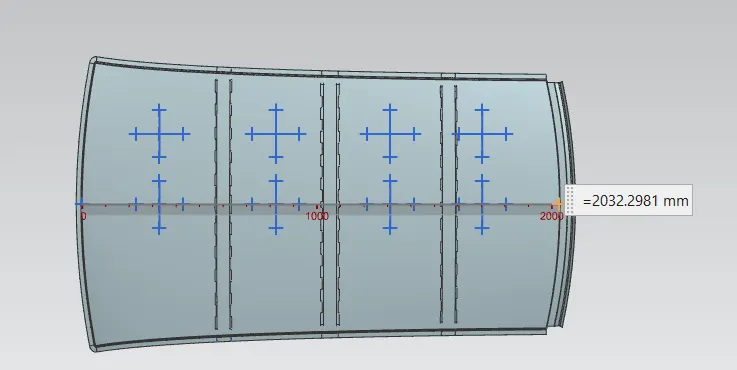
TO MEASURE L:
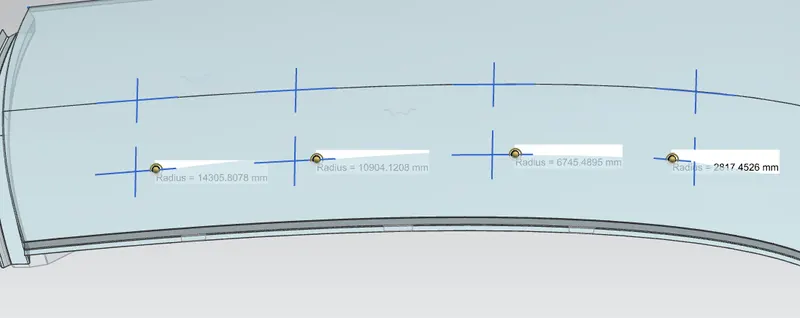
TO MEASURE Rx:
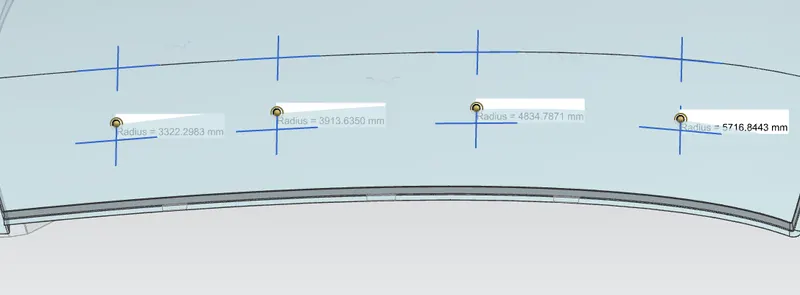
TO MEASURE Ry:
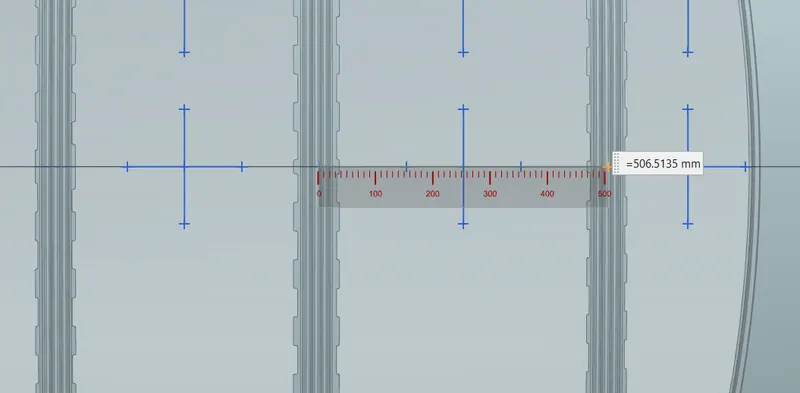
TO MEASURE l (BOW ROOF SPAN):
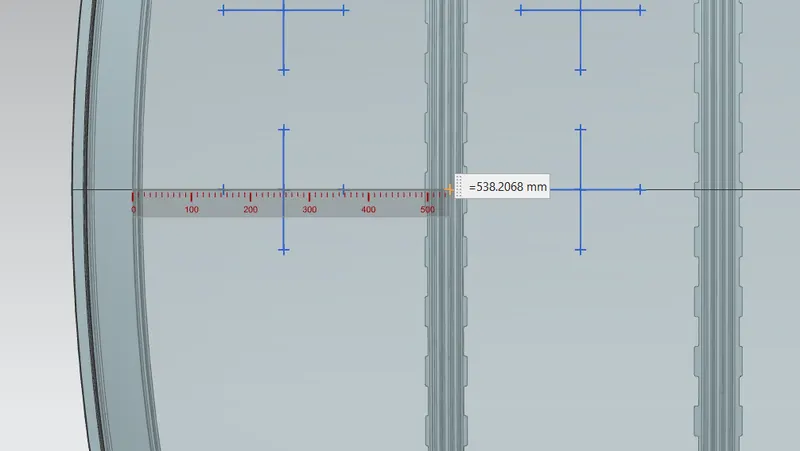
.
Calculations using excel
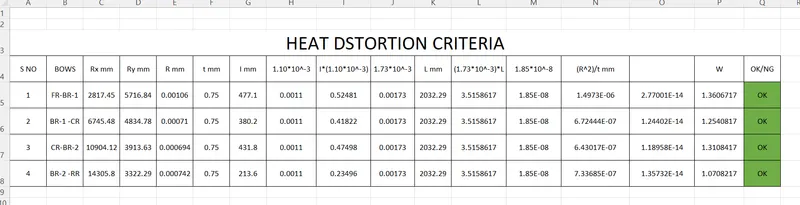
Here we can see that the roof is completely satisfying the conditions of heat distortion.
SNOW LOAD PREDICTION FORMULA:
Snow load is the downward force on a car's roof by the weight of accumulated snow and ice. The roof can fail if the snow load exceeds the weight the roof was designed to shoulder. Or if the roof was poorly designed or constructed.
So there is a formula to predict the strength of the roof.
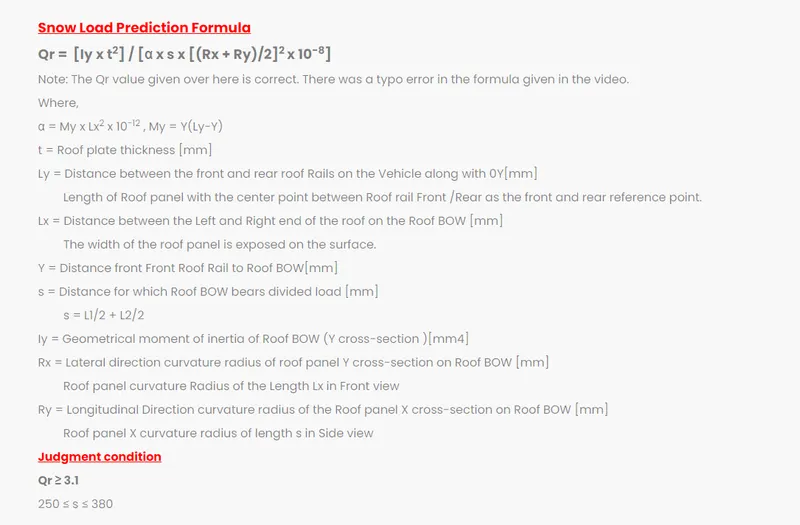
TO MEASURE Ly:
TO MEASURE Lx:
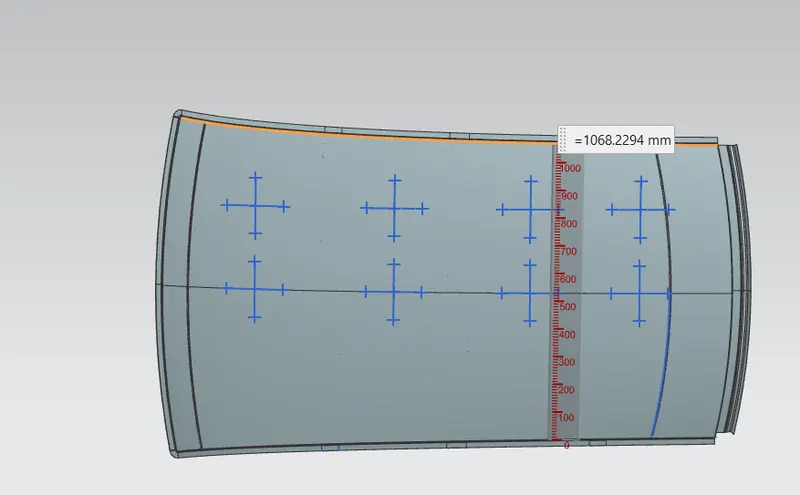
TO MEASURE Rx:
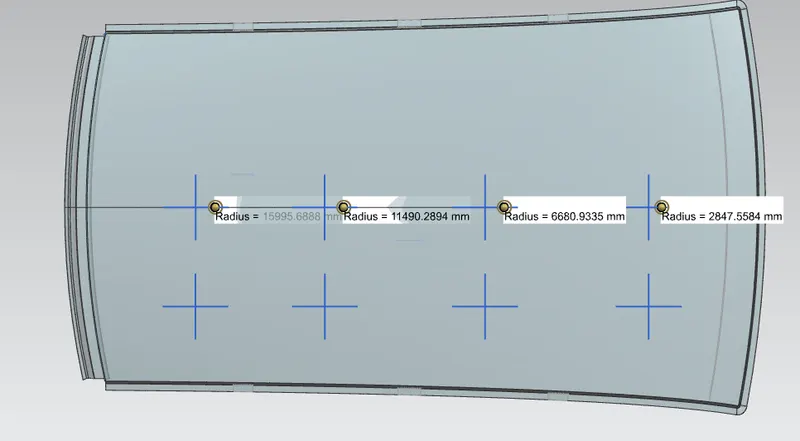
TO MEASURE Ry:
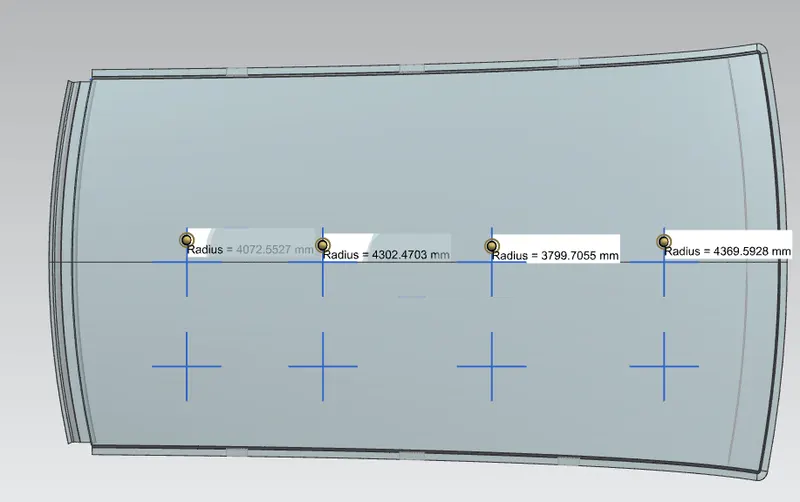
To measure L1&L2&Y:
Calculation of Section Modulus I:
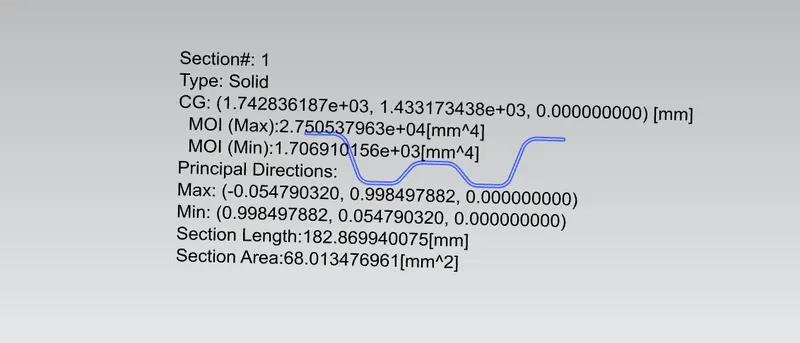
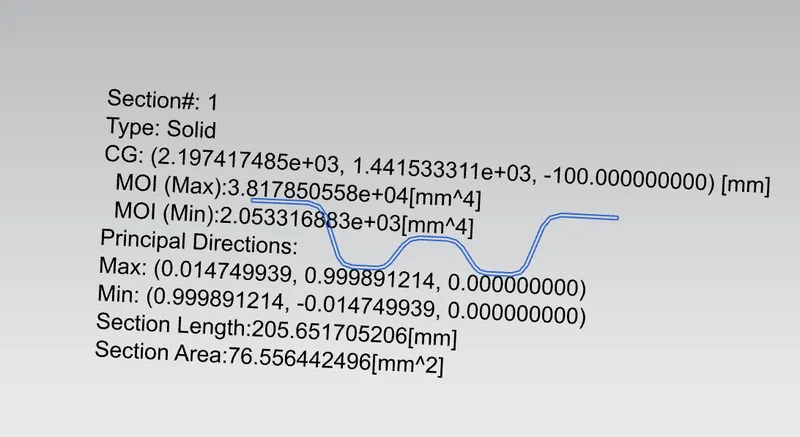
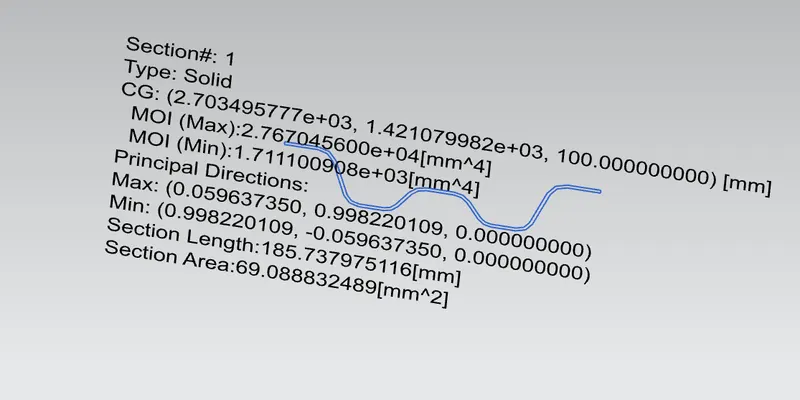
After calculating all these values the Qr is found out USING excel

It is observed that the roof is satisfying the all the conditions
DRAFT ANALYSIS:
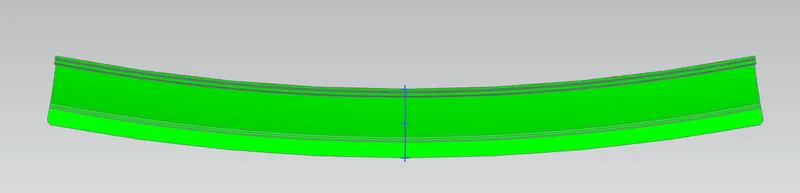
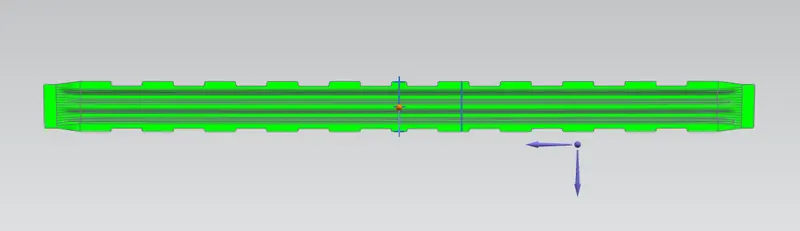
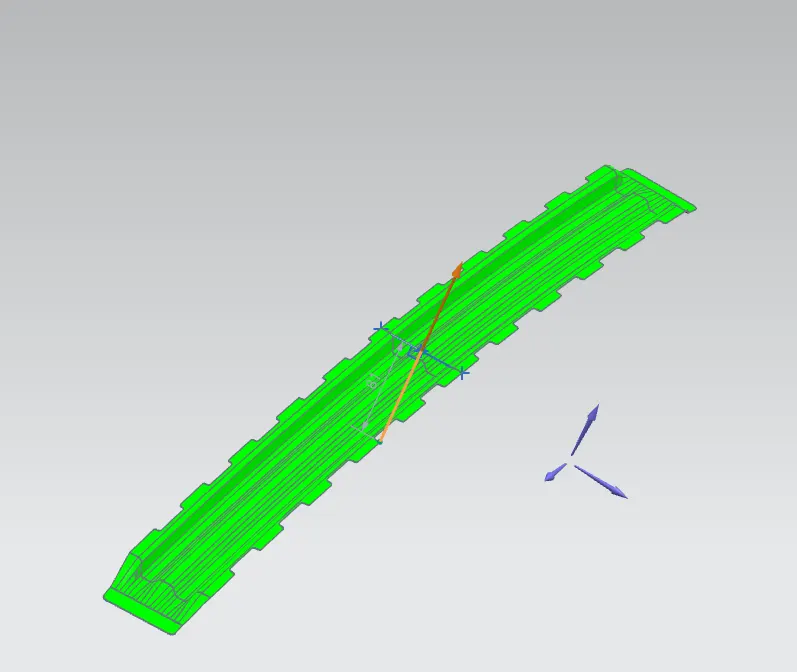
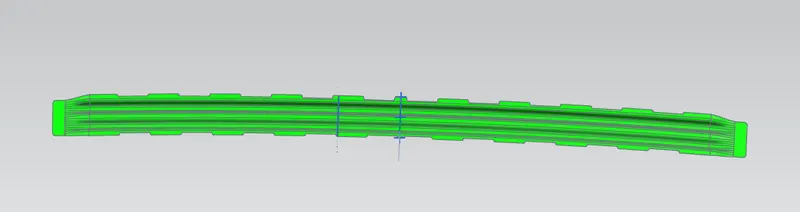
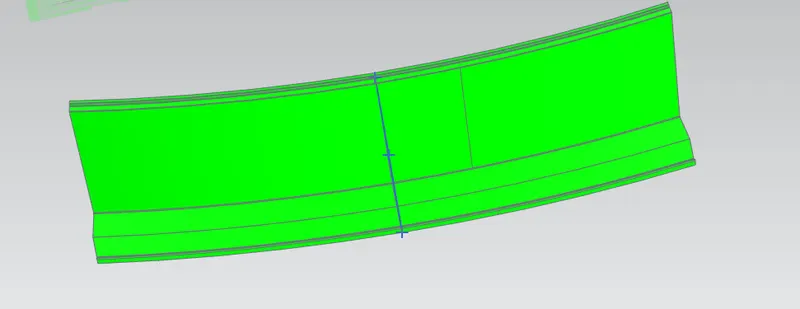
In NX to check whether the sheet metal part we have designed can be deep drawn, there is an option called draft analysis. This type of analysis is performed based on color ranges identifying zones on the analyzed element where the deviation from the draft direction at any point, corresponds to specified values.
Front Roof rail
Center Roof rail
1st Bow Roof
2nd Bow Roof
Rear Roof rail
After Completing the Design there are physical test of vehicle is done to check the strength of the Roof with vehicle.
There are various Car Roof Designs to check their strength some tests are done which are:
- Car Roll-over Test - The Roll-over test is conducted because a rollover is a type of vehicle crash in which a vehicle tips over onto its side or roof. Rollovers have a higher fatality rate than other types of vehicle collisions.
Vehicle rollovers are divided into two categories: tripped and untripped. Tripped rollovers are caused by forces from an external object, such as a curb or a collision with another vehicle. Untripped crashes are the result of steering input, speed, and friction with the ground.
The vehicles which have a higher center of gravity like SUV or Small Trucks are more prone to Roll-over. Rollover accidents typically involve a singular vehicle that loses control due to icy or snowy road conditions, soft road shoulders, uneven ground, collision with curbs or guardrails after a vehicle has lost traction, or hitting an obstacle while driving.
During a rollover accident the regional body distribution of injuries normally effects five main areas: head and neck, thorax, abdomen, upper limbs, and lower limbs. The majority of rollover crash victims sustain multiple injuries throughout these regions with the head and neck being the most vulnerable area. Some of the most common rollover injuries include: traumatic brain injury, spinal cord injury, broken bones, and cuts, scrapes, and bruises. These injuries are caused from slamming into another vehicle or obstacle, impact with unsecured cargo, contact with broken glass or torn metal, or from being tossed within the vehicle or ejected from the vehicle.
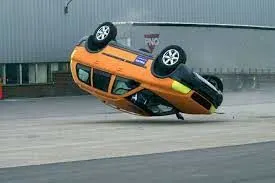
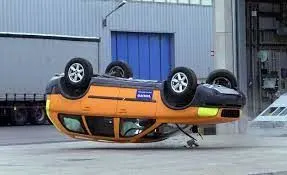
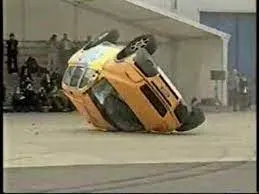
Volvo Roll-Over Test
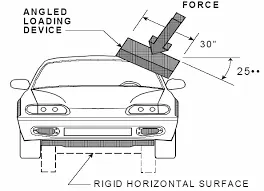
- Roof Crush Test - In this test the load is applied on the roof to test the strength in static car postion. The standard does not apply to school buses and passenger cars that conform to the dynamic rollover test requirements of FMVSS 208, Occupant Crash Protection, and S5.3 by means that require no action by passenger car occupants. It also does not apply to convertibles, except for optional compliance with the standard as an alternative to the rollover test requirements in S5.3 of FMVSS. In April 1991, the National Highway Traffic Safety Administration (NHTSA) announced that FMVSS 216 was to be extended to light trucks, buses and multi-passenger vehicles not exceeding 6000 pounds, and that requirement came into force in September 1993. American statistics have long indicated that the fatality rate when light trucks (including four-wheel drives and utility vehicles) are involved in rollover accidents is twice that for passenger cars.
FMVSS 216 Roof Crush
The purpose of the FMVSS 216(Federal motor vehicle safety standard) is to reduce the head injuries, neck injuries and deaths by the roof crush of the car in to the passenger compartment in rollover crashes.
The resistance of the vehicle roof to deformation is dictated by a static test, in which the force of 1.5 times the unloaded vehicle weight or 5000 pounds, which is less, is progressively applied to the roof of the vehicle in the region of the “A” pillar. Force is applied to the plate at a roll angle of 25 degree and a pitch angle of 5 degree to the direction of the forces simulation can be experienced in rollover crashes. At the t time of the test, displacement of vehicle roof should not more than 5 inches of intrusion, as estimated by the movement of the test device.
Some Views of Roof created
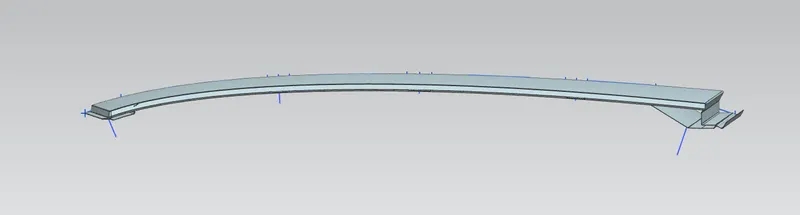
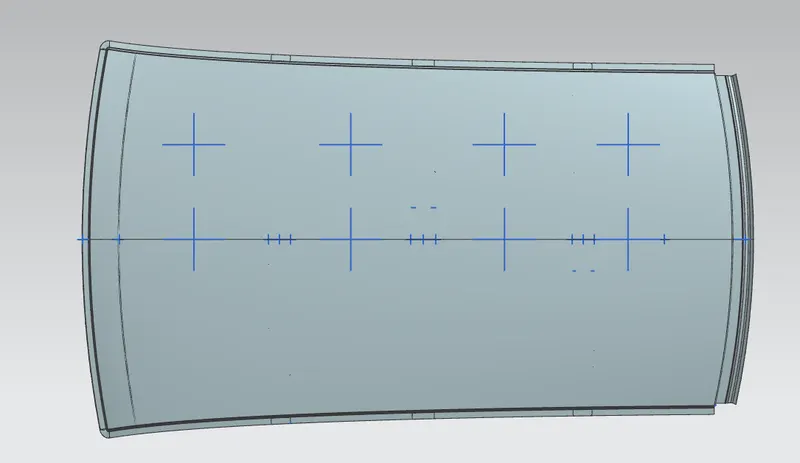
Conclusion
The Roof was created in Siemens NX Student Version with all the required parameters and different Calculations were done for safety concerns.