Design of Car Roof Outer Panel, Front/Rear/Central roof rails, Bow Roofs, Roof bow position study(Heat Distortion and Snow Load Criteria)
Design and Development of Car Roof
Introduction:
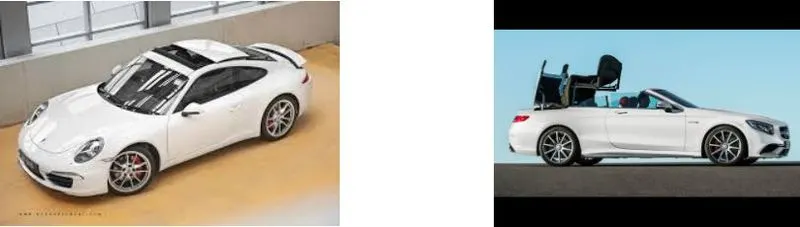
An automobile roof is a very essential component of a vehicle. It protects the passengers and the driver from the sun, rain, and many other elements. Apart from the roof work of the outside, it has so many things inside to increase the strength and stability to keep people protected. It has also a lamp for lighting inside the car. Some cars also have an open roof system, In those passengers use the roof whenever they want or not.
Aim:
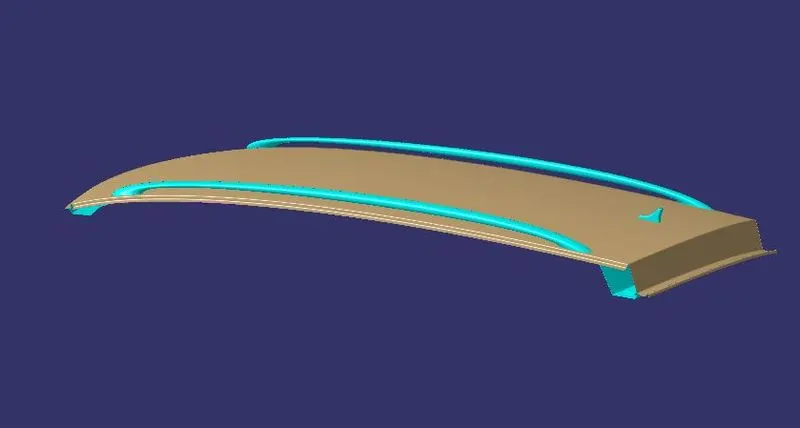
Develop and design the given car roof with proper reinforcement by following the master section to create the roof ditch area, Front roof rail, Rear roof rail, and Bow-roofs.
Procedure:
First, we have to develop and design the roof with the given master section and create the ditch area. After that, we need to design Front and rear roof rail and bow roofs. After that, we need to assemble those with the roof. After completing assembly we need to do an inspection and test the strength, heat distortion, and snow load capacity of that assembly.
Ditch Area:
The Ditch area is the extended part of the roof to which Roof rails and bow roofs are concealed using spot welds. For designing the part there are some factors we consider and those are Headroom clearance, Driver visibility criteria, windshield clearance, and Back door. The thickness we give is 0.75mm.
Front Roof Rail:
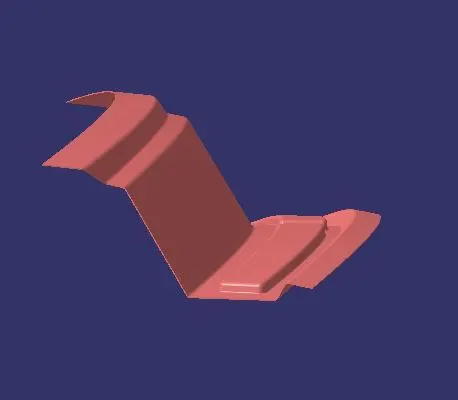
The front roof rail is joined with the windshield glass, Bodyside outer panel, an inner panel. While designing a 3-5 degree draft angle we provide as per the visibility criteria and headroom clearance of the driver. The windshield end is joined with the rail by using a spot weld and the other end of the rail is joined with the roof using mastic seals as they give proper strength to it.
Rear Roof Rail:
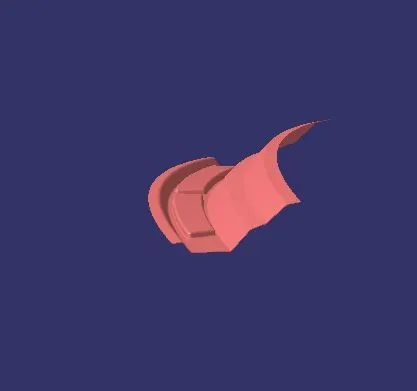
This is also joined with exactly considering the same criteria we followed in the front roof rail. This is also joined with the back door, body outer panel, and inner panel. Headroom clearance and backside visibility everything should be considered. Here also one end of the rail is spot welded with the back door and another end is sealed using mastics with the inner panel.
Center Bow Roof:
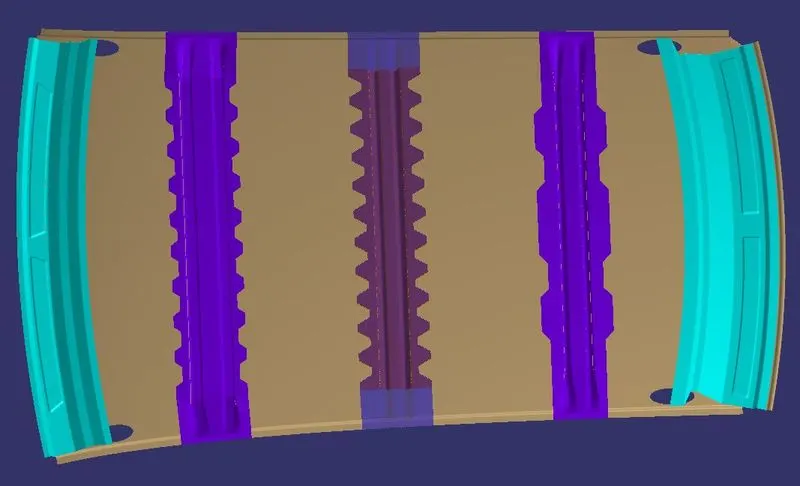
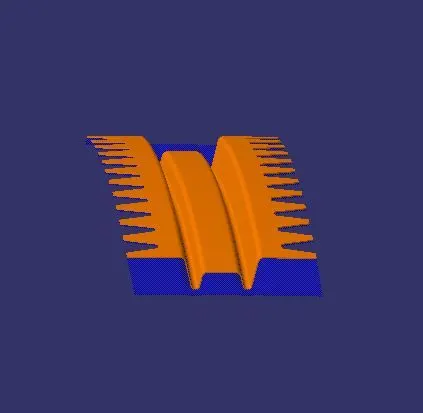
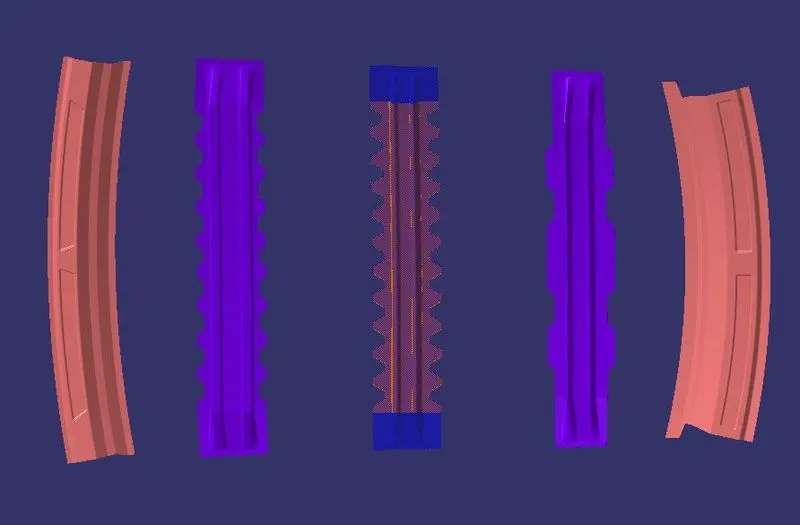
This bow roof is also designed considering the headroom clearance and strengthing the roof. This roof is joined with the inner panel using mastic points. As this is the center part so we are adding extra reinforcement to increase the strength. We add an extra layer of bow roof on it.
Bow Roofs:
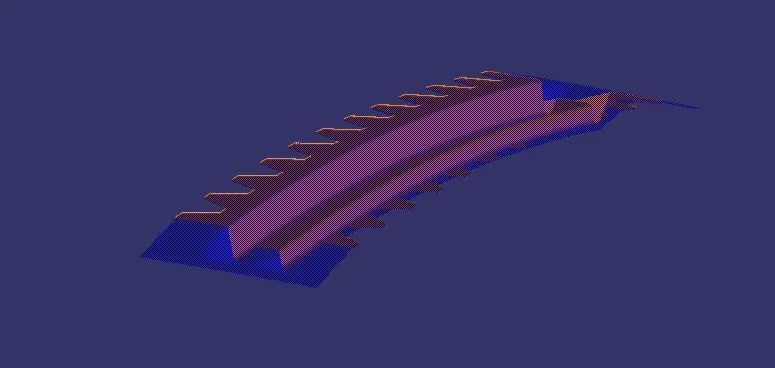
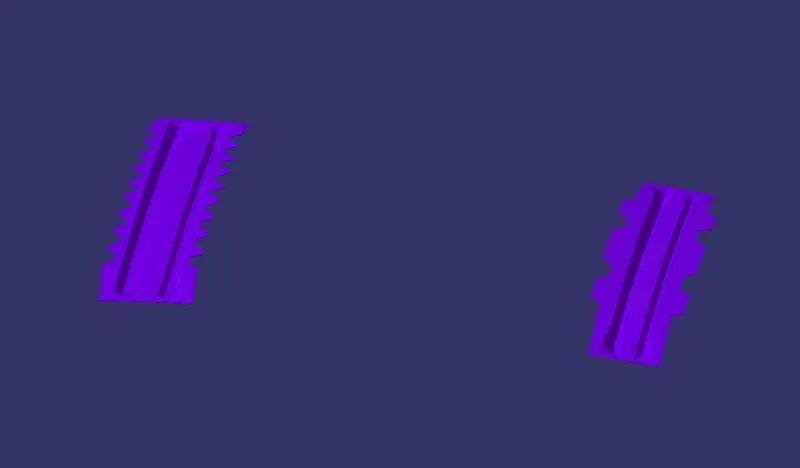
Bow roofs are also we put for increasing the strength of the car roof. For reducing weight and we did some styling and embosses also. Two of them were used and each is differently designed as per the position we are going to fix with the inner panel of the roof.
Analysis:
After the assembly, we do a curvature on the roof to justify the position of bow roofs. For that, we normally test 3 criteria.
- Roof Crush Test
- Heat Distortion
- Snow Load
1.Roof Crush test:
This test is done after manufacturing the roof with complete assembly.
2.Heat Distortion:-
This test is done to know at which temperature the material deforms under a specific load. These test results show the withstand capability of the roof and the bow roofs which was assembled.
Prediction Formula:
W = [1.73 x 10^(-3) x L] + [1.85 x 10^(-8) x (R^2)/t] + [ 1.10x10^(-3) x l] - 2.68
where as,
L= Roof length in 0Y direction
R= Roof curvature =2(Rx * Ry)/Rx + Ry
Rx= X curvature
Ry= Y curvature
t = Roof plate thickness [mm] l = Bow Roof Span [mm]
| S.no | Bow's | Rx(mm) | Ry(mm) | R(mm) | I(mm) | L(mm) | t(mm) | R^2/t | W | Ok/Not |
| 1 | FRR - B1 | 2540.415 | 5790.403 | 3531.47 | 236.009 | 2033.7 | 0.75 | 16628373.81 | 1.405 | OK |
| 2 | B1 - CRR | 6198.398 | 4972.32 | 5518.07 | 310.663 | 2033.7 | 0.75 | 40598795.37 | 1.931 | OK |
| 3 | CRR - B2 | 10547.702 | 3989.92 | 5789.73 | 310.864 | 2033.7 | 0.75 | 44694631.3 | 2.007 | OK |
| 4 | B2 - CRR | 14687.337 | 3281.873 | 5364.95 | 205.229 | 2033.7 | 0.75 | 38376918 | 1.77 | OK |
These are all things we need for calculation, we need to measure all those from our assembled design. The answer is must meet the condition: OK< 2.7> 3.1.
3. Snow Load:-
This test is done to know the withstand capability of the roof in assembled conditions while snowfall. When the snow was there for a long time the roof goes slightly down and after removal of that load, whether it's coming back to its original shape without having any permanent deformation or not.
Snow load Prediction formula:
Qr = [Iy x t ] / [α x s x [(Rx + Ry)/2] x 10 ]
α = My x Lx x 10 , My = Y(Ly-Y)
Whereas
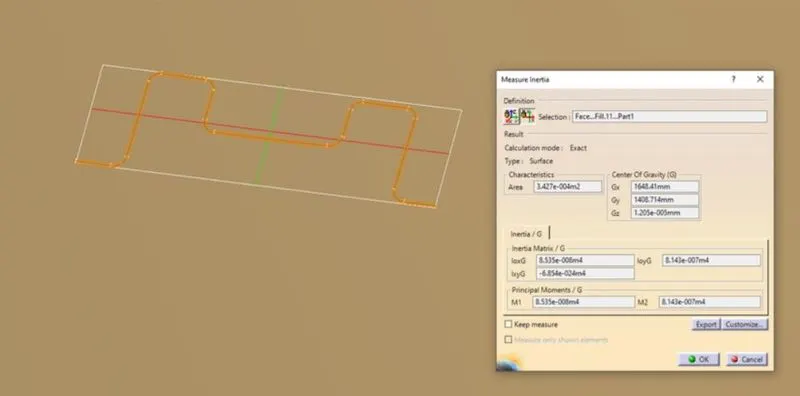
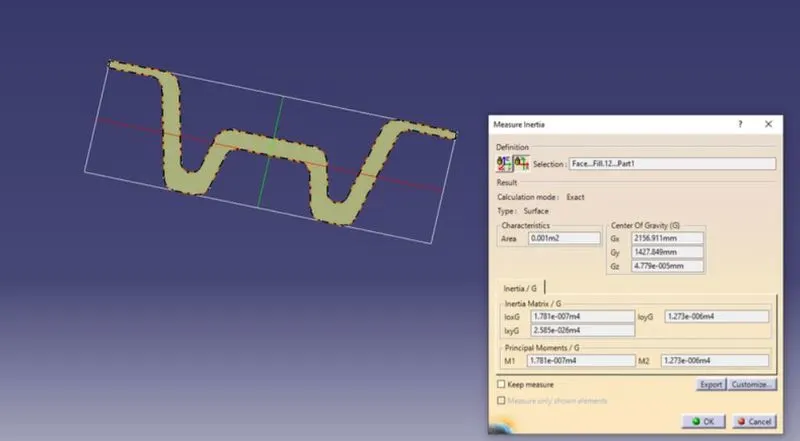
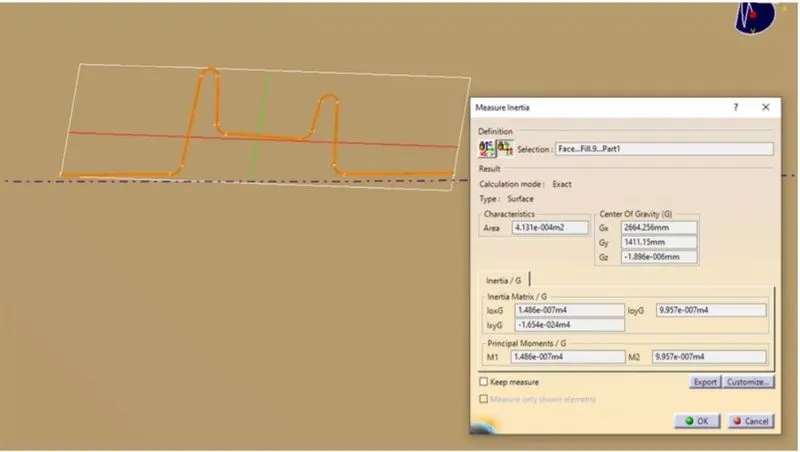
Iy= Moment of inertia of bow roofs in mm4.
t= Roof thickness
Lx=Distance between the Left and Right end of the roof on the Roof BOW [mm]
Ly=Distance between the front and rear roof Rails on the Vehicle along with 0Y[mm]
s=Distance for which Roof BOW bears divided load [mm] (s = L1/2 + L2/2)
Rx=curvature radius of roof panel Y cross-section on Roof BOW [mm]
Ry=curvature radius of roof panel X cross-section on Roof BOW [mm]
| S.no | Bow's | ly | α | Lx | Ly | Y | S | Rx | Ry | [Rx+Ry/2]^2 | t | Qr |
| 1 | FRR - B1 | 8.535*10^4 | 0.901 | 1138.447 | 2033.705 | 435.086 | 472.97 | 2589.153 | 4585.523 | 6434496.96 | 0.75 | 1750.87 |
| 2 | B1 - CRR | 1.486*10^5 | 0.904 | 1090.279 | 2033.705 | 510.807 | 357.62 | 6105.155 | 3965.629 | 24358094.19 | 0.75 | 1038.49 |
| 3 | CRR - B2 | 1.781*10^5 | 0.877 | 1061.872 | 2033.705 | 510.917 | 478.35 | 11041.655 | 4275.511 | 58653893.57 | 0.75 | 407.14 |
| 4 | B2 - RRR | 1047.166 | 2033.705 | 445.774 | - | 16528.75 | 3993.397 | 0.75 |
Conclusion:
This design of the roof is meeting all the conditions successfully. So this roof design can be acceptable