Radar Mast & Final Assembly of Yacht
AIM:- To Model, Assembly, and Rendering of the Yach
⦁ OBJECTIVE:-
To model all the parts required for the yacht.
To assemble all the parts of the Yacht.
To render the yacht assembly using Solidworks photoview 360 and Solidworks visualize.
⦁ INTRODUCTION:-
A yacht is a sail or power vessel used for pleasure, cruising, or racing. There is no standard definition, so the term applies to such vessels that have a cabin with amenities that accommodate overnight use. To be termed a yacht, as opposed to a boat, such a pleasure vessel is likely to be at least 33 feet (10 m) in length and have been judged to have good aesthetic qualities.
The Commercial Yacht Code classifies yachts 79 ft (24 m) and over as large. Such yachts typically require a hired crew and have higher construction standards. Further classifications for large yachts are: commercial—carrying no more than 12 passengers, private—solely for the pleasure of the owner and guests, or by the flag, the country under which it is registered. A super-yacht(sometimes megayacht) generally refers to any yacht (sail or power) longer than 131 ft (40 m).
Racing yachts are designed to emphasize performance over comfort. Charter yachts are run as a business for profit. As of 2020, there were more than 15,000 yachts of sufficient size to require a professional crew.
⦁ DESIGN METHODOLOGY:-
In the design of the yacht first, we have designed all required parts of the model a then assemble them together and render them.
1.) Blueprint Set-up:-
Setting up Blue-print is one of the important steps for modeling of any part or model because it helps us as a reference for modeling.
2.) Propeller:-
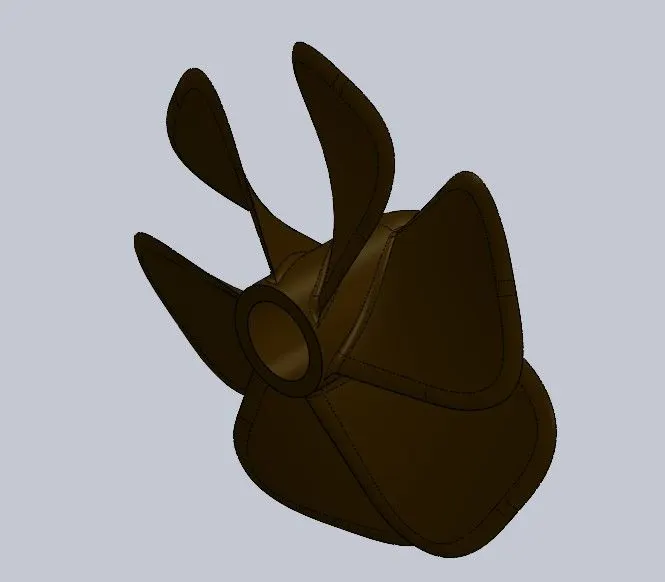
Feature used:-
⦁ 2D Sketch
⦁ Revolve
⦁ Loft
⦁ Fillet
⦁ Cut-Extrude
⦁ Cir-Pattern
3.) Radar:-
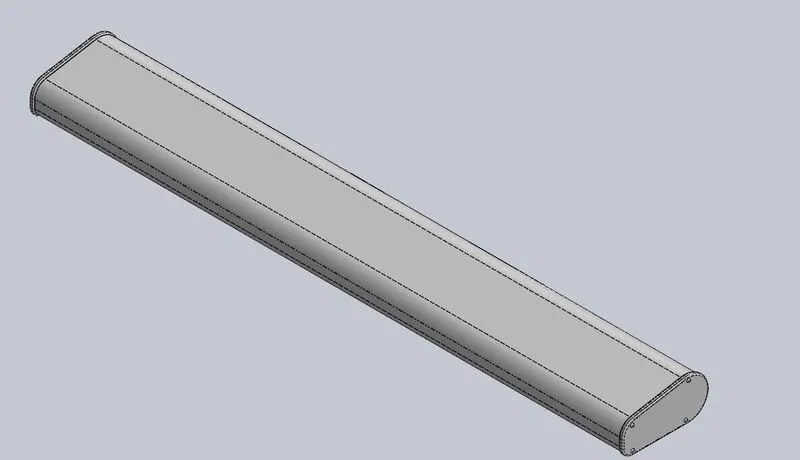
Feature used:-
⦁ 2D Sketch
⦁ Boss Extrude
⦁ Fillet
⦁ Cut Extrude
⦁ Mirror
⦁
4.) Hull:-
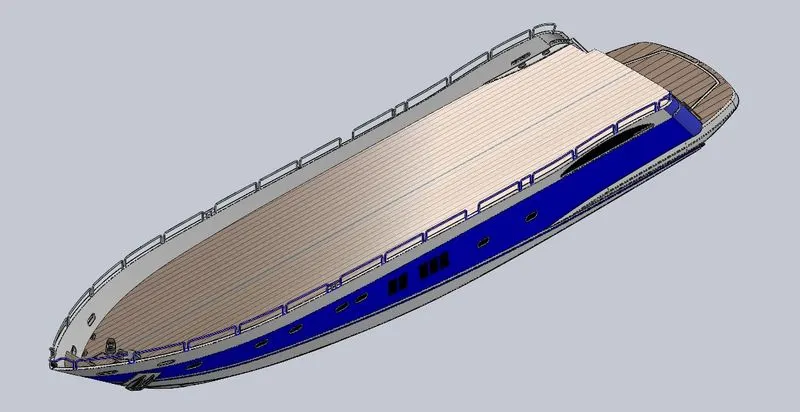
Feature used:-
⦁ 2D sketch
⦁ Surface Loft
⦁ Surface Trim
⦁ Surface Extrude
⦁ Surface Knit
⦁ Surface Fill
⦁ Shell
⦁ Boss Extrude
⦁ Cut Extrude
⦁ Fillet
⦁ Chamfer
⦁ Sweep
⦁ Revolve
⦁ Dome
⦁ Helix/Spiral
⦁ Linear Pattern
⦁ Extrude Thin
⦁ 3D sketch
⦁ Mirror
⦁ Split
⦁ Deck Surface
5.) Garage Door:-
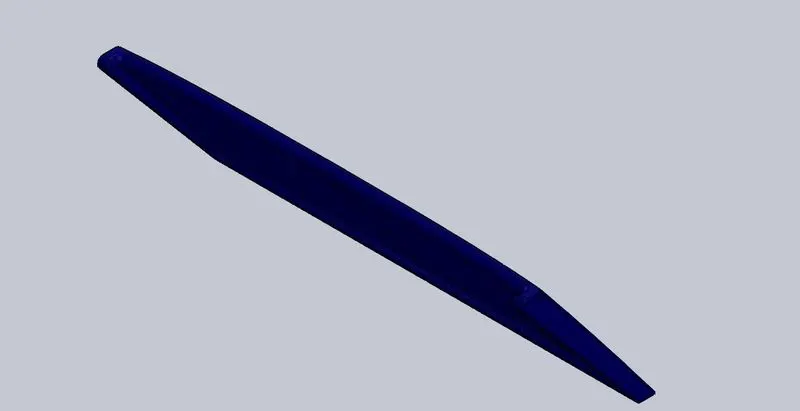
Feature Used:-
⦁ 2D Sketch
⦁ Cut Extrude
⦁ Shell
⦁ Fillet
⦁ Mirror
6.) Front Seat:-
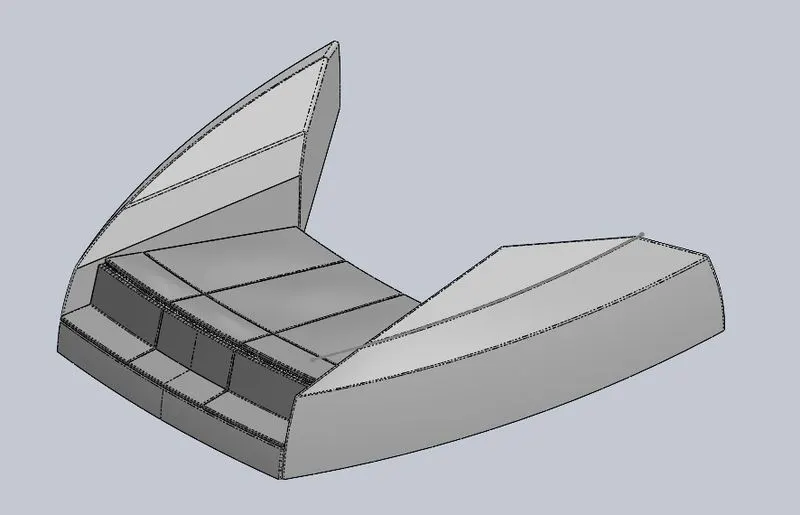
Feature Used:-
⦁ 2D Sketch
⦁ Surface Sweep
⦁ Surface Extrude
⦁ Surface Trim
⦁ Surface Fill
⦁ Surface Loft
⦁ Surface Knit
⦁ Revolve
⦁ Chamfer
⦁ Cut Extrude
⦁ Cut Extrude Thin
⦁ Fillet
⦁ Mirror
⦁ Dome
7.) Middle Seat:-
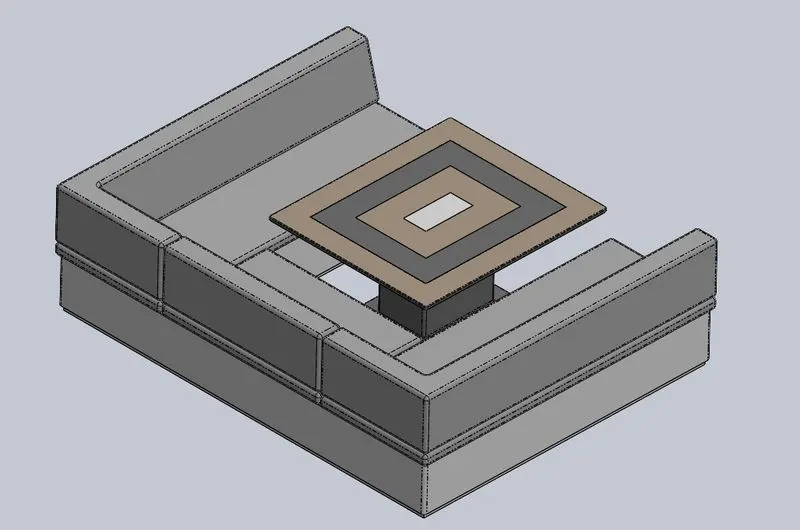
Feature used:-
⦁ Boss Extrude
⦁ Chamfer
⦁ Fillet
⦁ Mirror
8.) Rear Seat:-
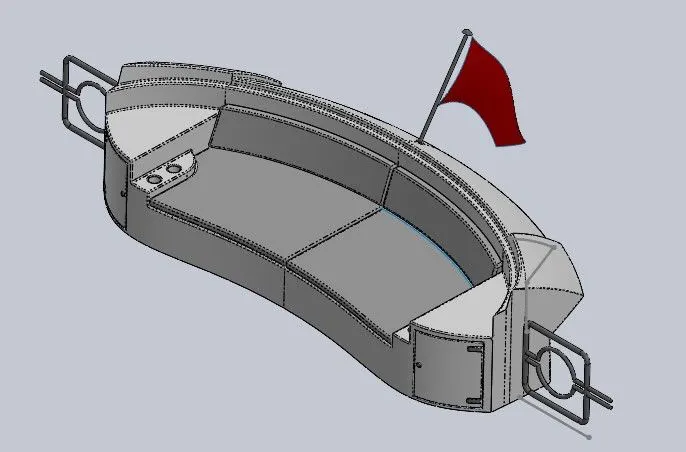
Feature Used:-
⦁ Surface Sweep
⦁ Surface Offset
⦁ Surface Trim
⦁ Ruled Surface
⦁ Surface Knit
⦁ Surface Trim
⦁ Surface Extend
⦁ Surface Extrude
⦁ Surface Loft
⦁ Boss Extrude
⦁ Chamfer
⦁ Offset
⦁ Fillet2D Sketch
⦁ Sweep
⦁ Revolve
9.) Superstructure:-
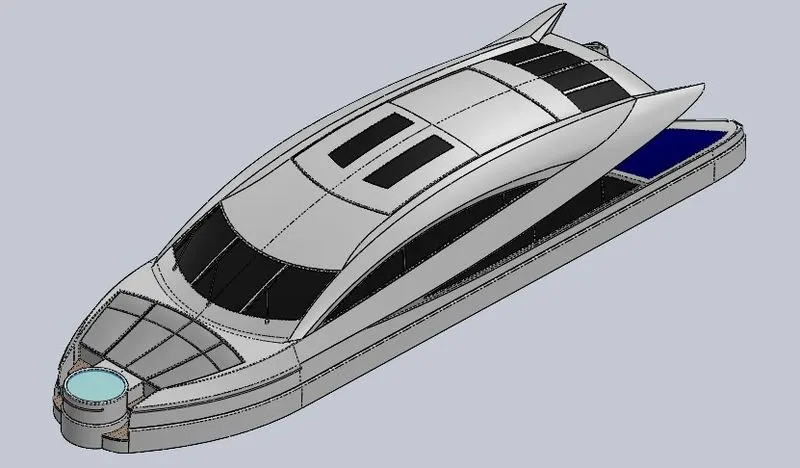
Feature Used:-
⦁ 2D Sketch
⦁ 3D Sketch
⦁ Surface Extrude
⦁ Surface Sweep
⦁ Surface Knit
⦁ Fillet
⦁ Ruled Surface
⦁ Surface Trim
⦁ Curve
⦁ Surface Loft
⦁ Surface Fill
⦁ Surface Trim
⦁ Surface Extend
⦁ Surface Extrude
⦁ Boss Extrude
⦁ Cut Extrude
⦁ Dome
⦁ Sweep
⦁ Split Line
⦁ Extrude Thin
10.) Radar Mast:-
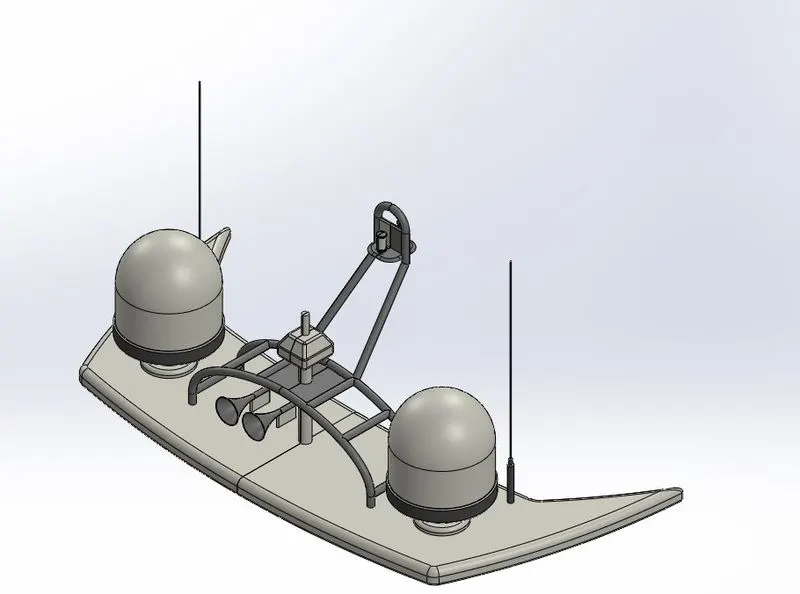
Feature Used:-
⦁ 2D Sketch
⦁ Boss Extrude
⦁ Fillet
⦁ Revolve
⦁ Sweep
⦁ Mirror
⦁ Curve
⦁ Chamfer
⦁ Dome
⦁ Shell
ASSEMBLY:-
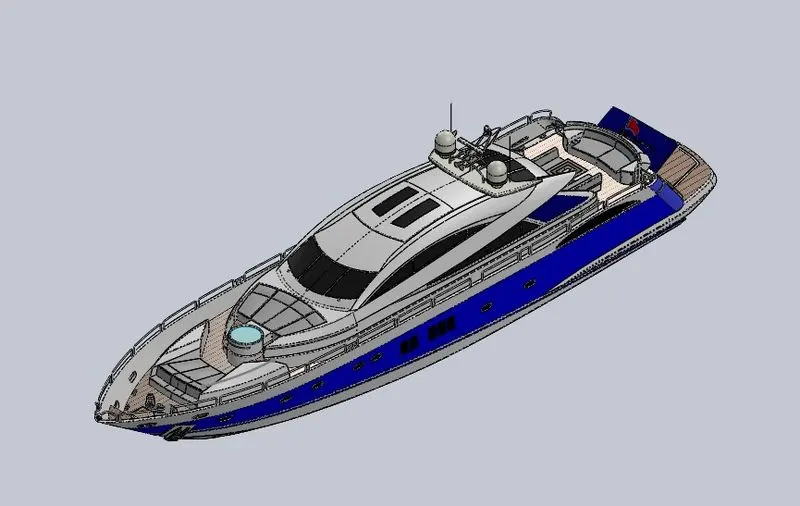
⦁ Concentric Mate
⦁ Coincident Mate
⦁ Parallel Mate
⦁ Plane Mate
⦁ Surface Mate
RENDER:-
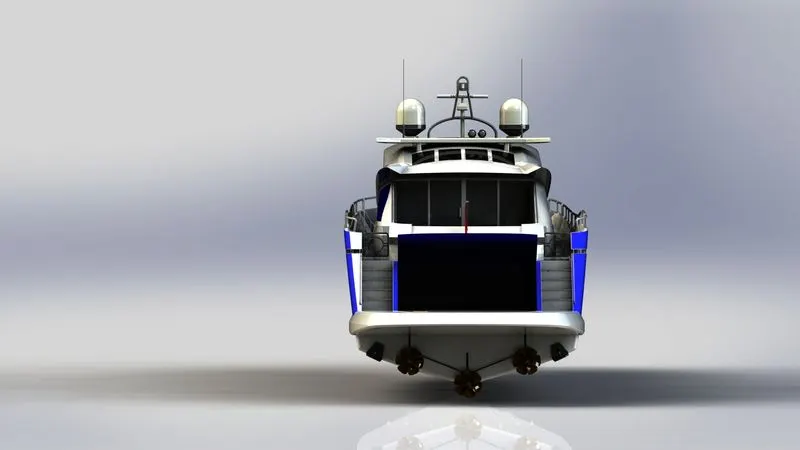
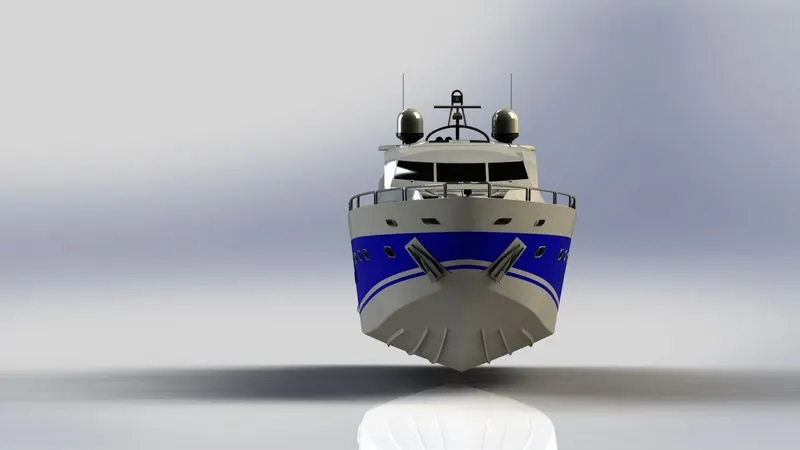
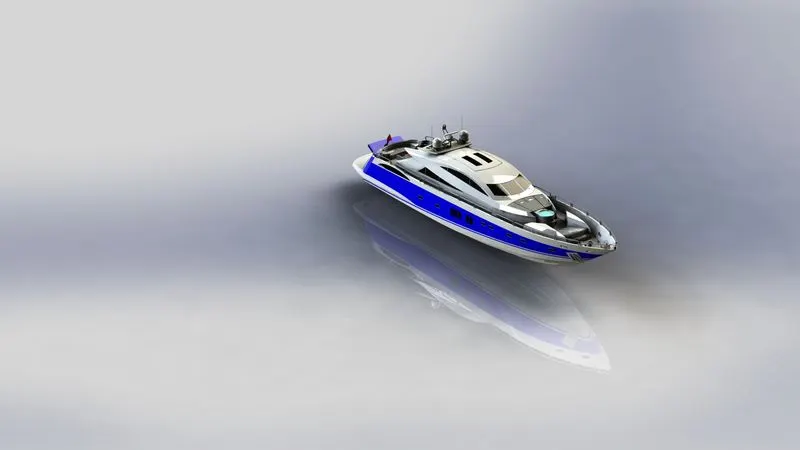
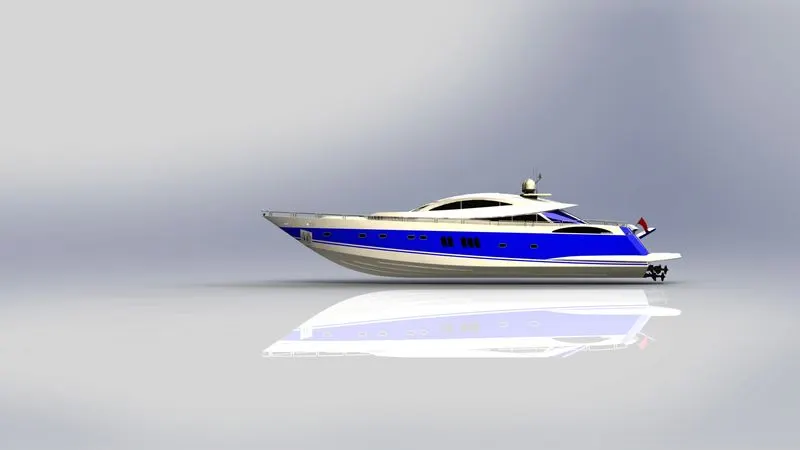
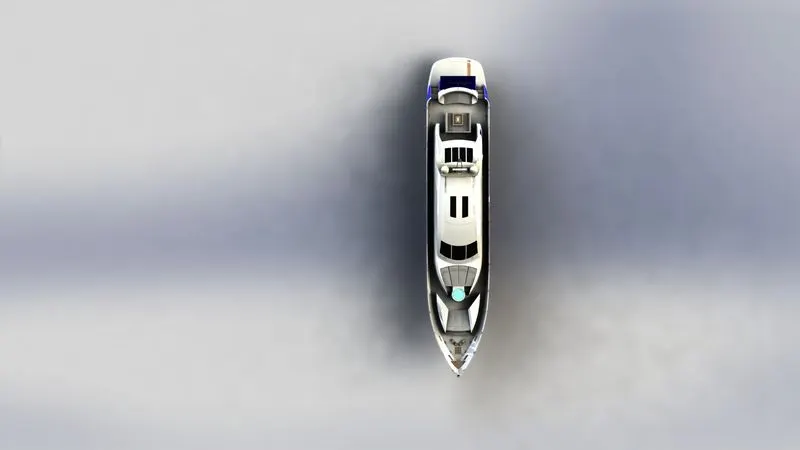
Rendering is done by using Photoview 360 and Solidworks Visualize.
In this process model in convert to photorealistic view with the help of this feature.
conclusion:-
modelling,assembly and rendering of yatch.