Projefct 1_Comparative study of different storey buildings for Seismic forces
Aim
Comparative study of different storey buildings for Seismic forces using Etabs software as per the given attachment.
- Effect of stiffness on T
Comparing fundamental natural periods of buildings E & F as well as G & H.
For Building E
- Opening a new model.
- Setting the building E Storey 10. And number of bays. In X direction as 4 and in y Direction 3.
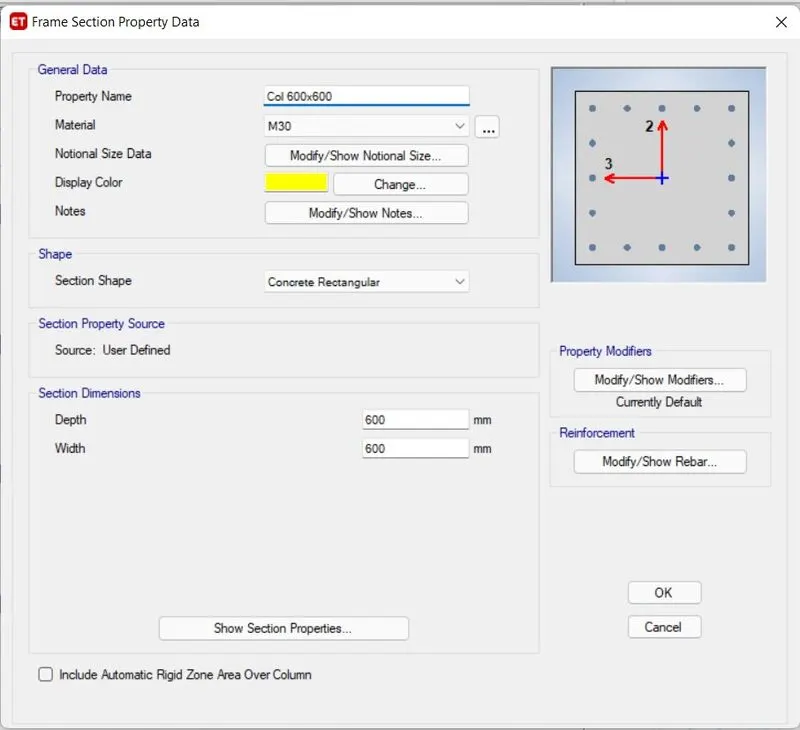
- Defining the section property of column 400 x 400 and 600 x 600.
- Same way define slab property and beam property.
- Assigning the live load as given in the question.
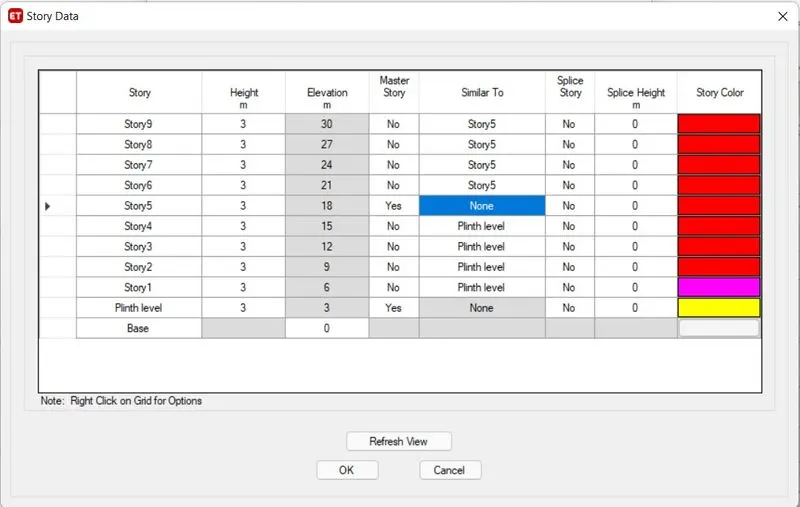
for diffrent storey
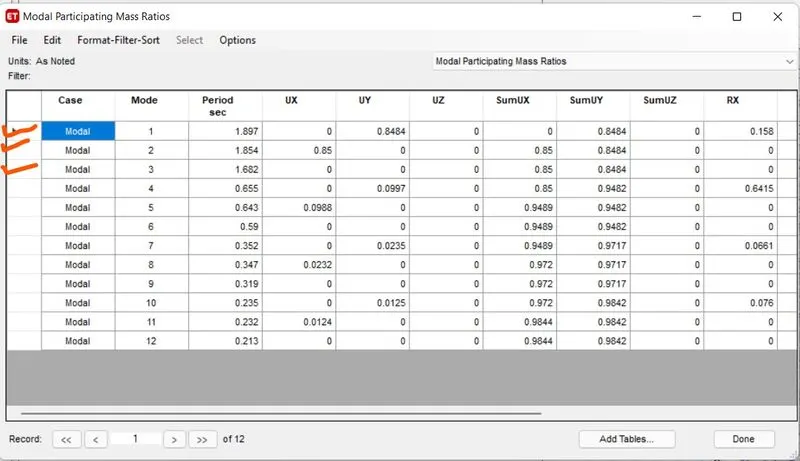
Modal participation mass ratio for E
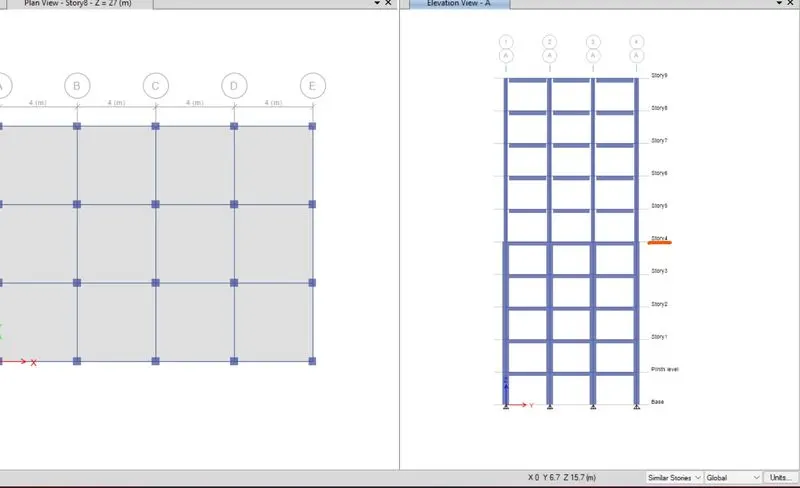
For Building F
The process modelling is same as that of above mention
Section defining is diffrent.
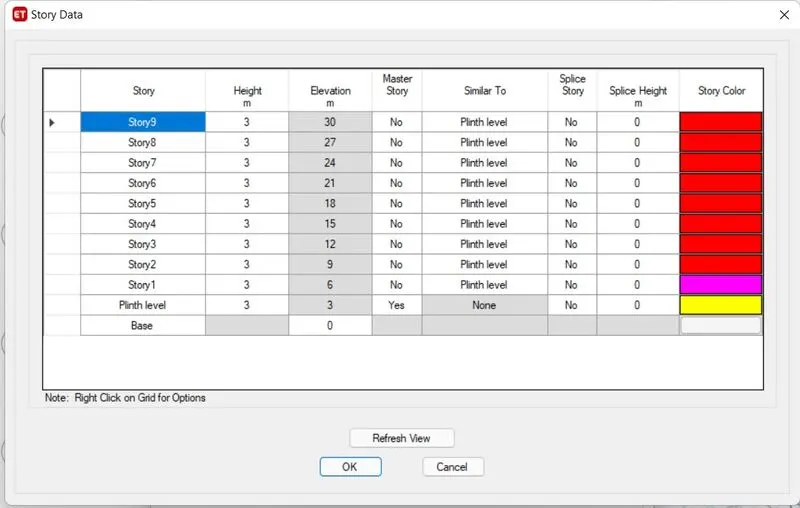
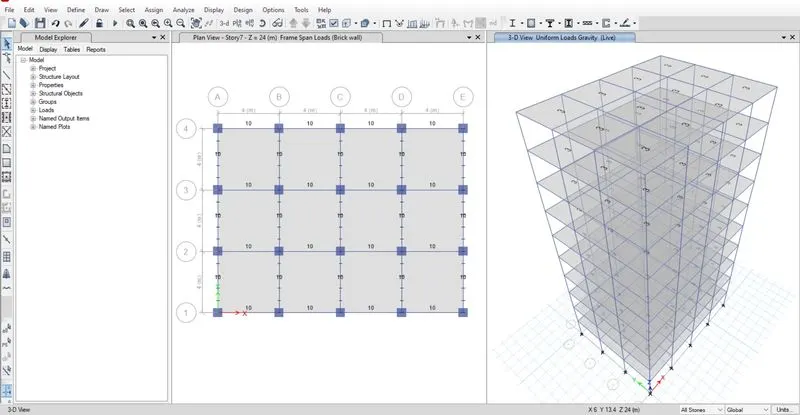
Modal participation mass ratio for F
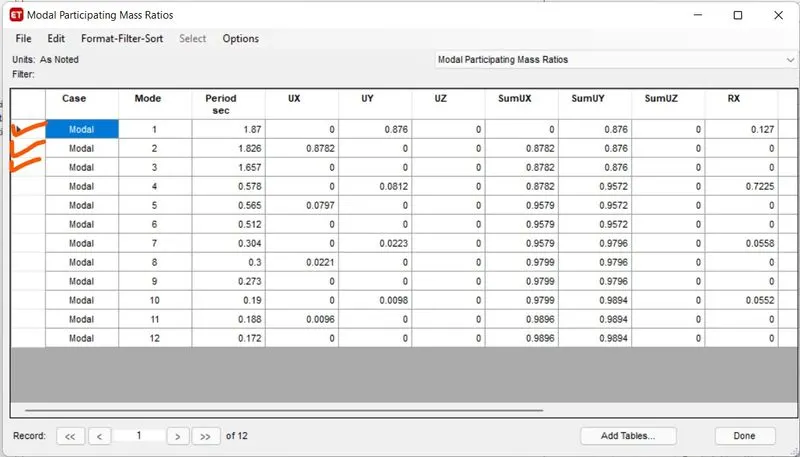
Camparition E & F
Modal participation mass ratio for E is 1.897
Modal participation mass ratio for F is 1.87
This can be said that the significant change is due the column size changes from the perticular storey of building E.
For Building G
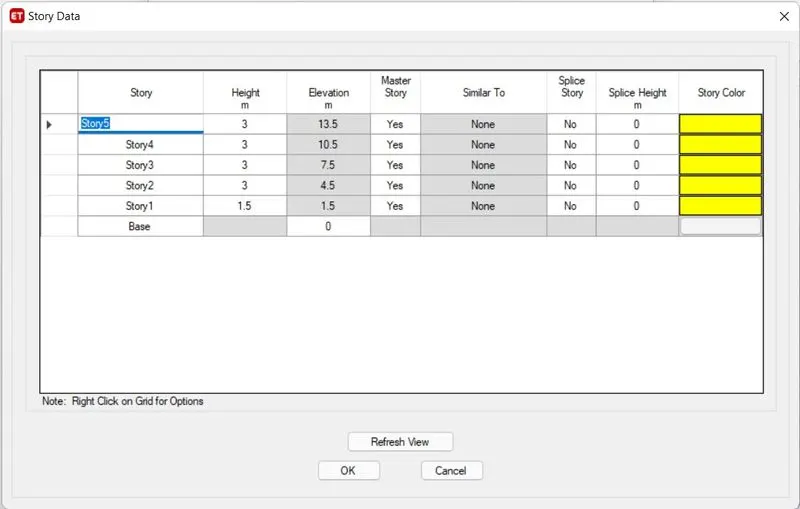
Setting the storey
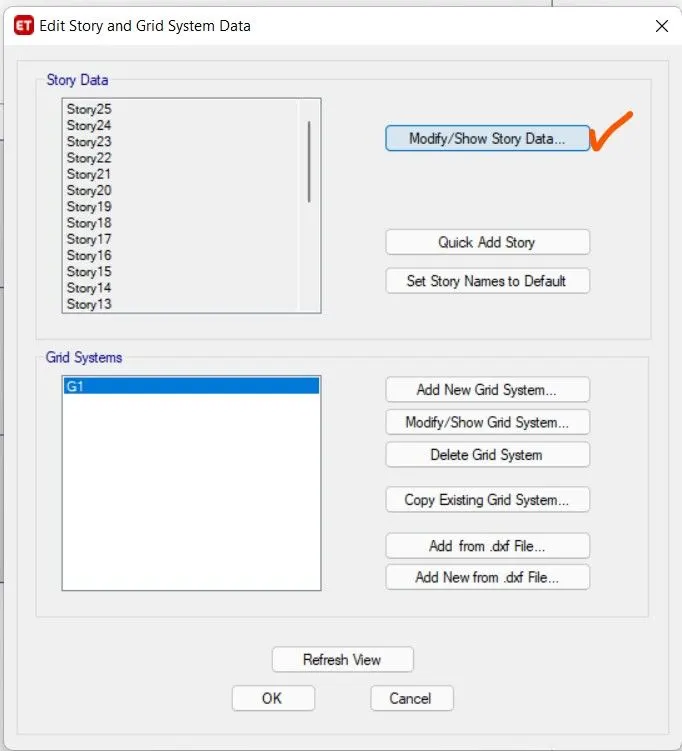
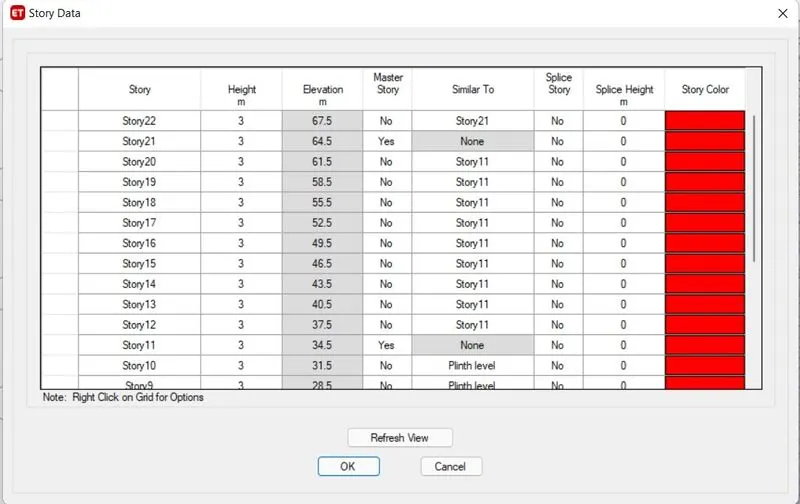
Define the column sizes & assign it as per diffrent storey.
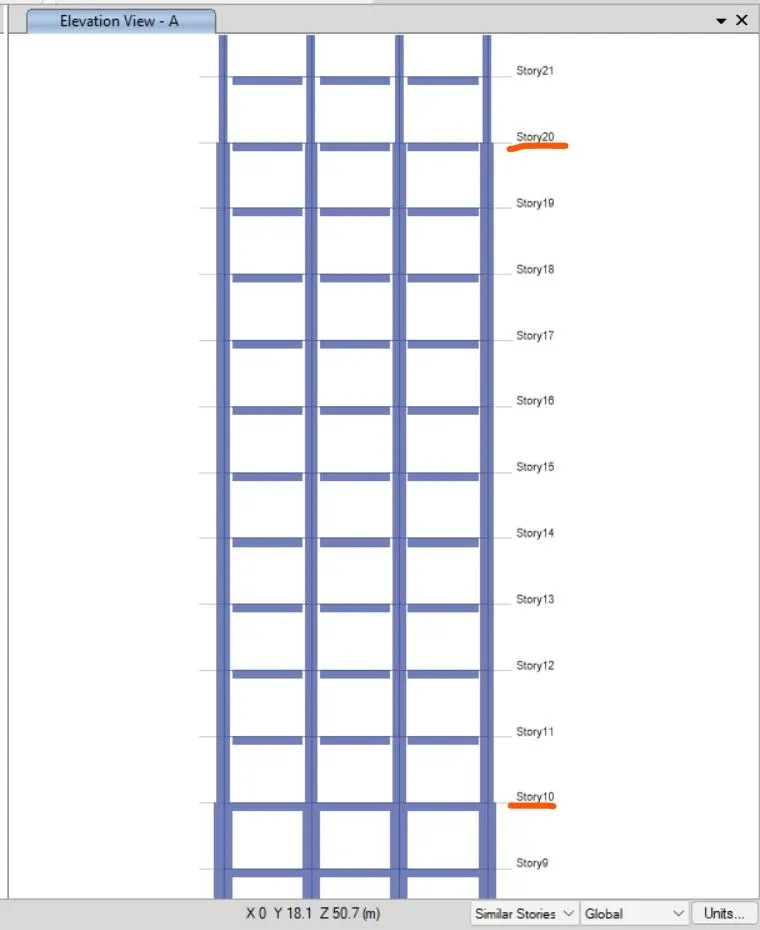
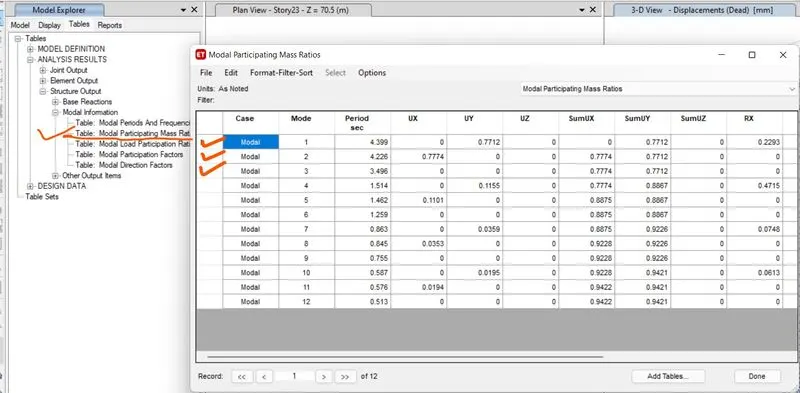
Modal mass participation ratio for G
Modal mass participation ratio for H
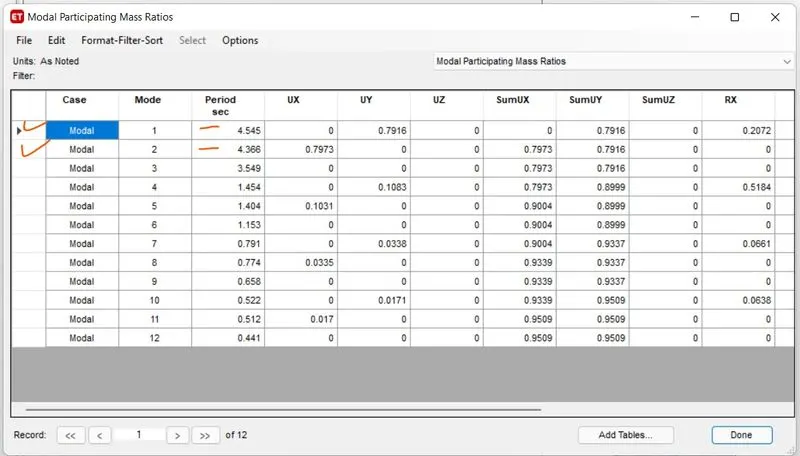
Comparison of natural frequencies between Building G and H
Modal mass participation ratio for G is 4.399
Modal mass participation ratio for H is 4.545
This can be said that the significant change is due the column size changes from the perticular storey of building G.
- Effect of mass on T: Compare fundamental natural periods of buildings H, J and K.
Building H
Building J
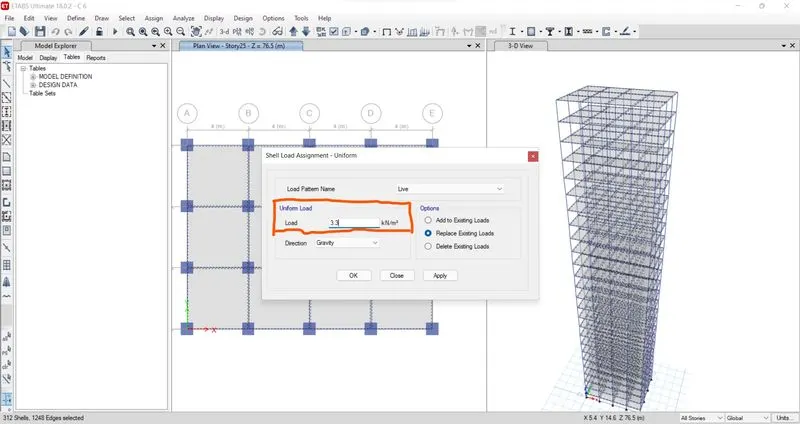
In this Imposed load is increased by 10% Larger.
shown below
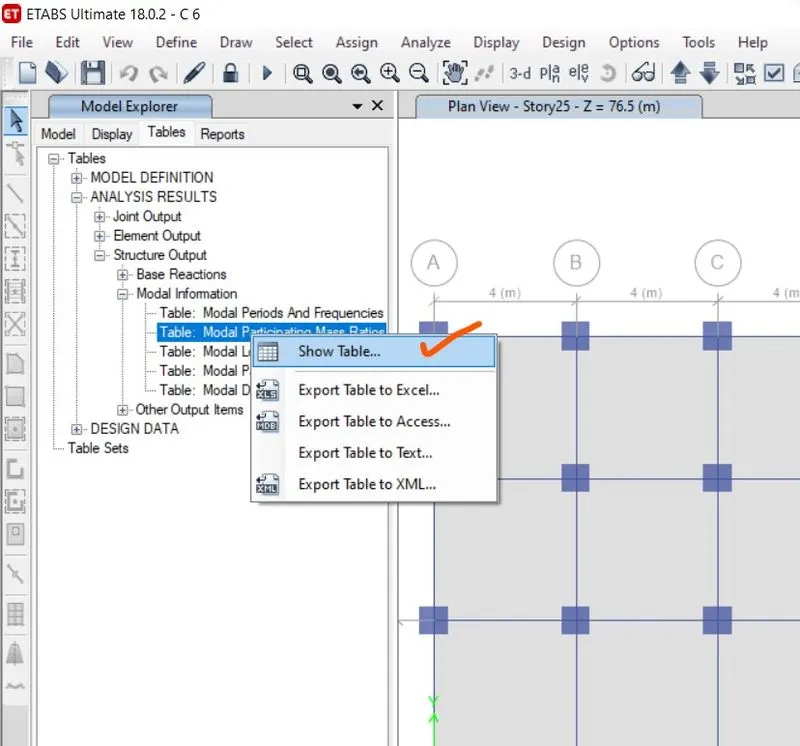
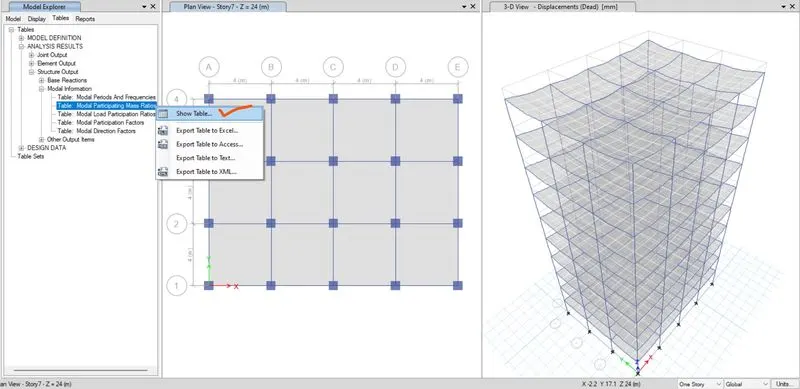
The table can be found out by this given path
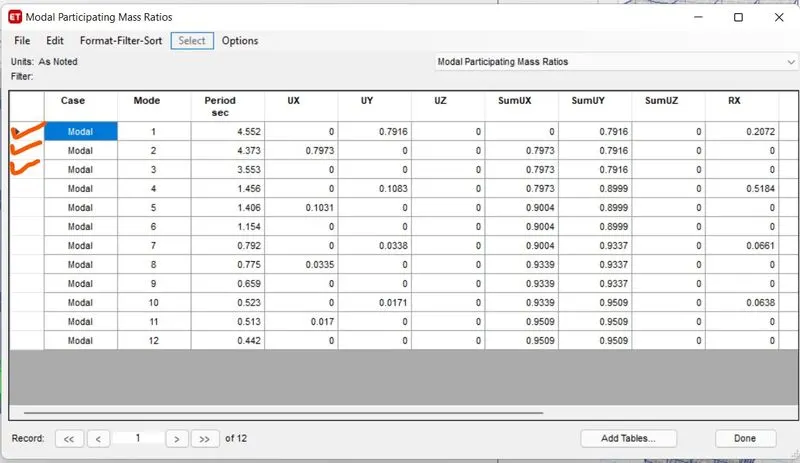
Natural Period of a building is shown in the below table
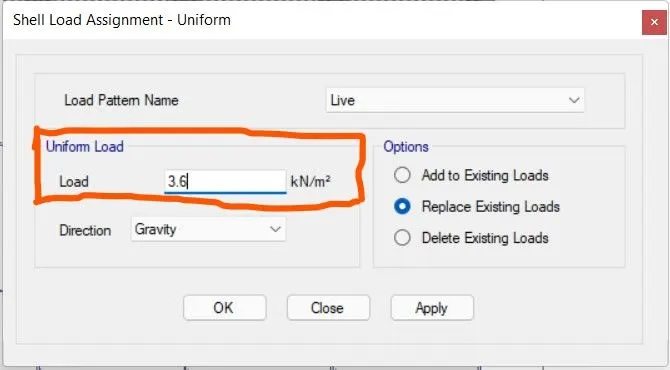
Building K
The imposed load is increased by 20 % than building H.
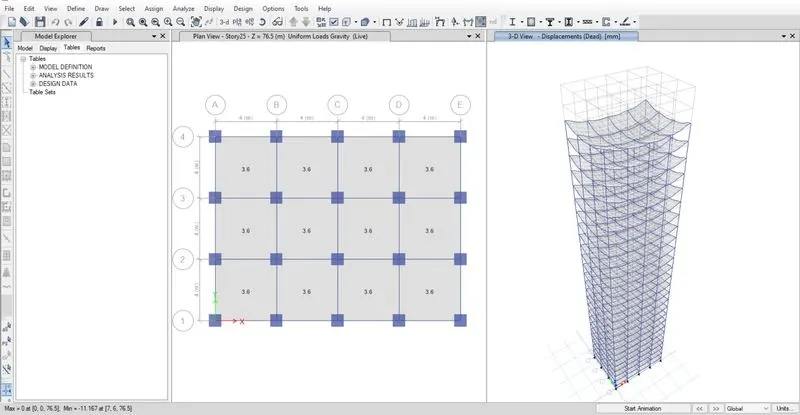
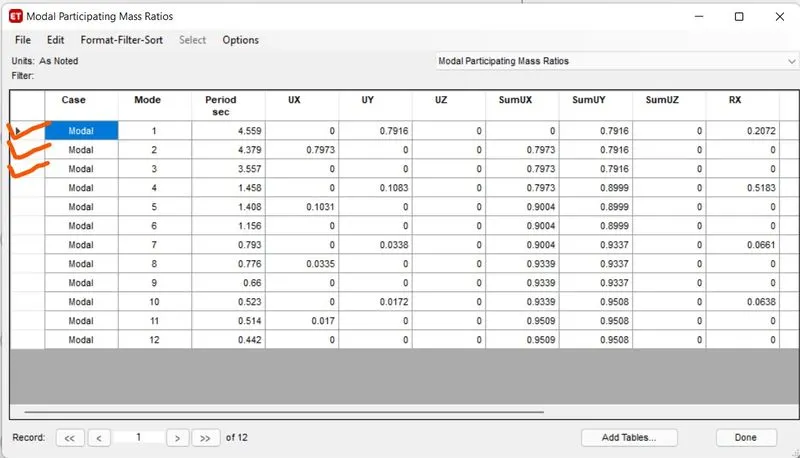
Campariotion of Building H, J & K
Modal mass participation ratio for H is 4.545
Modal mass participation ratio for J is 4.552
Modal mass participation ratio for K is 4.559
As we have incresed the imposed load in buliding J by 10% their is some changes seen in the natural period in the struture and it increases sufficiestly
so, it can be said that the Building is more flexible by increase in mass.
Effect of Building Height on T: How does the fundamental natural periods of Buildings A, B, F and H
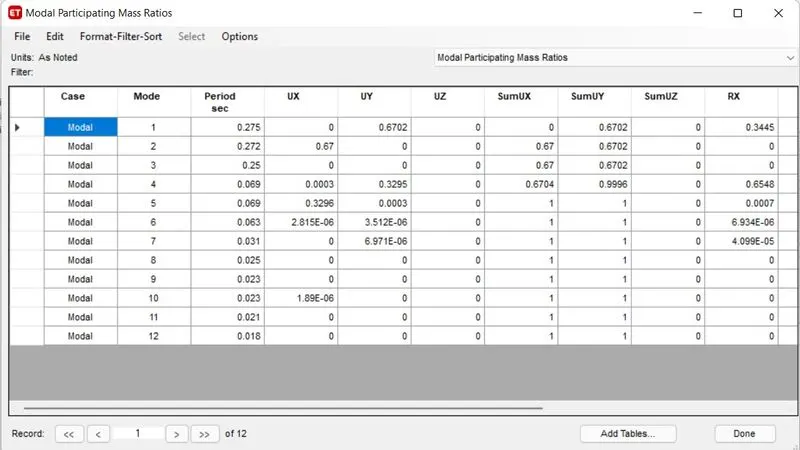
For Buildings A
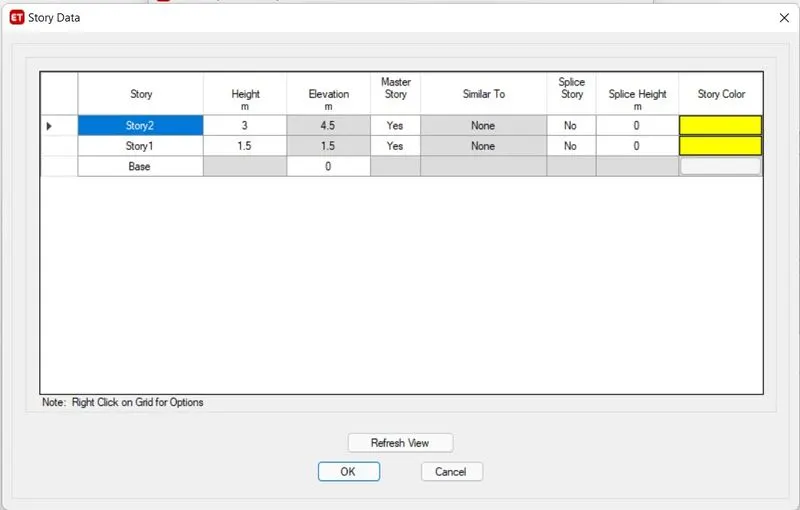
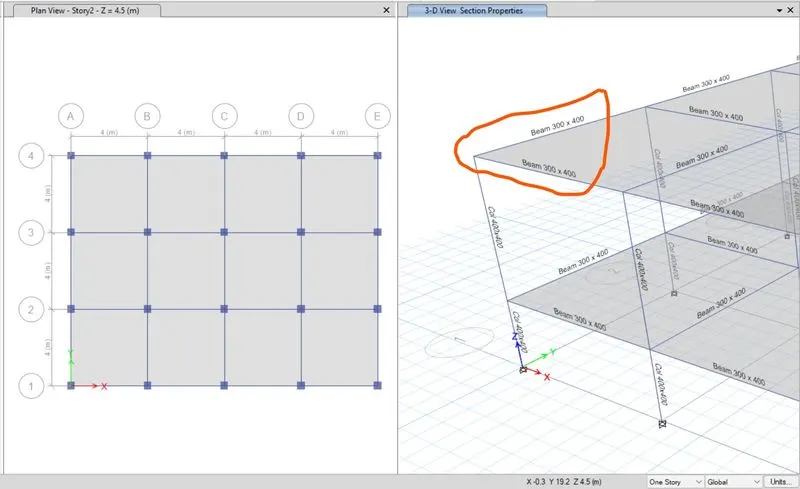
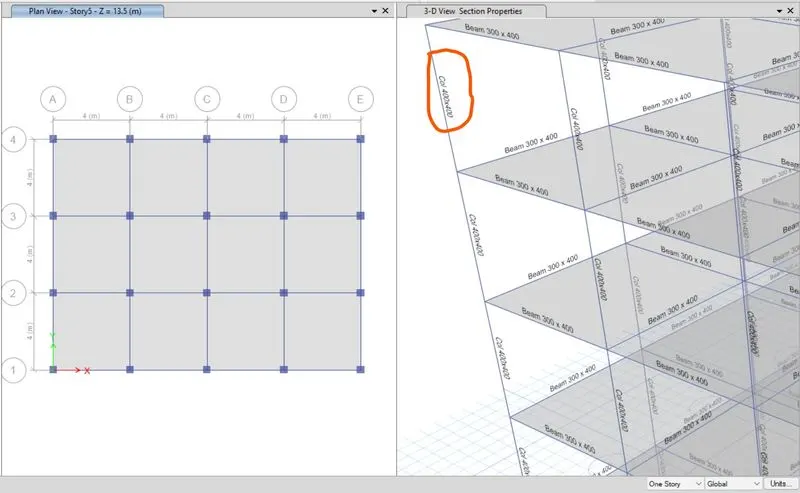
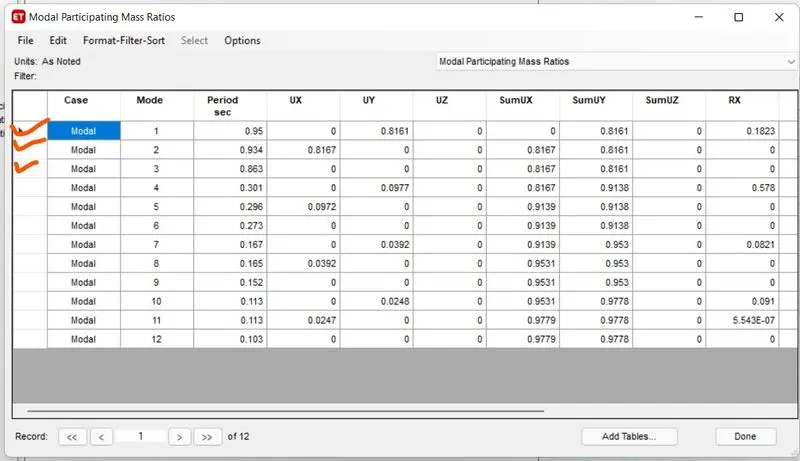
For Buildings B
For Buildings F
For Buildings H
Campariotion of Building A,B,G & H
Modal mass participation ratio for A is 0.275
Modal mass participation ratio for B is 0.95
Modal mass participation ratio for F is 1.87
Modal mass participation ratio for H is 4.545
As the height of the building increases the natural time period also increases gradually.
But only some of them satisfies the codal provotion that is mention as their should be 10% of diffrence in the two sucessive time period.
Effect of Column Orientation on T: How does the fundamental natural periods of
Buildings B, C and D
Buildings B
Buildings C
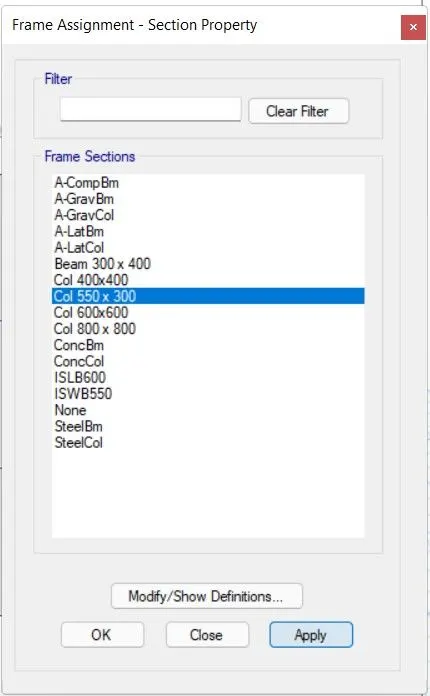
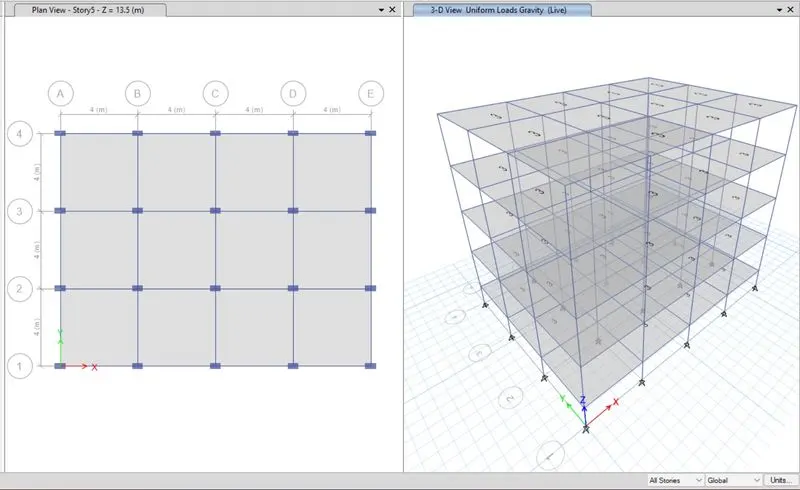
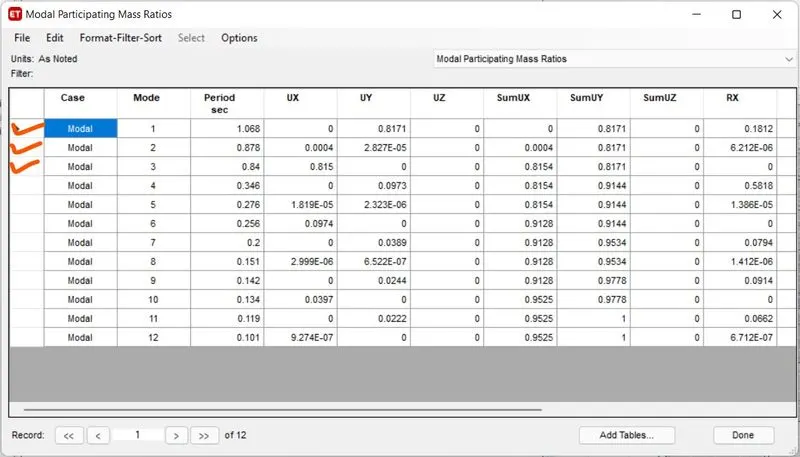
Buildings D
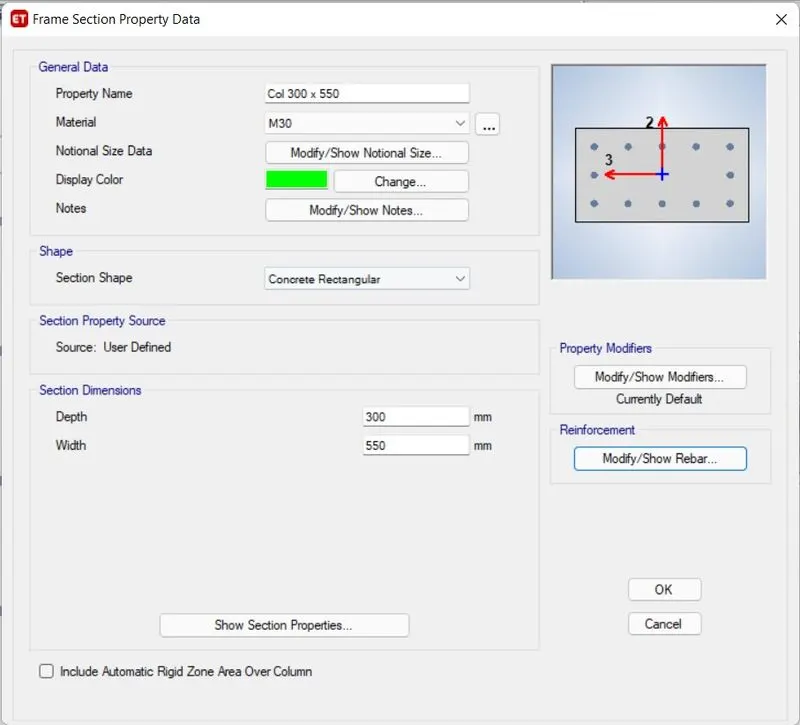
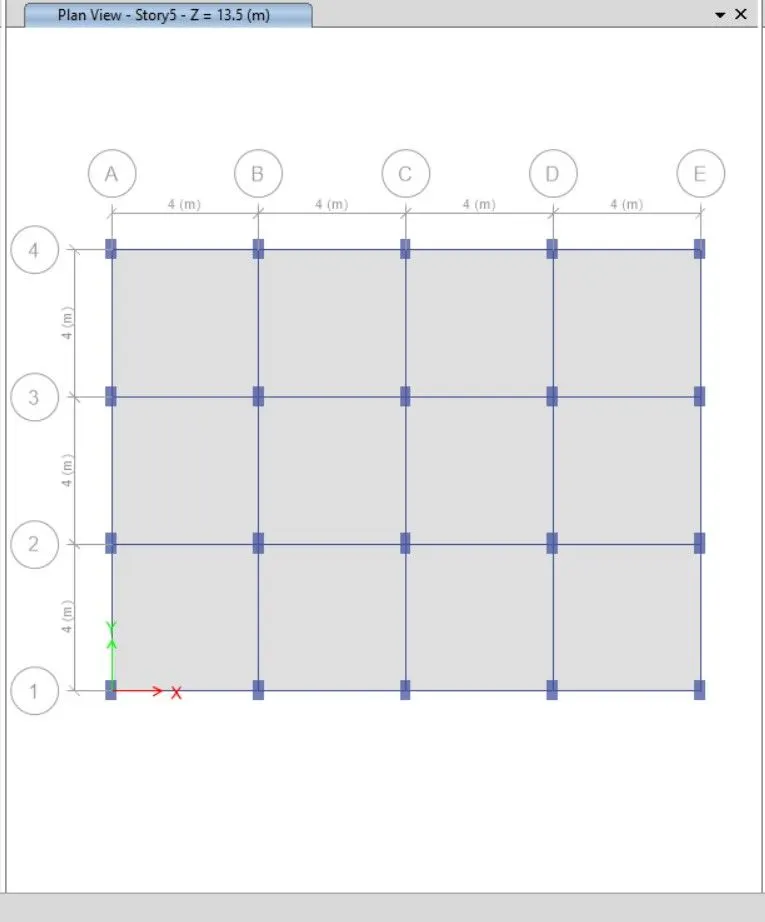
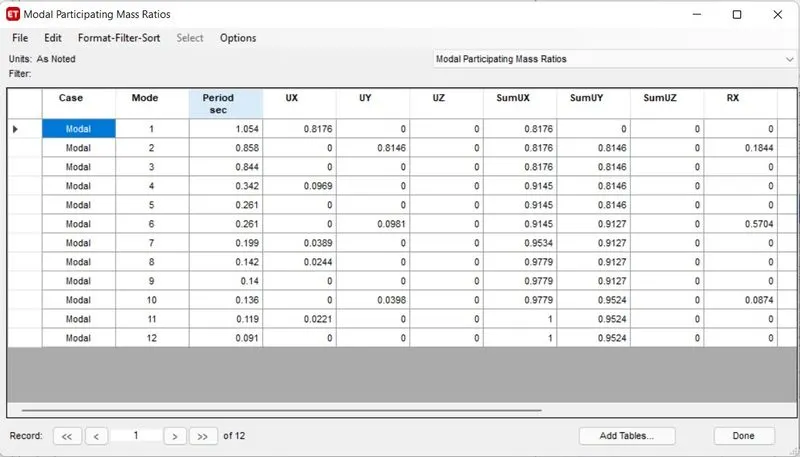
Campariotion of Building B, C & D
Modal mass participation ratio for B is 0.95
Modal mass participation ratio for C is 1.068
Modal mass participation ratio for D is 1.054
We can compare Building C & D as the orientation of the column is in the longer span for the same orientation in D the time period is less than C. So the EQ force affect more on the smaller bay as Y.
And that of B have the least time period because column size if larger than that of other.
- Effect of Flexural Stiffness of Structural Elements on mode shapes: Compare fundamental mode shape of Building B in two situations when flexural stiffness of beams relative to that of adjoining columns is very small versus when it is large.
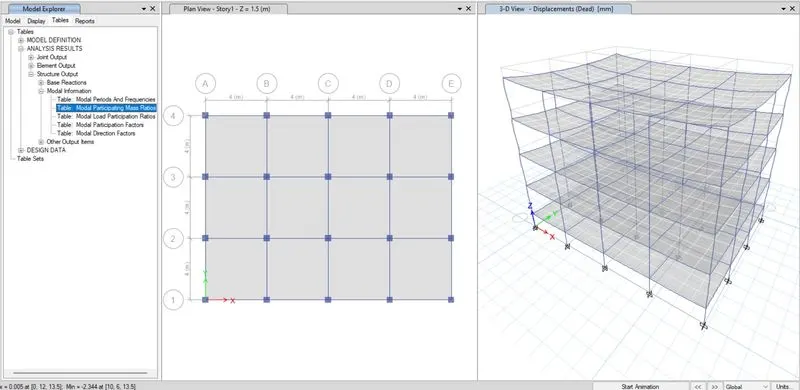
Building B
Taken the beam size as 150 x 100mm
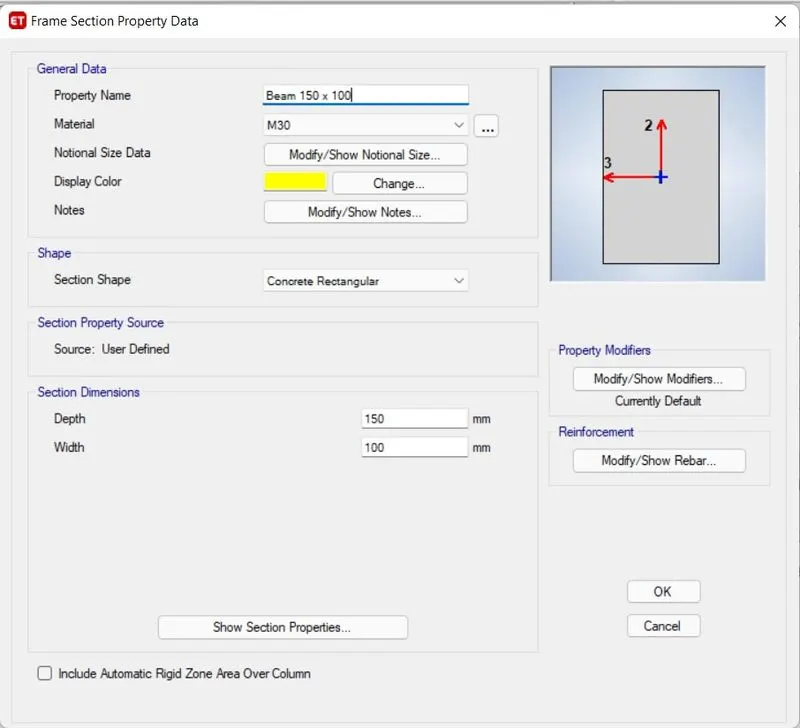
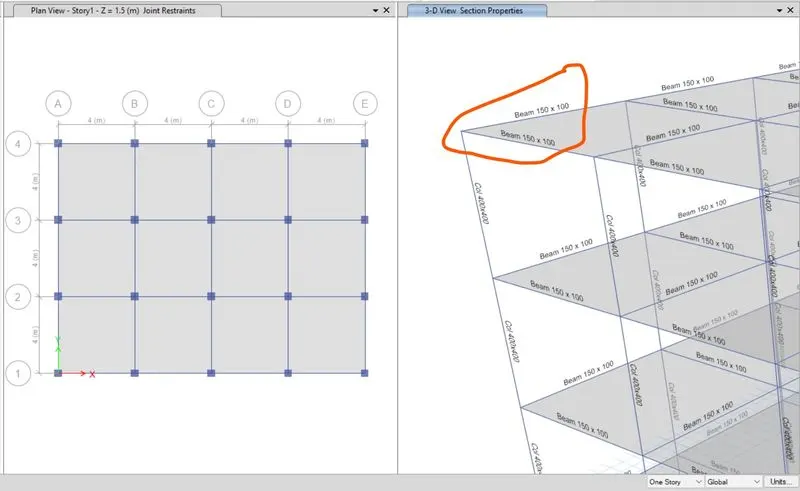
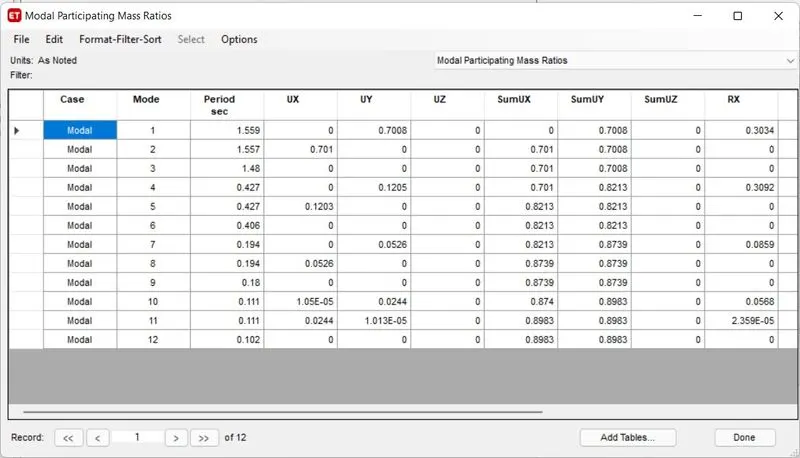
time period for beam size as 150 x 100mm
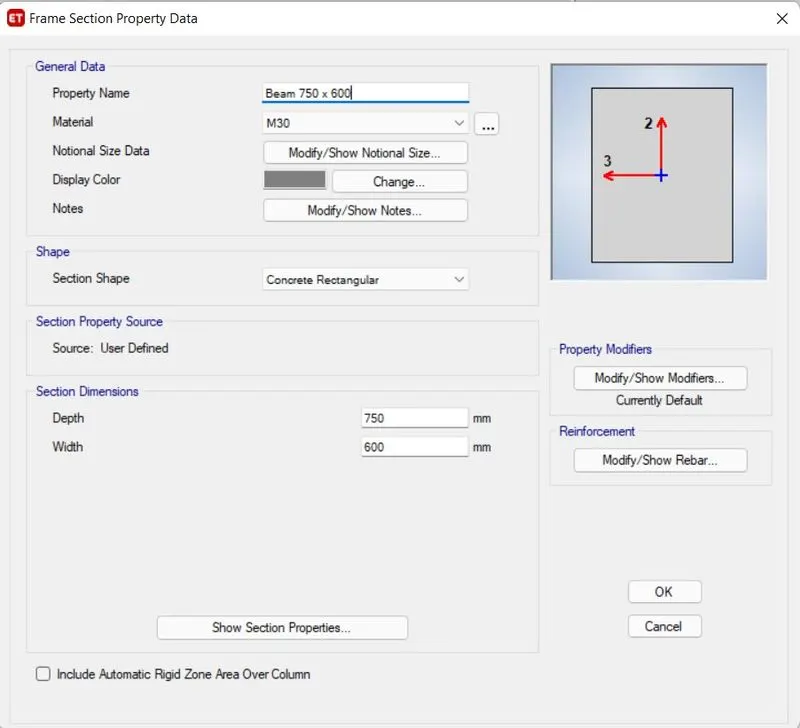
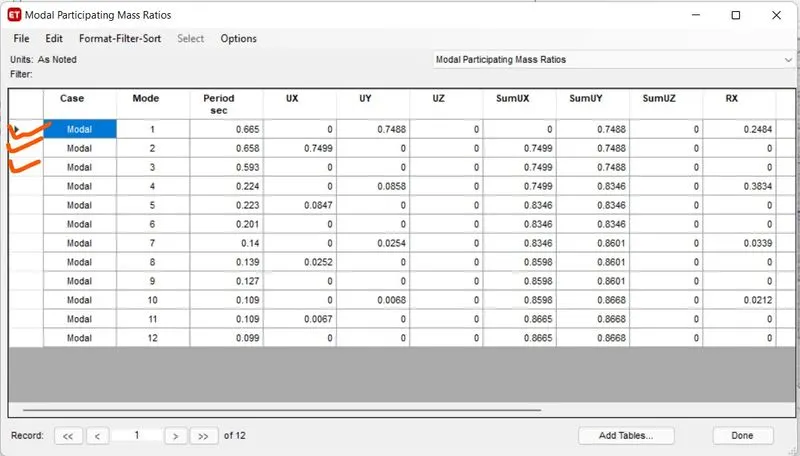
Taken the beam size as 750 x 600mm
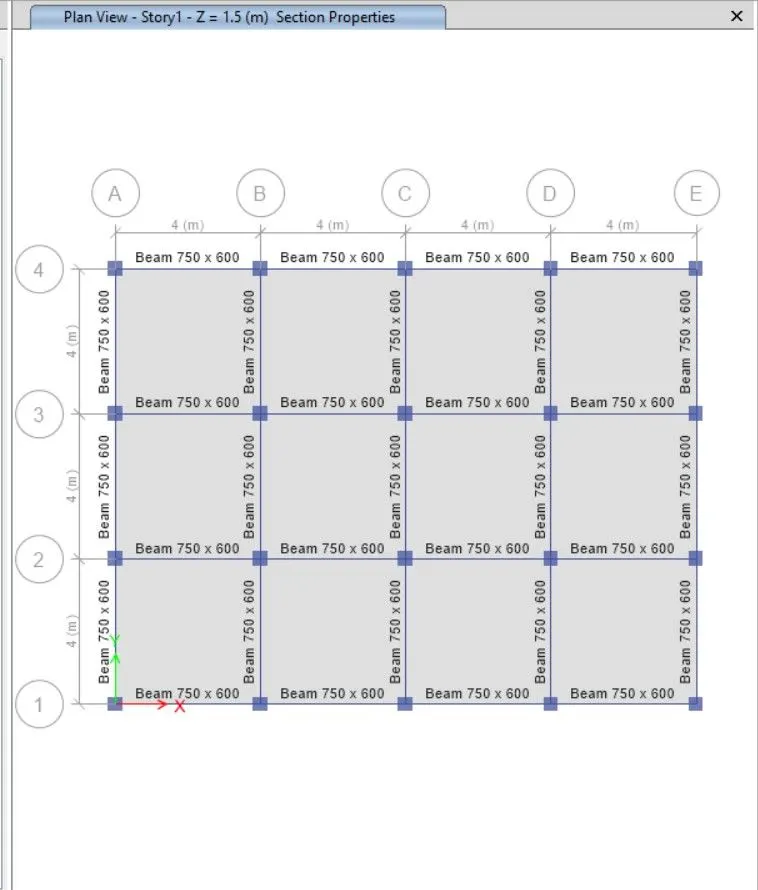
time period for beam size as 750 x 600mm
Campariotion of Building B
Modal mass participation ratio for B is having larger beam size is 0.665
Modal mass participation ratio for B having small beam size is 1.559
we can say that the smaller size of beam with larger col. size is not compatible to the struture as the natural freq, and stiffness decreses and for larger beam size the stiffness increases suddenly.
- Effect of Axial Stiffness of Vertical Members on mode shapes: Compare fundamental mode shape of Building H in two situations when axial cross-sectional area of columns is very small versus when it is large.
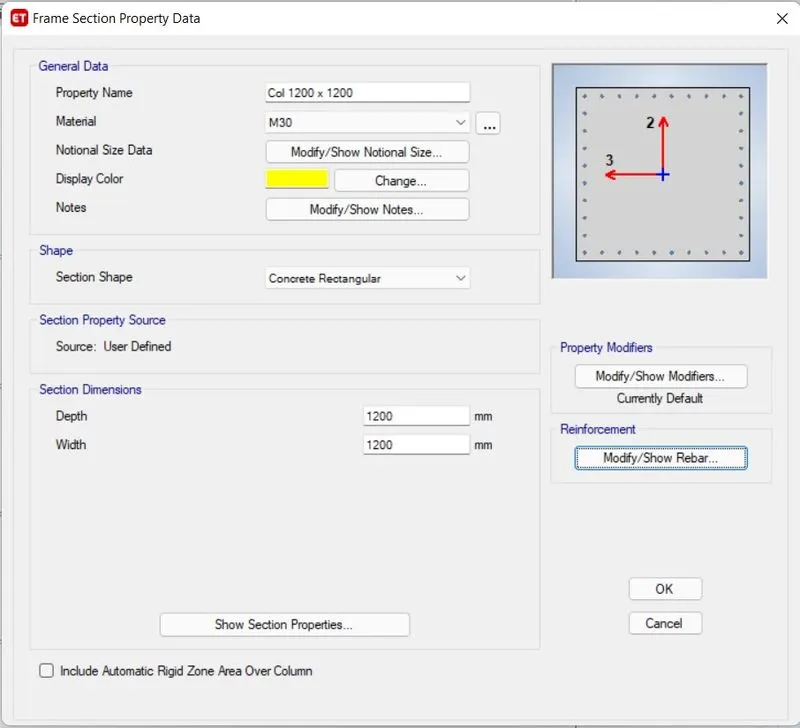
column size 1200 x 1200 mm
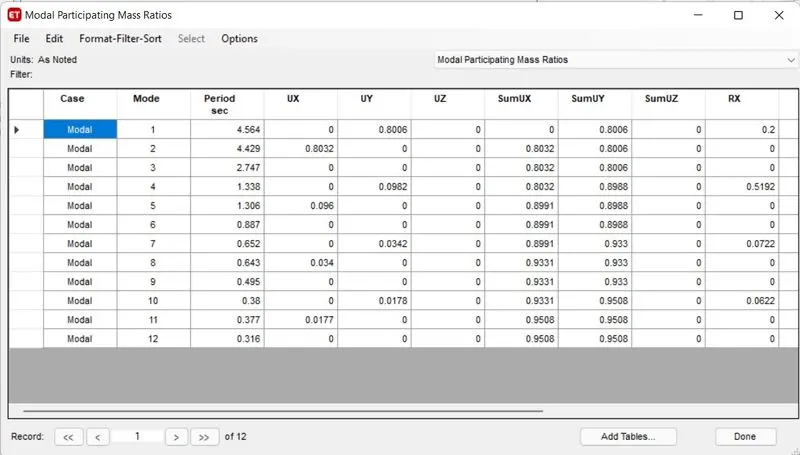
column size 300 x 300 mm
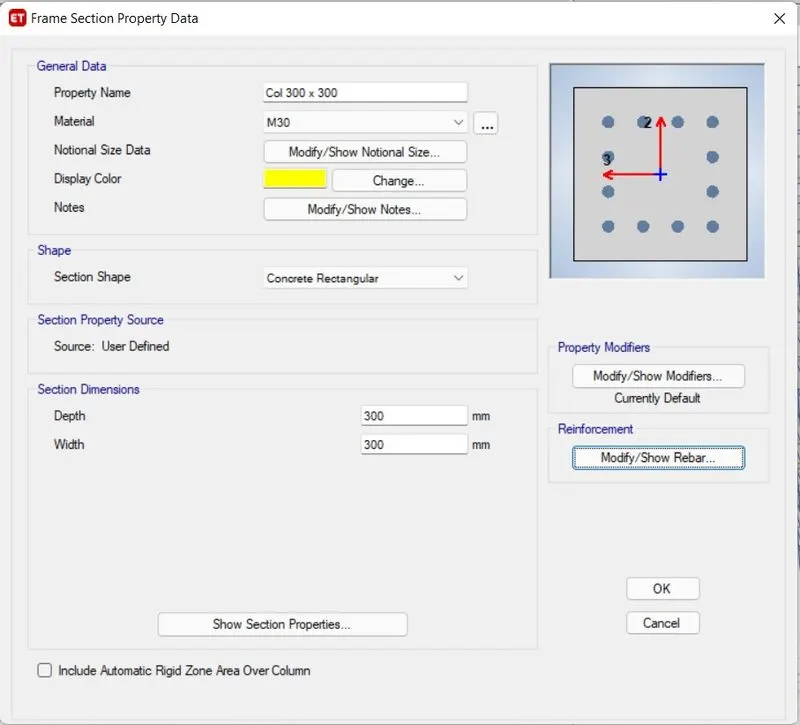
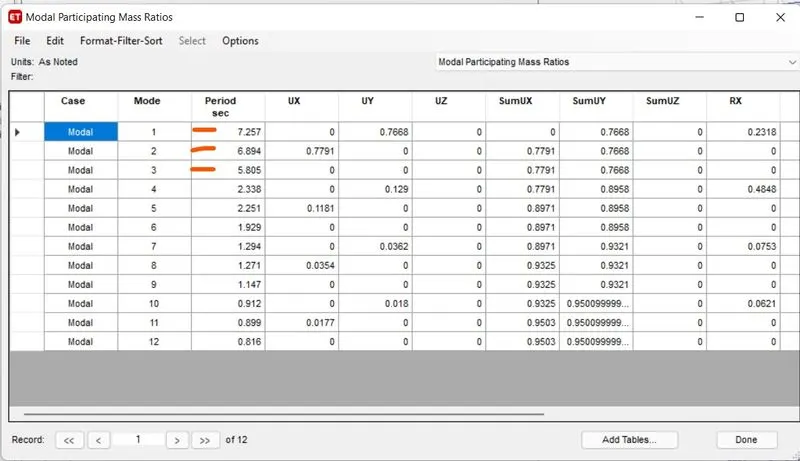
Campariotion of Building H
Modal mass participation ratio for H is having larger col. size is 4.564
Modal mass participation ratio for H is having smaller col. size is 7.257
For smaller column the stiffness decreses and the time period incresses and vise versa
Effect of Degree of Fixity at column bases on mode shape: Compare fundamental mode shape of Building B in two situations when base of columns is pinned versus when it is fixed.
Assign fixed support
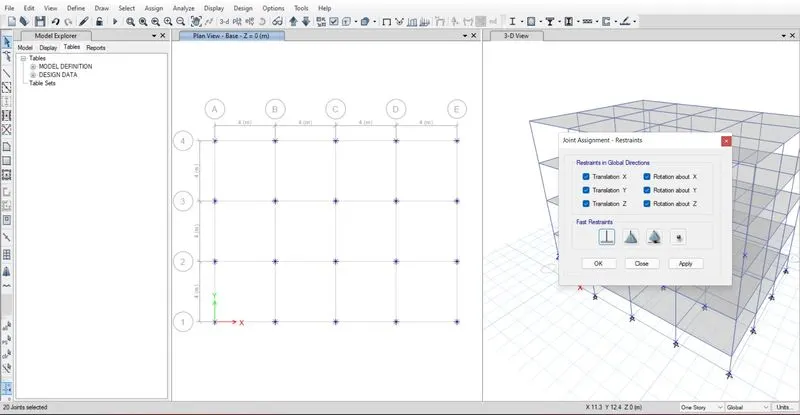
for fixed support
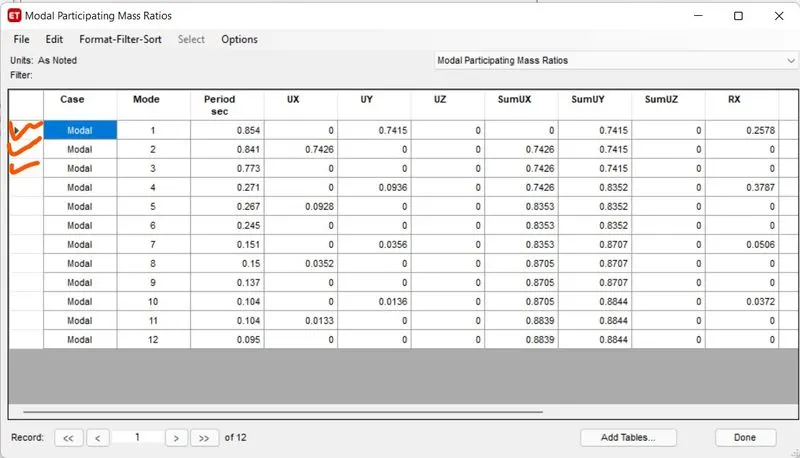
for pinned support
Time period for fixed support is 0.854
Time period for pinned support is 0.95
As it is fixed from the base the stiffness increses from EQ ground shacking and in pinned the displacement can be their from 3 direction.
Result
We have find the reasons affecting or factors influencing the dynamic characteristics of a building.
factors influencing the Natural Period of a building.
factors influencing the Mode shape of oscillations.