Project 2 - Supply and Demand Gap Analysis
INDEX :
Aim
Introduction
Problem Statement
Methodology
Analysis
Insights
Recommendations
Conclusions
Aim :
Honey is the natural product made by bees—one of our planet's most important species. Honey bees visit millions of blossoms in their lifetimes, making pollination of plants possible and collecting nectar to bring back to the hive to produce honey.
Honey bees use honey as their primary energy source and their instinct is to make more than their colony needs. Beekeepers harvest the excess and bottle it for consumption, just like they’ve been doing since the beginning of time. Harvesting honey is good for the bees and also part of what makes successful beekeeping businesses.
This dataset provides insights into honey production, demand, and supply across different states of America.
Introduction :
The United States honey production project aims to analyze and assess the honey industry at the state level by examining honey production, average prices, and the value of production over the years. This project will provide insights into the honey production landscape, identify trends, and evaluate the economic significance of the honey industry in different states. By understanding these factors, we can gain a comprehensive understanding of the honey industry's dynamics and potential areas for growth and improvement.
In this project, we will collect data on honey production, average prices, and the value of production for each state in the United States over a specific time period. By examining these variables, we can determine the overall honey production trends, variations between states, and the economic impact of honey production in different regions.
Problem Statement :
The honey industry in the United States faces various challenges, including fluctuations in production, regional variations, and market dynamics. This project aims to address the following key problem statements:
What are the production trends and variations in honey production across different states over the years?
How do average prices of honey vary between states, and what factors contribute to these variations?
What is the economic significance of honey production in different states, and how does it contribute to the overall economy?
Methodology :
Data Collection:
The first step in this project involves collecting relevant data on honey production, average prices, and the value of production for each state in the United States. This data can be obtained from government agencies, industry reports, and agricultural databases.
Data Analysis:
Once the data is collected, we will analyze it using statistical methods to examine production trends, variations between states, and the relationship between production, average prices, and the value of production. This analysis will provide insights into the dynamics of the honey industry at the state level.
Comparative Analysis:
We will compare the production levels, average prices, and value of production across different states to identify top honey-producing states, regions with potential growth opportunities, and variations in market dynamics
Visualization:
To enhance the understanding of the data and findings, we will create visual representations such as charts, graphs, and maps to illustrate the production trends, price differentials, and economic significance of honey production in different states.
Analysis :
Insights :
1.Production Trends –
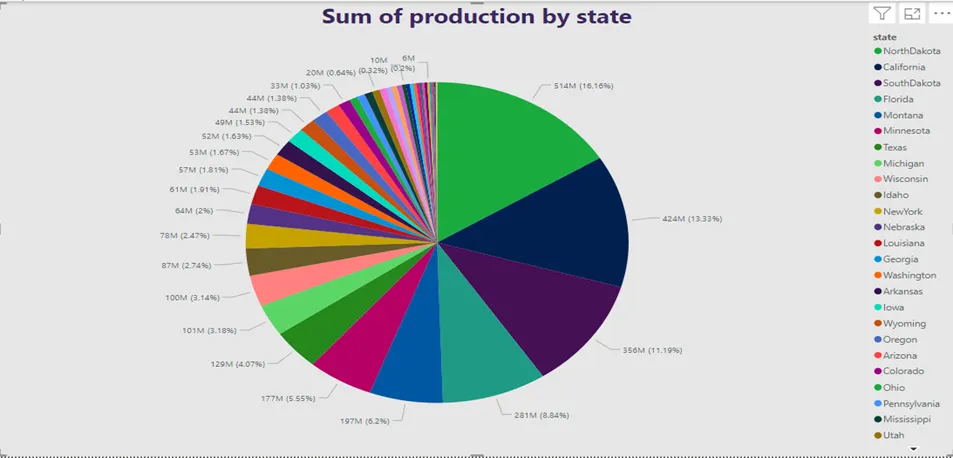
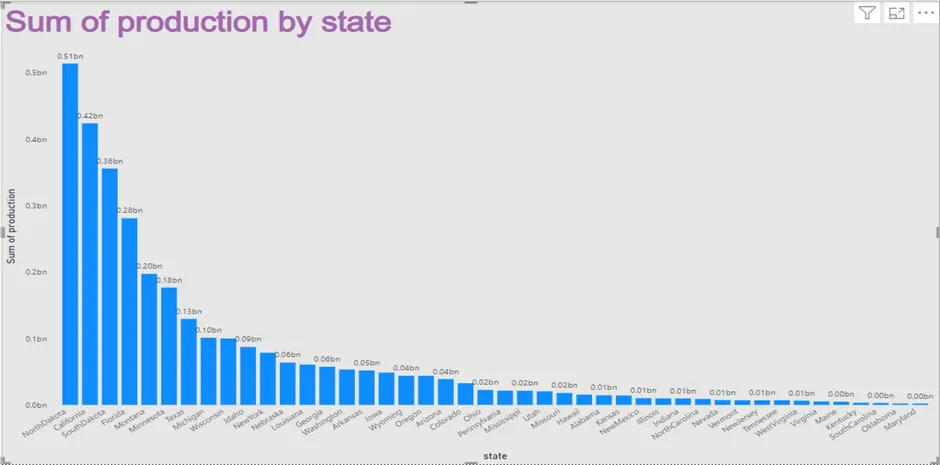
Our analysis revealed the overall production trends in the United States honey industry over a specific period. We identified fluctuations in production levels, seasonal variations, and potential factors impacting production, such as climate, environmental changes, and agricultural practices.
2.Regional Analysis -
We observed variations in honey production across different regions of the United States. Certain regions have higher production capacities due to factors like favorable climate conditions, the presence of specific floral resources, or beekeeping traditions. Understanding these regional variations can assist in optimizing resource allocation and identifying opportunities for growth in underperforming regions.
3.Market Demand and Consumption –
Evaluating market demand and consumption patterns helps assess the honey industry's viability and growth potential. Understanding consumer preferences, trends, and market dynamics can guide production planning and marketing strategies.
Recommendations :
1. Marketing and Promotion –
Develop targeted marketing campaigns to raise awareness about the benefits of honey, its diverse uses, and its contribution to local economies. Highlighting the unique qualities of U.S.-produced honey can stimulate demand and support the growth of the domestic honey industry.
2.Research and Development -
Invest in research and development to identify and implement innovative beekeeping techniques that enhance honey production while ensuring the health and well-being of honeybee colonies. This can include sustainable hive management practices, disease prevention measures, and improved breeding programs for honeybees.
3.Knowledge Sharing and Training –
Facilitate knowledge sharing platforms and training programs for beekeepers to exchange best practices, stay updated on industry advancements, and enhance their skills. Supporting beekeeper education and providing resources can improve production efficiency and sustainability.
Conclusions :
In conclusion, analyzing honey production in the United States provides insights into the industry's trends, challenges, and opportunities. By understanding production trends, regional variations, beekeeping practices, and market dynamics, the industry can make informed decisions to support sustainable and thriving honey production. Implementing recommendations such as investing in research and development, promoting pollinator conservation, facilitating knowledge sharing, and strategic marketing efforts can contribute to the growth and resilience of the U.S. honey industry. Through collaborative efforts and a focus on sustainability, the industry can meet consumer demand, protect pollinators, and ensure a prosperous future for honey production