Project-1: Powertrain for aircraft in runways
Part A:
1. Search and list out the total weight of various types of aircrafts.
Answer:-
Typical Airplane Weights
Below is a table of some of the most common aircraft flying around our skies today:
| Aircraft | Empty Weight | Max Fuel Weight | Max Cargo Weight | Max Gross Takeoff Weight |
|---|---|---|---|---|
| Antanov AN-225 | 628,000 lbs 285,000 kg |
661,400 lbs 300,000 kg |
417,000 lbs 190,000 kg |
1,411,000 lbs 640,000 kg |
| Airbus A380-800 | 611,000 lbs 277,000 kg |
560,000 lbs 254,000 kg |
185,000 lbs 84,000 kg |
1,268,000 lbs 575,000 kg |
| Boeing 747-800 | 485,300 lbs 220,100 kg |
427,400 lbs 194,000 kg |
295,000 lbs 134,000 kg |
987,000 lbs 447,700 kg |
| Airbus A340-500 | 370,000 lbs 168,000 kg |
386,300 lbs 175,000 kg |
119,000 lbs 54,000 kg |
820,000 lbs 372,000 kg |
| Boeing 777-300ER | 370,000 lbs 168,000 kg | 320,800 lbs 145,500 kg | 148,000 lbs 67,100 kg |
776,000 lbs 352,000 kg |
| Boeing 787-10 | 299,000 lbs 135,500 kg | 223,500 lbs 101,500 kg |
126,300 lbs 57,300 kg | 560,000 lbs 254,000 kg |
| Boeing 737-900 | 98,500 lbs 44,700 kg |
53,100 lbs 24,000 kg |
44,600 lbs 20,200 kg |
187,000 lbs 85,000 kg |
| Airbus A320-100 | 93,900 lbs 42,600 kg |
48,700 lbs 22,100 kg |
44,000 lbs 20,000 kg |
150,000 lbs 68,000 kg |
| Embraer 190 | 63,500 lbs 28,800 kg |
28,600 lbs 13,000 kg |
28,800 lbs 13,100 kg |
106,000 lbs 48,000 kg |
| Gulfstream G650 | 54,000 lbs 24,500 kg | 48,200 lbs 21,900 kg | 6,500 lbs 3,000 kg |
100,000 lbs 45,200 kg |
| Bombardier CRJ900 | 48,160 lbs 21,850 kg | 19,600 lbs 8,900 kg | 6,075 lbs 2,760 kg | 80,500 lbs 36,500 kg |
| Bombardier Q400 | 39,300 lbs 17,800 kg |
11,700 lbs 5,300 kg |
18,700 lbs 8,500 kg |
62,000 lbs 28,000 kg |
| Learjet 75 | 13,900 lbs 6,300 kg | 6,060 lbs 2,750 kg |
2,900 lbs 1,300 kg |
21,500 lbs 9,700 kg |
| Cessna Citation CJ4 | 10,300 lbs 4,700 kg | 5,800 lbs 2,650 kg |
2,200 lbs 1,000 kg | 17,200 lbs 7,800 kg |
| Beechcraft King Air B100 | 7,100 lbs 3,200 kg | 3,200 lbs 1,450 kg |
4,150 lbs 1,900 kg |
12,000 lbs 5,400 kg |
| Diamond DA50 RG | 3,200 lbs 1,450 kg |
340 lbs 155 lbs |
1,250 lbs 560 kg |
4,400 lbs 2,000 kg |
| Beechcraft Bonanza G36 | 2,500 lbs 1,150 kg | 450 lbs 200 kg |
850 lbs 385 kg |
3,660 lbs 1,660 kg |
| Cessna 206H | 2,200 lbs 990 kg |
520 lbs 235 kg |
1,150 lbs 520 kg |
3,600 lbs 1,630 kg |
| Sirrus SR22 | 2,250 lbs 1,000 kg | 485 lbs 220 kg |
950 lbs 430 kg |
3,600 lbs 1,630 kg |
| Cessna 172R | 1,700 lbs 770 kg |
380 lbs 170 kg |
560 lbs 255 kg |
2,425 lbs 1,100 kg |
Aircraft Empty Weight (AEW)
This is sometimes referred to as OEW – Operating Empty Weight and it is the weight of the aircraft with all its equipment on board but no fuel, no passengers or no cargo.
Think of this like the aircraft has just come out of the factory and is sitting waiting to be fueled up for delivery to the customer.
Aircraft Maximum Gross Takeoff Weight (MGTW)
This is the maximum permissible weight the aircraft can weigh as it lifts off the ground at takeoff. This includes the aircraft’s empty weight, the fuel, the crew, the passengers, and all the cargo.
This weight limit is set by the manufacturer and is gospel. Many aircraft accidents have been caused by an aircraft being overweight and the pilot/s have not had enough power or maneuverability to prevent the accident.
Aircraft Useful Load
This is the weight that a pilot can place in the aircraft. Take the MGTW figure and subtract the AEW and this is the total useful load that can be placed into the aircraft. This is the fuel, crew, passengers, and cargo. The bigger the load, the more useful the aircraft can be to its customers!
How Fuel, Passengers & Cargo Affect Aircraft Weight
Each item of weight added to the aircraft has to be accounted for and some items can be left off the flight and others not so much. There are several scenarios we can look at, and for these examples, I will use the Astar helicopter I fly, as it is really easy for me to work out the numbers:
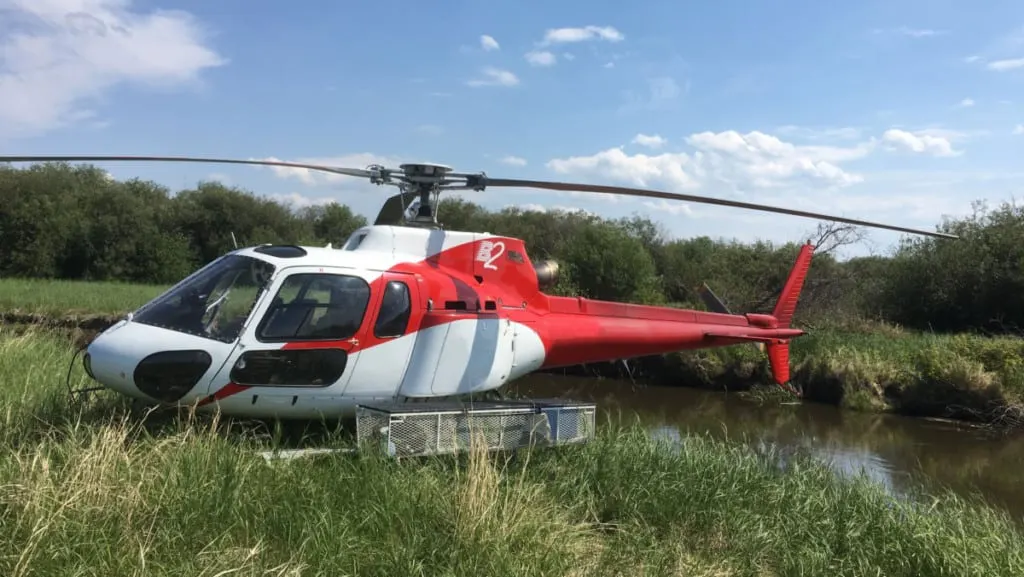
AS350 Astar B2 Helicopter Specs:
Aircraft Empty Weight: 3000 lbs
Aircraft Maximum Gross Weight: 4961 lbs
Aircraft Maximum Fuel Weight: 1000 lbs
Aircraft Useful Load: 1961 lbs
Scenario #1: All Fuel & No Cargo or Passengers
This would be on a flight when I have finished a job and I am returning back to the hanger after dropping off the passengers and their cargo:
- Aircraft Empty Weight: 3000 lbs
- Pilot Weight: 185 lbs
- Aircraft Full Fuel Weight: 1000 lbs
- Total Aircraft Weight = 4,185 lbs (776 lbs under MGTW)
Scenario #2: Full Passengers & 200 lbs of Cargo
This would be on a flight when I am starting a job in the morning and I am departing from the hanger with a work crew and their tools:
- Aircraft Empty Weight: 3000 lbs
- Pilot Weight: 185 lbs
- Passengers Weight: 950 lbs
- Cargo Weight: 200 lbs
- Aircraft Full Fuel Weight: 1000 lbs
- Total Aircraft Weight = 5,335 lbs (374 lbs OVER MGTW)
In this scenario I would need to offload weight. The 3 variables are:-
- Passengers
- Cargo
- Fuel
Usually, the passengers and their cargo need to go as they are the ones doing the work, so fuel has to be reduced. Instead of filling the aircraft fuel tank up to 100%, I can only fill it to around 60% to keep the aircraft under its MGTW.
2. Is there any difference between ground speed and air speed?
There is a difference between ground speed and air speed to understand this we should take in to account wind speed too.
Wind Speed-
For a reference point picked on the ground, the air moves relative to the reference point at the wind speed. Notice that the wind speed is a vector quantity and has both a magnitude and a direction. Direction is important. A 20 mph wind from the west is different from a 20mph wind from the east. The wind has components in all three primary directions (north-south, east-west, and up-down).
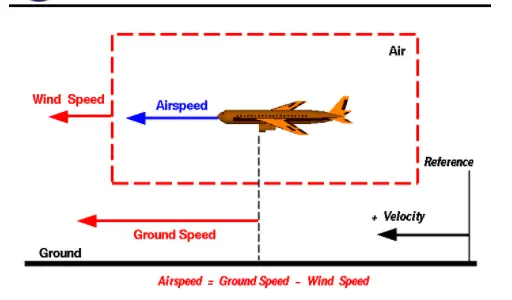
In this figure, we are considering only velocities along the aircraft's flight path, A positive velocity is defined to be in the direction of the aircraft's motion. We are neglecting cross winds, which occur perpendicular to the flight path but parallel to the ground, and updrafts and downdrafts, which occur perpendicular to the ground.
Ground Speed
For a reference point picked on the ground, the aircraft moves relative to the reference point at the ground speed. Ground speed is also a vector quantity so a comparison of the ground speed to the wind speed must be done according to rules for vector comparisons.
Airspeed
The important quantity in generation of lift is the relative velocity between the object and the air, which is called the airspeed. Air speed cannot be directly measured from a ground position, but must be computed from the ground speed and the wind speed. Airspeed is the vector difference between the ground speed and the wind speed.
Airspeed = Ground Speed - Wind Speed
On a perfectly still day, the airspeed is equal to the ground speed. But if the wind is blowing in the same direction that the aircraft is moving, the airspeed will be less than the ground speed.
For example taking wind speed as 20 km/hr and runway is east-west runway the wind blowing towards west and the flight runs at 80 km/hr the wind speed acting in the west and the flight takes off east then the-
Airspeed-Groundspeed(80)- Wind Speed (-20)-100 km/hr
If the planes runs towards west along the wind blowing direction then the
Airspeed-Groundspeed (80)-Wind Speed(20)-60km/hr
Hence there is a difference between ground speed and air speed.
3. Why is it not recommended to use aircraft engine power to move it on the ground at Airport?
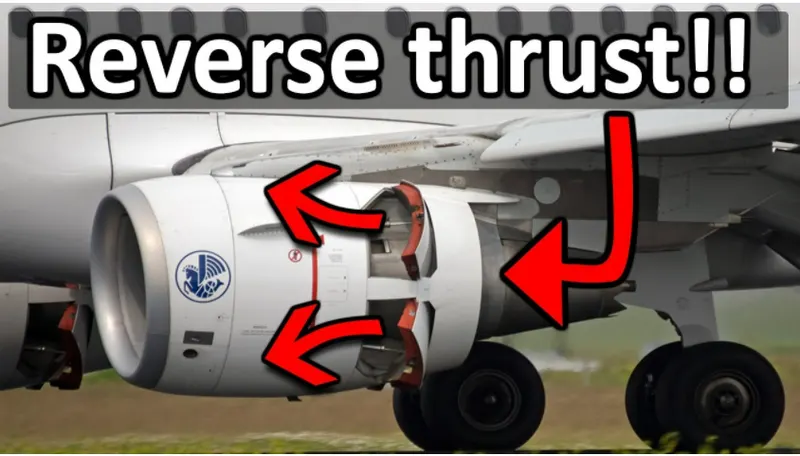
- Generally most of the airplane can move itself in reverse manner by making use of reverse thrust technology. But in most of the practical it is not possible because when airplanes start using reverse thrust it will consume lot of fuels as well as causes lot of noise and also hazardous for the people working near by.
-
The another for not using reverse thrust is that the jet blast can cause damage to terminal buildings or its equipments. Since the engine is also close to the ground it will blow off the sand and debreis forward and sucks it to the engine and causes damage to it.
-
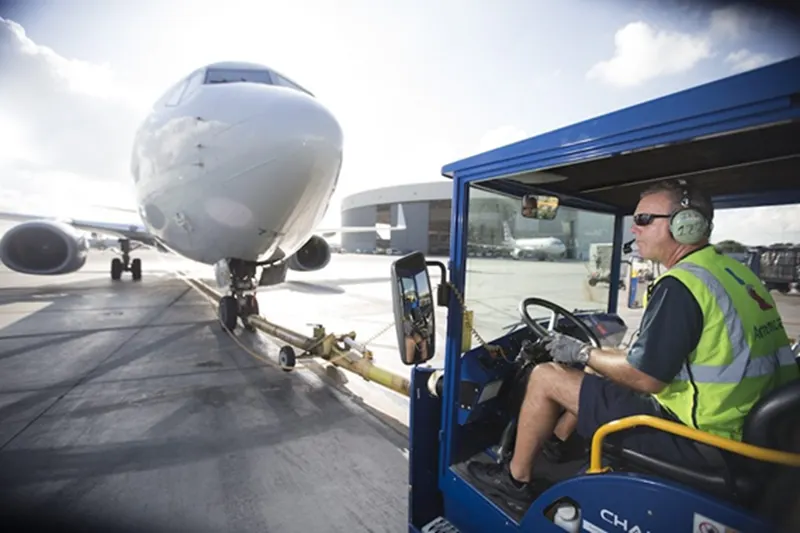
To solve this kind of issue we use a towing vehicle which helps to tow the vehicle in reverse dierection and it will be tugged until it reaches a safe place and from there onwards airplane will move by itself for further take off
4. How an aircraft is pushed to runway when its ready to take off?
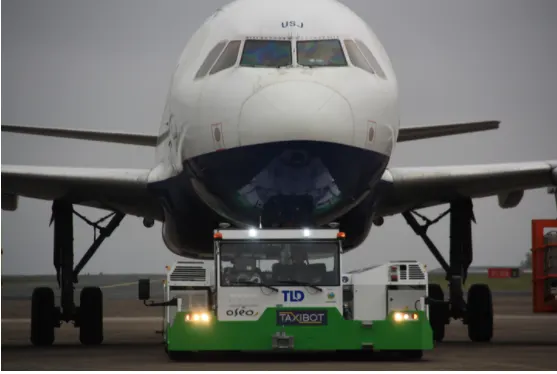
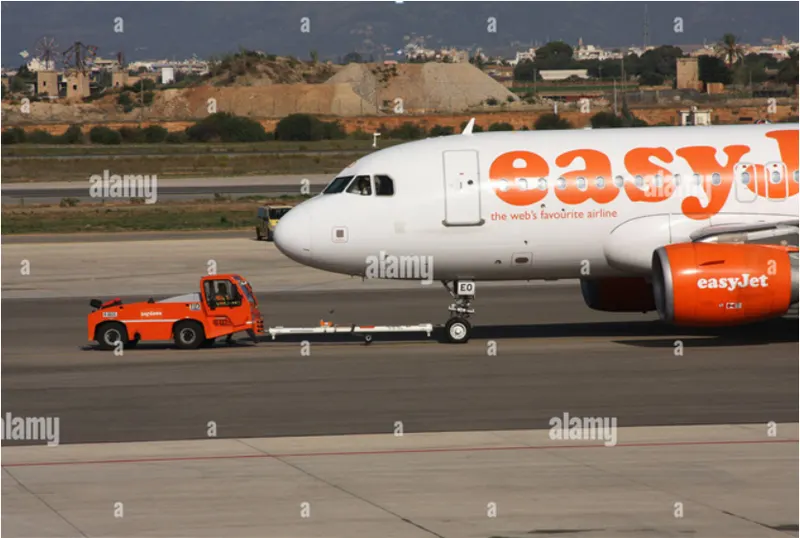
Pushback, is an airport procedure during which an aircraftis pushed backwards away from an airport gate by external power. Pushbacks are carried out by special, low-profile vehicles called pushback tractors or tugs.
Although many aircraft are capable of moving themselves backwards on the ground using reverese thrust (a procedure referred to as a powerback), the resulting jetblast or propwash might cause damage to the terminal building or equipment. Engines close to the ground may also blow sand and debris forward and then suck them into the engine, causing damage to the engine. A pushback is therefore the preferred method to move the aircraft away from the gate.
Pushbacks at busy aerodromes are usually subject to ground control clearance to facilitate ground movement on taxiways. Once clearance is obtained, the pilot will communicate with the tractor driver (or a ground handler walking alongside the aircraft in some cases) to start the pushback. To communicate, a headset may be connected near the nose gear.
Since the pilots cannot see what is behind the aircraft, steering is done by the pushback tractor driver and not by the pilots. Depending on the aircraft type and airline procedure, a bypass pin may be temporarily installed into the nose gear to disconnect it from the aircraft's normal steering mechanism.
Once the pushback is completed, the towbar is disconnected, and any bypass pin removed. The ground handler will show the bypass pin to the pilots to make it clear that it has been removed. The pushback is then complete, and the aircraft can taxi forward under its own power.
5. Learn about take off power, tyre design, rolling resistance, tyre pressure, brake forces when landing.
Take off power
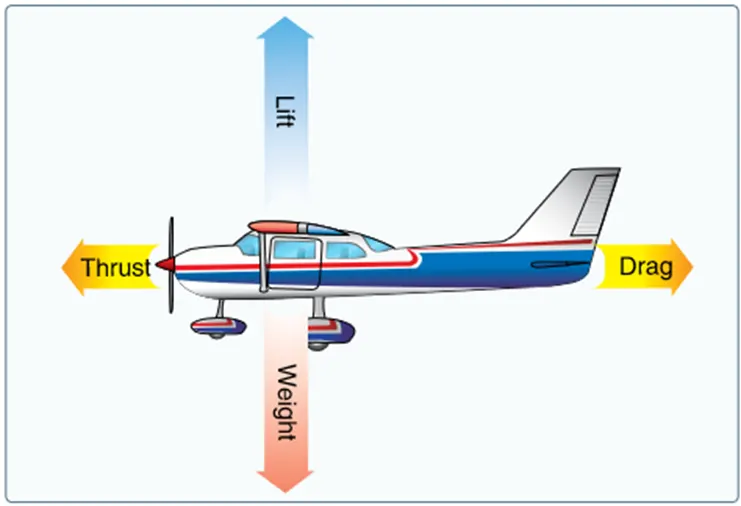
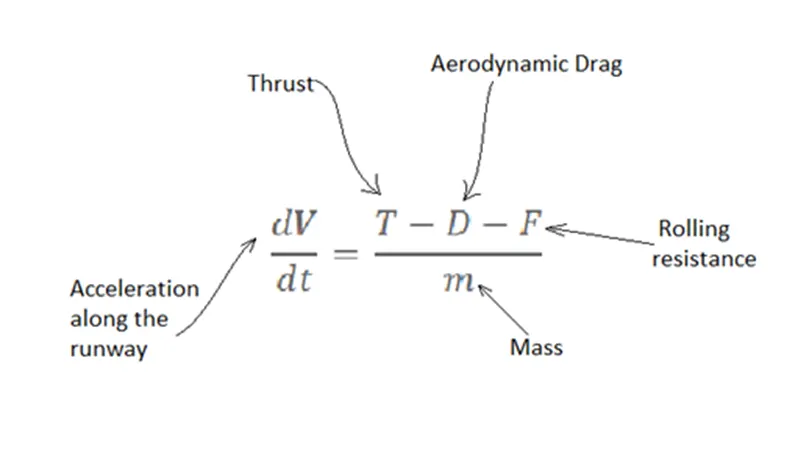
Forces need to overcome while taking off or to maintain aircraft in the air.
- Thrust is a force that moves an aircraft in the direction of the motion. It is created with a propeller, jet engine, or rocket. Air is pulled in and then pushed out in an opposite direction. One example is a household fan.
- Drag is the force that acts opposite to the direction of motion. It tends to slow an object. Drag is caused by friction and differences in air pressure. An example is putting your hand out of a moving car window and feeling it pull back.
- Weight is the force caused by gravity.
- Lift is the force that holds an airplane in the air. The wings create most of the lift used by airplanes.
Tyre design
When it comes to safety, tires are one of the most important components of aircraft. They help to absorb the shock of landing and provide cushioning. It also provides the necessary traction for braking and stopping of an aircraft.
An aircraft tire is designed to withstand extremely heavy loads while landing, take off, taxing, and parking. The number of wheels required for aircraft increases with the weight of the aircraft, as the weight of the airplane needs to be distributed more evenly.
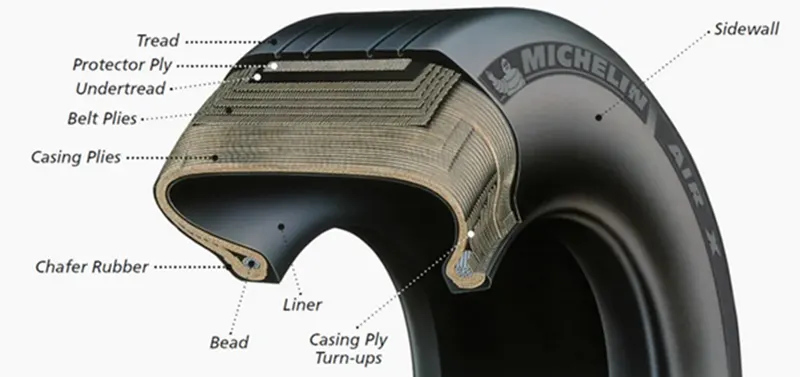
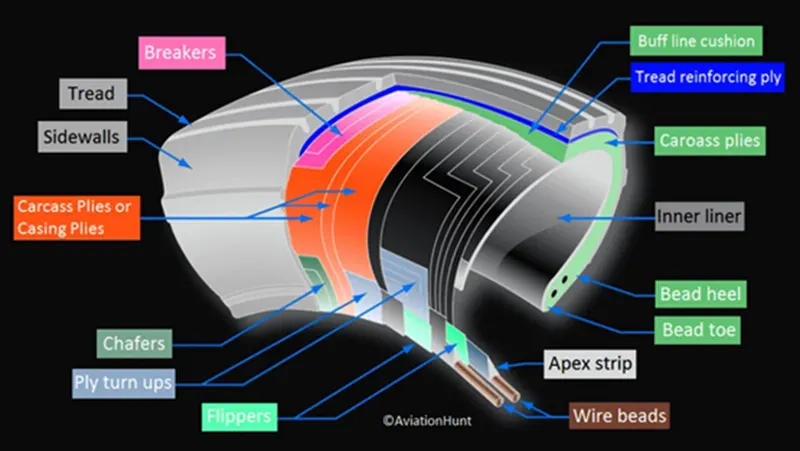
Carcass plies are used to form the tire. They are sometimes called casing plies. An aircraft tire is constructed for the purpose it serves.
- They support the weight of an aircraft while it is on the ground.
- It also provides the necessary traction for the braking and stopping of an airplane.
- Tyre also helps to absorb the shock of landing and provides cushioning for the roughness of takeoff, roll-out, and taxi operations.
Let’s go through some technical aspects of the tire.
- Retreading – Retreading is a method of restoring a worn tire by renewing the tread area or by renewing the tread area plus one or both sidewalls. Repairs are included in the tire retreading process.
- Load Rating – Load rating is the maximum permissible load at a specified inflation pressure.
- Ply Rating – Ply Rating is used to identify the maximum recommended load rating and inflation pressure for a specified tire. It is an index of tire strength.
- Speed Rating – The speed rating is the maximum takeoff speed to which the tire has been tested.
- Skid Depth – Skid depth is the distance between the tread surface and the deepest groove as measured in the mold.
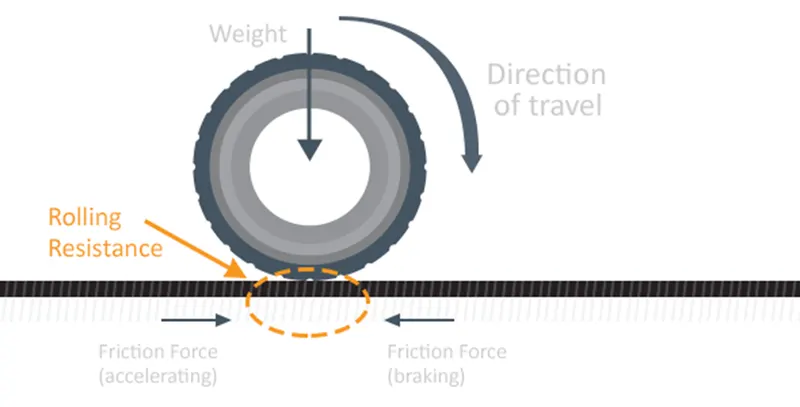
Rolling Resistance
- The coefficient is a function of the tire material, tire structure, tire temperature, tire inflation pressure, tread geometry, road roughness, road material, and the presence or absence of liquids on the road.
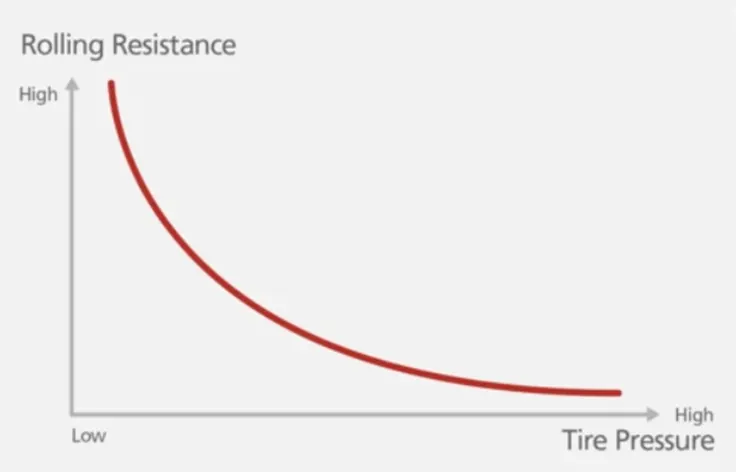
- The values vary with the speed. Tire pressure increases its value decreases need to carefully choose value as per typical cases under consideration.
Frr = Urr*m*g
Where,
Urr = Rolling resistance coefficient
M = mass of the body/vehicle
G = Gravitational force
Tyre pressure
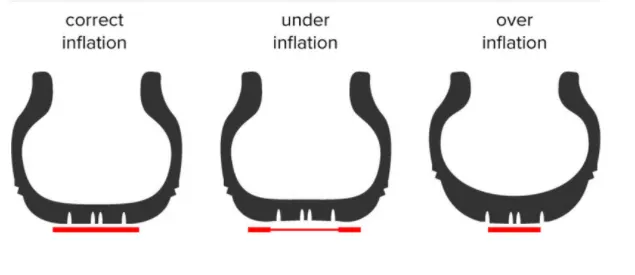
Aircraft tires may be Tube-type or Tubeless:- Tubeless tires are more advantageous than tube-type. There is no longer the use of tube-type tires in recent aviation. Nowadays all airliners are using tubeless tires. Tubeless that are meant to be used without a tube has the word TUBELESS on the sidewall of the tire
Tyre pressure varies from plane to plane.
- The tires do not use the typical compressed air we would use from a fuel station supply or a home air compressor.
- Aviation tires are made of a much stronger compound than what we use for the auto industry and in fact, they use nitrogen gas to inflate the tires, as opposed to compressed air.
- This provides additional strength to the tires in general, to support the tremendous weight they carry moving the plane or on take-off and for landing.
- The average pressure they run in the tires is between 200–220 PSI, it again depends on the model aircraft, (Automobiles run 30–40 psi on average)
- Tires are required to replace after every 300 or so cycles. A cycle represents 1 for a Landing and 1 for a lift-off. Every time a plane lands and departs, this is considered 2 cycles.
- The requirement that an inert gas, such as nitrogen, be used instead of air for inflation of tires on certain transport category airplanes was prompted by at least three cases in which the oxygen in air-filled tires had combined with volatile gases given off by a severely overheated tire and exploded upon reaching autoignition temperature. The use of inert gas for tire inflation eliminates the possibility of a tire explosion.
- When the tire pressure becomes too low then values of Rolling resistance increase too much.
Brake forces
We will use Newton’s second law to determine force due to deceleration:
That is Energy required to break Bf = (½)*m*(Vi– Vf)^2
Where,
- Bf = Breaking Energy in Joules
- m = Mass of the aircraft
- Vi = Initial speed of the plane
- Vf = Final speed of the plane
If we want to find the Breaking Power in wattage as we know Power in Watt = Workdone /time
So in order to power in wattage, we have to divide Breaking Energy by time.
- Power = Breaking Energy/time
Here, time is nothing but the time required to reach aircraft from Initial velocity to Final velocity.
Part B:
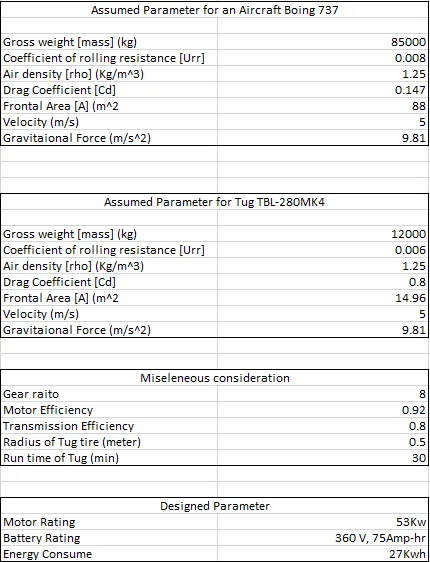
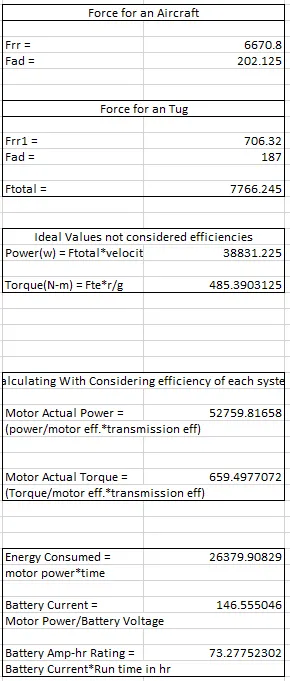
6. A. With necessary assumptions, calculate the force and power required to push / pull an aircraft by a towing vehicle.
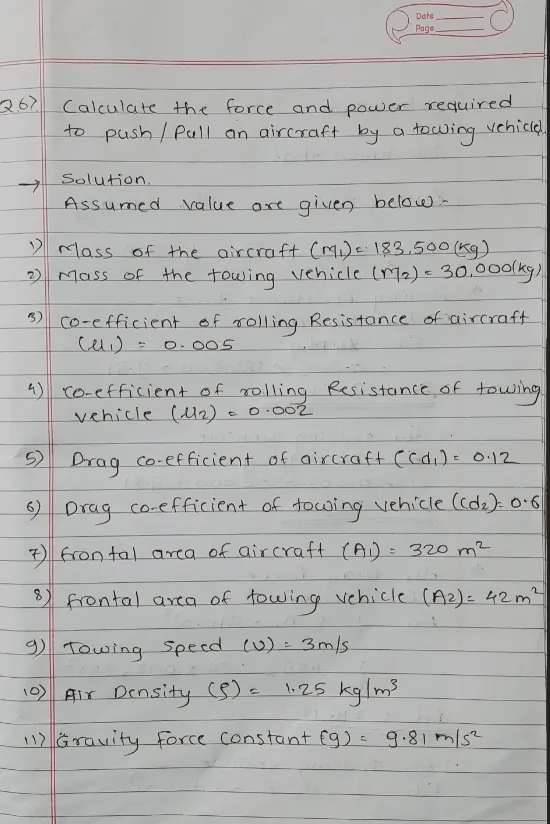
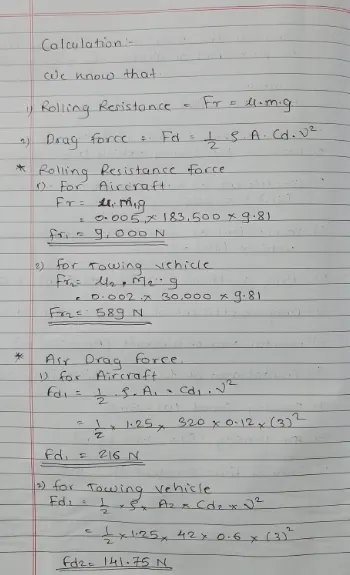
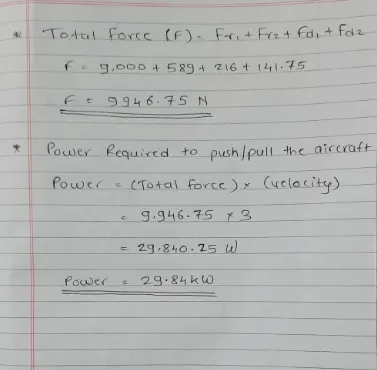
B. Develop the model for the calculated force and power using Simulink.
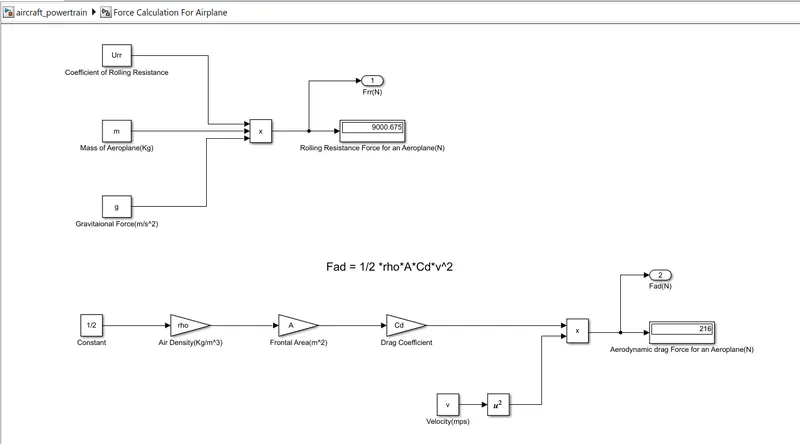
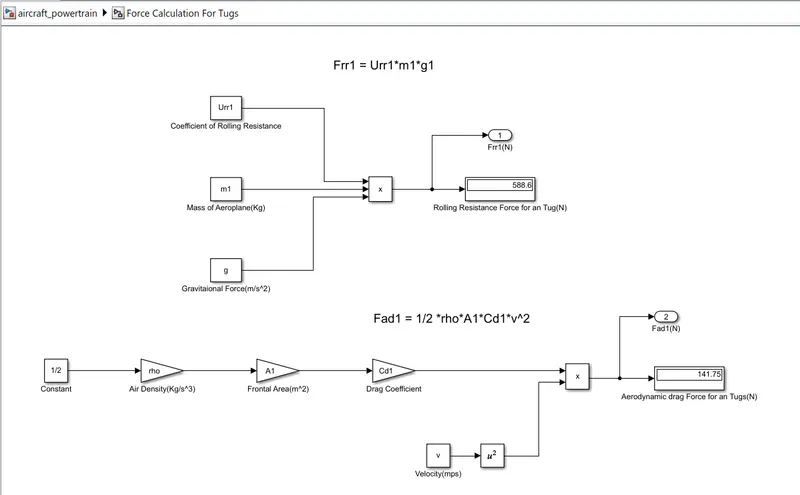
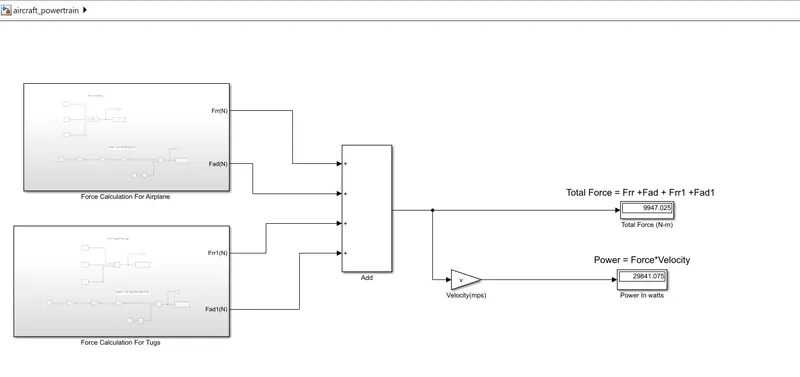
7. A. Design an electric powertrain with type of motor, it’s power rating, and energy requirement to fulfill aircraft towing application in Simulink. Estimate the duty cycle range to control the aircraft speed from zero to highest. Make all required assumptions. Prepare a table of assumed parameters. Draw a block diagram of powertrain.
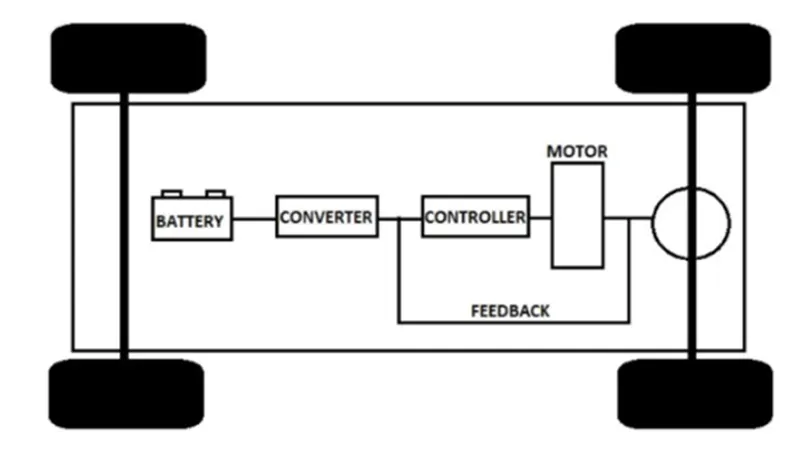
Total energy consumed by the tug in 20 min(+ extra 10 min considering free time run of tug) is
Energy consumed = Power of motor * 30/60
= (52.750*1000)*0.5
= 26375wh
= 27Kwh
Now for battery sizing, we choose a battery whose output voltage is around 360v
So, Battery current = Motor power/Voltage = 52750/360 = 146.52 =~ 150 amp approx.
for battery rating = Battery current * run time of tug = 150 * (30/60) = 75 amp-hr
From the above calculation, we can see a 75 Amp-hr battery is required to fulfill our requirements which are providing 650 N-m of instantaneous torque with a motor rating of 53kw and a run time of 30min with a velocity of 5 m/sec.
B. Also, Design the parameters in excel sheet.