Project-1: Powertrain for aircraft in runways
AIM:
1. Search and list out the total weight of various types of aircrafts.
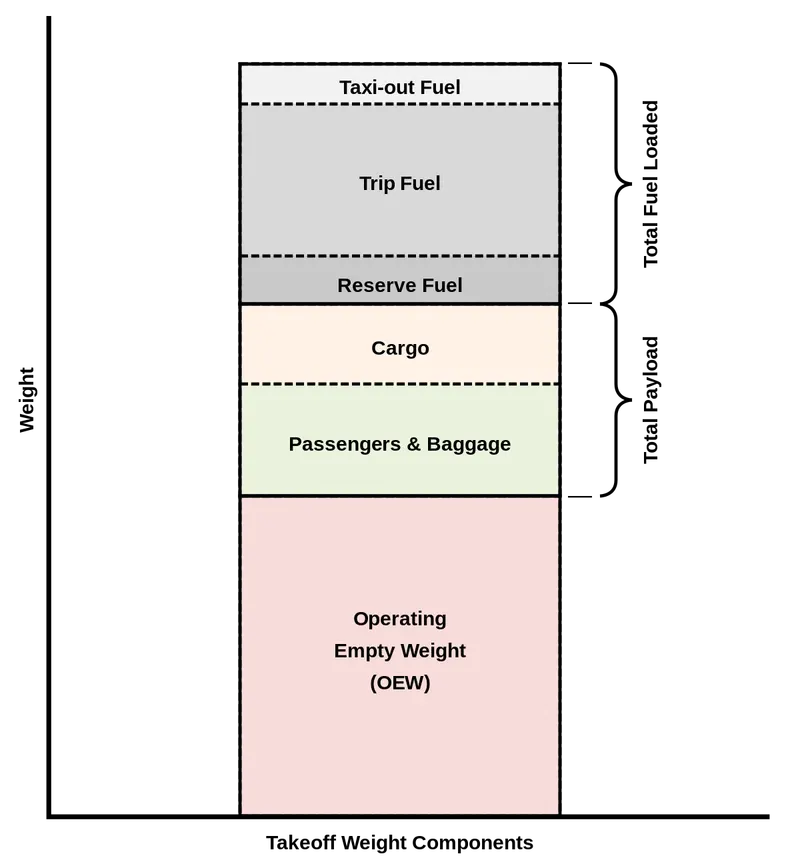
- The aircraft gross weight (also known as the all up weight and abbreviated AUW) is the total aircraft weight at any moment during a flight or ground operation. An aircrafts gross weight will decrease during a flight due to fuel and oil consumption.
- An aircrafts gross weight may also vary during a flight due to payload dropping or inflight fueling. At the moment of releasing its brakes the gross weight of an aircraft is equal to its takeoff weight. During flight an aircrafts gross weight is referred to as the en-route weight or in flight weight.
- An aircrafts structural weight capability is typically a function of when the aircraft was manufactured, and in some cases old aircraft can have their structural weight capability increased by structural modifications.
1) Maximum design taxi weight (MDTW)
2) Maximum design takeoff weight (MDTOW)
3) Maximum design landing weight (MDLW)
4) Maximum design zero fuel weight (MDZFW)
5) Minimum flight weight (MFW)
Aircraft's empty weight - The aircrafts weight with leftover fuel in the tank + engine oil + other operating fluids.
Payload - The fuel weight + passenger weight + luggage weight.
2. Is there any difference between ground speed and air speed
Ground speed:
-They are the airplane speed which is related to the ground.
-They are the speed which determines how fast the airplane will reach the detination.
-They are the calculated by summing up the airspeed and windspeed.
*Air speed:
-It refers to the speed which is relative to air it is flying in.
-They determine whether there is enough airflow around an aircraft to make it lift.
-They are independent of ground speed.
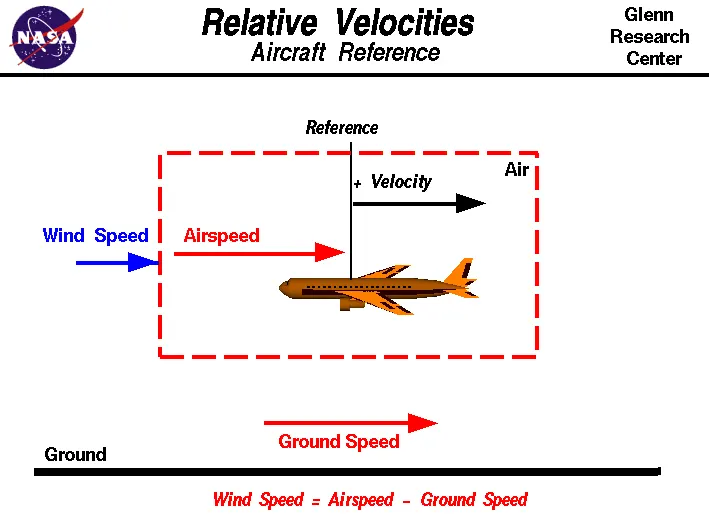
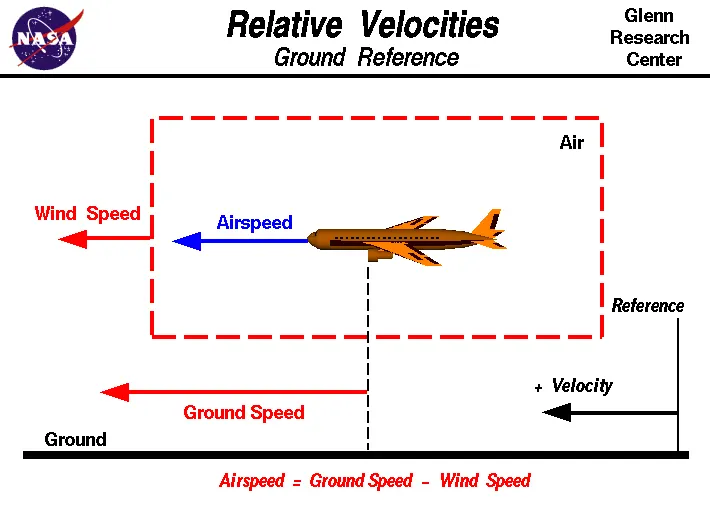
-The above two daigram relative velocity with respect to aircraft reference and ground reference.
-Here wind speed is the vector difference between ground and air speed.On a perfect still day the wind speed is zero and it is equal to the ground speed.
-If the measured air speed is greater than the observed ground speed the wind speed becomes positive.
3. Why is it not recommended to use aircraft engine power to move it on the ground at Airport.
Generally most of the airplane can move itself in reverse manner by making use of reverse thrust technology.But in most of the practical it is not possible because when airplanes start using reverse thrust it will consume lot of fuels as well as causes lot of noise and also hazardous for the people working near by.
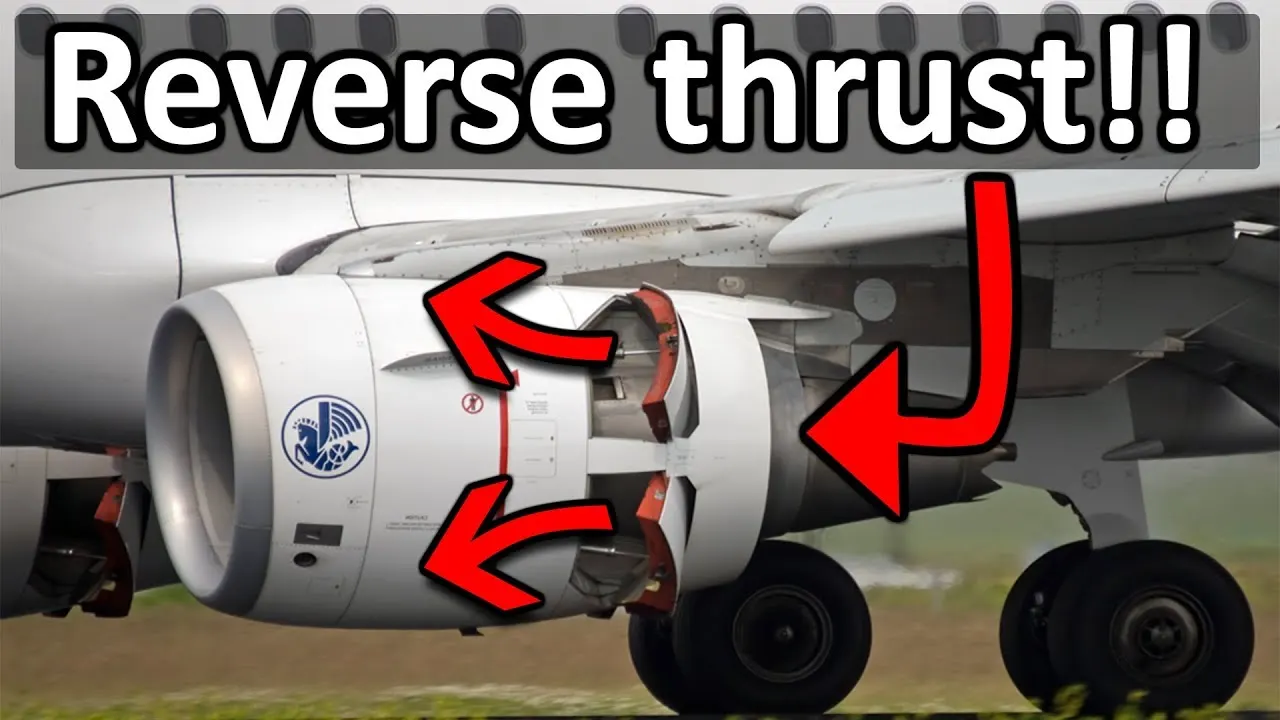
- It is not recommended to use aircraft engine power to move it on the ground at airport because there are certain extreme cautios for everything around us.
- Applying thrust can create a blast behind each engine. People, equipment and anything else in the way can be injured or damaged from the jet blast.
- Before applying power to engines the areas in front of each engine are like super critical factors that must me carefully negotiated.
- The immediate area in front of the jet engine creates an area where people and equipment can be sucked into the engine if anything is too close to the intake.
- To avoid extreme cautions its not recommended to use aircraft engine power to move it on the ground at the airport.
- Taxiing is the movement of the aircraft on the ground under its own power in contrast to towing or push back where the aircraft is moving by a tug. (water based travel)
4. How an aircraft is pushed to runway when its ready to take off?
- Taxiing refers to movement of an aircraft on the ground, under its own power. The aircraft moves on wheels. An airplane uses taxiways to taxi from one place on an airport to another. like moving from terminal to the runway.
- When aircraft is ready with all the passesngers and luggages the aviation is an airport procedure during which an aircraft is pushed backwards away from an airport gate by external power.
- The aircraft always moves on the ground following the yellow lines, to avoid any collision with the surrounding buildings, vehicles or other aircrafts. The taxiing motion has a speed limit. Before making a turn the pilot reduces the speed further to prevent tire skids.
- The thrust to propel the aircraft forward comes from its propellers or jet engines. Steering is achieved by turning a nose wheel or tail wheel/rudder.
- The use of engine thrust near terminals is restricted due to the possibility of jet blast damage. This is why the aircrafts are pushed back from the buildings by a vehicle before they can start their own engines for taxxing.
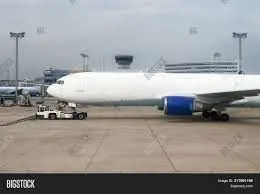
- Pushbacks are carried out by special, low profile vehicles called pushback tractors or tugs.
- These are heavy weighing low profile vehicles with enourmous torque to do the job of pushing/pulling the large aircraft from the terminals to the runway.
- The tractors are designed with extra weight purposely to offer them enough traction to push/pull heavy aircraft.
5. Learn about take off power, tyre design, rolling resistance, tyre pressure, brake forces when landing.
TAKE OFF POWER :
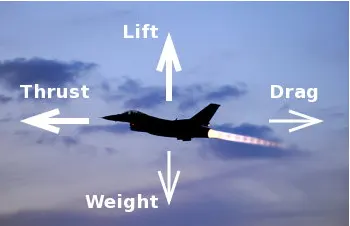
- Take off is the phase of flight in which an aerospace vehicle leaves the ground and becomes airborne. For aircraft that take off horizontally this usually involves starting with a transistion from moving along the ground on a runway.
- The take off speed required varies with air density, aircraft gross weight and aircraft configuration. The power from the engine of the aircraft used to achieve the flight is called take off power.
- For light aircraft usually full power is used during take off. Large transport category (airliner) aircraft may use a reduced power for take off where less than full power is applied in order to prolong engine life, reduced maintenance costs and reduced noise emissions
design of an aircraft:
An aircraft tyre are deisgned to withstand extreme heavy loads by absording shocks during and there by providing cushioning effect.
The number of tires required for an aircraft depends on the total weight of aircraft as the weight needs to be distributed evenly.
Aircraft tyre are designed to facillitate stability in high crosswind condition,to chanalize the water away for preventing skidding and helps to give a good braking effect.
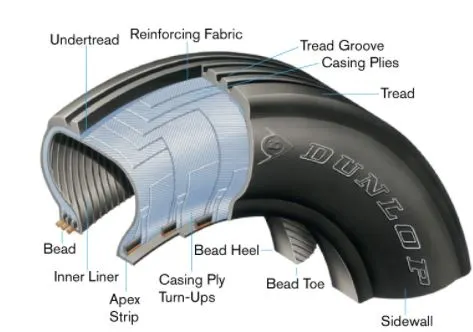
-Aircraft tires are usually inflated by nitrogen air inorder to reduce expansion and contraction from extrerme changes in ambient pressure and tempurature.This type of inert gases will eliminate the possibilty of tire explosion.
-Aircraft tire design are set into an aircraft based on its application and also suffeicient clearance with the ground for allowing tyre growth which happens when centrifugal force is at high speed.
*Rolling Resistance:
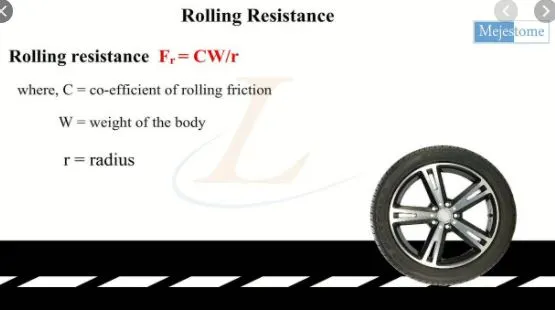
-Rolling resistance or rolling drag is the force resisting the motion when the body rolls on a surface and it is mainly caused by non elasticity that is not all the energy needed for deformation of wheel is recovered when the pressure is removed.
-The rolling resistance equation can be defined by the folowing equation:
*Tyre Pressure:
-Aircraft tyres are designed to withstand heavy loads and shocks durong landing and take off and also needs to distribute weight evenly.
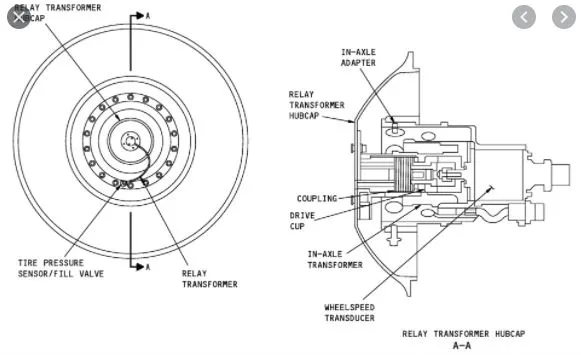
-As per research and testing it is found that aircraft tyres are able to sustain pressure upto 800 psi.Generally to note the tyre pressure of an aircraft a special type of sensors are used,its daigram is given below:
-There are 2 primary parameters which is hazardous to the aircraft tires:
I)Deflation:
II)Explosive breakup:
*Brake forces:
-Braking an aircraft is a challenging job for most of the pilots especially during landing in a rainy and cross wind environment.
-Inorder to encounter this kinds of problem pilots usually make use of spoilers and reverse thust method inorder to have a safe landing so that the energy required to apply brakes on tires can be reduced and henceforth they do not skid.
k=12mv2">k=12mv2k=12mv2,
where m= mass of aircraft and v=velocity of aircraft.A typical commercial landing speed will range between 150 to 165 MPH.And for passenger flight it is about 166 to 172mph.
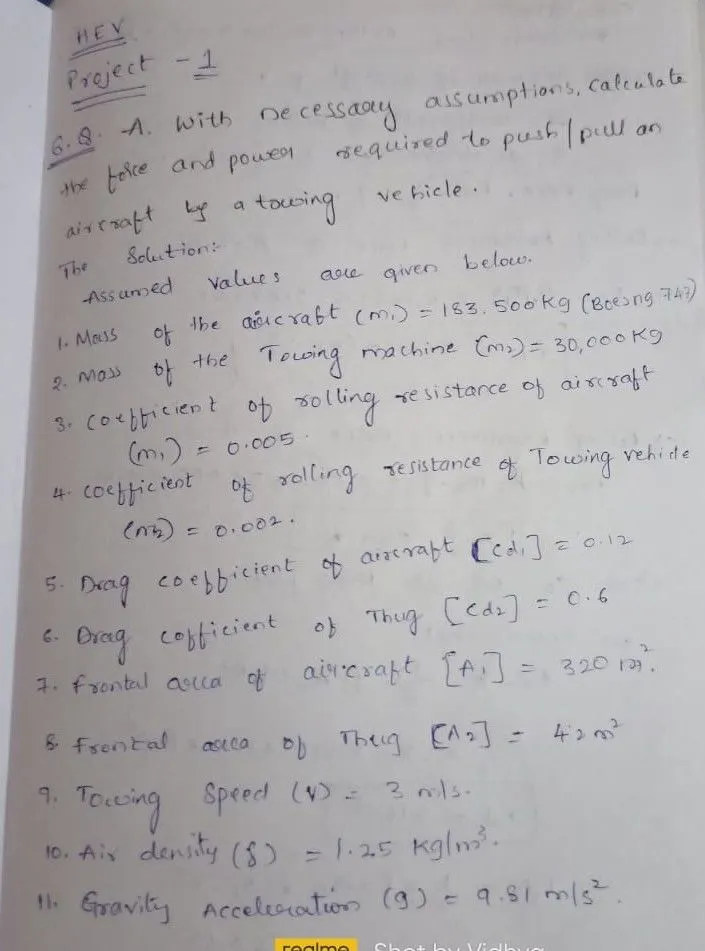
6. A. With necessary assumptions, calculate the force and power required to push / pull an aircraft by a towing vehicle.
ANS.
The solution is given as below:
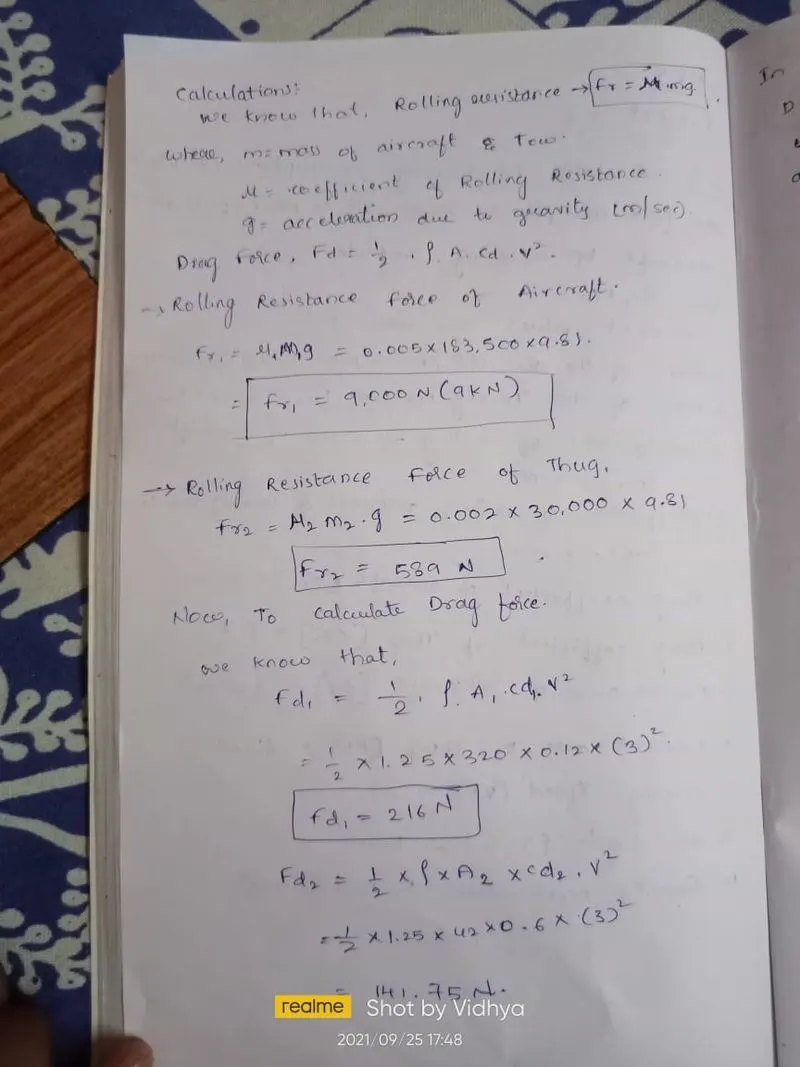
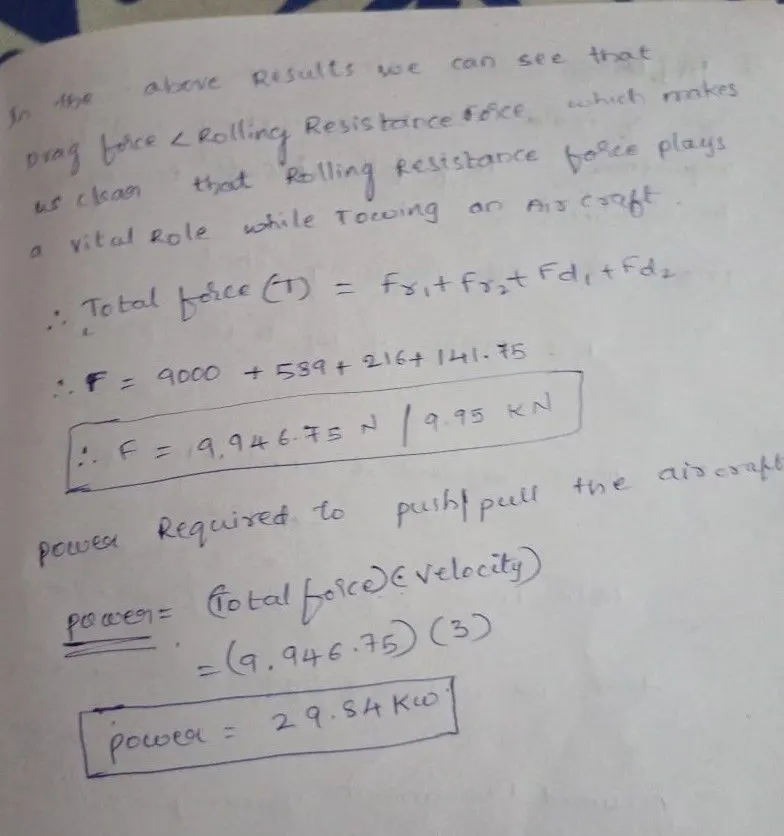
The different forces involved while a plane bring moved by tow are the following:
1)Rolling resistance of friction force on aircraft (Fr1)
2)Drag froce on aircraft(Fd1)
3)Rolling resistance force on the thug (Fr2)
4)Drag force on thug(Fd2)
The calculation is as follows:
B. Develop the model for the calculated force and power using Simulink.
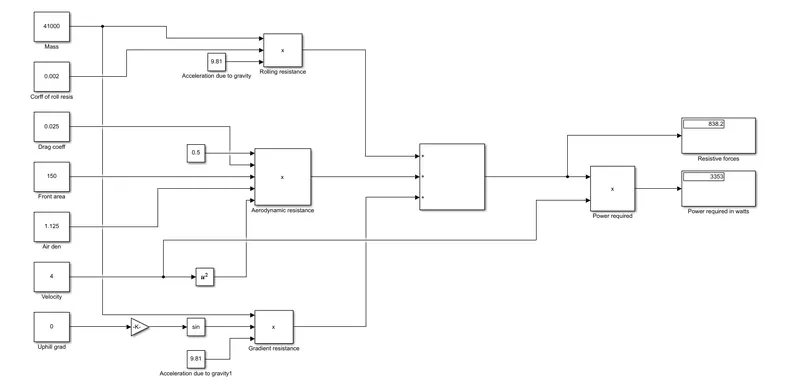
- Constant blocks are used to feed the parameters such as mass, rolling resistance, drag coefficient, front area, Air density and velocity.
- Product blocks are used to calculate the resistive forces.
- Sum block is used to get the total resistive forces.
- The display blocks are used to get the output.
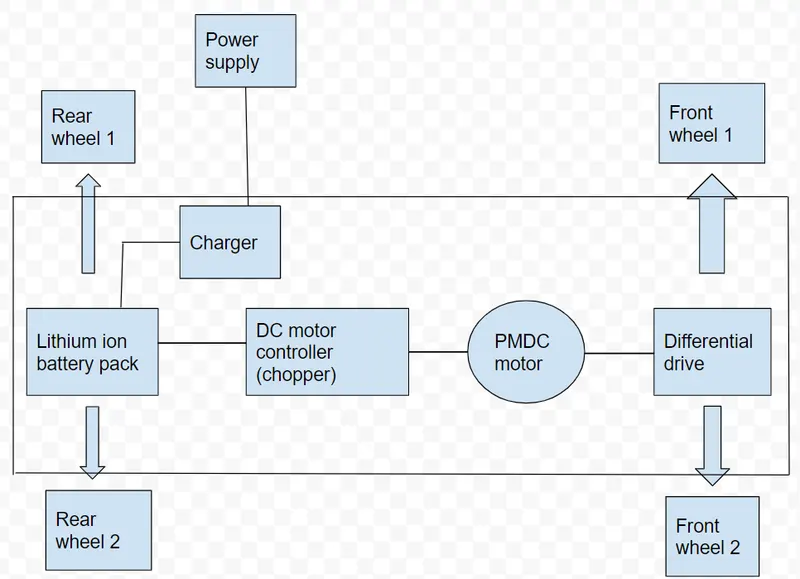
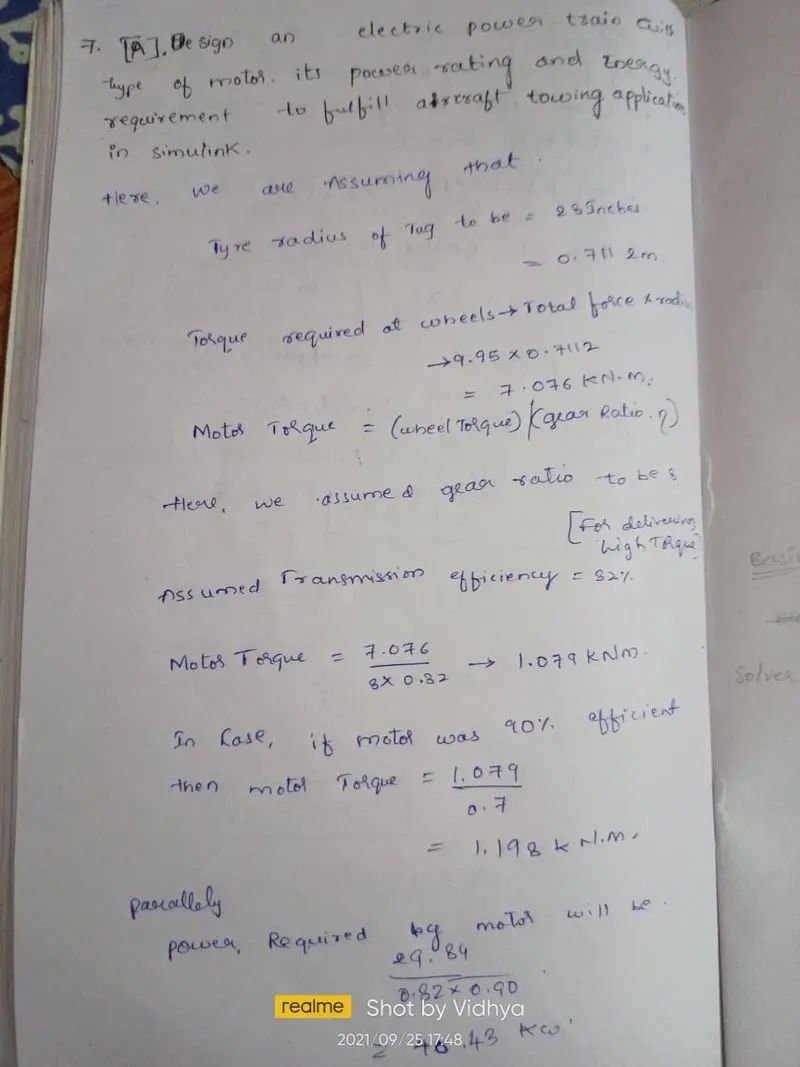
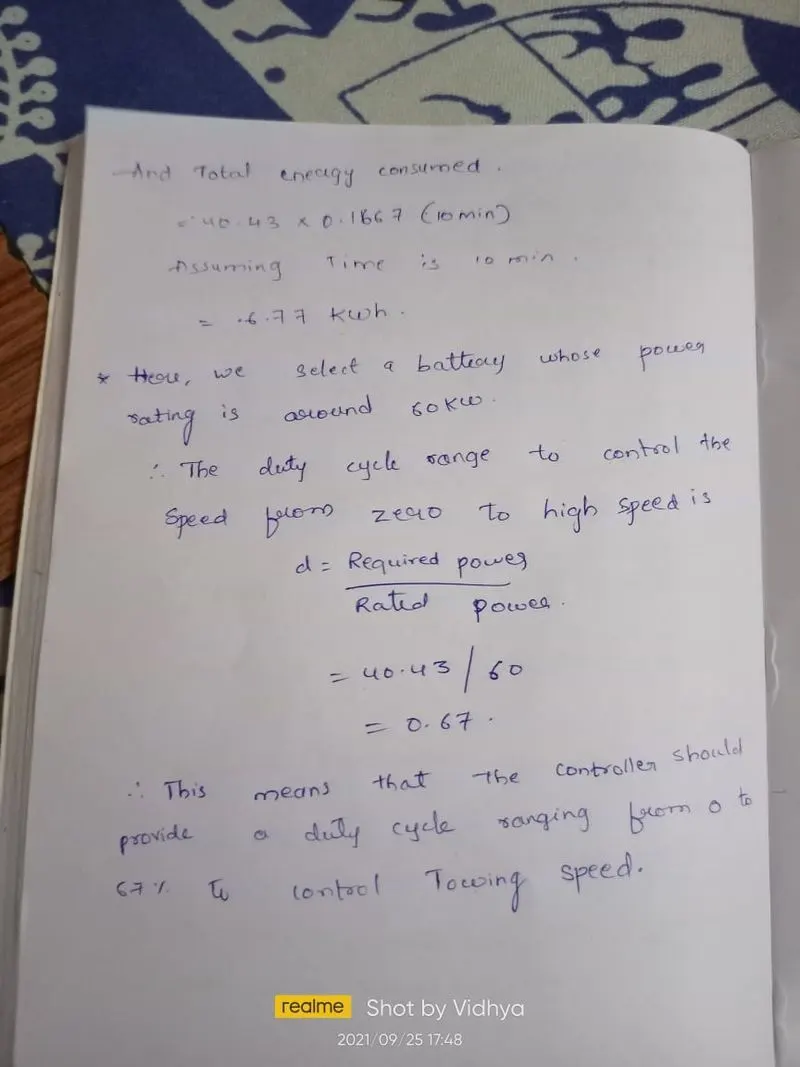
7. A. Design an electric powertrain with type of motor, it’s power rating, and energy requirement to fulfill aircraft towing application in Simulink. Estimate the duty cycle range to control the aircraft speed from zero to highest. Make all required assumptions. Prepare a table of assumed parameters. Draw a block diagram of powertrain.
Ans:
- The aircrafts use electric drives for ground operations (Taxxing and push back), in order to save the jet fuel consumptions.
- The type of motor to be used for aircraft towing applications. There are two types of alternatives. One is PMDC (Permanent magnet DC motor) and the BLDC (Brushless DC motor). We can select PMDC motor because it is widely used in electric vehicles.
B. Also, Design the parameters in excel sheet.
Excel sheet is uploaded below.
CONCLUSION: Powertrain for aircraft in runways
Part A:
1. Search and list out the total weight of various types of aircrafts.
2. Is there any difference between ground speed and air speed?
3. Why is it not recommended to use aircraft engine power to move it on the ground at Airport?
4. How an aircraft is pushed to runway when its ready to take off?
5. Learn about take off power, tyre design, rolling resistance, tyre pressure, brake forces when landing.
Part B:
6. A. With necessary assumptions, calculate the force and power required to push / pull an aircraft by a towing vehicle.
B. Develop the model for the calculated force and power using Simulink.
7. A. Design an electric powertrain with type of motor, it’s power rating, and energy requirement to fulfill aircraft towing application in Simulink. Estimate the duty cycle range to control the aircraft speed from zero to highest. Make all required assumptions. Prepare a table of assumed parameters. Draw a block diagram of powertrain.
(Hint :DC7 Block)
B. Also, Design the parameters in excel sheet.
is done, and answered are uploaded below.