Project 1 Mechanical design of battery pack
ABOUT THE CELL
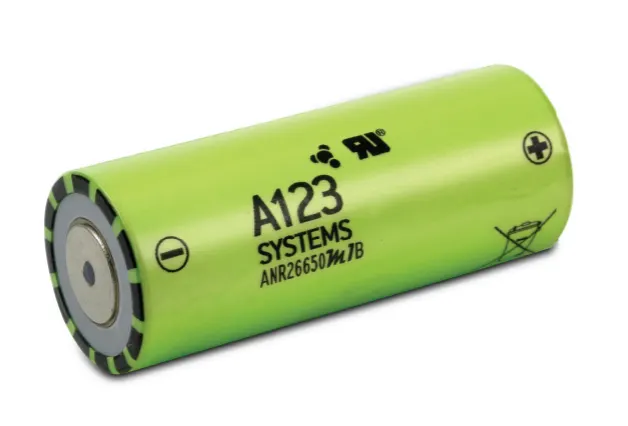
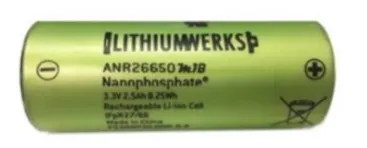
A123’s high-performance Nanophosphate® lithium iron phosphate (LiFePO4) battery technology delivers high power and energy density combined with excellent safety performance and extensive life cycling in a lighter weight, more compact package. Our cells have low capacity loss and impedance growth over time as well as high usable energy over a wide state of charge (SOC) range, allowing our systems to meet end-of-life power and energy requirements with minimal pack oversizing.
APPLICATIONS
- COMMERCIAL SOLUTIONS
Advanced lead acid replacement batteries for:
+ Datacenter UPS
+ Telecom backup
+ IT backup
+ Autonomously guided vehicles (AGVs)
+ Industrial robotics and material handling equipment - GOVERNMENT SOLUTIONS
+ Military vehicles
+ Military power grids
+ Soldier power
+ Directed energy - GRID SOLUTIONS
+ Frequency regulation
+ Renewables integration
+ Reserve capacity
+ Transmission and distribution - TRANSPORTATION SOLUTIONS
Hybrid, plug-in hybrid and electric vehicle battery systems for:
+ Commercial vehicles
+ Off-highway vehicles
+ Passenger vehicles
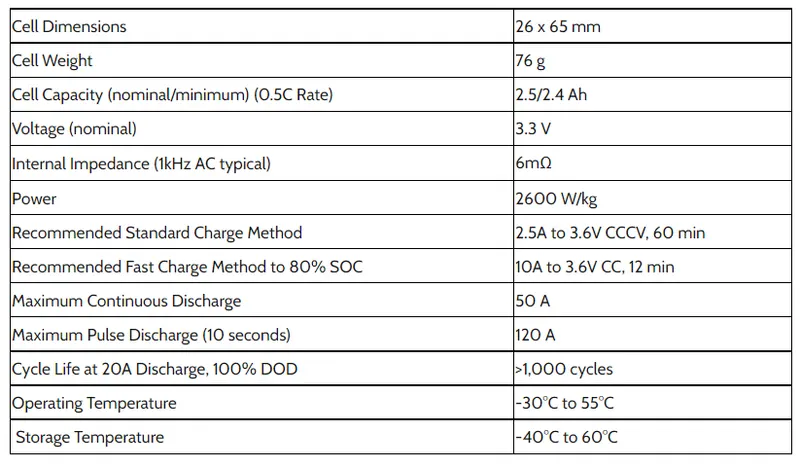
CELL DATA SHEET
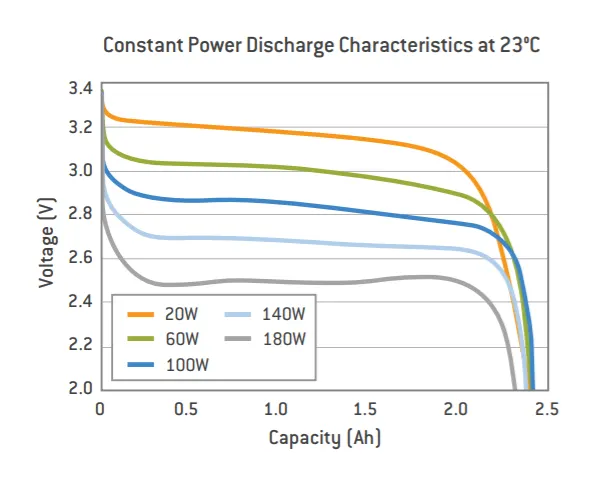
CELL DISCHARGE PLOTS
- FIGURE-1:
- FIGURE-2:
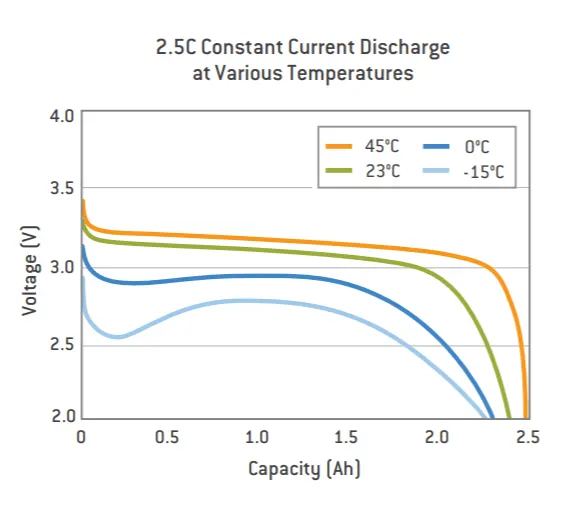
- FIGURE-3:
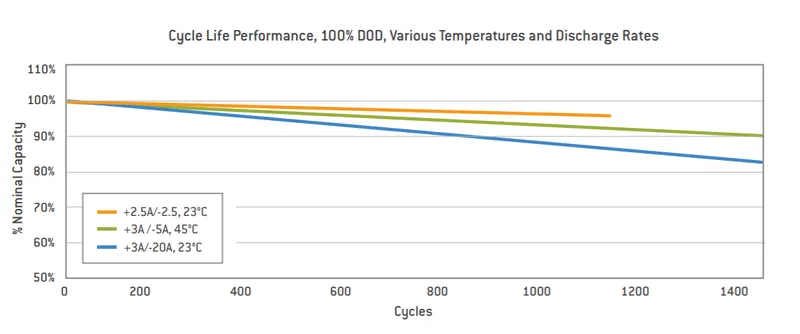
MECHANICAL DESIGN OF BATTERY PACK USING Nanophosphate High Power LithiumIon Cell ANR26650M1-B.
REQUIRED BATTERY PACK CAPACITY: 18 kWh
ASSUMED VOLTAGE REQUIRED BY THE TRACTION MOTOR/BEV : 330V
ANR26650M1-B Nominal voltage: 3.3 V
ANR26650M1-B Capacity: 2.5 Ah
Number of ANR26650M1-B Cells required: 18000/ (3.3*2.5) = 2181.81 = 2182 cells
Number of ANR26650M1-B Cells required to be in series: 330/3.3 = 100S
Number of ANR26650M1-B Cells required to be in parallel: 2182/100 = 21.82 = 22P
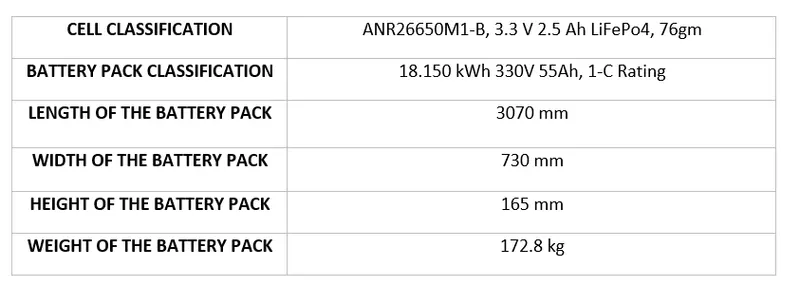
Therefore, Battery Pack Configuration: 330V 55Ah, 100S22P (18.15 kWh)
Assuming powertrain efficiency: 70%
Assuming Powertrain energy consumption per km at 70% efficiency: 120wh/km
Therefore the estimated range: Capacity/ Energy consumed per km = 18150/120 = 151.25 km
Weight of the cell ANR26650M1-B: 76g
The weight of the battery pack without casing: 167.2 kg
Now, calculating the battery casing by assuming 50 mm clearance on each of the sides and assuming its net weight to be 5.6 kg:
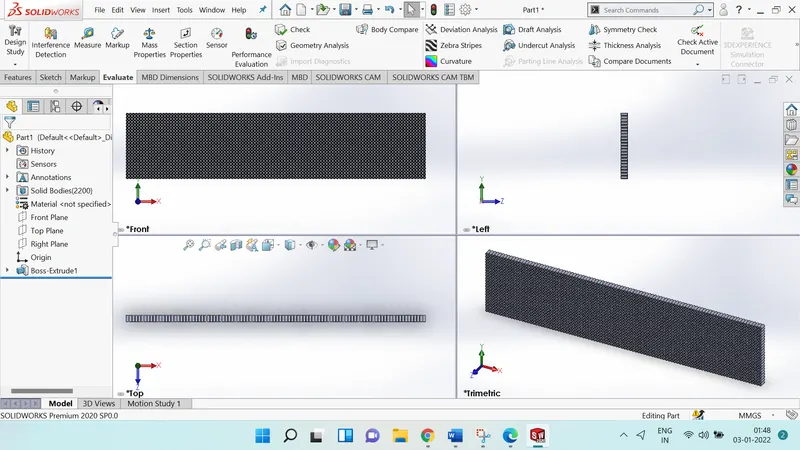
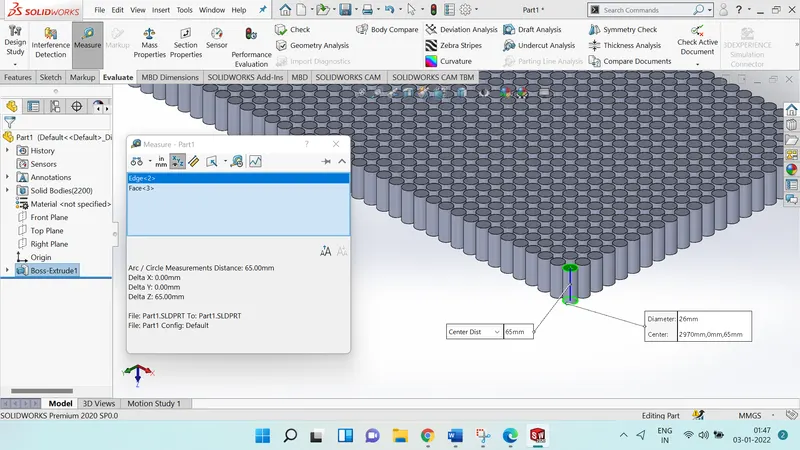
Length = 2970+50+50 = 3070mm
width = 630+50+50 = 730mm
Height = 65+50+50 = 165mm
Therefore, total weight of the battery pack: 167.2+5.6 = 172.8 kg
FIGURE-1: Arrangement of cells under the arrangement 100S22P
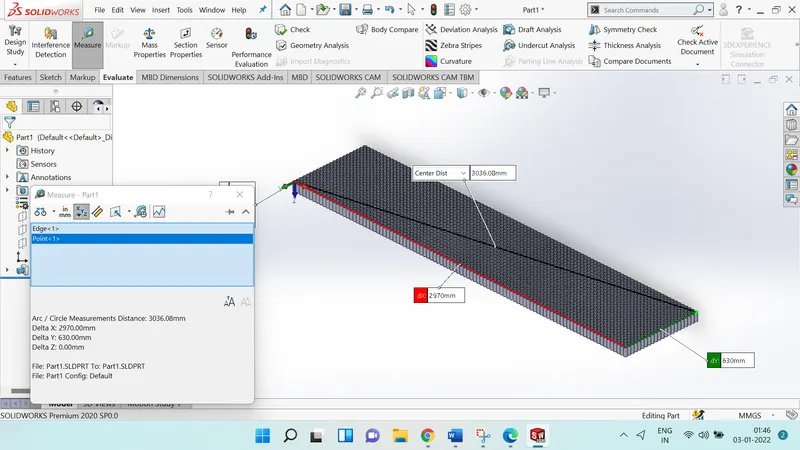
FIGURE-2: Arrangement of cells under the arrangement 100S22P
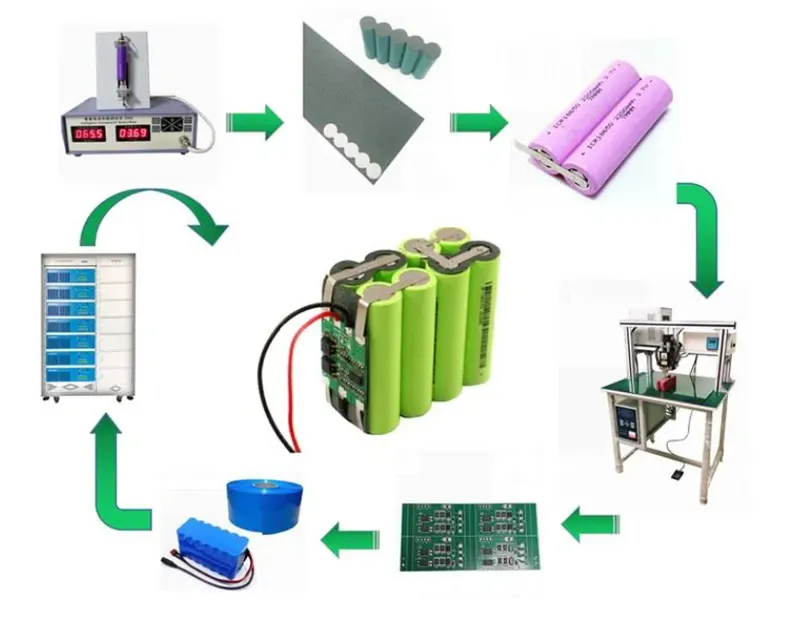
ASSEMBLY PROCESS INVOLVED
CONCLUSION
*Assumptions are marked in green colour in section : MECHANICAL DESIGN OF BATTERY PACK USING Nanophosphate High Power LithiumIon Cell ANR26650M1-B.