Project 1_Comparative study of different storey buildings for Seismic forces
Comparative study of different storey buildings for Seismic forces:
Factors Influencing the Dynamic Characteristics of a Building:
- Mass Distribution – Heavier buildings generally have longer natural periods.
- Stiffness Distribution – Stiffer buildings have shorter natural periods and higher frequencies.
- Building Height & Geometry – Taller buildings tend to have lower frequencies and longer natural periods.
- Foundation Conditions – Softer soil increases flexibility and lengthens the natural period.
- Structural System & Materials – RCC and steel structures exhibit different dynamic responses.
- Damping Characteristics – Higher damping reduces response amplitudes but does not significantly alter natural frequencies.
- Irregularities (Plan & Vertical) – Irregularities cause complex mode shapes and may introduce torsional effects.
Factors Influencing the Natural Period of a Building:
- Height of the Building – T∝HT \propto HT∝H; taller buildings have longer periods.
- Mass Distribution – Higher mass results in a longer period.
- Stiffness of Structural Elements – Greater stiffness shortens the period.
- Foundation Flexibility – Softer foundations increase the natural period.
- Structural System – Shear wall, moment-resisting frame, or braced frame systems affect stiffness and period.
Empirical formulas from IS 1893 (Part 1):
- Moment Resisting Frame: T=0.075H0.75T (for RC buildings)
- Shear Wall System: T=0.09H/d
Factors Influencing the Mode Shape of Oscillations:
- Building Configuration – Regular buildings have predictable mode shapes, while irregularities cause complex behavior.
- Stiffness and Mass Distribution – Uniform stiffness leads to symmetric mode shapes; non-uniform stiffness results in localized effects.
- Torsional Irregularity – Buildings with asymmetric mass or stiffness experience coupled torsional modes.
- Boundary Conditions – Fixed or flexible base conditions affect the mode shapes.
- Soil-Structure Interaction – Soft soil can modify mode shapes by introducing additional flexibility.
- Damping and Energy Dissipation Devices – These alter the amplitude but do not significantly affect mode shapes.
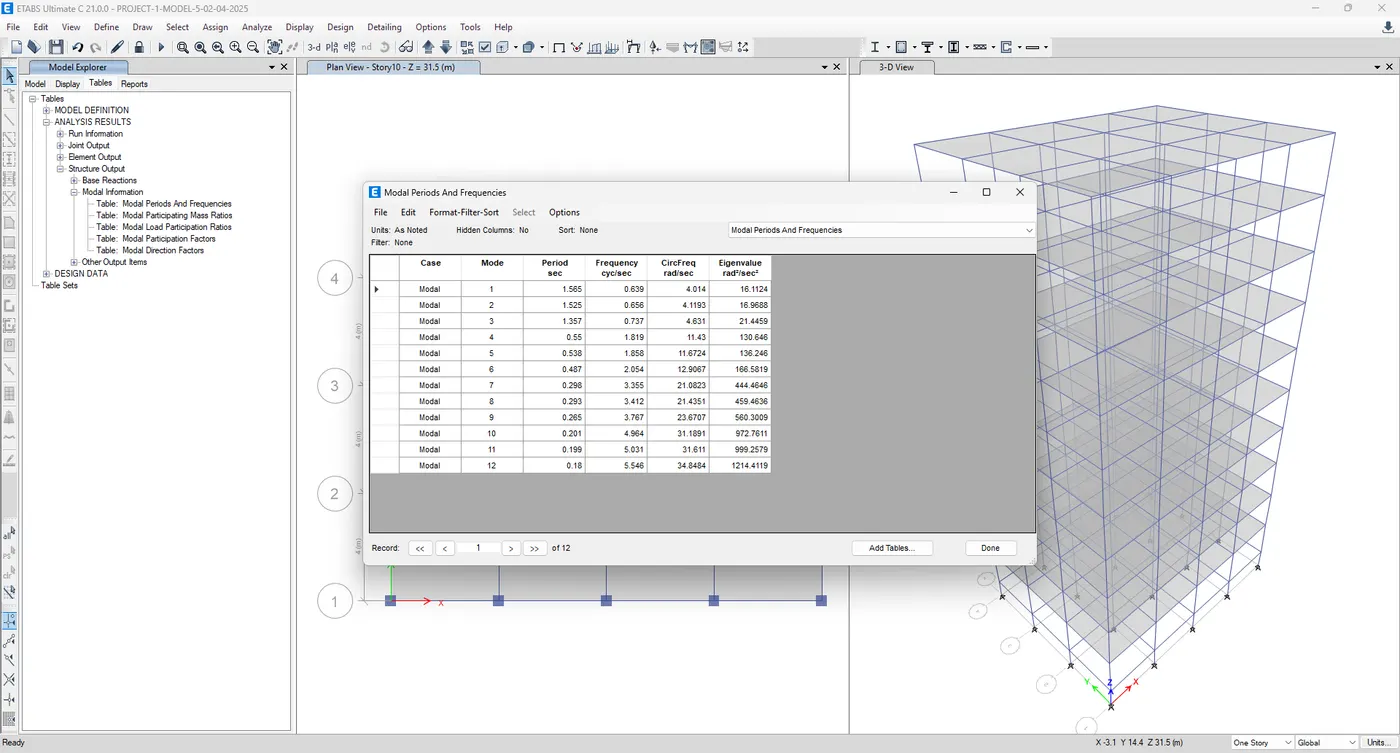
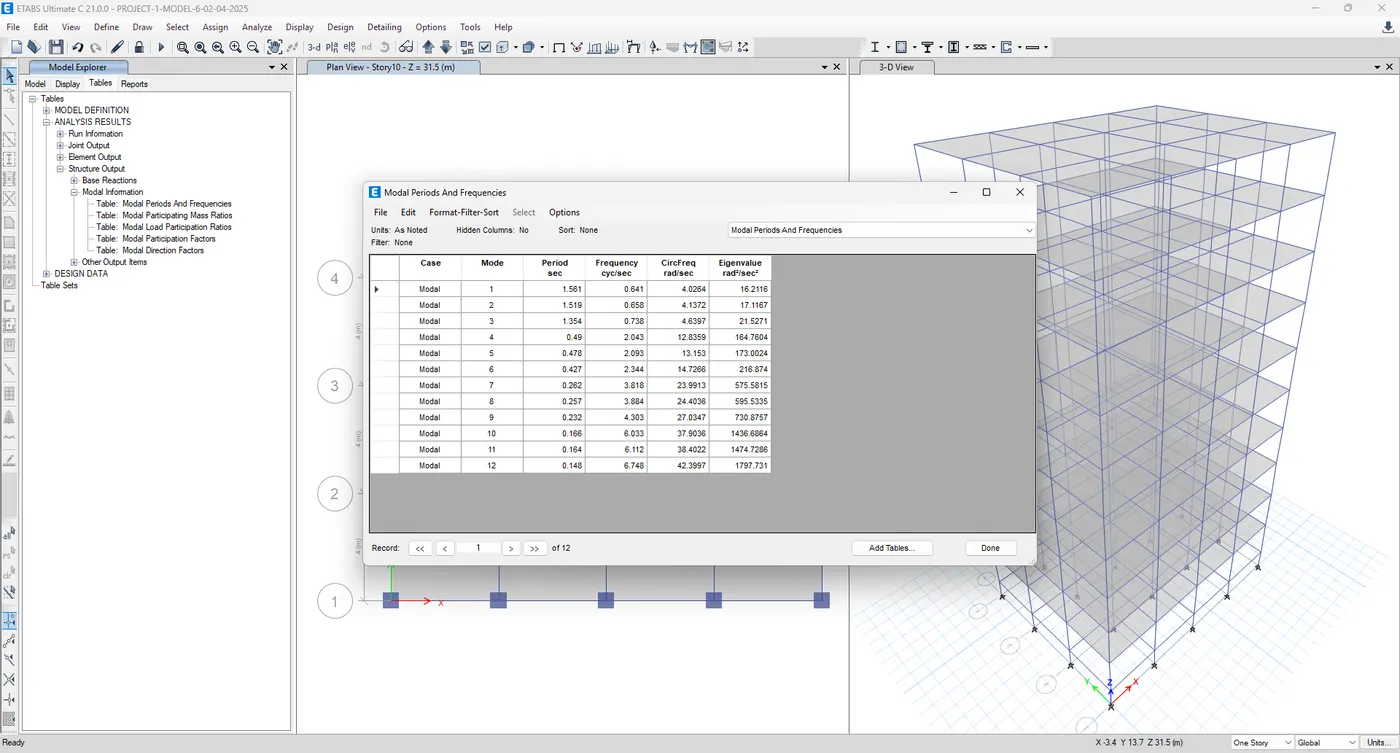
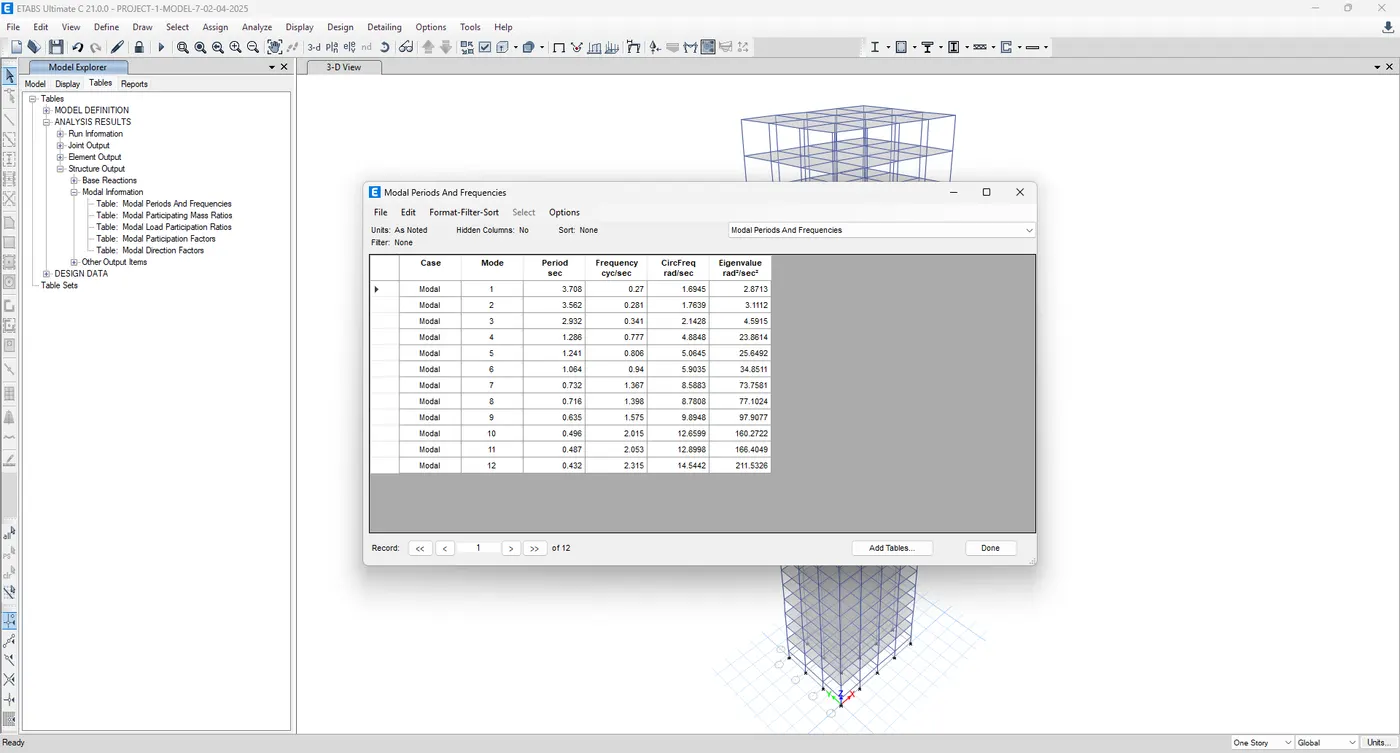
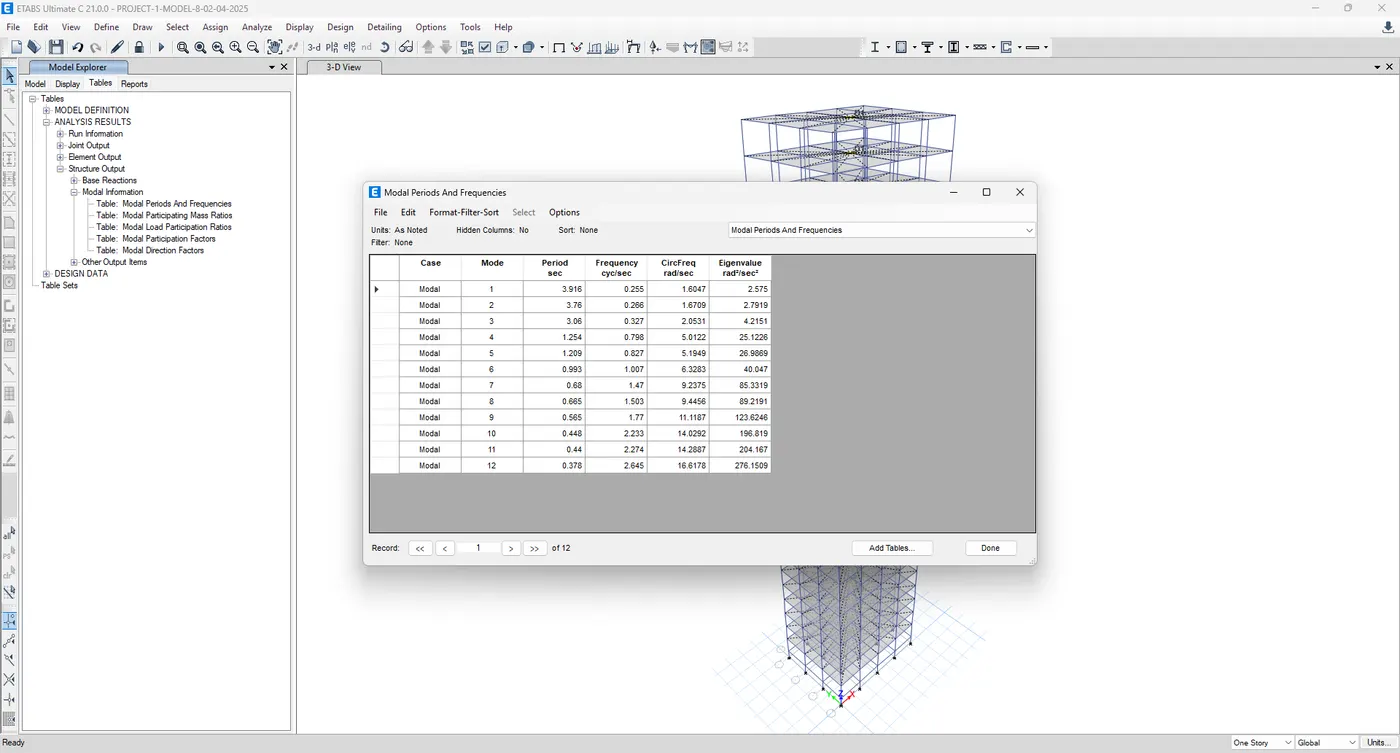
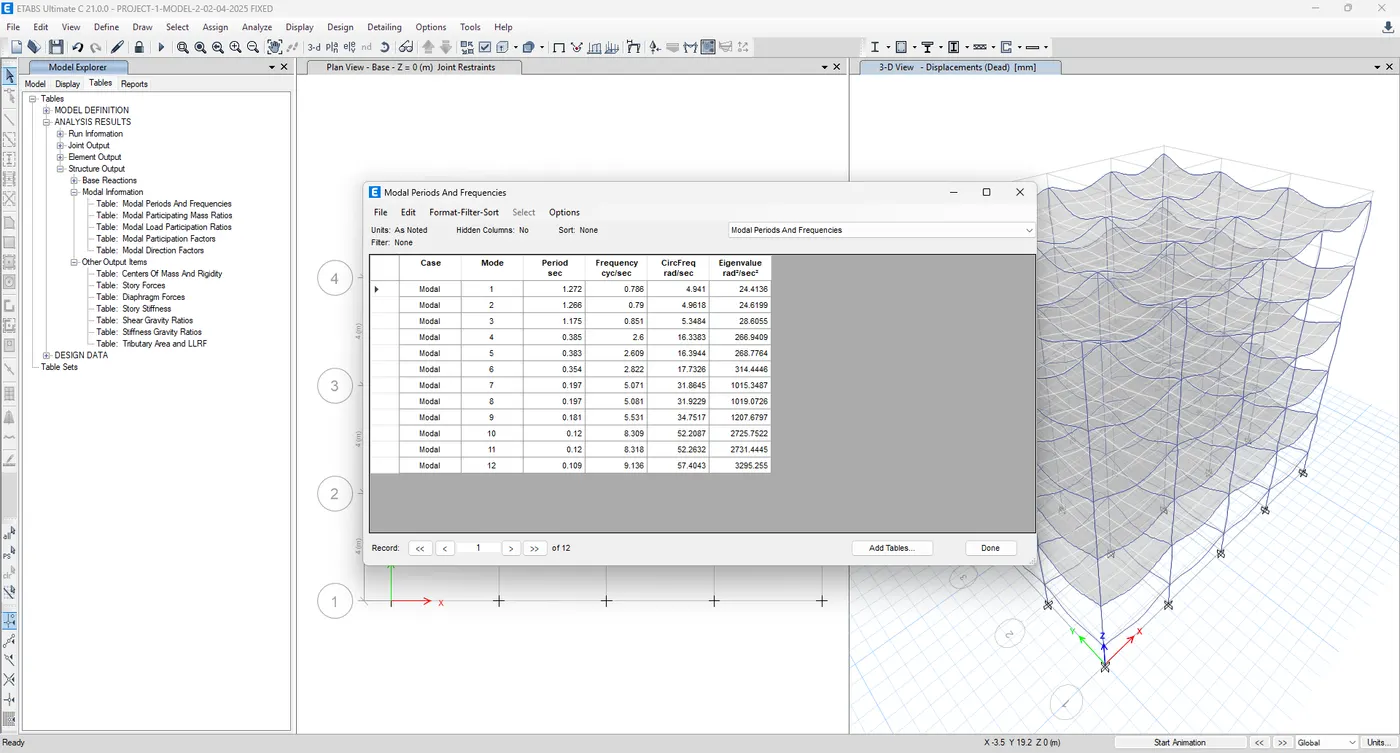
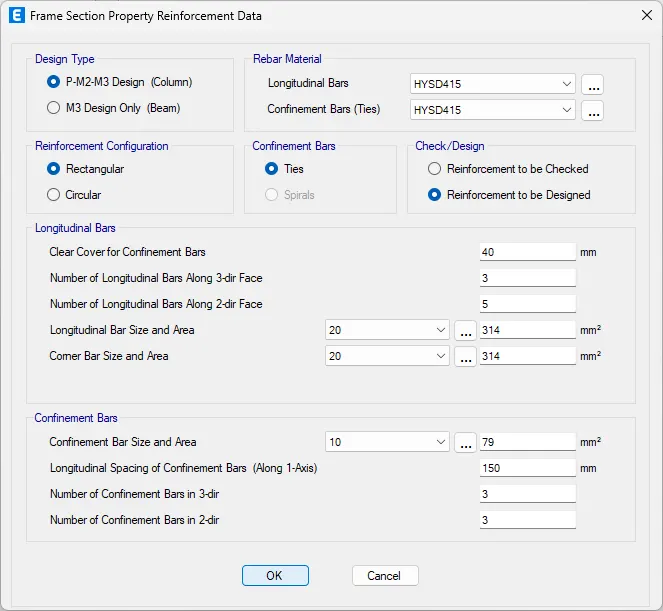
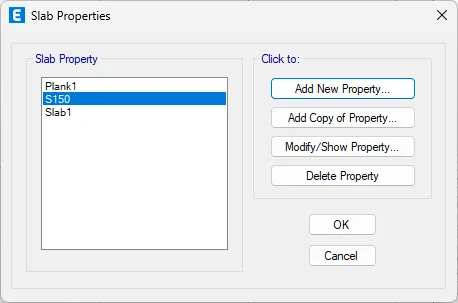
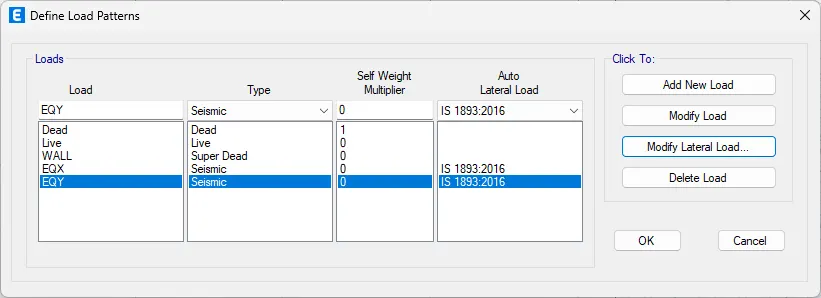
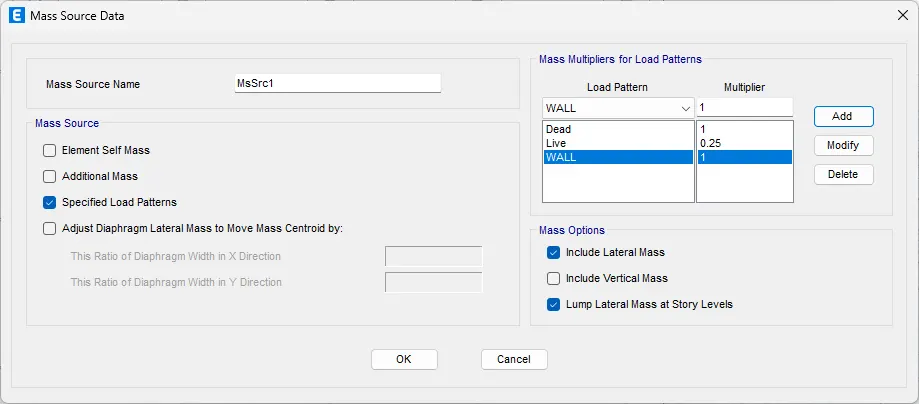
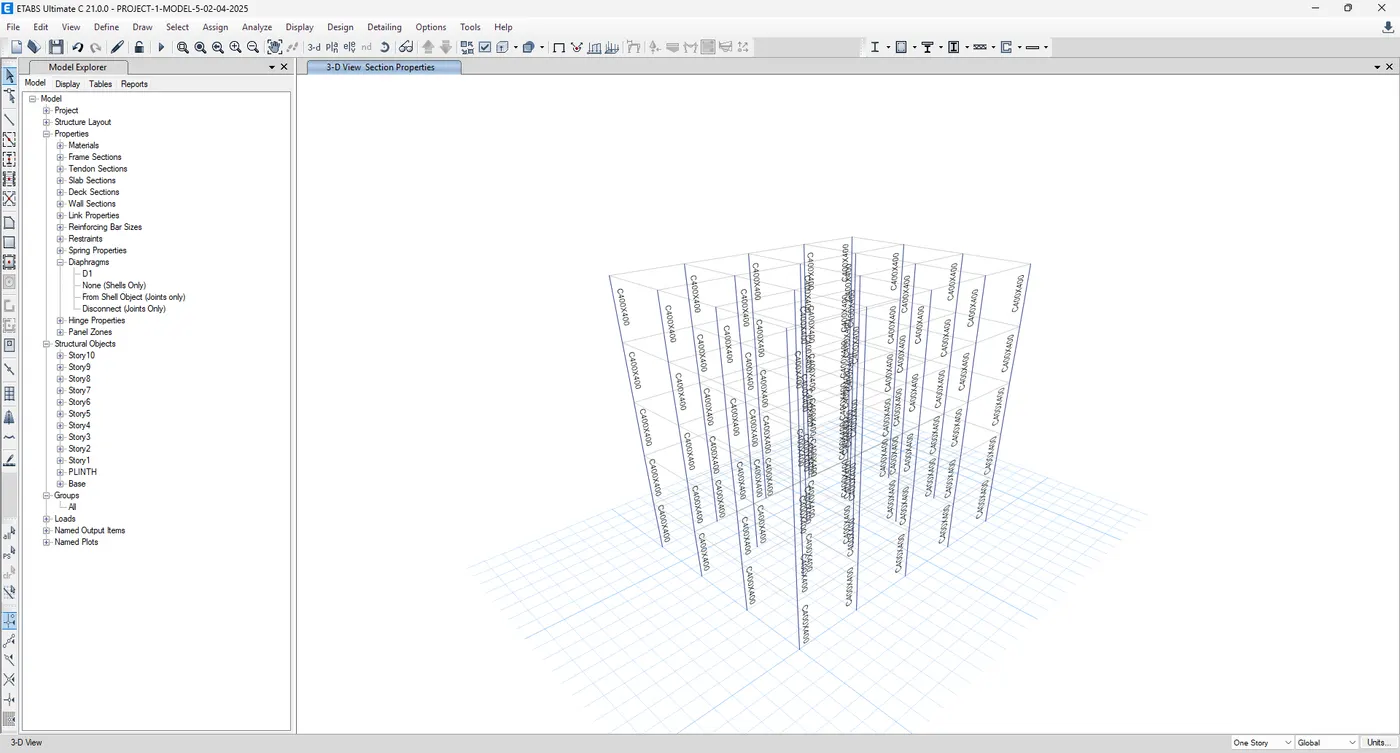
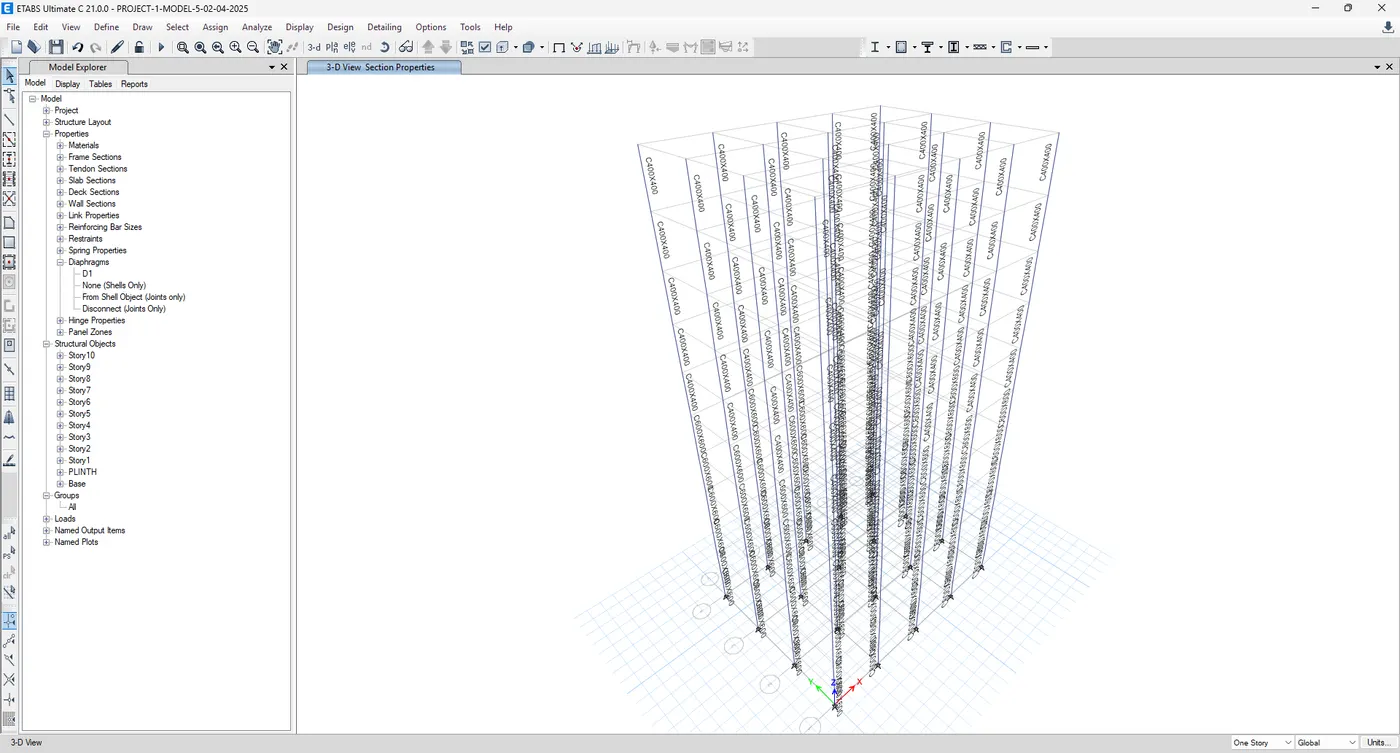
ETABS MODEL AND AANALYSIS REPORT :
MODEL-A
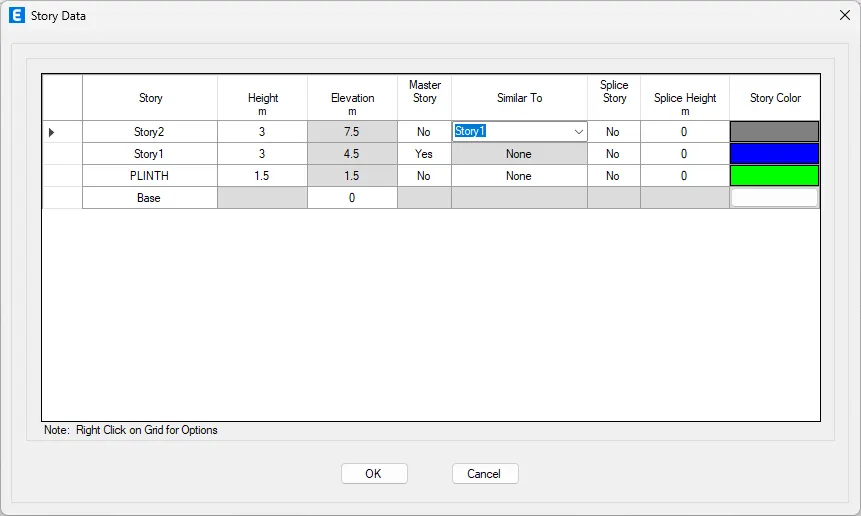
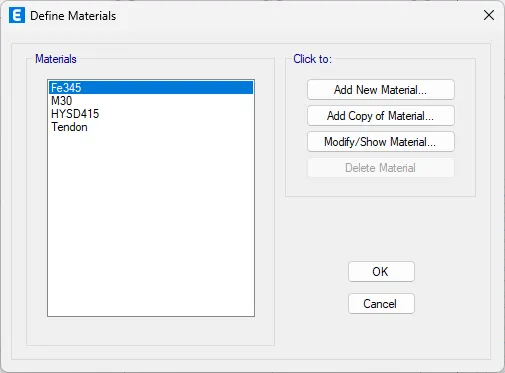
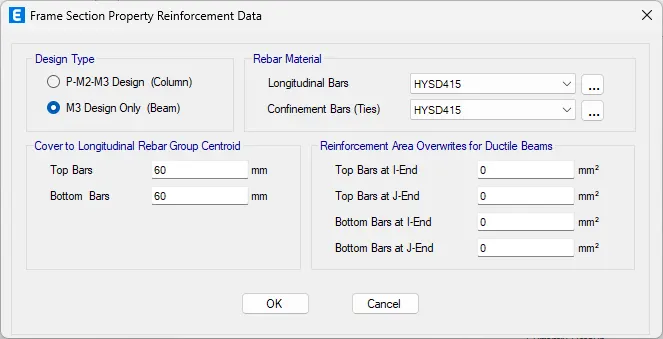
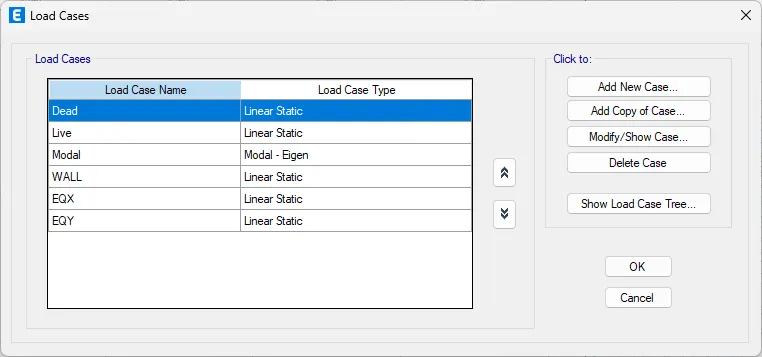
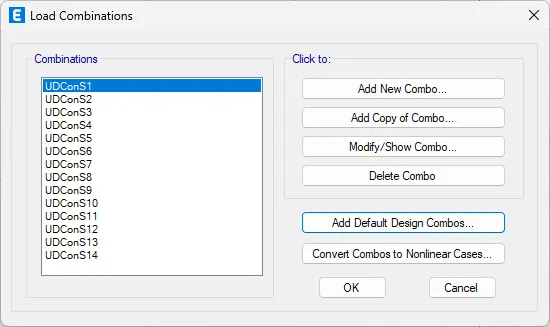
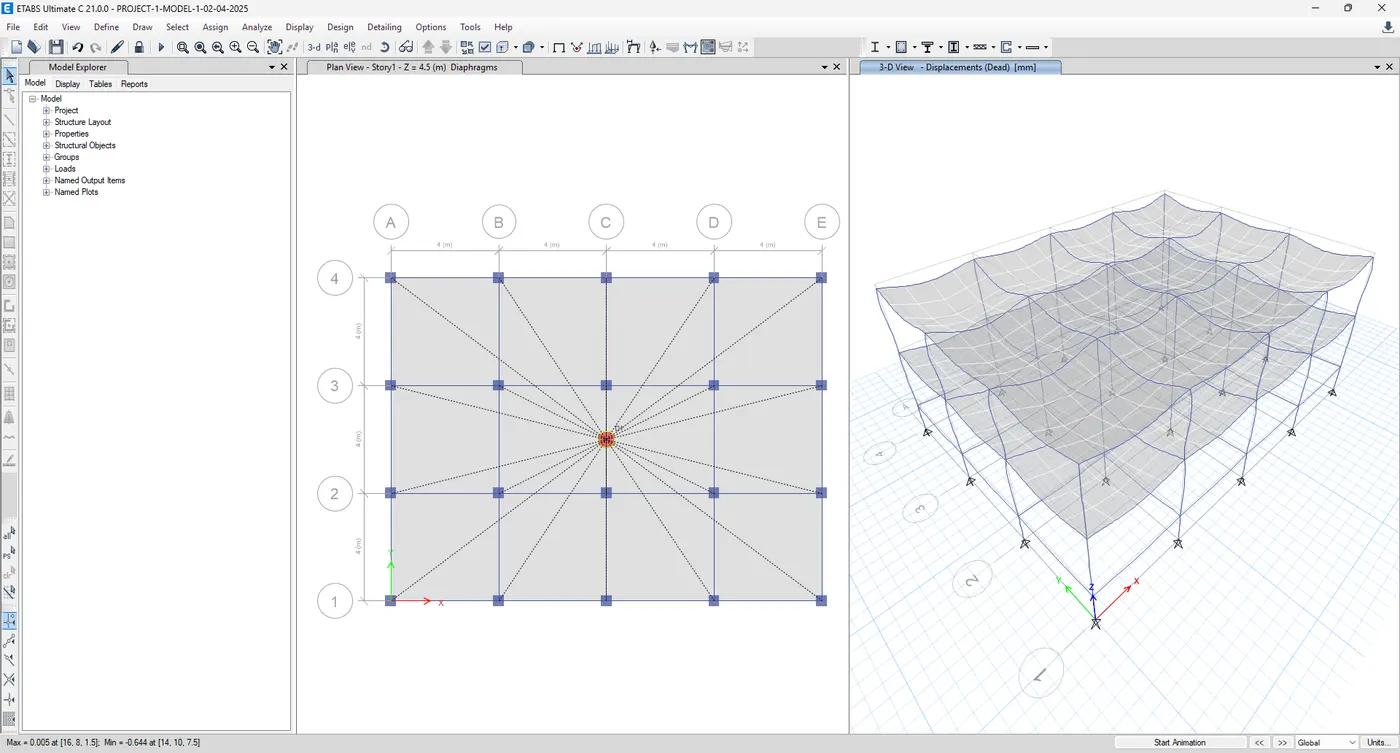
MODEL-B
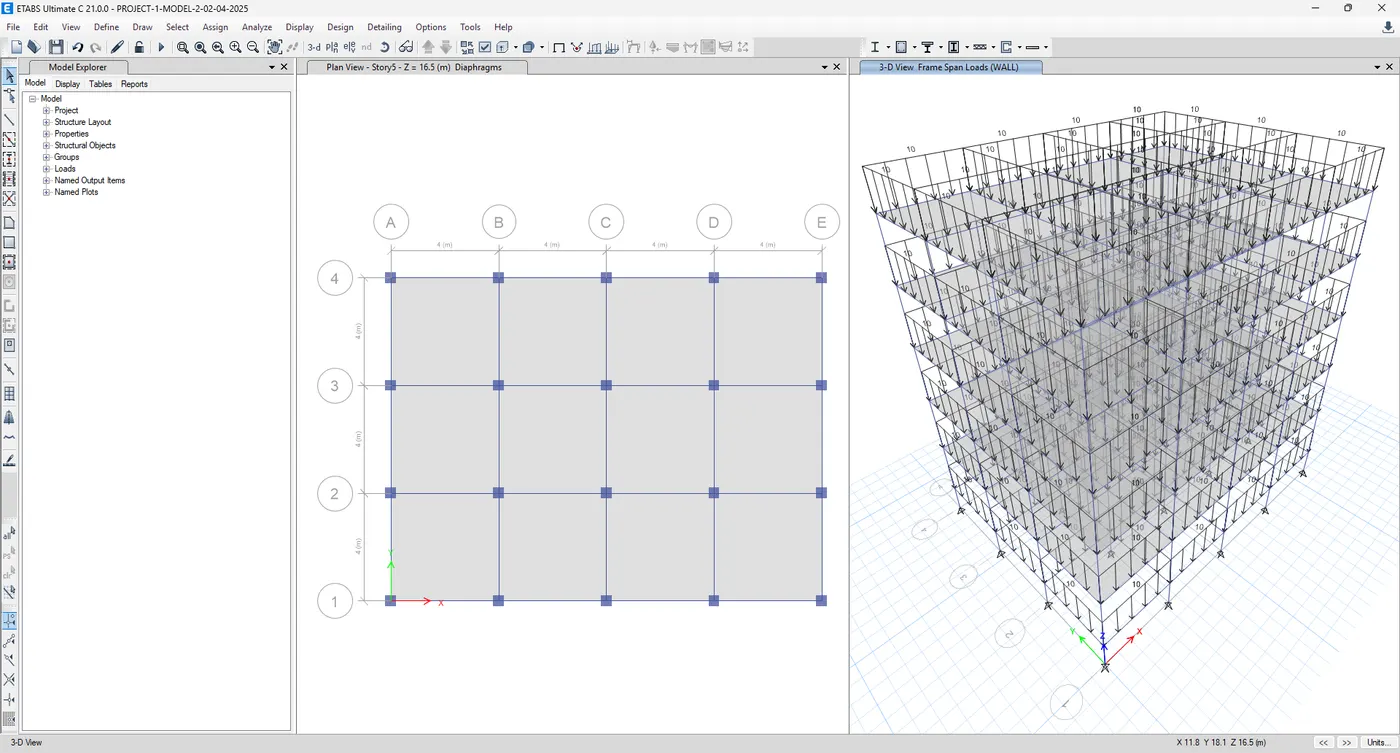
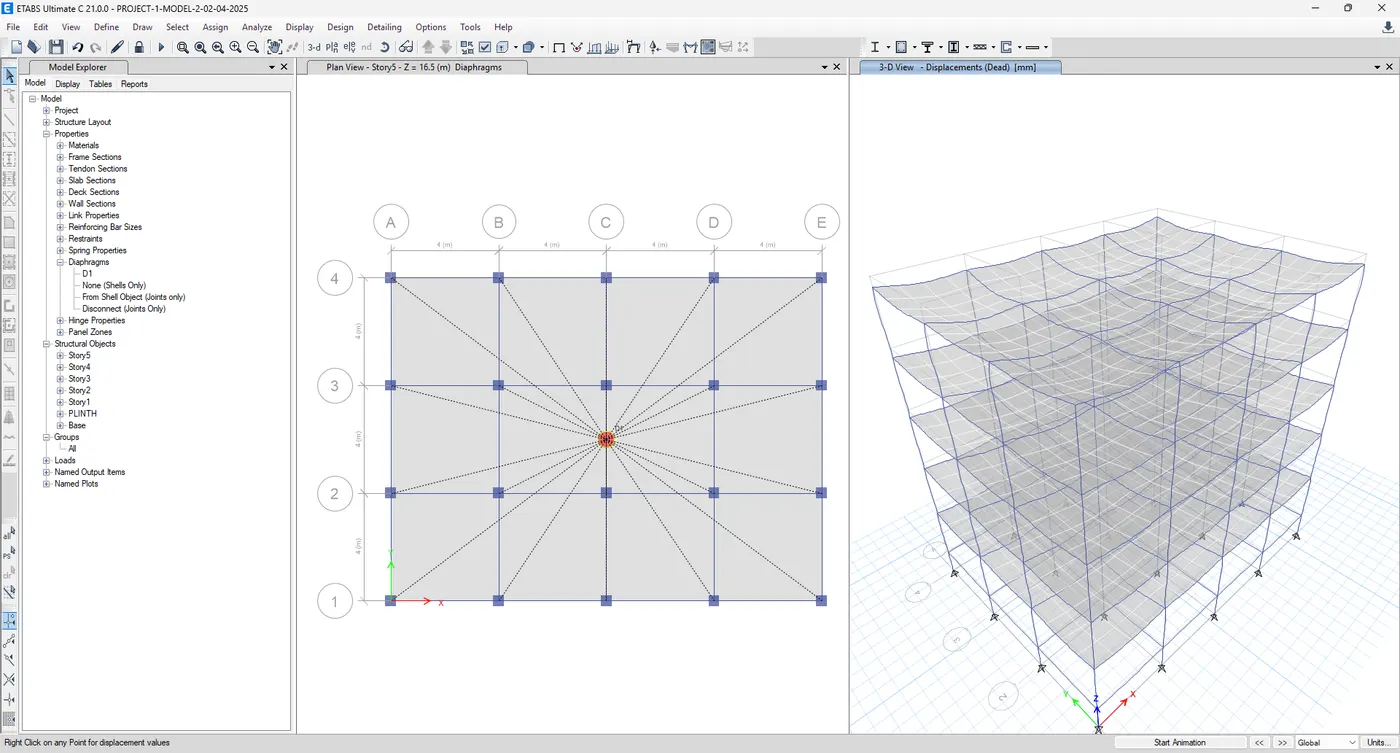
MODEL-C
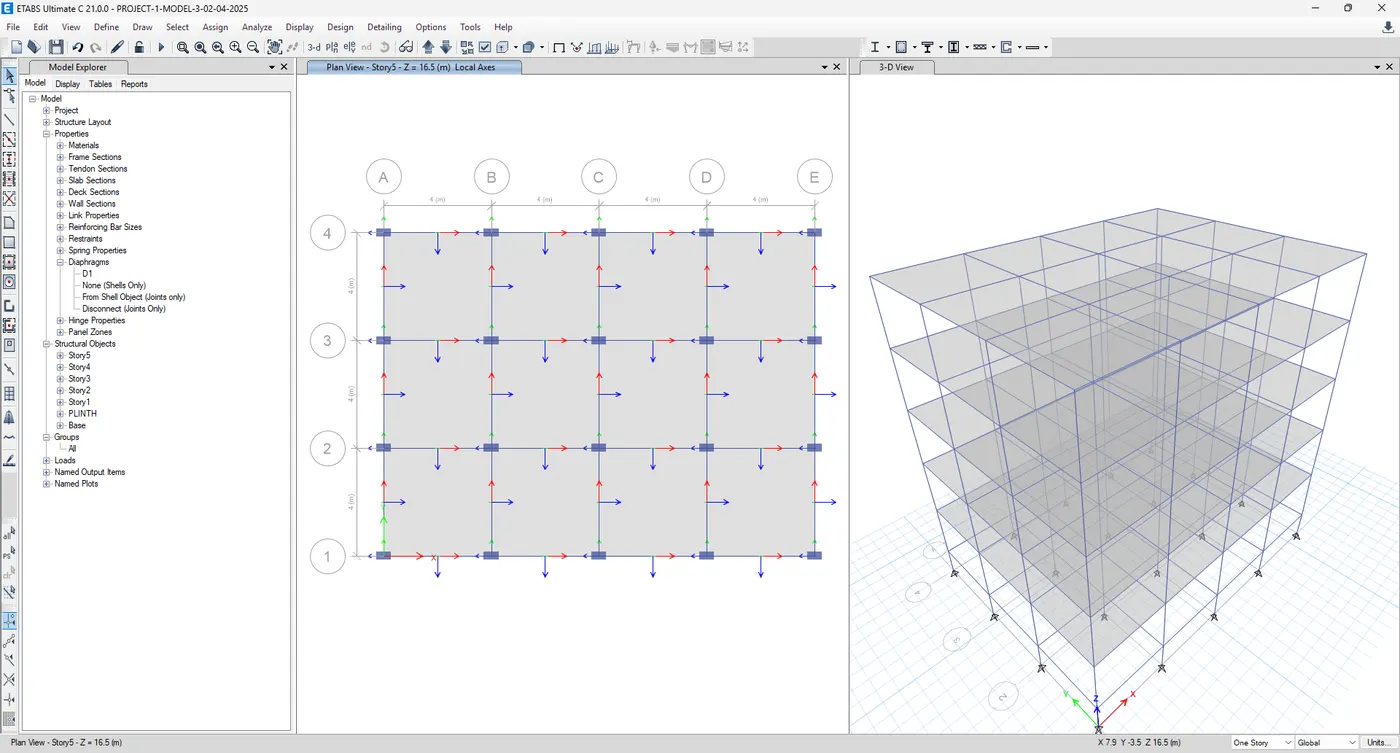
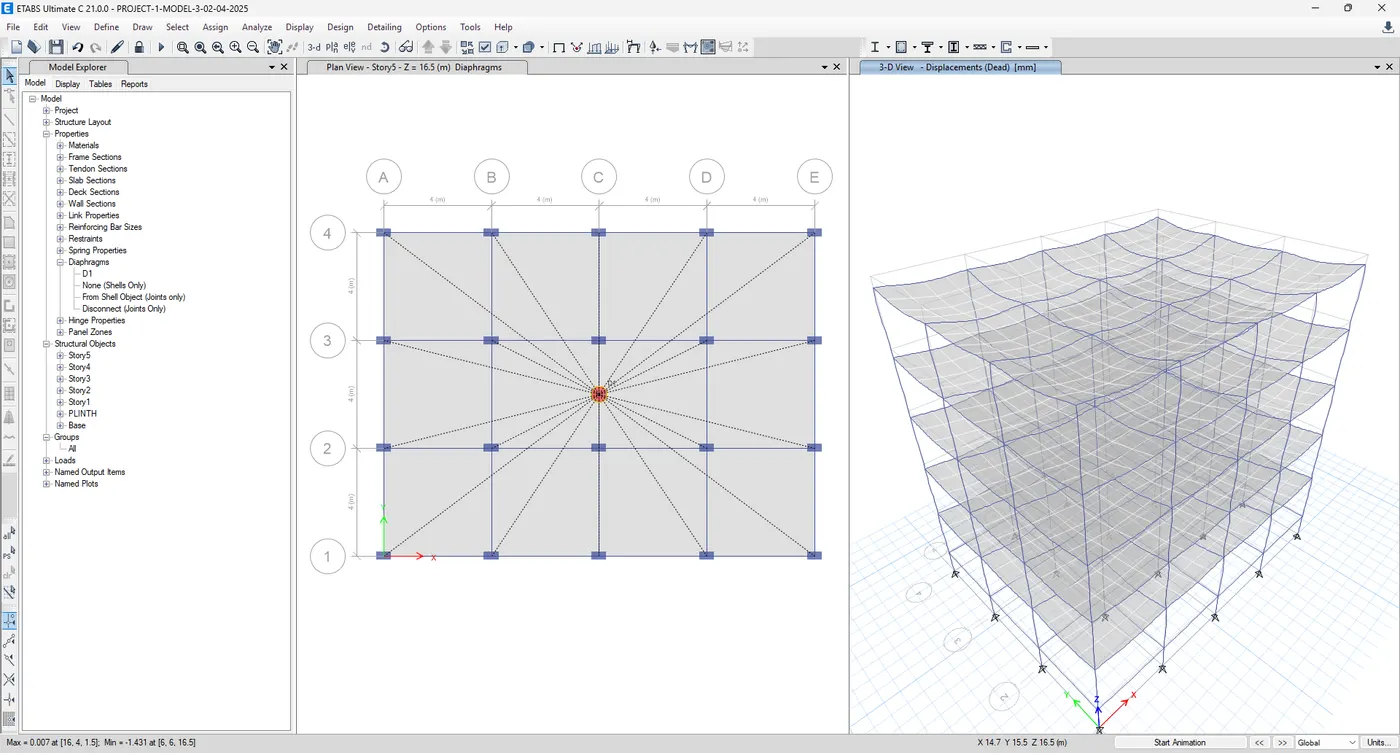
MODEL -D
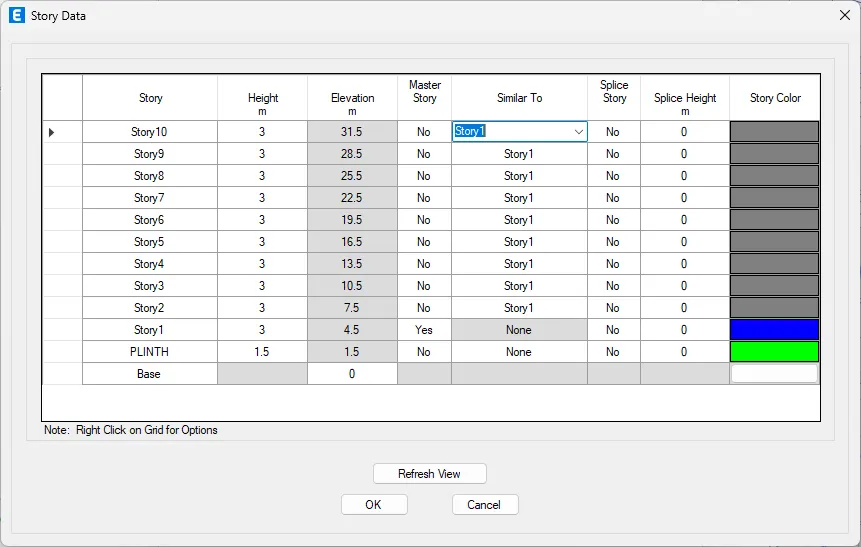
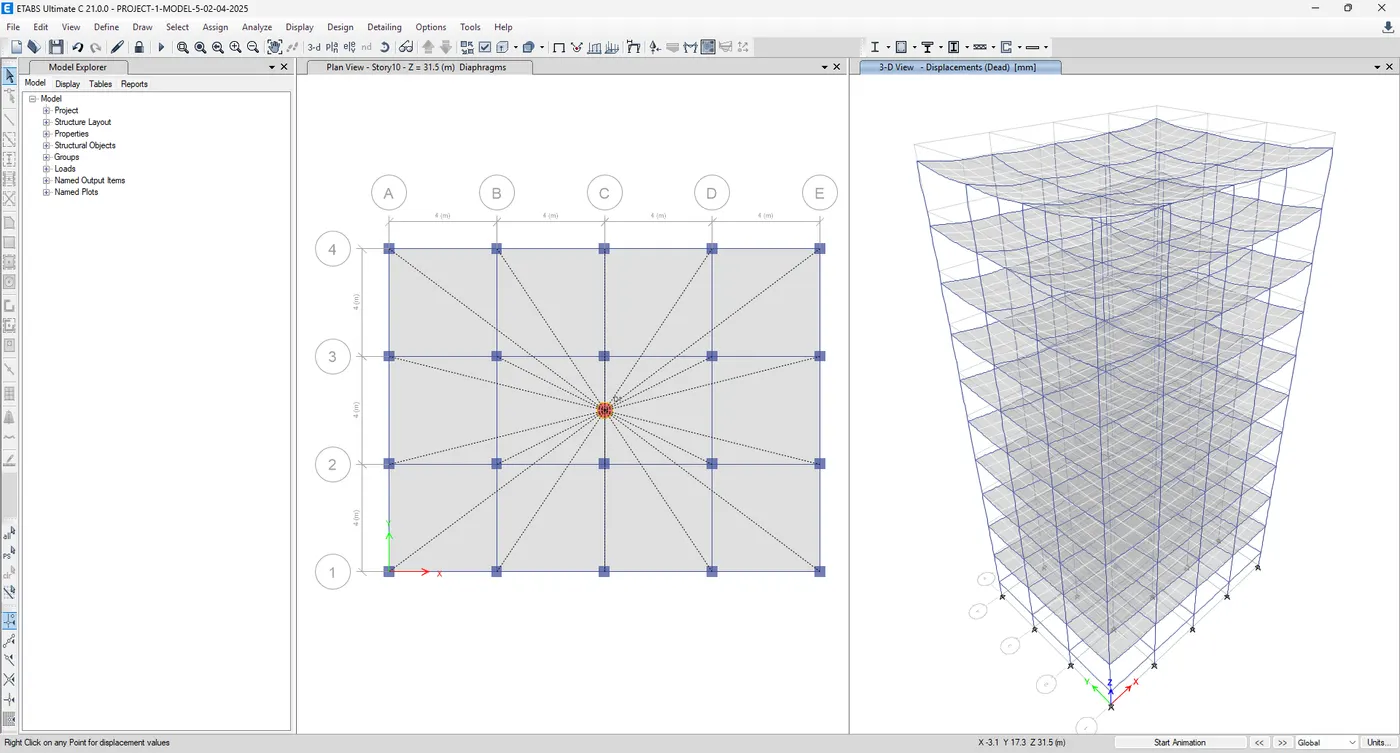
MODEL-E
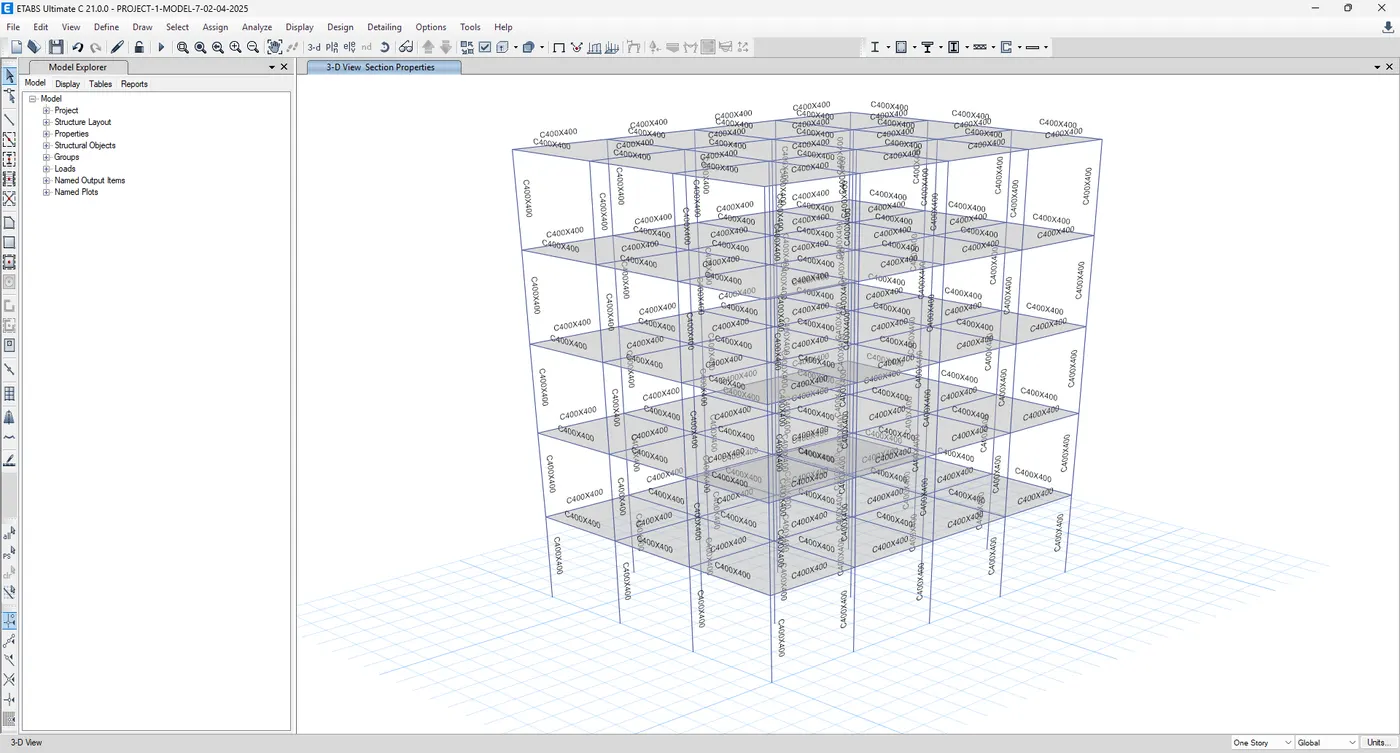
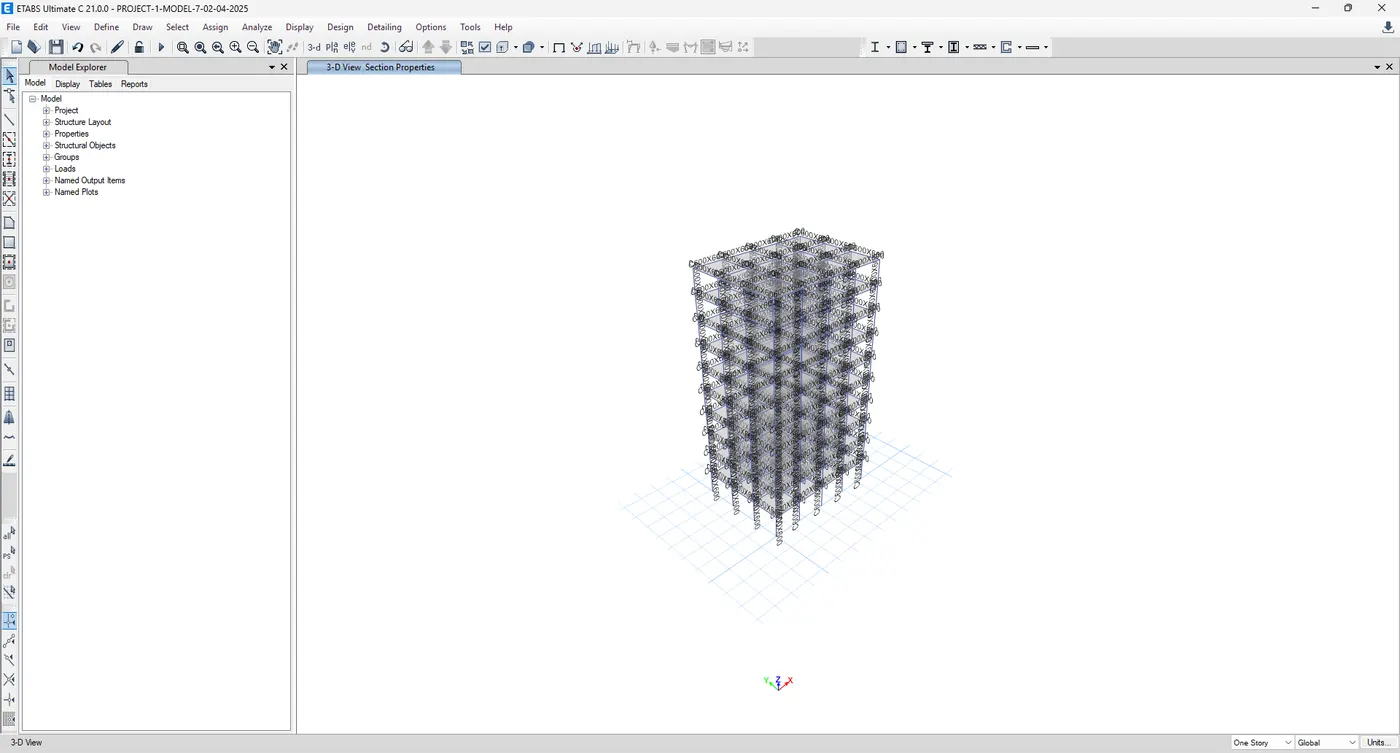
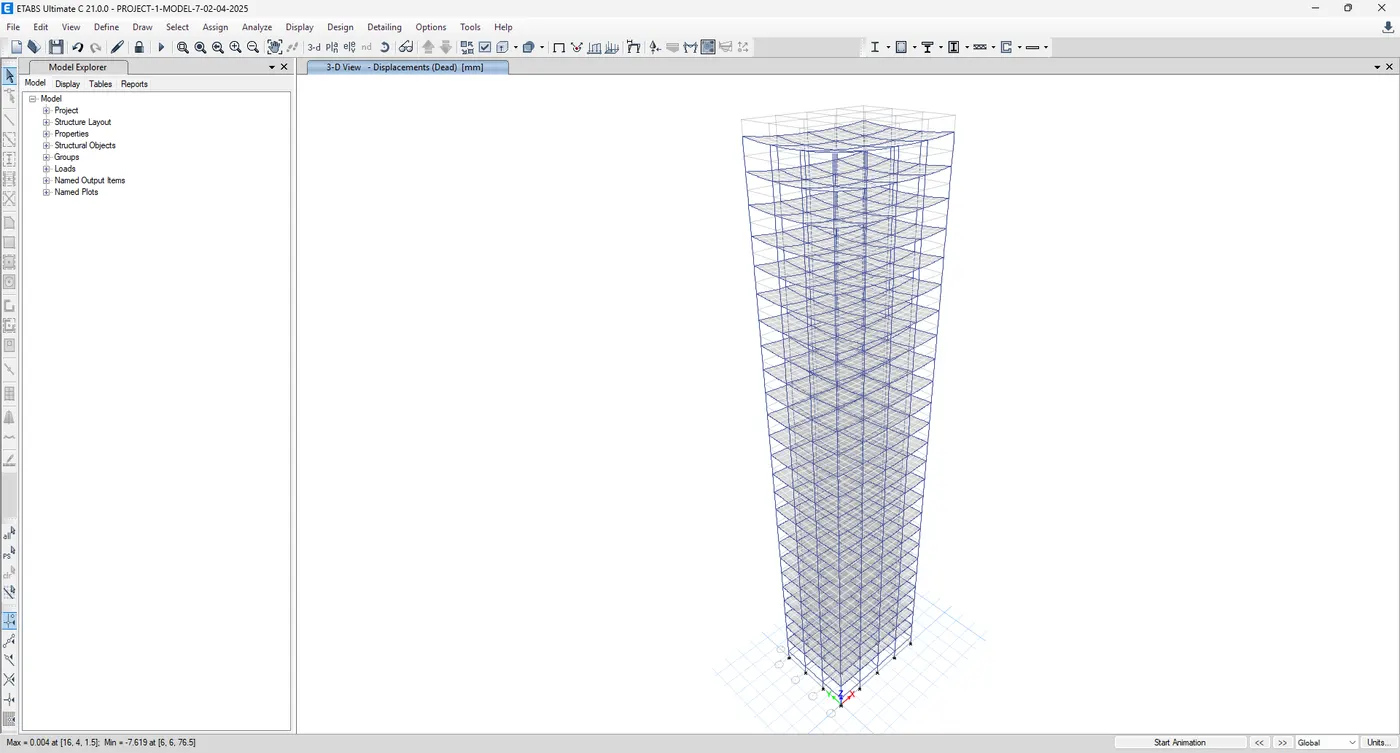
MODEL-F
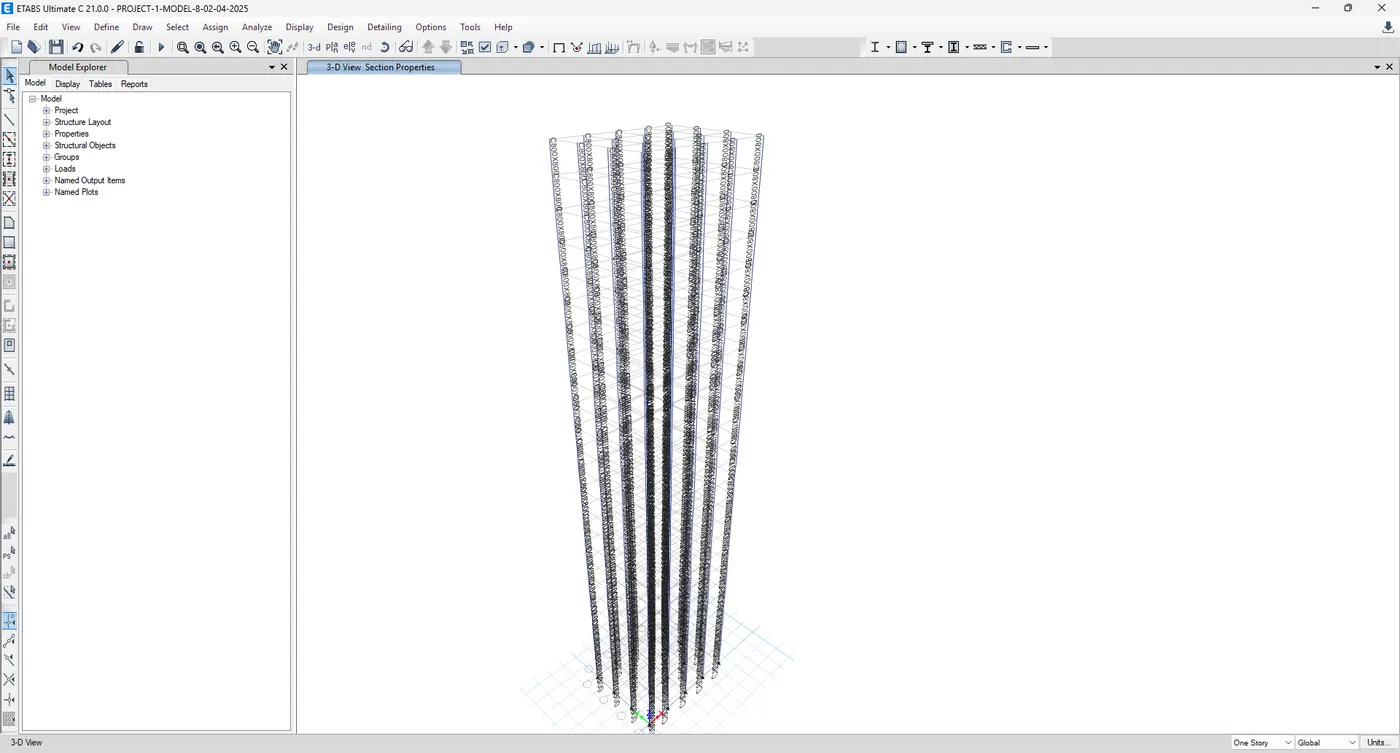
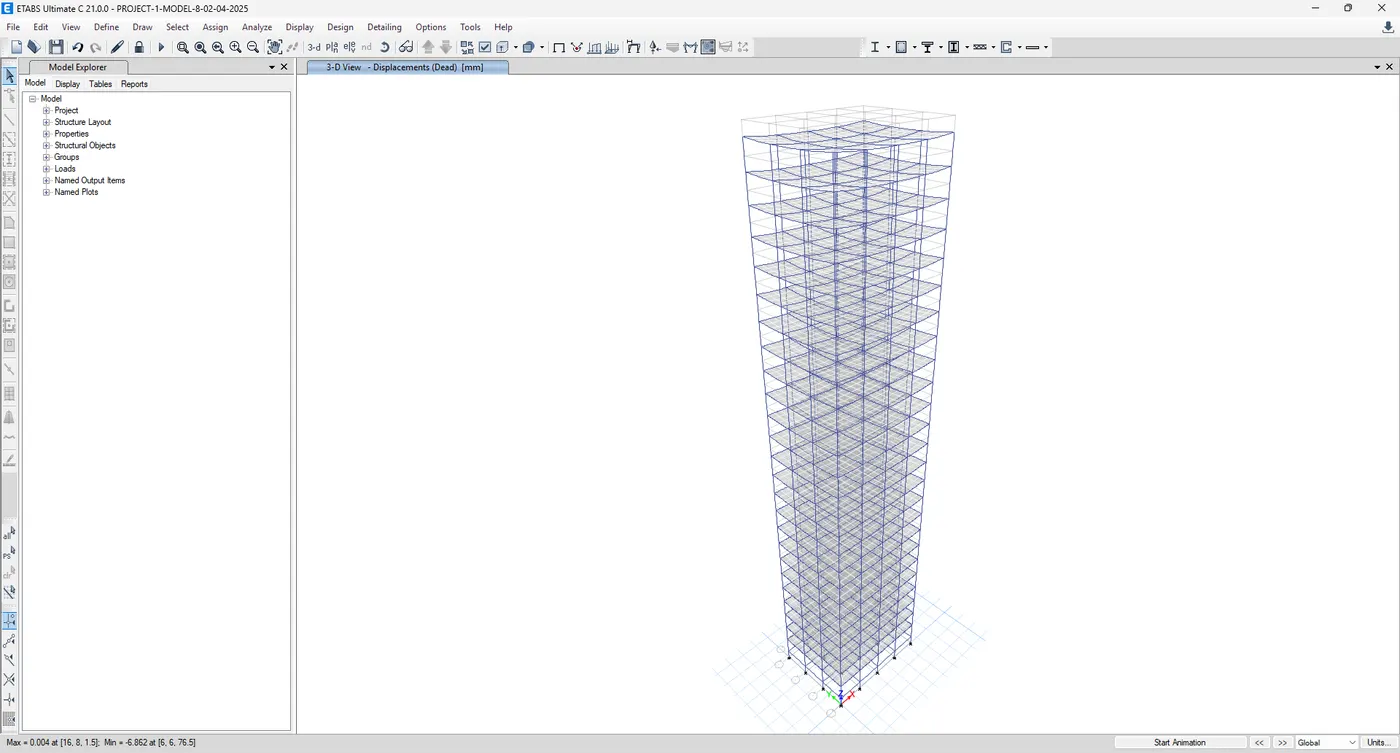
MODEL-G
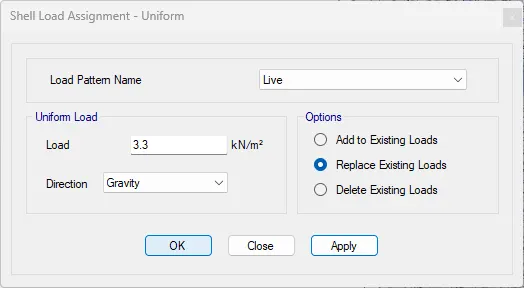
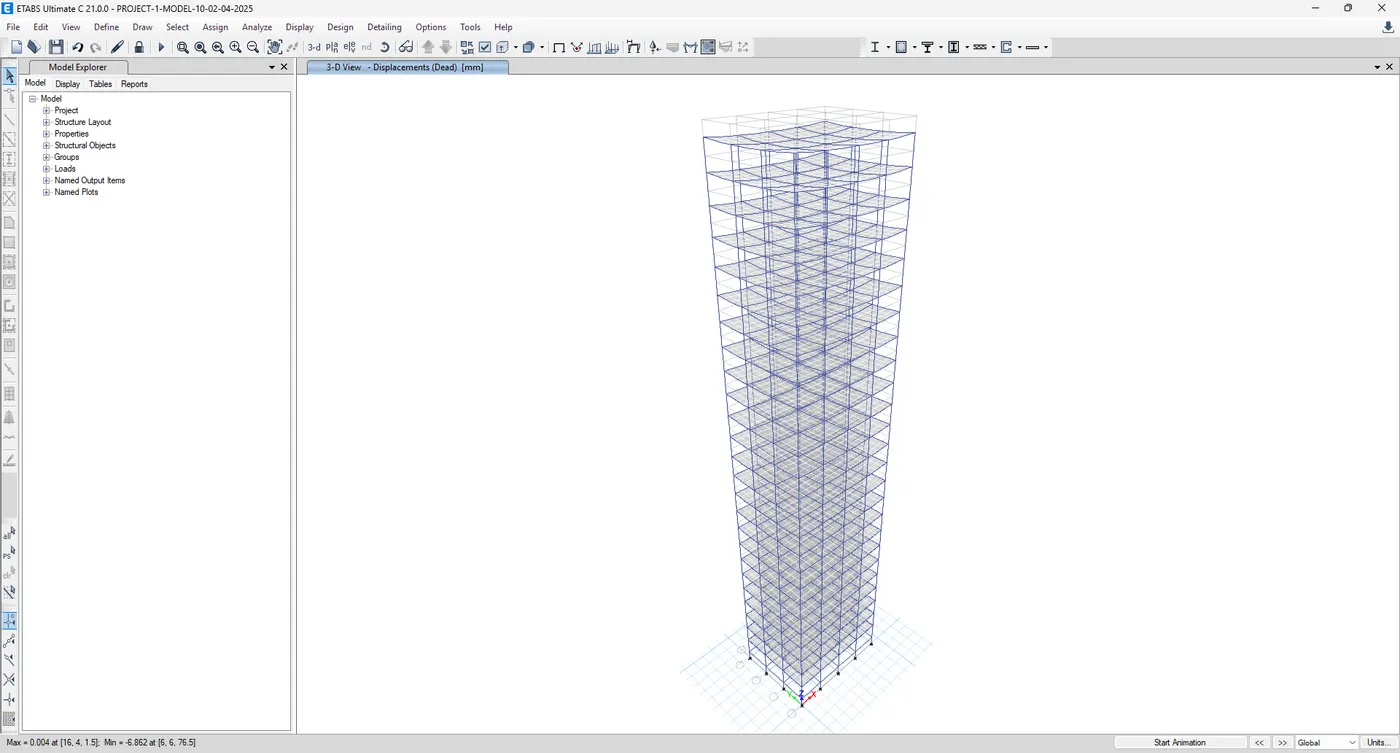
MODEL-H