Project 1 : CFD Meshing for Tesla Cyber Truck
AIM
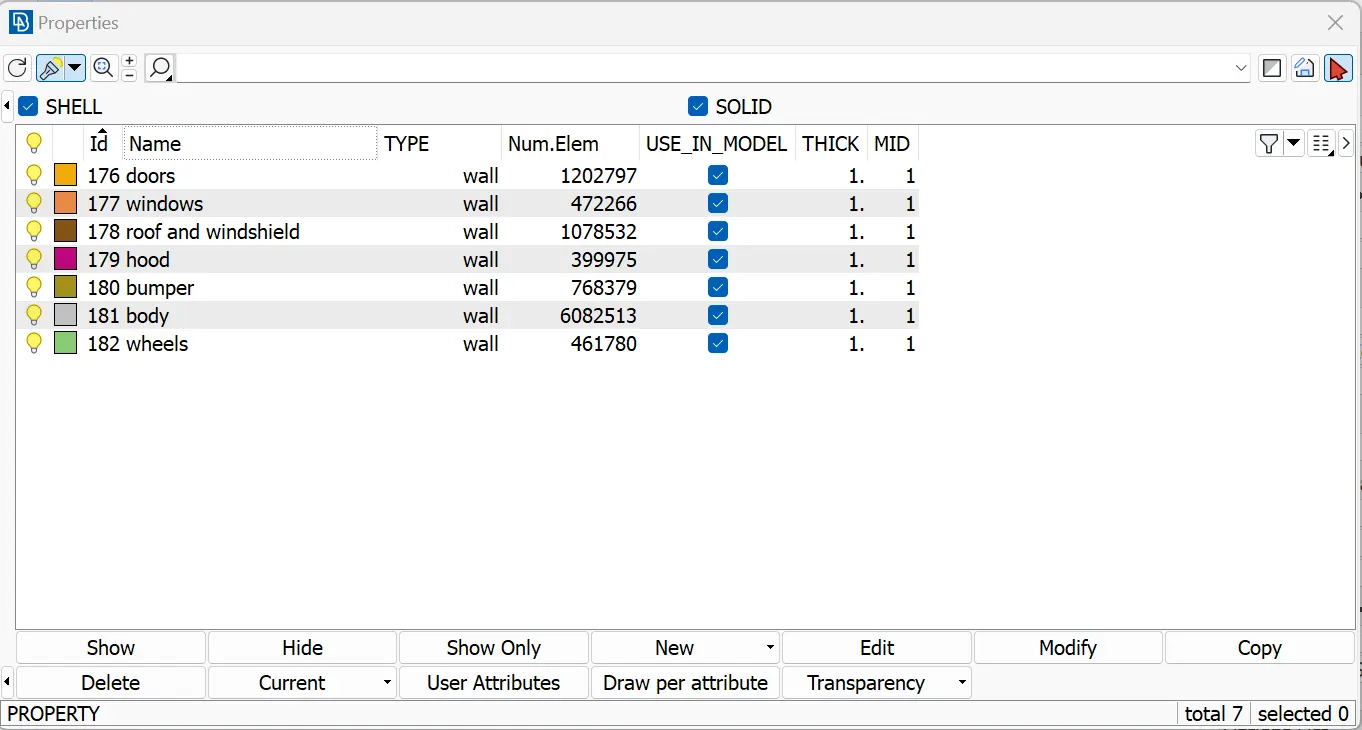
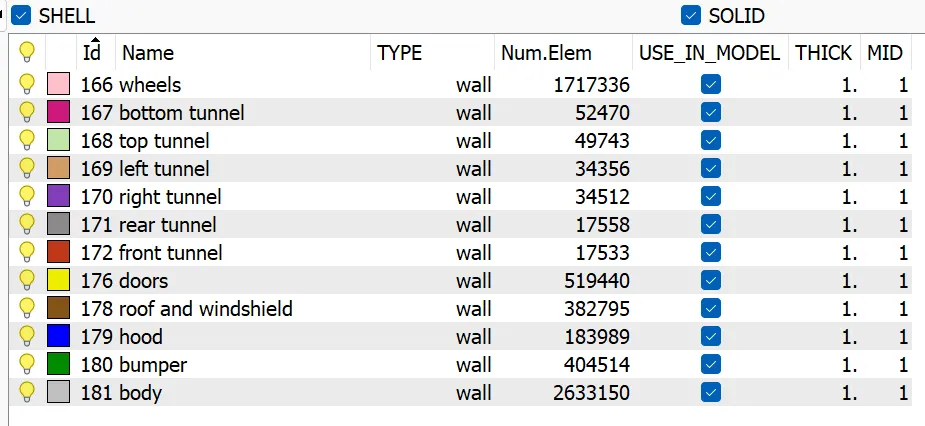
For the given model, check and solve all geometrical errors and assign appropriate PIDs. Perform meshing with the suitable target length and element quality criteria. Target lengths for the different parts of the model can be decided on your own. Consider a good meshing technique to adjust to the longer processing time.
MESHING
Meshing is a technique used for software-based simulation for finite element analysis (FEA) and computational fluid dynamics(CFD). It is a very important process as the size and shape of the mesh directly impacts the accuracy of the solution.
Each element represents an individual solution for the differential equations applied to it. The results will help engineers create a 3D simulation of the component denoting the areas that will buckle under stress.
The geometry of mesh elements can be categorized into 1D, 2D, and 3D. The accuracy of the FEA model depends on the type of element chosen for simulation.
IMPORTANCE OF MESHING IN CFD
- Experienced in solving the equations applied directly to the entire object. This happens due to the complexity of the irregularity of the shape. Meshing converts the irregular shape into more recognizable elements.
- It becomes easier for you to solve a partial differential equation allocated to a particular element. Solving these individual equations provides the solution for the complete geometry.
- It applies a numerical grid to the fluid body and its boundary revealing the ease and importance of meshing through finite element simulations.
ROLE OF CFD SIMULATION FOR AUTOMOBILES
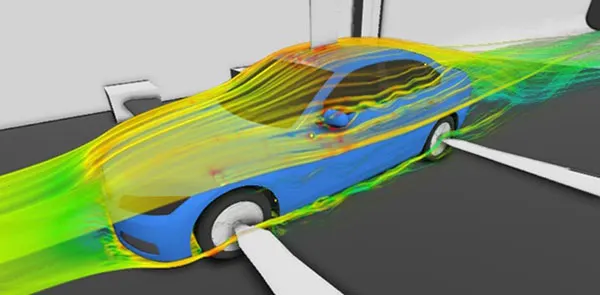
CFD plays a significant role in the advancement and development of modern automobiles. This computational technique allows engineers and experts to predict and investigate heat or fluid flow surrounding a component.CFD enhances the process of designing a component, assembly, or even developing the whole vehicle.
CFD simulations allow engineers to :
- Curtail on the expenses while building an automobile.
- Analyze the effect of the surrounding conditions on any part.
- Optimize the design of any component or assembly.
- Shape the body contours of performance vehicles to minimize drag and lift.
- Ensure the heat released from the engine is regulated properly.
- Examine the fluid flow in various valves and intake manifold of the engine.
TOPOLOGY CLEANUP
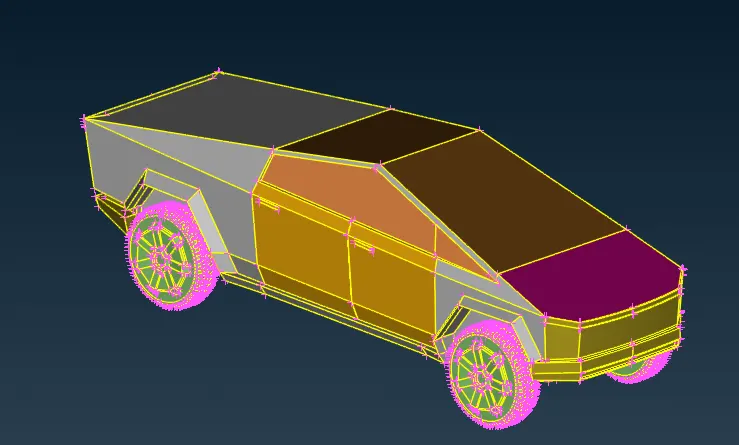
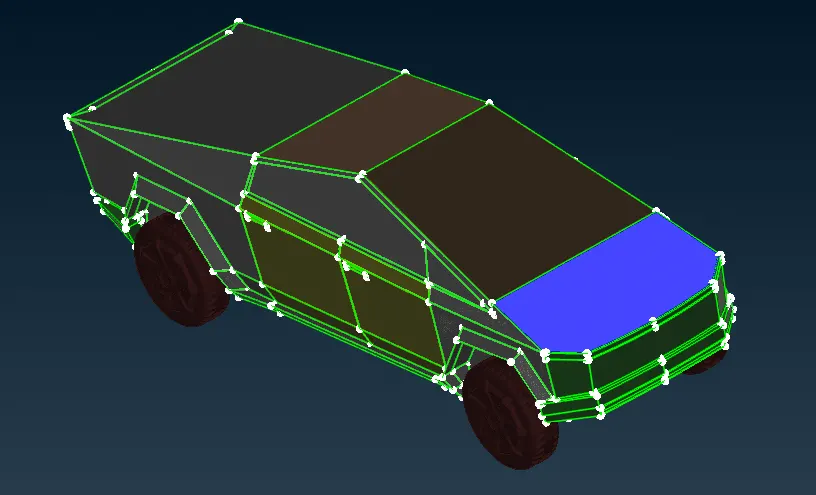
Open the Cyber Truck file on to ANSA and use the delete command to remove the penetrations, geometry faults, open holes, and single and triple coons from the body.
MESHING OF CYBER TRUCK
The meshing is conducted on the vehicle in two separate steps. At first, the vehicle body except the wheels are subjected to the best mesh technique with a target length of 4mm.
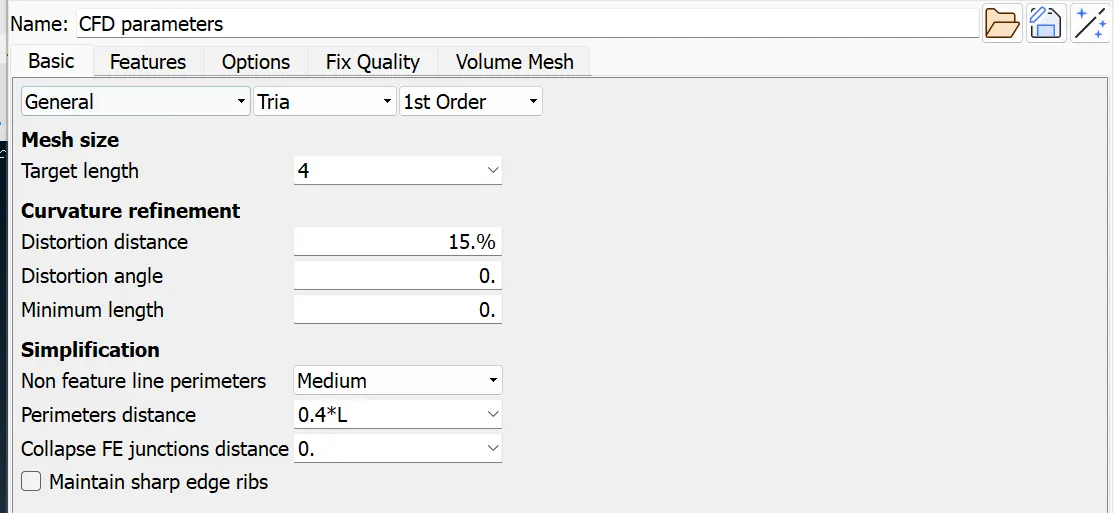
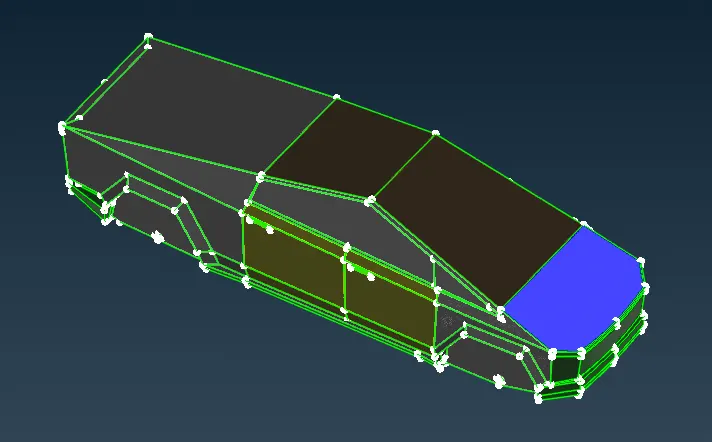
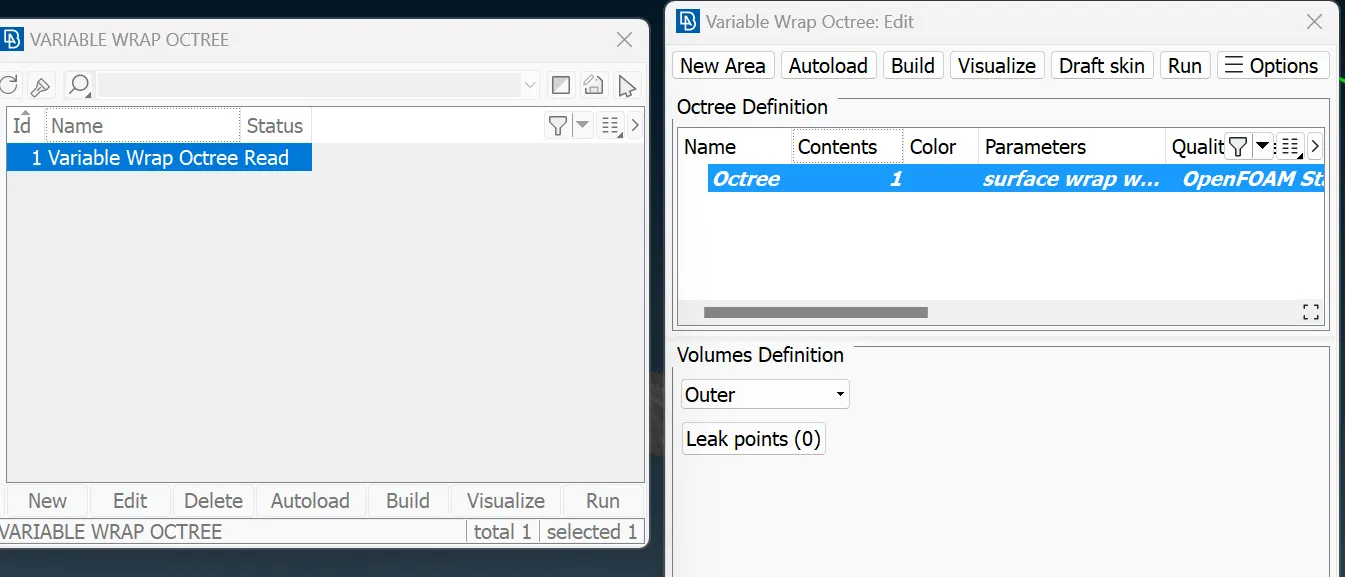
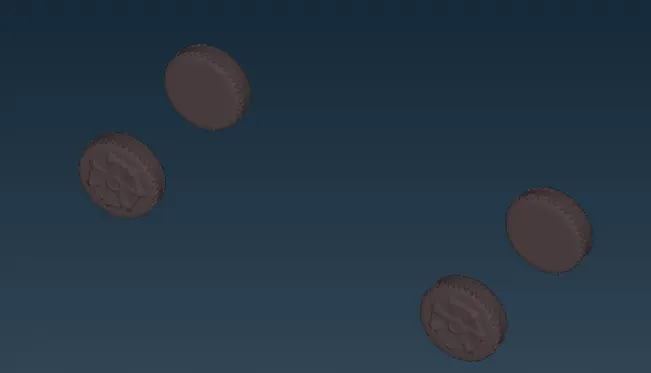
For the wheels, since it is complex and causes penetration errors during CFD, advanced front, best, and spot mesh techniques we used surface wrap over the wheels. The wrap command is used under the elements. The required wheel content is added to the contents and is run to apply.
WIND TUNNEL
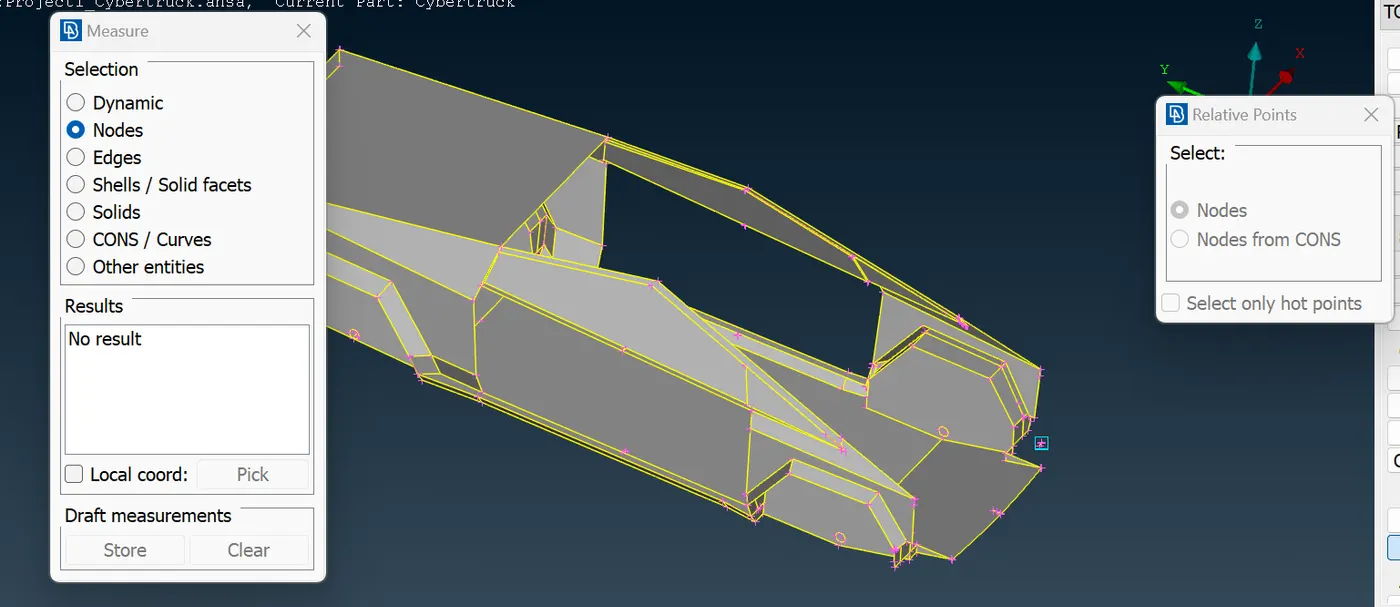
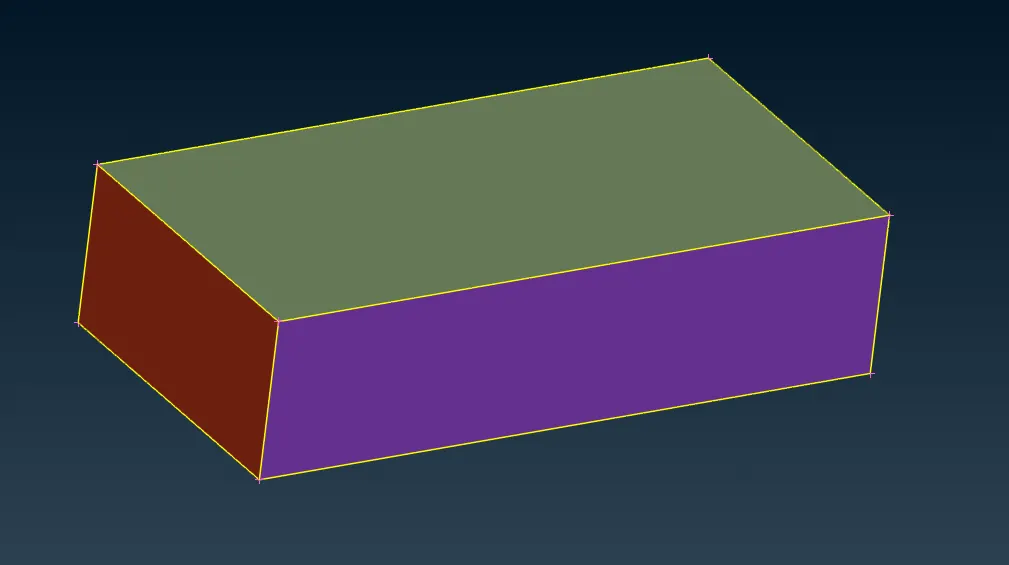
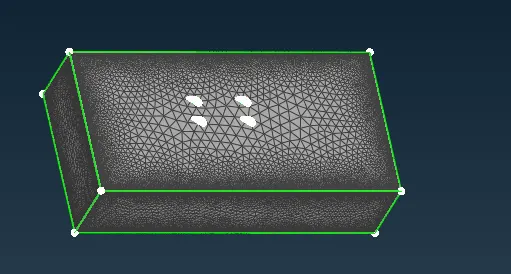
Create points on the extreme ends of the truck to create front, rear, right, left, top, and bottom parts of the wind tunnel for the simulation. Make use of the relative points tool and measure tool to create appropriate points over the surface.
Connect those points with curves and create a face enclosing within the points. Create an offset of a certain distance and create 4 enclosed faces within the top and bottom surface.
MESHING OF WIND TUNNEL
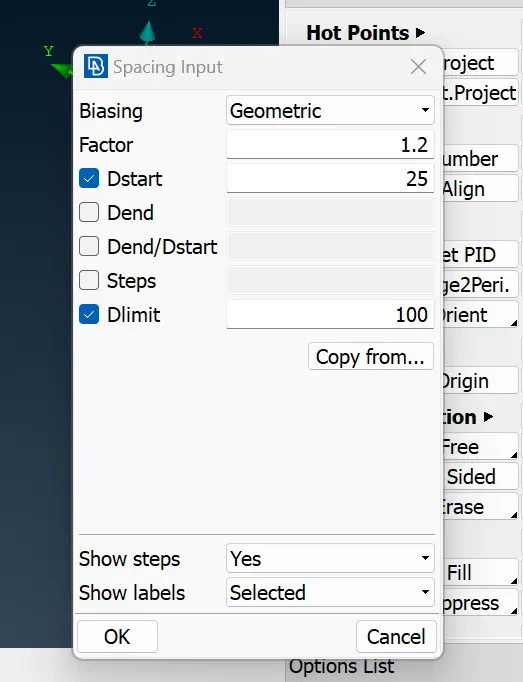
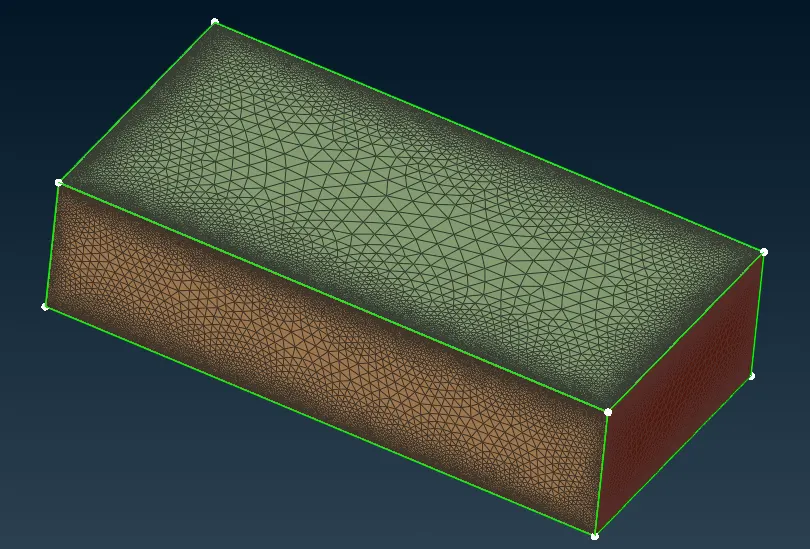
The best mesh technique is used for wind tunnels by using a spacing tool under the perimeter.
CONCLUSION
The geometrical cleanup was successful and the proper meshing was carried out on to the cyber truck and the wind tunnel.
FILES
https://drive.google.com/file/d/1EqotfJB3Ur_WdTbkW1J3DUns-ngAWqg4/view?usp=drive_link