Project 1 - Analyzing the Education trends in Tamilnadu
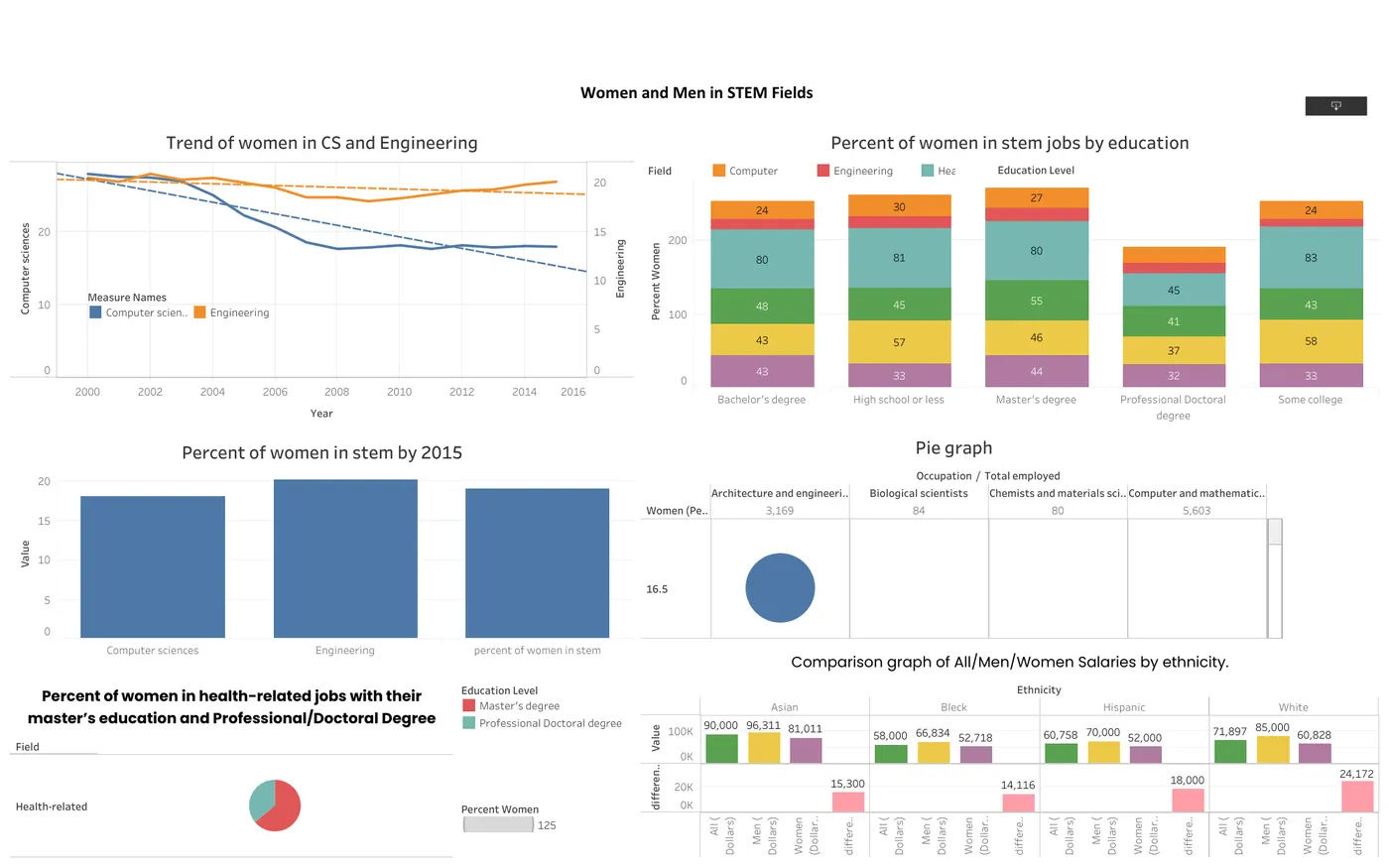
The gender gap in STEM (Science, Technology, Engineering, and Mathematics) jobs is a multifaceted issue influenced by various societal, educational, and professional factors. Here’s a detailed analysis of the possible issues contributing to this gap:
1. Stereotypes and Societal Expectations
Gender Stereotypes: Persistent stereotypes about gender roles can discourage girls and young women from pursuing STEM subjects. From an early age, societal norms often position STEM fields as male-dominated and not suitable for women.
Cultural Expectations: In many cultures, there are strong expectations regarding the roles of men and women, particularly around family and caregiving responsibilities, which can impact career choices and progressions for women.
2. Educational Barriers
Lack of Female Role Models: The scarcity of female role models in STEM fields can deter young women from pursuing these careers. Seeing few women in these roles can reinforce the perception that these fields are not for them.
Biased Curricula and Teaching Practices: Educational materials and teaching methods can sometimes unintentionally favor boys over girls. For example, if classroom discussions or examples are more relatable to boys, girls may feel less engaged.
Access to Resources: In some regions, girls may have less access to quality education and resources in STEM subjects, which can hinder their ability to pursue further studies and careers in these fields.
3. Workplace Challenges
Workplace Culture: STEM workplaces can often have a culture that is unwelcoming to women, characterized by subtle biases, exclusionary practices, or a lack of support for women’s contributions and advancement.
Work-Life Balance: The demanding nature of many STEM jobs, along with the expectation of long hours, can be challenging for women, especially those who have family or caregiving responsibilities.
Discrimination and Bias: Women in STEM often face implicit biases and discrimination, which can manifest in various forms, including pay disparities, fewer promotions, and less recognition for their work.