Project 1
Project :
Develop a double-acting actuator model using Simscape Multibody and Simscape components. The mechanical system of the cylinder needs to be built using Simscape Multibody library components / blocks, and the hydraulic system needs to be modelled using Simscape library physical components.
Aim :
Develop a double-acting actuator model using Simscape Multibody and Simscape components.
Objective :
The mechanical system of the cylinder needs to be built using Simscape Multibody library components/blocks, and the hydraulic system needs to be modeled using Simscape library physical components.
Cylinder Model
The schematics show the cylinder in three configurations:
- half-retracted
- fully retracted
- fully extended.
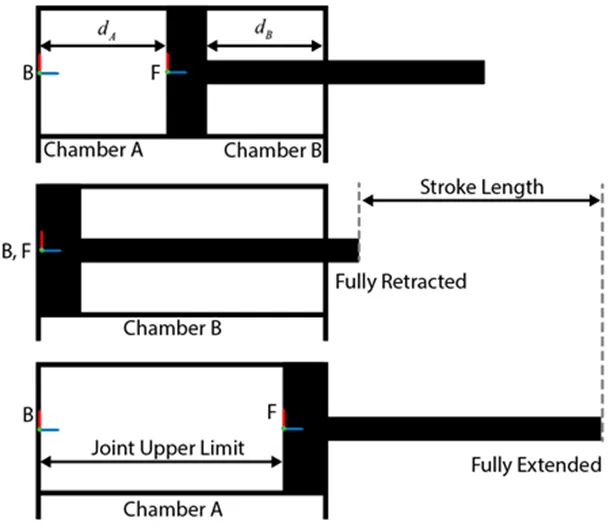
Double acting actuator:
Double-acting actuators have air or liquid supplied to both sides of the piston with one side at higher pressure, which achieves the movement required to actuate the valve. This configuration uses pneumatic or hydraulic pressure of the air or liquid energy to open and close the valve.
WORKING PRINCIPLE OF DOUBLE ACTING HYDRAULIC CYLINDER :
Double acting hydraulic cylinder
Double acting hydraulic cylinder is also one type of hydraulic cylinder which is used for pulling, lifting, moving and holding the load. Double acting hydraulic cylinder is displayed here in following figure. Double acting hydraulic cylinder, as shown in figure, will have two ports .cap end port and rod end port. Double acting hydraulic cylinder, as name indicates, will be operated hydraulically in both direction forward direction and return direction.
Double acting hydraulic cylinder will have one piston within a cylindrical housing. When hydraulic oil will be supplied to its cap end port, hydraulic pressure force will be applied over the piston or plunger and hence piston will be extended and this stroke of cylinder will be termed as forward stroke. During extension of the cylinder piston or plunger, hydraulic oil at rod end side will be pushed out and will be directed towards reservoir.
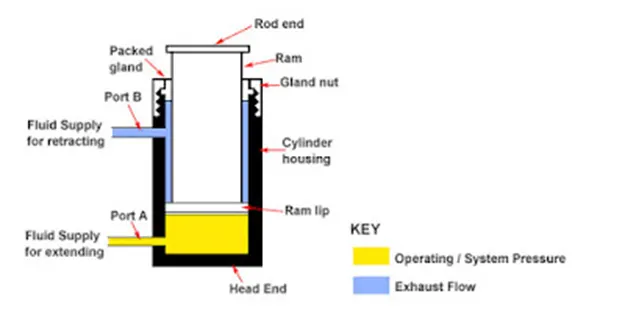
For return stroke or retraction of cylinder, hydraulic fluid direction will be reversed with the help of direction control valve. During return stroke, hydraulic oil will be supplied to its rod end port and therefore hydraulic pressure force will be applied over the piston or plunger from rod end side and hence piston will be retracted and this stroke of cylinder will be termed as return stroke. During retraction of the cylinder piston or plunger, hydraulic oil at cap end side will be pushed out and will be directed towards reservoir.
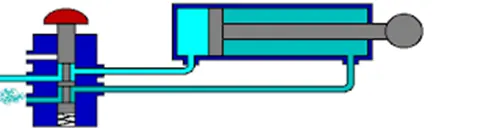
Hence double acting hydraulic cylinders will be operated hydraulically in both directions i.e. during extension or forward direction and also during retraction or return stroke. Direction of hydraulic oil will be changed with the help of double acting directional control valve or reversible pump could also be used for changing the direction of flow of fluid.
Symbol of double acting hydraulic cylinder
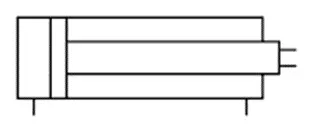
Hydraulic symbol of double acting hydraulic cylinder
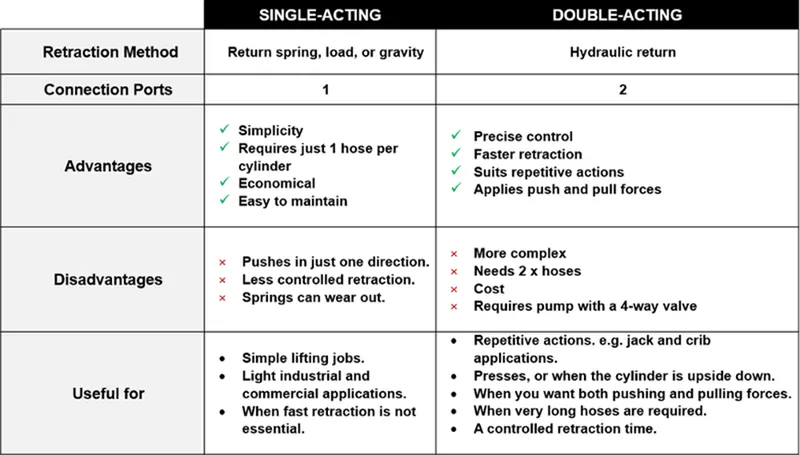
Advantage of single acting cylinder
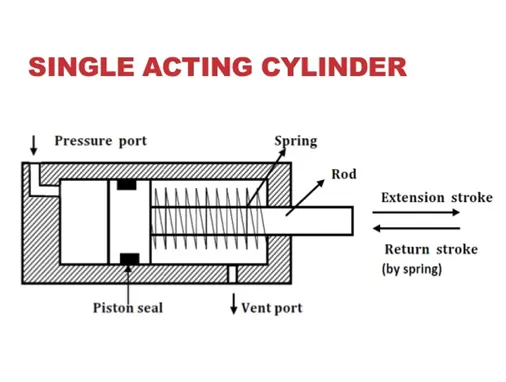
A Single acting Hydraulic cylunder is simpler, so there is less to maintain. With only one line the action of the cylinder is determined entirely by the pressure on that one line. They often have a spring or something similar to push or retract the piston rod, but they might rely on the force on end to push it back. Simplicity is always good for equipment that needs to be rugged and reliable.
Advantages of Double acting Cylinder
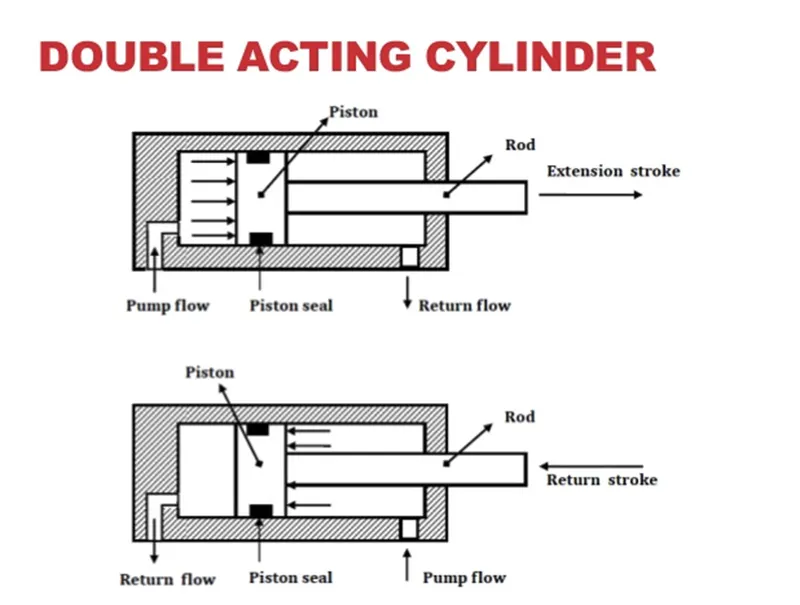
A Double Acting Cylinder alternates cycles of pressurized fluid to both sides of the piston and creates extend and retract forces to move the piston rod, permitting more control over the movement. Using a control system made up of a 2-, 3-, 4- way position valve would be required to achieve the desired movement for your application.
What it comes down to when selecting which type of cylinder is the amount of control that you need versus what you can afford to have in place. If the heavy lifting, so to speak, is only in one direction, a or pneumatic cylinder may be your best bet. If you are moving a part in two directions and need to have full control, it’s best to have a pneumatic cylinder.
Model:
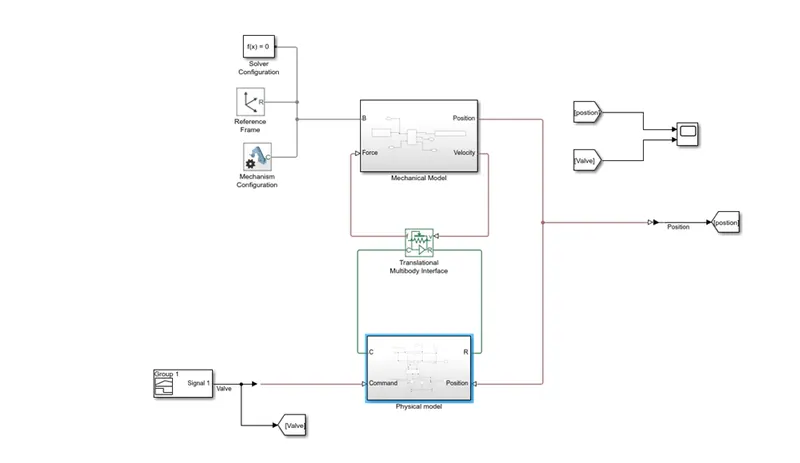
Physical hydraulic model:
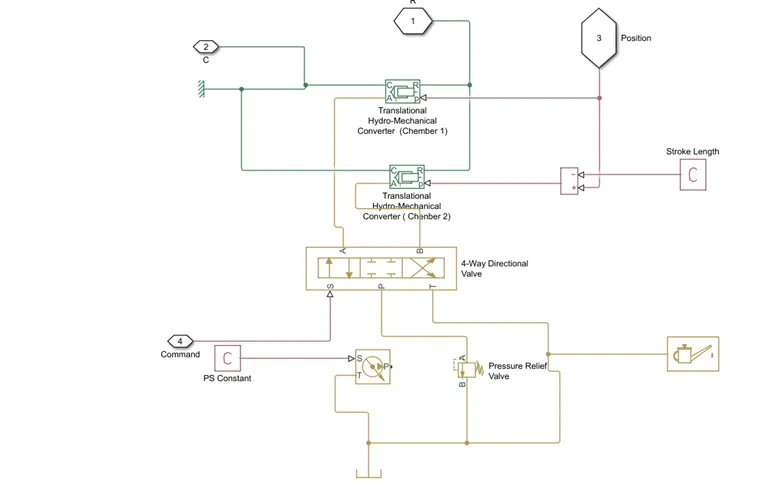
Chember 1 :
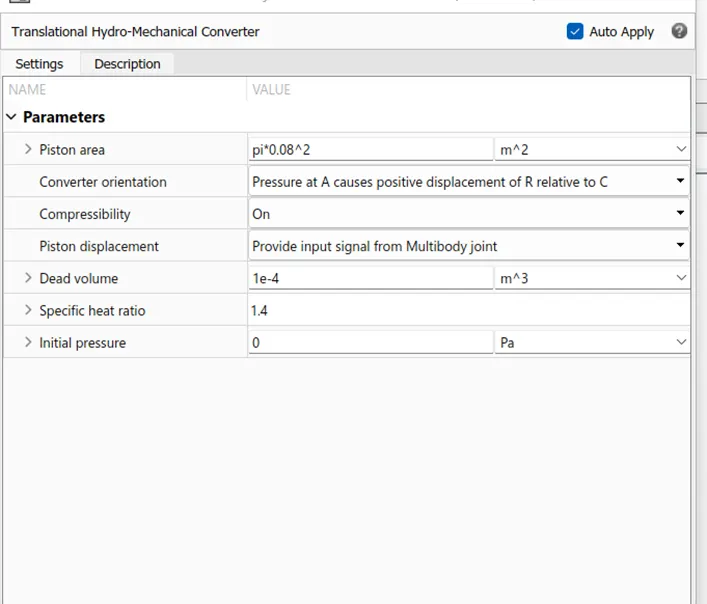
Chember 2 :
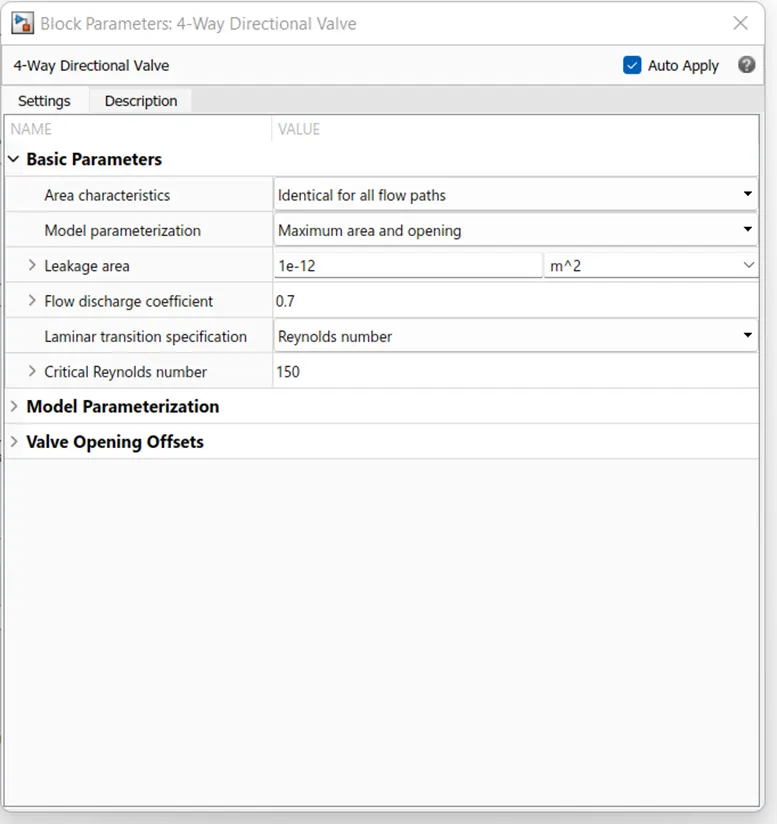
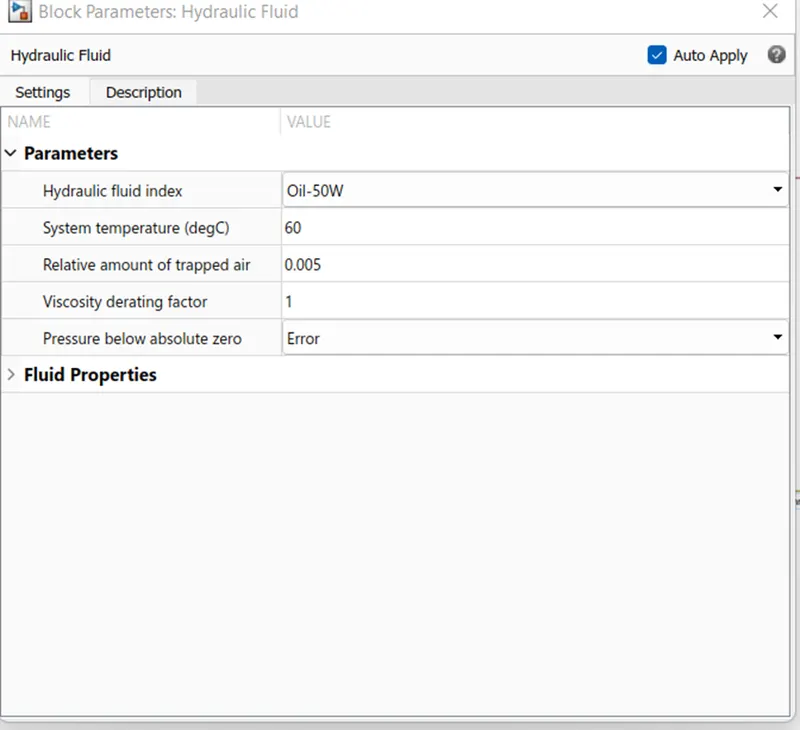
Hydraulic Fluid :
Mechanical Model :
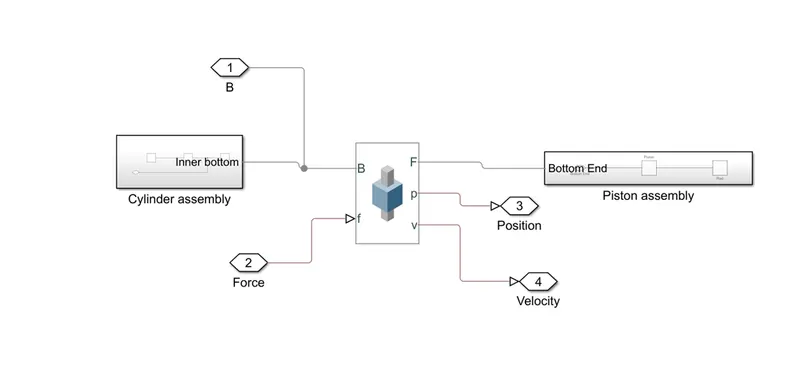
Cylinder assembly :
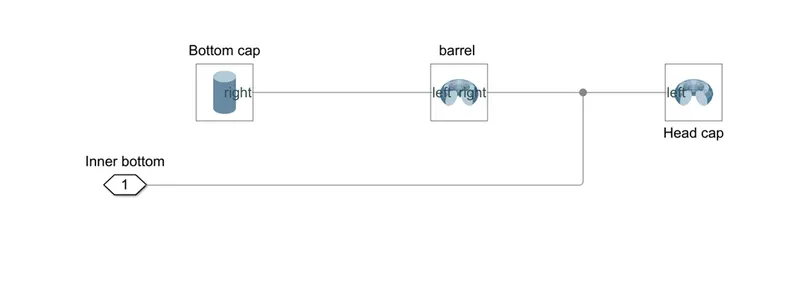
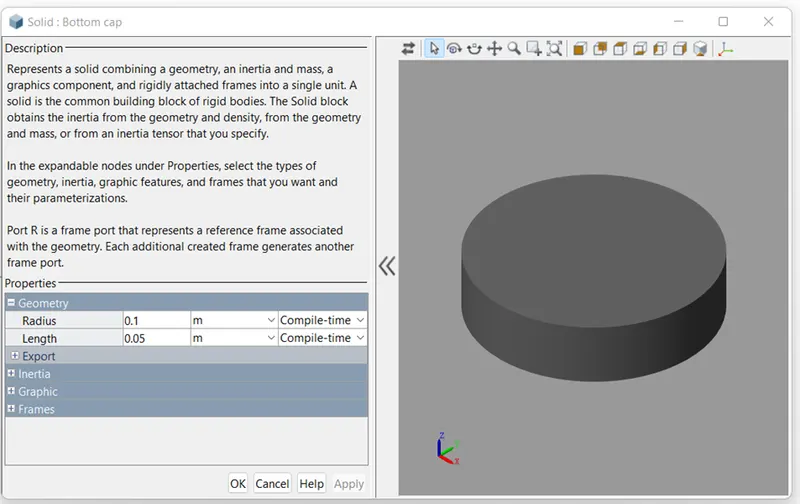
Bottom Cap:
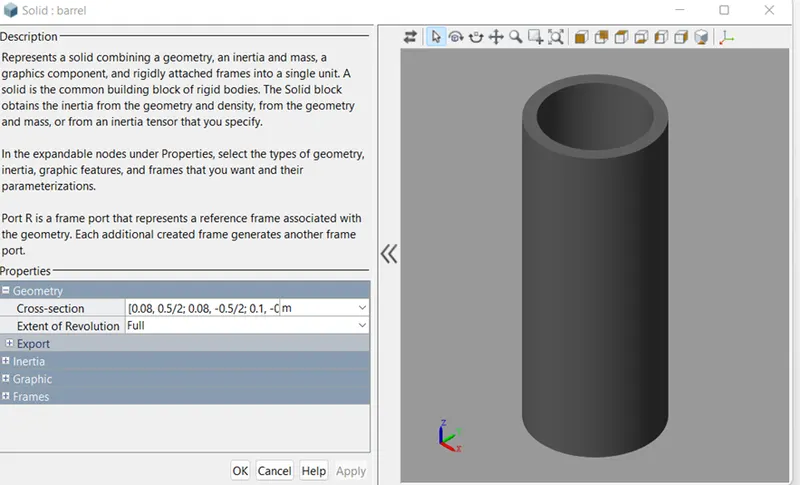
Barrel :
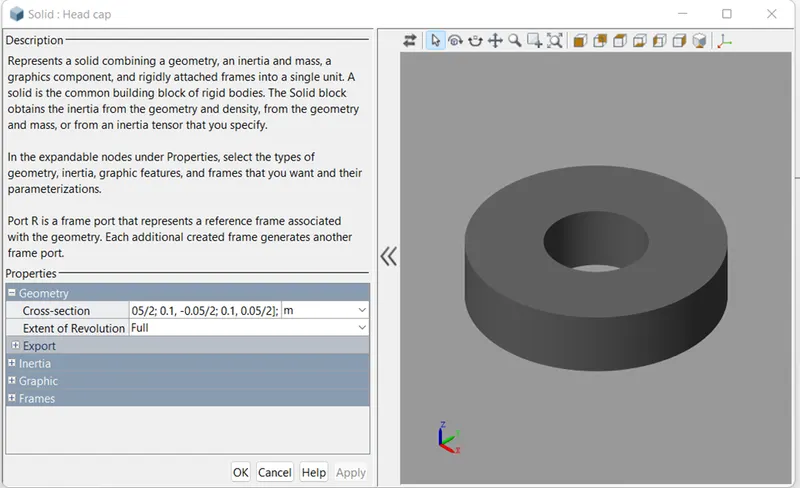
Head cap:
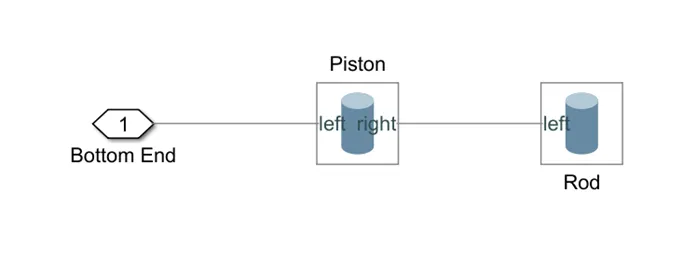
Piston Assembly :
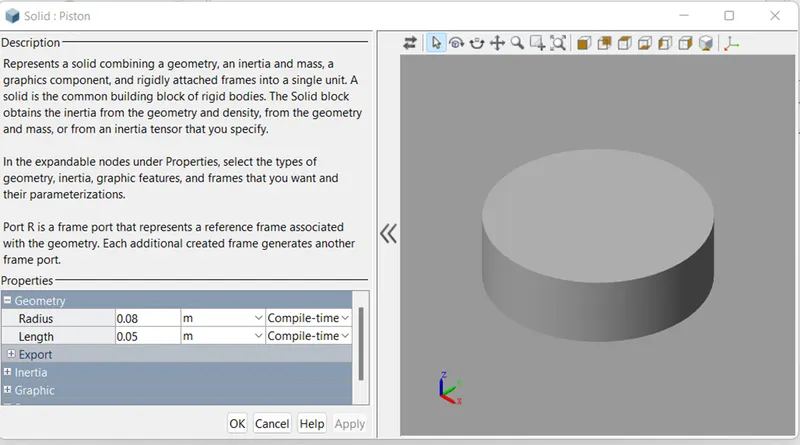
Piston :
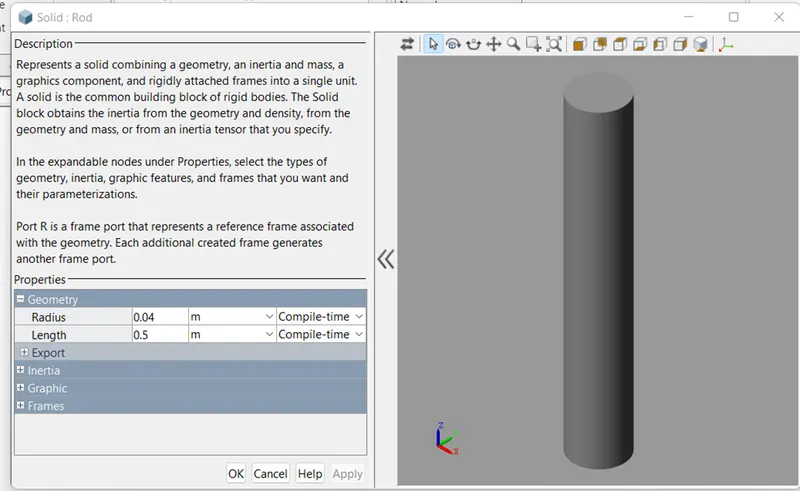
Rod
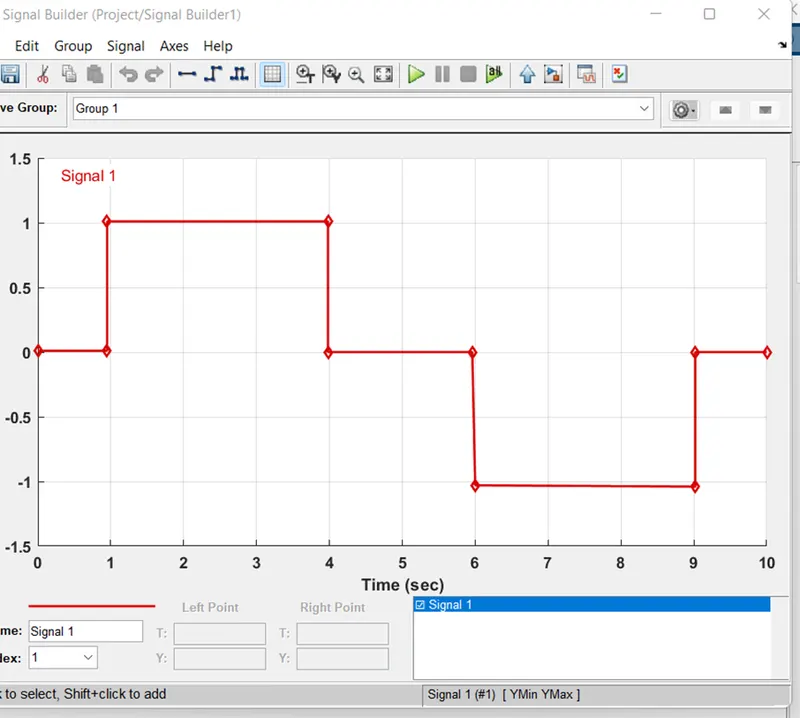
Iunput Signal:
output: