Project 1
The Matlab model is prepared using following equations
- To convert 3phase voltage to q-axis and d-axis
Vsq = (2/3)*(u(1)*cos(u(4))+u(2)*cos(u(4)-(2*pi/3))+u(3)*cos(u(4)+(2*pi/3)))
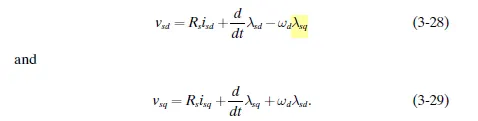
Vsd = (2/3)*(u(1)*sin(u(4))+u(2)*sin(u(4)-(2*pi/3))+u(3)*sin(u(4)+(2*pi/3))) - To get stator fluxes lamdaqs & lamdads the equations are
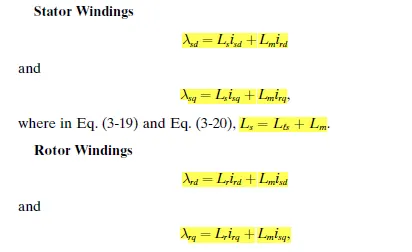
- To get stator & rotor q and d currents the equations are
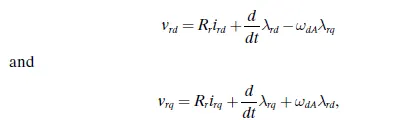
- To get rotor fluxes lamdaqr & lamdadr the equations are
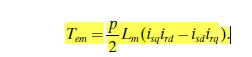
- To get torque the equations are
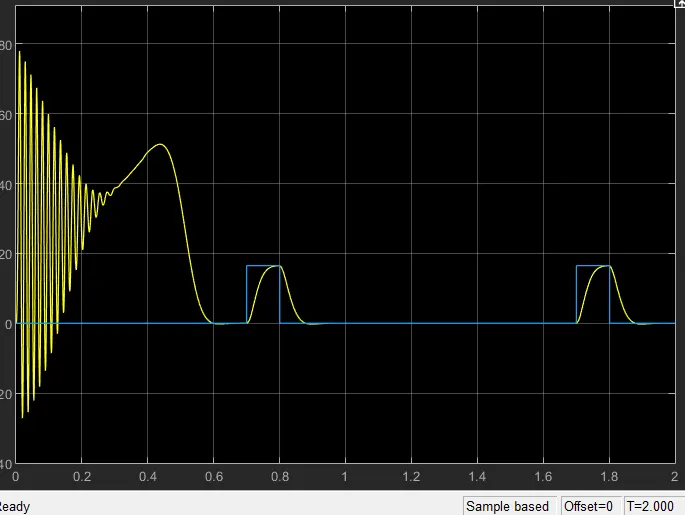
- Load torque is 0.83 times the rated torque as given in the question.
Rated torque = (9.5488*3.75*10^3)/1800
= 19.893
Load torque = 0.83 * 19.893
= 16.512
- To get Rotor speed the equation is
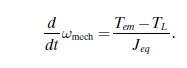
- To get the theta angle for different reference frame the equation is
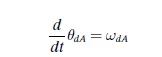
As per the question :
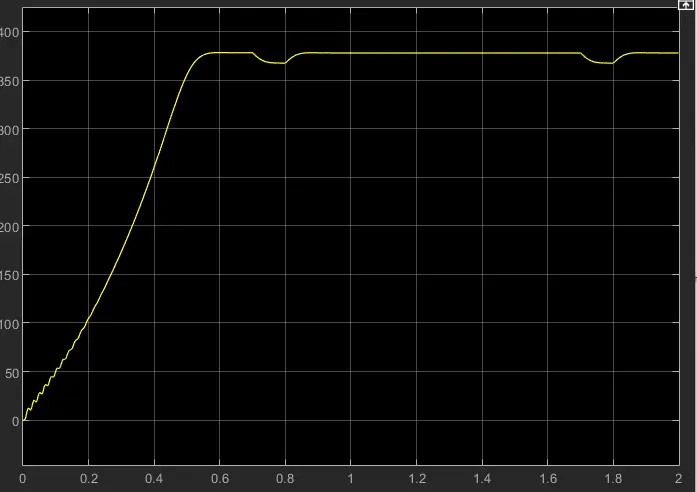
a) To calculate start-up behaviour of the induction motor represented in the stationary reference frame the reference speed w is taken as 0.
- Vqs
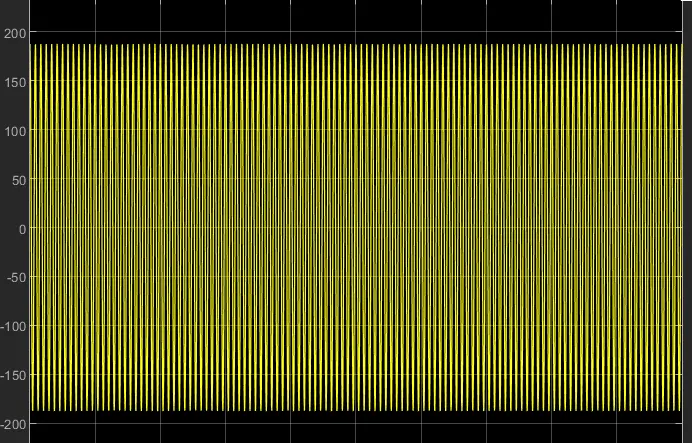
- Iqs & Ids
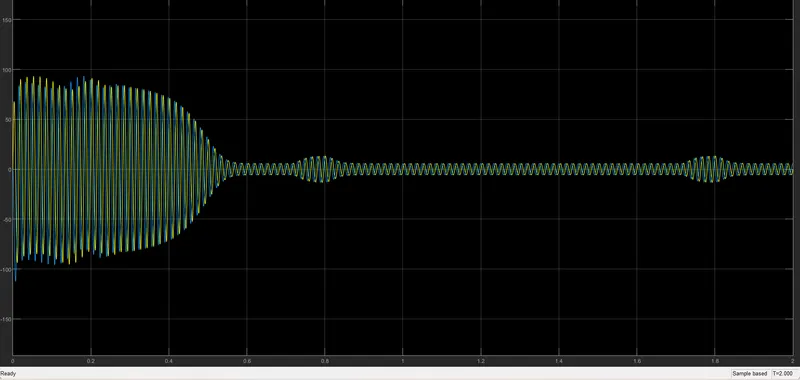
- Iqs & Iqr
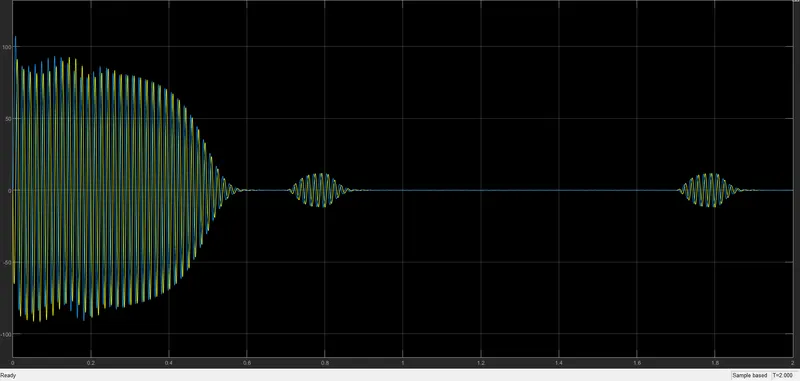
- Te & Tl
- Rotor speed
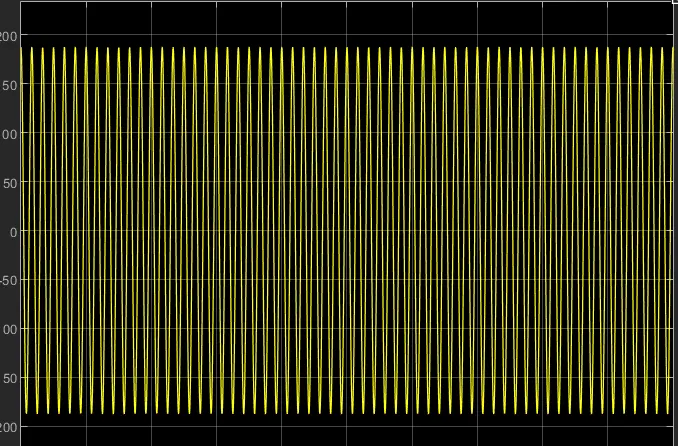
b) To calculate start-up behaviour of the induction motor represented in the synchronous reference frame the reference speed w is taken as 1800*(2*pi/60).
- Vqs
- Iqs
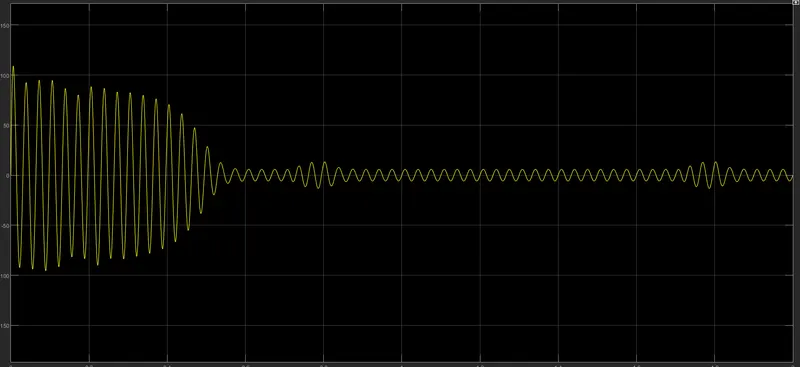
- Iqr
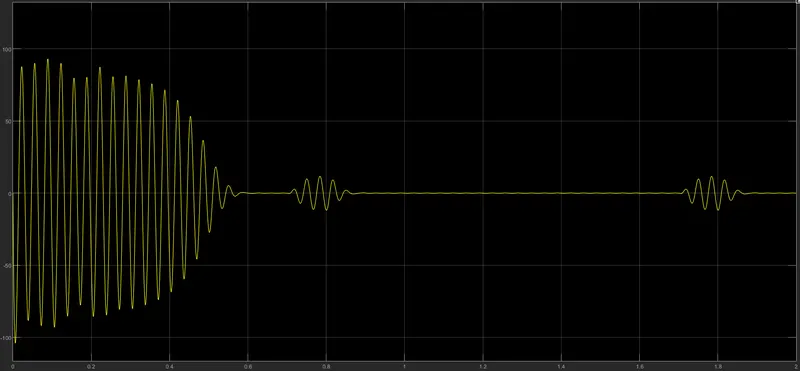
- Te & Tl
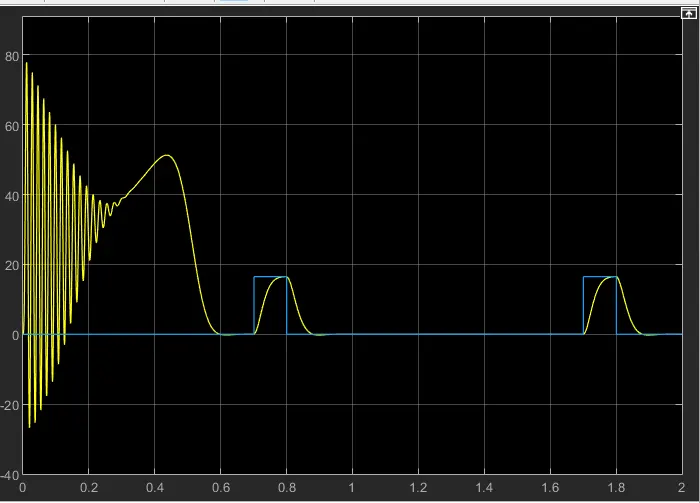
- Rotor speed
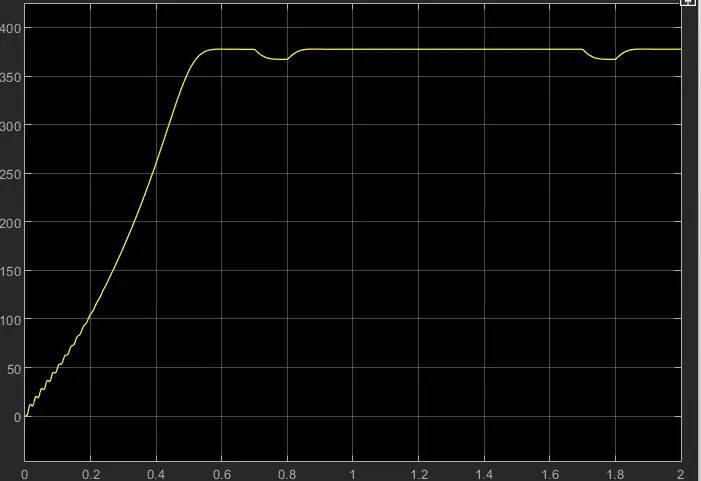
) To calculate start-up behaviour of the induction motor represented in the rotor reference frame the reference speed w is taken as wr.
- Vqs
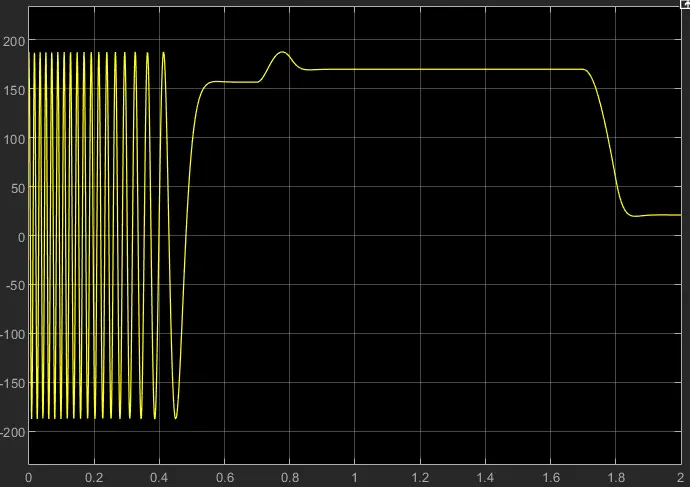
- Iqs
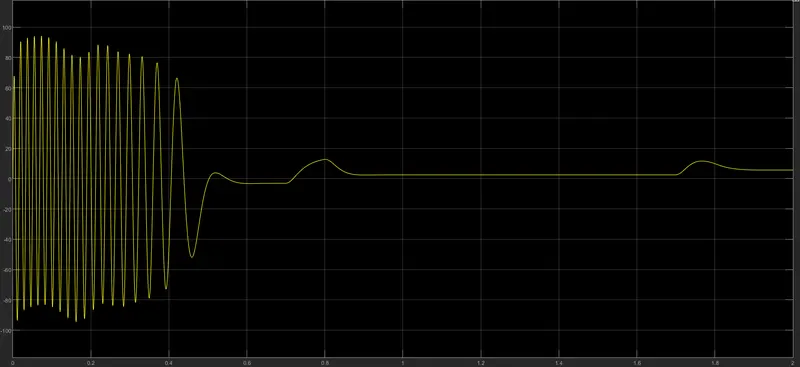
- Iqr
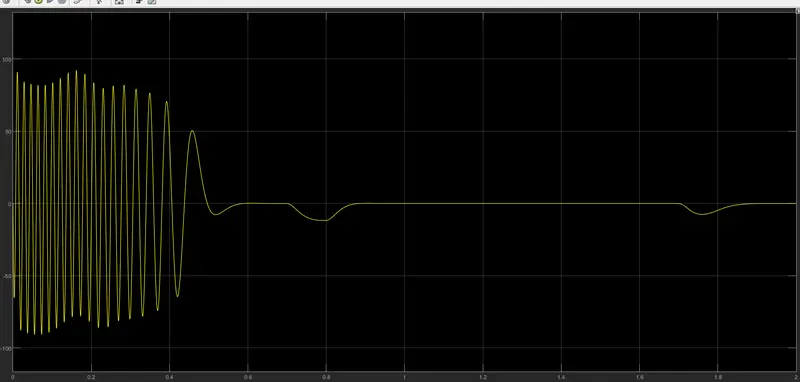
- Te & Tl
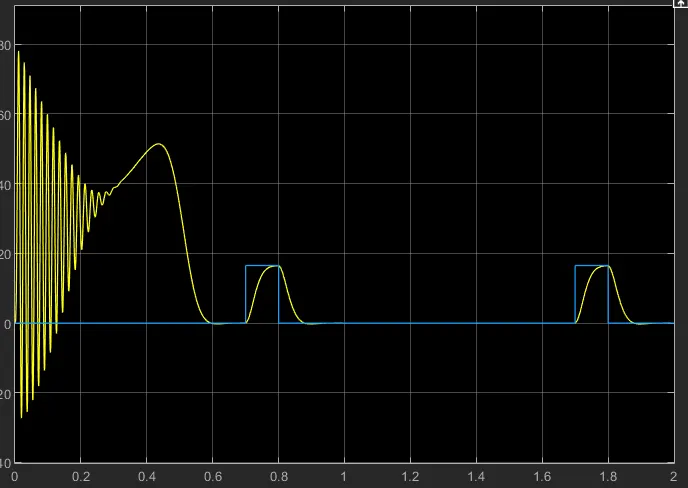
- Rotor speed
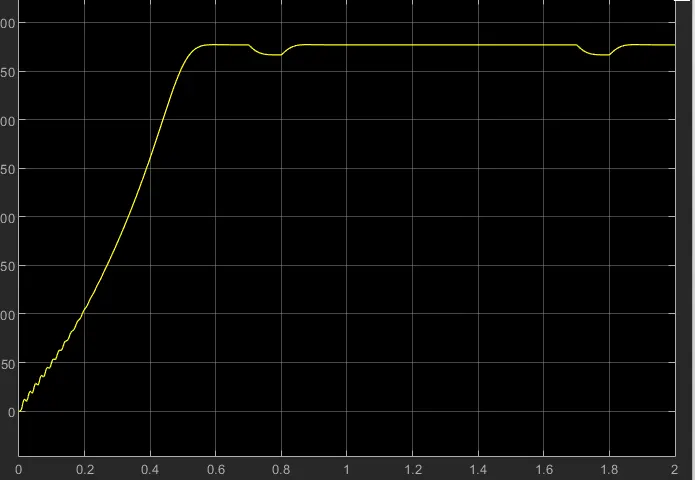
d) To calculate start-up behaviour of the induction motor represented in the rotor flux reference frame the reference speed w is taken as slip speed w(slip) = w(synch) - w(rotor).
- Vqs
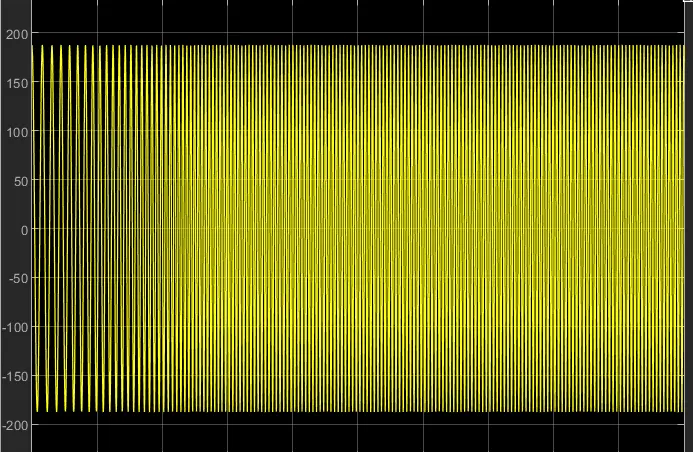
- Iqs
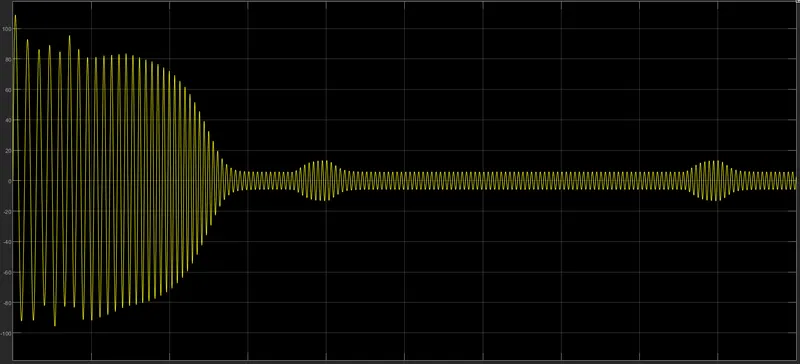
- Iqr
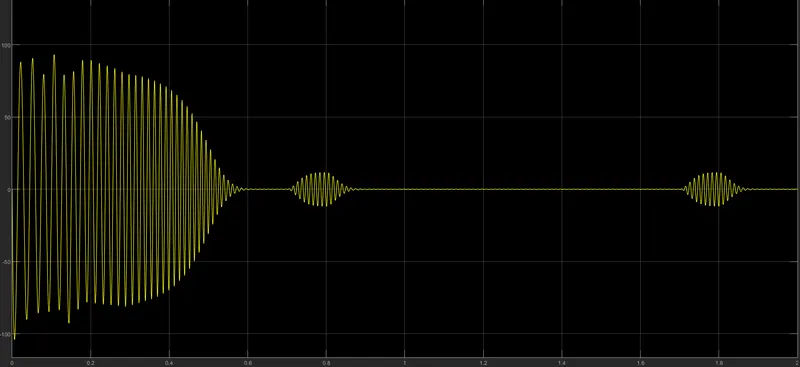
- Te & Tl
- Rotor speed
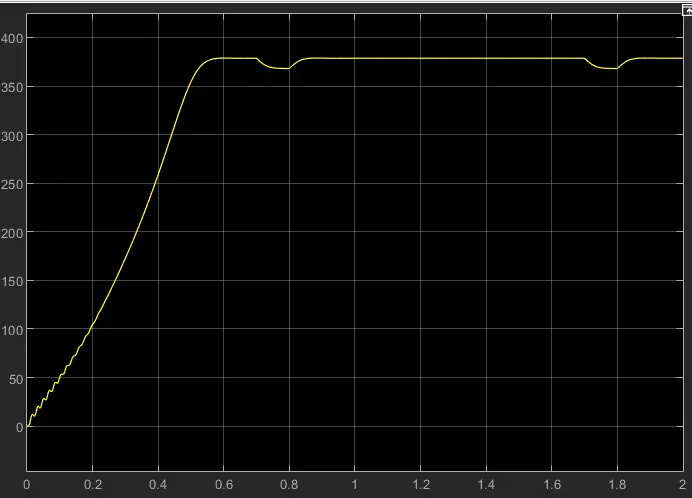
Above are the outputs for diefferent reference frames.
Result:
- The speed and torque slightly vaired with the different reference frames
- The speed decreased in order ROTOR FLUX>STATIONARY>SYNCHRONOUS>ROTOR reference frames
- Similarly torque increased in the same order as above.