Project 1
PROJECT PART A IS ATTACHED AS A FILE
PART B:-
The skull is a bony structure that supports the face and forms a protective cavity for the brain. It is comprised of many bones, which are formed by intramembranous ossification, and joined by sutures (fibrous joints).
The bones of the skull can be considered as two groups: those of the cranium (which consist of the cranial roof and cranial base) and those of the face.
In this article, we shall look at the anatomy of the bones of the skull – their orientation, articulations, and clinical relevance.
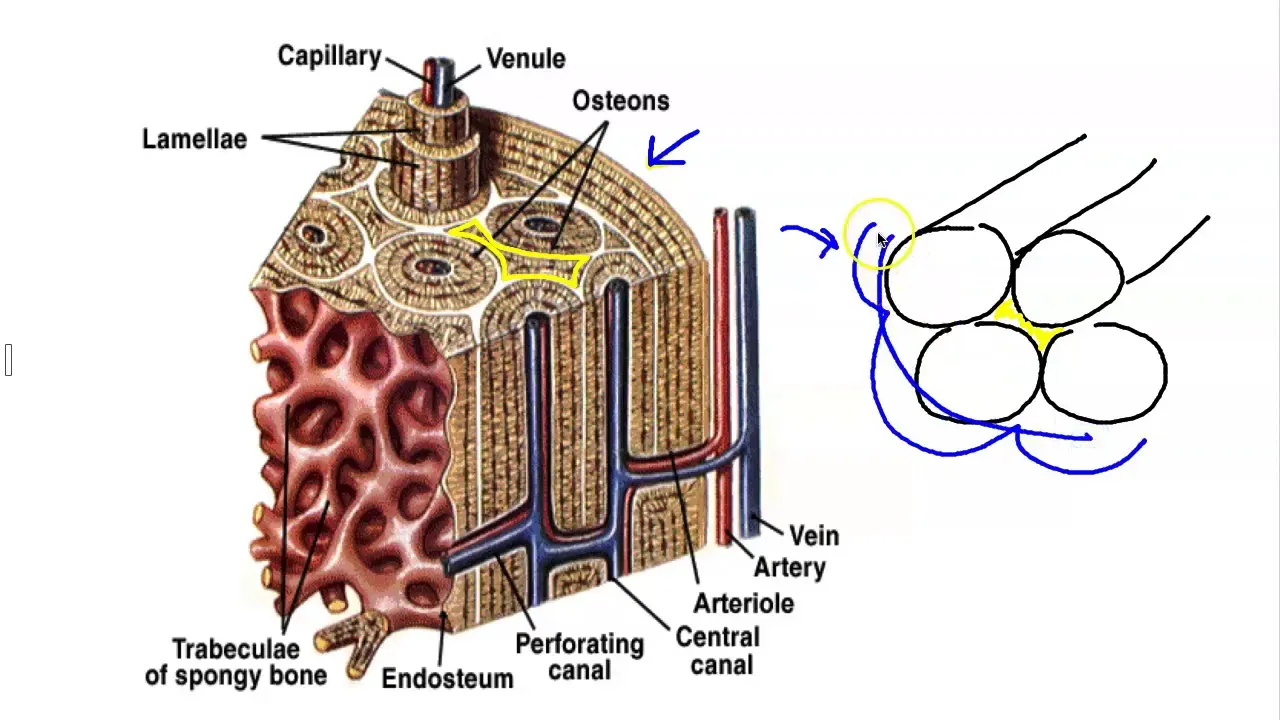
MICROSCPIC ANATOMY OF BONE
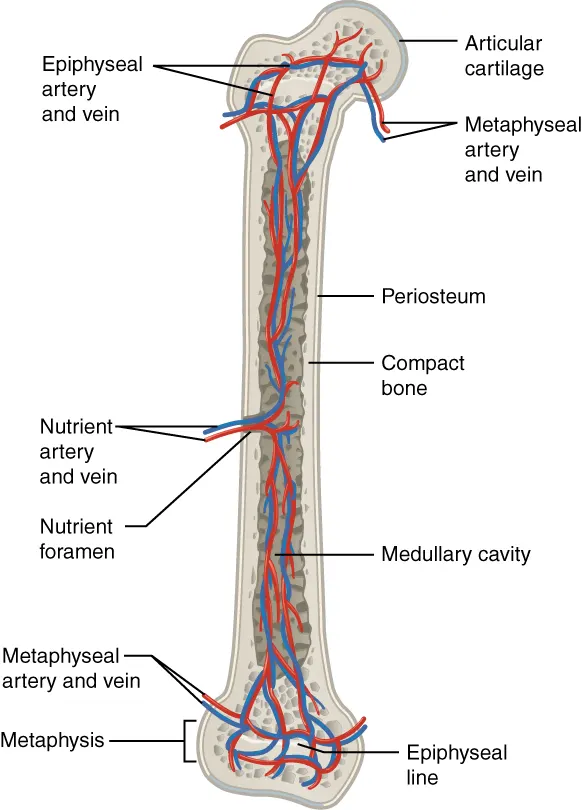
BLOOD SUPPLY OF BONE
bone remodeling, continuing process of synthesis and destruction that gives bone its mature structure and maintains normal calcium levels in the body. Destruction, or resorption, of bone by large cells called osteoclast releases calcium into the bloodstream to meet the body’s metabolic needs and simultaneously allows the bone—which is inhibited by its inorganic component from growing by cell divison like other tissues—to alter size and shape as it grows to adult proportions. While the osteoclasts resorb bone at various sites, other cells called osteoblast make new bone to maintain the skeletal structure. During childhood, bone formation outpaces destruction as growth proceeds. After skeletal maturity is reached, the two processes maintain an approximate balance.