Predicting the emission characteristics of W and OMEGA type piston in CAT 3410 Engine
AIM: To understand the emission characterization of CAT 3410 engine.
PROCEDURE:
A Diesel Engine is a fuel injection engine where the fuel is directly injected into the combustion chamber when the air is compressed so that the fuel ignites as soon as it comes in contact with high temperature air whic was previously compressed. Since we are just performing the compression and power stroke we are going with sector simulation since we do not deal with any incomming or outgoing fluids.
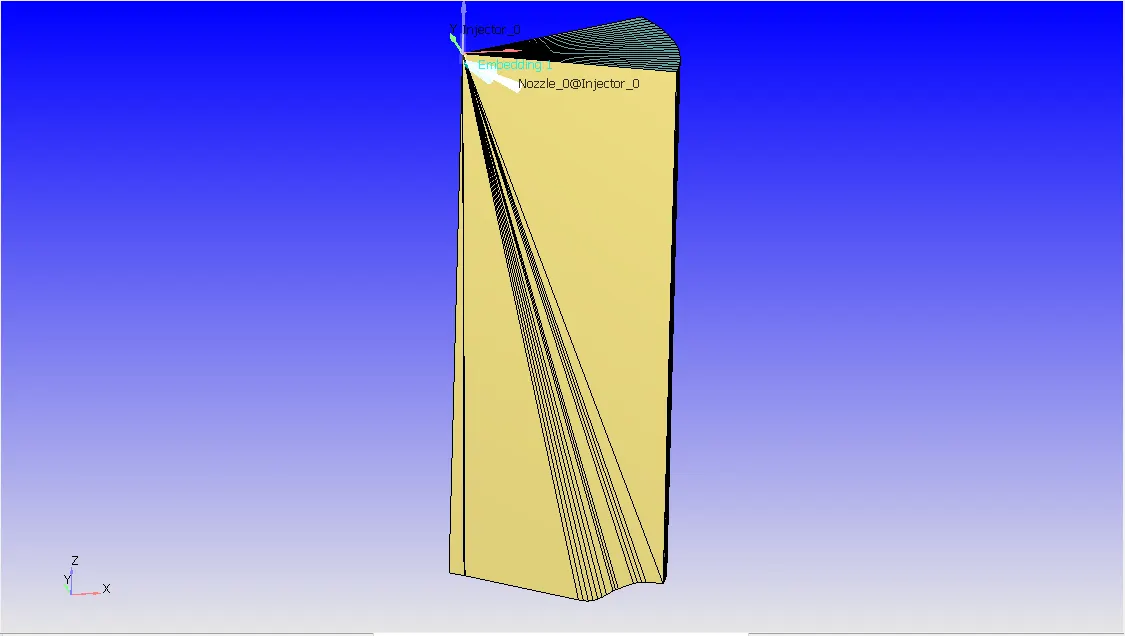
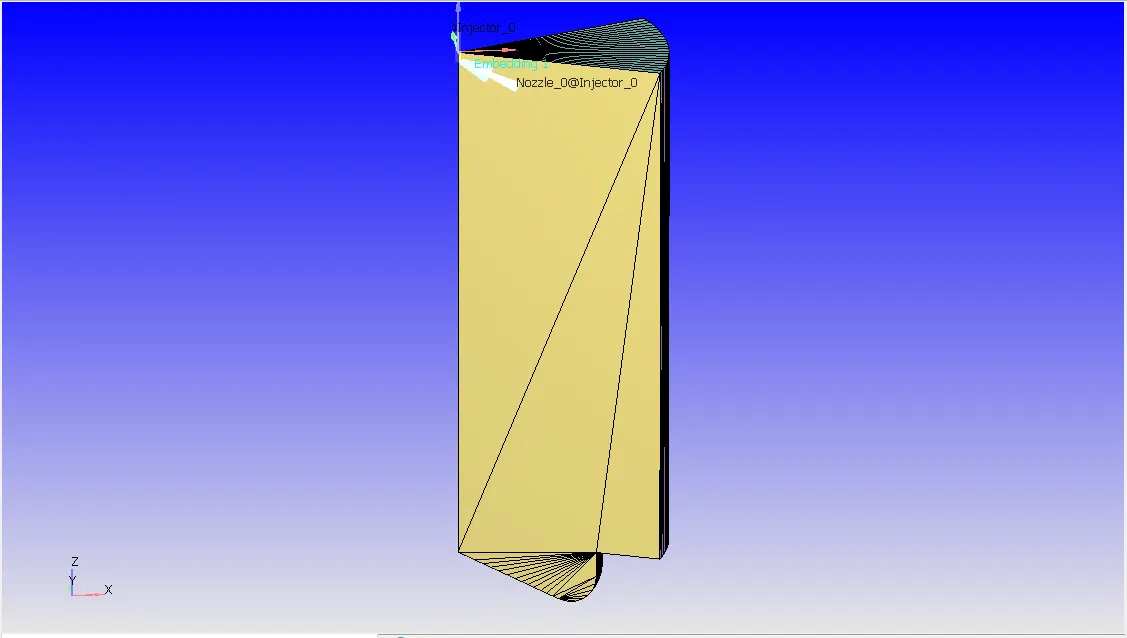
Here we are provided with the bowl profiles of two different types of pistons namely W-type and Omega-type. Both the pistons have to built using the bowl profile and a sector have to modelled by taking the sector angle of 45 deg, which is specified from boundary.in file.
A W-type sector
Bore: 0.13716 m
Stroke: 0.1651 m
Connecting rod: 0.263 m
Compression ratio: 17.5
An Omega-type sector
Bore: 0.13716 m
Stroke: 0.1651 m
Connecting rod: 0.263 m
Compression ratio: 17.5
The input file are provided prior which have to be imported for case setup process
Case setup:
1. Application type - Crank angle bsed IC engine application.
2. Materials:
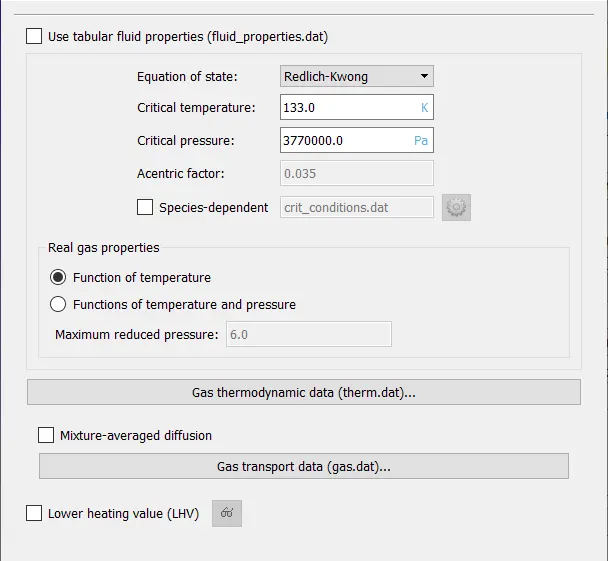
Gas Simulation -
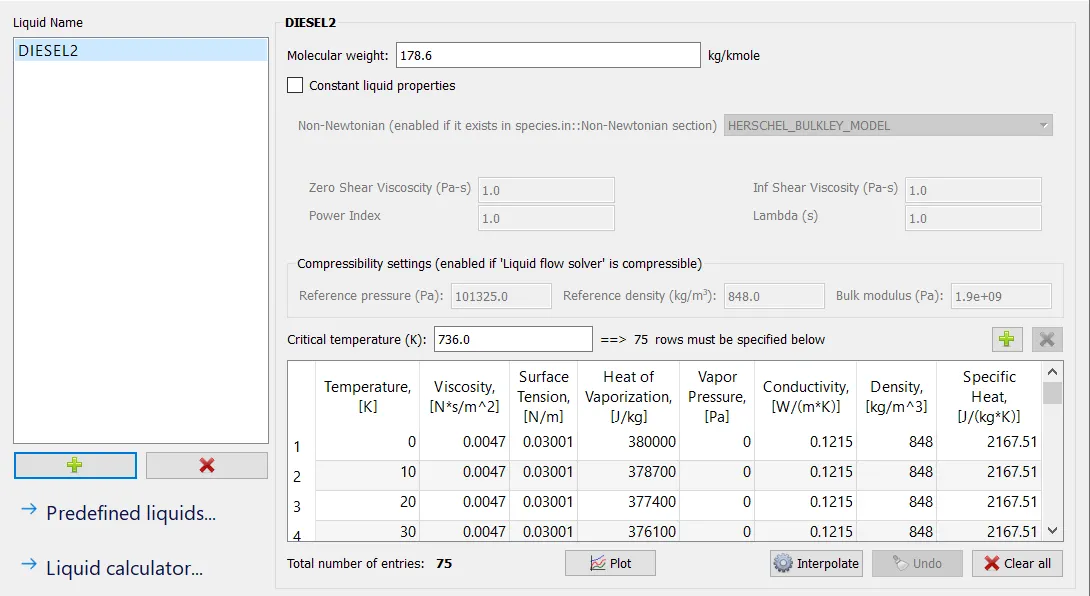
Parcel simulation -
Global transport parameters - default
Reaction mechanism -
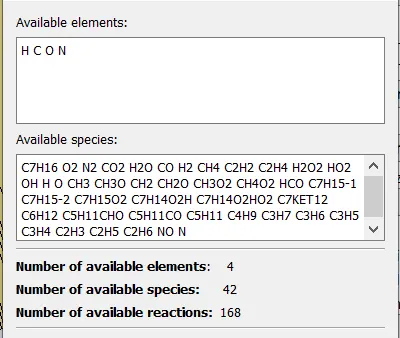
Species -
Parcel - DIESEL 2
Internal passive - HIROY_SOOT, NOX
3. Simulation Parameters:
Run parameters - solver: Transient - Simulation mode: Full hydrodynamaic.
Simulation time parameters -
Start time: -147 deg
End time: 135 deg
Initial time step: 5e-7 s
Min timme step: 1e-8 s
Max time step: 2.5e-5 s
Solver parameters - default
4. Boundary Conditions
Piston - type: wall - region: Incylinder region
Velocity - motion type: translating - surface movement: moving - Piston motion check.
Temperature - law of wall - 553K
Front face - type: Periodic - region: IN cylinder region
Periodic type: stationary - periodic shape: Rotational - Angle 45 deg.
Back face - type Periodic - region: In cylinder region
Periodic type: Matched Boundary
Matching Boundary: Front face
Cylinder wall - type:wall - region: in cylinder region
Velocity - motion type: translating - surface movement: Fixed
Temperature - law of wall - 433K
Cylinder head - type:wall - region: in cylinder region
Velocity - motion type: translating - surface movement: Fixed
Temperature - law of wall - 523K
5. Initial Conditions and Events
Regions and initializations -
In cylinder region -
Temperature: 355 K
Pressure: 197000 Pa
Species: CO2(0.0014304), H2O(0.0006296), N2(0.76765), O2(0.23029).
Passive: HIROY_SOOT(0), NOX(0).
6. Physical Models:
Spray modeling -
General - Turbulent dispersion: O'Rourke model
Use evaporation model - species: C7H16
Injectors - add an injector and click on edit
Injected species - Diesel 2
Models - Kelvin-Helmholtz model, Rayleigh-Taylor model, Discharge coefficient model.
Time/temp/tke/eps/mass/size - Injection temporial type: cyclic
cyclic period: 720 deg
start of injection: -9 deg
Injection duration: 21 deg
Mass: 2.70167e-5kg
Nozzles - create a nozzle
Radial position: 0.00097 m
Axial position: 0m
Tilt angle in xz plane 62.5 deg.
Spray Modelling is used for fuel injection into the chamber in the case if diesel engine. A spray model is a combination of Eulerian and Lagrangian type, where initially it is eulerian flow and later it gets converted into parcels which are fuel parcels where we use lagrangian approach. We use a solid cone spray method for our case.
Combustion modeling - model: SAGE
General: Fuel - C7H16
Temporal output - sequential
stary time - -10 deg
end time - 135 deg
SAGE is a most commonly and highly powerful chemistry solver for IC engine applications.
Emissions modeling -
Therml NOx model - equilibrium assumption
Hiroyasu-NSC soot model -
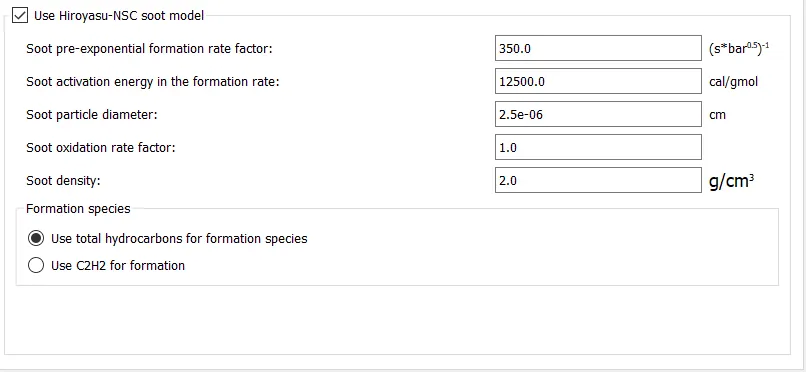
Turbulence modeling - RNG k-e
7. Grid Control:
Base grid - 0.004m
Adaptive Mesh Refinement - Active region: In cylinder region
Velocity - SGC: 2m/s if parcel count exceeds 50.
Temp - SGC: 5k with start of -12 deg and end at 180 deg.
Fixed embedding -
1. type - nozzle
mode: sequential
scale: 2
start time: -12 deg
end time 15 deg
ID: injector 0
radius 1: 0.001m - radius 2: 0.003
length: 0.01m
2. type - Boundary
ID: Piston
mode: sequential
scale: 1
start time: -20 deg
end time: 180 deg
3. type - Boundary
ID: cylinder head
mode: sequential
scale: 1
start time: -20 deg
end time: 180 deg
end of case setup
RESULTS:
Mesh:
W_type link: https://youtu.be/JrSWezo46jI
Omega_type link: https://youtu.be/sMcK16r_OHE
Cell count:
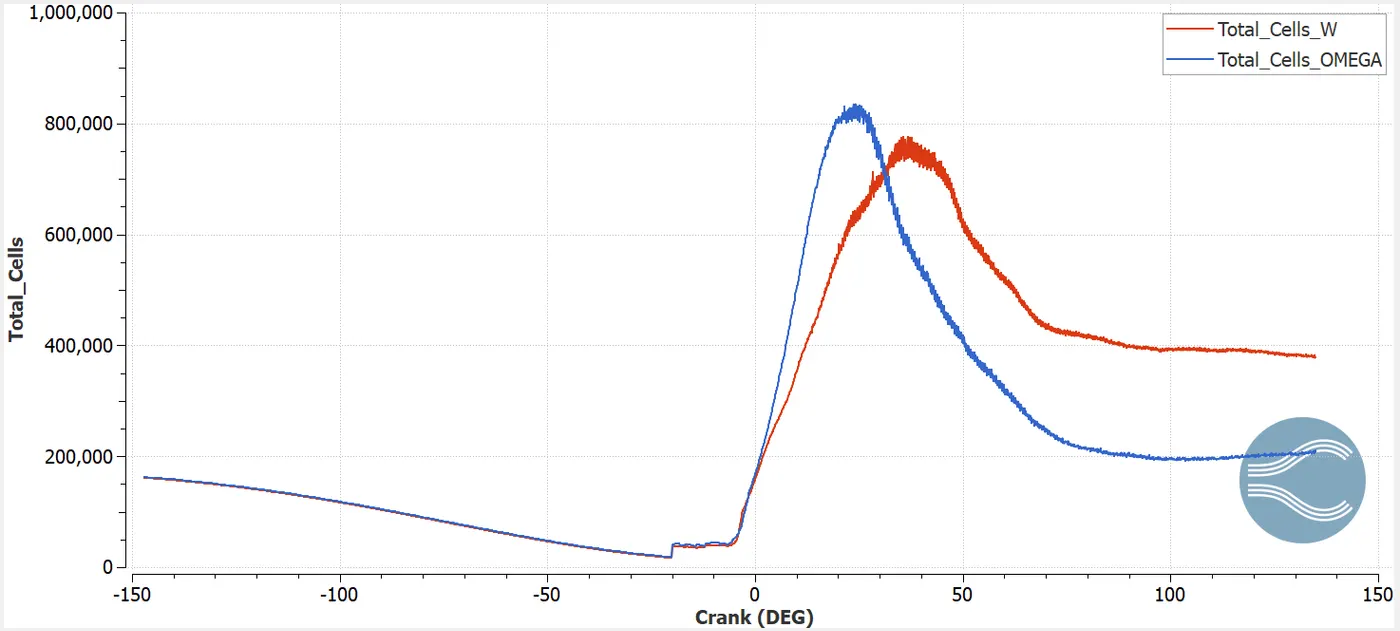
Here we can see that omega piston has a rapid rise in cell count which depicts that the AMR which we have used made the cell count to rise due to high change in velocity and temperature values with time. At the end of the cycle we observe that W type piston setup has more enumber of cells.
Pressure:
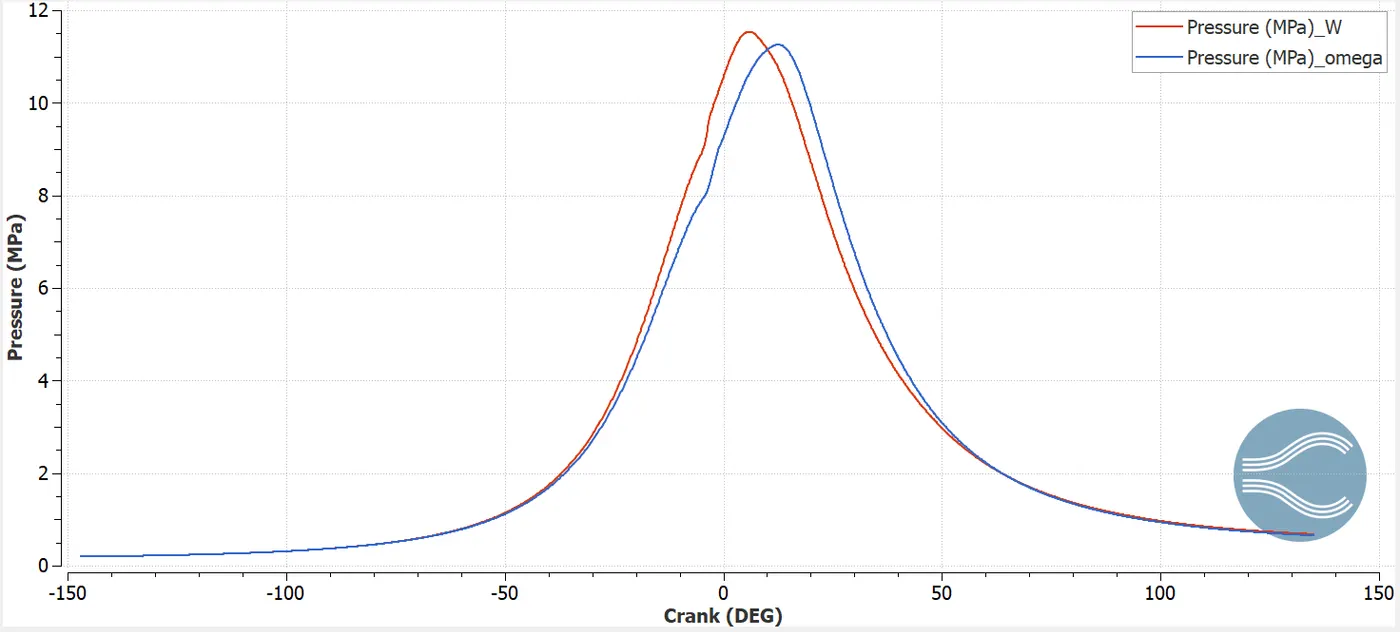
The pressure plot provides us with the information that the W type piston has high pressure which means the volume that is compressed is higher than in the case of omega type which is increasing the pressure with combustion.
W_type link: https://youtu.be/ZycD0ZBHW5I
Omega_type link: https://youtu.be/i3AmF5ezwfw
Temperature:
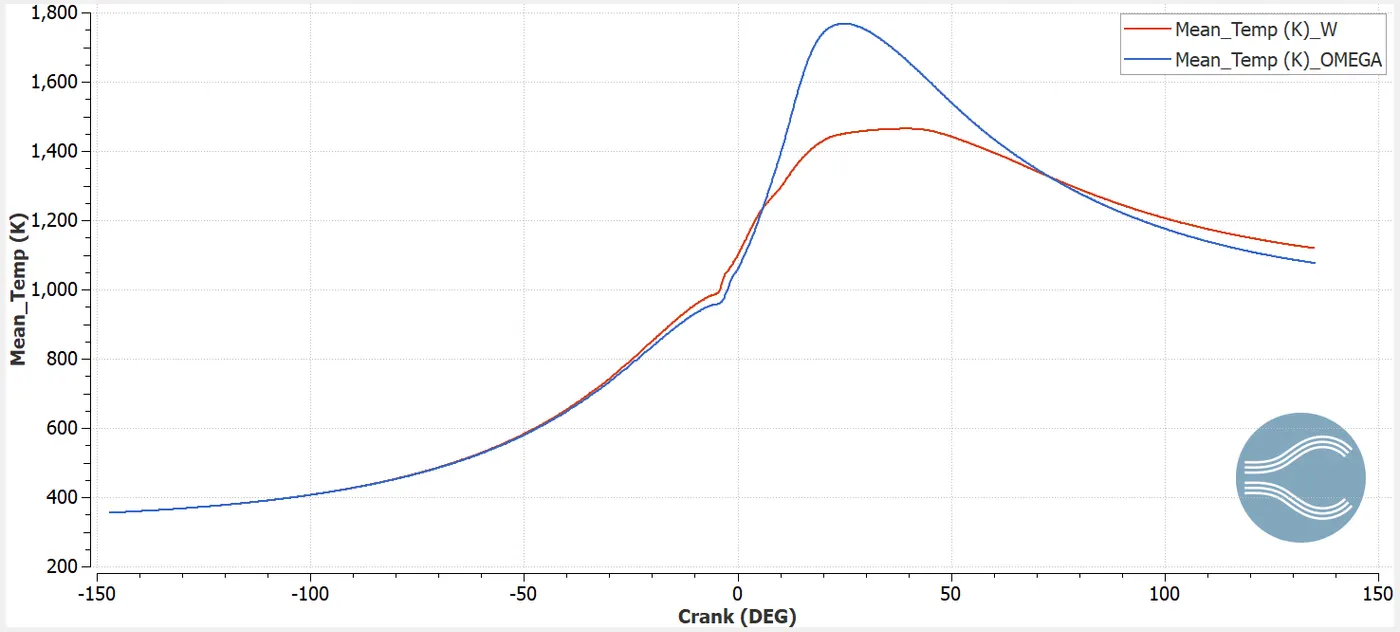
The temperature reached by the Omega type is higher which means the combustion is also higher but we cannot say that W type is properly cumbusting the fuel properly. There can also be a case where the Omega is unnecessarily producing high temperature which is nit required which can damage piston as well.
W_type link: https://youtu.be/5r4UV8t1oU0
Omega_type link: https://youtu.be/JJv18xhYtiI
Heat release:
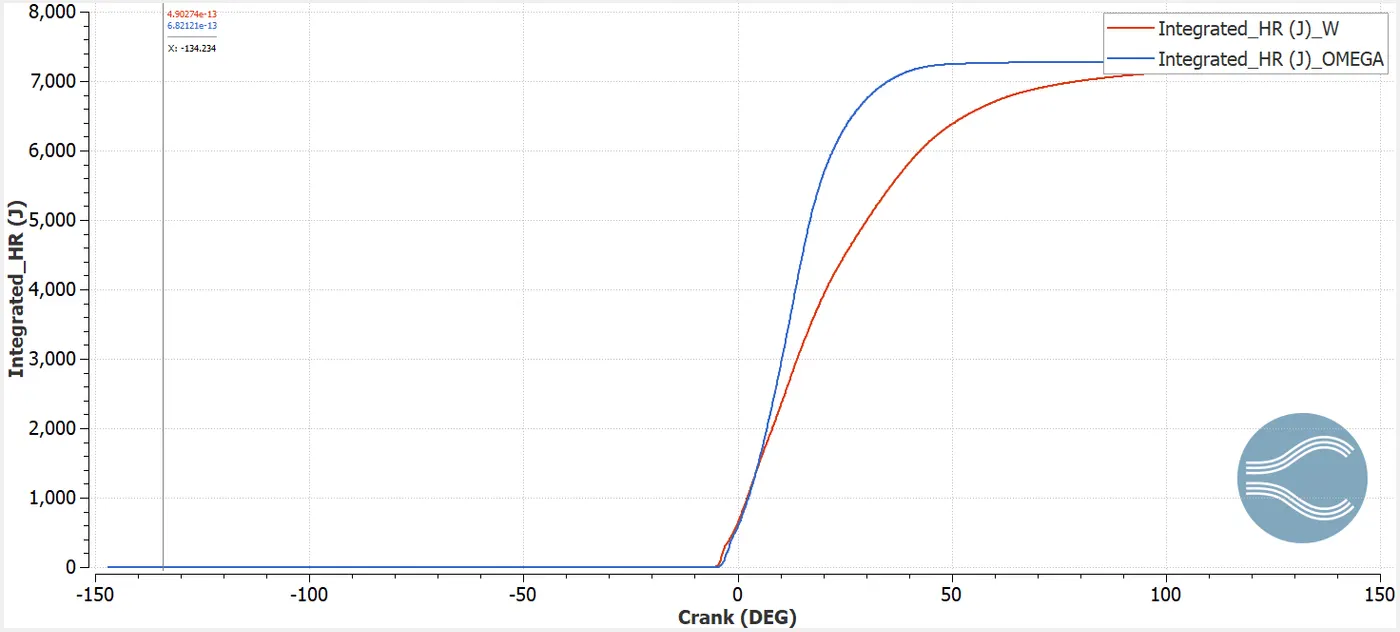
The rate heat release is way fast in the case of Omega while the W type is rising slowly and at a steady state.
NOx
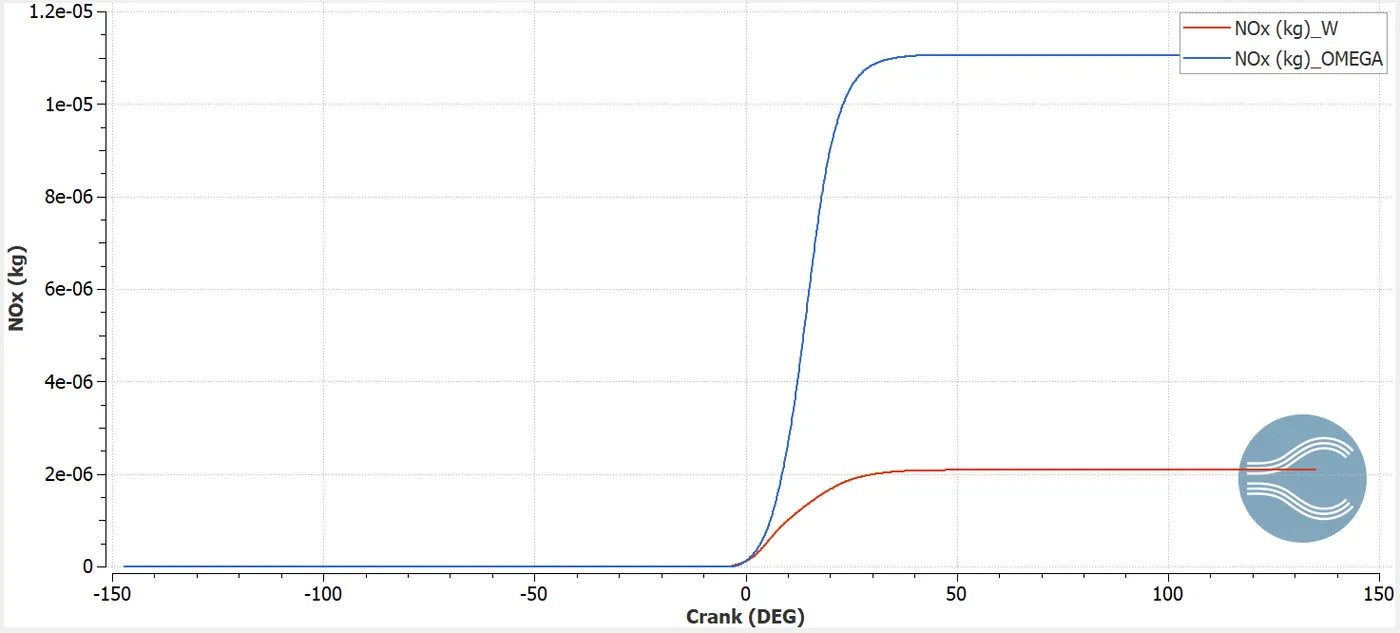
This clearly says the reason behind low NOx in W type which concludes that their is an improper combustion which might be due to the fuel impingment on the piston surface which is reducing the atomization of the fuel.
W_type link: https://youtu.be/nNoqtoH9jDI
Omega_type link: https://youtu.be/xjsAhxVGaR8
soot
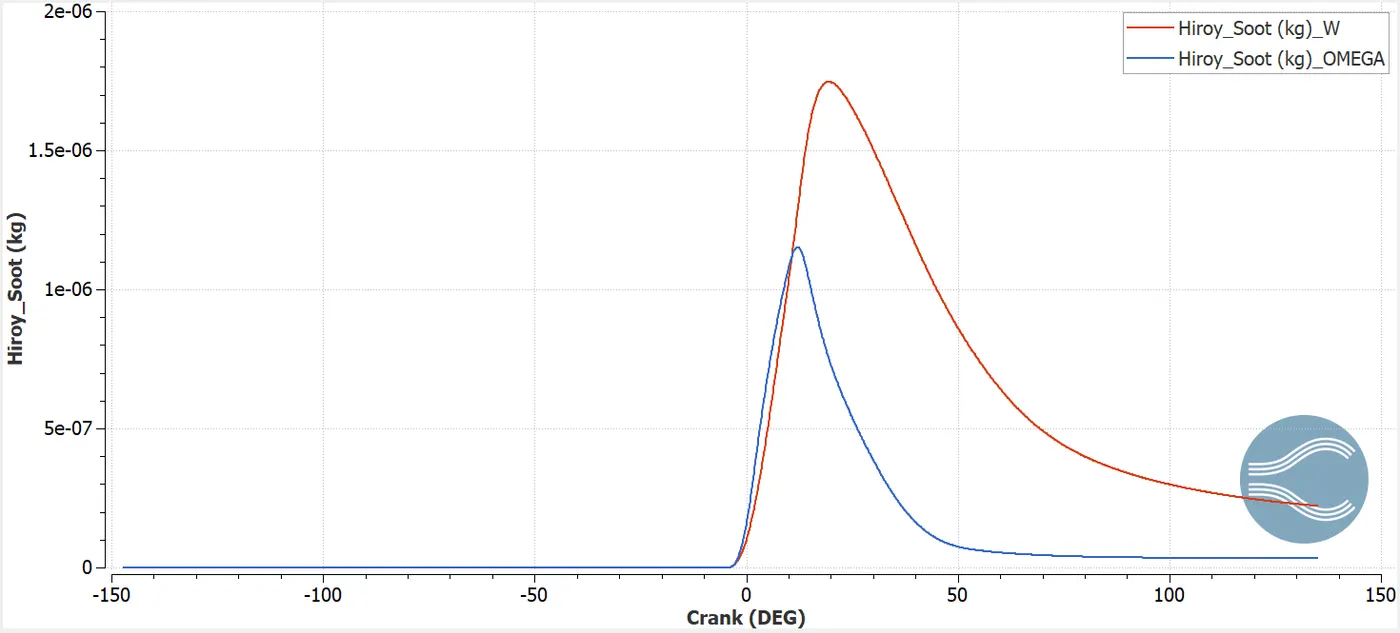
The higher amount of soot in W type is also because of improper combustion and irregular atomization which is due to the fuel spray on the piston surfave.
W_type link: https://youtu.be/TnbhFQnflxg
Omega_type link: https://youtu.be/nAW_C5kRUOM
Unburnt hydro carbons
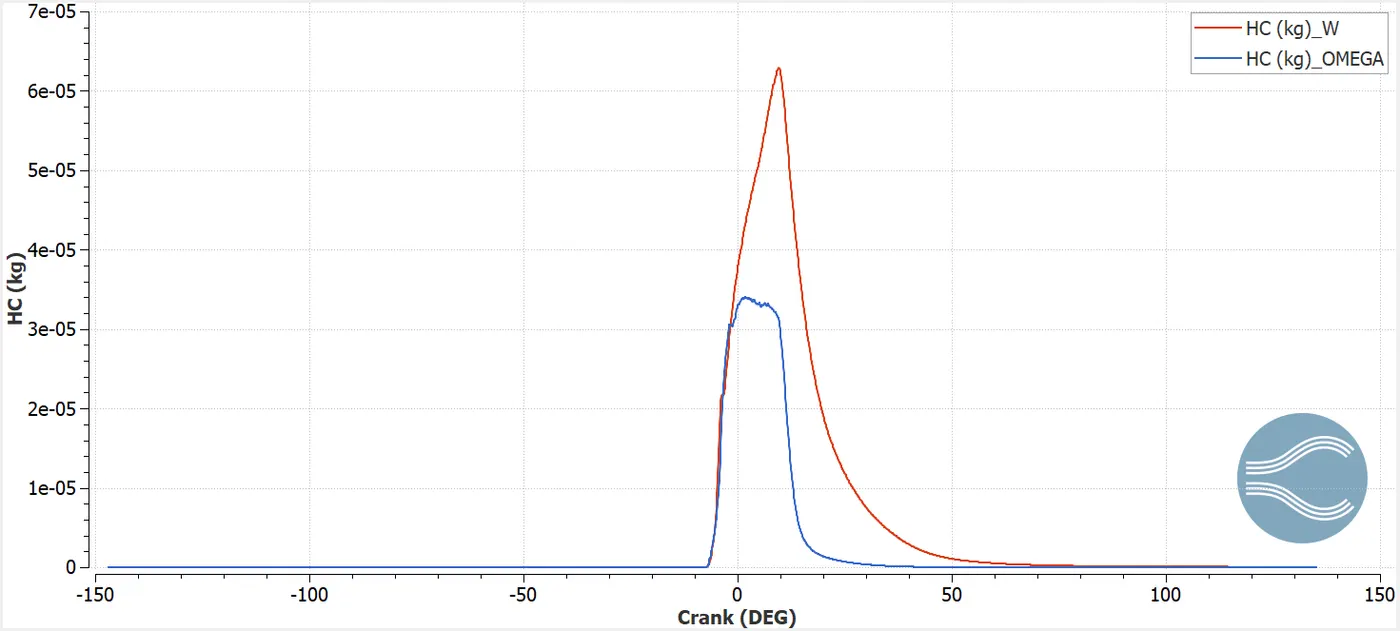
The same concept of fuel residual due to irregular atomization states that fuel is not properly burnt in W type leading to higher unburnt hydro carbons.
W_type link: https://youtu.be/archWtv1YP0
Omega_type link: https://youtu.be/jHiTBLDXi9o
Carbon monoxide
W_type link: https://youtu.be/vANw-XEQ1Ug
Omega_type link: https://youtu.be/WH0RuKIh2GU
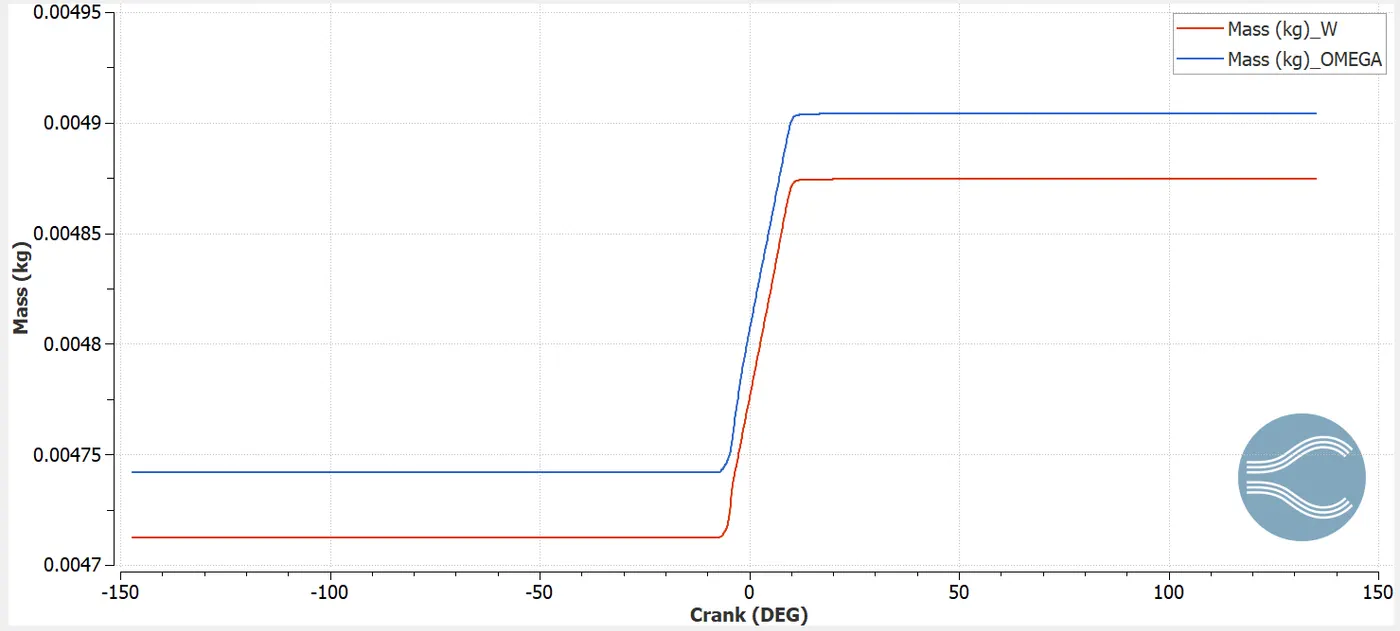
Mass
PV diagram
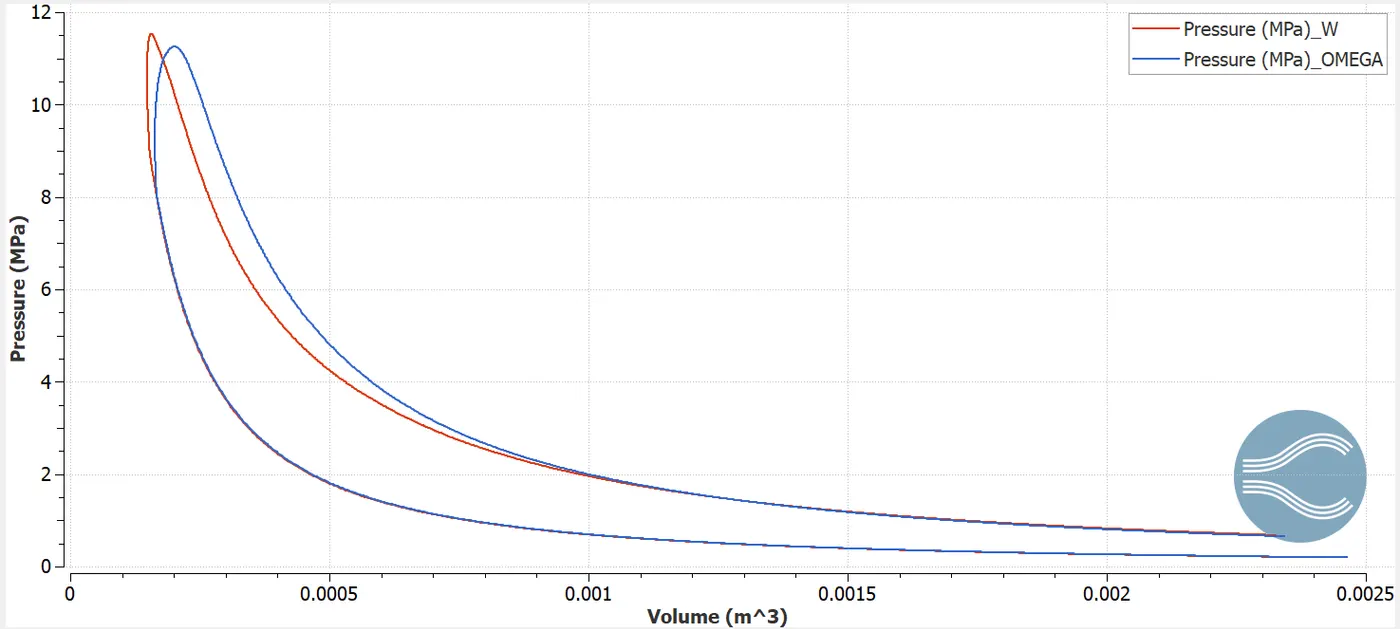
Performace parameters like power and torque can be calculated from engine performace parameters.
W_Type

Work = 3028.53 Nm
Time Duration = 270.156 deg
Time in sec = 270.156 * (60/(360*1600)) = 0.028141 sec/deg
Power = work/time
=> Power = 107619.84 W
Power = 2*pi*N*T/60
=> Torque = Power*60/(2*pi*N)
=> Torque = 642.634 Nm
Omega Type:

Work = 3409.28 Nm
Time duration = 270.171 deg
Time in sec = 0.02814281 s
Power = Work/Time
=> Power = 121142.131 W
Power = 2*pi*N*T/60
=> Torque = Power*60/(2*pi*N)
=> Torque = 723.38 Nm
From the above calculation we can see that the power and torque for the omega type is higher.
CONCLUSION:
From the above simulation we can clearly conclude that omega piston is highly relaiable due to less emission and high performance when compared to W type piston. The main drawback of the W piston is that the fuel is directly injected onto the piston surface which is reducing the atomization due to incorrect injector angle. The angle of spray has to be change inbetween 55 and 65 which can reduce the pollutants atleast.