Hood design-Week 2
AIM : to design components of the hood/bonnet of a car and assemble them together.
INTRODUCTION :
Designing of the model is carried out in Siemens NX-12 here.
IT help understand about the hood of a car, explain sheet metal operations are commonly used in designing and take you to the step by step procedure of designing hood components like
# inner panel
#outer panel
#reinforcements and setting the trajectory of striker.
HOOD : The hood (North American English) or bonnet (Commonwealth English) is the hinged cover over the engine of motor vehicles. Hoods can open to allow access to the engine compartment, or trunk on rear-engine and some mid-engine vehicles for maintenance and repair.
Styles and materials
On front-engined cars, the hood may be hinged at either the front or the rear edge, or in earlier models (e.g. the Ford Model T) it may be split into two sections, one each side, each hinged along the centre line. A further variant combines the bonnet and wheelarches into one section and allows the entire front bodywork to tilt forwards around a pivot near the front of the vehicle (e.g. that of the Triumph Herald).
Hoods are typically made out of the same material as the rest of the body work. This may include steel, aluminum, fiberglass or carbon fiber. However, some aftermarket companies produce replacements for steel hoods in fiberglass or carbon fiber to make the vehicle lighter.
Hood opening support
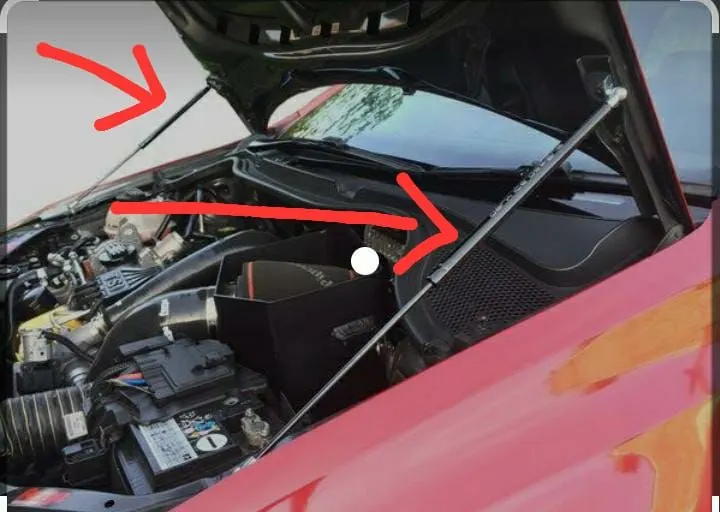
Gas Stay : It is used to open the car hood by just providing little lift force. A small effort is all it needs and other work is done by gas pressure. It is normlly found in high-end cars where the mass of hood is more than normal.
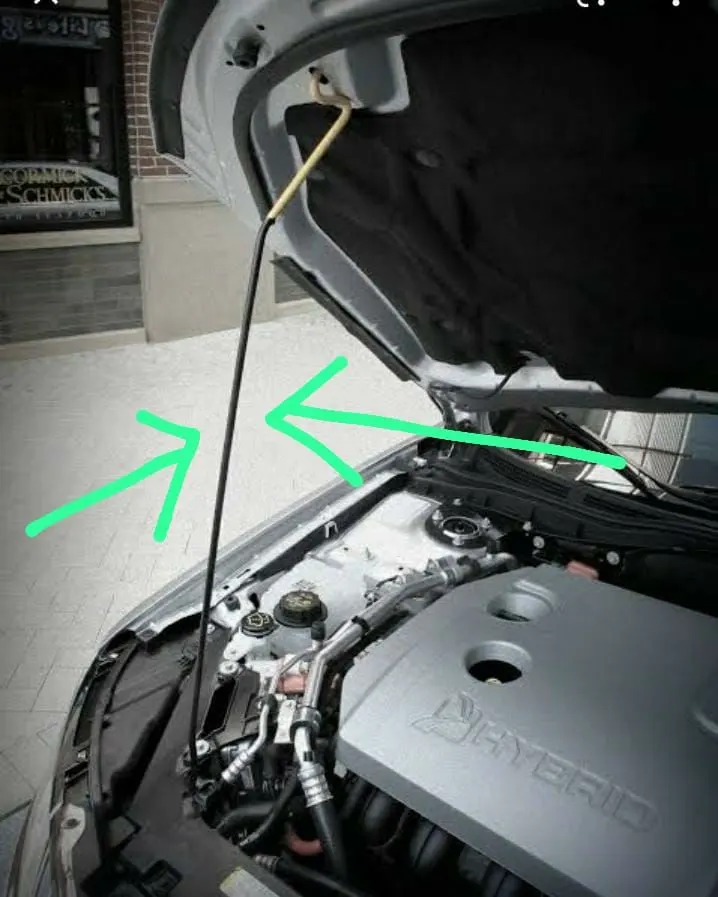
Support Rod :it must be firmly secured to ensure that it provides a stable hold on the hood. Meanwhile, when not in use, it must be kept stable in place and must not move around. This clip clamps onto the rod and ensures that it is firm in its place when not in use. It keeps the rod from moving around under the hood and from causing trouble. The hood rod clip is the part assigned with that function
Sheet Metal Operations :
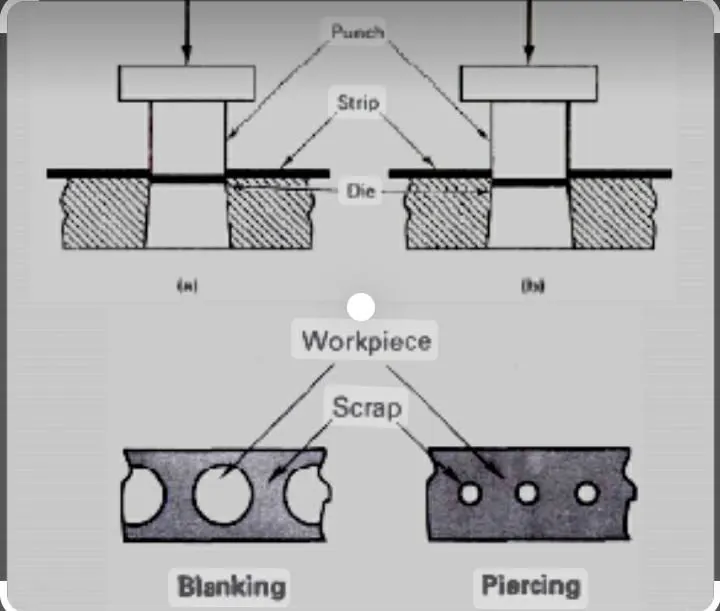
Piercing , Punching And Blanking
Piercing is used to create holes in raw metal by piercing it with a tool. Punching uses a machine to create metal objects in specific shapes using a die. Finally, blanking is machining process that's used to create small pieces of metal.
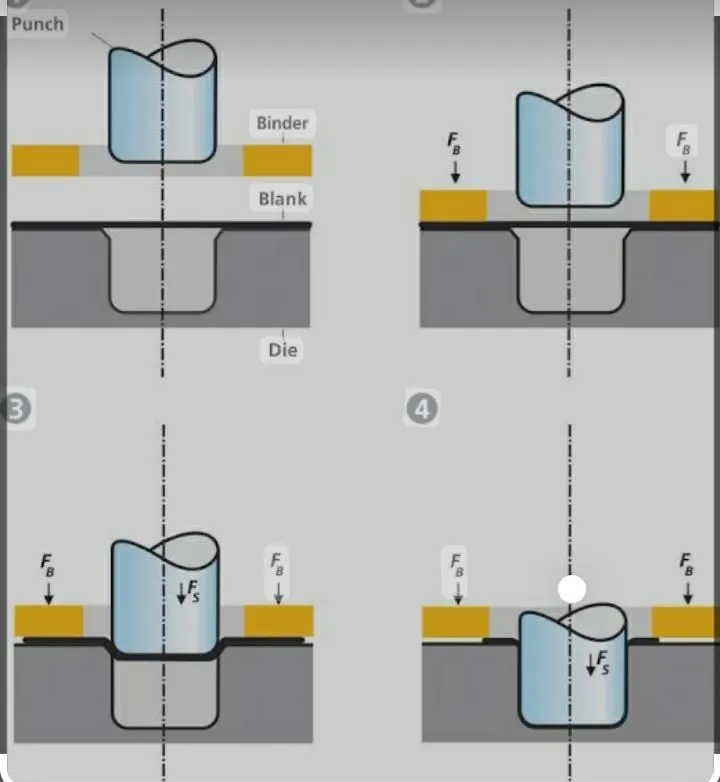
Deep Drawing :
Deep drawing is one of the most widely used processes in sheet metal forming. Apart from its use in many other sectors, it is applied in the automotive industry for the manufacturing of car body parts.
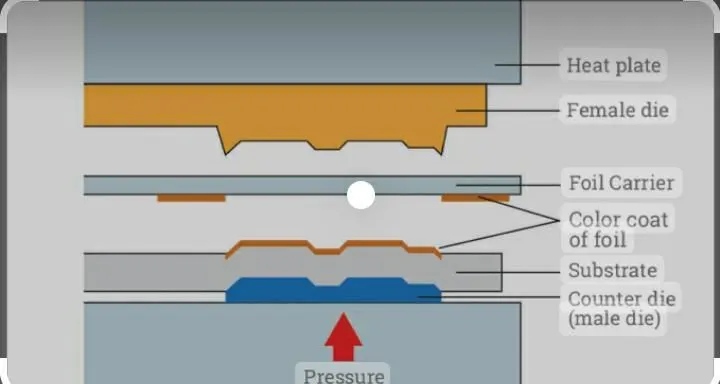
Embossing : Sheet metal embossing is a stamping process for producing raised or sunken designs or relief in sheet metal. This process can be made by means of matched male and female roller dies, or by passing sheet or a strip of metal between rolls of the desired pattern.
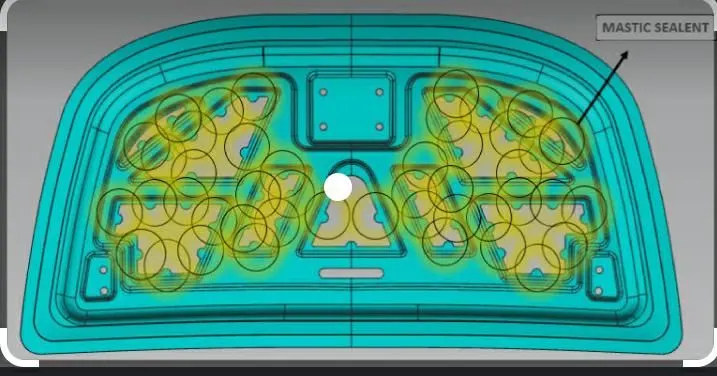
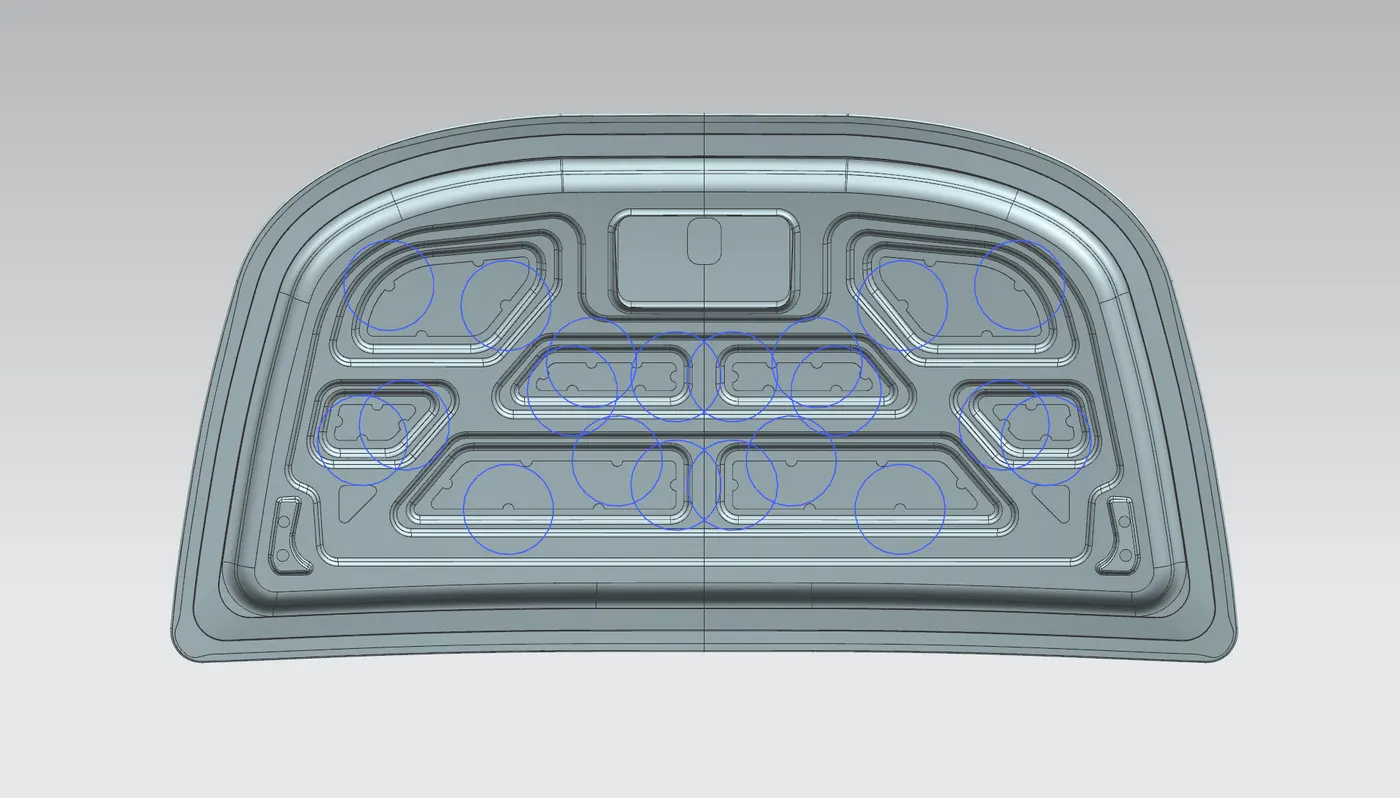
Mastic Points : These are the spots where the inner panel and the outer panel of hood are joined or can say sealed together using a mastic glue. To fix the outer panel, if process like bolting, riveting or welding is used, it will lose all its aesthetics. So, mastic sealant is used which is elastic compound and acts like rubber. It is placed between both the panels. Initially it is in paste form and after hot furnace bath it gets solidify and gives strength to the panels together. One spot normally has influence over diameter of 80 mm.
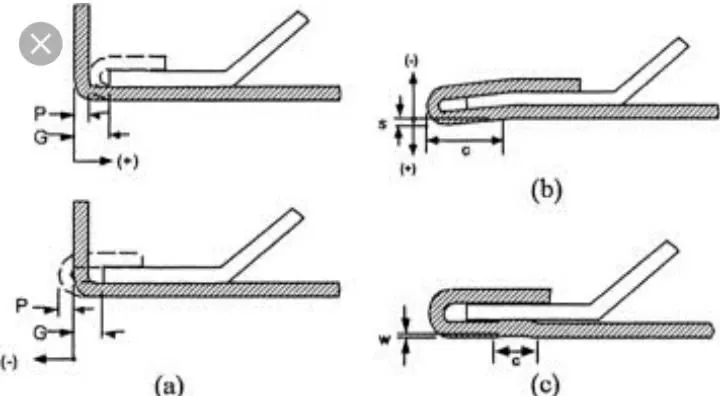
Hemming : Hemming is a forming operation in which the edges of the sheet are folded or folded over another part in order to achieve a tight fit. Normally hemming operations are used to connect parts together, to improve the appearance of a part and to reinforce part edges.
Parts of a Hood/Bonnet :
- Hood Outer Panel
- Hood Inner Panel
- Hinge Assembly
- Latch & Striker
Data to be used:
- Outer Panel Thickness = 0.75mm
- Inner panel thickness:- 0.75mm
- Reinforcement thickness:- 1.5mm
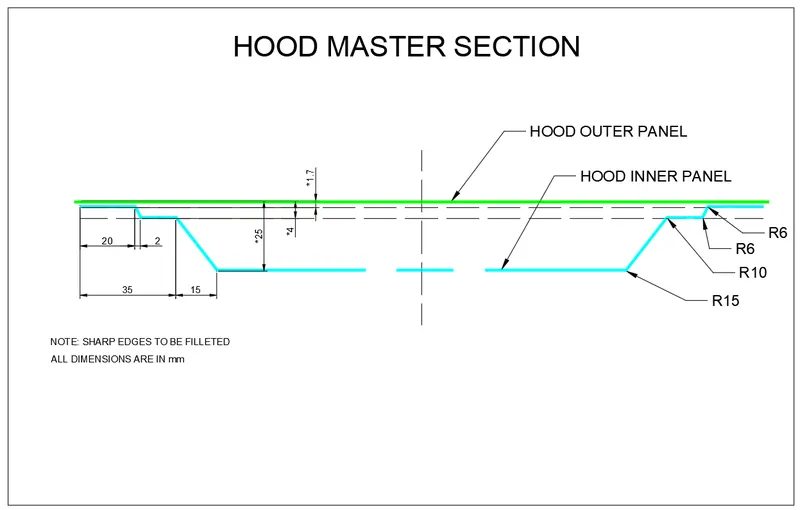
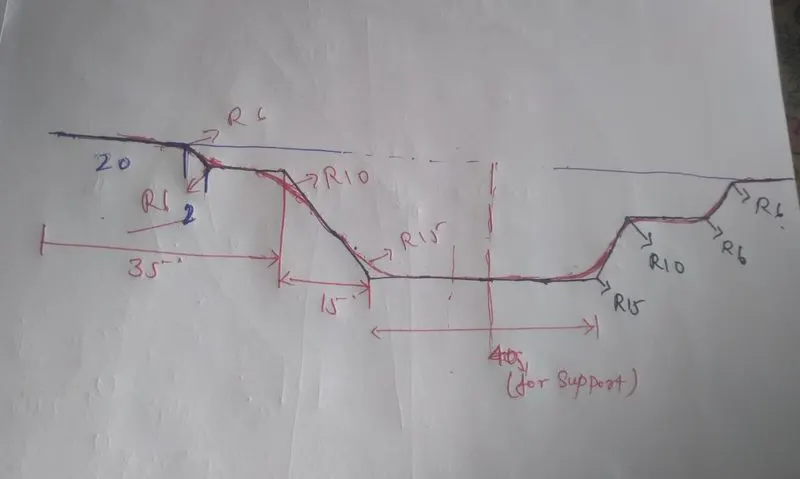
DESIGN:-
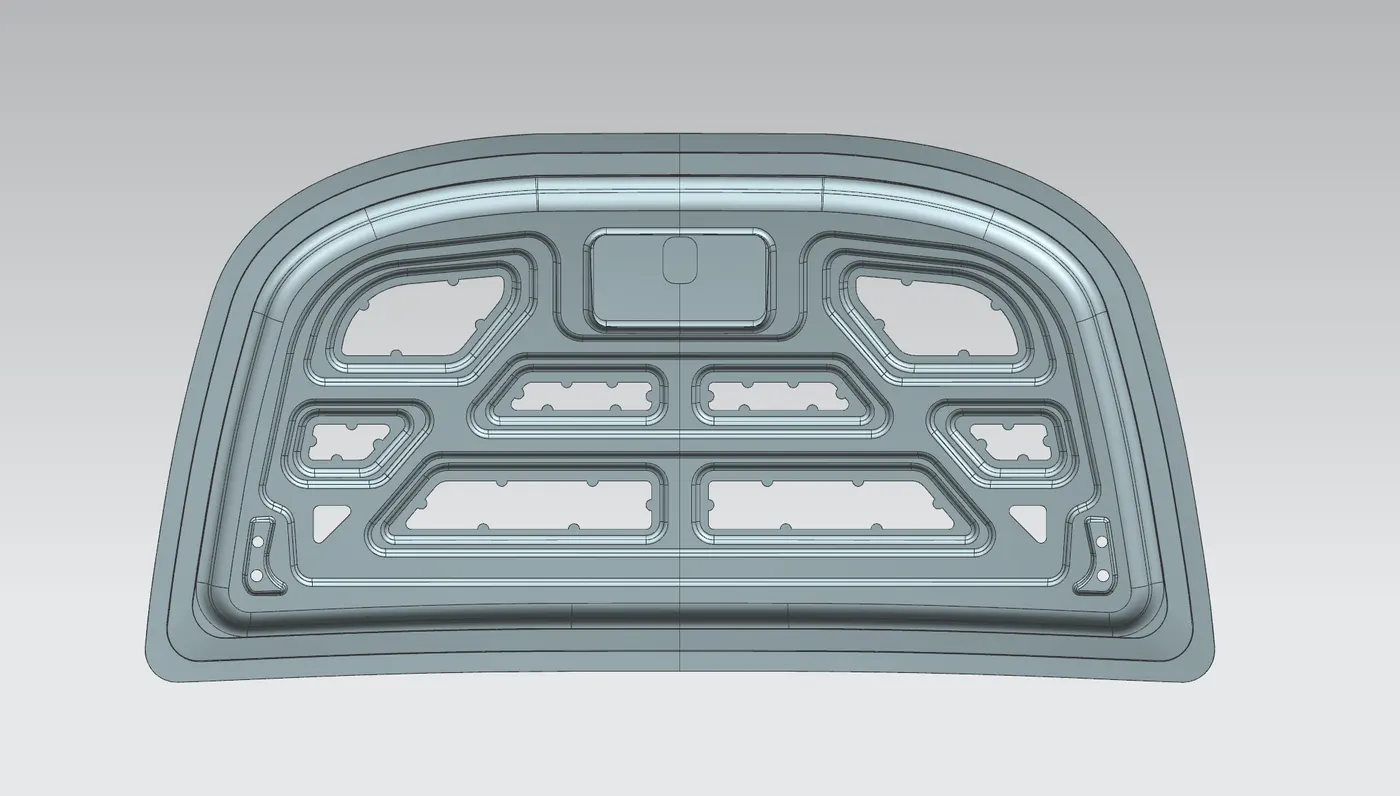
Inner panel:
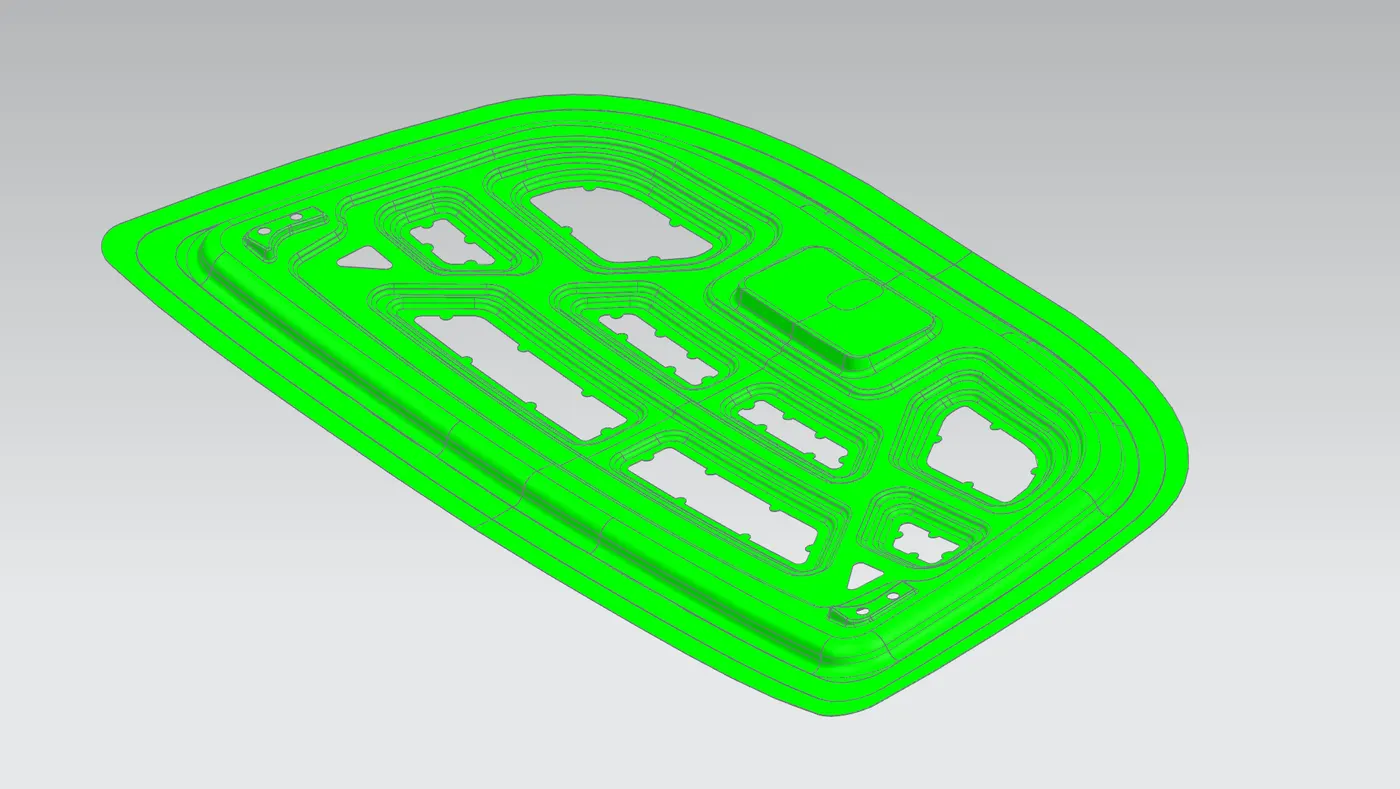
The inner panel supports the outer panel. it consists of embosses & holes. Embosses provide stiffness as well as it dissipates energy towards reinforcement.
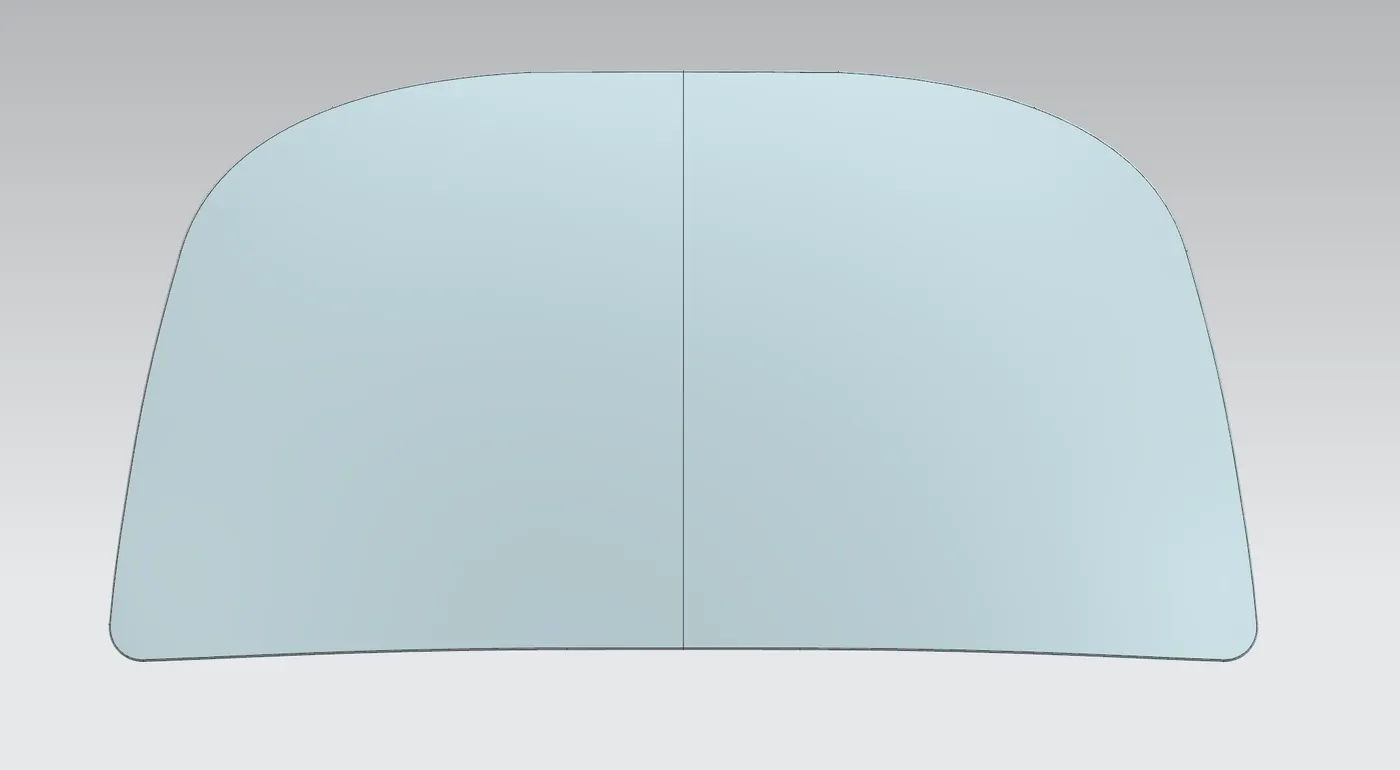
Outer panel:-
Outer panel is nothing but a outside cover for engine and its a used to make a car looks good.
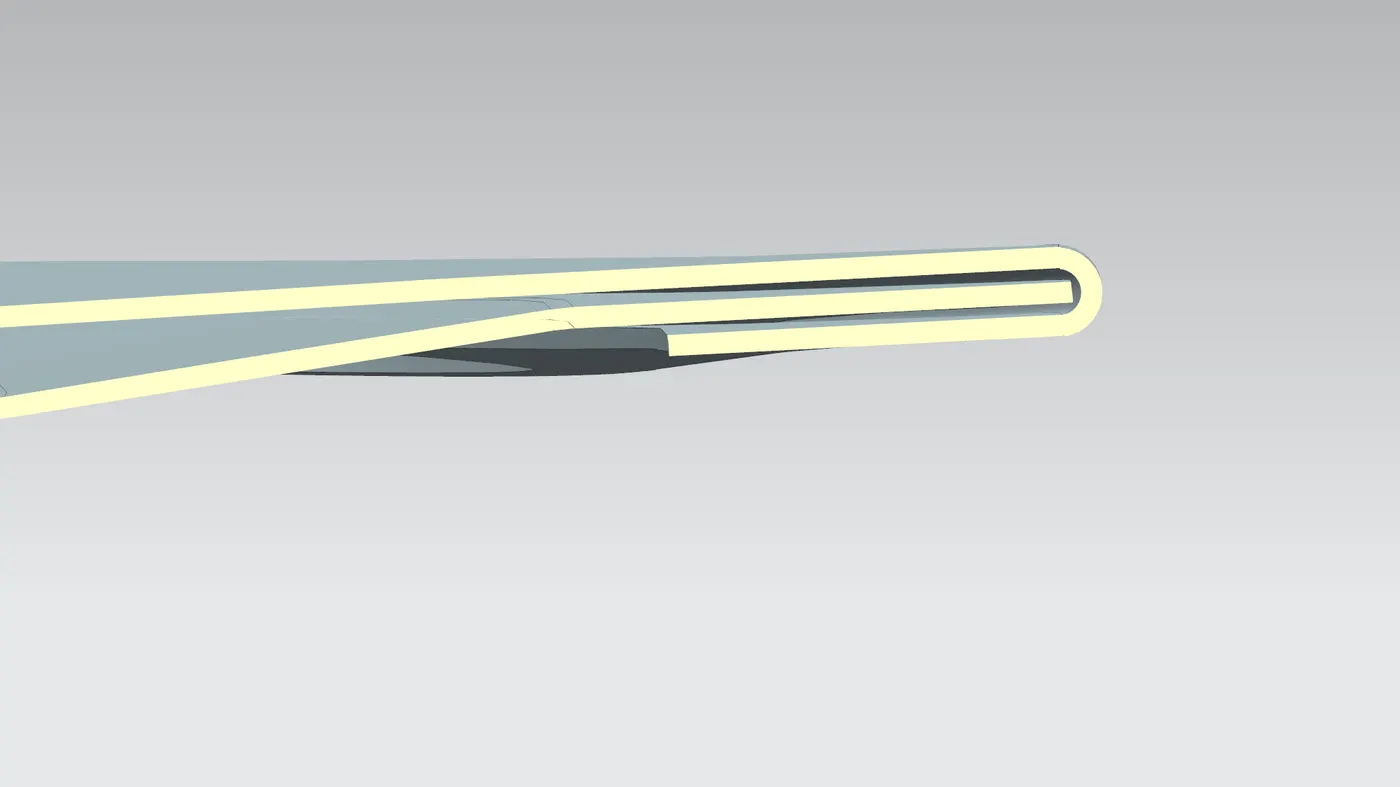
Hemming:-
- The outer panel & Inner panel can't join by any welding process if we did it will leave a spot on the outer panel and it will spoil the look of a car. so, to join inner and outer closure panels together we use the Hemming process.
- It is the process of bending/folding the flange of the outer panel over the inner one.
- The flange of the outer panel is bent over the inner panel in progressive steps by means of the roller hemming head.
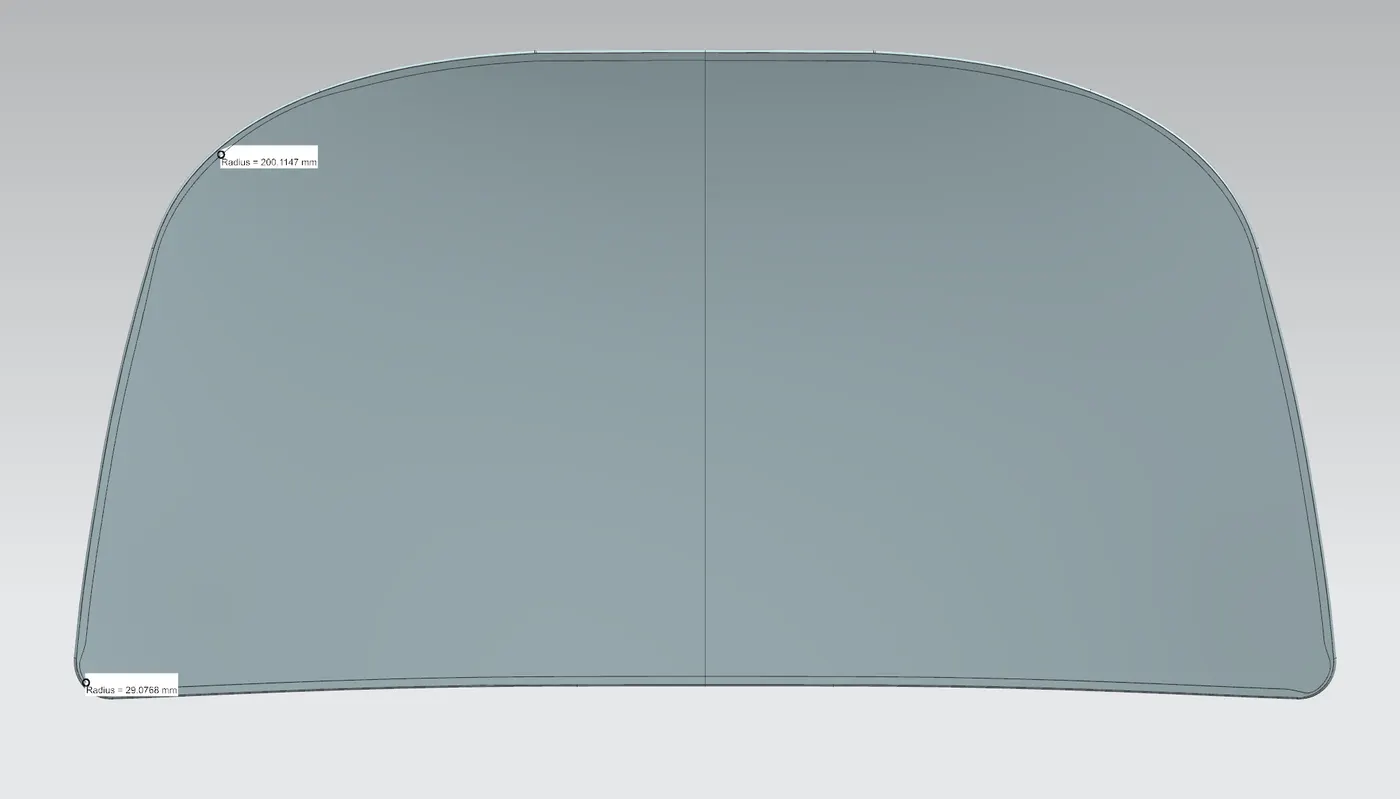
Corner Relief:-
There are many types of Hemming process but in Hoods Roller hemming is used. In this process the roller will be rolling over the edges of the Outer panel to close it with the inner
panel. These roller will be rolling over 2-3 time for perfect closing. so, the certain force is being used by rollers to all the corners but there are some areas where the roller cannot tighten the part properly so thats why we give some relief to the corners.
Mastic sealant:-
The Mastic sealant or mastic points is a elastic compound that behaves like a rubber. it is applied between Hood's outer panel and inner panel. it have an influence area of about 80mm.
Reinforcements:-
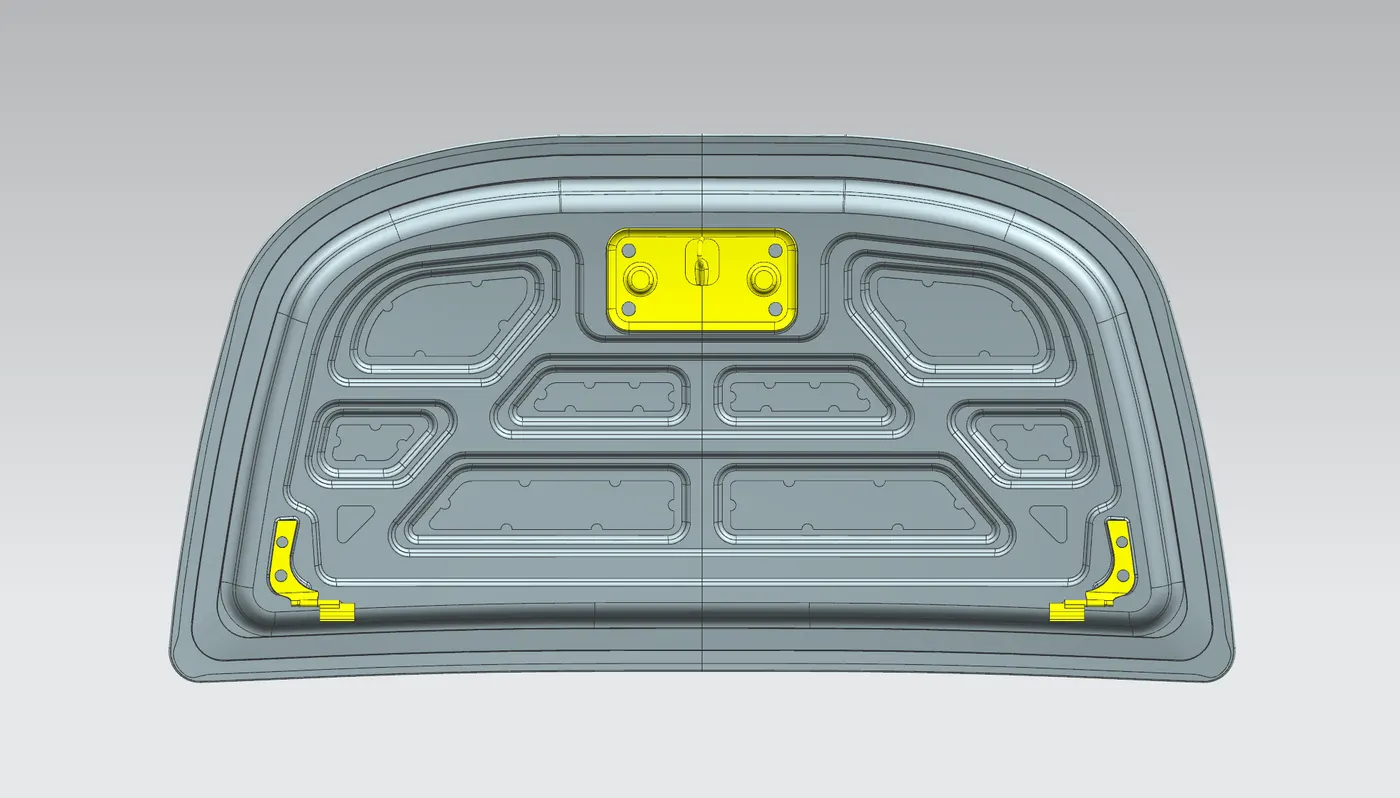
Reinforcements are used to provide more strength to the assembly.
1. Latch & striker
2. Hinge
LATCH & STRIKER:-
Latch & striker is used for locking the hood with the car.
HINGE:-
Hinges are used to connect the hood & cowl panel of an automobile. it enable the opening & closing operation of the hood. the hinge should be made strong enough to to handle the weight of the hood and also to handle the force action on it during the collision.
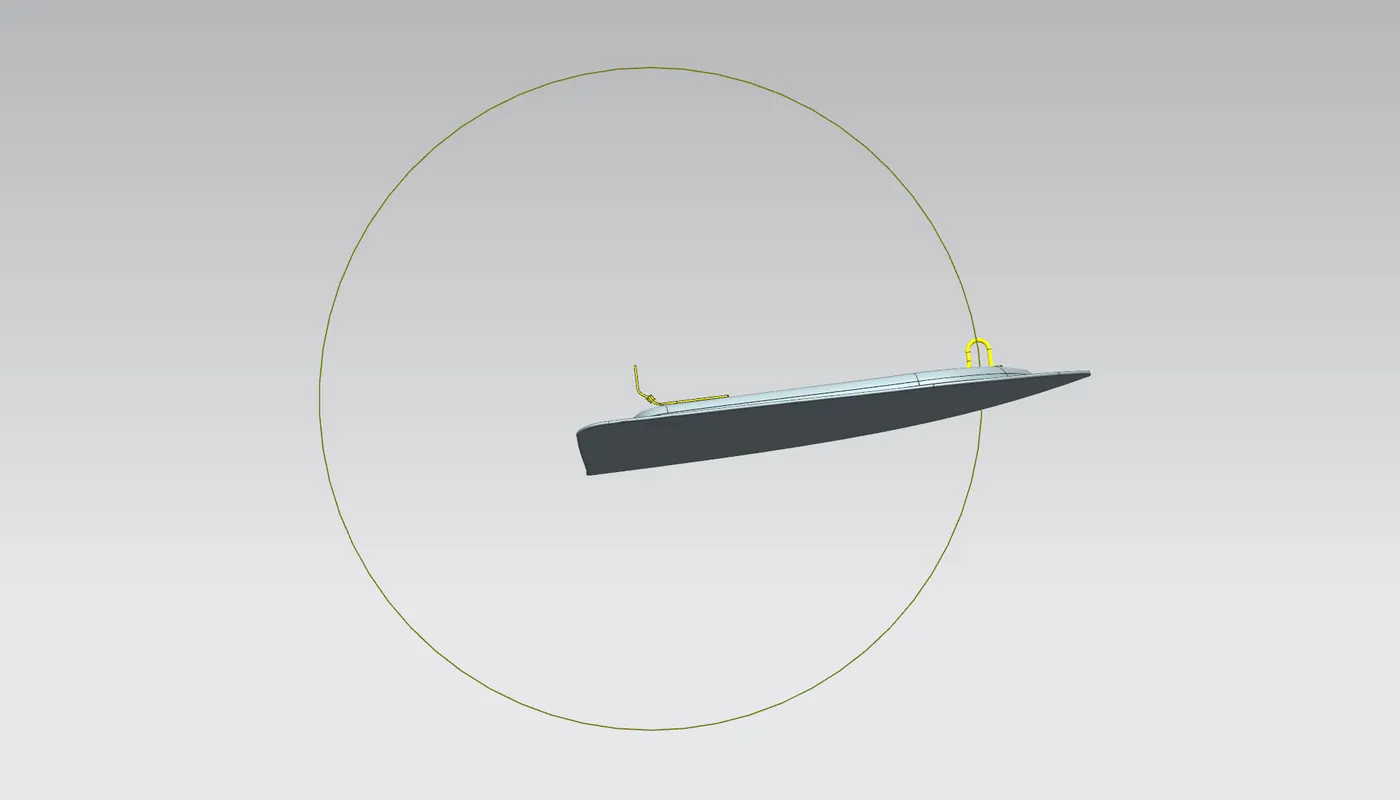
Position of Hinge & Striker:-
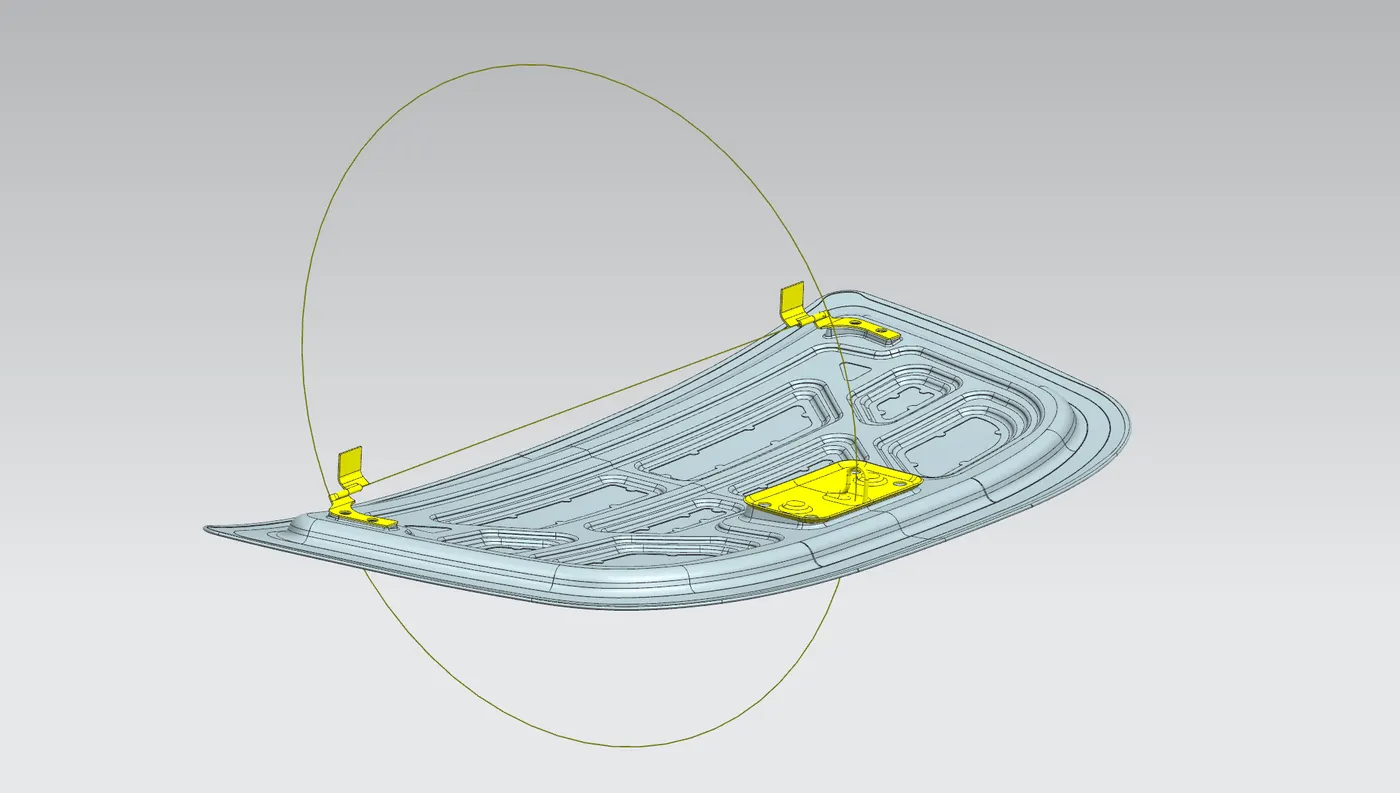
# Both the hinges should be on the same axis.
#The centre of the striker's circular trajectory should be always perpendicular to the hinge axis.
EMBOSS:-
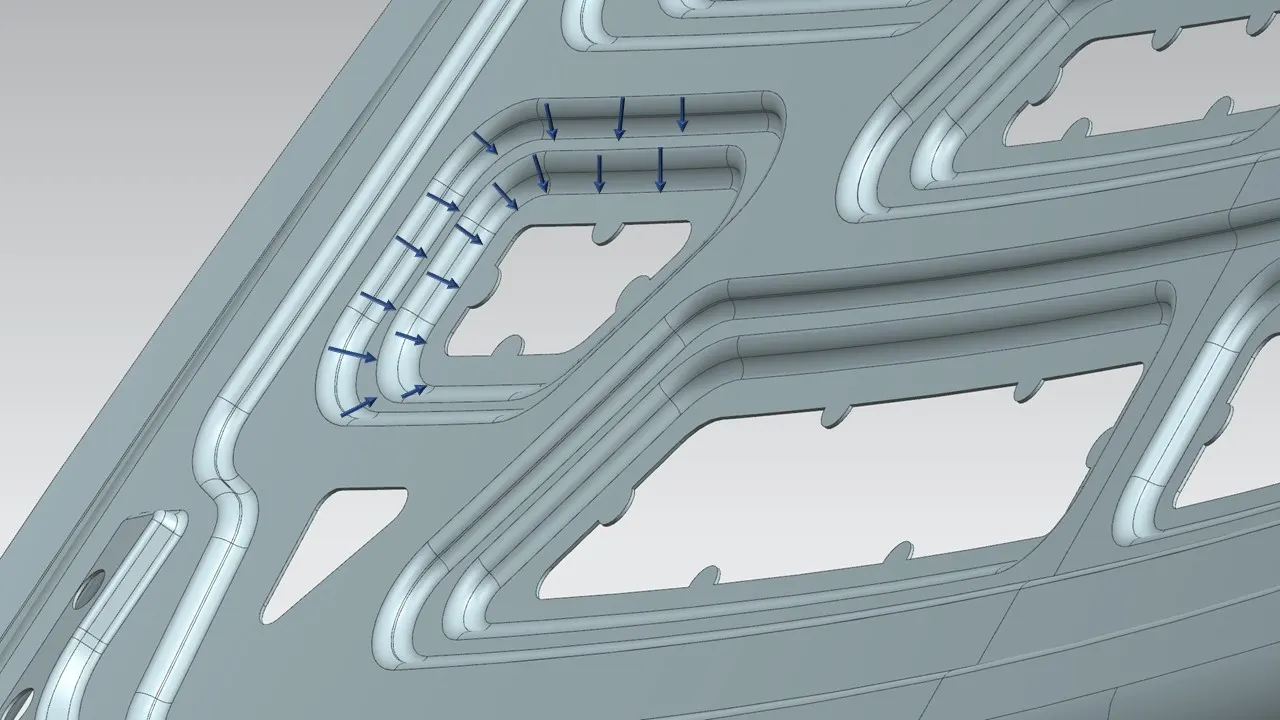
Embosses are the projections made on sheet metal using deep drawing techniques. the major function of embossing is to dissipate the force acting on the hood during the collision of the car toward the hinges as early as possible. this helps to reduce the impact of the force on the passenger sitting inside.
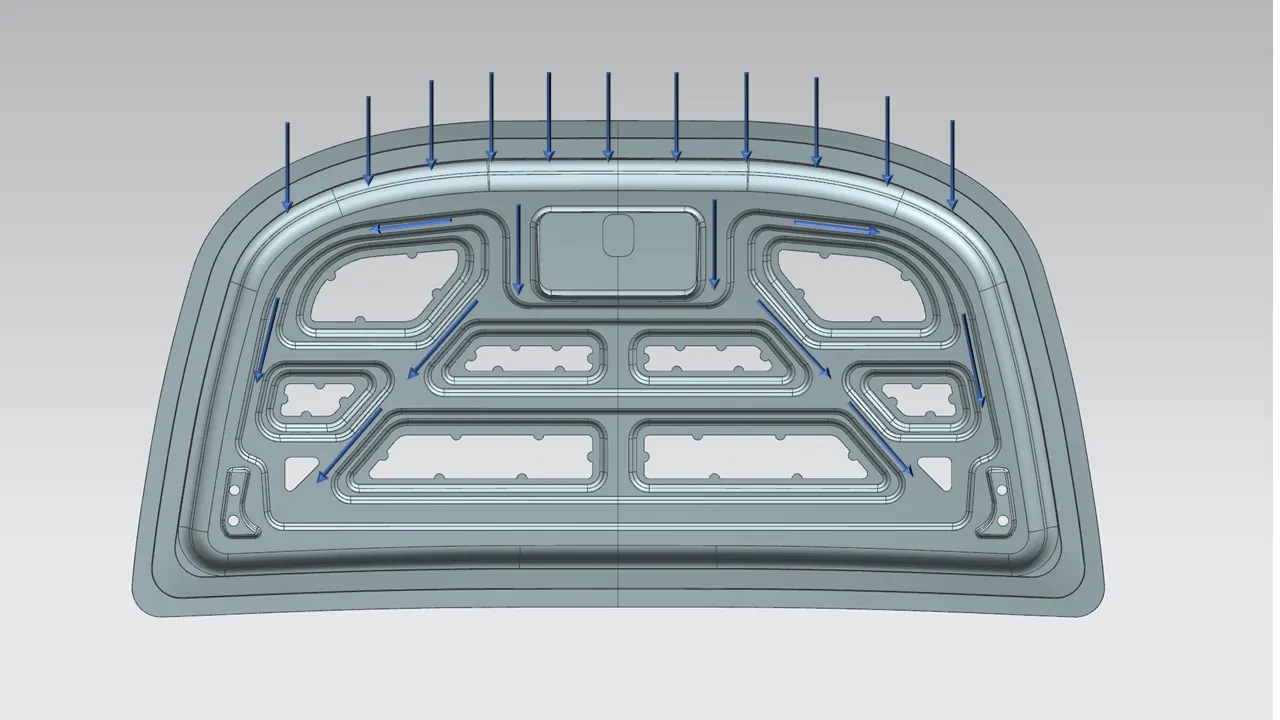
SHOCK FLOW:-
Embosses were designed to dissipates the force outdie the structure and toward the hinges.
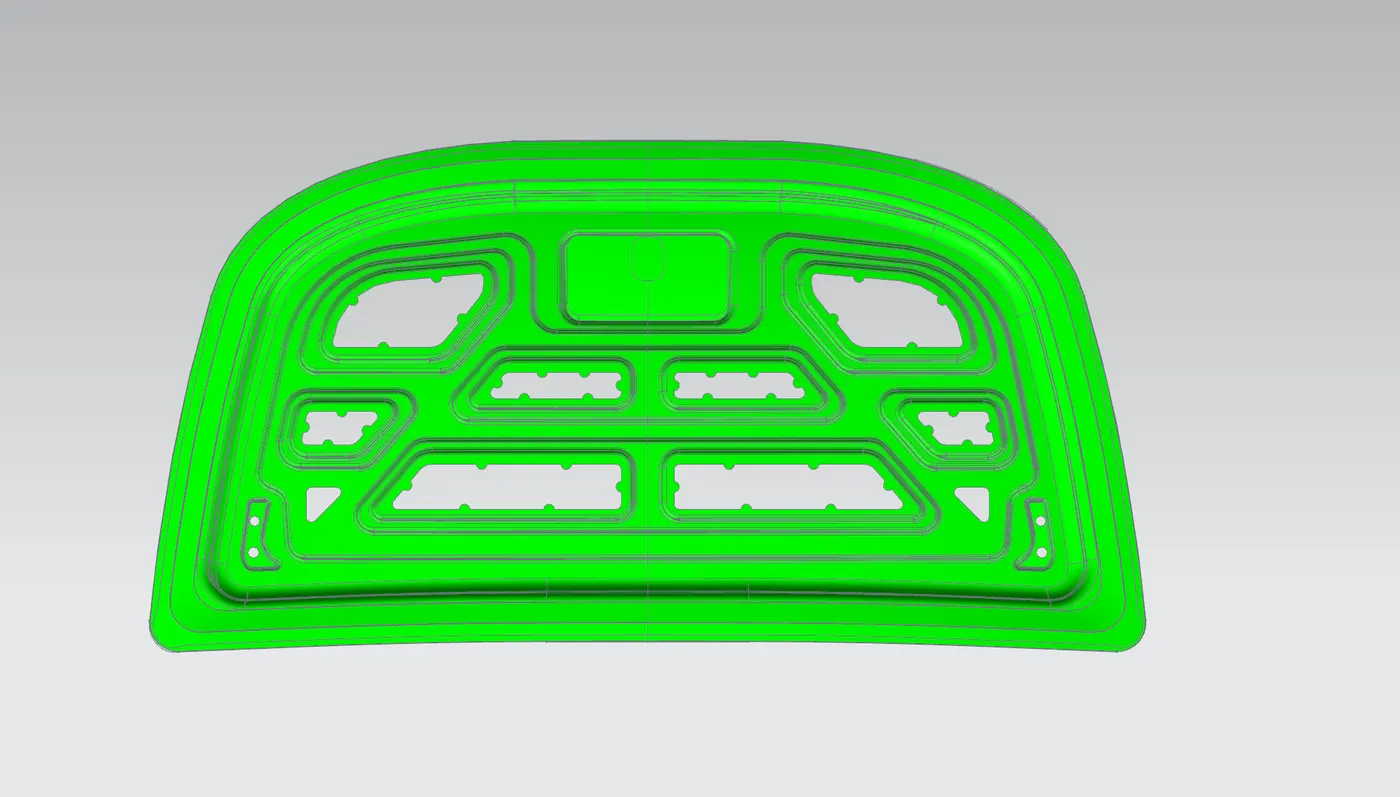
DRAFT ANALYSIS:-
The inner panel of the hood was anaylzed for manufacturability. draft analysis shows that all parts are clearing when core is removed from cavity.
CONCLUSION:-
ALL the parts of the hood are designed based on the required conditions & given dimensions. With the completion of hood design & analyzing for successful manufacturability. we can conclude that the hood can be utilized for the vehicle also coniderd of safty noise etc..