Hood design-Week 2
Objective: - To design Hood Inner panel, Hinge and Striker reinforcement for given master surface.
Introduction: -The hood or bonnet of car is Cover over the engine compartment. The hood can open gives to access engine compartment for maintains and repair. The hood assembly mainly consist of Hood outer panel, Inner panel, Hinge assembly, Striker & Gas stay or Stay rod. Stay rod is used to hold hood in open condition while maintains or repair of engine. Gas stay also used for similar application without manual efforts.
The outer, inner panel and reinforcement are sheet metal parts which are manufactured by Deep drawing, Hemming, Blanking and Piercing operations. While Designing of hood assembly designer need to consider pedestrian safety, Hood head zone, Force distribution form inner panel in case of frontal collision.
Design Parameters:-
Sheet thickness
Outer panel thickness - 0.75mm
Inner panel thickness - 0.75mm
Reinforcement thickness – 1.5 mm
Components :-
- Hood outer panel :- hood outer panel is aesthetic element of assembly. Styling team provides skin for design of outer panel. Outer panel skin is base for whole hood assembly. The outer panel is manufactured by deep drawing operation. The outer edges of panel are folded inside which is called as hemming operation by using rollers. The corners are given relief for proper hemming operation. The outer panel is attached to inner panel by hemming. The mastic sealant is provided in between outer panel and inner panel for join them and reduce noise and vibration.
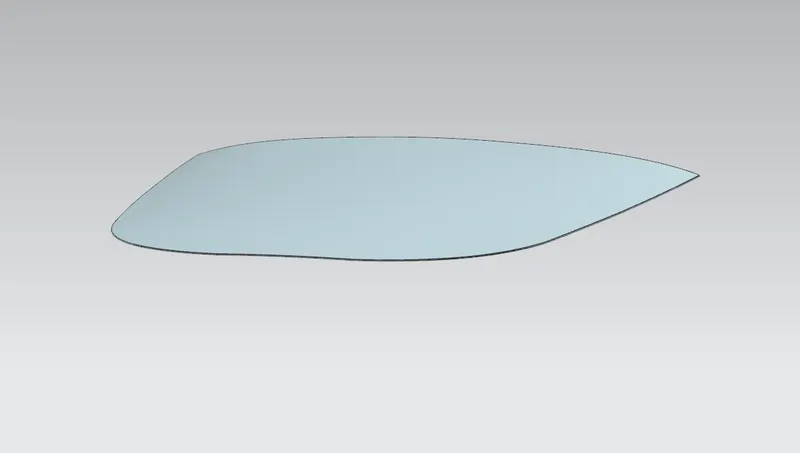
Fig.1. Outer panel master surface provided by styling Team
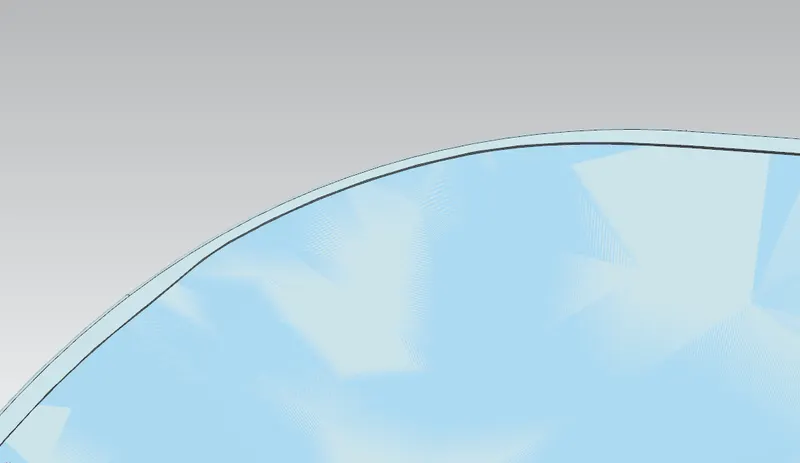
Fig.2. Relief at edges of outer panel for proper hemming.
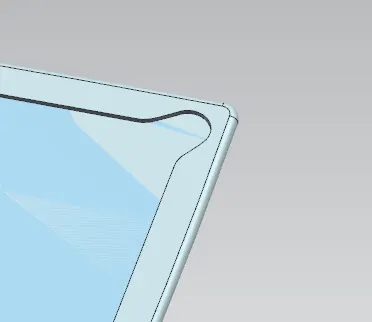
Fig.3. Relief at edges of outer panel for proper hemming.
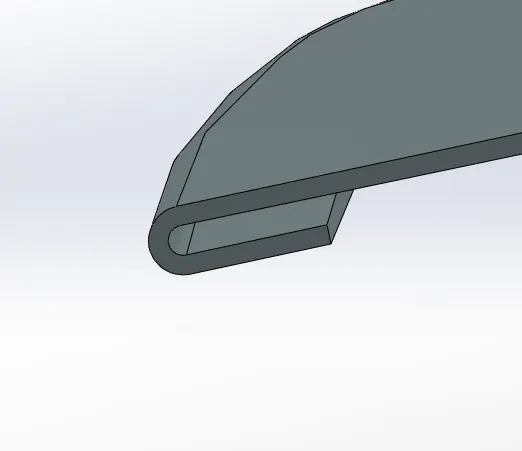
Fig.4.Outer panel hemming.
- Inner panel :- The inner panel is part that gives strength and rigidity to the outer panel. The inner has emboss shape to increase strength also for hinge and striker attachment assembly emboss is given. The embosses in inner panel are designed in such a way that in case of frontal crash the force is transmitted towards edges of the car to insure safety of passenger inside the car. Each mastic point has 80mm effective diameter so the mastic points are arranged on inner panel in such a way that it can cover maximum area and provide good strength to outer panel.
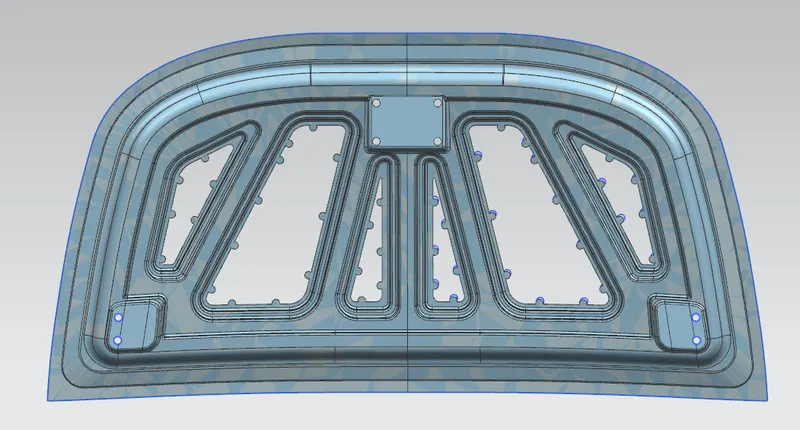
Fig.5.Inner Panel with mastic points.
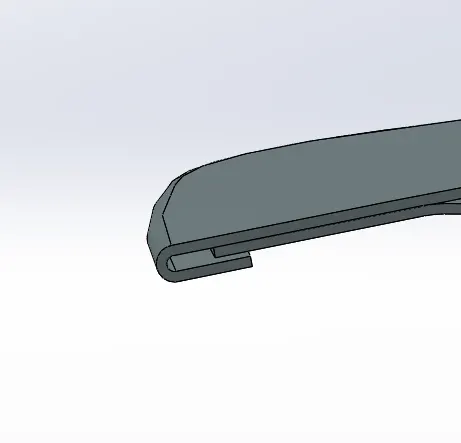
Fig.6.Outer panel & inner panel fixing with each other by hemming operation.
- Reinforcement :- Reinforcement are provided according to design requirements. Mainly it is provided at the hinge assembly and striker regions to improve the strength locally. Thickness of reinforcement is visually higher than thickness of inner panel and this value differ ding to design requirement and cost.
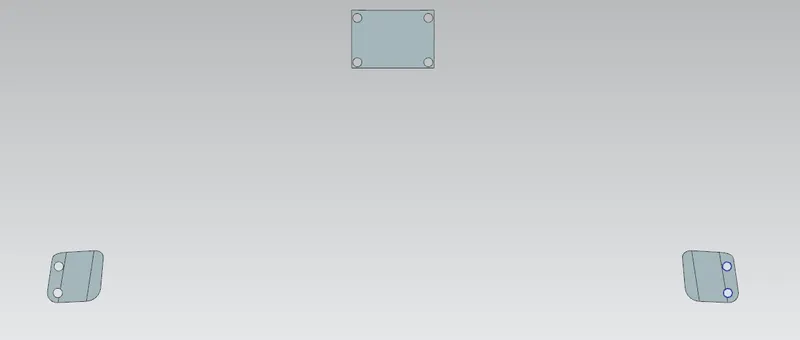 Fig.7.Reinforcement for Stricker and Hinge Assembly.
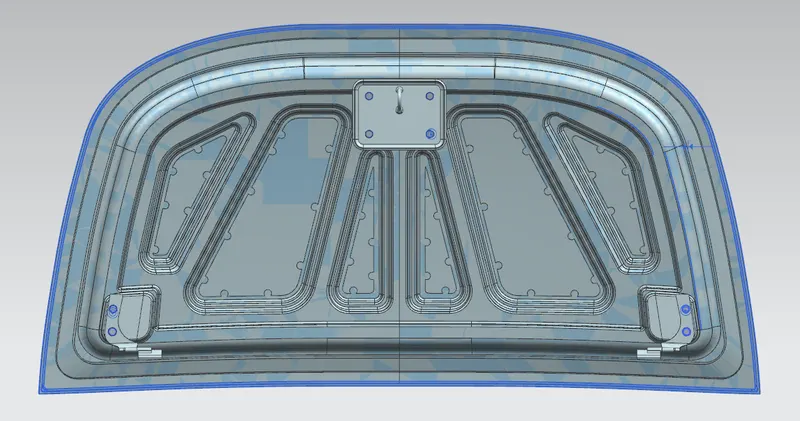
Fig.7.Hood Assembly.