Hood design-Week 2
HOOD DESIGN:- Introduction: . The car's hood consists of an inner and an outer panel.The inner panel provides strength, while the outer panel provides strength,while the outer panel is just a metal cover. The underside of the hood os often covered with a sound -absorbing material. . Hood are typically made out of steel or aluminium, although aftermarket manufactures may manufacture hood out of fiberglass, carbon fiber,or dry carbon. . The hood or bonnet is the hinged cover over the engine of motor vehicles that allows access to the engine compartment for maintance and repair. On passenger cars,a hood may be held down by a conceald latch. . Some high perfomance cars have 'hood scoops'which channel outside air directly to the air filter,which gives improved performance and efficiency. . It is hinged thin sheet which covers and protects the main parts of car like engine. Its main function is to direct access to the engine, bettry and other crucial parts of the cars fir repair and maintance and to protect these parts from direct sunlight and dust.It also gives good looks and help to design car aerodynamically stable. . Regulations have come into effect in recent years that place a limit on the severity of pedestrian head injury when struck by a motor vehicle. This is leading to more advanced hood designs. . The hood lever is small lever, which is usually mounted under the dash. It is connected to the hood latch has a safety feature, which requires a second latch to be released before the hood will open. this is to prevent accidental opening while driving. 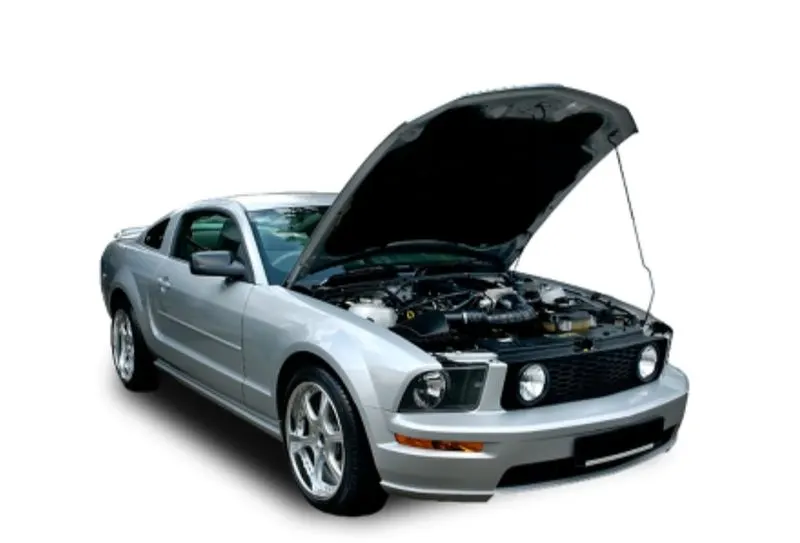 MASTER SECTION DATA:
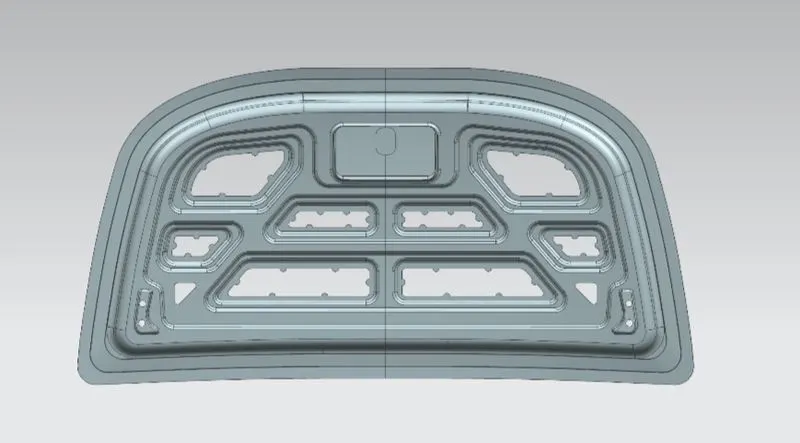
 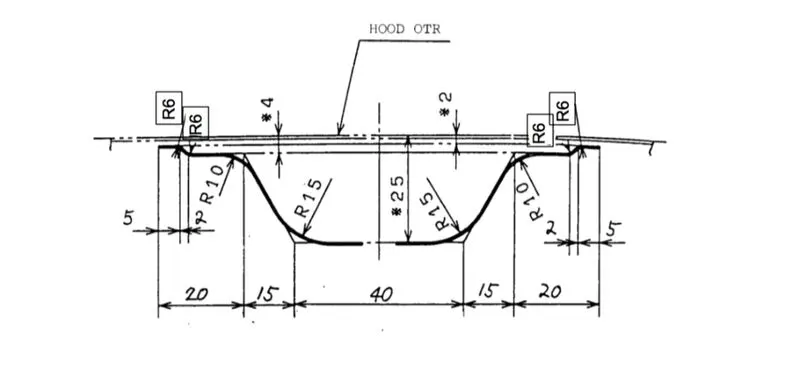 HOOD THICKNESS: . Outer panel thickness:-0.75mm. . Inner panel thicknees:-0.75mm. . Reinforcement thickness:-1.5mm. DESIGN . Inner panel:- The inner panel supports the outer panel.it consists of embosses and holes.embosses provide stiffness as well as it dissicipates energy towards reinforcement.
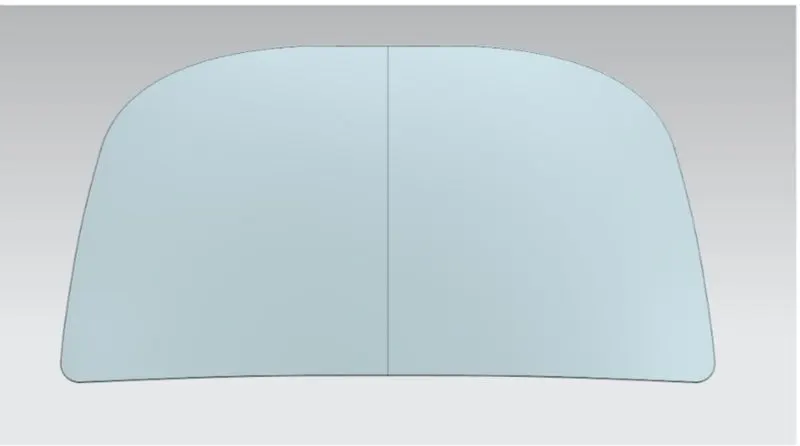
  . Outer panel:- Outer panel is nothing but a outside cover for engine and it is used to make a car looks good.
  . Hemming:- . The outer panel and inner panel can't join by any welding process if we did it will leave a spot on the outer panel and it will spoil the look of a car. so, to join inner and outer closure panels together we use the hemmi g process. . It is process of bending /folding the flange of the outer panel over the inner one. . The flange of the outer panel is bent over the inner panel is progessive steps by means of the roller hemming head.
 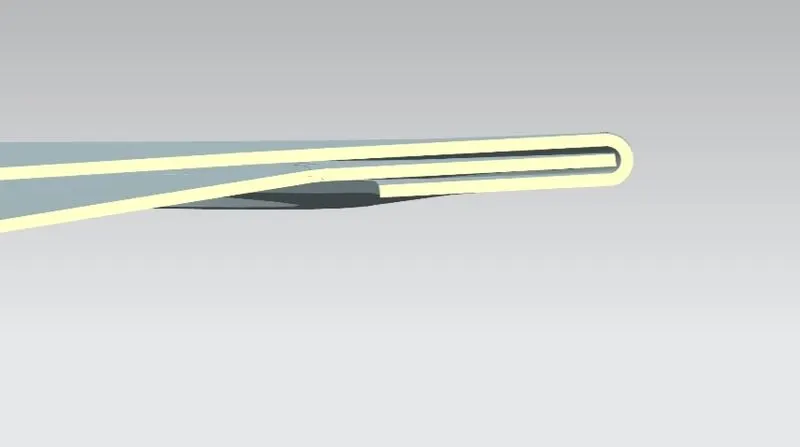 . Corner Relief:- There are many types of hemming process but in hoods roller hemming is used. in this process the roller will be rolling over the edges of the outer panel to close it with the inner panel.these roller will be rolling over 2-3 time for perfect closing. so,the certain force is being used by rollers to all the the corners but there are some areas where the roller cannot tighten the part properly so part properly so thats why we give some relief to the corners.
 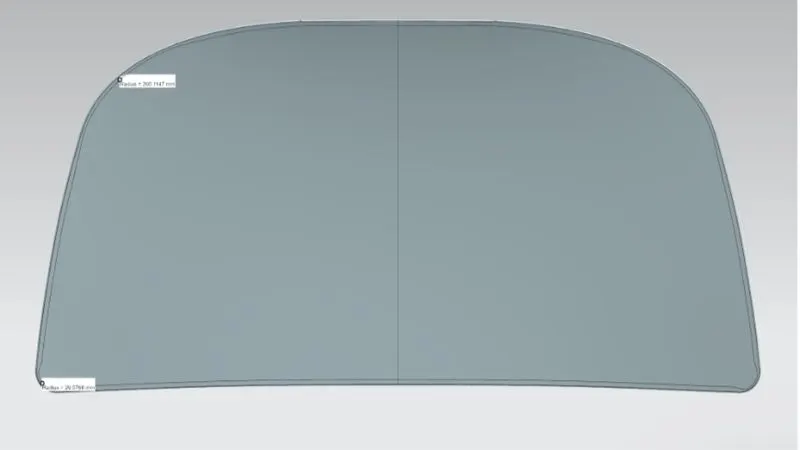 . Mastic sealent:- The Mastic sealent or mastic points is a elastic compound that behaves like a rubber.it is applied between hood's outer panel and inner panel. it have an influence area of about 80mm.
 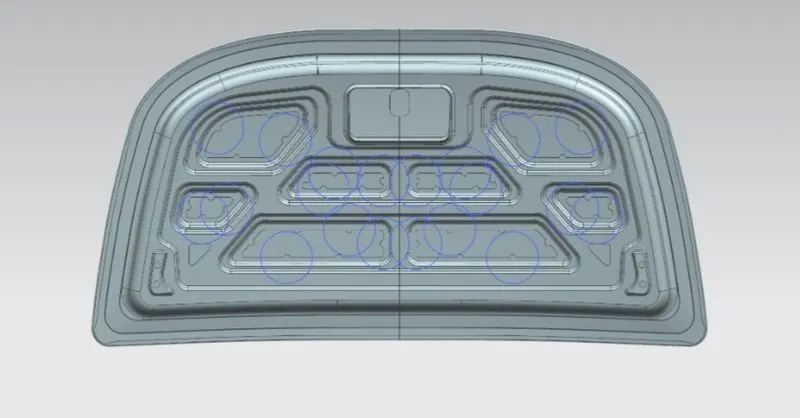 Reinforcements:- Reinforcements are used to provide more strength to the assembly. 1) Latch and striker 2) Hinge LATCH & STRIKER:- Latch & striker is used for locking the hood with the car.it's usually placed on the space provided on the inner panel.
 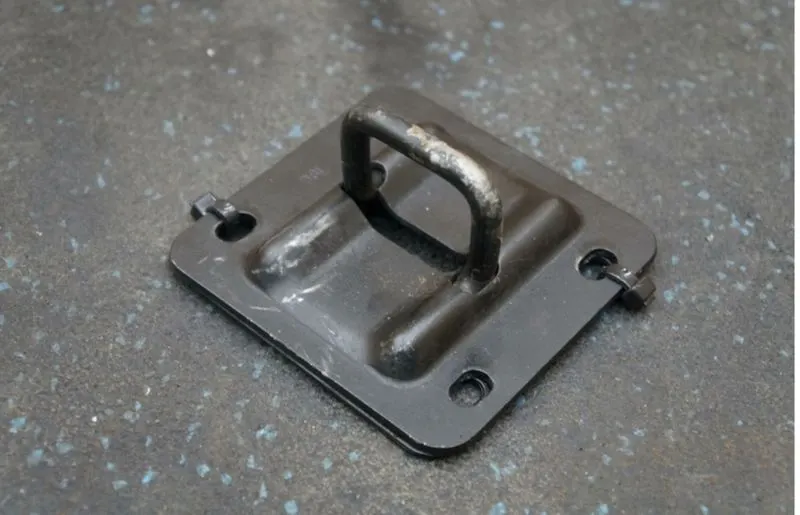 HINGE:- Hinges are used to connect the hood & cowl panel of an automobile. it enable the opening & closing operation of the hood. the hinge should be made strong enough to handle the weight of the hood and also to handle the weight of the hood and also to handle the force action on it during the collision.
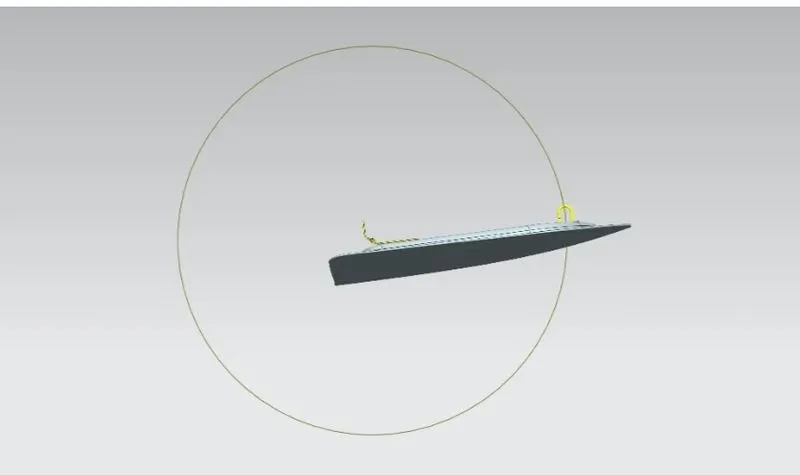
 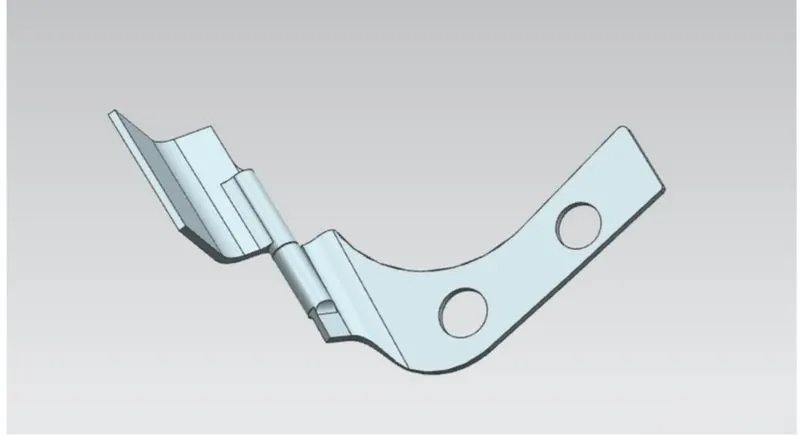 Position of Hinge & striker:- The hinges should be usually placedon both sides of the hood in such a way that the strike fits exactly into the hole provided. To ensure this the following conditions are follow:- 1.Both the hinges should be on the same axis. 2.The centre of the striker's circular trajectory should be always perpendicular to the hinge axis.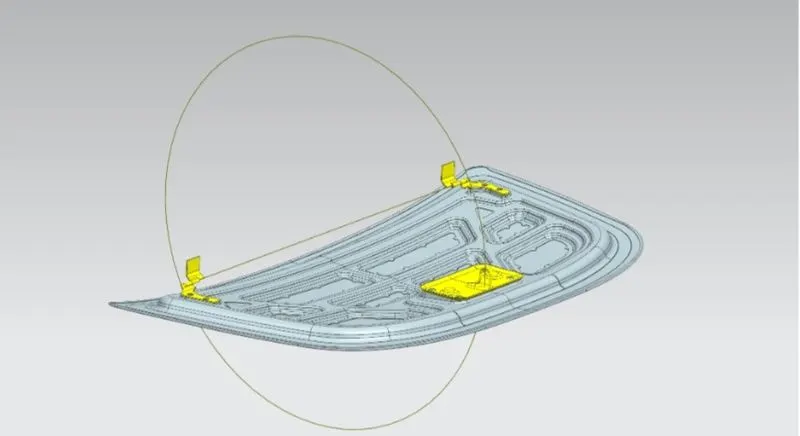
 EMBOSS:- Embosses are the projections mande on sheet metal using deep drawing techniques. the opertion is carried out the mostly for the pupose of stiffening flat surface and design in the inner panel. the major function of embossing is to dissipate the force acting on the hood during the collision of the car toward the hinge as early as possible. this helps to reduce the impact of the force on the passenger sitting inside.
 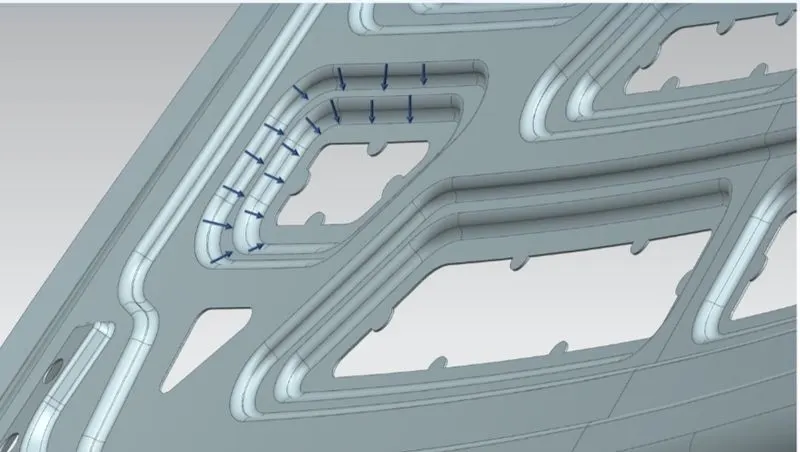 SHOCK FLOW:- Embosses were designed to dissipates the forces outdie the structure and towards the hinges.
 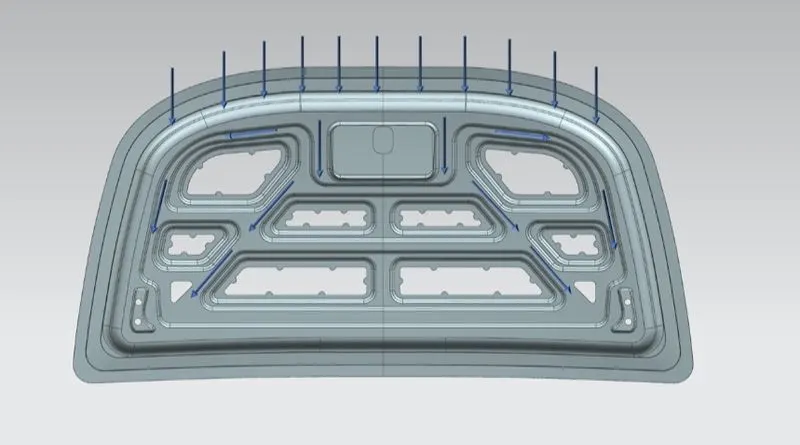 DRAFT ANALYSIS:- Once the design was ready, the inner panel of the hood was anaylzed for manufacturability. here draft analysis show that all parts are clearing when core is removed from cavity.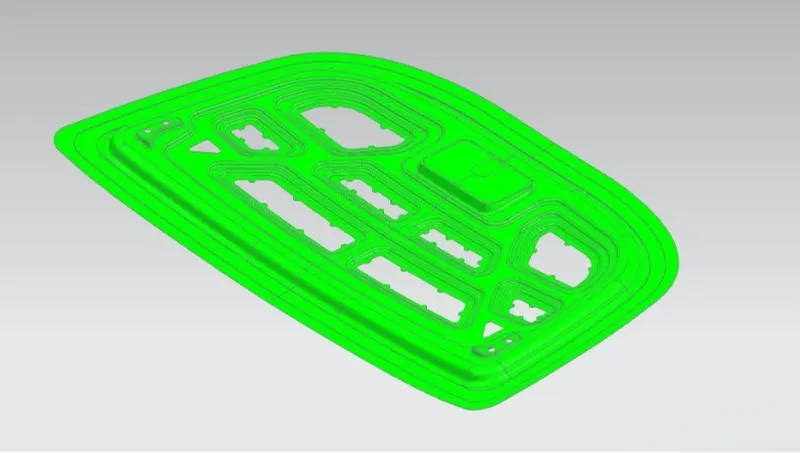
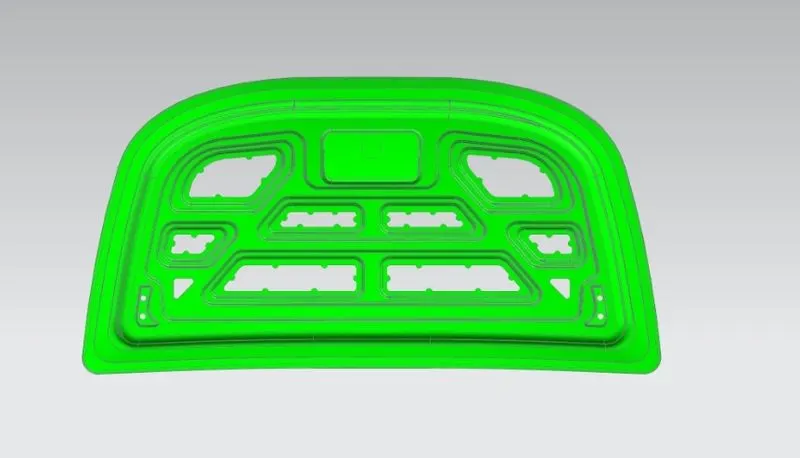 CONCLUSION:- All the parts of the hood are designed based on the required condition and given domensions.with the completion of hood design & analyzing for succesful manufacturability.we can conclude that the hood can be utlilized for the vehicle.
Considering the safety of occupants & pedestrians the hood has been designed under the EuroNCAP safety regulations.