Hood design-Week 2
HOOD DESIGN
AIM:
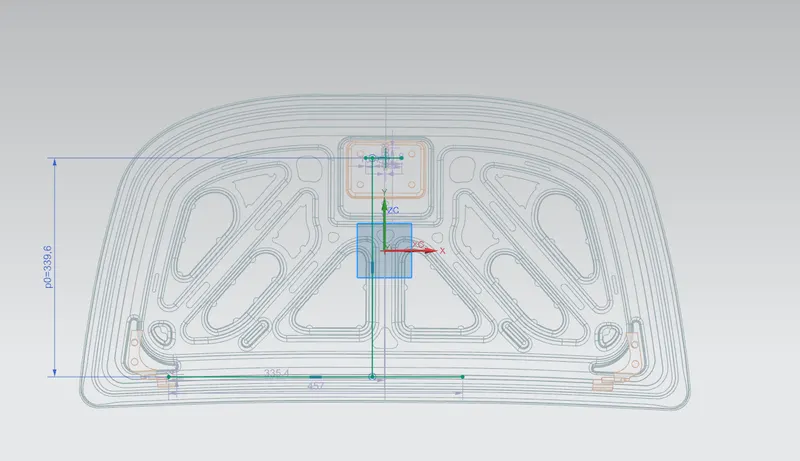
To design Inner Panel with reference to hood outer panel and assemble hinge, latch and striker with reference to master selection and provide mastic points and its reinforcement.
INTRODUCTION
In the car bonnet or hood are the main components which is located in front portion, it is used to access to the engine and for its maintenance purposes. It open by the help of hinges and support rod and lock by the help of latch and striker. The frontal BIW enclosure component plays an important role to reduce the air resistance as it deflects air around the car, it has a mastic point to reduce Noise, Vibration and Hardness (NVH), and to reduce the injuries while pedestrian impact during pedestrian vehicle collision, it deflects force direction during accident and also used to decorate the car and add a premium and luxury look for the car. Bonnet is also considered as another door for the car, it contains inner panel, outer panel, hinge, support rod, latch and striker each components plays a different role in the vehicle.
HOOD
While designing a hood we should consider about strength, weight, safety and functionality. technical consideration to provide necessary mastic points for NVH reduction and provide reinforcement and pedestrian collision and placement of latch and striker according to the hinge. It consists of two panel. which is inner and outer panel, and it is made by using sheet metal

PARAMETERS USED FOR HOOD
- Inner panel thickness - 0.75mm
- Outer panel thickness - 0.75mm
- Reinforcement thickness – 1.5mm
HOOD OUTER PANEL
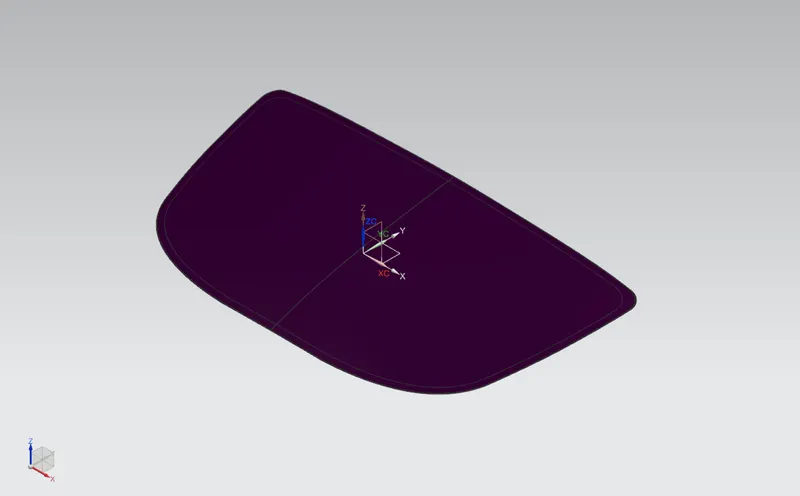
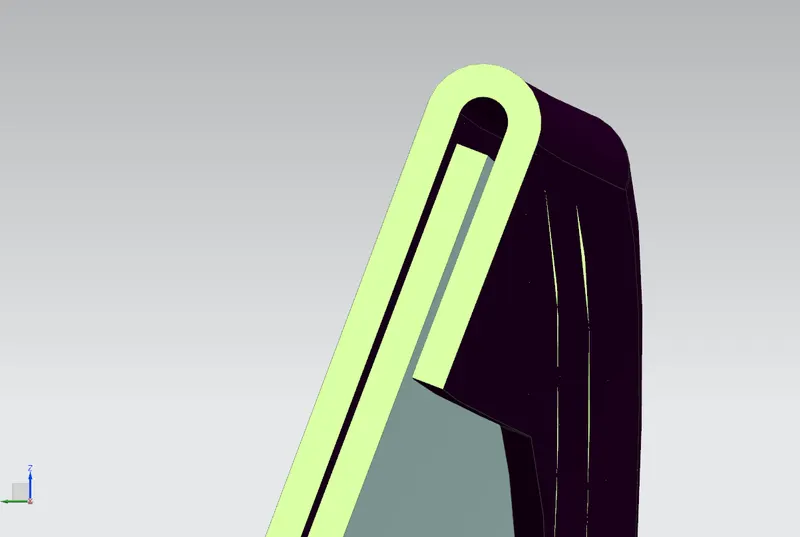
It is an important part for the car it provides aerodynamics for the vehicle and it is placed above the inner panel, offset of 0.2mm and connected together by hemming process. It has a different shape to provide beautiful and luxuries look to the car. And 3mm offset radius cut is made in the corner of the outer panel to provide corner relief for the hemming process.
PEDESTRIAN VEHICLE COLLISION
For better pedestrian rating the car is separated into two types, which is inlaid hood and wraparound hood. It is separated by 45 degree of reference line from the hood. EURO-NCAP assessment is carried out. For this assessment in the hood, pedestrian head impact plays an important role and it is categorised into two, which is adult head impact zone and child head impact zone based on that the pedestrian rating is given to the car. The material is removed from the red zone area of inner panel to make it softer at that red zone region for better rating and reduce the injuries for pedestrian during collision.

HEMMING PROCESS
Hemming process is used to avoid the any type of welding process in the hood, it is the process of folding the sheet metal to hold on to the inner and outer panel together, the extended sheet metal of the outer panel is folded by three or more rollers which folds perfectly with the specific required dimensions. Outer panel has a corner cut for corner relief which makes hemming process easier and efficient. While making hemming process we should consider the spring back effect of sheet metal that leads to cause a design deviation.
HOOD INNER PANEL
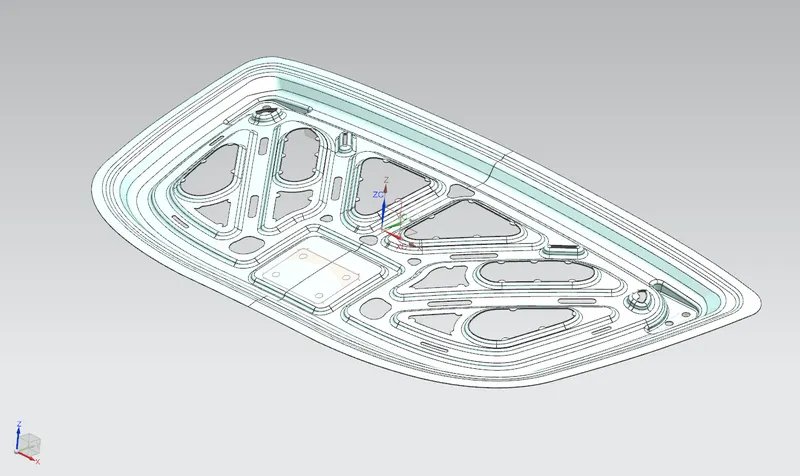
It is focused on making different embosses to improve strength of the hood, to support the outer panel and to deflect forces toward the hinge portion. It has holes in different place for air flow, to place a right place for holes to deliver more efficiency, the method called modal stiffness is implemented. To make those emboss two type of pattern is used which is v and y patterns it helps to dissipate force and provide necessary protection for the passenger. The emboss depth is maintain maximum of 5mm and draft angle minimum of 5 degree is maintained and also avoid negative draft angle.
REINFORCEMENT
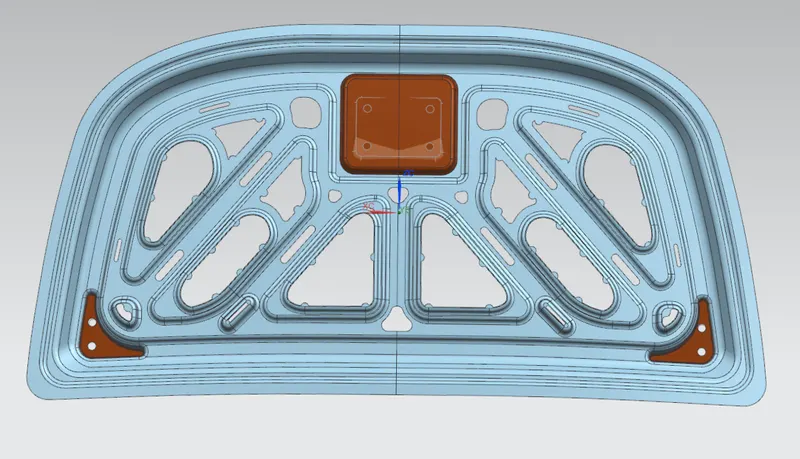
Reinforcement is used to provide the necessary strength to the hood, reinforcement is provided in the hinge and striker region. By increasing thickness about 1.5mm at that region it delivers more strength
HINGE
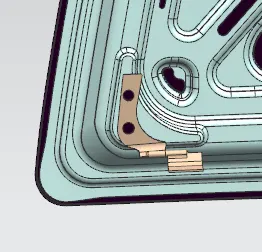
Hinge is act as a pivot point to opening and closing of the hood and has two components which one of the components is connected to hood of the car and another one is connected to engine compartment and act as a door hinge which helps to access and maintain engine, radiator and other components.
STRIKER
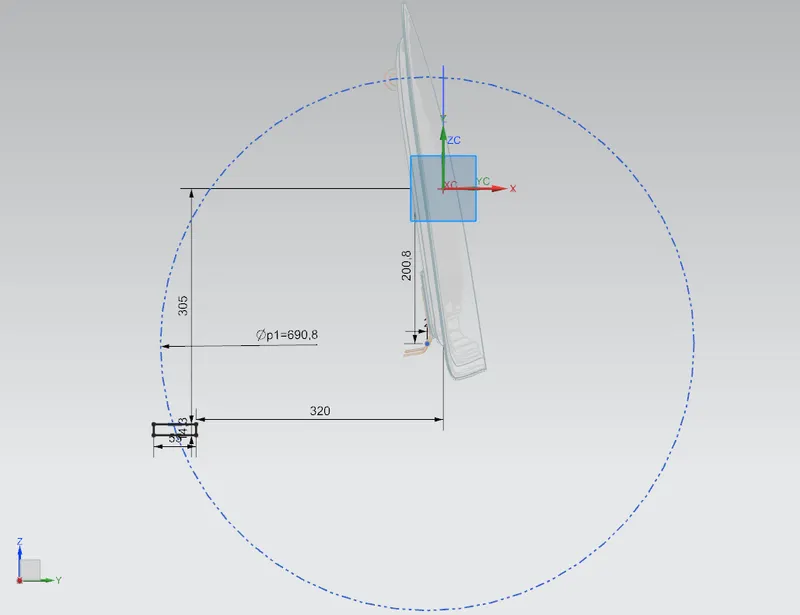
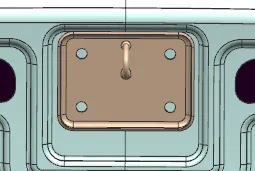
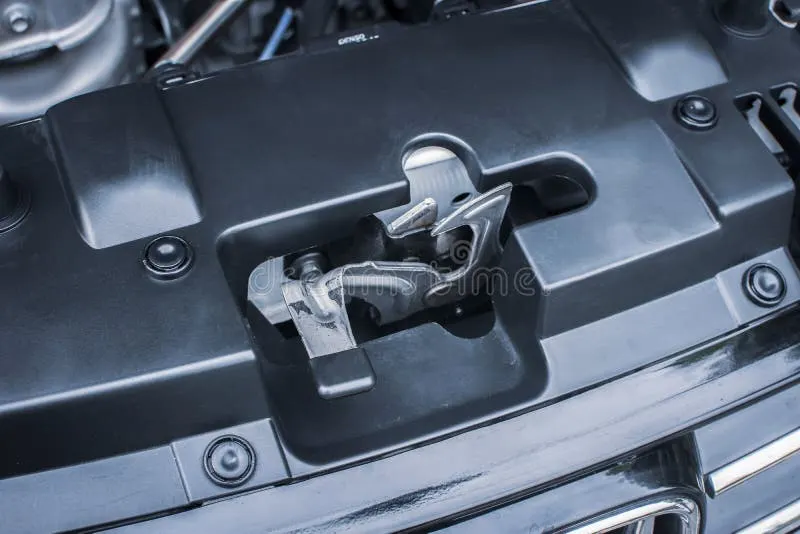
It is a component used to lock the hood. That is placed perpendicular to the trajectory radius, trajectory radius is calculated by the reference of hinge.
LATCH
It is a component used to lock and hold the striker, it is also place perpendicular to the trajectory radius and also align perfectly to the striker to achieve proper closing of the hood
MASTIC SEALANTS
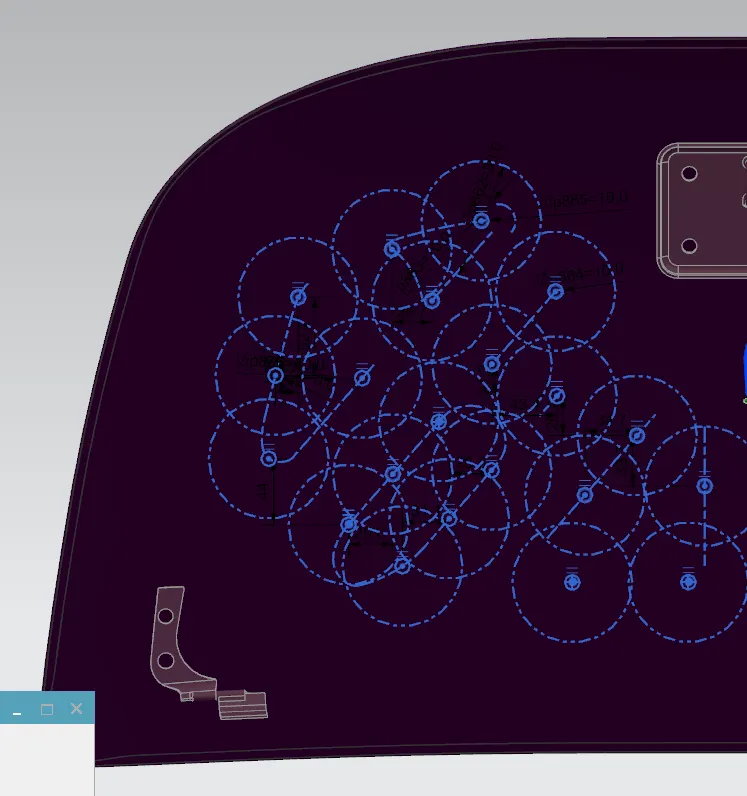
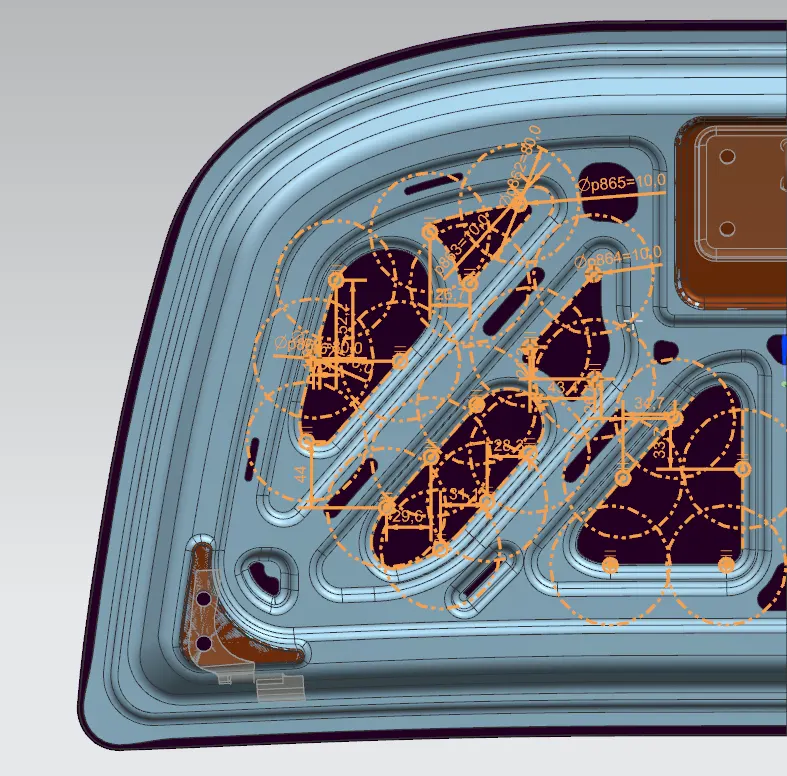
It is kind of rubber material to avoid NVH each mastic sealant has an ability to withstand 80 mm diameter. The mastic sealant is placed in between the hood outer and inner panel and mastic sealant is used everywhere except reinforcement region
CAR HOOD SUPPORT
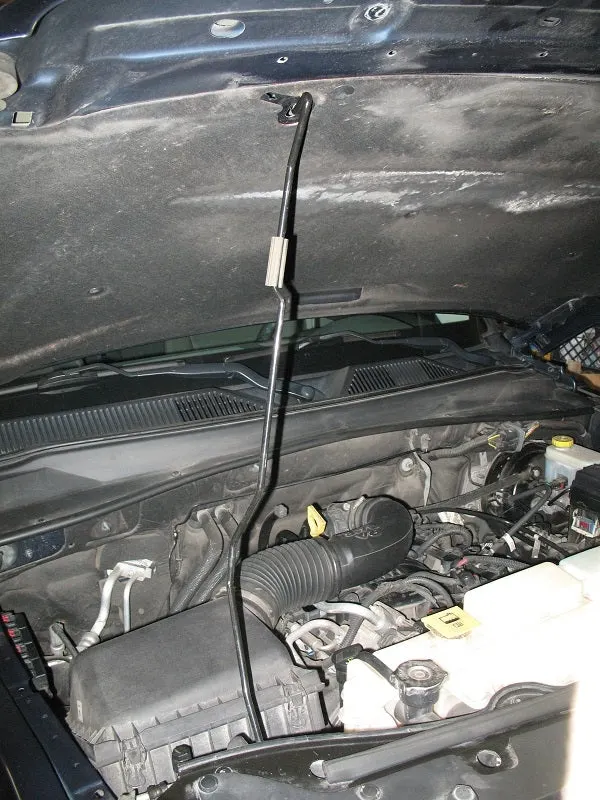
It is used to support the hood to hold it and to make the hood stays open while maintaining engine components, it should have a strength to hold the hood to avoid injuries, dimension of the support is given according to the opening angle of the hood, opening angle is obtained by average hight of the people in different countries there is a different opening angle. There are two type of hood support
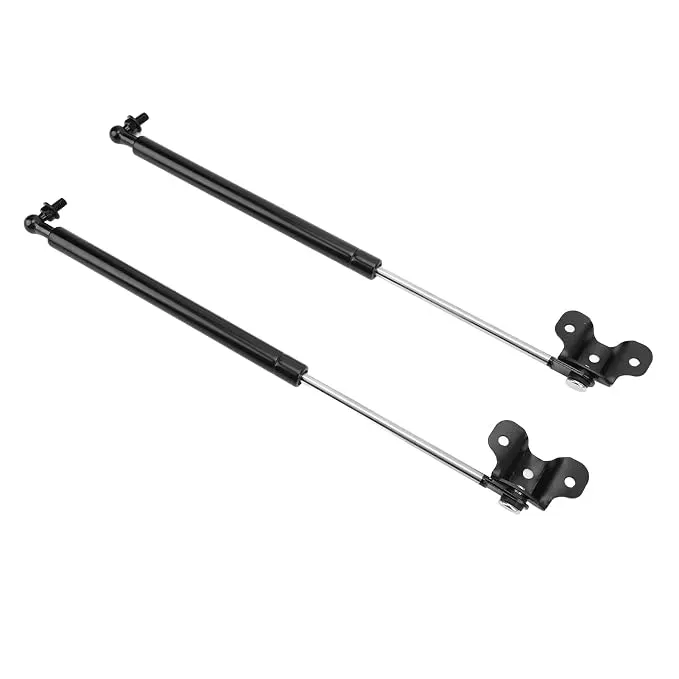
GAS STRUT
Gas strut is operates based on spring and compressed gas, when you give a little force to lift the hood it will automatically open and hold the hood of the car with the help of spring and compressed gas. It is a linear piston mechanism which is widely use for premium cars and the hood that has more wight.
SUPPORT ROD
Support rod is commonly used support which you have to physically place the rod to the provided region to hold the hood of the car, to improve the strength some calculated curvature is given to withstand load. It is cheap and used to hold the lower weight hood
MASTER SELECTION
The centre axis of the two hinges produces the axis point for the trajectory radius and the trajectory radius is used to place a component in the right place