Hood design-Week 2
Hood Design
Purpose of a car hood
A car hood, also referred to as a bonnet in some other countries, is the hinged cover that rests over the engine of a front-engine vehicle. Its purpose is to provide access to the engine for repair and maintenance.
The hood latch mechanism in a car is a simple device. Located on the driver's side (usually on the left-hand lower corner of the dashboard) is the hood release handle. The hood release handle attaches to a cable which then routes through the dashboard towards the front of the vehicle.
Types of hoods
- Cowl Hoods
- Carbon Fiber Hoods
- Fiberglass Hoods
Cowl Hoods
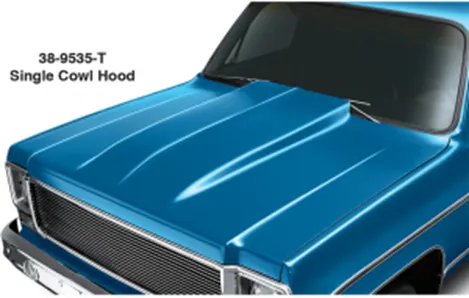
- A cowl induction hood is raised in the middle, allowing for a taller intake manifold, and has an opening at the trailing edge. At high speeds, the cowl takes advantage of the higher air pressure in front of the windshield to draw in more power-building cool air. At lower speeds, the cowl lets hot air out to help keep high-horsepower engines cooler. And at any speed, a cowl hood delivers iconic musclecar style!
- Summit Racing Equipment makes it simple to find the right cowl for your car. Use the Make/Model search tools to the left, or sort by cowl height.
Carbon Fiber Hoods
Carbon fibers are made into a high tech yarn,which is then woven into a cloth like form.The high strength carbon fiber cloth is molded into a shape, such as a hood. A polymer, such as an epoxy, is used to help the carbon fiber retain its shape
Fiberglass Hoods
Fiberglass is great thing, but when youre in an accident, both kinds will kill you if they go through the windshield.
Design Consideration of Hood
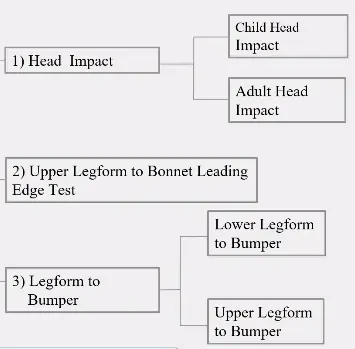
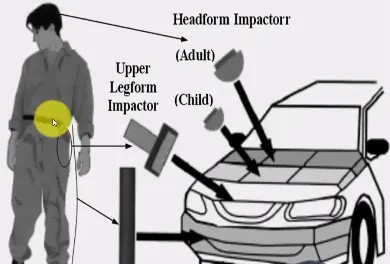
Pedestrian Safety Measures And Head Impact Zone
Euro NCAP the european assesment program is european safety performance assesment program based in leaven and founded in 1997
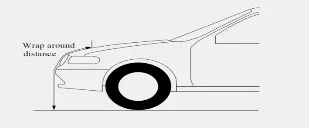
Wrap Around Distance(WAD)
Means trace of the point received the front structure,when one end of flexible tape of required length help at ground referance level and other end contact with the front structure.
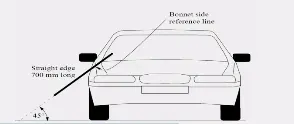
Side referance line
Means the trace or the high contact point between straight edge inclined at angel of 45 degrees and side of the vehicle.
Head Impact Zone

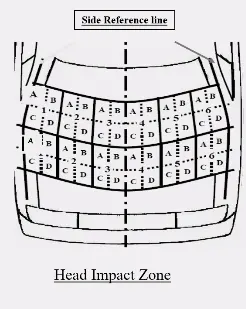
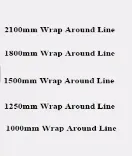
Consideration of Hood Pedestrian Rating
Under Bonnet Clearance
The distance of the hood outer from underlying hard points is 90mm
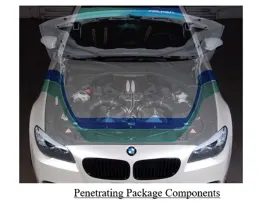
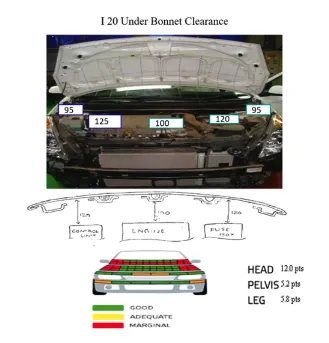
Impact deformation space should be generated below the styling surface.Package components that penetrate the generated deformation space or considered as critical and need to be relocated or tuned to fulfill the HP targets.
The more green color area you get the pedestrian head impact zone is less and the good hood is happen.
Types of Hood Support
- Gas stay
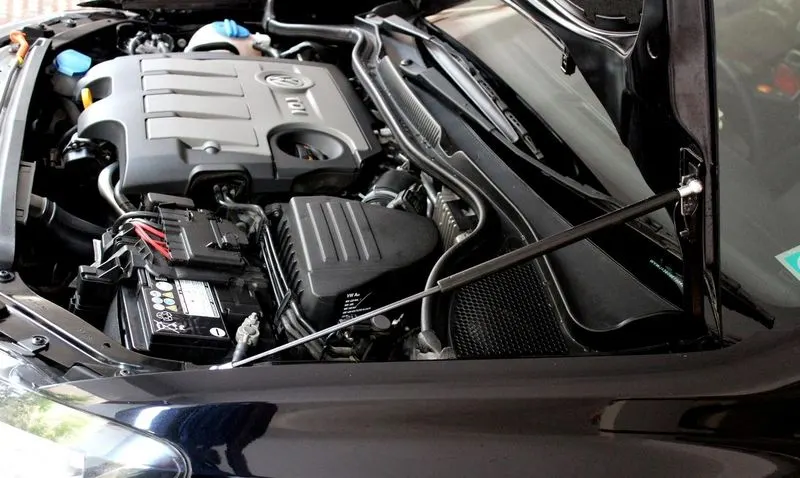
Gas stay used lift the car hood or bonnet its purpose to give lifting forces to the hood,it is automaticaly open the car hood by means of gas pressure.this is used where the car hood lifeting is heavy.
- Support Rod
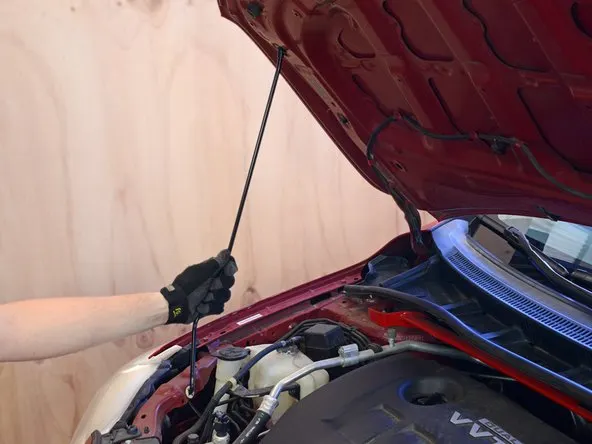
Support rods used many cars because this is very easy and cheap.this type of hood life ourselfe and place support rod in the space provided either hood or engine component.this is mostly used in the car bonnet weight is less.
Design of Hood
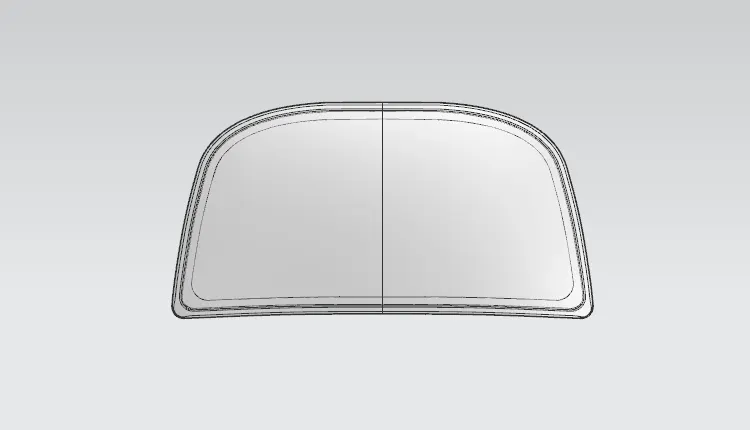
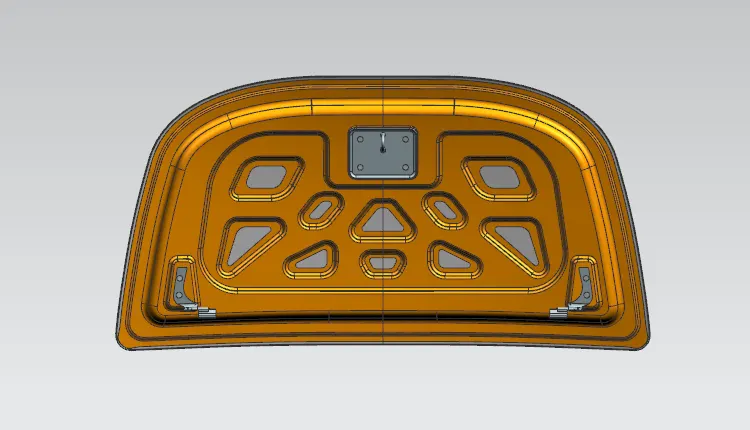
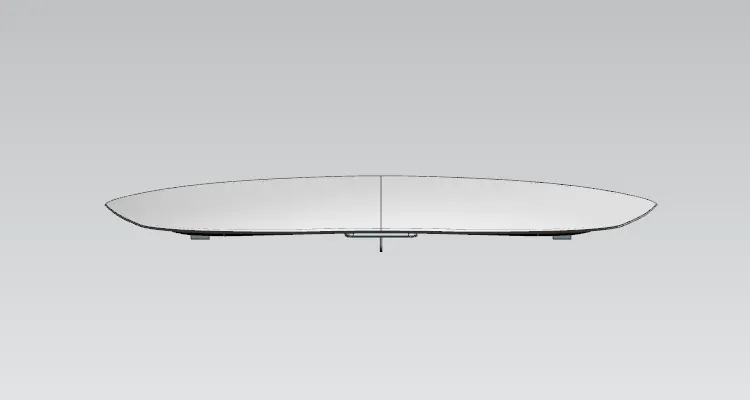
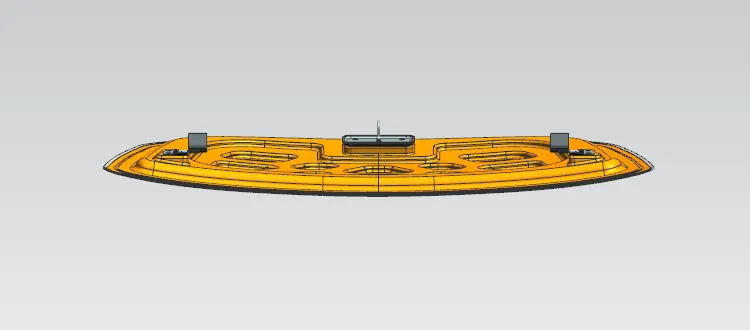
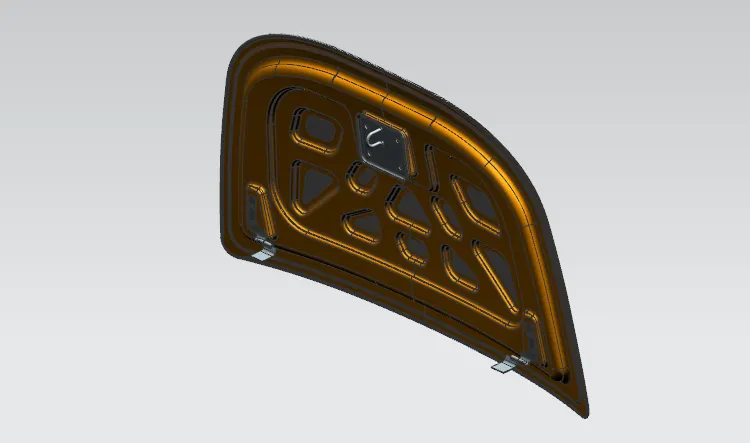
Objective To create the design of car hood with outer panel, inner panel, striker and required reinforcement.
The software used for this design Siemens NX CAD
Data to be used:
Hood Thickness Information
- Outer Panel Thickness = 0.75mm
- Inner Panel Thickness = 0.75mm
- Reinforcement Thickness = 1.5mm
Master sketch:
Relief rear section:
Front relief:
Design process
- Creating assembly of the Hood
- Importing the parent surface of hood outer panel
- Designing the hood inner panel
- Importing hinge assembly and striker
- Positioning the hinge assembly
- Positioning the latch and striker
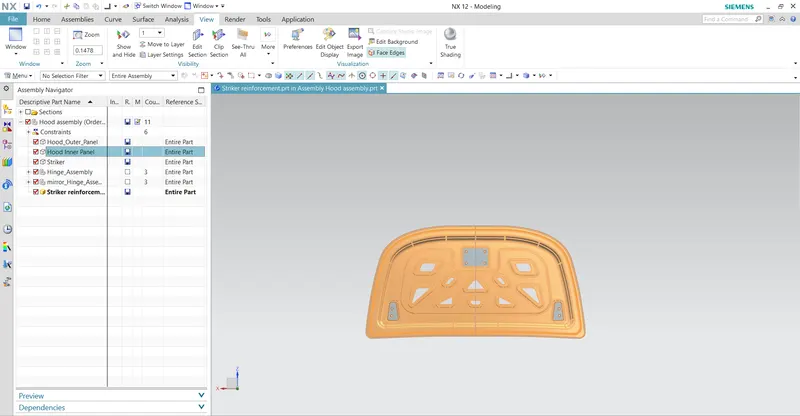
- Adding the reinfocement
- Creating hemming flange on the hood outer pannel
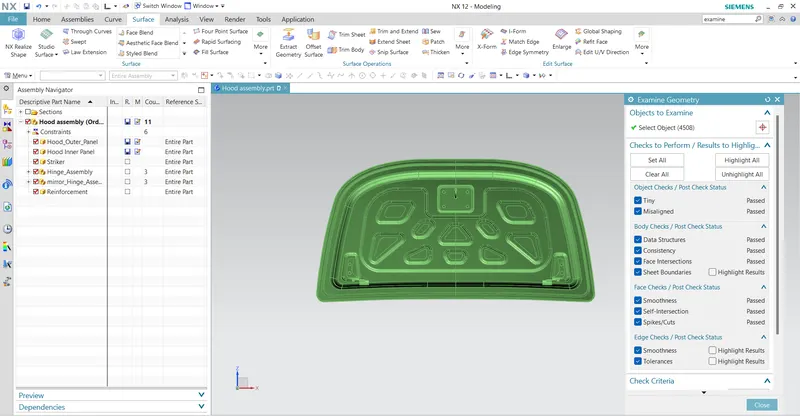
- Examine geometry
- Extracting the hood assembly
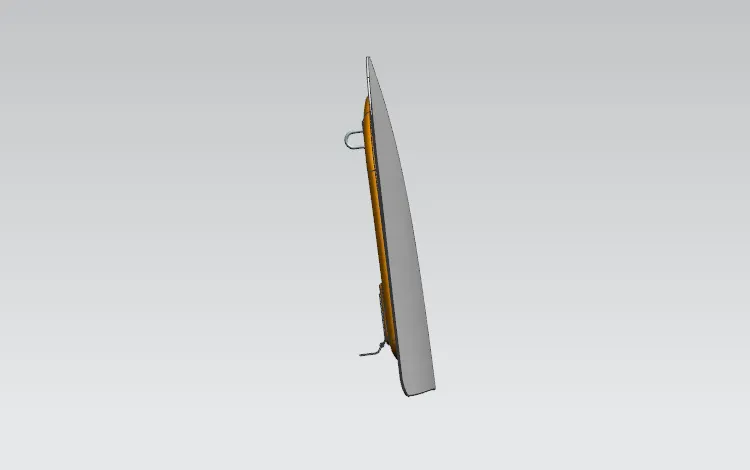
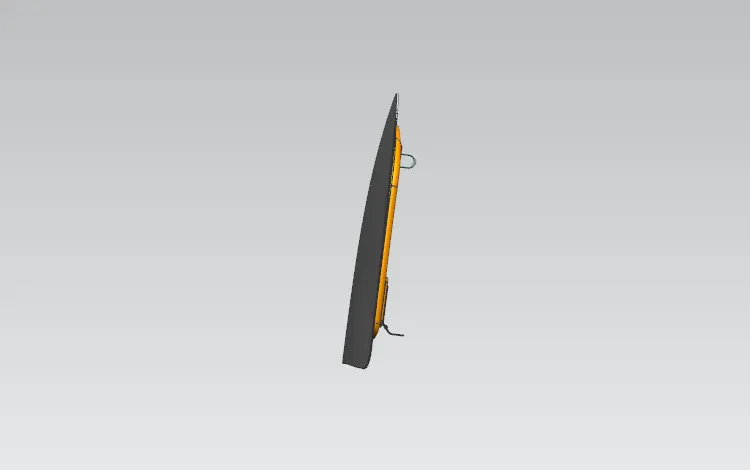
HOOD Assembly
Create assembly file and import or add parent file of hood outer panel.create hood inner panel using wave geometry linker with help of parent surface of the hood outer panel,and import or add hinge assembly,striker.
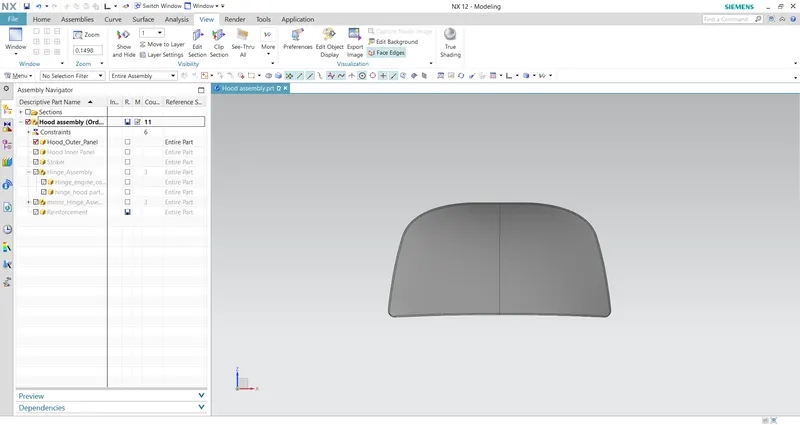
Hood Outer Panel
Create hemming flange using parent file and face blend in three face selection mode , Front relief and relief rear to obtain with relief section values.
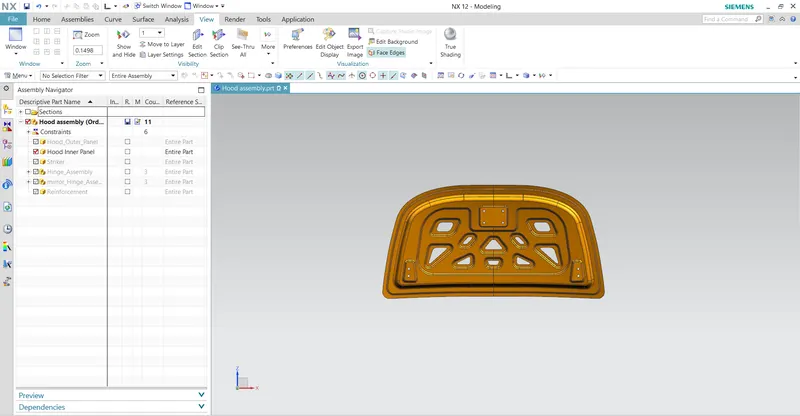
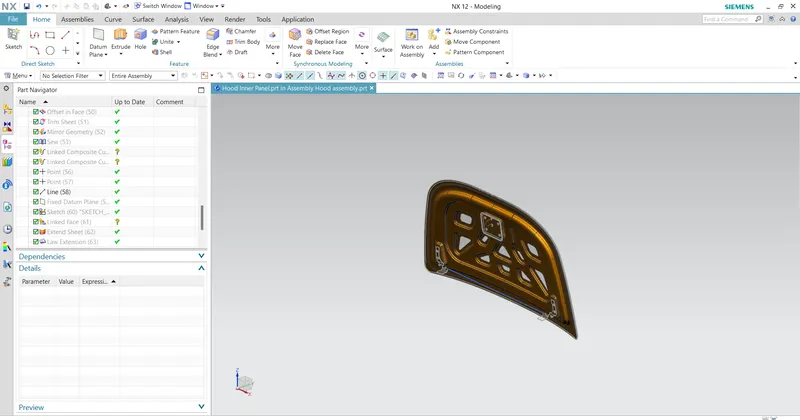
Hood Inner Panel
Create the hood inner panel using offset,curve on surface,trim sheet,emboss tools
Hinge Assembly
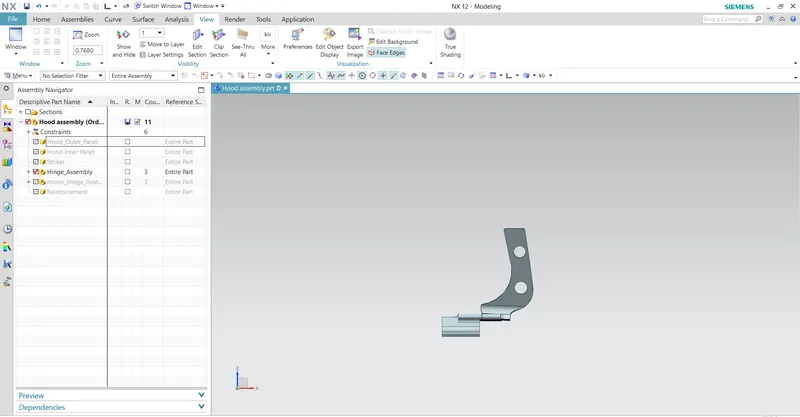
Position of Hinge Assembly
Import the hinge assembly combine the hood inner panel with help of datum plane, contains and mirror the hinge assembly.
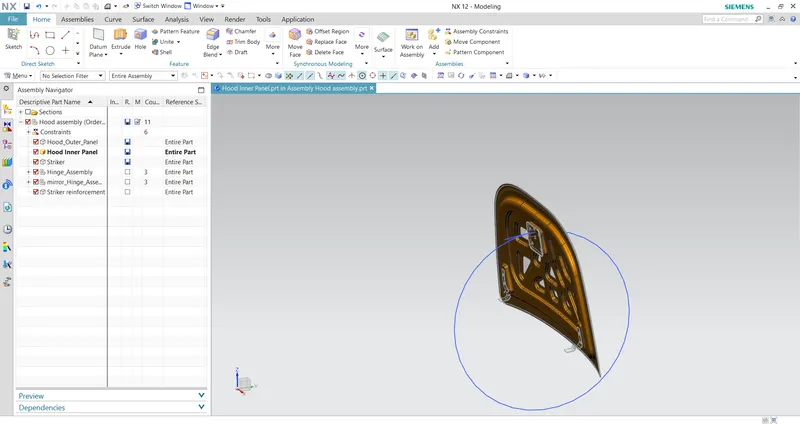
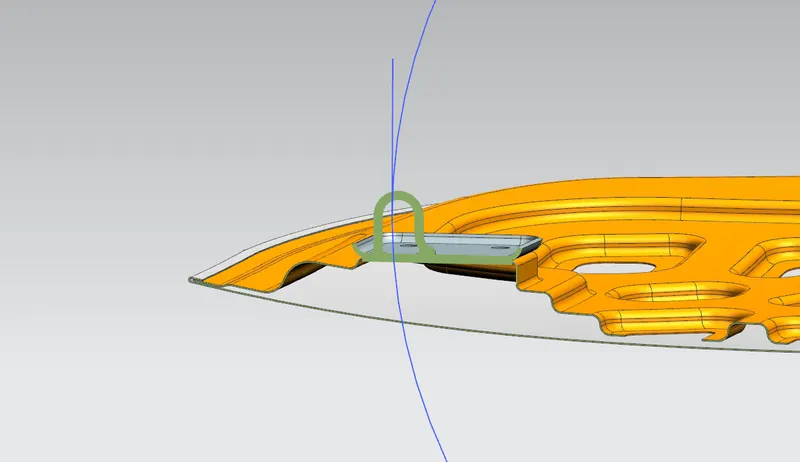
Striker
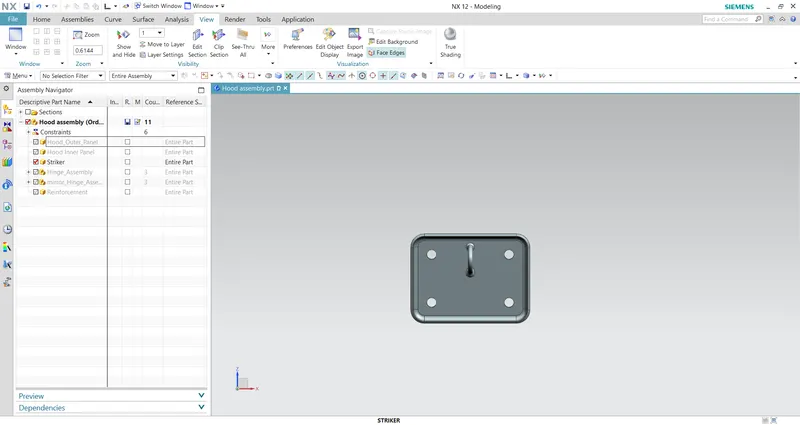
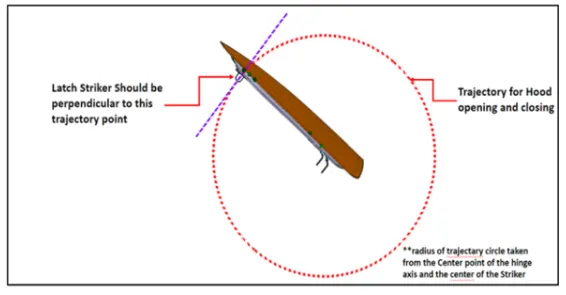
Position of Striker
Trajectory point for hood opening and closing shouid be perpendicular to latch striker
Reinforcement
Examine Geometry
Mastic Data
Mastic means adhesive, glue, or protective coating used to fasten a material to another surface.
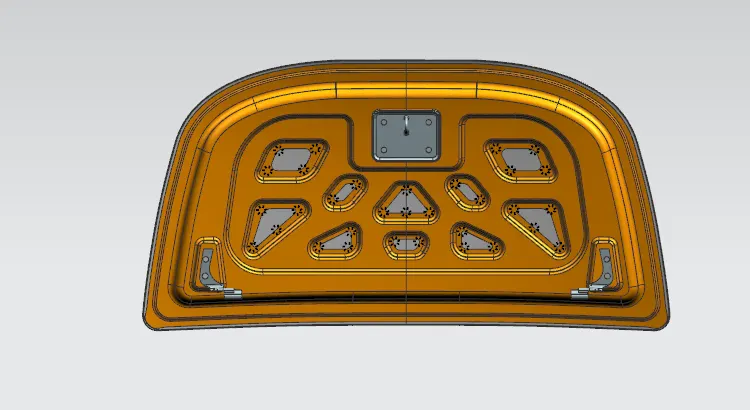
Thermo plastic rubber coting and mastic means a coating or mastic formulated and recommended for application to roofing or other structural surfaces and that incorporates no less than 40 percent by weight of thermoplastic rubbers in the total resin solids and may also contain other ingredients including, but not limited to, fillers, pigments and modifying resins.
Emboss
carve, mould, or stamp a design on (a surface or object) so that it stands out in relief.
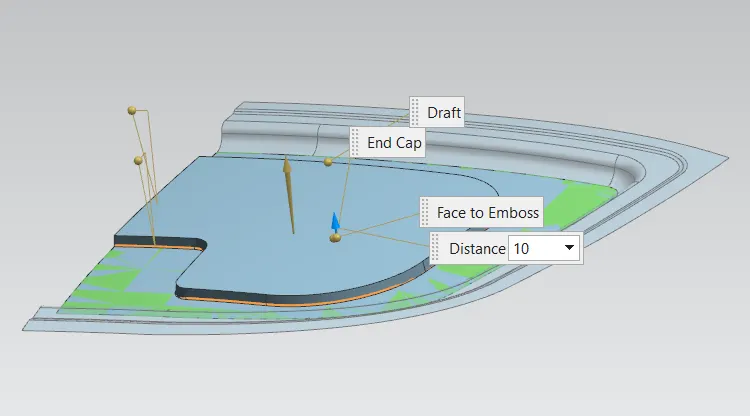
Embossing is the creation of decoration, design, or pattern impressions on another surface area, including metal, in order to make a relief.Embossing is a process which provides elegance. The process changes the nature of the material which has been embossed. Most times it creates a new standard of product quality.This is why some embossed material is worth more than others and also emboss gives extra strength to hoodinner panel.
How the Process Is Done
The process of embossing involves the creation of an impression by the use of placing dies in contact with the stock sheet metal under a high amount of pressure. Different embossing types can also create different effects.
Deep Drawing
Deep drawing is one of the most widely used processes in sheet metal forming. Apart from its use in many other sectors, it is applied in the automotive industry for the manufacturing of car body parts.
Process definition:
The deep drawing process is a forming process which occurs under a combination of tensile and compressive conditions. A flat sheet metal blank is formed into a hollow body open on one side or a hollow body is formed into a hollow body with a smaller cross section.
Deep drawing processes are divided into three types:
- Deep drawing with tools
- Deep drawing with active means
- Deep drawing with active energy
In the automotive industry, deep drawing is usually carried out using rigid tools.
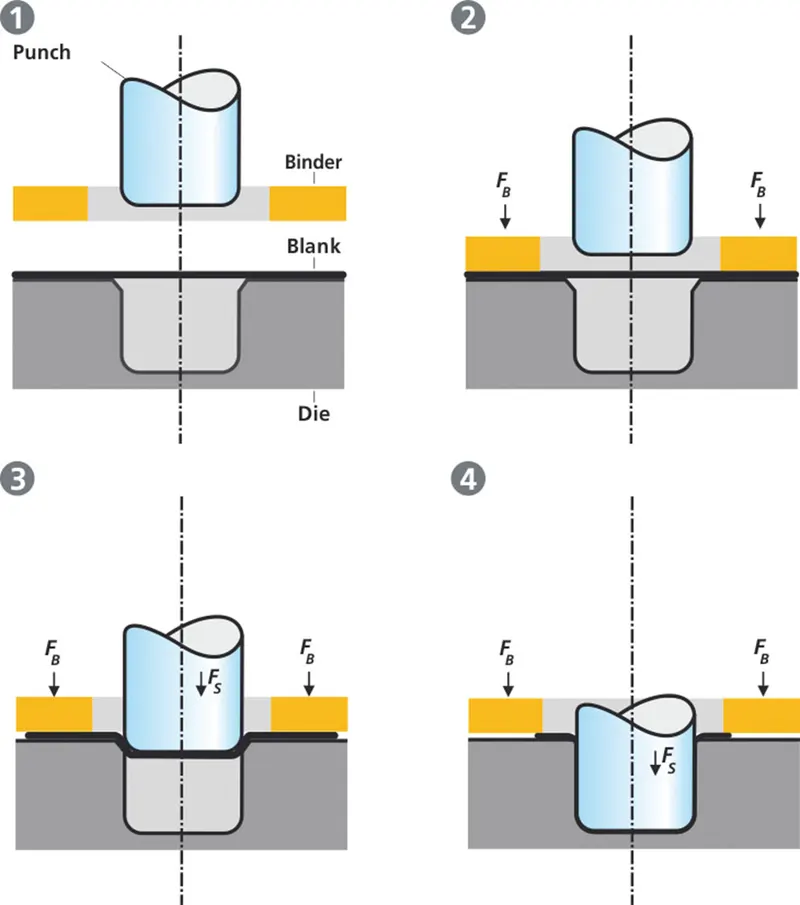
Illustration of the deep drawing process
The figure illustrates the deep drawing process. The rigid tools consist of a punch, die and binder. In deep drawing, the plate holder closes after the metal sheet blank has been inserted.
Whereas in pure deep drawing there is no reduction of sheet metal thickness, forming is achieved in stretch forming purely as a result of a decrease in sheet metal thickness. Stretch forming is extensively used for the forming of only slightly curved parts with low depth of draw (ex. roofs, doors).
There are approximately 300 to 400 sheet metal parts which fit together to form the body of a car. In order to manufacture high quality sheet metal parts optimally for their particular use, specialized software simulates the complete deep drawing process.
Hemming
Hemming is a forming operation in which the edges of the sheet are folded or folded over another part in order to achieve a tight fit. Normally hemming operations are used to connect parts together, to improve the appearance of a part and to reinforce part edges.
I have Created
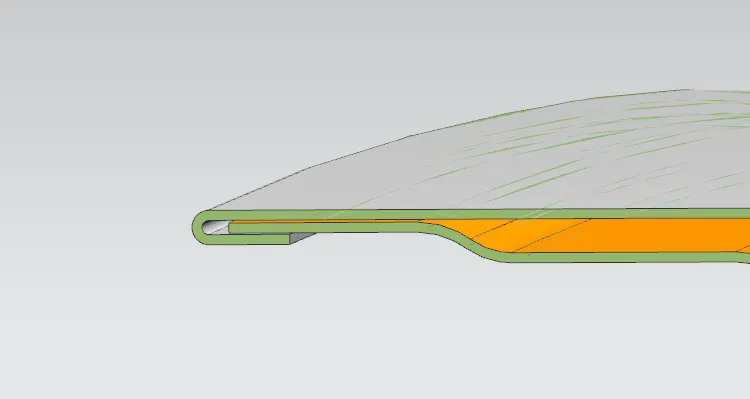
In car part production, hemming is used in assembly as a secondary operation after deep drawing, trimming and flanging operations to join two sheet metal parts (outer and inner) together. Typical parts for this type of assembly are hoods, doors, trunk lids and fenders.
There are various types of hemming operations:
- Conventional die hemming
- Roll hemming
Conventional die hemming
Conventional die hemming is suitable for mass production. In die hemming, the flange is folded over the entire length with a hemming tool. Normally the actual hemming is a result of a forming operation in which the flange is formed with a hemming tool after the drawing and trimming operations have been completed. The formed flange is then hemmed in several process steps. These steps include, for example, the pre-hemming and final hemming depending on the respective opening angle of the flange. Production plants for conventional die hemming are very expensive, but the cycle times are very low.
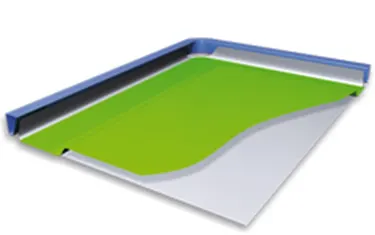
In conventional die hemming,the flange is folded over the entire length with a hemming tool.
Roll hemming
Roll hemming is carried out incrementally with a hemming roller. An industrial robot guides the hemming roller and forms the flange. Roll hemming operation can also be divided into several pre-hemming and final hemming process steps. Roll hemming is very flexible to use and tool costs are significantly lower as compared to those of conventional die hemming. However, the cycle times are much higher since the hemming is realized using a hemming roller which follows a defined path.
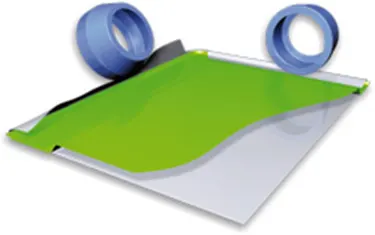
In roll hemming, the hemming roller is guided by an industrial robot to form the flange.
Final Assembly