Hood design-Week 2
OBJECTIVE:
- Design Outer Panel with the Hem
- Develop the Inner Panel
- Develop all the Necessary Reinforcements
- Mirror and position the Hinge & Striker
- Provide Mastic Data
- Provide the required Emboss definition
- Develop a detailed Report for the Mastic position and Embosses you have placed
INTRODUCTION:
CATIA is a multi-purpose software, used in Computer Aided Designing, Computer Aided Manufacturing, Computer Aided Engineering, PLM and 3D. It is used to design, simulate, analyze and manufacture products in variety of industries.
In our design, we use CATIA as the software to create various functioning operations and features to create the parts and their assembly.
Hood is also known as Bonnet, which covers engine part of the vehicle that allows access to the engine compartment or the trunk for some maintenance work or for repair work. It is made of different compositions of metals for different requirements.
In our design, the parts that have designed are,
- Inner panel,
- Outer panel,
- Hinge and
- Latch.
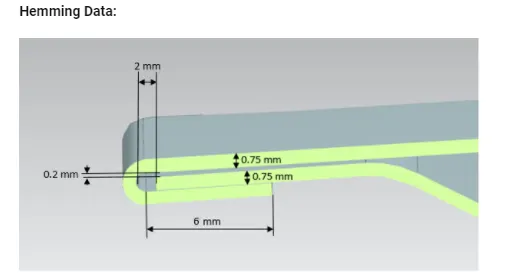
The thickness of inner panel and outer panel should be 0.75mm.
PART DETAILS
ASSEMBLY:
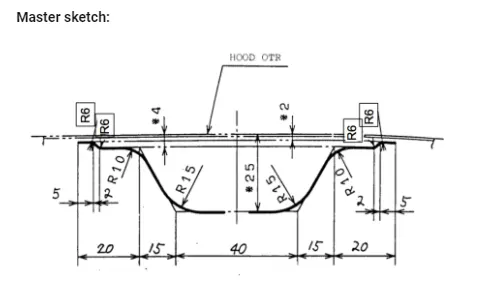
The given data for designing
INNER PANEL:
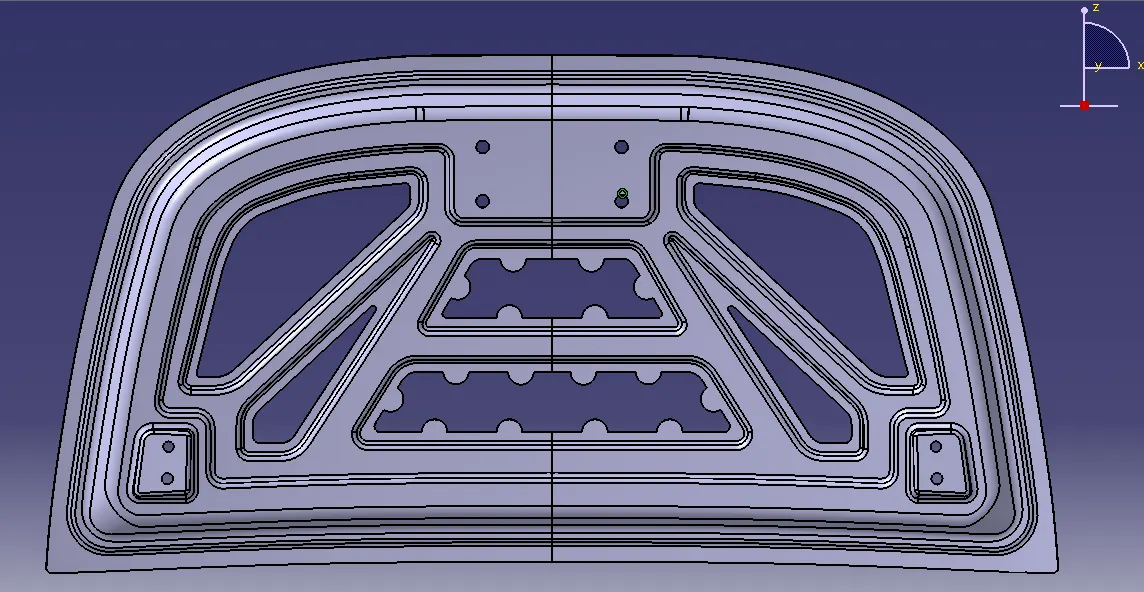
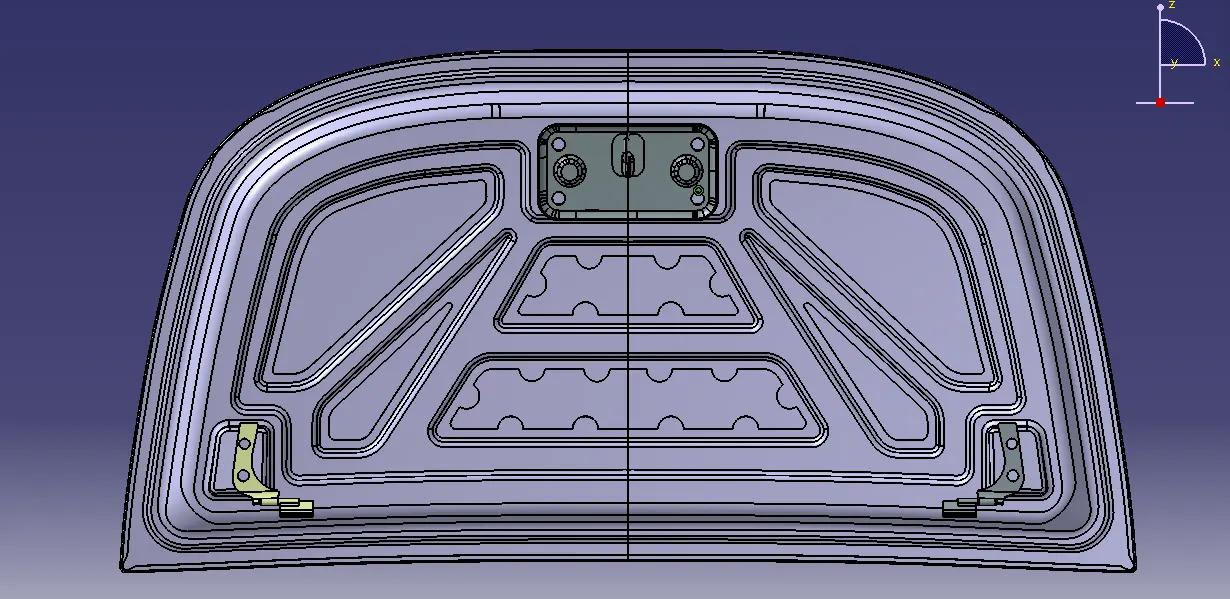
Inner panel is the internal structure and set up of the hood. The inner panel is used for many functions. In inner panel, the force of impact is designed in the way it is directed outwards from the side of human. It is the part of hood where the specialized water or treated water gets drained through some holes and cut sections. The inner panel is designed from the design of outer panel. Hinge and latch are fixed to the inner panel of the hood.
OUTER PANEL:
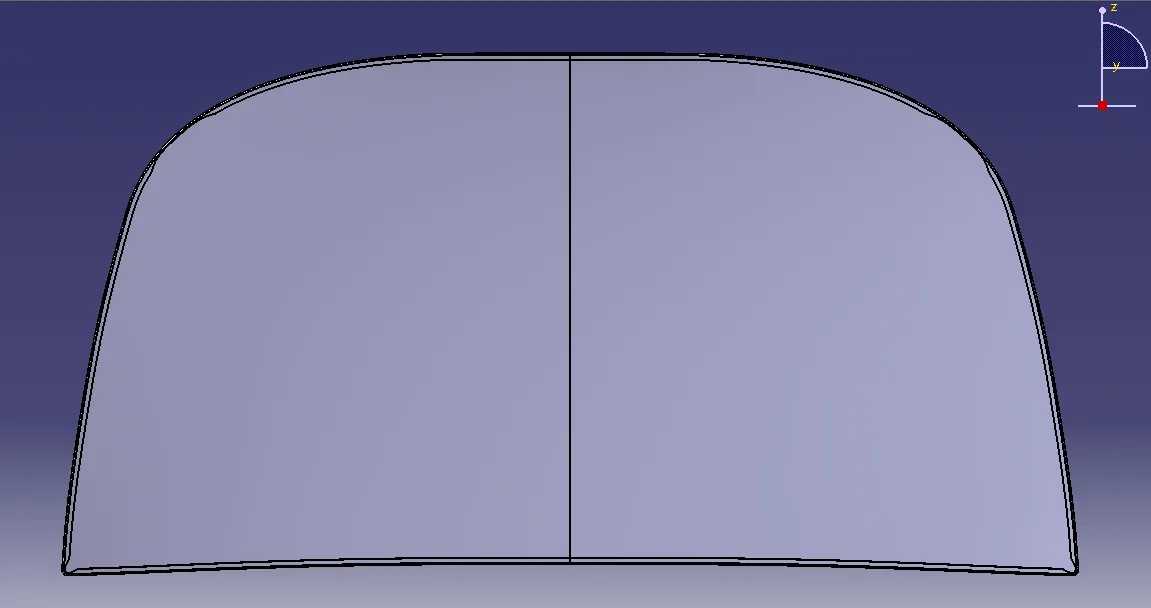
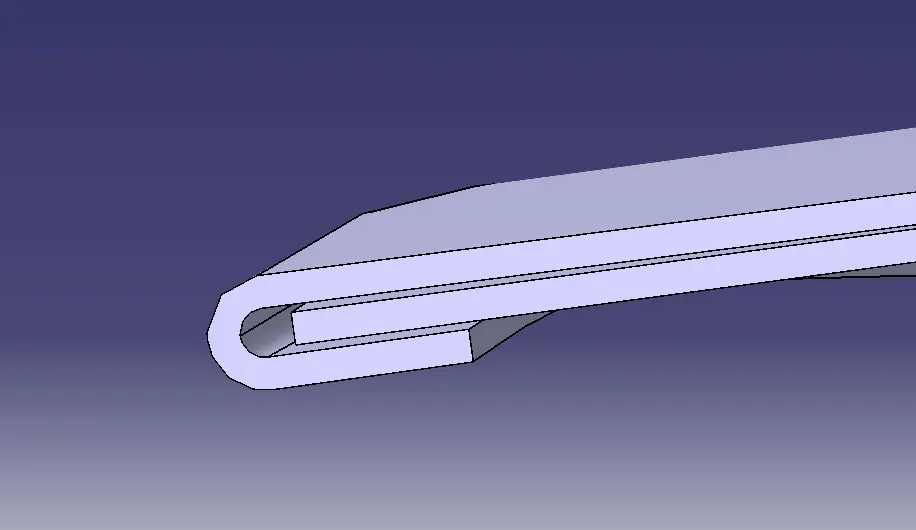
Outer panel is the external structure of the hood. Basically, it is made stronger and scratch resistive, composition of metal. This is the part that holds the inner panel with some special bonding material. Hemming flange is made on the border side of the panel with some relief on the edges to prevent the fold of sheet metal. Outer panel seems little simpler when compared to the inner panel.
HINGE:
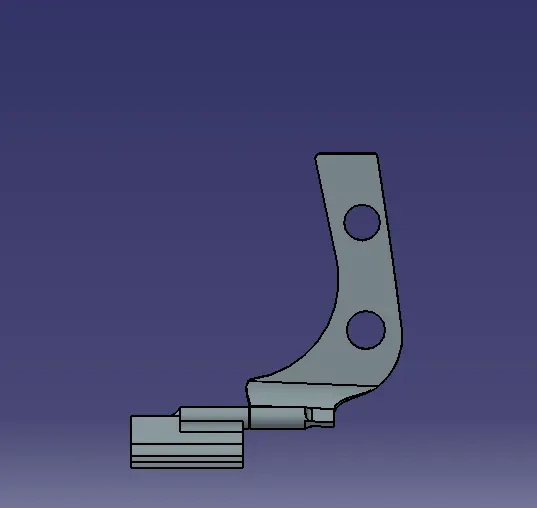
Hinge is the part used to make hood in the act of closing and opening. It connects the hood to the upper section of car. It should be on the perpendicular direction of the striker.
LATCH:
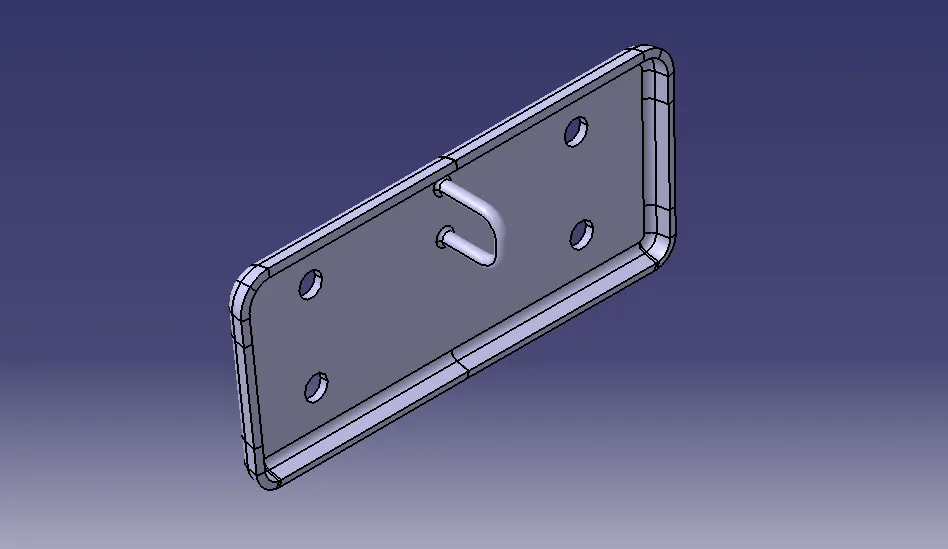
Latch is the part that have connected with hood for locking mechanism. The latch has a separate embossing on the inner panel and attaches with it. Latch has a loop that gets locked and releases the hood safely without any unexpected pop.
While designing the hood, some designing requirements are done. They are,
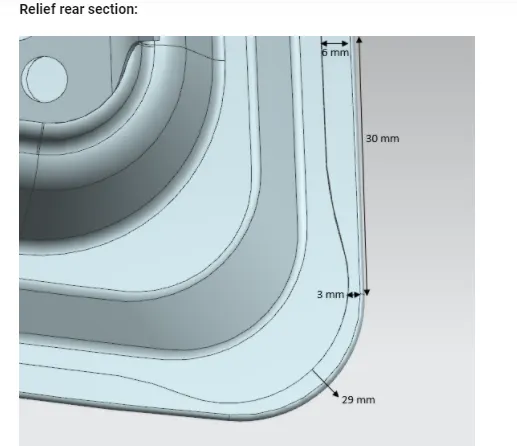
Corner relief on the hood to get relieved from the overflow of material on the corner of panels.
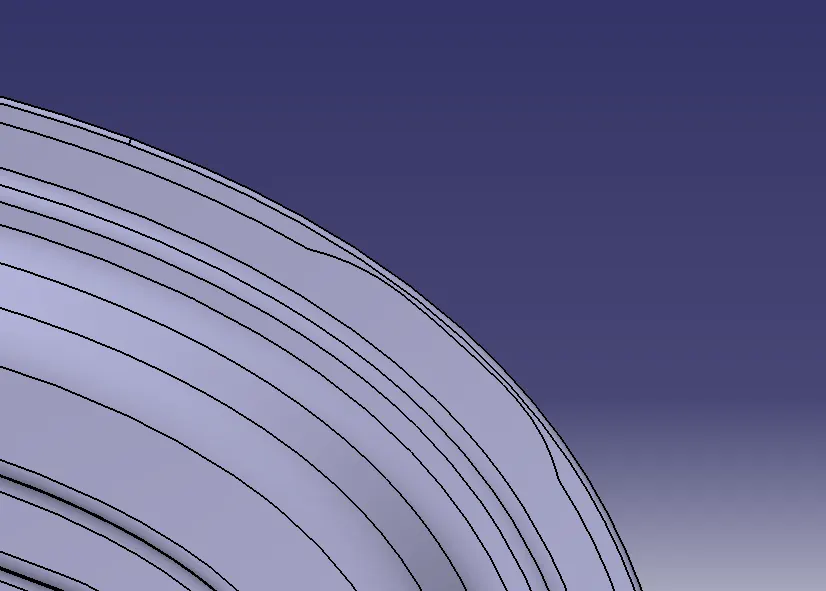
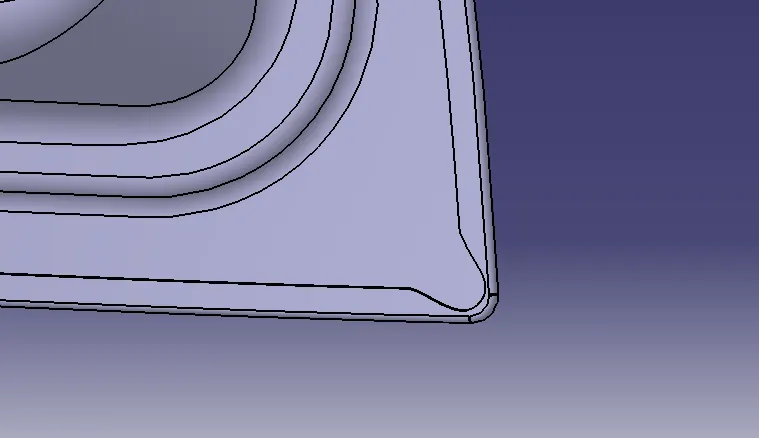
Hemming flange, is the gap left between the panels to avoid the friction and to avoid the damage between them.
Trajectory projection, is the relation to the latch and striker in closing condition of the car, it is regarding the free closure of hood with the car's front compartment. The latch should tangent with the hinge's projectory circle. So it gives a tension free lock with minimal contact between the parts.
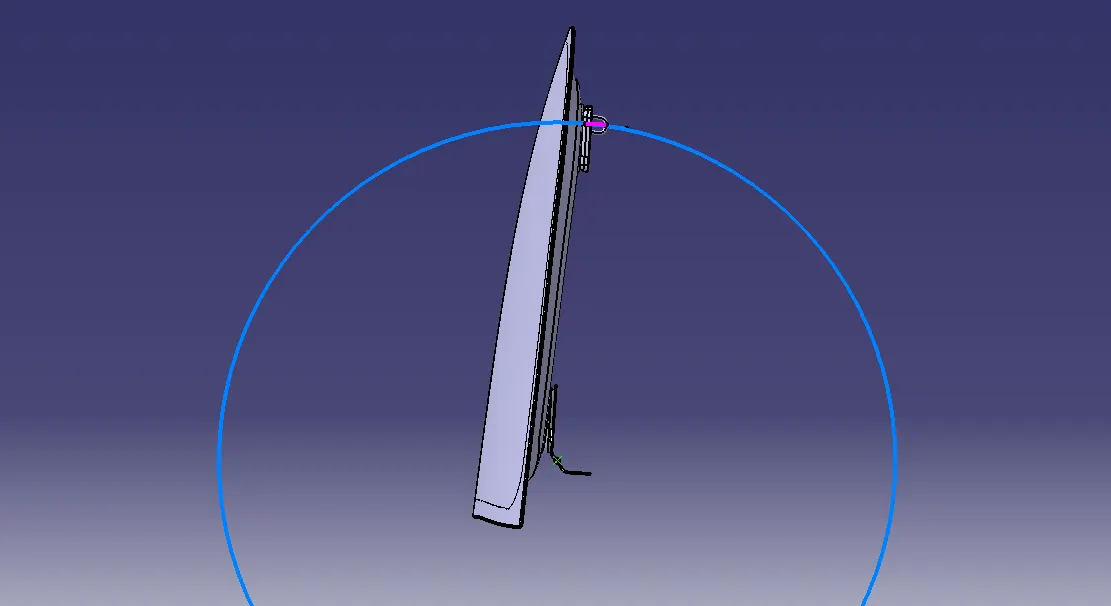
Purple line is the latch clamp's center position, Blue Circle is the trajectory circle of Hood and Green point is the Hinge's center position.
CONCLUSION:
The hood design is completed with the requirements and all the aspects are met for the design and assembled.