Hood design-Week 2
Introduction :
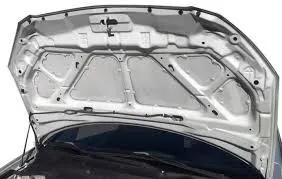
The Hood is the frontal part of an automobile, especially a passenger car. The hood is one of the aesthetic features of the car. The hood is responsible for protecting the item in the frontal part of the car, for example, the engine of the car. The provision of the hood enables us to repair the car at faulty times. The functions of the hood include acting as a door to check the interior parts of a car, to reduce the air drag to the maximum amount so the car moves swiftly in the road.
Design requirements of the hood :
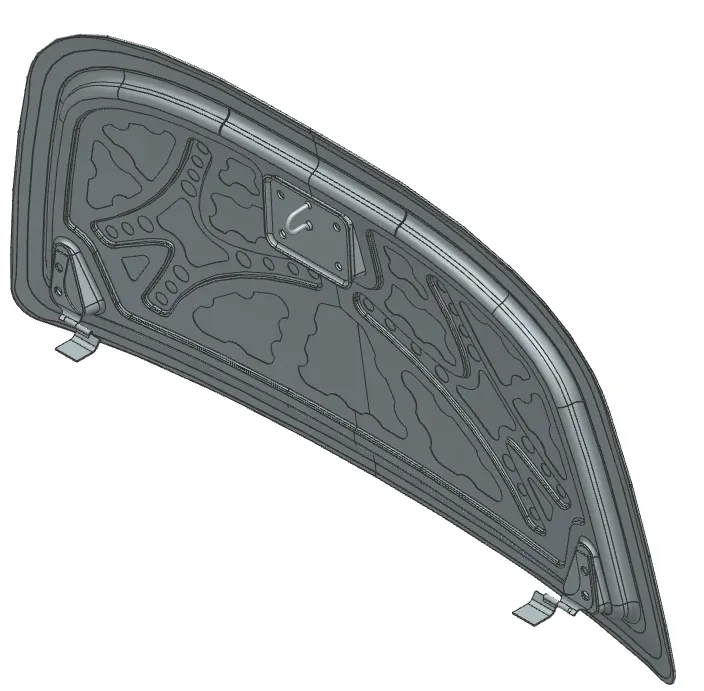
- The hood should be designed in such a way that even if crashes occur the hood should absorb maximum impact from the object. The object may include a pedestrian.
- The inner hood should have more stiffness and less weight.
Procedure for Design:
- Preparation of Class A surface.
- Design of inner hood.
- Design of flange.
- Adding corner reliefs.
Manufacturing of hood:
- Deep drawing of the inner hood.
- Piercing of the inner hood.
- Applying mastic sealant.
- Hemming of outer Hood.
- Assembly of latch and hinges.
Preparation of Class A surface:
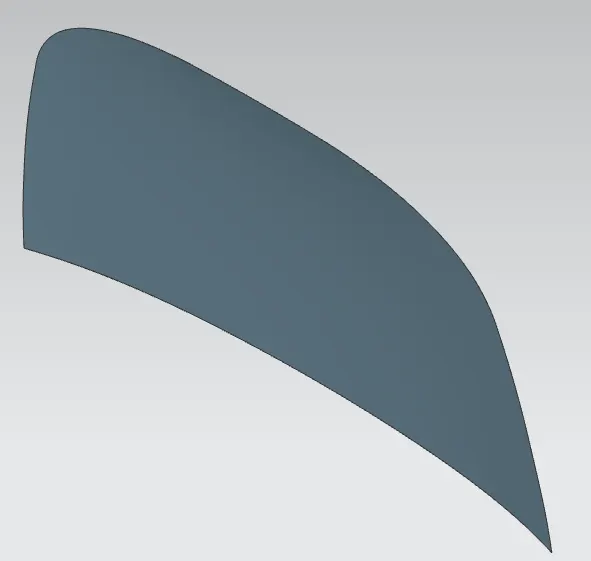
Class A surface is the input data for further design procedure. Class A surface is done using Autodesk Alias software. This surface forms the outer hood basic surface.
Design of inner hood:
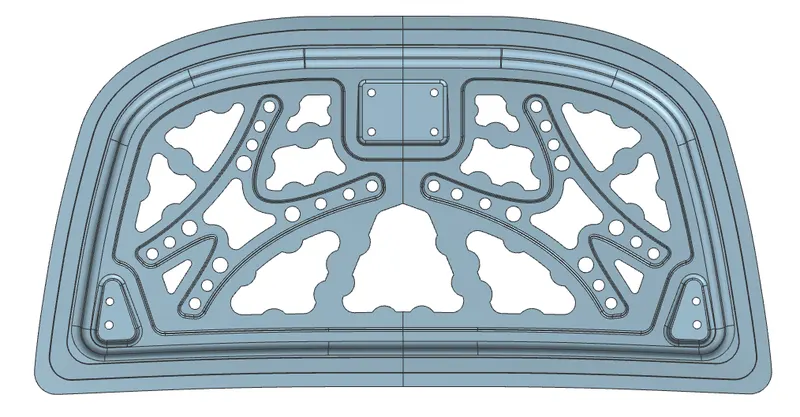
The inner hood is first offset for minimum gap using the outer hood. The further design process is done using the input data using various cad tools that include offset surface, law extension, emboss, trim, trim and extend, mirror geometry, etc...
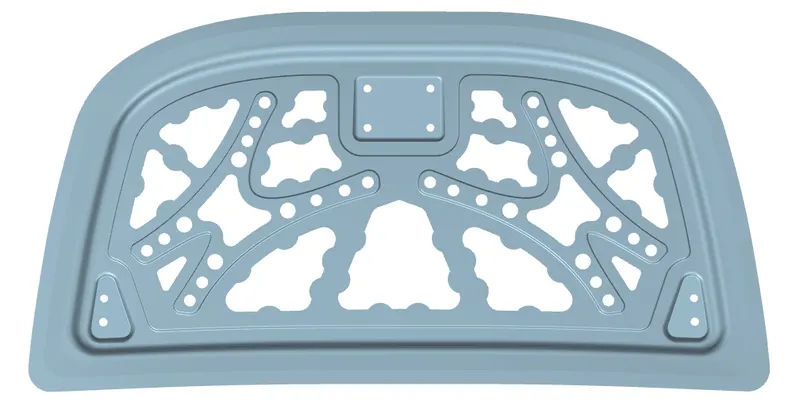
Design of flange:
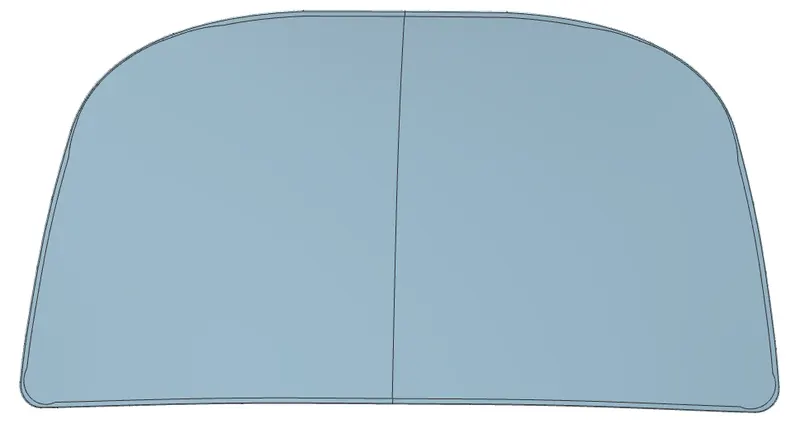
The flange is made in the outer hood with offset, law extension, face blend commands. The design rules are followed as per the requirements given in the question.
Corner relief:
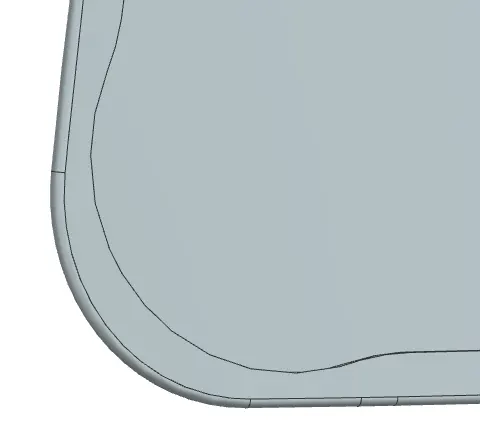
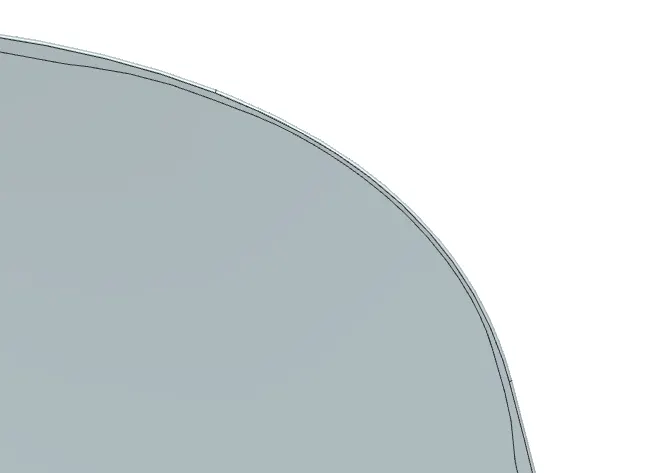
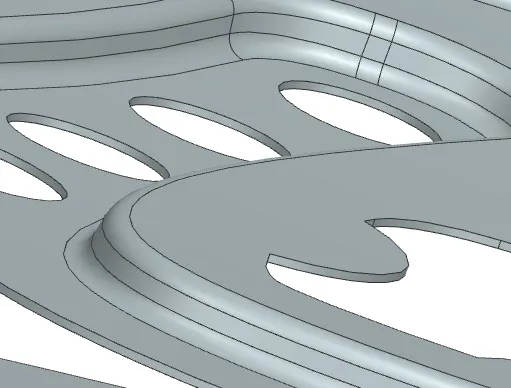
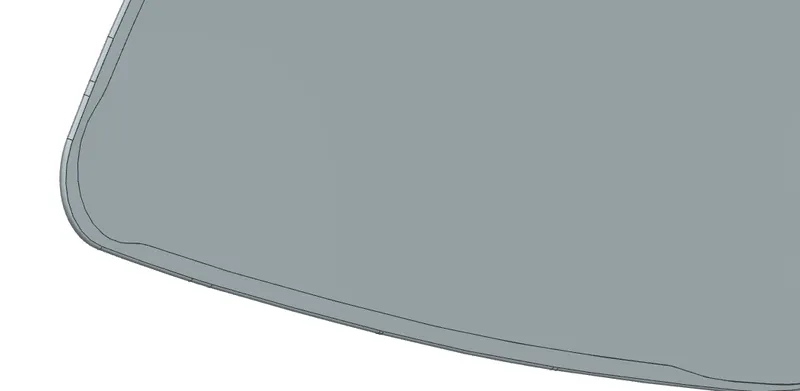
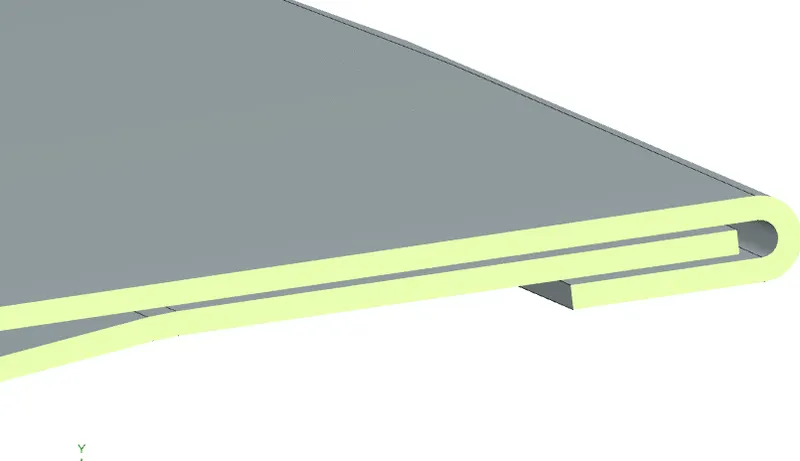
The corner reliefs are given to outer hood flanges to support the hemming process as the sheet metal would be bent to complete 180 degrees to accompany the inner hood.
Thickening of the outer and inner hoods:
The surfaces are thickened to make them solid. A thickness of 0.75 mm is given to the surfaces.
Manufacturing of the Hood:
Deep drawing of the inner hood:
Deep drawing is the process of making cup-shaped parts in sheet metal. Parts like cooking pan, drinking bottles and automobile sheet metal parts, etc... The process is done using a punching machine that has a die. The die has the shape of the final part required. There is a clearance between the die and punch. This place is filled by the sheet metal blank.
Embossing :
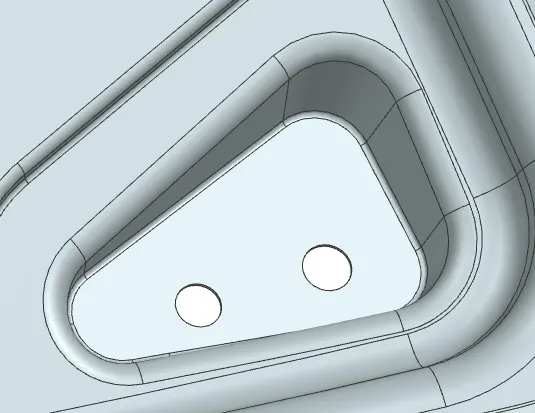
Embossing is similar to deep drawing except here instead of blank in deep drawing the entire sheet is made to the desired concave or convex shape. The die has the desired shapes. The punch provides shear to the sheet metal. Another difference is that in deep drawing only one single shape or contour is deep drawn but here any complex contour can be embossed.
Piercing of the inner hood:
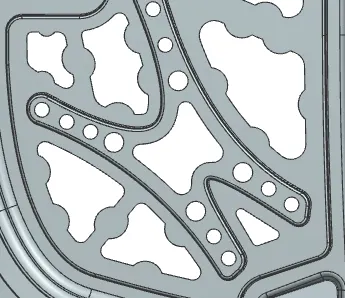
Piercing is a material-removing operation carried in sheet metal. It is similar to the deep drawing having a punch and dies assembly. the shear is provided to the sheet metal to perform a cut in the sheet metal part. The punch has the desired to be cut for this operation.
Applying mastic sealant:
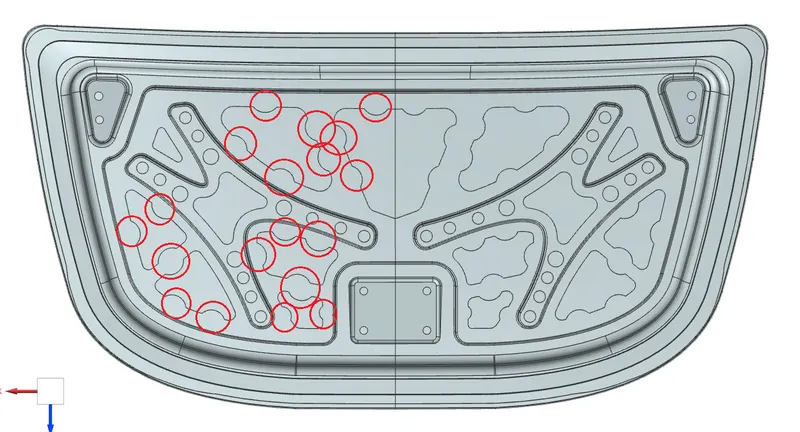
The inner and outer hood is placed with a small gap between them. After assembly, the part may vibrate during motion. The aesthetics of the outer hood is the prime consideration for the hood of a car. So spot welding cannot be provided for inner and outer hoods. The mastic sealant provides the assembly criteria and reduces the vibration and provides an adhesive bond between the sheets.
The inner hood sheet has few provisions for applying the mastic surface. These provisions are given in the design stage itself.
Hemming of outer hood:
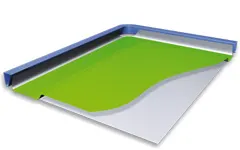
Hemming is a forming operation in which the edges of the sheet are folded or folded over another part in order to achieve a tight fit. Normally hemming operations are used to connect parts together, to improve the appearance of a part and to reinforce part edges.
In automobile production, hemming is used in assembly as a secondary operation after deep drawing, trimming and flanging operations to join two sheet metal parts (outer and inner) together. Typical parts for this type of assembly are hoods, doors, trunk lids and fenders.
Hemming is carried in a set of rollers with increasing angles in each of the rollers.

Assembly of latch and hinges:
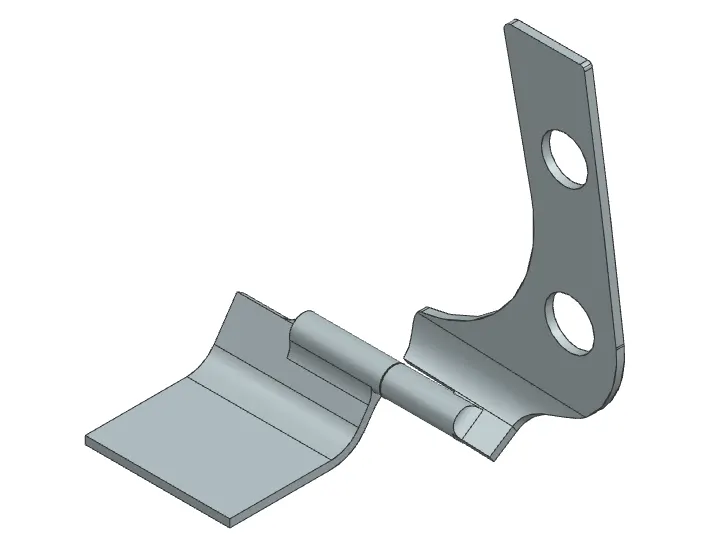
Hinges:
Hinges are required to provide relative motion between the car body and the hood. Two hinges are provided on each side of the hood. The hinges are spot welded with the hood.
Latch :
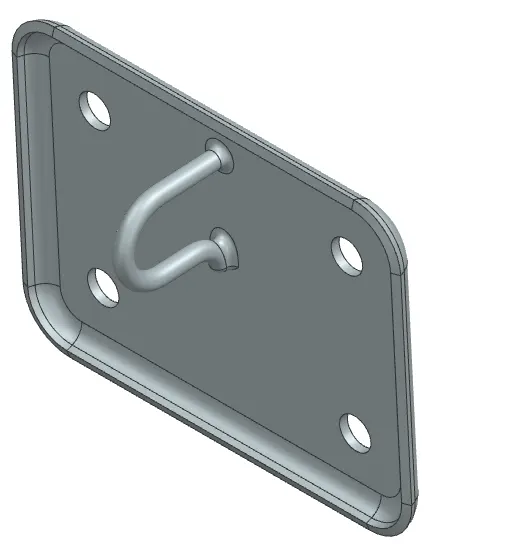
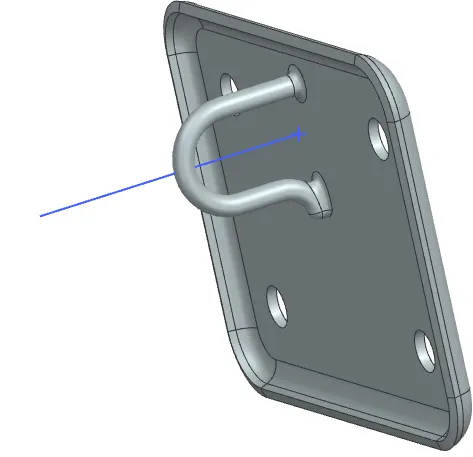
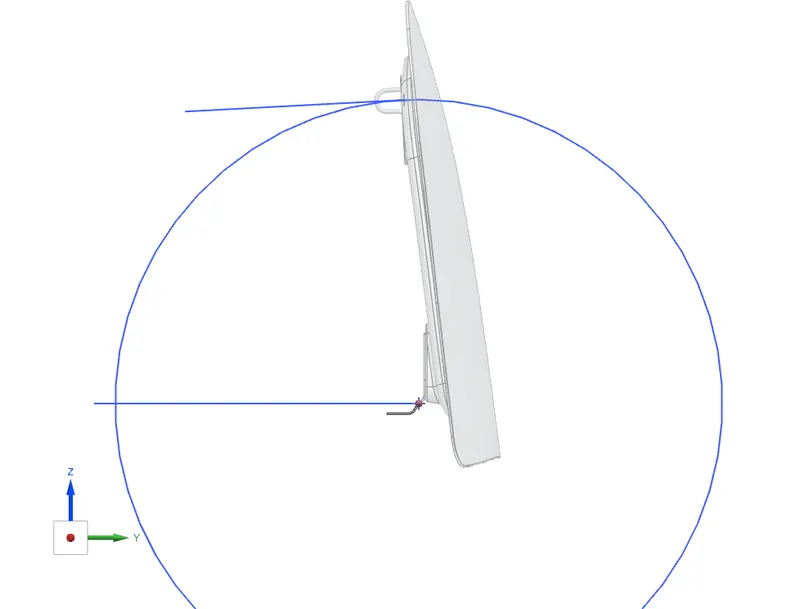
The latch is the component of a hood to make the locking feature with the car body. The latch has a hook in the centre. The placement of the latch is important for a hood design. This is done by projecting a trajectory. The trajectory circle is drawn with the hinge axis as the centre. The radius is assumed to be an optimum value so that the latch hooks centre coincides with the circle drawn. The hinge hook's trajectory should be a tangent to this circle drawn. The component of the latch is moved in assembly to make sure this criterion is met. Then the latch emboss is carried in the inner hood design. The hook should also be in a position such that it does not hit the passenger while in the open position.
Distribution of Force :
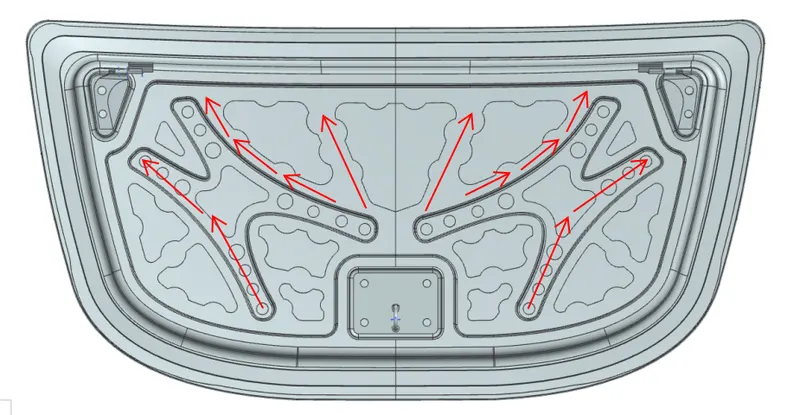
The outer hood is the main aesthetic part so it is generally weak in construction. On the other hand, the inner hood panel is where are stiffness and strength factors are applied. The deep drawing design should be in such a way that it dissipates the impact energy along the sideways of the car towards the fender. The impacted force should not travel to the passenger cabin for safety considerations.
Conclusion :
The design of the inner and outer hood is done as per the design requirements.