Hood design-Week 2
Design of Car Hood/Bonnet Assembly
Objective:
The aim of this project is to construct a well-defined hood assembly by modeling the different parts needed in creation of our hood assembly that parts are hood inner & outer panel, hinge assembly, striker, etc.
Introduction:
The car’s hood consists of an inner and an outer panel. The inner panel provides strength, while the outer panel is just a metal cover. The underside of the hood is often covered with a sound-absorbing material. Some high-performance cars have ‘hood scoops’ which channel outside air directly to the air filter, which gives improved performance and efficiency.
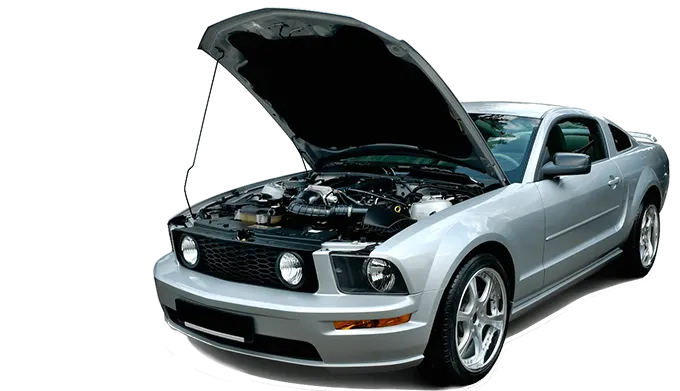
The hood or bonnet is the hinged cover over the engine of motor vehicles that allows access to the engine compartment for maintenance and repair. On passenger cars, a hood may be held down by a concealed latch. On race cars, or cars with aftermarket hoods (that do not use the factory latch system) the hood may be held down by hood pins. A hood may sometimes contain a hood ornament, hood scoop, and/or wiper jets. Hood are typically made out of steel or aluminum, although aftermarket manufacturers may manufacture hoods out of fiberglass, carbon fiber, or dry carbon.
The hood release is a small lever, which is usually mounted under the dash. It is connected to the hood latch by a cable. The hood latch has a safety feature, which requires a second latch to be released before the hood will open. This is to prevent accidental opening while driving.
Pedestrian safety:
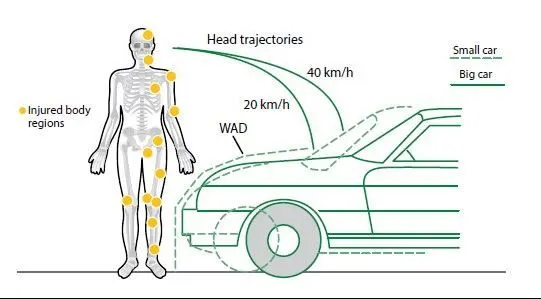
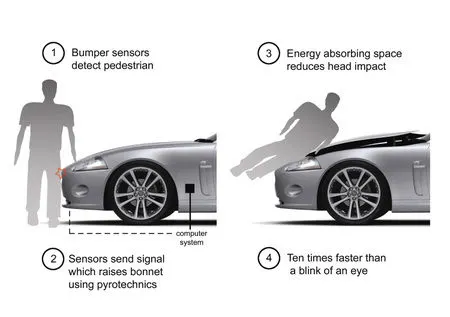
Pedestrian safety from front collision is also to be considered. The European New Car Assessment Program (Euro NCAP) is a European car safety performance assessment program which has developed test specification and rating systems for assessing pedestrian injuries during impacts with the front of vehicles such tests include a series of tests using impactors designed to mimic a collision at a speed of 40Kmph. They describe a situation in which pedestrian is situated laterally and a car first hit one of his legs. Tests are conducted on the leg, upper leg and most importantly head, as head trauma is most commonly responsible for casualties.
Purpose Of Hood Design:
- Covers all Engine, radiator & other components.
- Reduce air effect due to its aerodynamic shape design.
- Safety of Passengers.
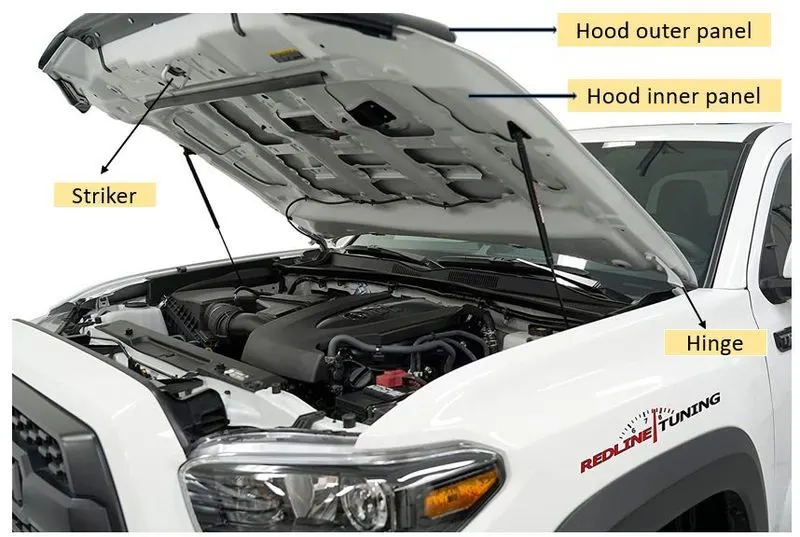
Components Of Hood:
- Hood Outer Panel
- Hood Inner Panel
- Latch & Stricker reinforcement
- Hinge reinforcements
- Stiffner Pad
Types Of Hood Support:
There are two types of support is there,
- Gas Stay
- Support Rod
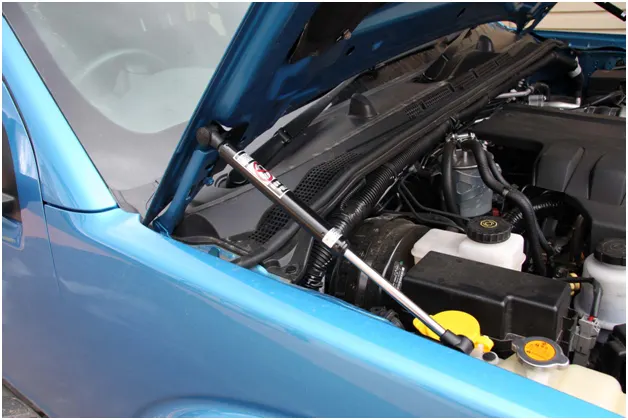
1.Gas Stay:
Spring stays are designed to be used on upward lifting doors, once you have opened the door slightly the spring will push the door to the fully open position, Euro fit stock various size springs depending on the door size requirements. This is mostly used for where the car bonnet weight is heavy.
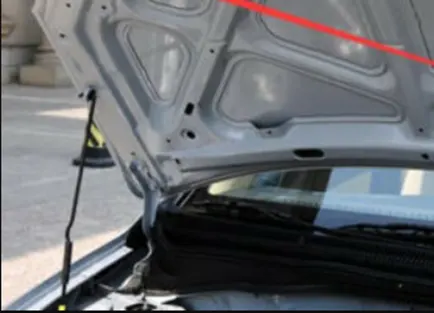
2.Support Rod:
This is widely used in many car, because this very easy and cheap. In this type we have to lift thehood by ourselves and place the support rod in the space provided either in the hood or engine component. This is mostly used for where the car bonnet weight is small.
Procedure For Hood Design:
Hood Thickness Information
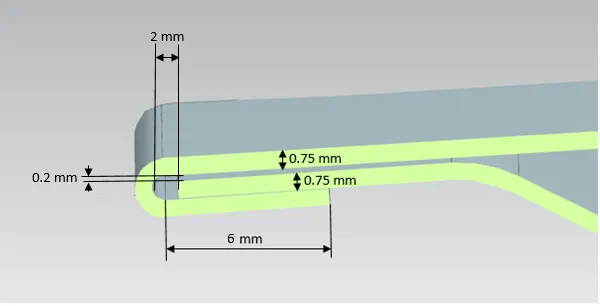
- Outer Panel Thickness = 0.75mm
- Inner Panel Thickness = 0.75mm
- Reinforcement Thickness = 1.5mm
Master sketch:
Hood Inner Panel:
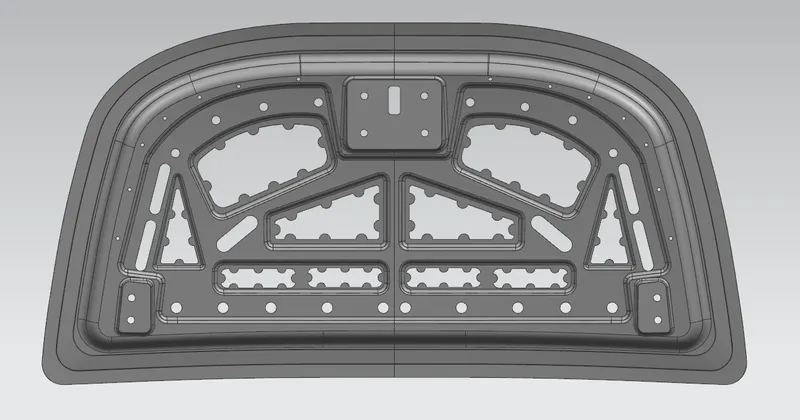
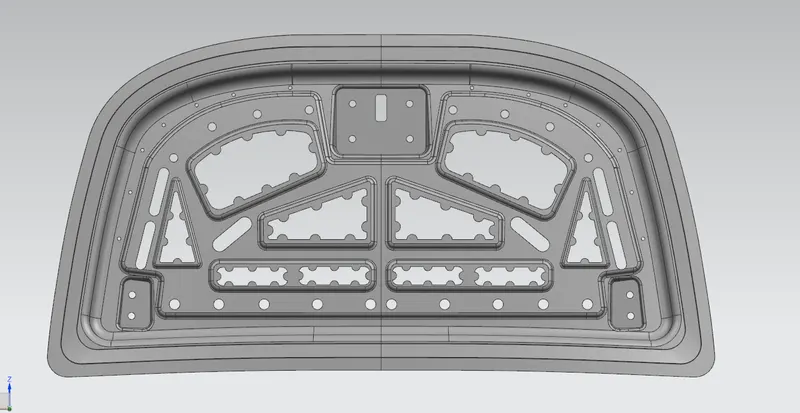
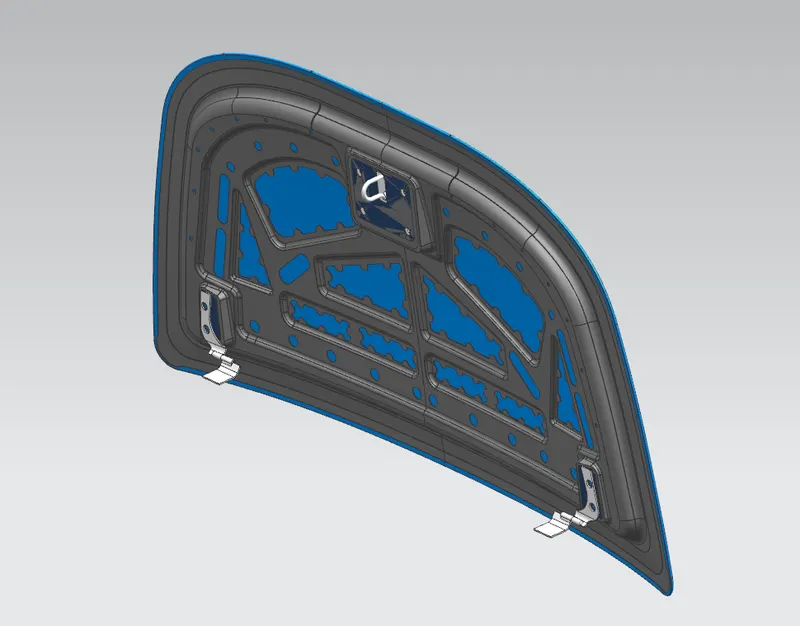
Inner panel supports outer panel. It consists of different embosses and hole at different places. Embosses provide stiffness as well as dissipate energy towards hinges. To determine the most effective position of hole, the method of modal stiffness is employed. Inner panel is offset of the parent work surface inner panel thickness is 0.75mm.
Hood Outer Panel:
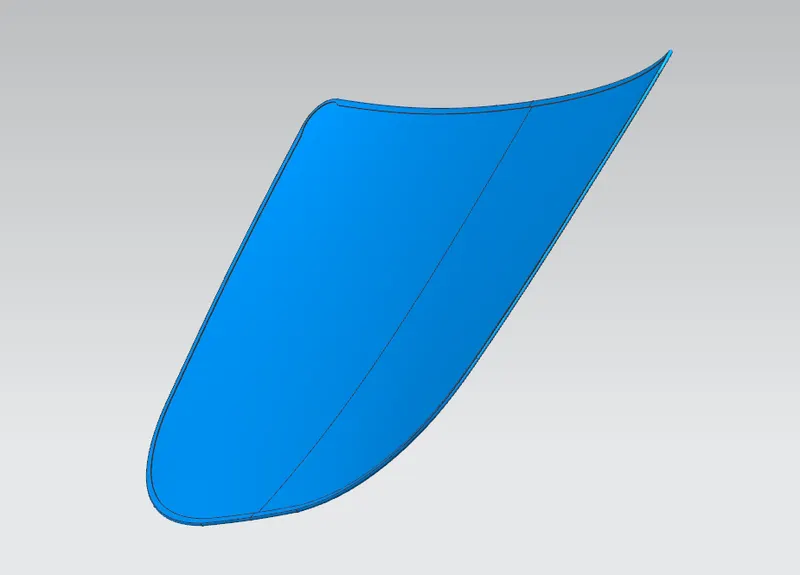
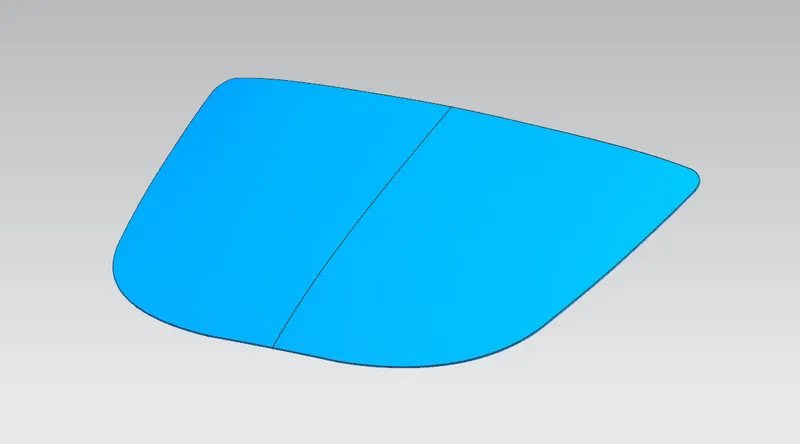
Outer panel is nothing but an outer skin of inner panel. Otherwise called as a cover of inner panel. It is the part, which gives luxurious look to the hood or bonnet. Outer panel and inner panel cannot join by any welding process like spot welding or rivet, which spoil the outer look of a car. The outer panel is generally extracted model from the prototype design.
Hemming:
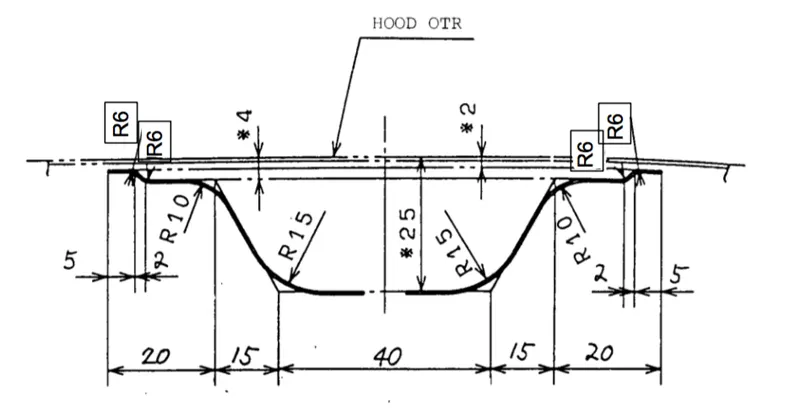
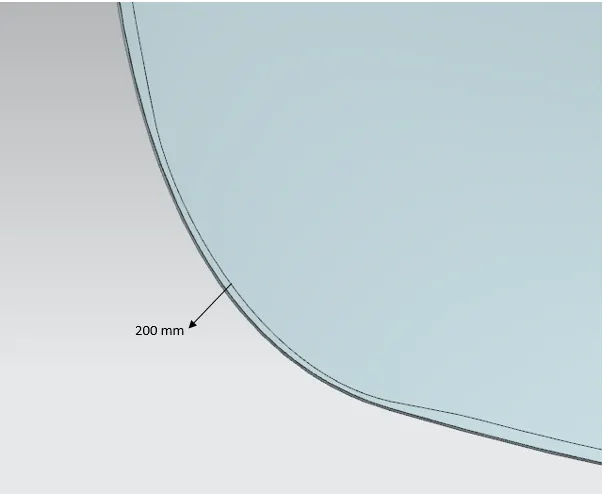
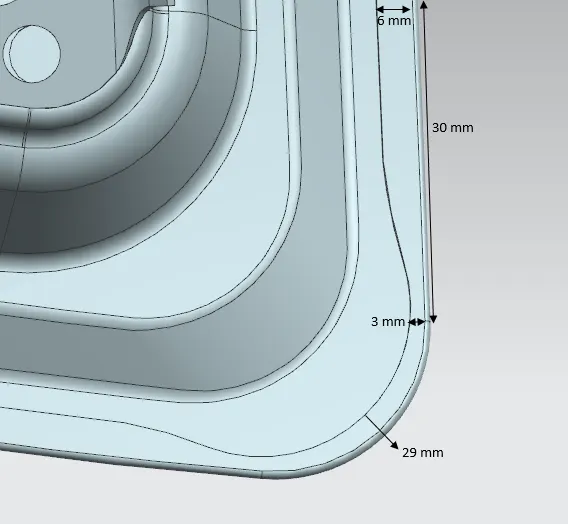
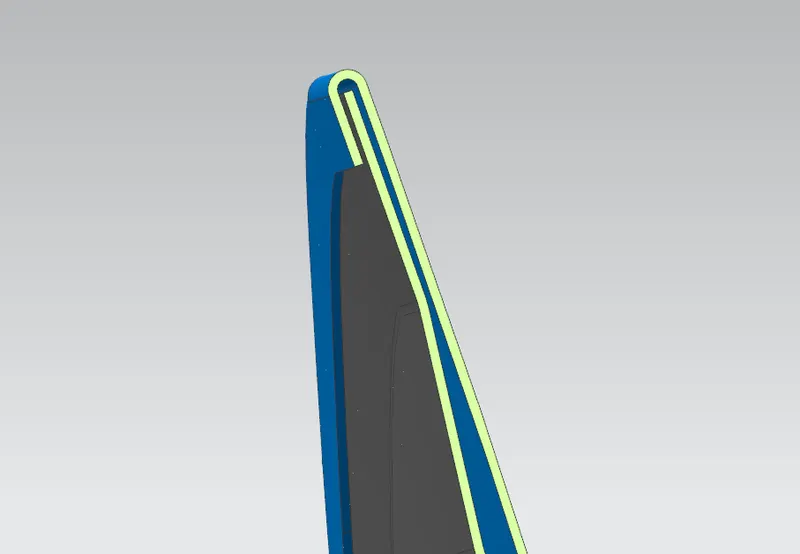
Hemming is the process of joining both the outer and inner panel together. The hemming process roles and wraps the hood outer panel around the inner panel and holds it tightly together. The following are the dimensions followed for hemming.
Mastic Sealant:
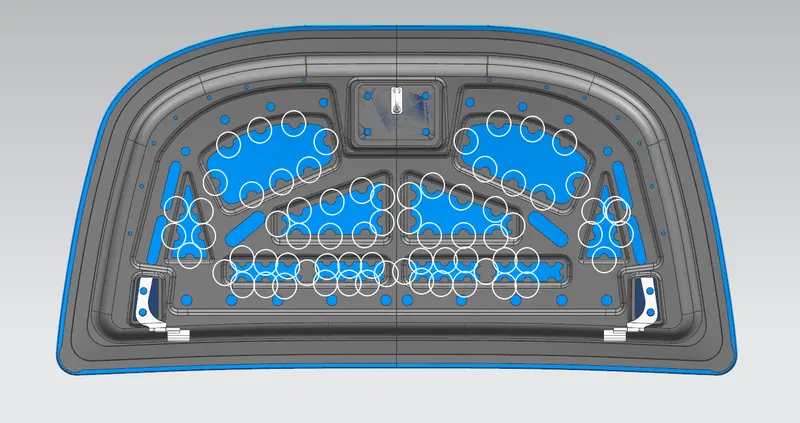
The main purpose of the Outer Panel is for aesthetic looks. Thus, we cannot use bolts or welding, this has to be done with the help of Hemming and Mastic sealants. Mastic sealants are elastic compound that behaves like the rubber. It is placed between the outer and inner panels. Initially it is in paste form but after the hot furnace bath, it will get hardened thus joining the outer panel and inner panel. Mastic sealants has the tendency to increase the strength of the panel. Usually in designing these are created in Inner Panel using sketches and projecting them on panel. Later trimming of the sheet and blending it.
Dissipating Shock Waves:
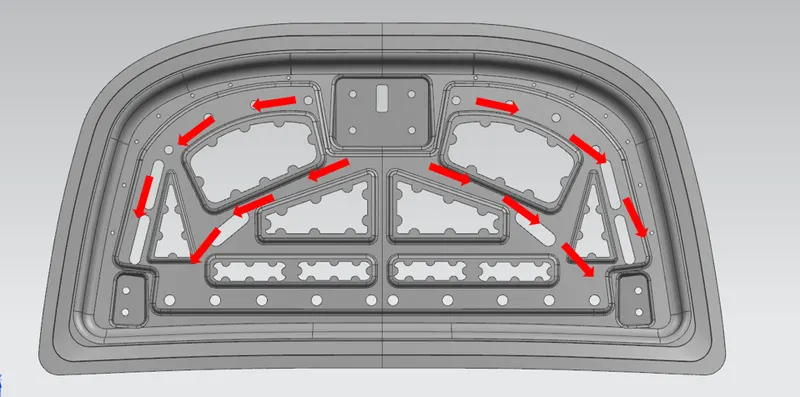
To dissipate the shock waves on to the sides of the hood. This is a major reason for designing the hood in the shape of "Y" or "V" to dissipate the forces on the sides. This is one of the primary reasons for designing it in such a way that the force is not carried on to the passengers inside so that the passengers are saved from possible damage. In this design it is found that the embosses are designed such that it forms the shape of "Y".
Latch & Stricker reinforcement :
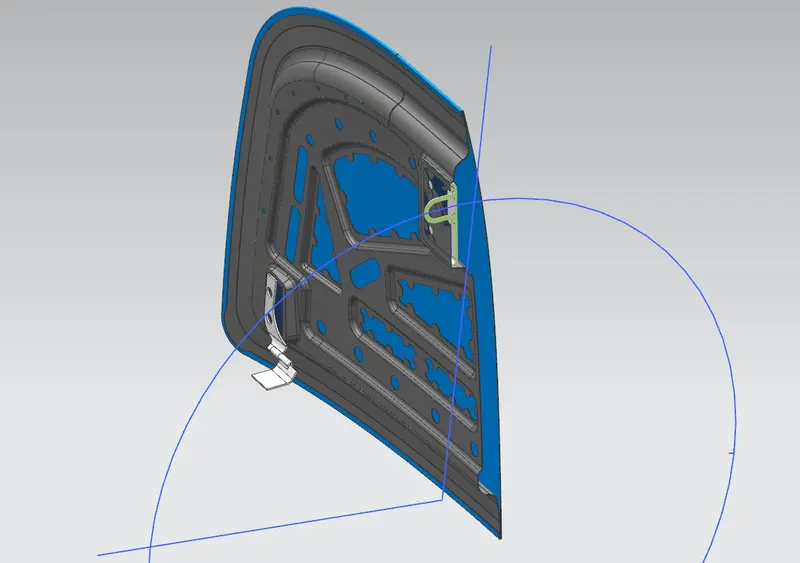
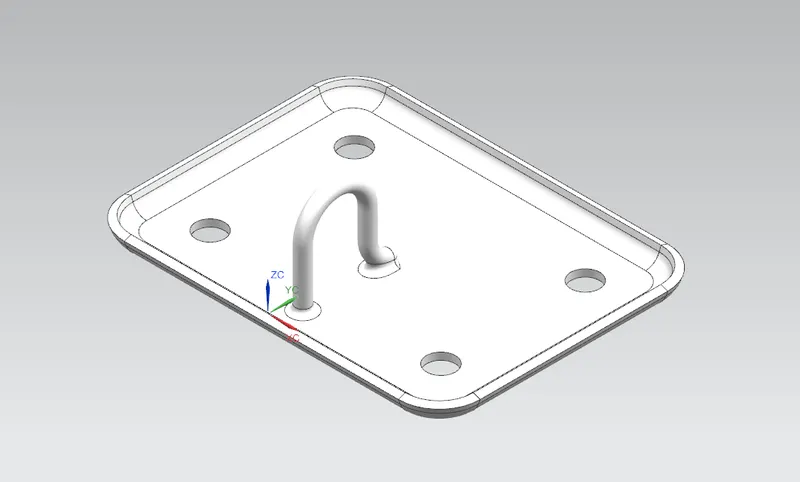
The latch trajectory shows the path of the striker when the hood is opened and closed on a vehicle. The radius of the circular trajectory is determined by the set standard based on the average height of a person. The radius is measured from the hinge axis up-to the latch.
Hinge reinforcements :
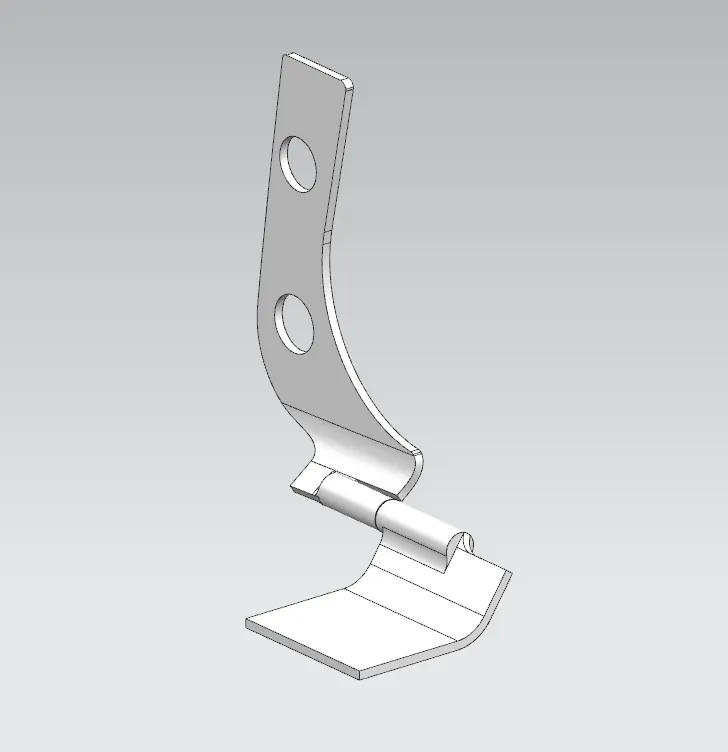
The hood hinge is a pivot and bracket mechanism that makes it possible for you to open and close your hood.
Stiffner Pad :
A vehicle body stiffener comprises an assembly of an outer member and an inner stiffener member which are joined to form a closure for the body. The inner stiffener member is formed to carry tension, compressive and torsional loads from the vehicle body and two locating pins at the corners of one side of the assembly and two latch pins at the corners of the opposite side of the assembly engage complementary receptacles on the vehicle body to make the assembly act as a structural member of the body to transfer forces from the body to the assembly. The assembly is preferably pivotally connected to the vehicle body by a pair of hinges which allow the assembly to be opened to gain access to the vehicle body interior. The assembly can be an engine compartment hood, a trunk lid or other closure.
Commands Used in Modeling Of Hood Assemby:
Offset surface:
This feature is available in surface modeling commands by using this we can offset the surface by required distance along a vector orselected plane
Emboss:
The inner panel consists of various embosses which help dissipate the force during impact. The width and depth of the emboss is determined by simulations and analysis to check for failure. These emboss definitions are created at an angle so that they point away from the center of the hood when viewed from the front of the vehicle.
Offset curve in face:
This feature is very useful as it allows us to offset the curves or edges on the face by required distance & in the required direction.
Trim body:
These features enable us to cut off the portion from a solid body or surface body to be removed along a vector or along a plane.
Law of extension:
This feature extends the selected curve or edges of a base in a controlled manner we can change the length, angle of the extended surface and also the law with which it gets extended.
Through Curves:
This feature enables to create a body through multiple selected sections by following the path of form by sections and thus create a body underlying between this section.
Trim & Extend:
This feature extends or trims the set of faces & edges which get intersected with another set of faces & edges.
Face Blend:
Adds tangent blend faces between a selected set of faces, the shape of blend face may be circular, conic, or law controlled. There are various types of face blends such as two face blend, three face blend it depends on our application to use the type of blend.
Mirror Assembly:
This tool is very useful with aid of this tool we can easily make a mirror copy of our assembly this tool is present in assembly workbench only. We have mirror the hinge assembly by using this feature tool.
Thicken:
This feature is used to create a solid body from a thin face by providing a thickness value to it.
Assembly Section:
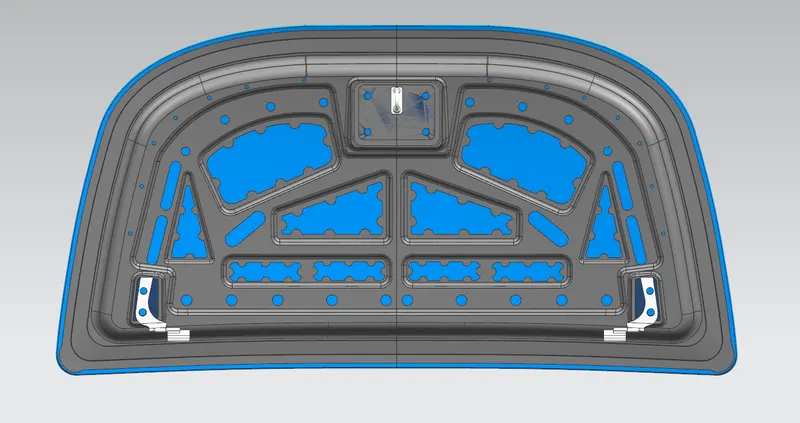
Top View:
Back View:
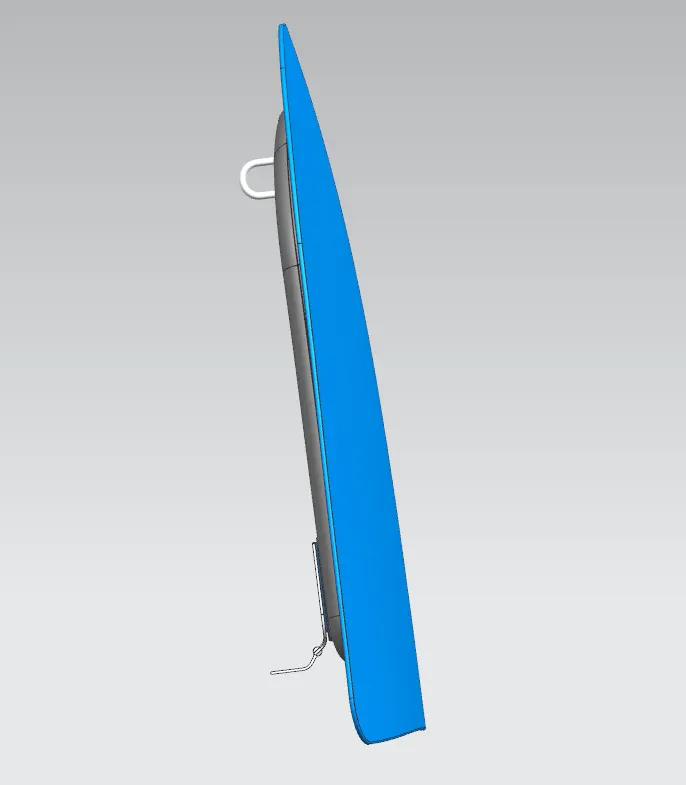
Side View:
Hemming:
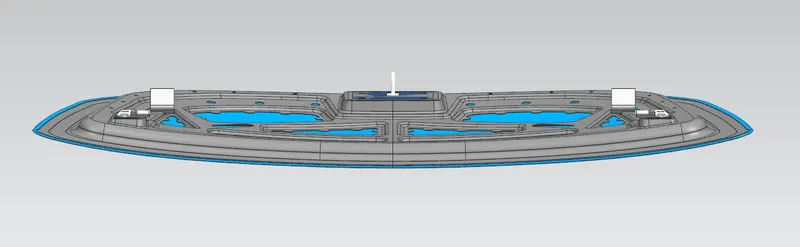
Front View:
Isometric View:
Conclusion:
Hence, we have successfully completed our hood assembly by modeling all the components of hood that is hood outer panel & inner panel, striker and hinge assembly by following all the standard dimensions as given in input data of hood also learnt about hemming process and manufacturing process of hood component.