Automotive Hood Design
OBJECTIVE:
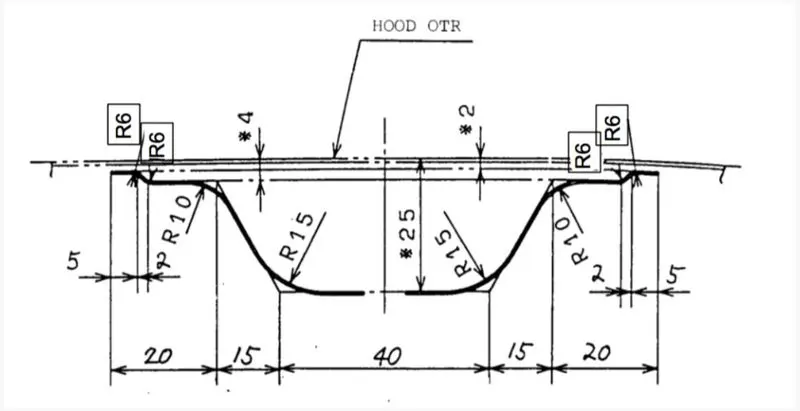
- Design Hood outer panel, inner panel, and the necessary reinforcements by following the Master section mentioned with the design parameters
-
Hood Thickness Information
- Outer Panel Thickness = 0.75mm
- Inner Panel Thickness = 0.75mm
- Reinforcement Thickness = 1.5mm
AUTOMOTIVE HOOD AND COMPONENTS :
- Hood is the main component of a car at the front portion. It is used to decorate the car and add a luxurious look. The
the shape of the bonnet is made aerodynamic in order to minimize the air effect. Bonnet is generally used to access the
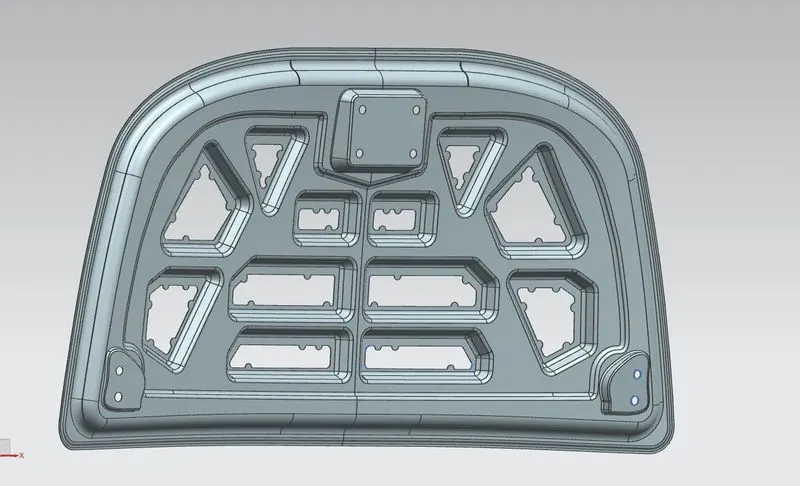
parts easily such as a radiator, engine, and many other parts it also helps in dissipation of heat from the engine compartment - The Inner panel provides strength while the outer panel is a cover
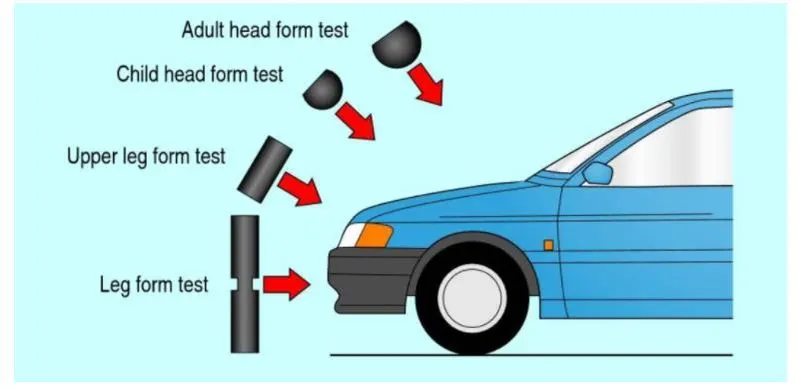
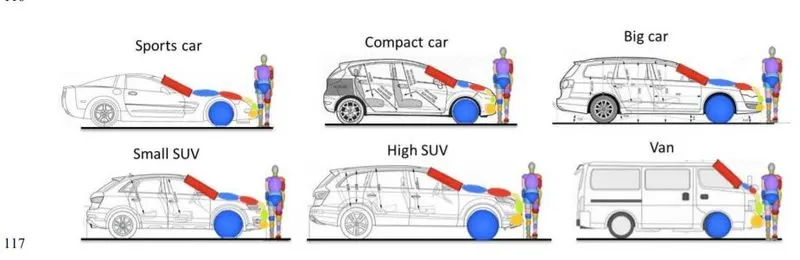
- The main important factor while designing the Hood is pedestrian safety and the frontal crash, the design should be very optimized in such a way that the head impact while collision should be very low.
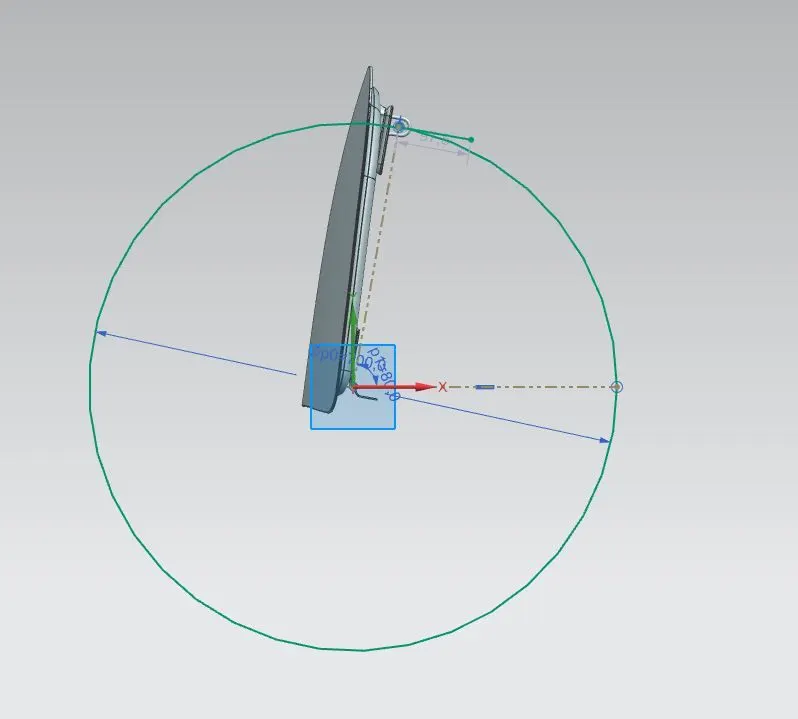
Opening Angle: It is defined as the angle to which the hood should open so there is no head impact with striker. The opening angle is different in various countries and regions. The opening angle can be set by predefined by the length of the Hood Stay Rod.
Striker: It is a point at which the hood gets attached to the engine compartment used for locking
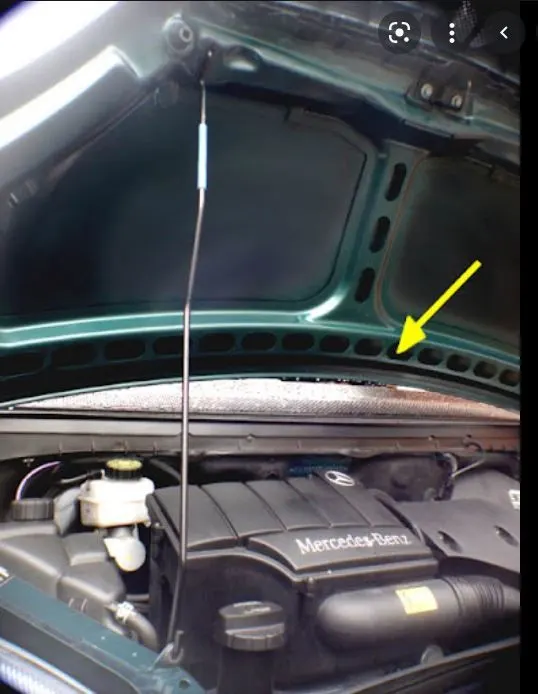
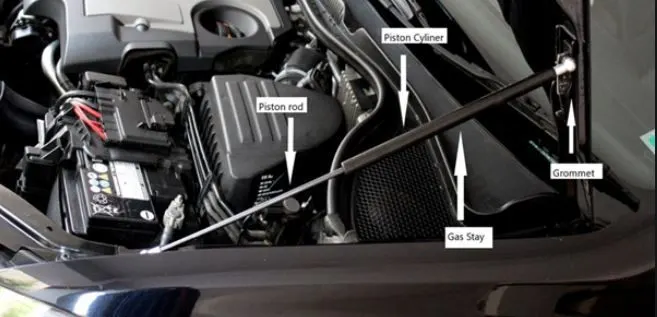
Hood Stay: A device for supporting the engine hood of a motor vehicle in its open position, it holds in the open position even if an external force is abruptly generated due to wind, vibration.
- The length of the rod is defined by the opening angle of the hood, the road can be a straight rod or a curved rod, The curvate in the rod gives rigidness to the support rod, It is to be noted that the curvate shouldn't be more than 35mm if it is more then due to weight of the hood the opening angle decreases.
Reinforcements:
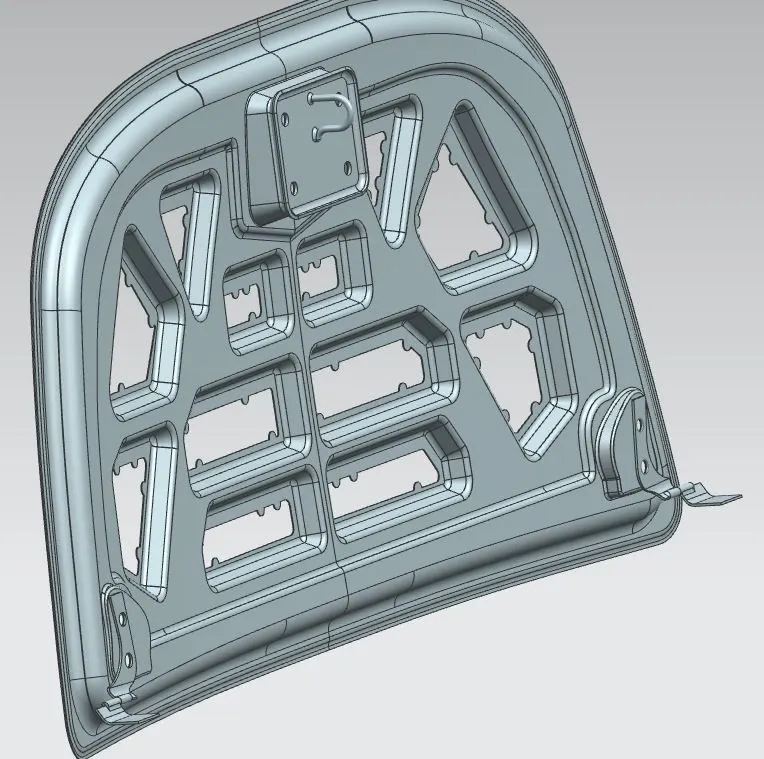
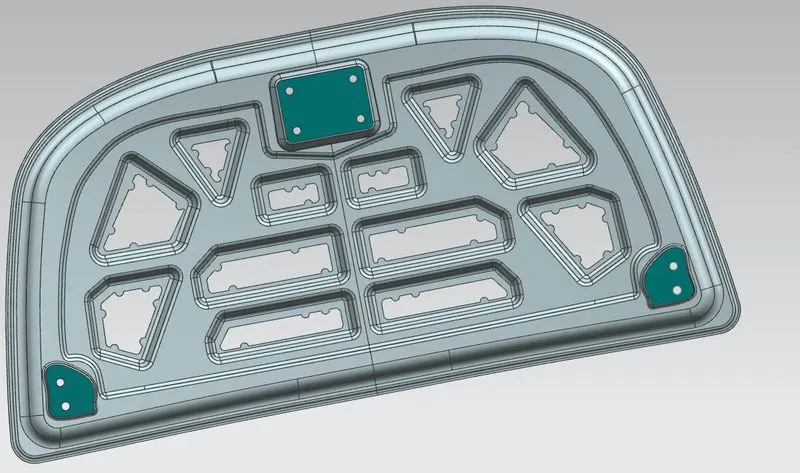
- It is the process of adding some part or material mainly used for increasing the strength of the parts the various types of reinforcements we used here are Hinge reinforcements, Bracket Reinforcements, Latch and striker reinforcements
Stiffener pad:
- This is sponge material that is hardly used to improve the strength internally and is widely used for NVH, Noise Vibration Hardness analysis
Mastic Data:
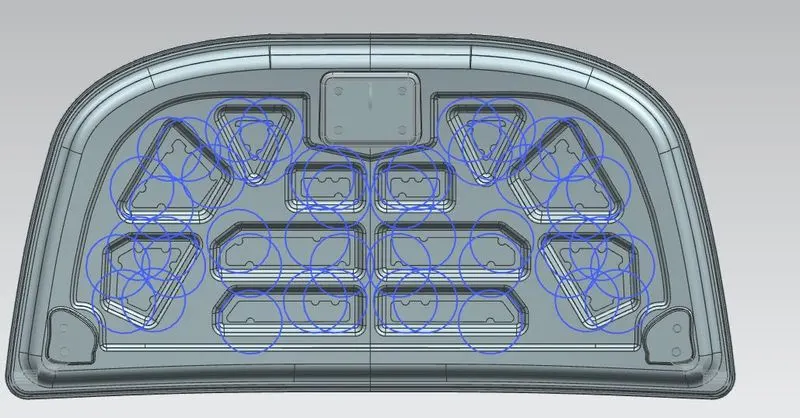
- These are used for joining the outer and inner panels made up of rubber parts, this mastic seal has a tendency of improving the inner strength, these have a diameter of 80 mm, these are placed in such a way that most areas of the Hood are covered.
Pedestrian -Vehicle Collision
Materials
Hoods are typically made of the same material as the rest of the bodywork. This may include steel, aluminum, fiberglass, or carbon fiber. However, some aftermarket companies produce replacements for steel hoods in fiberglass or carbon fiber to make the vehicle lighter.
Rules and regulation standards for designing the hood.
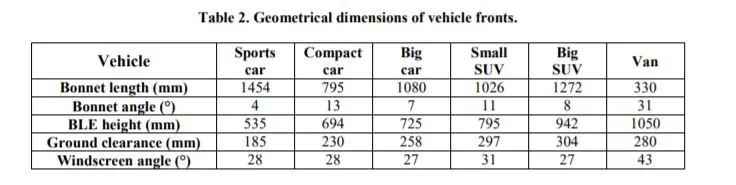
A perfect hood design means it should have a great impact distribution angled outside the car. In Japan and Europe, regulations have come into effect that places a limit on the severity of pedestrian head injury when struck by a motor vehicle. This is leading to more advanced hood designs, as evidenced by multicore hood inner panel designs.
European Enhanced Vehicle-Safety Committee (EEVC), European New Car Assessment Program (euro NCAP) defines the safety standrads
Hemming
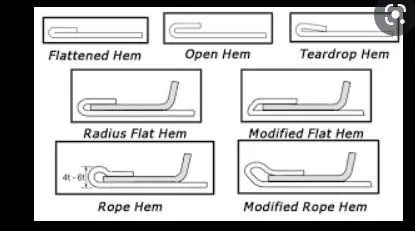
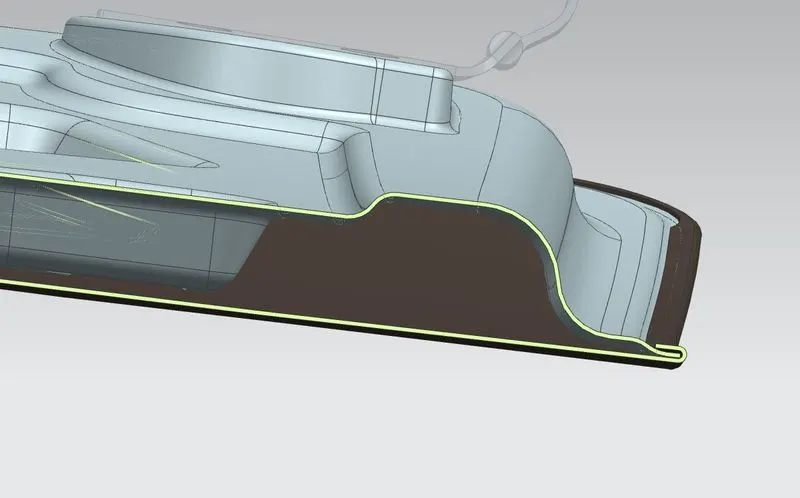
- Hemming is a technology used in the automotive industry to join inner and outer panel closure together. It is the process of bending/folding the flange of the outer panel over the inner panel. It may be done by following methods
1.Press hemming
2.Tabletop hemming
3.Robot (roller hemming)
Emboss:
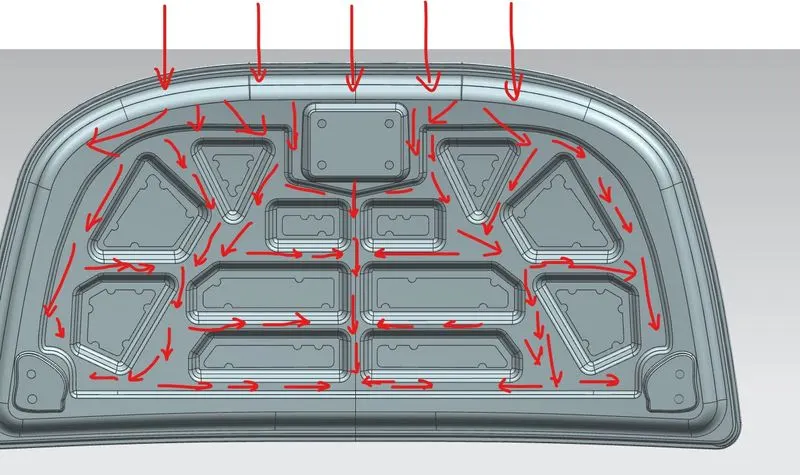
- Embossing is an operation in which sheet metal is drawn to shallow depths with male and female dies. The operation is carried out mostly for the purpose of stiffening flat surfaces and designs in the inner panel.
It is also made that when the car crashed the force will be passed to the cabin. If embosses are made, the forces are made to passed or divided through embosses to hinges. So the passengers inside the car will be in safe
Latch trajectory:
This is the trajectory in which the latch and striker are positioned perpendicularly to the hinge axis such that it facilitates easy opening and closing, if this is not maintained then there will be improper locking of the hood to the engine compartment.
Design Workflow:
Master sketch :
Inner panel:
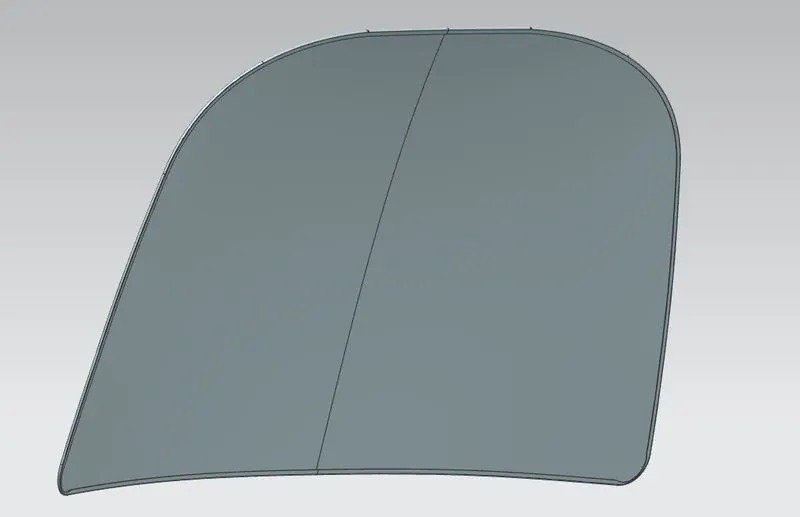
Outer Panel:
Latch, Striker, and Hinges assembly:
Latch trajectory:
Hemming:
Mastic Data
Reinforcements:
Distribution of Forces during a Crash:
Conclusoin:
The Hood is designed with reference to the master section, latch trajectory, and mastic data is produced according to the design rules and consideration by using NX CAD