Hood design-Week 2
I am writing to inform you that due to technical challenges on the Skill Lync Challenge Portal, I encountered difficulties uploading a ZIP file larger than 15 MB as required. As a result, I have taken the advice of the Technical Support Engineer and provided a Google Drive link to access the challenge grading submission. You can access the challenge grading materials via the following Google Drive link: [https://drive.google.com/file/d/16mgfgPqxFL6GT8h5BqmJsyE3AG7Ojvn_/view?usp=sharing]
I kindly request you to review and grade the challenge submission accordingly.
LINK: https://drive.google.com/file/d/16mgfgPqxFL6GT8h5BqmJsyE3AG7Ojvn_/view?usp=sharing
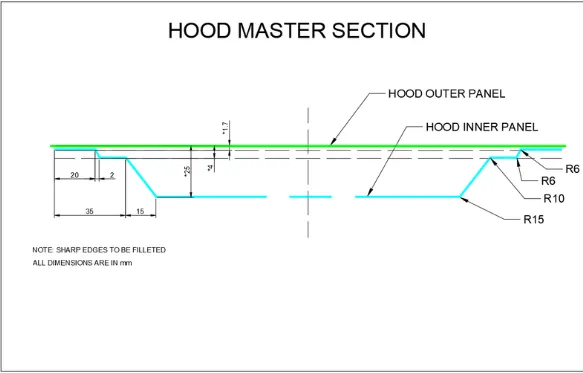
Aim :- To design a Hood outer panel, inner panel and the necessary reinforcements by the given Master section and design Inputs .
The "hood" of a car, also known as the "bonnet" in some regions, is the hinged cover that sits at the front of the vehicle, covering the engine compartment.
Essential Function of the hood is :-
- Engine Compartment Protection
- Access to Engine
- Aerodynamics and Vehicle Design
- Heat Dissipation
- Crash Safety
- Pedestrian Safety
- Sound Insulation
- Visual Appearance
Also enables maintenance of power train, drive belts, battery, fluid levels and lamp units.
DESIGN CONSIDERATION OF HOOD :-
The human comfort factor for automobile design is first consideration. It is a method to safeguard and protect space for the human user and necessary components that make up the vehicle being designed. All safety regulations are ensured during this process. Ergonomical consideration consist of Hood clearance, Hood Opening angle and location of support rod or gas stay.
- SELECTION OF HOOD STAY : - Hood stays are used to hold the hood of a vehicle in the open position, allowing easy access to the engine compartment.
there are two types of hood stays :
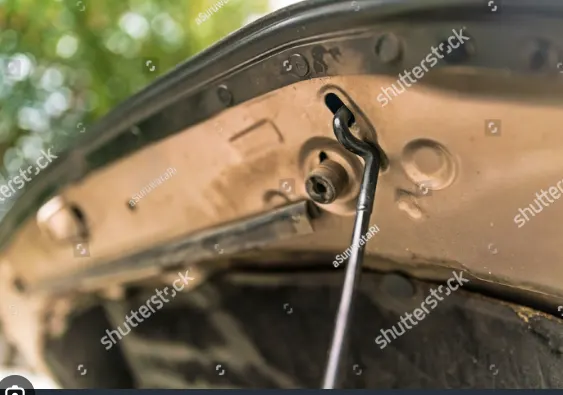
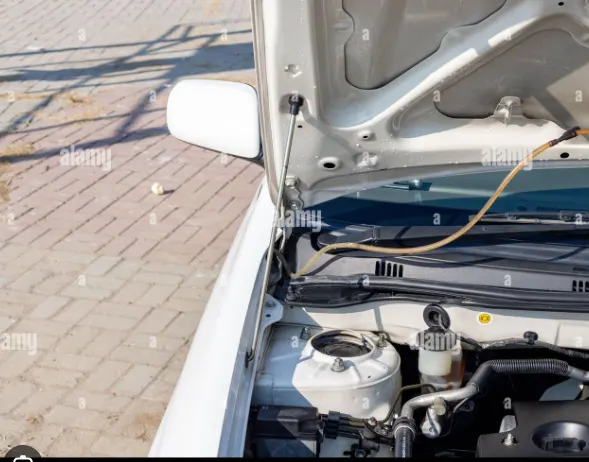
- SUPPORT ROD : are stable rods intended to safely hold up vehicle hoods during inspection and repairs. maximun bending point of these rod should be 35 mm to ensure the strength of the rod , also it should have sufficent clearance to avoid ratteling sound , Grommets provided for press fit in rest condition
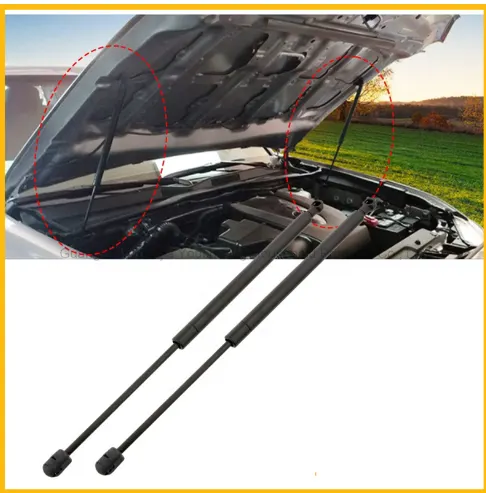
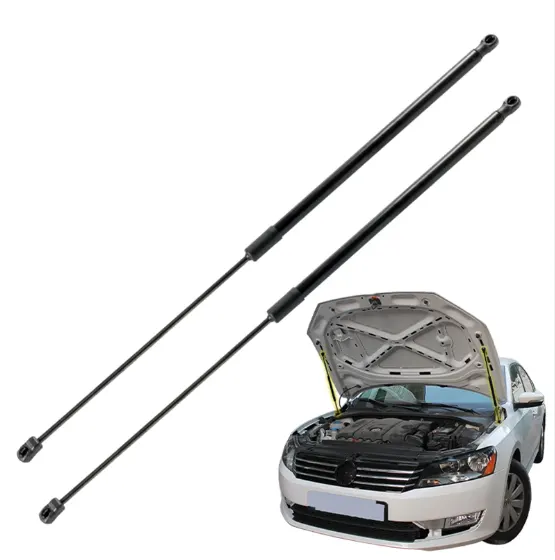
2. GAS STAYS : gas stay is often used to refer to a hood stay or hood lift support. This component assists in holding the hood (or bonnet) of a vehicle in the open position, allowing easy access to the engine compartment. When the hood is opened, the gas stay extends to support the weight of the hood, and when the hood is closed, the gas stay compresses.
3. Safety requirements :-
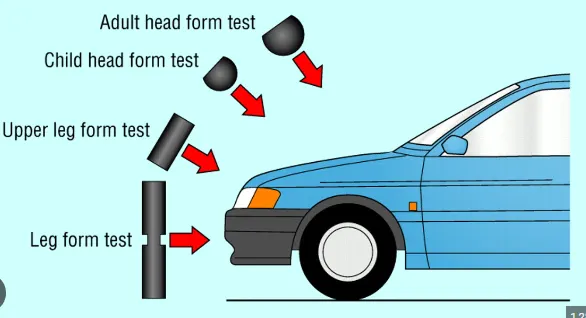
Pedestrian Safety: Hoods should be designed to minimize the risk of injury to pedestrians in the event of a collision. This may involve incorporating energy-absorbing materials and structures, as well as designing the hood to deform in a controlled manner upon impact.
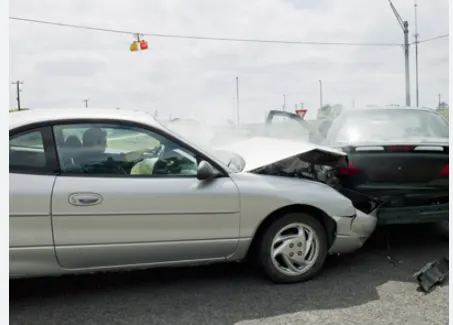
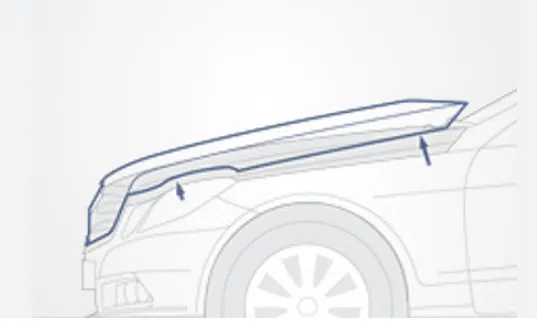
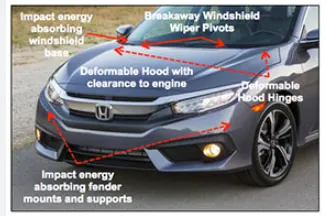
The height, weight and age of the pedestrian all play a role in the kinematics of the event and in his ability to survive. Most fatalities for the younger population are related to brain damage caused by head impact on the bonnet. For older people additional risks include rupture of arteries in the lower limbs and pelvis from bumper and bonnet leading edges.Impact frequency and seriousness of injury has been studied for many years, resulting in rating systems and improved design.
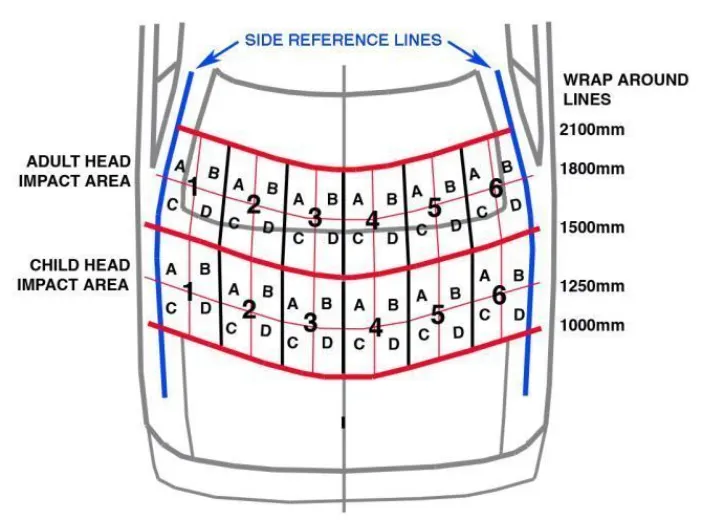
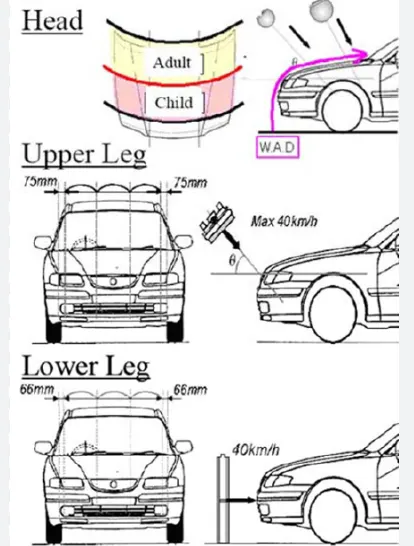
Evaluation of pedestrian safety for a bonnet must be carried out in the context of its surrounding elements like Vehicle styling, size (wrap around distance “WAD”) and under bonnet clearance to other elements (considered as hard points). Local bonnet stiffness is influenced by mounting point stiffness such as hinges, bump stops and latches. This is better understood by superimposing the kinematics of a dummy onto the test conditions.
Wrap Around Distance (WAD) :- It is the geometrically traced distance from the contact point with the Ground Reference Plane, vertically below the front face of the bumper, to any point on the vehicle front structure.
Side Reference line :- The geometric trace of the highest points of contact between a straight edge, held parallel to the lateral vertical plane of the vehicle and inclined 45 deg. is traversed down the side of the front structure, and the side of the front structure.
Child Head Impact Zone :- 1000 WAD to 1500 WAD
Adult Head Impact Zone :- 1500 WAD to 2100 WAD
DESIGN USING MASTER SECTION :-
OTHER DESIGN INPUTS :
HOOD SKIN DATA :-
Hood Thickness Information
- Outer Panel Thickness = 0.75mm
- Inner Panel Thickness = 0.75mm
- Reinforcement Thickness = 1.5mm
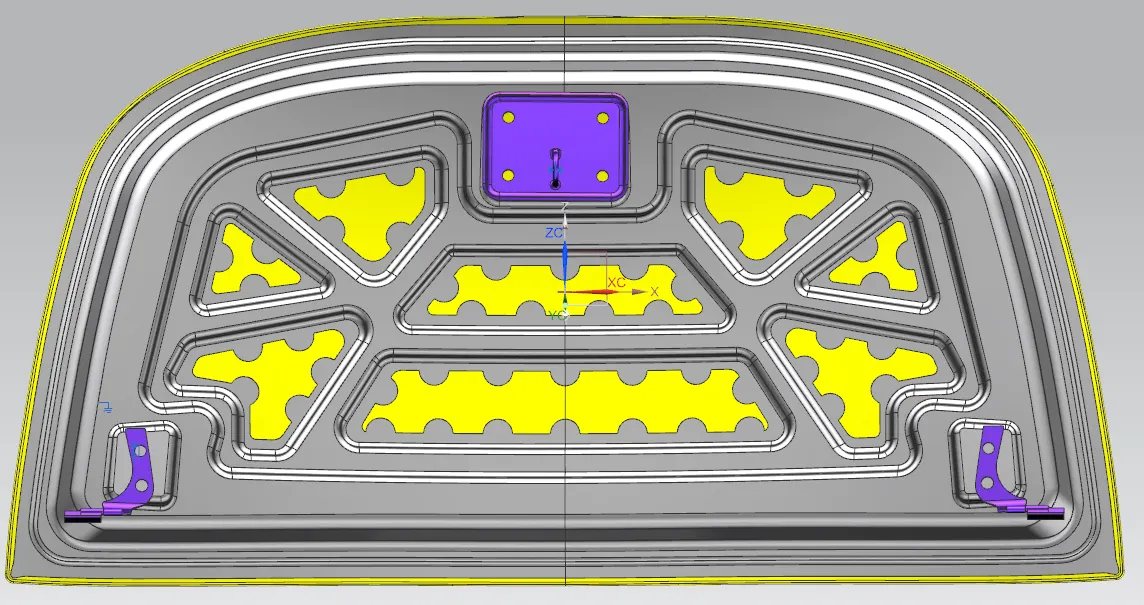
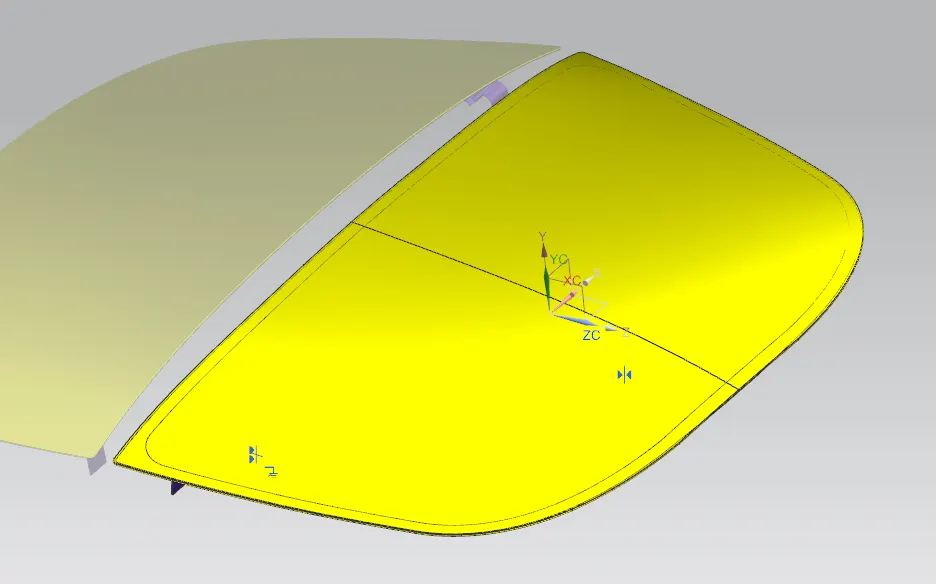
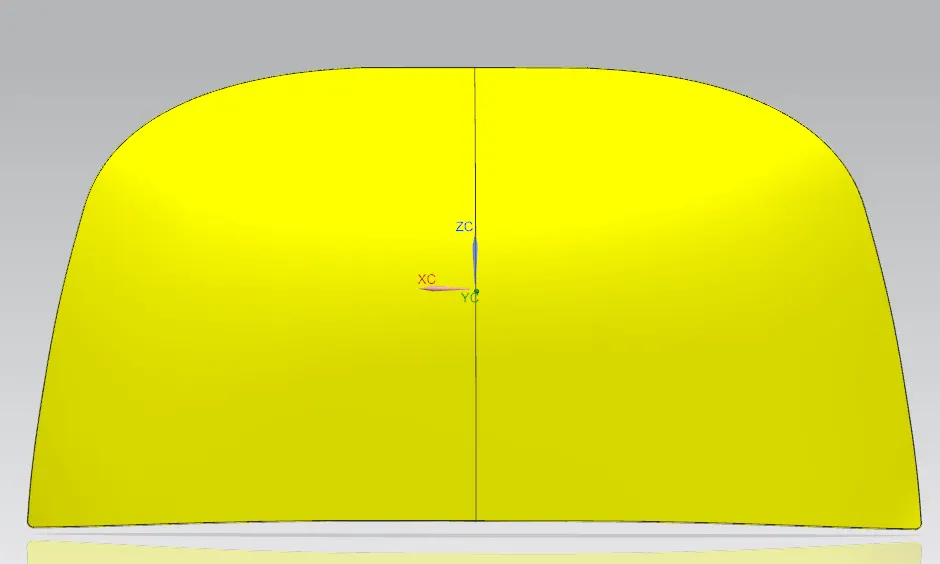
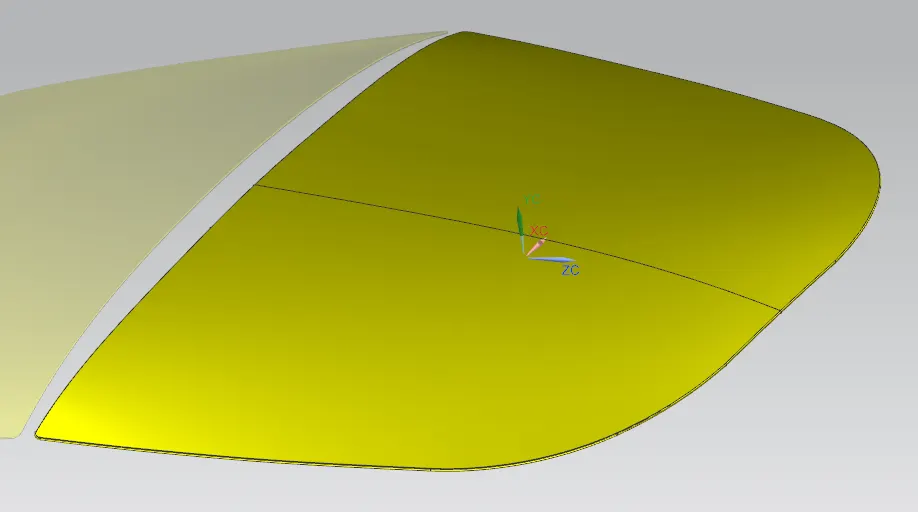
HOOD OUTER PANEL :
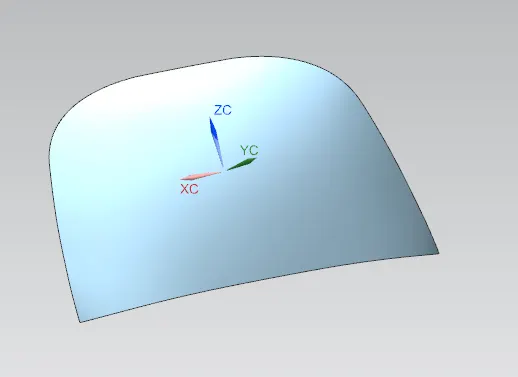
We get skin data ( Class A surface from styling team )
he shape of the Outer panel is made aerodynamic in order to minimize the air effect. Shape of Outer panel is reffered as a base to design a inner panel.
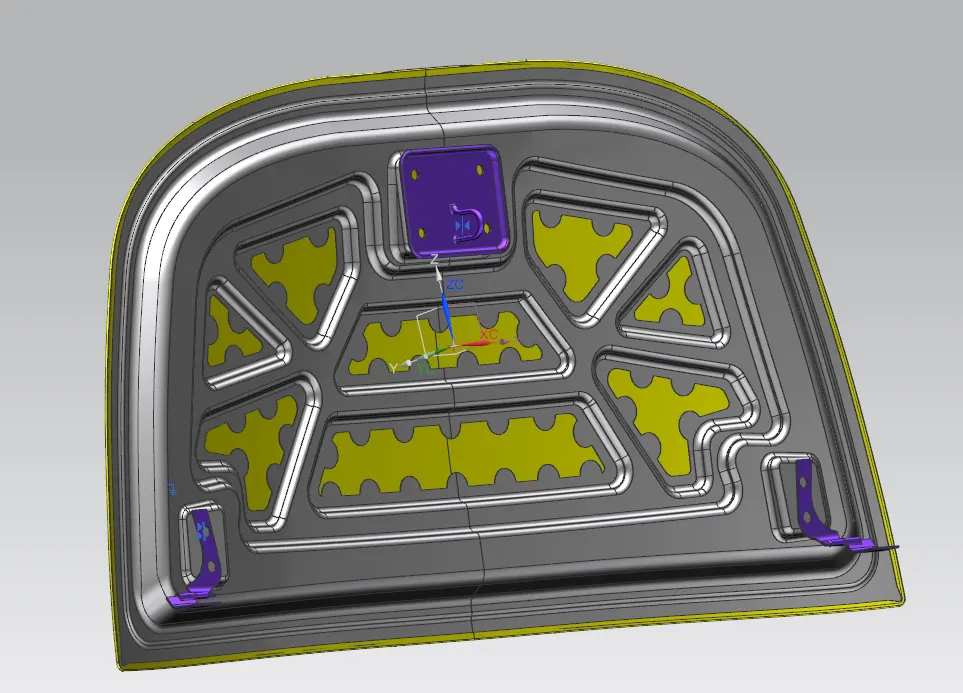
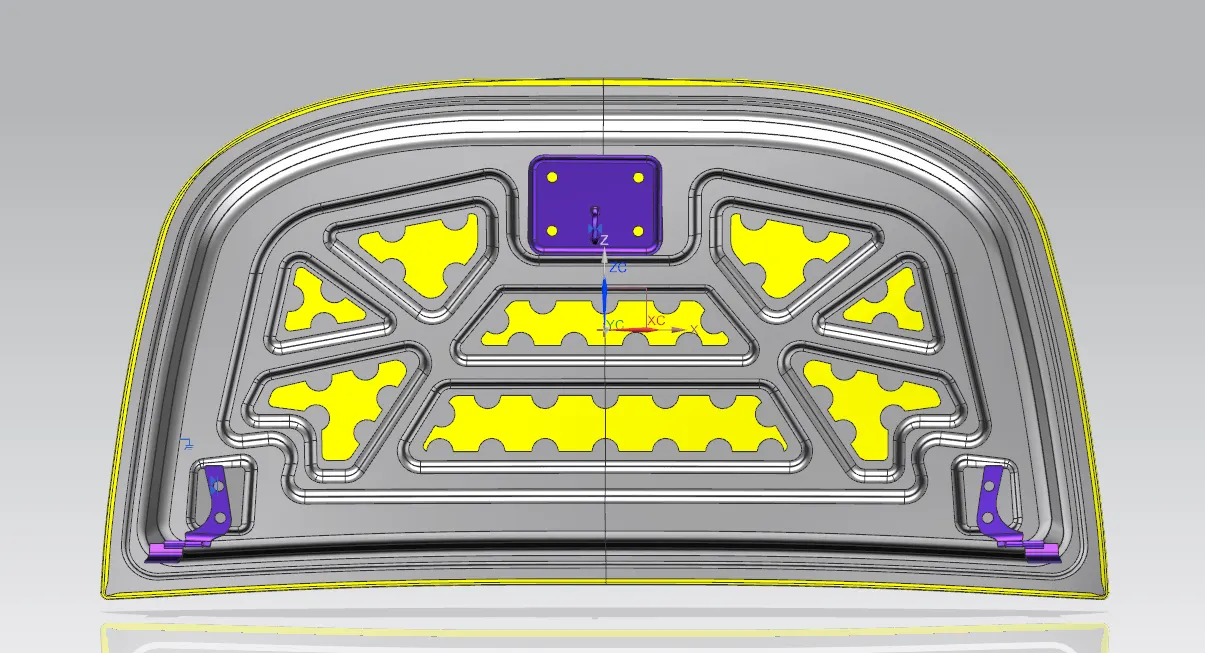
HOOD INNER PANEL :
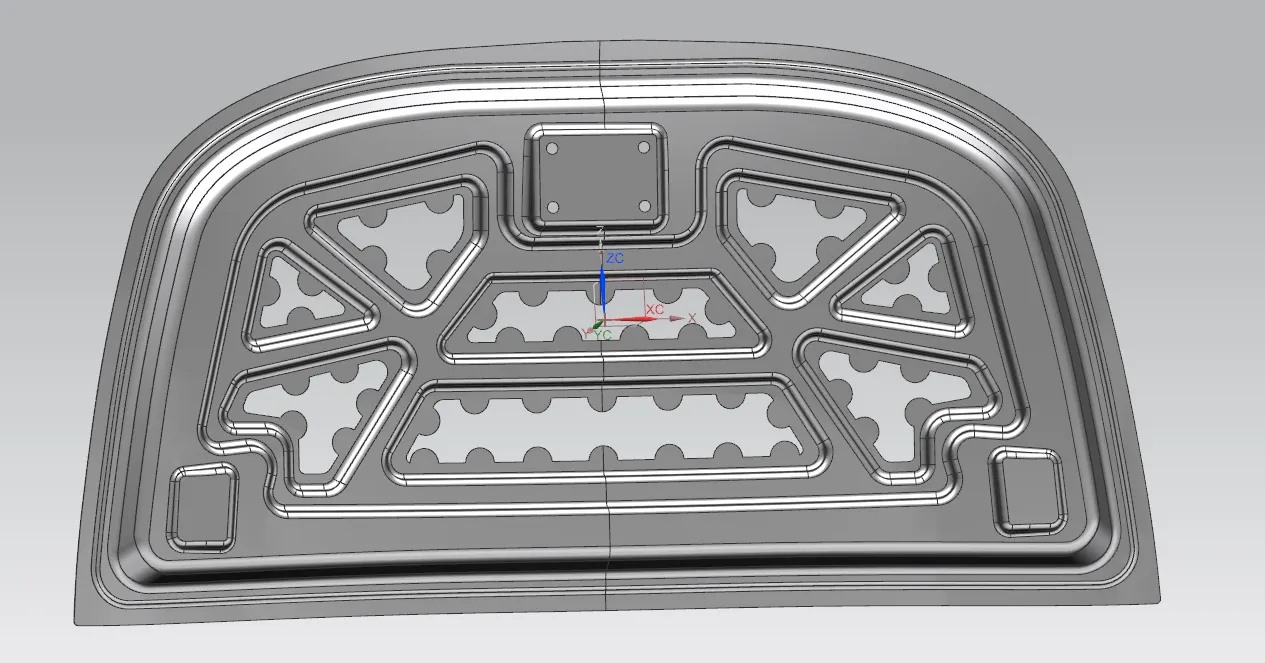
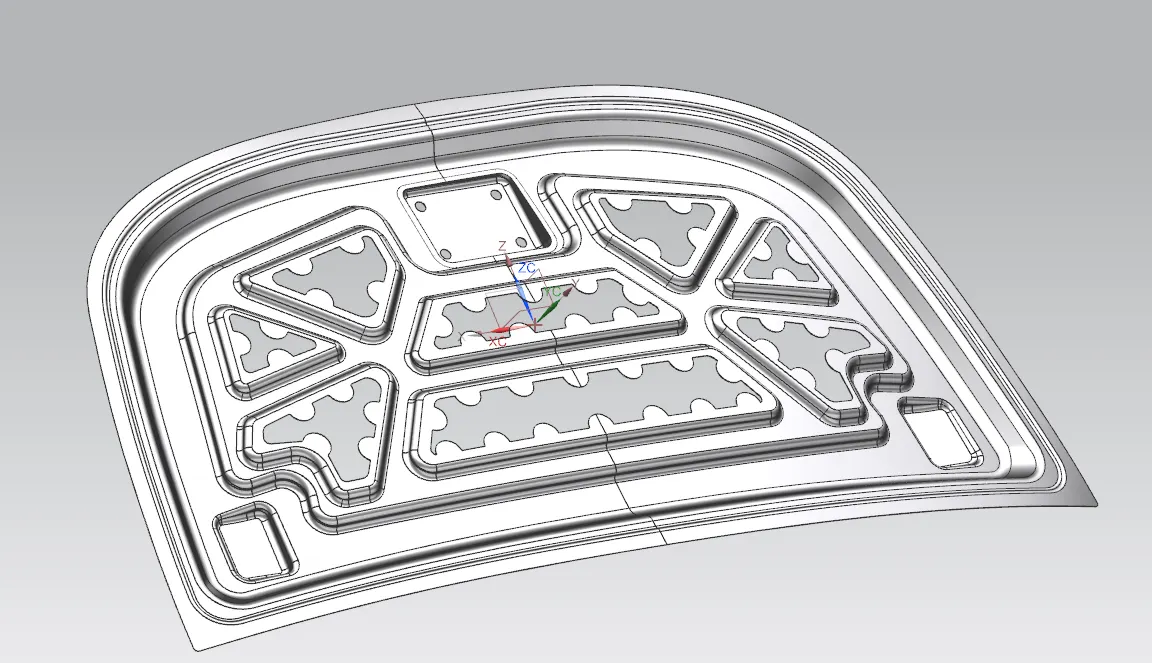
is a structural component found within the hood (or bonnet) of a vehicle. It is located on the underside of the hood and serves several important functions in terms of both structural integrity and safety. The hood inner panel is typically not visible when the hood is closed and is covered by the outer hood skin or exterior panel.
STRIKER AND LATCH MECHANISM :
They are components that work together to secure and fasten these parts
latch is a locking mechanism that engages with a striker to securely hold components in place, while a striker provides the receiving point for the latch. Both components are crucial for maintaining the safety, functionality, and security of doors, hoods, trunks, and other movable parts in vehicles.
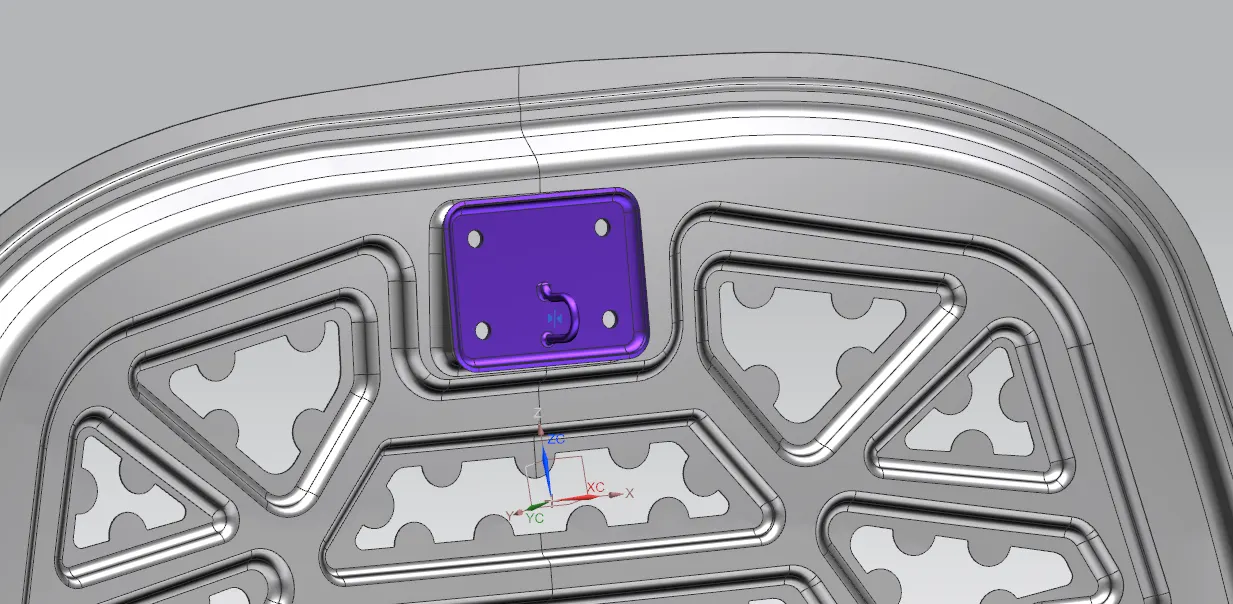
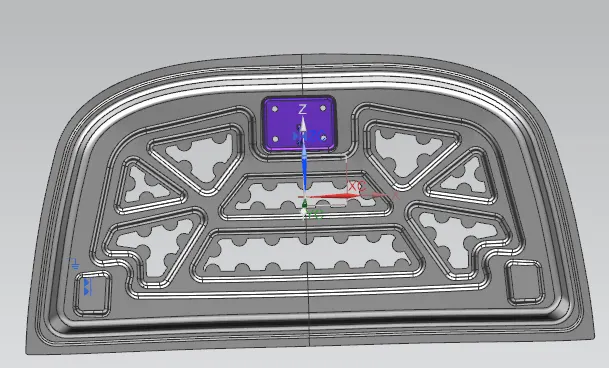
Hinge system :-
The hinges are used to guide and hold the hood when open & close. Hinge assembly consists of two parts one is connected to the hood inner panel and second is connected to the vehicle body.
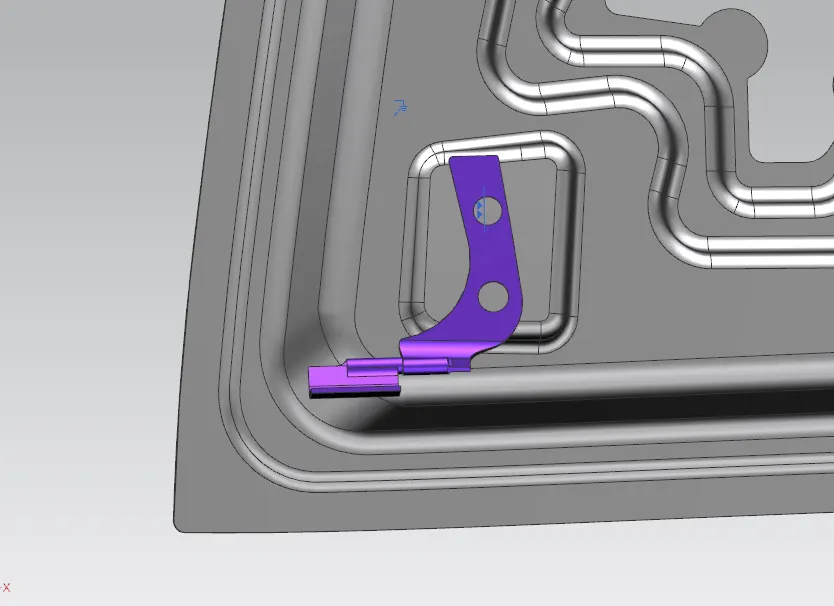
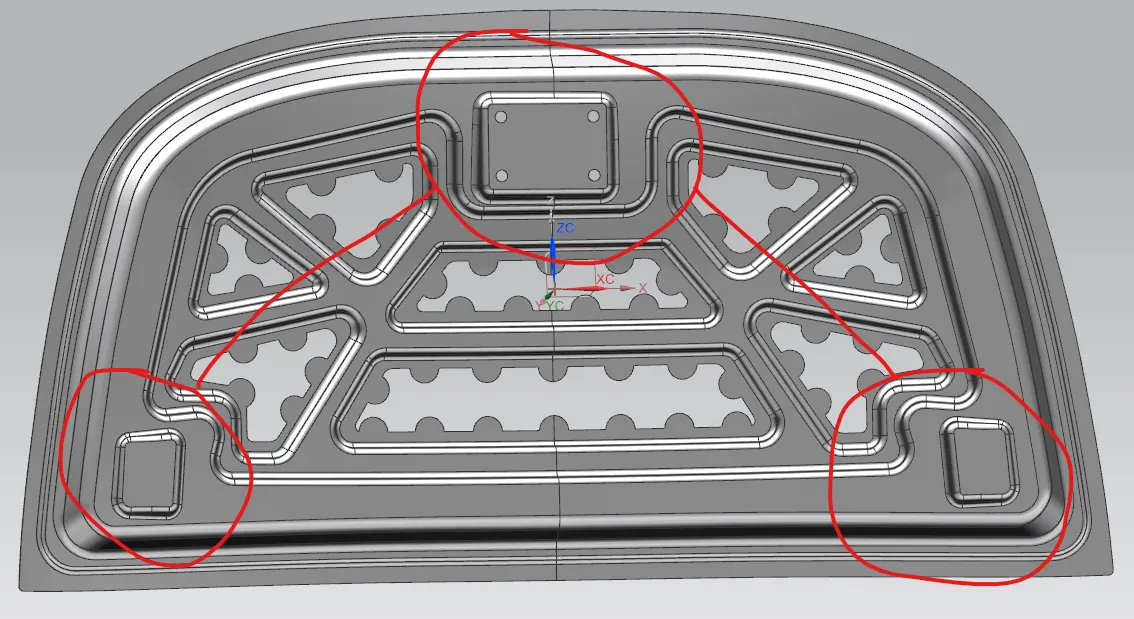
REINFORCEMENT :-
Reinforcement are provided mainly in hinge and latch region. to increase the strength and durability
Latch Trajectory :-
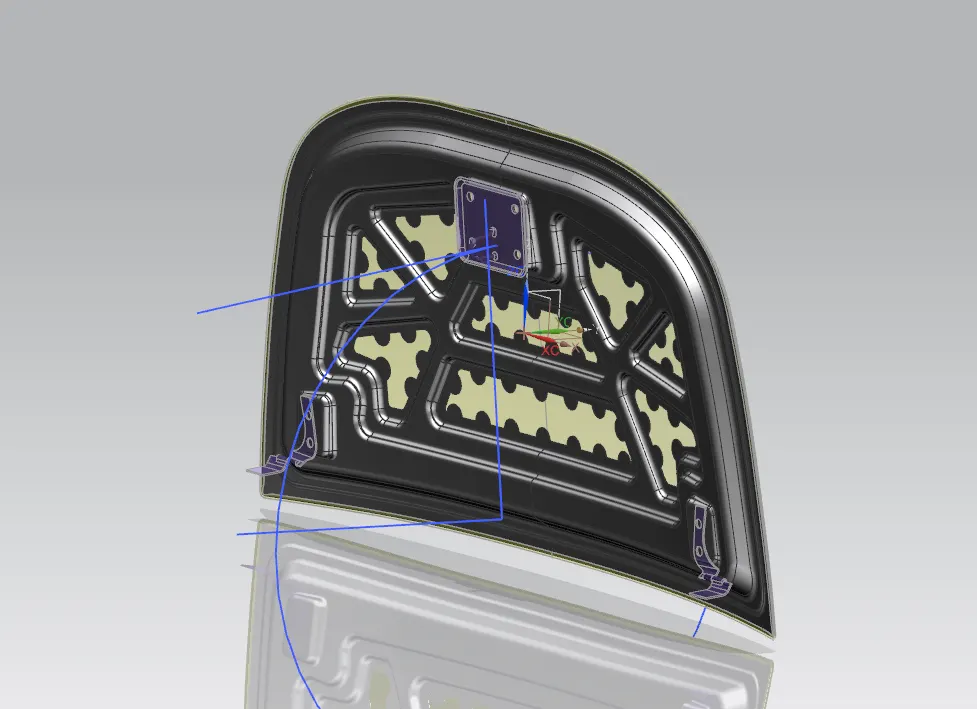
Circle is drawn from the hinge axis center so we can finalize the position of latch striker. For proper mating, the tip of the striker should be tangential to the latch trajectory. the position of latch striker follows the path of this circle.
EMBOSS DEFINATION :-
FORCE DISTRUBUTION
MASTIC DATA :
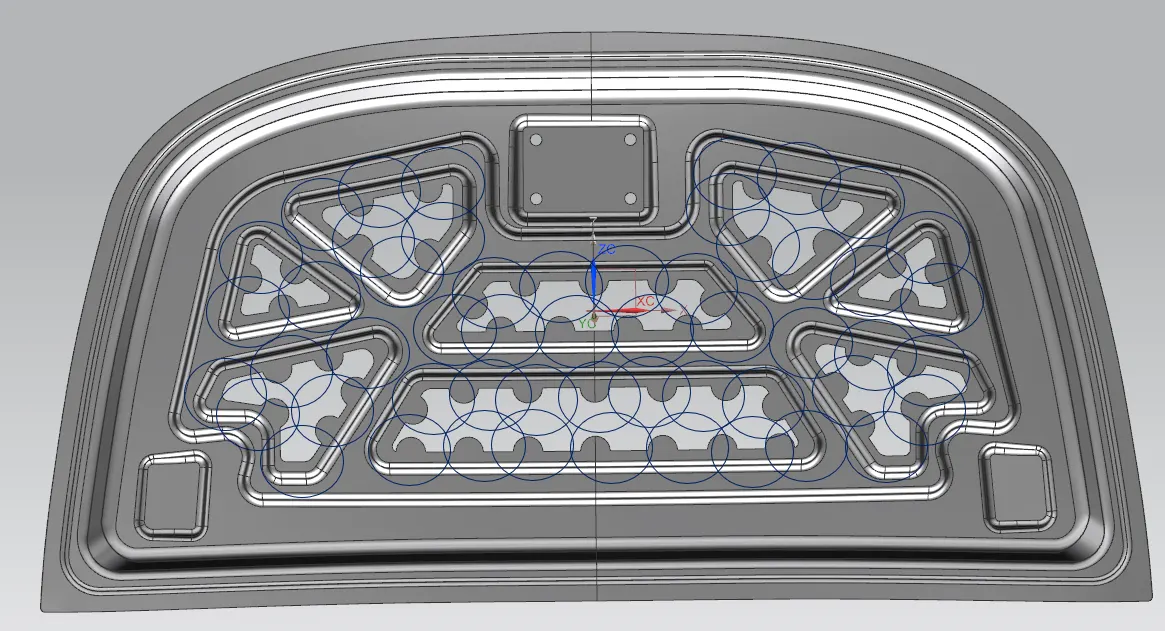
astic sealants used between the outer and inner panel. mastic sealants are the rubber like elasic compound which connects the outer and inner panels of car hood at specified points. Mastic sealants are used in the region between the inner and outer panel because other joining process like welding or riveting are not good for car asthetic design. It also helps in improving NVH (Noise, vibration, and harshness) characteristics.
Mastic sealant points are effective around a circular region of 80mm diameter
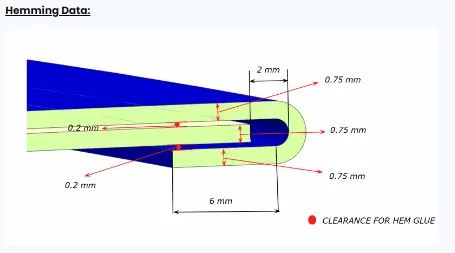
Hemming :-
Hemming is a sheet metal forming process in which sheets are joined by bending it usually to 180°. Automotive body panels and automotive parts..
This assembly method is widely used in the final stages of production of automobile hoods, doors, or other closures for aesthetic purposes.
It is a metalworking process that involves rolling the edge of sheet metal over and onto itself, essentially creating an area of two layers. During this process, the edge of sheet metal is folded over. The two newly formed layers then lie flush with each other.
The typical three-step bending process of the hemming operation comprising of the flanging, pre-hemming, and final hemming process.
HEMMING INPUT DATA :-
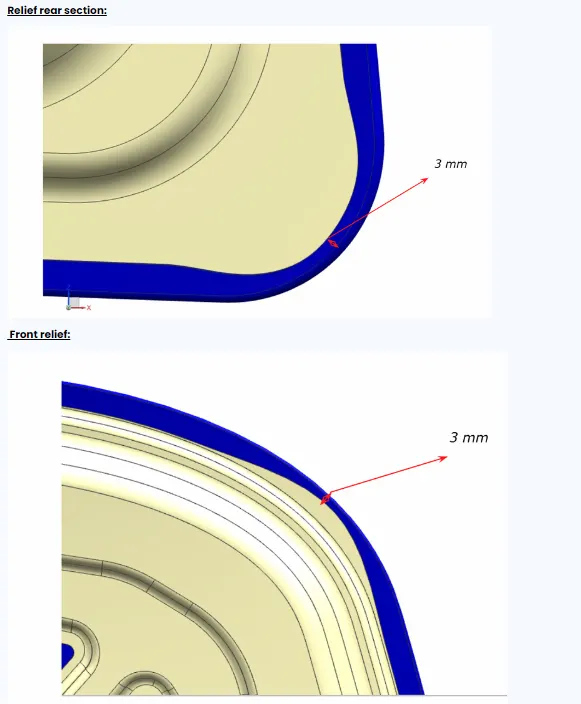
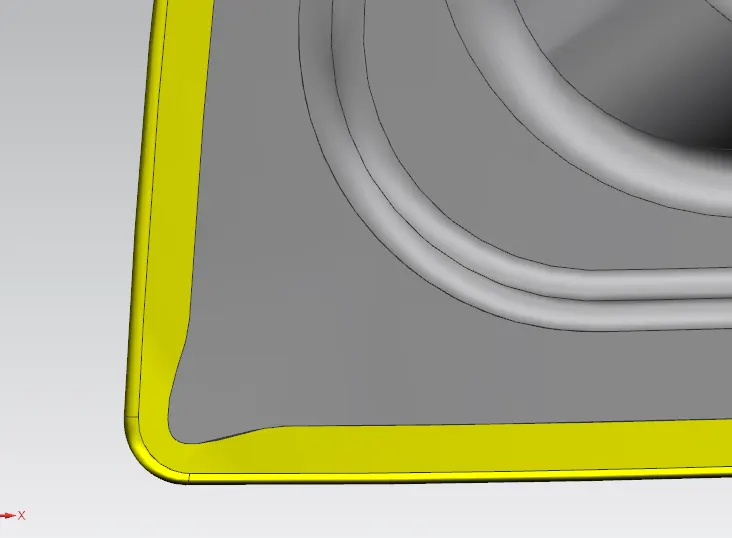
CORNER REAR RELIF :
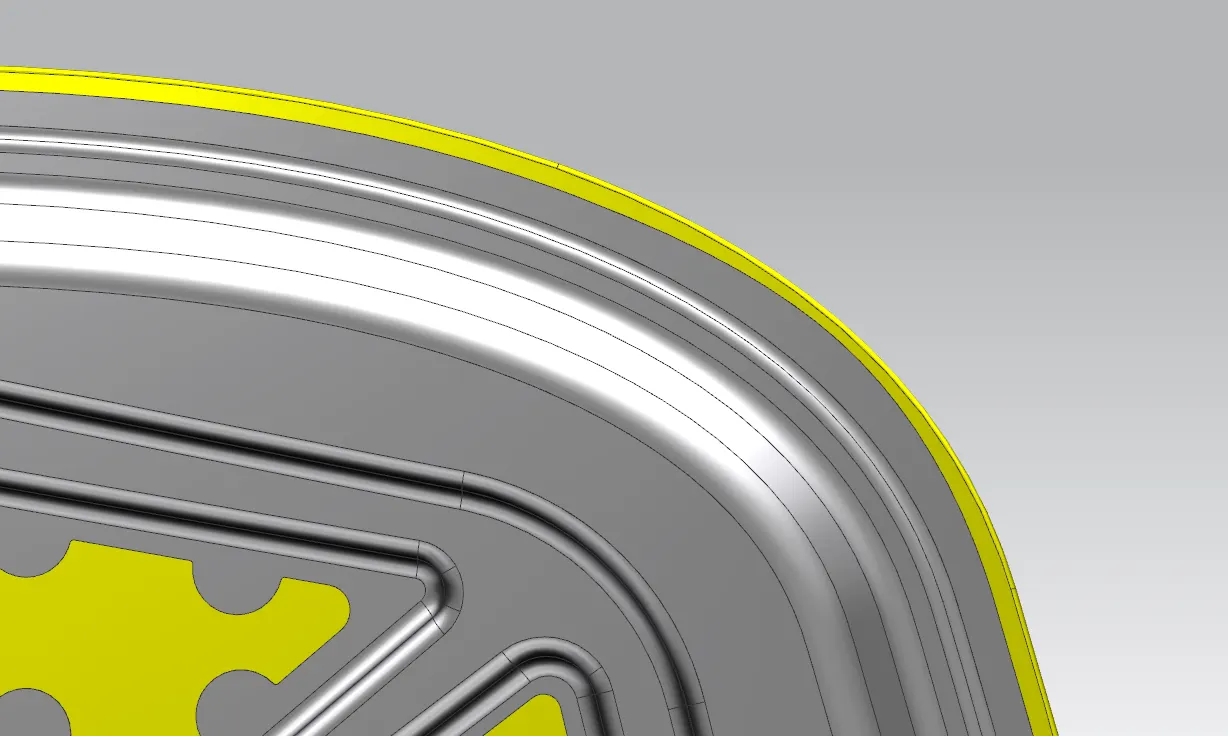
FRONT CORNER RELIF
FINAL ASSEMBLY :-