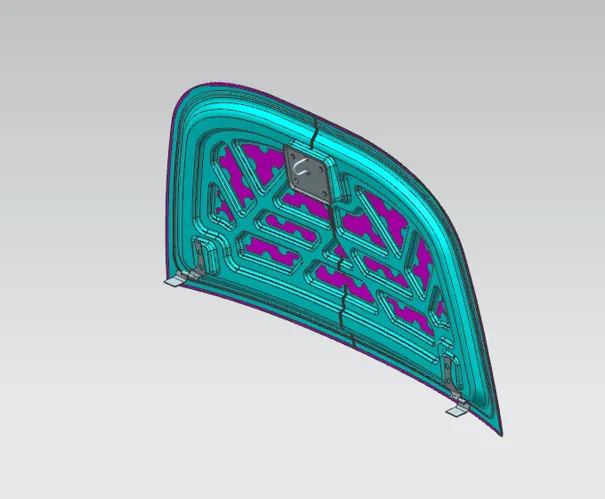
Hood design-Week 2
The car hood, also known as the bonnet in some regions, is a crucial component of a vehicle's exterior. It is the panel that covers and protects the engine compartment. The hood plays several important roles, including providing access to the engine for maintenance and repairs, contributing to the vehicle's overall aesthetics, and ensuring the safety of pedestrians and occupants in the event of a collision. Let's explore the key components of a car hood:
-
Hood Panel: The hood panel is the primary body of the hood. It is a large, flat or contoured panel that covers and protects the engine compartment. The hood panel is typically made of materials such as steel, aluminum, or carbon fiber. The choice of material depends on factors like weight, cost, and desired structural integrity.
-
Hood Hinges: Hood hinges are mechanical components that attach the hood to the vehicle's body. They allow the hood to be opened and closed smoothly while securely holding it in place when shut. Hood hinges are usually made of steel and incorporate mechanisms that enable the hood to be easily lifted and held open at various angles.
-
Hood Latch: The hood latch is a mechanism that ensures the hood remains securely closed during vehicle operation. It consists of a striker plate mounted on the body of the vehicle and a latch mechanism located on the underside of the hood. When the hood is closed, the latch engages with the striker plate, keeping the hood firmly fastened.
-
Hood Release Mechanism: The hood release mechanism is located inside the vehicle's cabin, allowing the driver or operator to release the hood latch and open the hood from the outside. It typically consists of a lever or handle connected to a cable that runs to the hood latch. When the lever is pulled, it disengages the latch, enabling the hood to be opened.
-
Hood Insulation: Hood insulation, also known as a hood pad or liner, is applied to the underside of the hood panel. It serves multiple purposes, including reducing engine noise and vibration transmitted to the cabin and insulating the hood from the heat generated by the engine. Hood insulation is commonly made of foam or other sound-absorbing materials.
-
Hood Struts or Supports: Many modern vehicles are equipped with hood struts or supports to assist in lifting and holding the hood open. These components replace the traditional prop rod or manual support and enhance convenience and safety. Hood struts are typically gas-filled cylinders or springs that provide the necessary force to lift and hold the hood open.
-
Safety Features: Car hoods incorporate various safety features to protect pedestrians and occupants in the event of a collision. These features include energy-absorbing materials, designed crumple zones, and pedestrian protection systems. The hood is designed to deform and absorb impact energy to reduce the risk of injury.
-
Design Considerations: Hood design considers aesthetic appeal, aerodynamics, and functional requirements. Automotive designers work in collaboration with engineers and aerodynamic specialists to ensure the hood's lines, contours, and integration with the vehicle's design language. Aerodynamic considerations aim to minimize drag, manage lift forces, and maintain appropriate cooling airflow to the engine compartment.
HOOD MASTICS
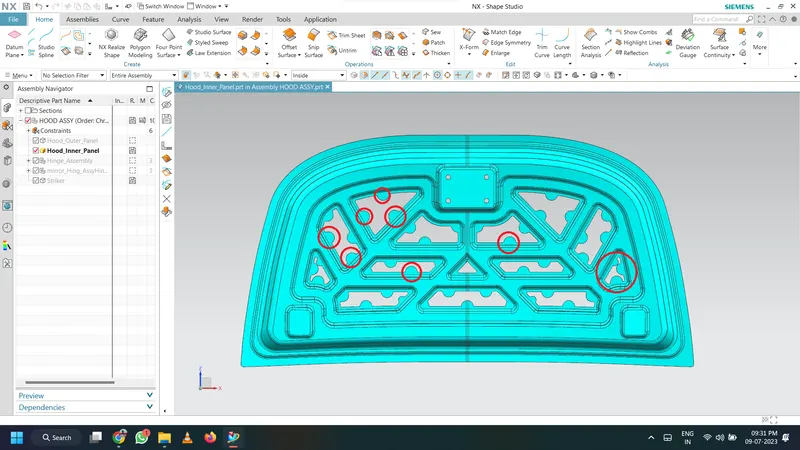
In hood design, mastics refer to the adhesive or sealant materials used in the construction, assembly, and finishing of the hood. Mastics are commonly applied to various components and joints to provide bonding, sealing, and protection. They are essential for ensuring the structural integrity, durability, and functionality of the hood assembly. Here are some common types of mastics used in hood design:
1. Structural Adhesives: Structural adhesives are high-strength mastics used to bond components of the hood together. These adhesives provide strong and durable bonding, often replacing traditional mechanical fasteners like bolts or screws. They are typically designed to withstand high mechanical loads and offer resistance to environmental factors such as temperature, moisture, and chemicals.
2. Seam Sealers: Seam sealers are mastics used to seal joints and seams in the hood assembly. They are applied to areas where two or more components meet, such as the hood panel joints, reinforcements, or brackets. Seam sealers help prevent water ingress, corrosion, and the entry of dust or noise into the hood assembly.
3. Noise Damping Mastics: Noise damping mastics are specifically designed to reduce noise and vibrations in the hood assembly. They are applied to areas prone to noise transmission, such as the underside of the hood panel or areas near the engine compartment. Noise damping mastics help absorb vibrations and dampen sound, contributing to a quieter driving experience.
4. Underhood Insulation Mastics: Underhood insulation mastics are applied to the underside of the hood panel to provide thermal and acoustic insulation. They help reduce heat transfer from the engine compartment to the exterior of the hood and minimize noise transmission into the passenger cabin. These mastics are often made of materials with high-temperature resistance.
5. Cosmetic Mastics: Cosmetic mastics are used for aesthetic purposes, primarily to create a smooth and uniform appearance on the surface of the hood. They are applied to fill and conceal imperfections, such as gaps, scratches, or blemishes. Cosmetic mastics are often formulated to match the color and texture of the hood material, providing a seamless finish.
6. Environmental Sealants: Environmental sealants are mastics used to create a watertight and airtight seal in critical areas of the hood assembly. They are applied to prevent water leakage, dust intrusion, and the entry of other contaminants into sensitive components, such as electrical connections or air intake systems.
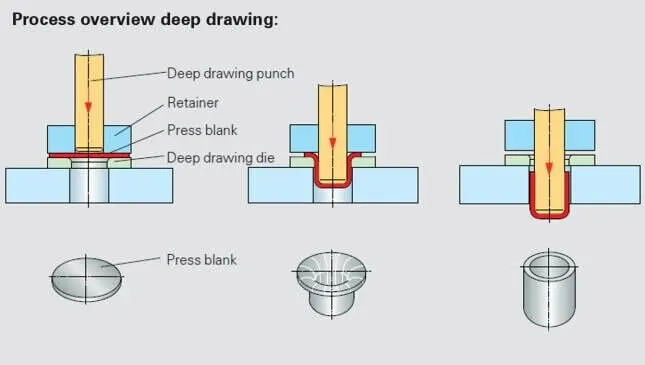
The manufacturing process of a hood involves several steps, including deep drawing and hemming. Here's an explanation of these two key processes:
1. Deep Drawing:
Deep drawing is a metal forming process used to shape a flat sheet of metal into a three-dimensional shape, such as the main body of the hood. The deep drawing process typically involves the following steps:
a. Blanking: A flat sheet of metal, usually steel or aluminum, is cut into a blank of the required size and shape, which will form the starting material for the hood.
b. Forming: The blank is then placed into a die, which consists of a male punch and a female die cavity. The blank is positioned on the die, and the punch applies force to the center of the blank, pushing it into the die cavity. As a result, the blank undergoes plastic deformation and takes on the shape of the die cavity, forming the basic shape of the hood.
c. Draw Reducing: After the initial forming, the punch may be repositioned to apply additional force and further reduce the height of the drawn part, ensuring the desired depth and shape.
d. Trimming: Excess material around the edges of the formed part is trimmed or cut off to achieve the final shape and size of the hood.
2. Hemming:
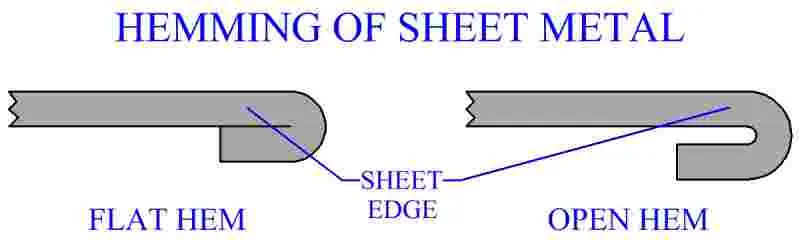
Hemming is a process used to join two or more edges of the hood panel, typically for creating reinforced edges or attaching additional components. The hemming process involves the following steps:
a. Flanging: The edges of the hood panel are first flanged, which means they are bent at a 90-degree angle to create a raised lip or flange along the edges.
b. Hemming Tooling: The hemming tooling consists of a hemming die and a hemming punch. The hemming die is positioned beneath the flanged edge, while the hemming punch presses against the flanged edge, folding it over the die.
c. Hemming Operation: The hood panel is placed between the hemming die and punch, and the punch applies force to the flanged edge, bending it over the die and creating a folded hem. This process securely joins the edges, providing strength and a finished appearance.
d. Hemming Types: There are different types of hemming, including single-hemming (one folded edge), double-hemming (both edges folded), and laser hemming (using laser technology to create a folded edge). The specific type of hemming used depends on design requirements and manufacturing capabilities.
After these primary manufacturing processes, the hood may undergo additional steps such as surface preparation, painting, and assembly with hinges, latches, and other components to complete the manufacturing of the hood assembly.
Hood Design Parameters
Design parameters play a crucial role in hood design, as they determine the performance, aesthetics, and functionality of the hood assembly. Here are some key design parameters involved in hood design:
1. Hood Material: The choice of hood material impacts the overall weight, strength, and cost of the hood. Common materials used in hood manufacturing include steel, aluminum, and composite materials. The material selection is based on factors such as structural requirements, weight reduction goals, cost considerations, and manufacturing capabilities.
2. Hood Shape and Contours: The shape and contours of the hood influence aerodynamics, aesthetics, and pedestrian safety. The hood design should consider factors such as airflow management, minimizing drag, ensuring smooth air flow over the vehicle, and meeting regulatory requirements for pedestrian impact.
3. Hood Size and Proportions: The size and proportions of the hood are determined by the vehicle's overall design, space constraints, and functional requirements. The hood should provide sufficient clearance for the engine, accommodate necessary components and systems, and align with the vehicle's proportions to maintain visual harmony.
4. Hood Surface Design: The surface design of the hood involves considerations such as body lines, creases, and styling elements. These design features contribute to the overall aesthetic appeal of the vehicle and can convey brand identity and design language. The surface design should also take into account manufacturing feasibility and ease of maintenance.
5. Hood Open/Close Mechanism: The design of the hood open/close mechanism, including hinges, latches, and struts, is crucial for smooth and secure operation. Factors such as ease of use, structural integrity, alignment, and safety are considered when determining the hood opening and closing mechanism.
6. Structural Reinforcements: Hood design may incorporate structural reinforcements, such as reinforcements ribs, to ensure the hood's rigidity and resistance to deformation. These reinforcements help improve crashworthiness, minimize vibrations, and provide additional strength to support components mounted on the hood.
7. Hood Insulation and Sound Damping: Hood design may include provisions for insulation materials to reduce engine noise and heat transfer. The design should consider space for insulation mats or liners that help improve acoustics, enhance thermal management, and contribute to passenger comfort.
8. Hood Safety Features: Hood design must comply with safety regulations, including pedestrian safety standards. Design parameters related to pedestrian protection may involve incorporating energy-absorbing structures, providing proper clearance, and designing deformation zones to mitigate injury risks in the event of a collision.
9. Manufacturing Feasibility: Design parameters should also consider manufacturing feasibility, including tooling requirements, assembly processes, and cost-effective production. Design features that are difficult or expensive to manufacture may need to be re-evaluated or optimized for production efficiency.
10. Material Finishes and Coatings: Design parameters include considerations for the desired finish and coatings on the hood, such as paint, clear coat, or other protective layers. These finishes provide aesthetics, durability, corrosion resistance, and protection against environmental factors.
These design parameters collectively determine the functionality, performance, safety, aesthetics, and manufacturing feasibility of the hood assembly. Manufacturers and designers carefully evaluate and optimize these parameters to meet the specific requirements and objectives of the vehicle and brand.