Hood design-Week 2
Car Hood,
A car hood, also referred to as a “bonnet” in some countries, is the hinged cover that rests over the engine bay of a front-engine vehicle. The car hood protects the engine and connected parts from the elements while providing easy access for repairs and maintenance.
Hood Design,
Aerodynamics, clearance for components under the hood, and costs of the materials are the primary considerations when designing the hood of a car.
You want the hood to help lift the air smoothly (as possible) to the windshield and therefore over the car with the least amount aerodynamic drag. The best way to do this is a gentle slope from the ground to the windshield, leaving room for imperfections on the ground and the wipers at the base of the windshield.
This gentle slope is often interrupted to provide clearance for the engine, powertrain accessories, and suspension components. Commonly you will see a lump or scoops in the middle of the hood for clearance of the induction system, or lumps over the tires to prevent rubbing when the suspension is in full compression.
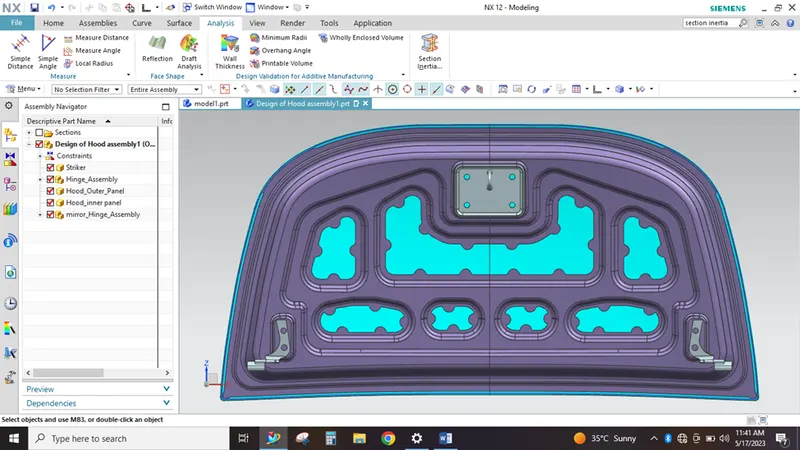
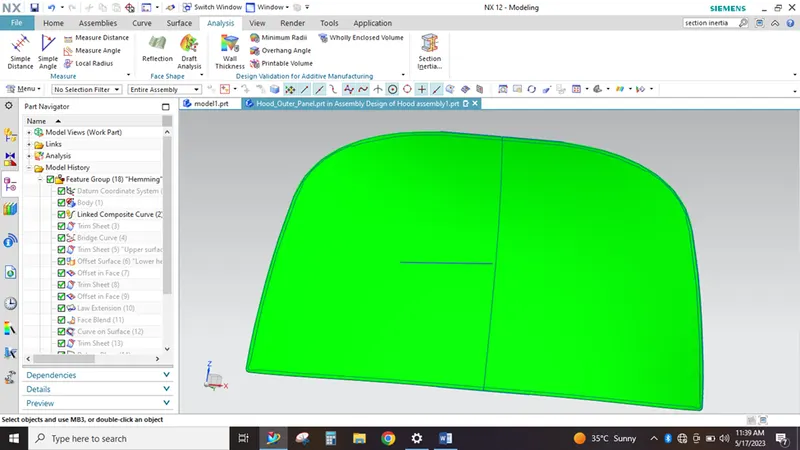
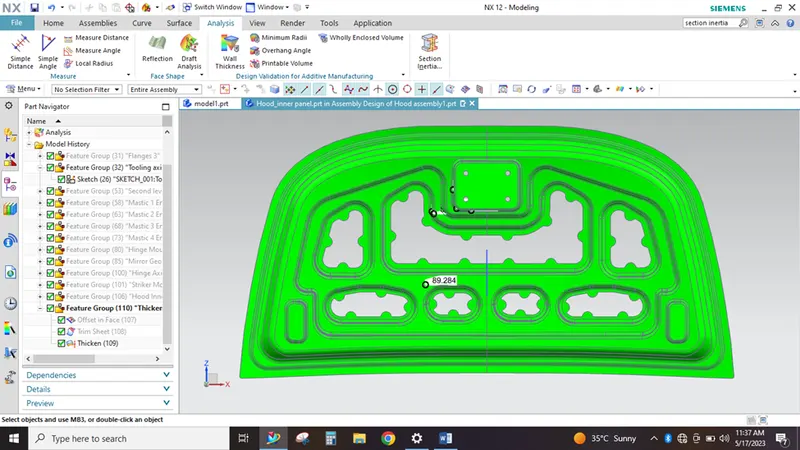
Commonly it has hood outer and inner panel,
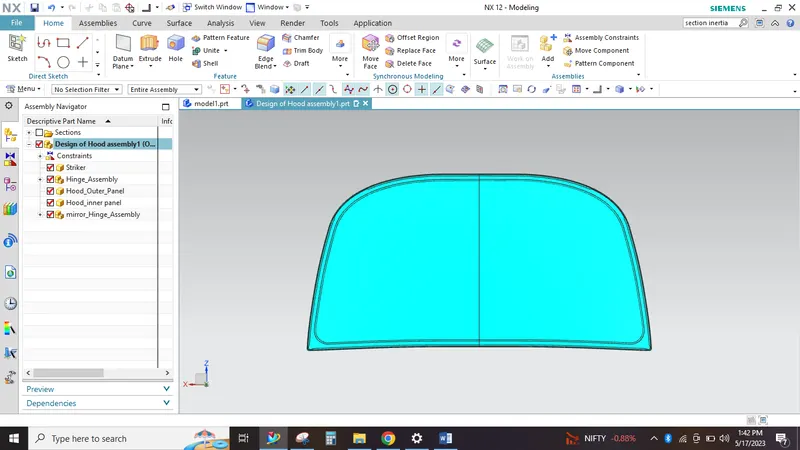
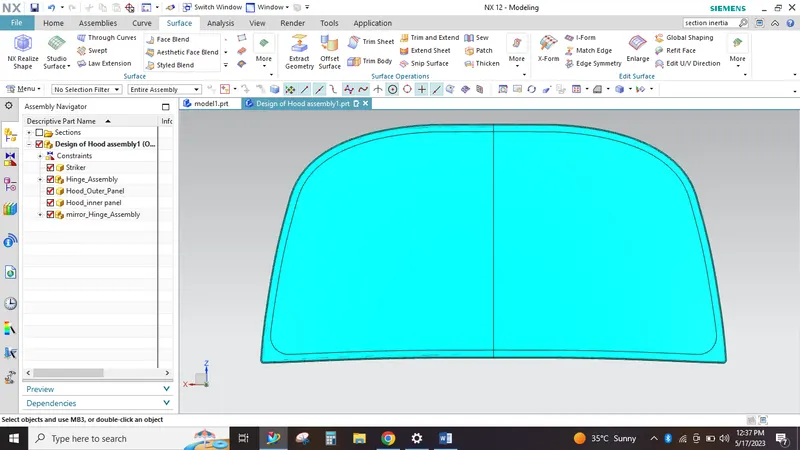
Hood outer panel,
Hood inner panel,
HOOD COMPONENTS,
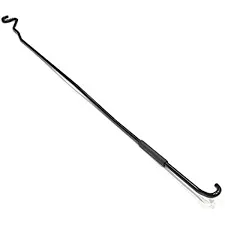
Hood support rod,
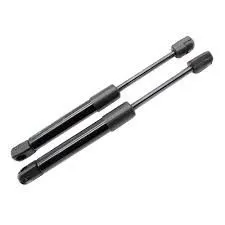
Support rod is basically long cylindrical rod. It safely keep an engine hood in an open state even if external forces are abruptly generated due to vibration & wind.
Gas Stay,
Gas stay is used in most heavy vehicles where the weight of the hood is more and it is difficult for a human being to open it conveniently. So, basically, a gas stay system uses gas-filled telescopic cylinders which only require an initial force to set it in motion.
Hinge assembly:
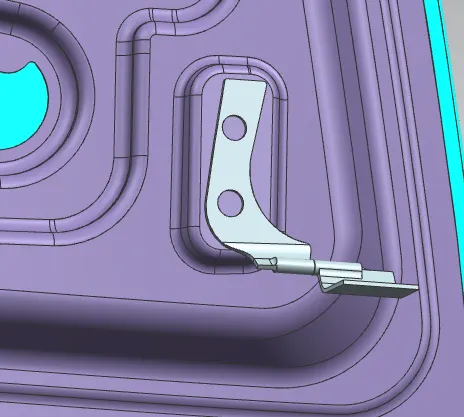
It is an important part of our hood because by use of this part only we are able to open and closed our hood whenever required with ease. This part should be strong enough to take the load of the hood and also the forces which act upon the hood in case of crash.
The hinges are usually made of sturdy materials such as steel or aluminum, designed to withstand the weight and movement of the hood. They are typically attached to the hood itself using bolts or screws and to the body of the car using additional brackets or mounting points.
The hood hinge assembly allows the hood to be lifted for access to the engine compartment, providing maintenance and repair access. It also helps to support the weight of the hood when it is open, preventing it from falling down unexpectedly.
Striker,
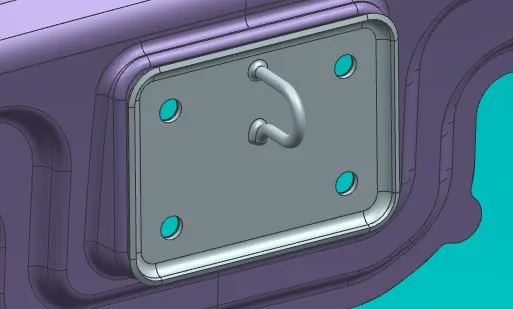
A car hood striker, also known as a hood latch striker or hood lock striker, is a component located on the body of the vehicle that engages with the hood latch to secure the hood in the closed position. It serves as a counterpart to the hood latch mechanism, which is typically mounted on the underside of the hood.
When the hood is closed, the hood latch mechanism engages with the striker to lock the hood securely in place. The striker usually consists of a metal plate or bracket with a hook-like structure that aligns with and engages the hood latch. The hood latch, in turn, is connected to the release cable or lever inside the car's cabin, allowing the driver or operator to release the hood latch and open the hood when needed.
Mastic data,
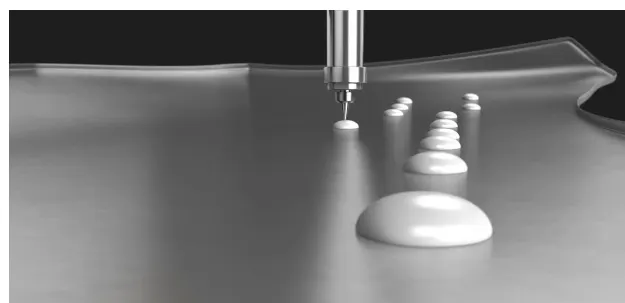
Mastic point are areas where the inner hood panel is joined with the outer panel hem using a mastic glue. This mastic glue keeps the inner panel stuck to the outer panel. The main purpose of the outer panel is for the aesthetic look.
it plays a vital role in reducing the NVH. The gap between the inner and outer panel is 4.5 mm. So, the mastic sealant will occupy 4.5 mm gap. Mastic sealant will cover 80 mm diameter area from the centre of the mastic point.
In addition to noise reduction, hood mastic also provides thermal insulation. The engine generates heat, and the hood mastic helps to insulate the hood from the engine's radiant heat. This insulation helps to maintain lower temperatures under the hood, preventing heat from entering the passenger compartment and potentially improving the performance and efficiency of certain engine components.
Hood mastic is typically made of a composite material, which may include a layer of foam or other sound-absorbing material sandwiched between an outer layer and an adhesive backing. The material is designed to withstand the high temperatures and environmental conditions typically encountered under the hood.
Mastic sealant,
Mastic points,

Latch Trajectory,
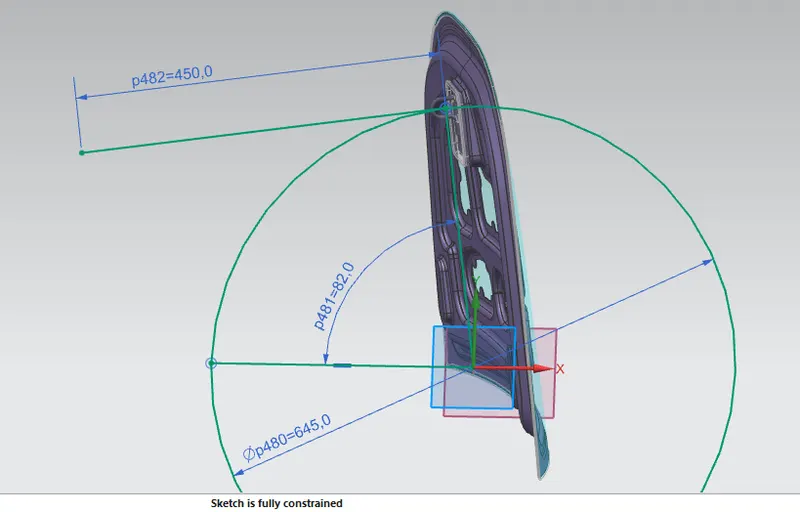
When the hood latch is released, either through a release lever inside the vehicle or an external release mechanism, the hood latch mechanism typically moves in a specific trajectory to disengage from the hood striker. This trajectory is generally a linear or pivoting motion, depending on the design of the hood latch.
In a linear motion, the hood latch may retract or move horizontally away from the striker, allowing the hood to be opened. This type of motion is commonly found in latch designs where the latch lever or cable pulls the latch mechanism directly away from the striker. The trajectory of the hood latch mechanism is typically designed to provide a reliable and secure engagement with the hood striker when the hood is closed. It ensures that the latch securely holds the hood in place while the vehicle is in motion, preventing unintended hood opening.
Angle changes,
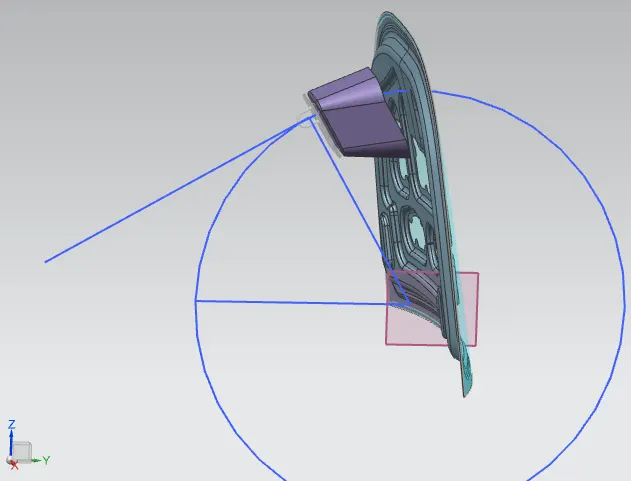
Striker path,
Hood embosses,
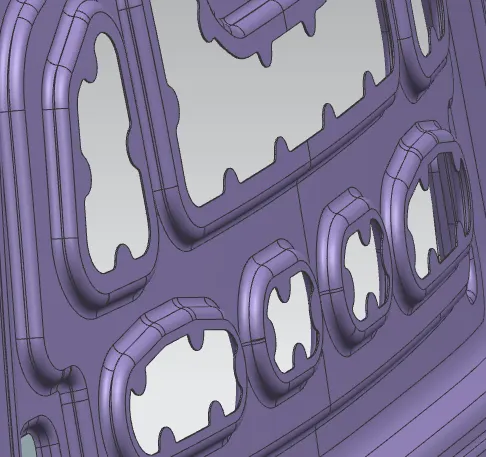
Hood emboss refers to a design element or feature on the hood of a car where a pattern or indentation is created on the surface. It is a decorative or stylistic element that adds visual interest to the hood and enhances its aesthetic appeal. Aesthetically, hood embossing contributes to the overall design language of the vehicle.
The hood emboss can take various forms, such as raised lines, grooves, shapes, or patterns that are integrated into the design of the hood. These embossed elements are typically pressed or stamped into the metal or other material of the hood during the manufacturing process.Hood embossing serves both functional and aesthetic purposes. Functionally, it can help to add rigidity and strength to the hood panel, especially in areas prone to flexing or deformation. The embossing adds structural integrity to the hood, ensuring that it remains stable and maintains its shape under various driving conditions.
Deep drawing process,
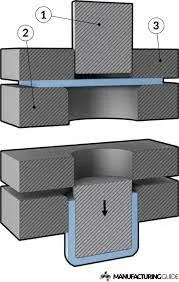
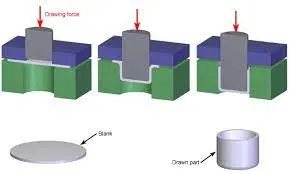
The deep drawing process involves a single metal blank and forming it into a 3D round, square, or rectangular shape called a case or enclosure. Sometimes, the sheet metal pieces remain attached to a coil, letting them form effectively. This is called a progressive die process. drawing g is a metalworking process that uses tensile forces to elongate metal, glass, or plastic. As the material is drawn (pulled), it stretches and becomes thinner, achieving a desired shape and thickness. Drawing is classified into two types: sheet metal drawing and wire, bar, and tube drawing.
the below steps can be followed;
Material Selection,
Blank Preparation,
Lubrication,
Placing the Blank,
Drawing,
Redrawing,
Trimming,
Finishing operations,
Hemming Process,
Sheet metal hemming is a manufacturing process used to join two or more pieces of sheet metal by folding or bending one edge over another. The hemming process is commonly used in the automotive industry, particularly for joining outer body panels, such as doors, hoods, and fenders.
The edges of the sheet metal pieces to be joined are prepared by deburring or chamfering to remove any sharp edges or burrs. This helps to ensure a smooth and uniform hem. A hemming tool, which consists of a lower die and an upper punch, is set up on a press or hemming machine. The dimensions and shape of the tooling are determined based on the desired hem geometry and the thickness of the sheet metal.
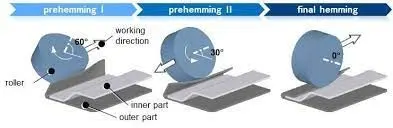
The press or hemming machine applies force to the upper punch, which bends the hem flange of the top sheet downward and over the edge of the bottom sheet. This creates a folded edge, often referred to as the "hem". The amount of force and the depth of the hem are controlled to achieve the desired joint strength and appearance.
Draft analysis,
Views,
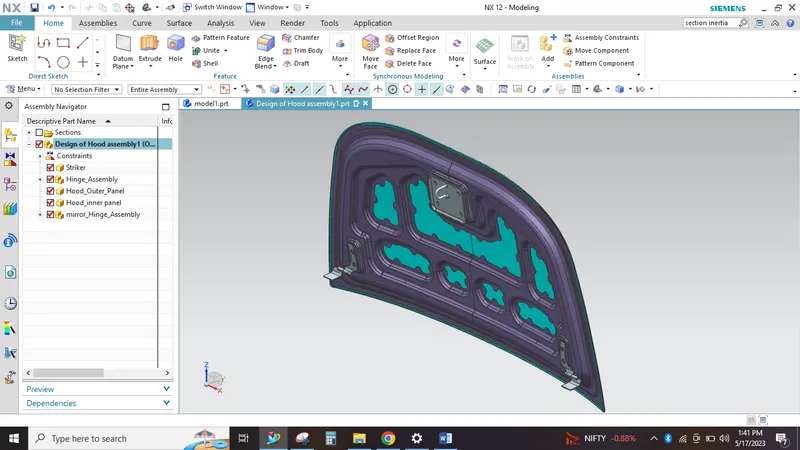
Isometric view,
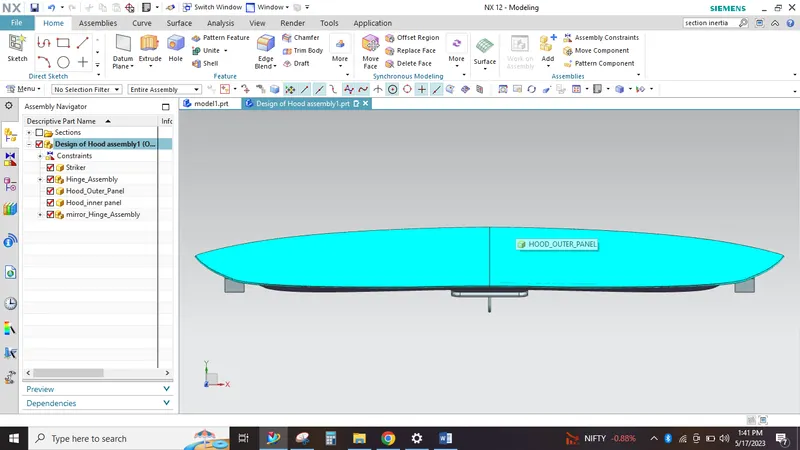
Front view,
Side view,
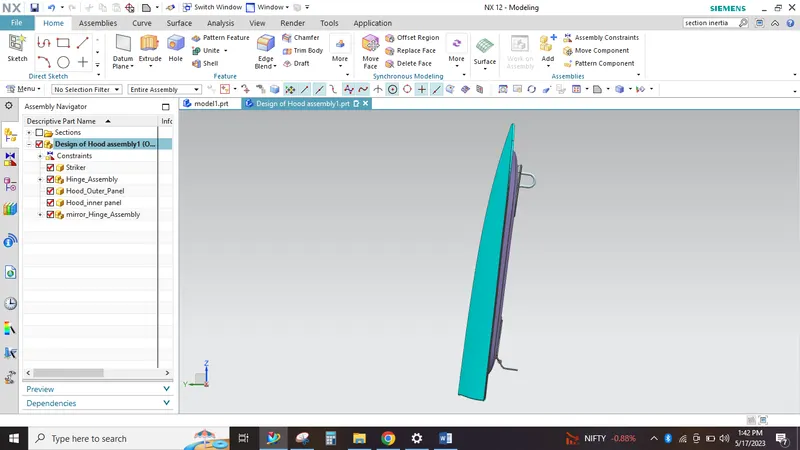
TOP View,