Hood design-Week 2
Hood:
A hood, also known as a bonnet in some regions, is a crucial component of a car's exterior design. It is the metal cover that lies over the engine compartment at the front of the vehicle. The primary function of a hood is to protect the engine and its surrounding components from external elements such as dirt, debris, and water. In addition, it also acts as a safety feature, shielding the driver and passengers from potential harm in the event of a collision.
Hoods come in various shapes and sizes, and their design can affect the car's overall performance. They can be made from different materials such as steel, aluminum, or composite materials, with each having its own set of advantages and disadvantages. Steel hoods are heavier and provide better protection but can be more prone to rusting. Aluminum hoods are lightweight and improve fuel efficiency but can be more expensive to repair.
It also provides access to the engine compartment, allowing for routine maintenance and repairs. A well-designed hood can also enhance the car's aesthetics, making it look sleek and stylish.
Design Method and Components:
-
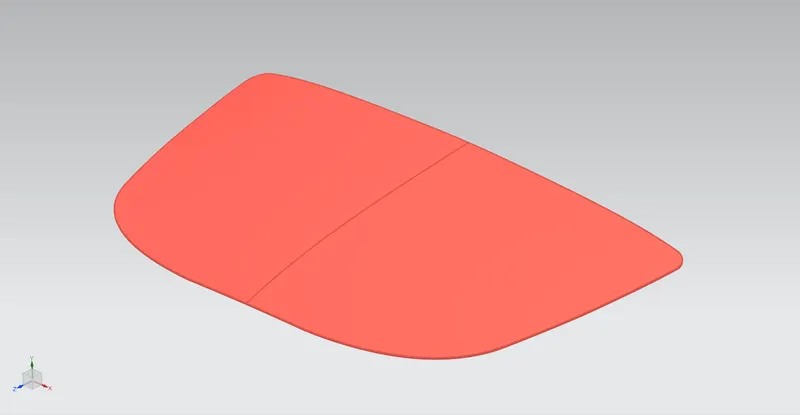
Outer Panel - This is the visible part of the hood, which is usually made of metal, and covers the entire engine compartment. The outer panel is designed to be aerodynamic and contributes to the overall look of the car. It is connected to the inner panel via hemming. This is given as an input surface.
-
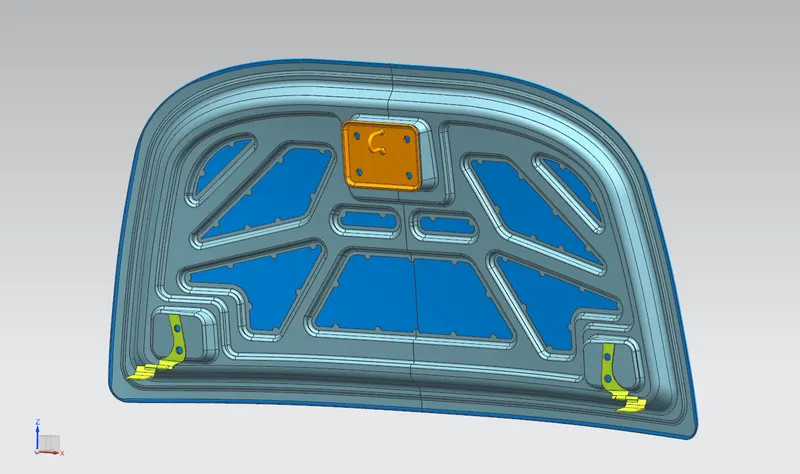
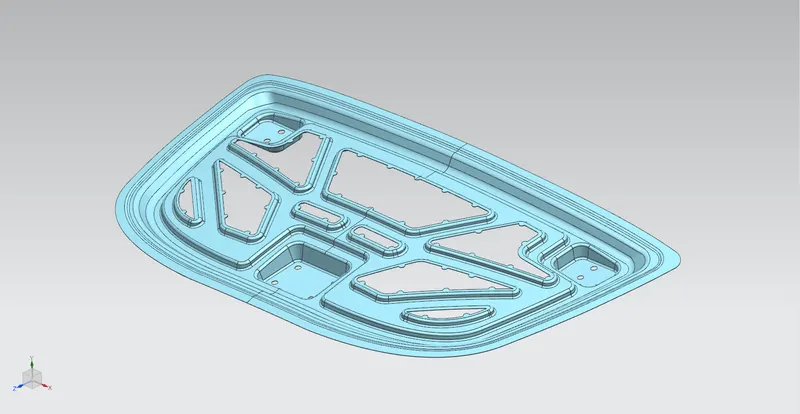
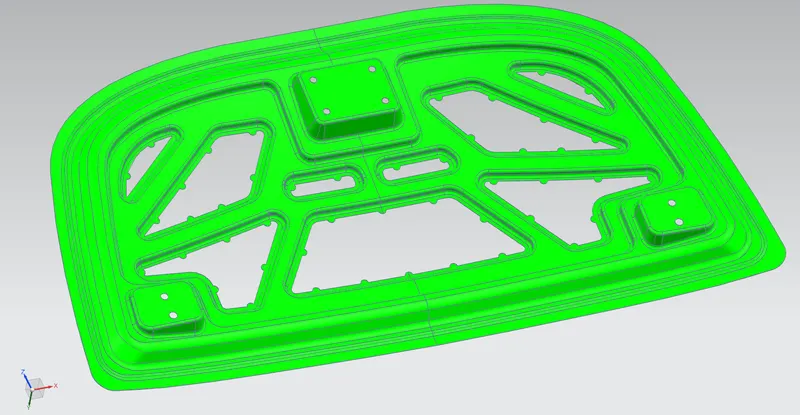
Inner Panel - The inner panel is located beneath the outer panel and provides additional reinforcement and protection for the engine compartment. It is usually made of metal and consists of embosses and reinforcements (itself is a reinforcement for the outer panel) to provide structural integrity to the outer panel as well as reducing the collision impact. Using the master section given, all the emboss definitions, mastic points are determined.
-
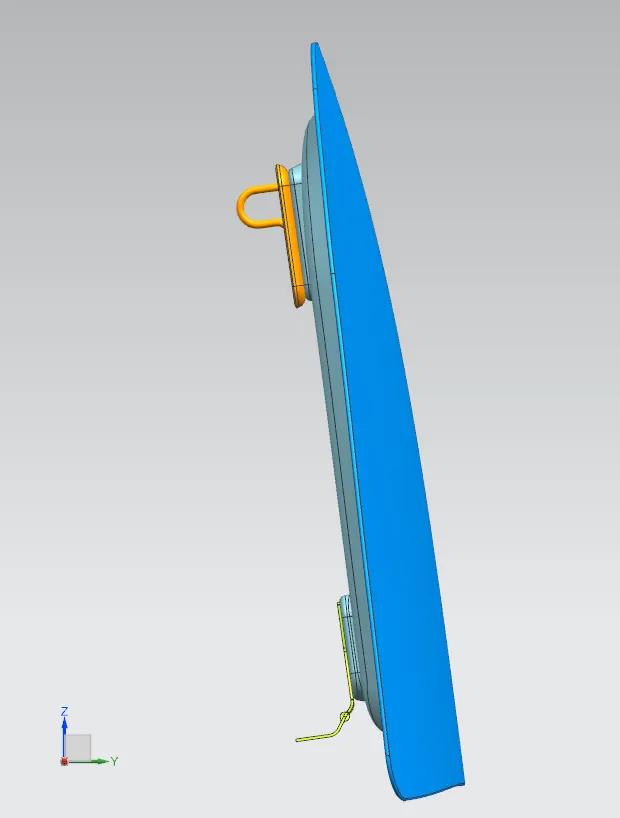
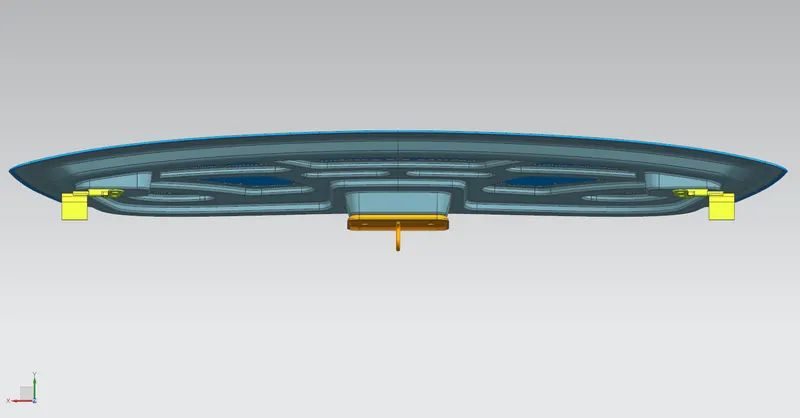
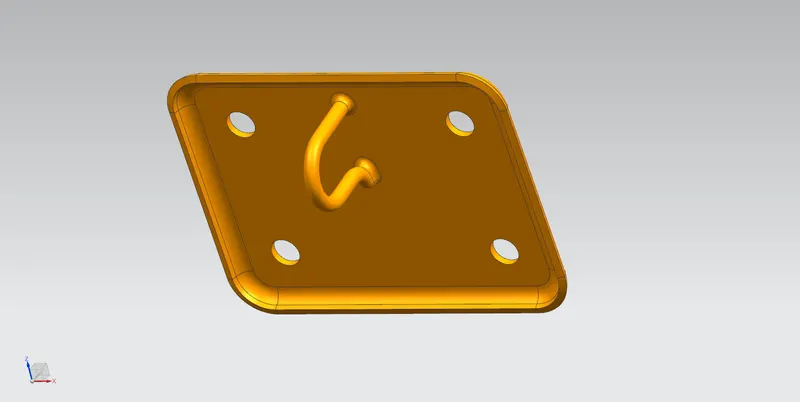
Latch and Striker - The latch and striker are responsible for securing the hood in place when it is closed. The striker is located on the hood and connects to the latch which is mounted to the car's frame. The latch and striker are designed to keep the hood securely closed while driving, preventing it from flying open unexpectedly.
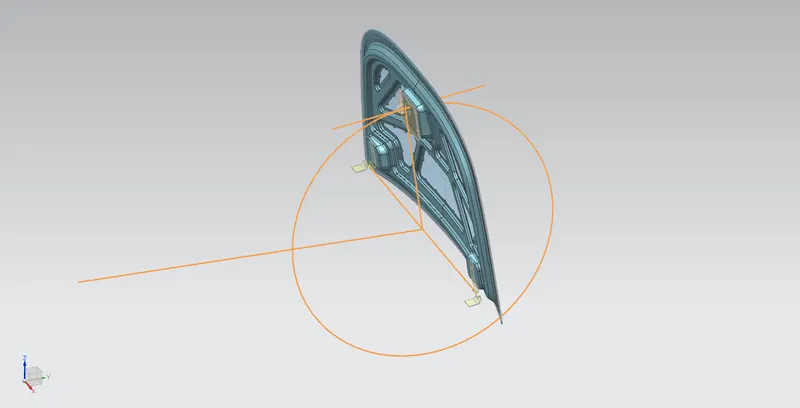
- Latch Trajectory: The latch trajectory is determined with refrence to the hinge axis and tells about the motion of the hood - it's opening and closing trajectory. This determines the correct location for the striker emboss as well as the correct placement and orientation of both latch and striker.
-
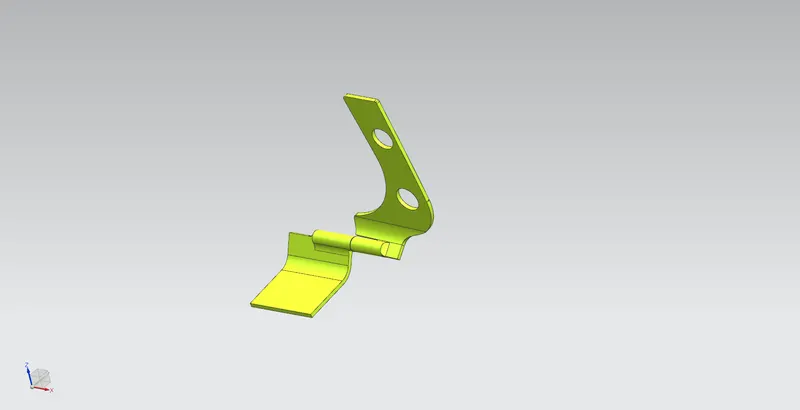
Hinges - Hinges are located on the sides of the hood and allow it to pivot upward when opened. Most car hoods have two hinges that are mounted to the car's frame and connect to the hood using bolts or pins.
-
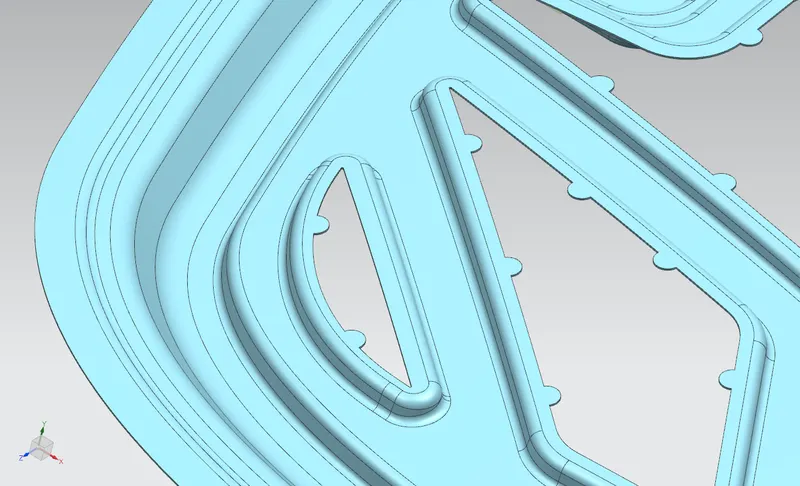
Embosses - Embosses are raised areas on the surface of the hood that are designed to provide additional rigidity and strength to the panel. It is also essential to incorporate emboss sections into the design to redirect the collision force away from the outer corners and towards the hinge areas (away from the cabin), resulting in a reduced impact force that enters the passenger cabin. The draft direction has to considered while designing the embosses.
-
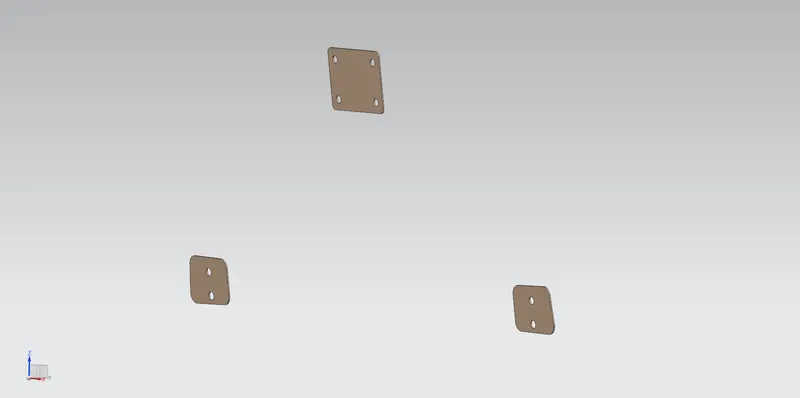
Reinforcements - Reinforcements are added to the inner panel to provide additional support and strength to the hood. They are usually made of metal and are located in strategic areas to prevent the hood from flexing or bending under stress. Especially so, where holes are provided such as hood emboss.
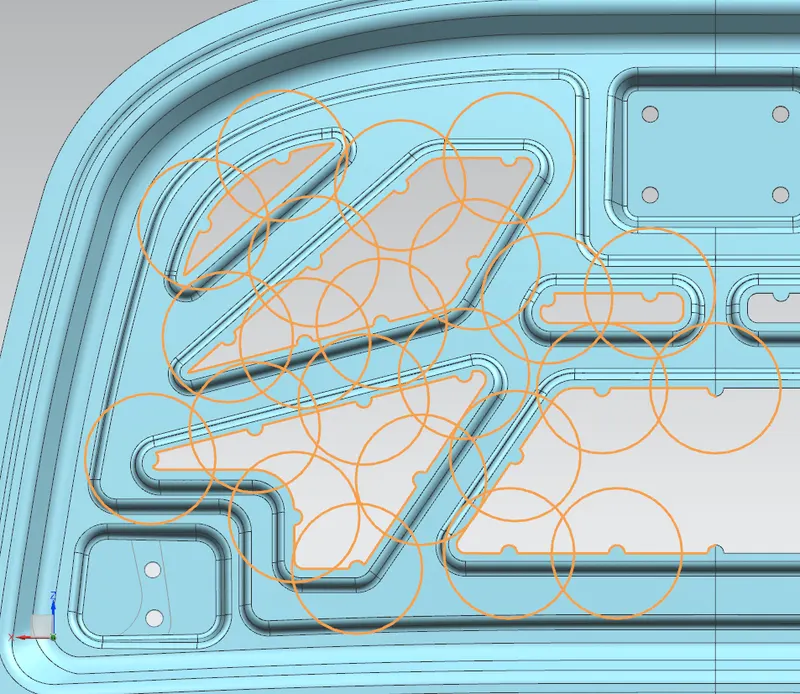
- Mastic Data - Mastic sealants are commonly used in the hood panel of cars to provide a barrier against water, dust, and other external elements. These sealants are made of a mixture of elastomers and adhesives and are applied to the joints between the hood and other body panels, such as the fenders or grille. In addition to providing a protective barrier, mastic sealants also play a crucial role in reducing noise, vibration, and harshness (NVH) in the car. NVH refers to the unwanted noise, vibration, and harshness that can occur when driving, and is a major concern for car manufacturers and drivers alike. The use of mastic sealants helps to dampen vibration and reduce noise by creating a flexible barrier that absorbs sound waves and reduces their transmission. By sealing the gaps between the hood and other body panels, mastic sealants prevent air leaks and reduce wind noise as well. In addition to reducing NVH, mastic sealants also provide structural integrity to the hood panel, making it more resistant to flexing and bending under stress. This increased rigidity helps to improve the overall handling and stability of the car.
- Hemming Relief - To prevent cracking or wrinkling, a hemming relief is added to the design of the sheet metal part. This relief involves removing a small section of the bottom sheet of metal where the hemming will occur, reducing the overall thickness of the metal in that area. This reduction in thickness allows the metal to bend more easily and reduces the risk of cracking or wrinkling during the hemming process.
Rear relief
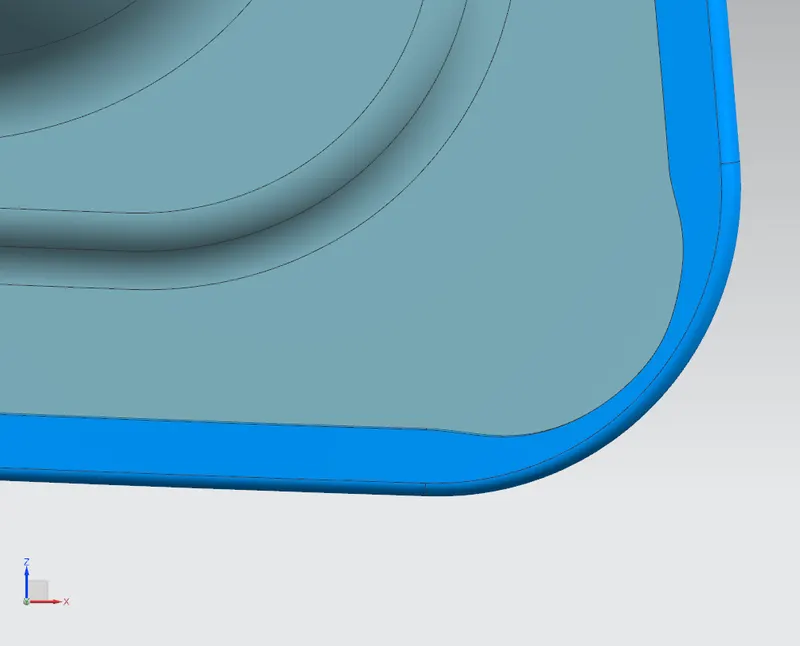
Front Relief
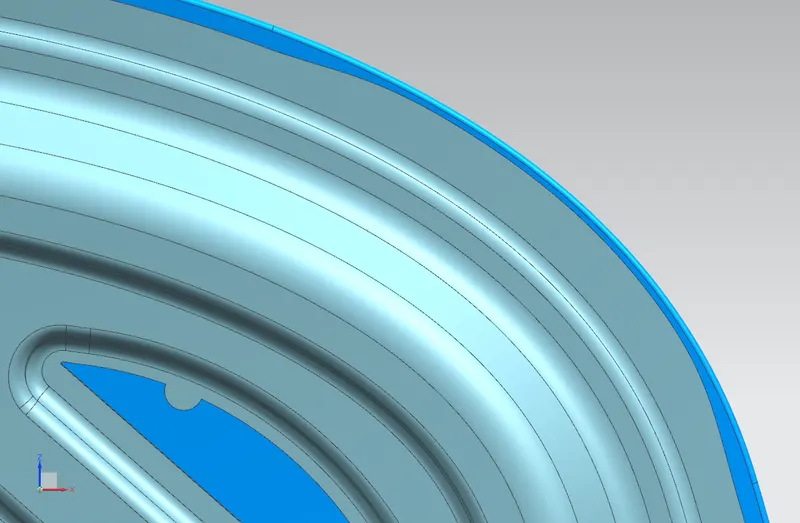
- Hemming: Hemming is a metal forming process that involves bending the edge of one sheet of metal over another to form a joint. This process is commonly used in the manufacturing of automotive body panels, such as doors, hoods, and fenders.
The hemming process typically involves two sheets of metal: a top sheet and a bottom sheet. The edge of the top sheet is bent over the edge of the bottom sheet and then clamped together. This creates a strong, secure joint that is resistant to separation and provides a finished appearance.
Hemming can be performed using a variety of methods, including manual hemming, machine hemming, and robotic hemming. Manual hemming involves using hand-held tools to bend the metal, while machine hemming uses specialized equipment to perform the hemming process automatically. Robotic hemming involves using robotic arms to perform the hemming process with a high degree of precision and accuracy.
There are two main types of hemming: open hemming and closed hemming. Open hemming involves leaving a small gap between the top sheet and the bottom sheet, while closed hemming involves bending the top sheet over the bottom sheet without leaving a gap. Closed hemming provides a stronger, more secure joint than open hemming, but can be more difficult to perform.
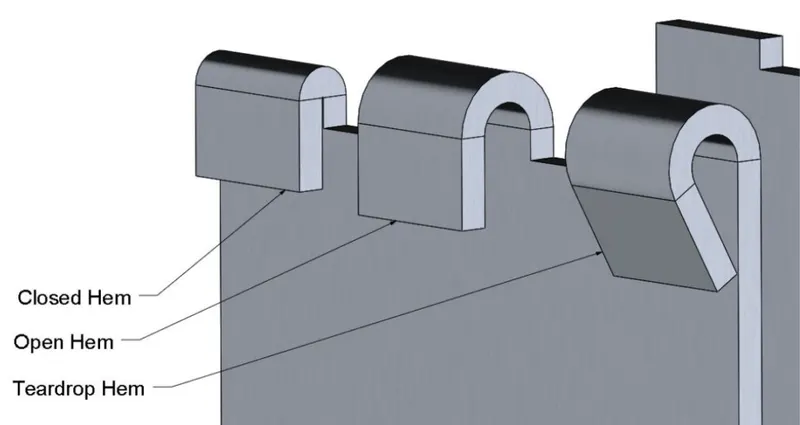
Hemming can also be classified based on the direction of the bend. In forward hemming, the top sheet is bent forward over the bottom sheet, while in reverse hemming, the top sheet is bent backward over the bottom sheet. The direction of the bend will depend on the specific application and the desired appearance and strength of the joint.
One of the key advantages of hemming is its ability to provide a finished appearance to automotive body panels. Hemming creates a smooth, continuous edge that eliminates the need for additional finishing processes such as trimming or deburring. Hemming also provides a secure, high-strength joint that is resistant to separation and can withstand the stresses and strains of everyday use.
Deep-Drawing:
The deep-drawing process involves placing a flat sheet of metal, usually steel or aluminum, over a die with a cavity that corresponds to the desired shape of the part. A punch then presses the sheet metal into the cavity, causing it to deform and take on the shape of the die. The depth of the drawing is typically several times the diameter of the punch, which is why the process is called "deep-drawing."
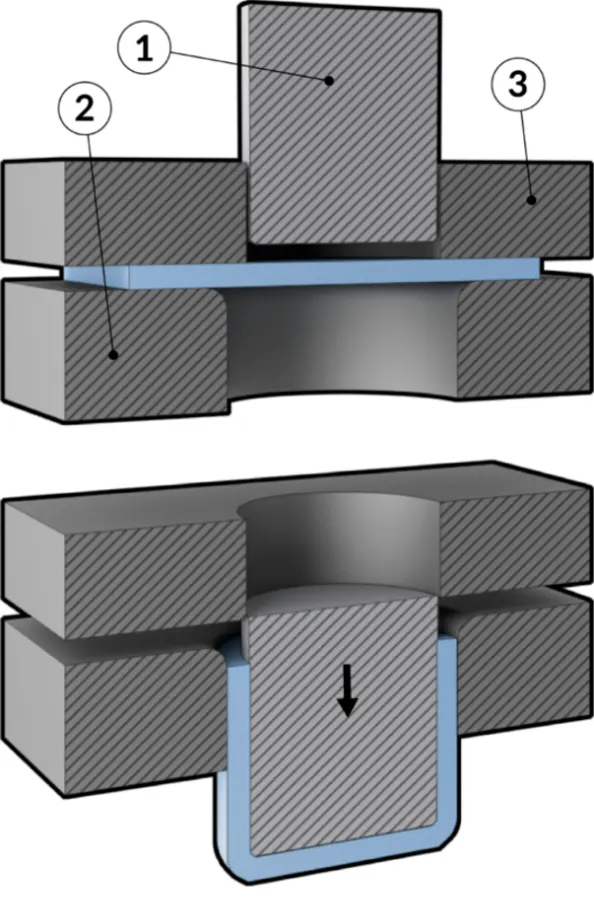
The success of deep-drawing depends on several factors, including the material properties of the sheet metal, the shape and size of the die and punch, and the lubrication used during the process. The material properties of the sheet metal are particularly important, as they will determine the extent to which the metal can be deformed without cracking or tearing. Materials with good ductility, such as low-carbon steel or aluminum, are typically preferred for deep-drawing applications.
Deep-drawing can be performed using either a hydraulic press or a mechanical press. Hydraulic presses are typically used for larger parts and can exert a greater force than mechanical presses, while mechanical presses are used for smaller parts and can operate at a higher speed.
One of the main advantages of deep-drawing is its ability to create complex, three-dimensional shapes with a high degree of accuracy and repeatability. Deep-drawing can also produce parts with a uniform wall thickness, which can improve the strength and durability of the part. Additionally, deep-drawing can produce parts with a smooth surface finish, reducing the need for additional finishing processes.
However, deep-drawing also has some limitations. The process is typically only used for symmetrical parts, as asymmetrical parts can cause uneven deformation and cracking. Deep-drawing is also limited by the size and shape of the die and punch, which can limit the range of parts that can be produced using the process.
Draft analysis of inner-panel (along Y-axis): Minimum positive design draft of 7 degrees
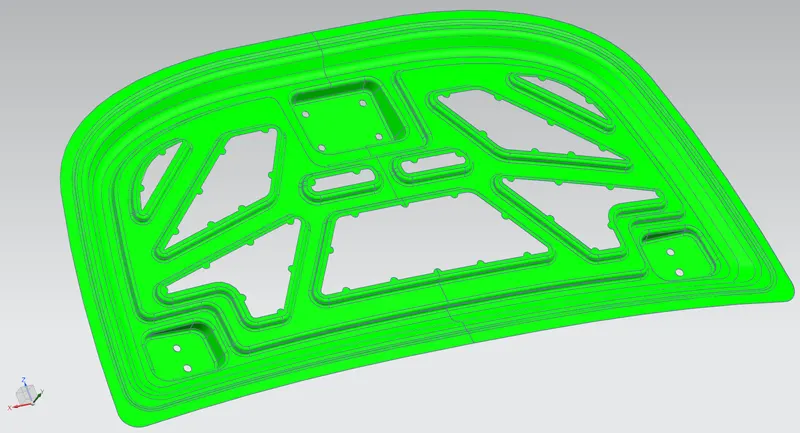
Final Assembly: