Hood design-Week 2
REPORT : Design of hood, which includes hood outer panel, hood inner panel, latch trajectory, mastic data, emboss definition, manufacturing process like deep drawing and hemming .
HOOD:
HOOD OR BONNET, is the hinged cover that rests over the engine the main purpouse of hood is to provide acces to the engine compartment. hood of a vehicle is a very criticle component because of frontel creah and pedestrian safety.
HOOD COMPONENTS:
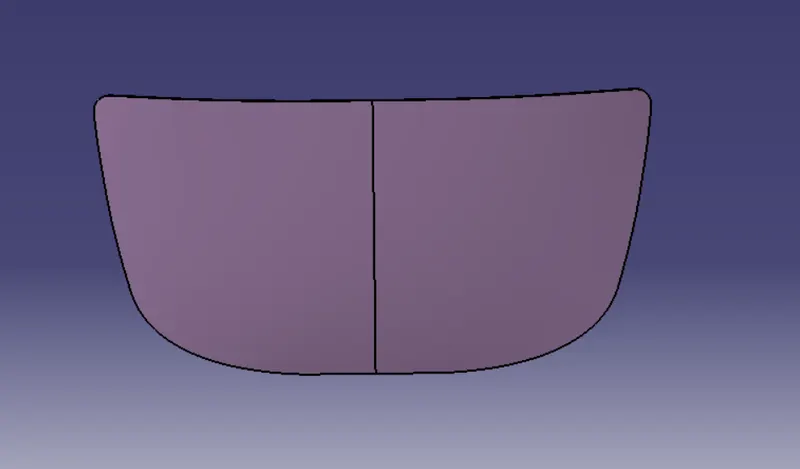
OUTER PANEL:
outer panel is the styling surface of the hood were it is wrapped to inner pannel by hemming process
INNER PANEL: inner panel is created inside the outer panel. which is used to give more strength to the hood
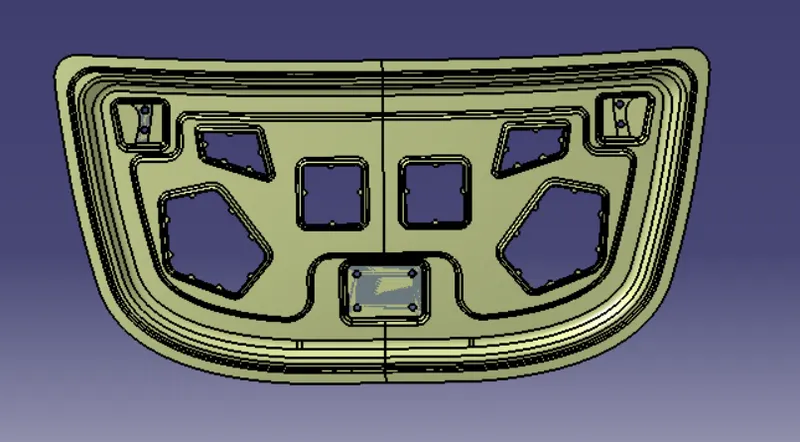
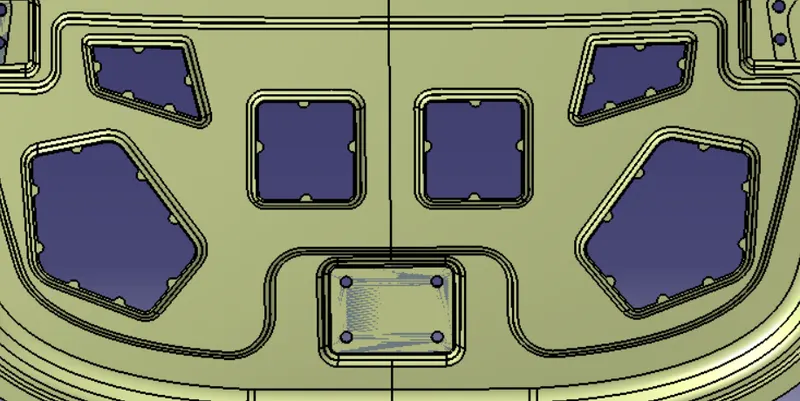
EMBOSS: embossing is a stamping process for producing sunken design in sheet metel. these are created to provide strenth to the innr panel and to dessipates the force outside the car ,the emosses dosent have a oroper design rules to be followed, it is designd in such a way that the forces are diverted toward the hinge during the crash
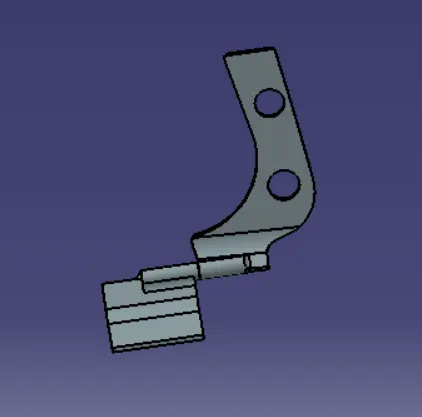
HINGE
hinges are the parts in opening the hood through the hinge axis. one of the part is attached to inner pannel while other part is attached to the engine compartment.
STRIKER:
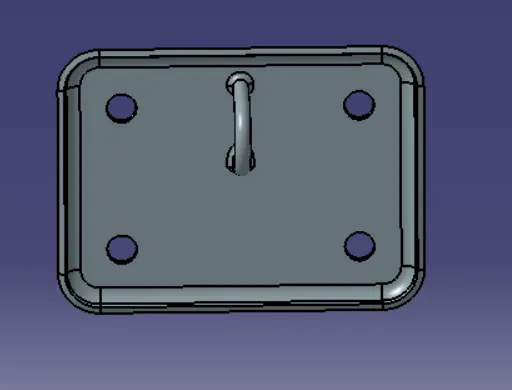
srtiker are the parts which helps to lock the hood to engine
LATCH TRAJECTORY:
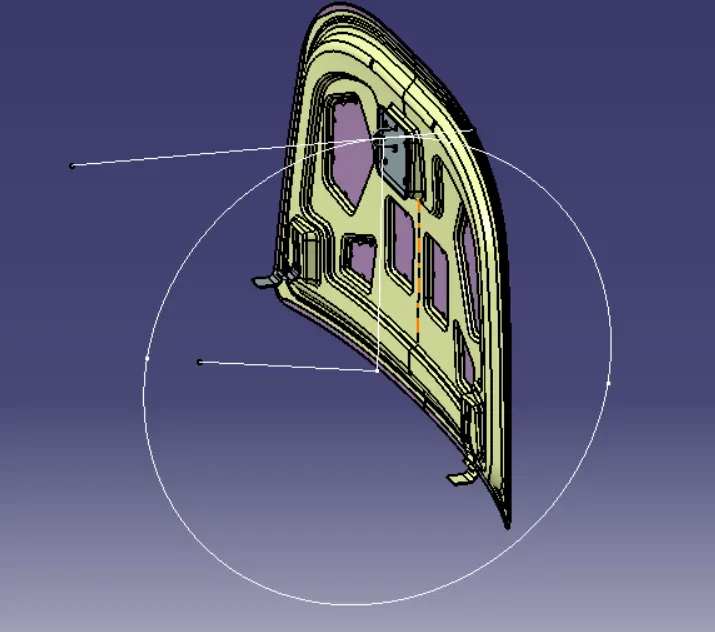
latch trajectory is the most importent thing while designing a hood . the latch trajoctory is used for the opening and closing of the hood
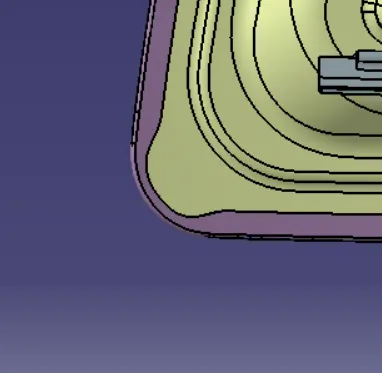
corner relief
during thr hemming process multiple rollers are used which casuse vibrations and stress concentration. so due to this we are giving corner relief for the coreners
rear relief
front relief
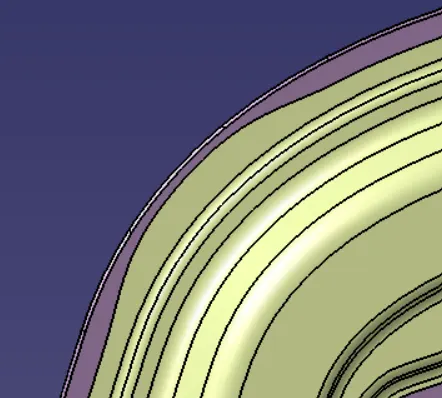
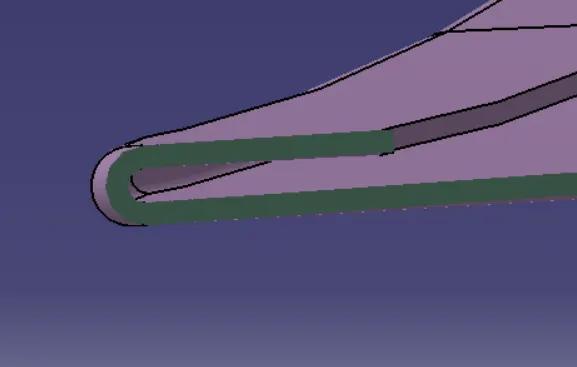
hemming:
hemming process is theprocess which is used to fold the edges of the sheetmetal to anathor part usually hemming are used to connect two parts . hemming is used becose it imoroves the apperance of the part