Hood design-Week 2
HOOD DESIGN
A car hood panel is one of the most important components of the BIW (body in white), it is considered as the closure sheet-metal component. A hood panel consists of two panels that are hemmed together to form the automotive hood assembly.
A car hood, also referred to as a “bonnet” in some countries, is the hinged cover that rests over the engine bay of a front-engine vehicle. The car hood protects the engine and connected parts from the elements while providing easy access for repairs and maintenance.
Car hoods are typically constructed from steel and sometimes from aluminum. Aftermarket car hoods may be constructed from various other materials, including carbon fiber, fiberglass, or dry carbon.
A concealed latch is typically used to lock the hood in place while driving. A release for the mechanism can be accessed from the dash below the steering wheel. On race cars and vehicles with an aftermarket hood, exposed pins may be used to secure the car hood.
Hoods sometimes contain a hood scoop or a power bulge to allow for greater engine capacity and airflow to increase the car’s performance output.
HOOD INNER PANEL
Rather than seeing it as a panel with holes, see it as stiffening members to make the outer skin structurally rigid when the two parts are bonded, which is how the inner panel is designed and punched from sheet metal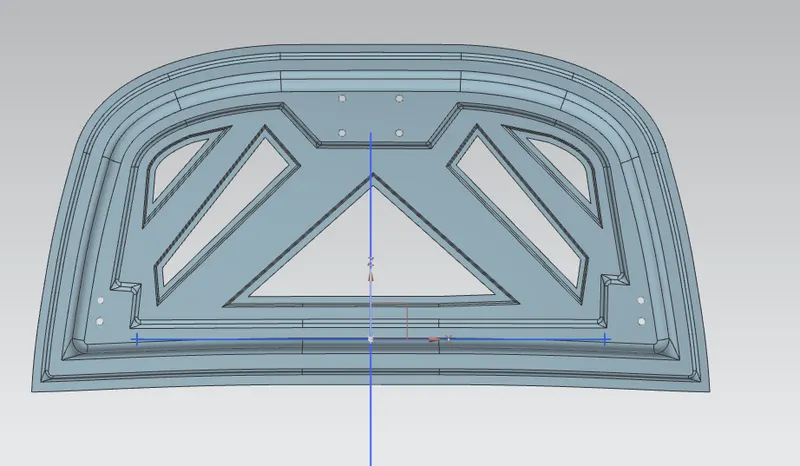
HOOD OUTER PANEL
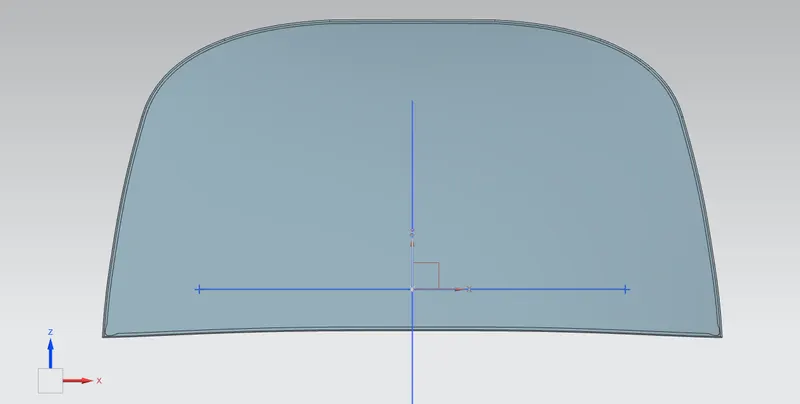
The outer panel is actually called the skin of the vehicle which is designed by the styling team to get a good look for a vehicle by covering the inner panel and engine parts of the car. This part should not be welded to the inner panel but using the sealant and mastic points makes contact between the inner and outer panel which acts as a bond between both and makes the hood stiff.
mastic sealant
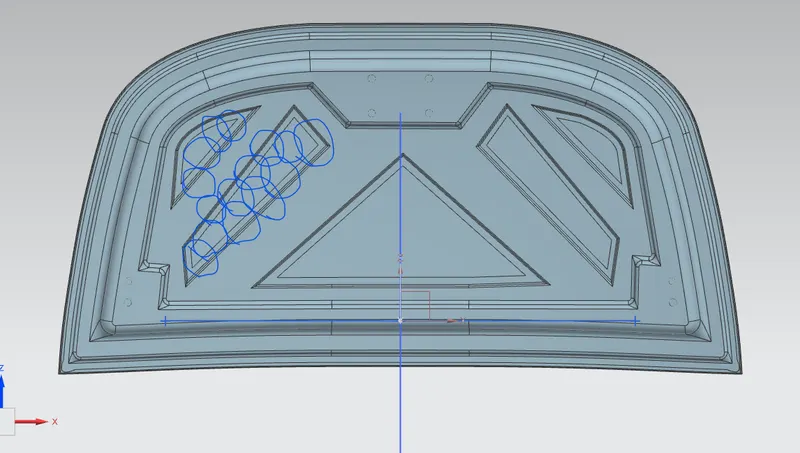
The hood inner panel and outer panel are joined using the mastic sealant instead of welding or other joining methods because the outer panel is a cosmetic part and it needs to have a smooth and attractive surface finish. The mastic sealant also further improves the flexural rigidity of the entire assembly. The mastic points where the mastic sealant is placed were strategically chosen because the mastic sealant is generally known to have approximately 80mm circular area of influence
HEMMING
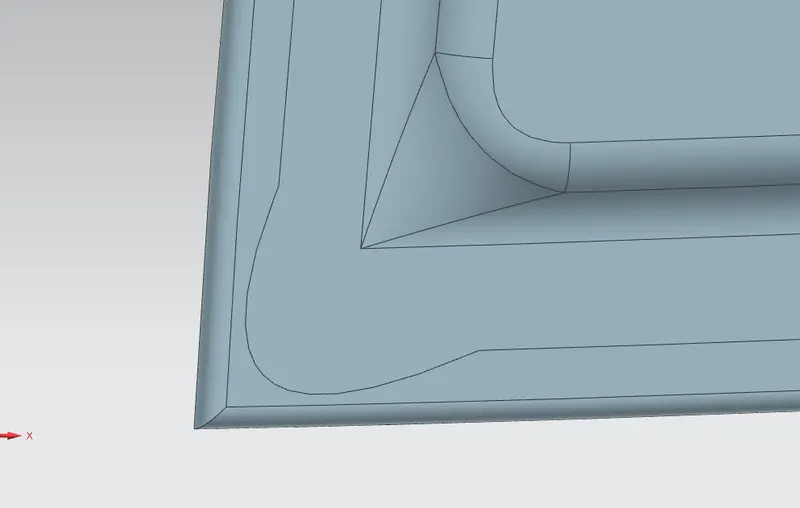
The outer panel is a cosmetic part and again spots from spot welding or unevenness caused due to welding or any other joining method that would jeopardize the appearance of the hood cannot be used. Hence, hemming is used to join the outer panel and the inner panel
ATTACHMENTS OF HOOD
HINGES AND STRIKER
Latch & striker is used for locking the hood with the car. it's usually placed on the space provided on the inner panel.
Hinges are used to connect the hood & cowl panel of an automobile. it enable the opening & closing operation of the hood. the hinge should be made strong enough to to handle the weight of the hood and also to handle the force action on it during the collision.
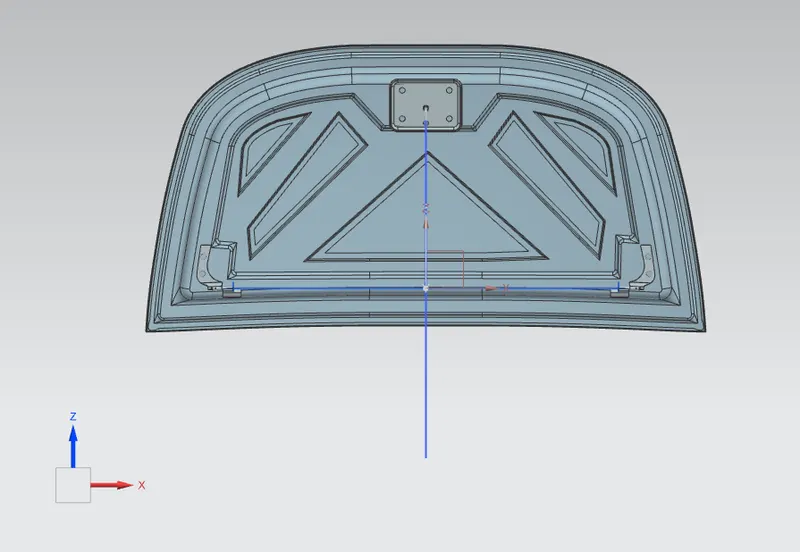
POSITION OF HINGE AND STRIKERS
The hinges should be usually placed on both sides of the hood in such a way that the strike fits exactly into the hole provided.
Both the hinges should be on the same axis.
The centre of the striker's circular trajectory should be always perpendicular to the hinge axis.
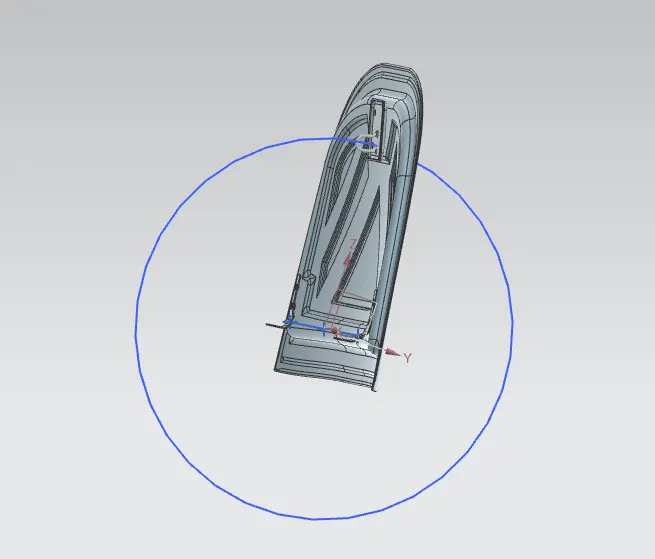
EMBOSES AND SHOCK FLOW
Embosses are the projections made on sheet metal using deep drawing techniques. the operation is carried out the mostly for the purpose of stiffening flat surface and design in the inner panel. the major function of embossing is to dissipate the force acting on the hood during the collision of the car toward the hinges as early as possible. this helps to reduce the impact of the force on the passenger sitting inside.
Embosses were designed to dissipates the force outdie the structure and toward the hinges.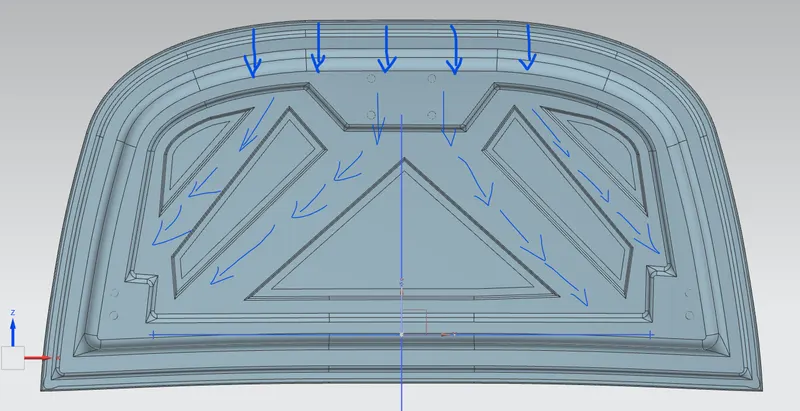
DRAFT ANALAYS
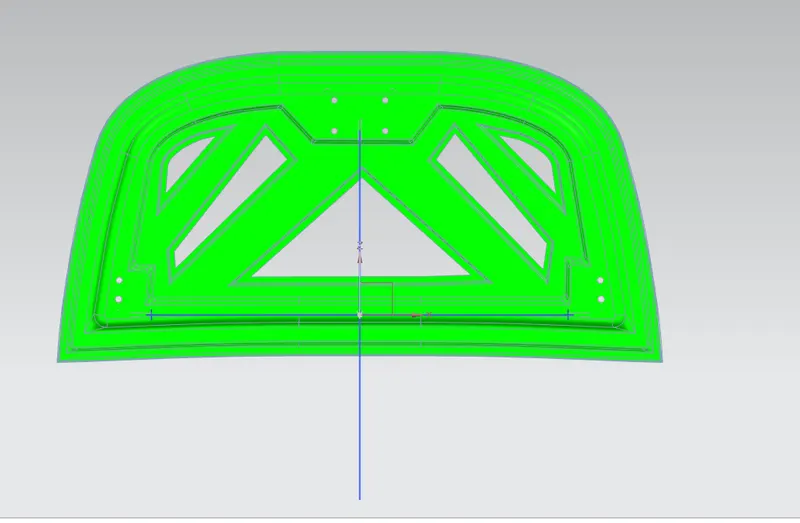
Once the design was ready, the inner panel of the hood was anaylzed for manufacturability. here draft analysis shows that all parts are clearing when core is removed from cavity.
CONCULSION
ALL the parts of the hood are designed based on the required conditions & given dimensions. With the completion of hood design & analyzing for successful manufacturability. we can conclude that the hood can be utilized for the vehicle.
Also, considering the safety of occupants & pedestrians the hood has been designed under the EuroNCAP safety regulations.