Hood design-Week 2
What is hood ?
Hood is the hinged cover on engine of car, which is allow the access to engine compartment to repair and maintenance of engine. It helps in accidents to defend the front impact of another vehicle to satisfies the driver safety. hood is assembling component of inner panel, outer panel, striker, and Reinforcements.
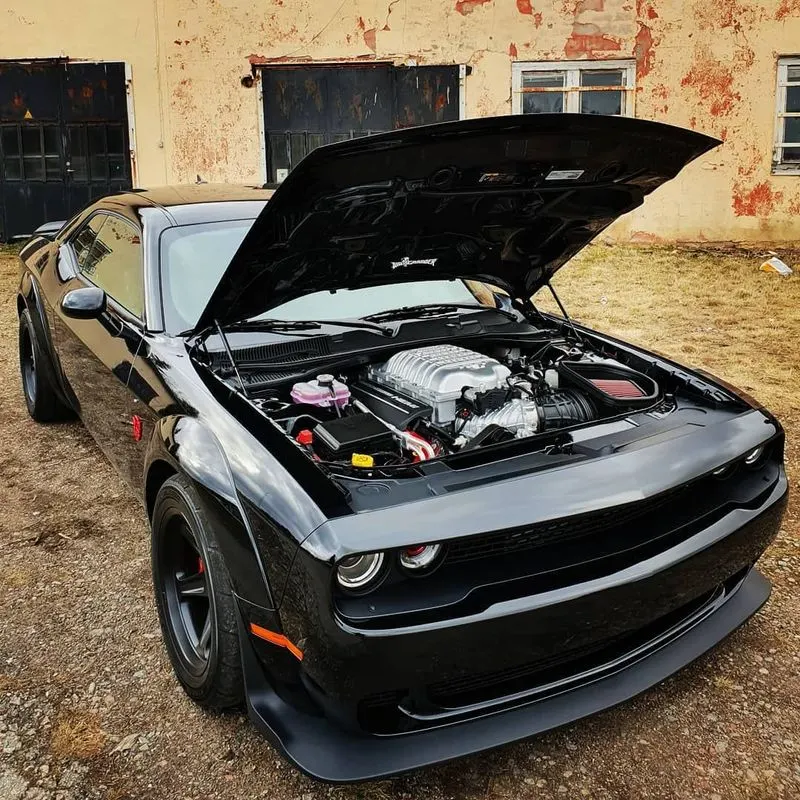
Fig.a. hood
- Components of hood assembly
Inner panel & outer panel
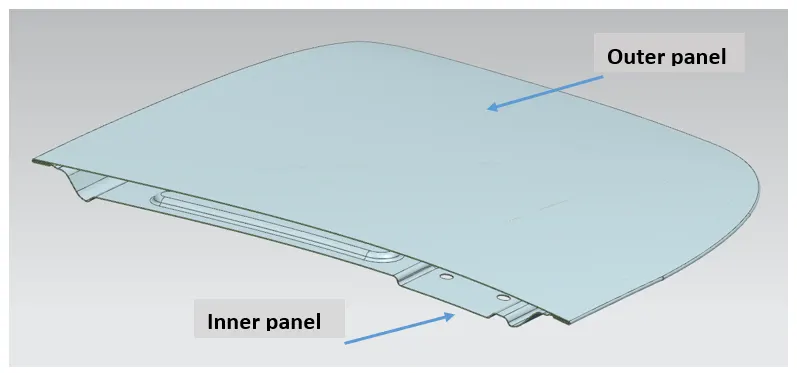
Fig.b.inner & outer panel
A.Inner panel.
Inner panel is supporting structure of outer panel. Its emboss surface gives strength to outer panel and all reinforcement & hinge are attached with panel to engine compartment.
B.Outer panel.
Outer panel is styling surface of hood which is painted in body colour also prevent from accidents hazards.
- Hinges
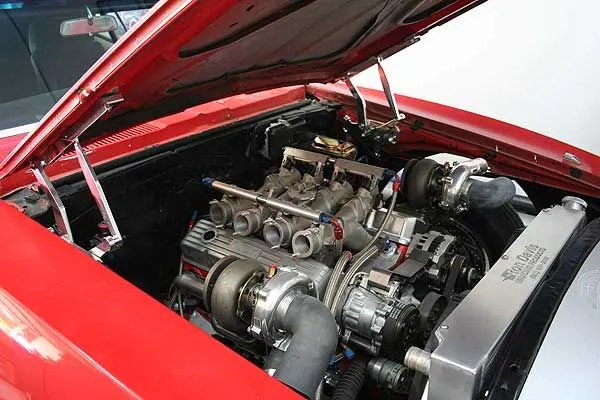
Fig.c.Hinges
The car hood hinge is a device that attaches to the top of the car and allows it to open like a door. It can be used to provide access to the engine compartment, or simply as an aesthetic feature and it’s located at between hood to engine compartment.
- Latch trajectory
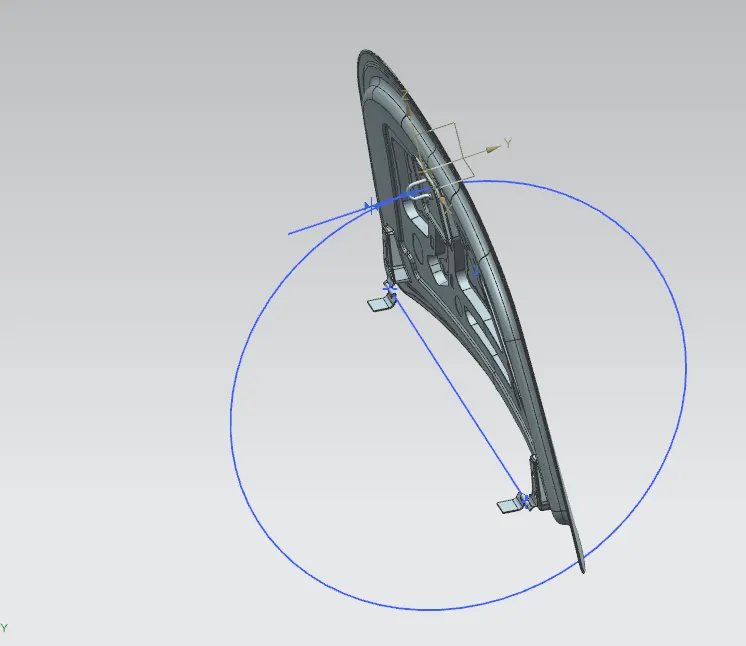
Fig.d.latch trajectory
Latch trajectory is opening and closing path of hood. While assembly you must ensure that Stricker part is place on inner panel, and striker closing passion is match with lock which is mounted in engine compartment.
- Striker
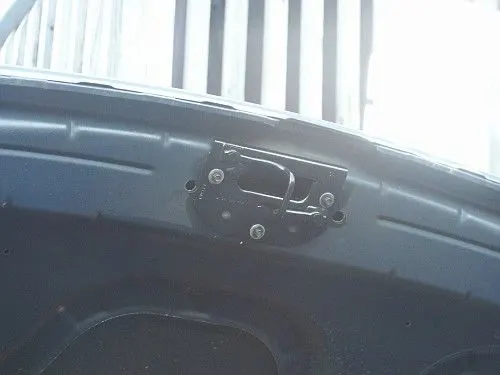
Fig.e.Striker
Striker is locking plate which It bolts to the underside of the hood at the front. It engages the hood latch when closed.
- Manufacturing process of hood.
- Sheet cutting.
2. Embossing.
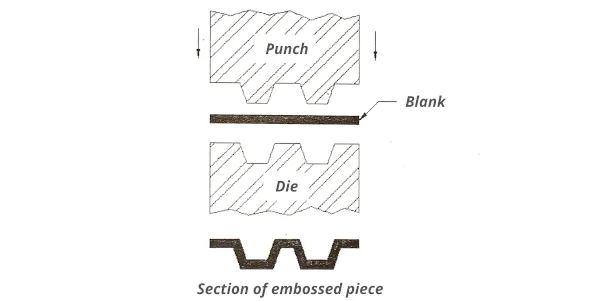
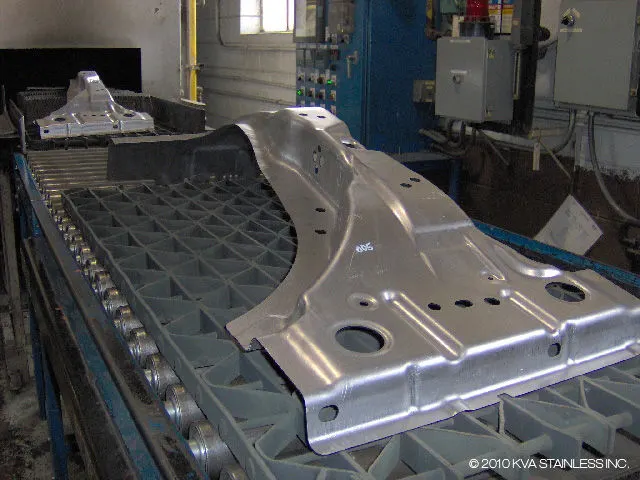
Fig.f. Embossed components of car
Sheet metal embossing is a metal forming operation in which the sheet metal is stretched into a shallow depression. Sheet metal embossing is generally used to create logos, lettering, small depressions, etc. It is also used to create desired non-slip surfaces as well as other geometric features on the sheet metal.
- Deep-drawing process.
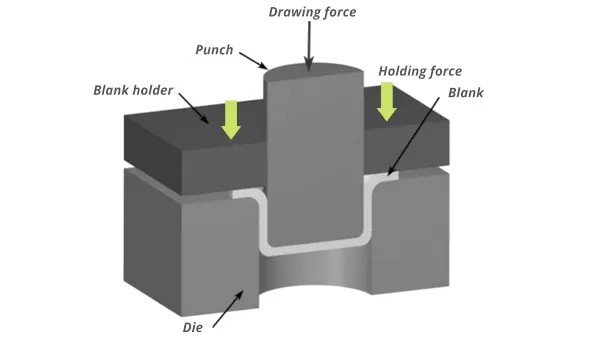
Fig.g. Deep drawing process
Deep drawing is a metal forming operation in which the sheet metal is stretched into a desired shape by the mechanical action of a punch. The punch pushes the sheet metal blank downward and forces it into a die cavity which ultimately forms a shape of the desired part.
- Hemming process.
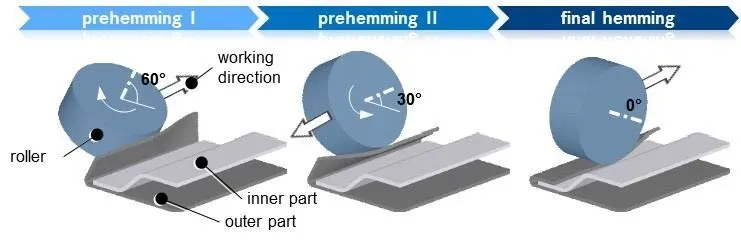
Fig.h.Hemming process
Hemming in sheet metal operations refers to the bending of a sheet metal edge onto itself. It is very similar to edge stitching in clothes. Like how an edge stitch strengthens the edge and makes it more durable, a hem imparts strength to the metal edge and improves its appearance. The edge of one part may also be folded onto another part to create a joint. This operation is stitching the inner and outer panel of hood and doors.
- Mastic data
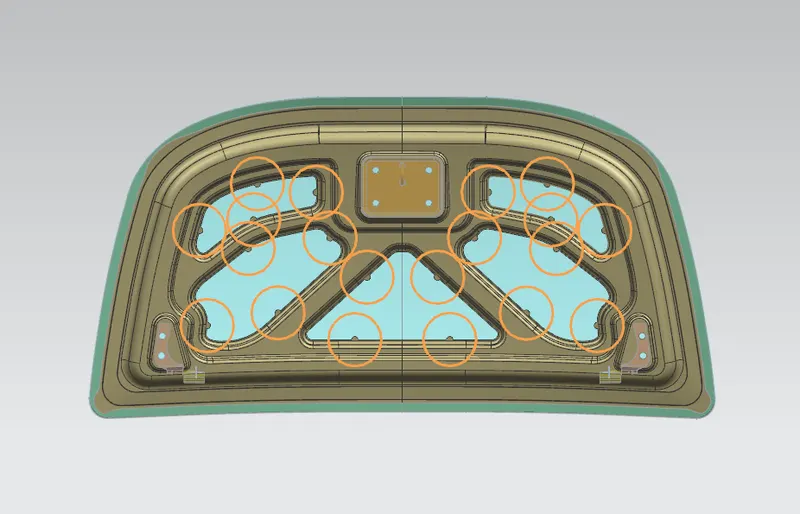
Mastic sealant is used to stick the inner panel and outer panel together because it reduces vibration and noise, and also doesn’t leave any marks or deformation on the contact points. After applying the sealant it’s become hard because of contact with air.
- Parameters followed in design
- Master Section
Thickness of inner panel- 0.75mm
Thickness of outer panel- 0.75mm
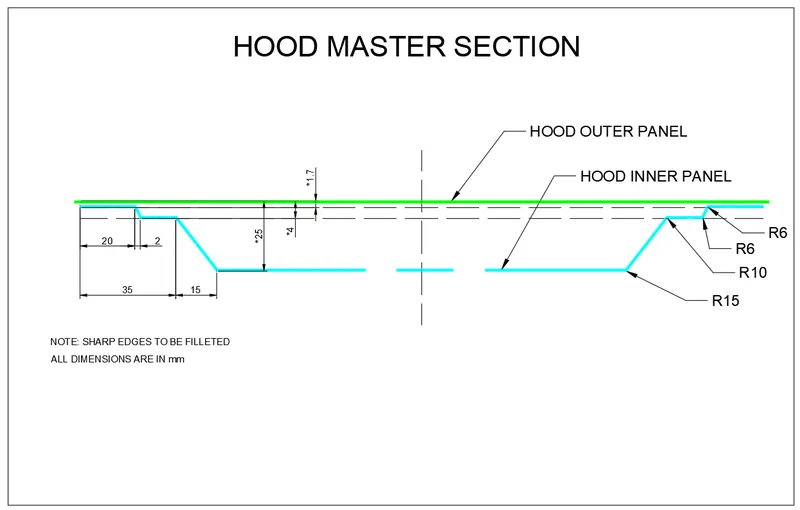
Fig.i.Master Section
This master data used in design of inner panel of hood. The commands used to design the panel is offset surface, trim sheet, law extension and after creating surface you must smooth corners by using face blend.
2.Hemming Data
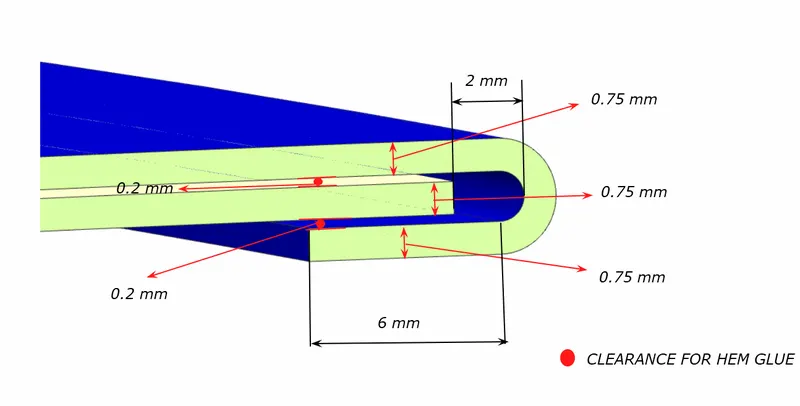
As per hemming data features are created
3.Cornner relief
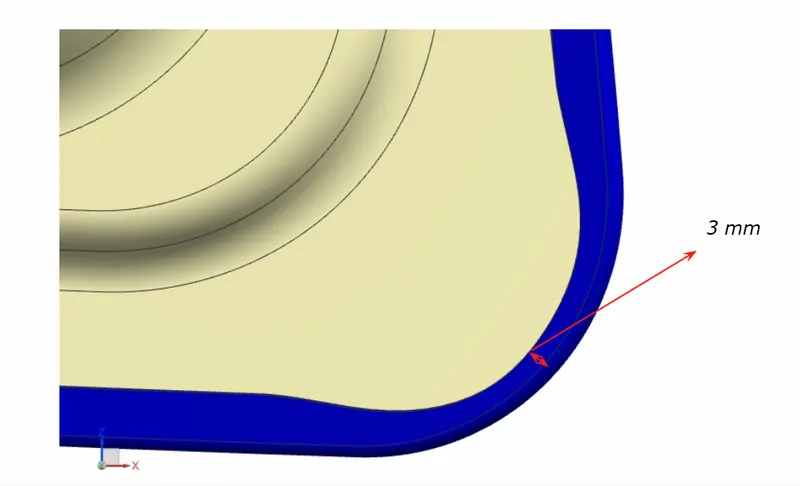
For easy hemming process you must created corner relief.