Hood design-Week 2
The hood is a metal panel that covers the engine compartment of a vehicle. It is typically made of sheet metal and is hinged at the front so that it can be opened to allow access to the engine for maintenance or repair.
The hood has several components, including:
-
Latch: This is a mechanism that holds the hood in place when it is closed. The latch typically consists of a latch handle, a latch mechanism, and a striker plate. The latch handle is located on the inside of the hood and is used to release the latch mechanism. The latch mechanism consists of a latch bolt and a spring-loaded latch lever. The striker plate is mounted to the vehicle's frame and the latch bolt engages with it to hold the hood in place.
-
Latch Trajectory: The latch trajectory refers to the path that the latch mechanism follows when the hood is opened or closed. It is important to design the latch trajectory so that the latch mechanism engages and disengages smoothly and easily.
-
Mastic: Mastic is a type of sealant that is used to seal gaps between the hood and other parts of the vehicle, such as the fenders and the windshield. Mastic helps to prevent water and dirt from entering the engine compartment.
-
Emboss Definitions: Emboss definitions refer to the raised or indented patterns on the surface of the hood. These patterns may be functional (such as providing structural support) or decorative.
-
Deep-Drawing: Deep-drawing is a manufacturing process in which a sheet of metal is shaped into a desired shape by placing it over a mold and applying pressure. This process is often used to create complex shapes that would be difficult to achieve using traditional stamping methods.
-
Hemming: Hemming is a process in which the edges of the hood are folded over and pressed together to create a strong seam. This helps to strengthen the hood and improve its appearance.
There are several parameters that are followed in the design of a hood, including:
-
Load-Bearing Capacity: The hood must be able to withstand the weight of the engine and any other components that are mounted to it.
-
Aerodynamics: The hood must be designed to minimize drag and maximize airflow through the engine compartment.
-
Ease of Manufacture: The hood must be designed in a way that makes it easy to manufacture using available equipment and processes.
-
Ease of Maintenance: The hood must be designed in a way that makes it easy to access the engine for maintenance or repair.
-
Appearance: The hood must have a pleasing appearance that is consistent with the overall design of the vehicle.
The outer panel of a hood is the visible surface of the hood that is exposed to the outside air. It is typically made of sheet metal and is designed to be aesthetically pleasing as well as functional. The outer panel may have a smooth finish or it may have decorative features such as embossing or perforations.
The inner panel of a hood is the portion of the hood that faces the engine compartment. It is typically made of sheet metal and is reinforced with structural members to provide additional strength and support. The inner panel may also have openings for the engine's air intake and exhaust.
The necessary reinforcements for a hood depend on the size and weight of the engine and the design of the hood. Some common types of reinforcements include:
-
Structural members: These are shaped pieces of metal that are added to the inner panel to provide additional strength and support. Structural members may be placed vertically, horizontally, or at an angle, depending on the design of the hood.
-
Bracing: Bracing refers to the use of additional metal pieces to reinforce the structural members of the hood. Bracing may be added to the top, bottom, or sides of the hood.
-
Stiffeners: Stiffeners are small, flat pieces of metal that are added to the inner panel to provide additional support and prevent the panel from flexing.
-
Gussets: Gussets are triangular or diamond-shaped pieces of metal that are added to the corners of the inner panel to provide additional strength and prevent the panel from buckling.
-
Louvers: Louvers are small openings in the hood that allow air to flow through the engine compartment. Louvers may be added to the outer panel or the inner panel, depending on the design of the hood.
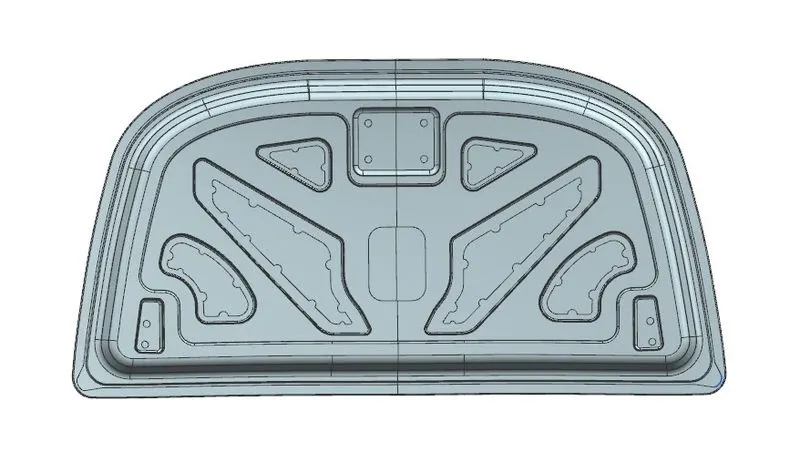
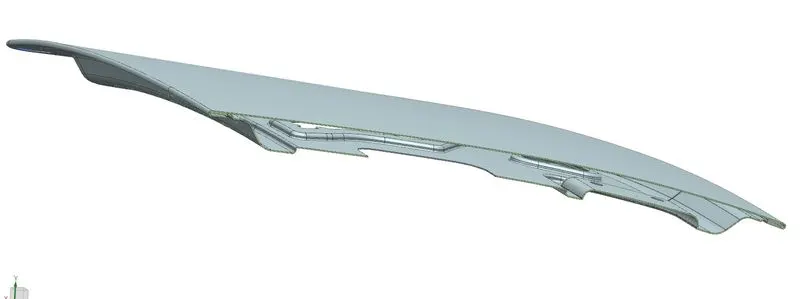
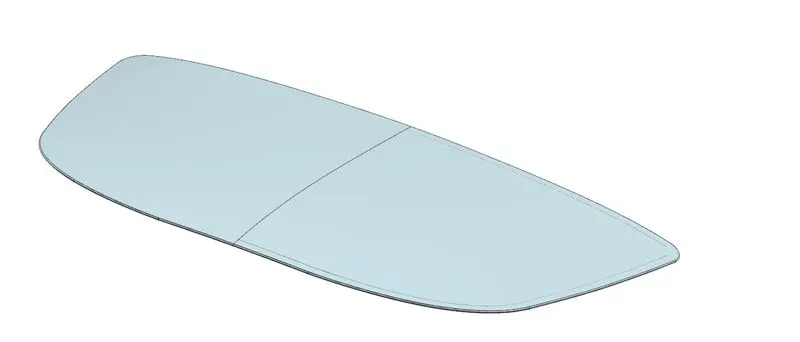 Reinforcements: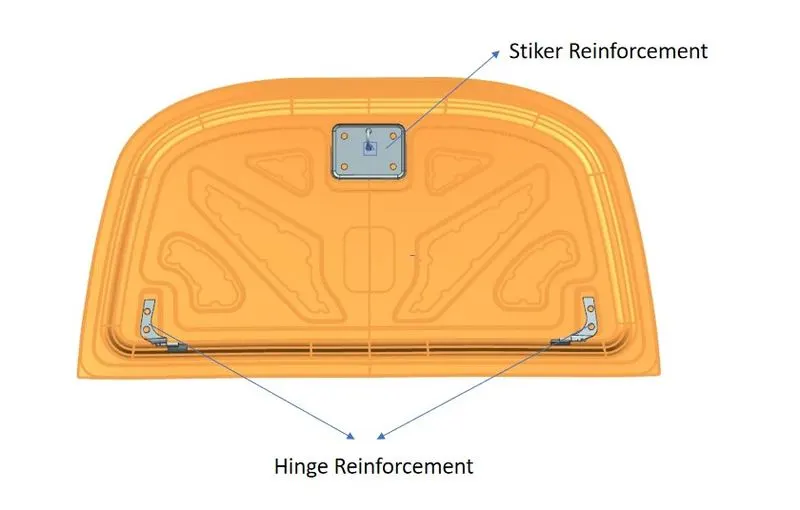
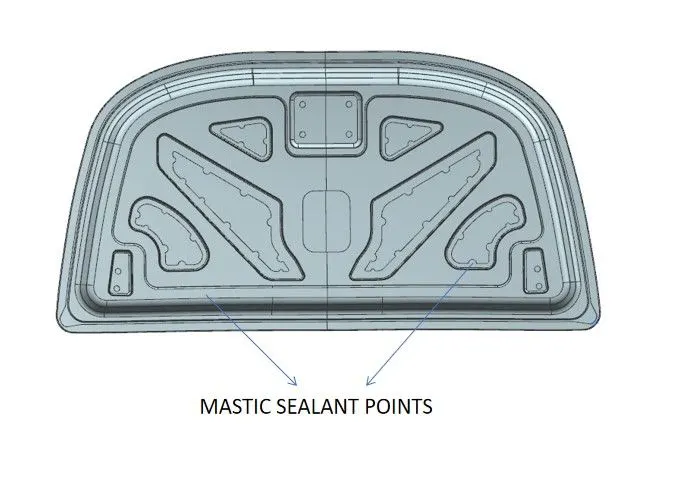
-