Hood design-Week 2
AIM : Design Hood Outer Panel, Inner Panel and the necessary reinforcements by following the Master Section mentioned with the Design parameters.
INTRODUCTION :
- The hood is the hinged cover over the engine of motor vehicles.
- A typical hood assembly consist of hood outer panel, inner panel, latch and striker, hinge.
- A latch is provided under the hood in order to prevent accidental opening during driving.
- The purpose of hood is to provide access to the engine and battery for repair and maintenance.
Hood Thickness Information
- Outer Panel Thickness = 0.75mm
- Inner Panel Thickness = 0.75mm
- Reinforcement Thickness = 1.5mm
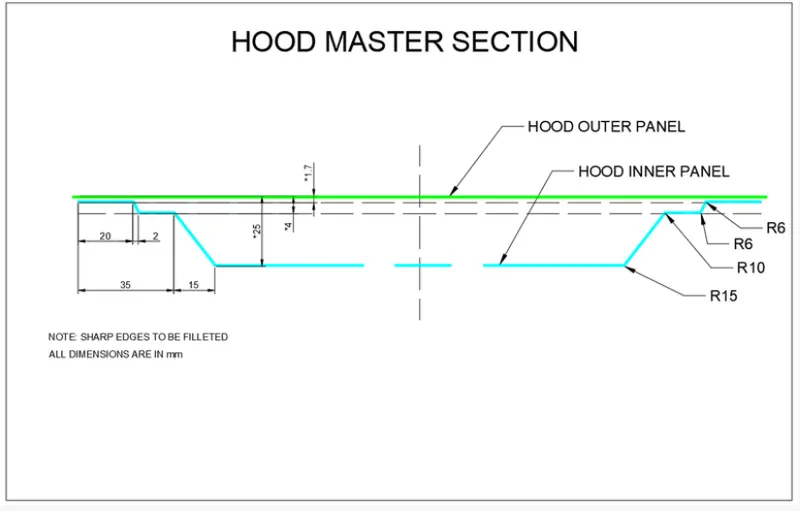
Master Section:
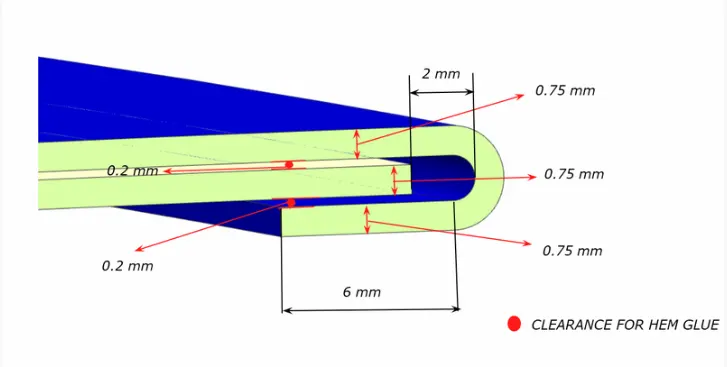
HEMMING DATA :
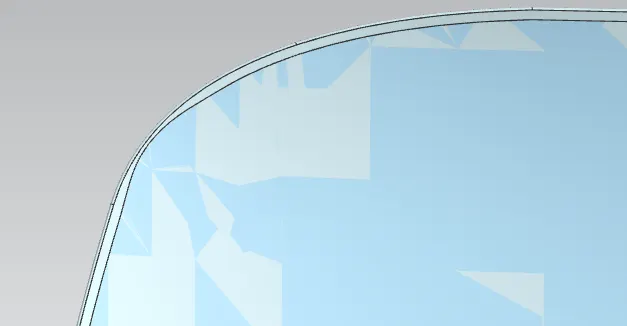
Relief Section:
Front Relief Section :
Relief is 3 mm.
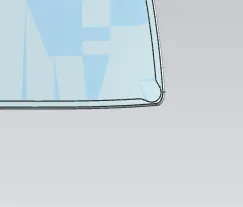
Rear Relief Section :
Relief is 3 mm.
HOOD DESIGN ASSEMBLY PART :
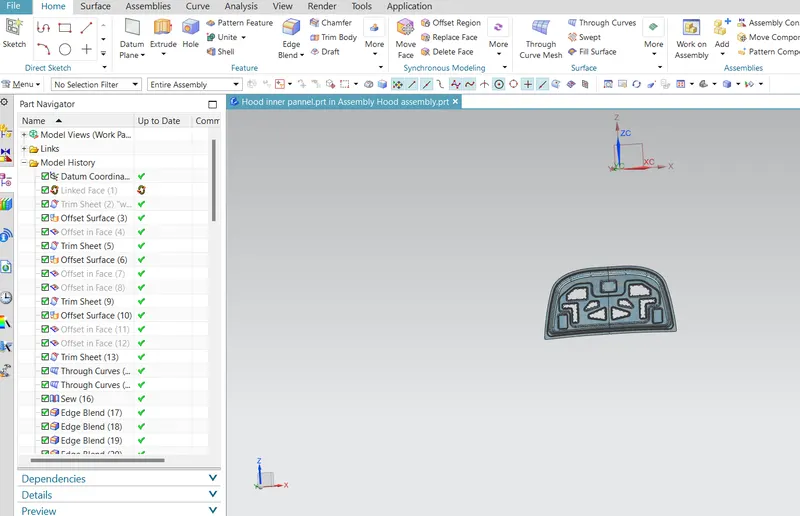
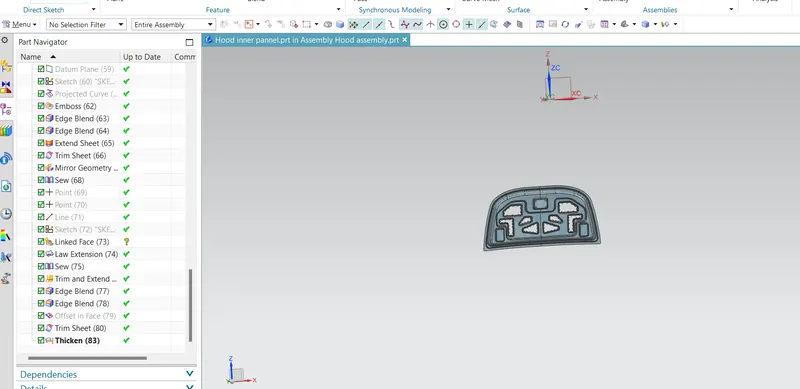
HOOD INNER PANNEL :
- For create hood inner panel we use lots of command
1. First we select the DATUM Plane.
2. Sketch
3. Linked space
4. Trim sheet
5. Through curve
6. Sew
7. Edge blend
8. Emboss
9. Projected Curve
10. Mirror Geometry
11. Law Extension
12. Offset in Face
13. Thicken
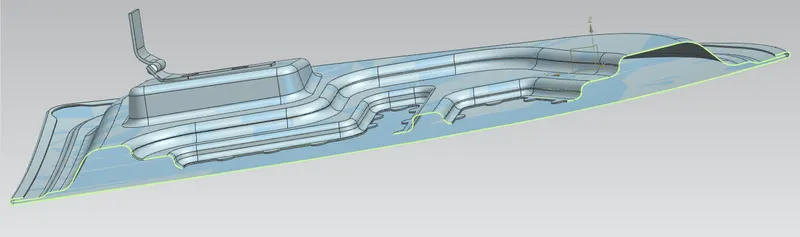
- The inner panel provides strength and supports the outer panel.
- Inner panel create in emboss, mastic point for following hood master section.
- master section represents the initial emboss shape and size.
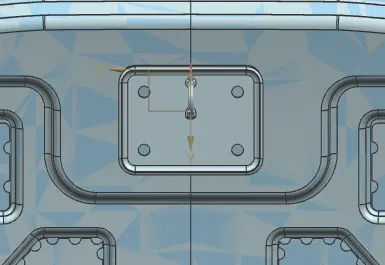
- Then we provide the emboss for the latch and hinge elements after fixing the location.
EMBOSS :
- The embosses were designed in such a way that the distance between the hood inner panel and the outer panel was kept 5 mm from the points it had to be attached to each other.
- Draft angle always greater than 7 degree.
- Pedestrian safety during the frontal crash. To improve the strength and stiffness of the body.
MASTIC POINT :
- mastic have strong points, such as great adhesive properties and adaptability to many substrates, high performance in wet areas is not one of its high points
- Mastic sealant helps to improve strength of the hood.
- It is generally a hard rubber part, which is introduced as a paste in between inner and outer panel of the hood.
- Every mastic sealant point will have a tendency to improve the local strength in around 80 mm diameter.
HOOD OUTER PANEL :
- The outer panel works as a metal cover.
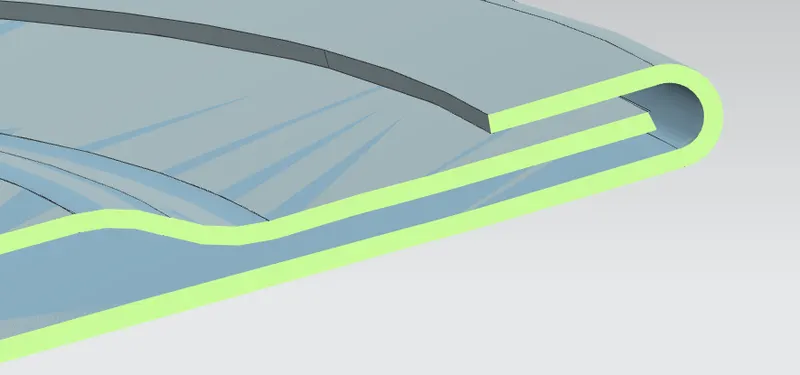
- The outer panel is attached to the inner panel by hemming.
- It is necessary to provide required hemming flange and reliefs for the hemming operation.
- We also provide mastic sealants between outer panel & inner panel.
- Designing the hood we should give more importance to pedestrian safety.
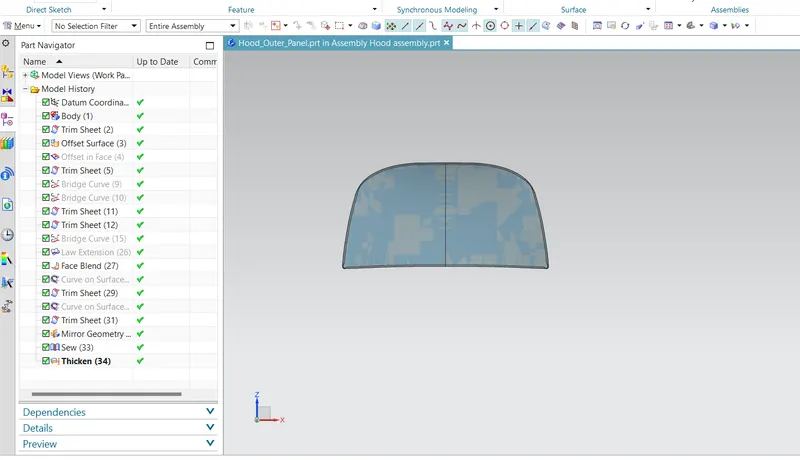
To create Outer panel we using multiple command:
1.Datum Coordination
2.Trim sheet
3.Bridge Curve
4.Offset surface
5.Offset in Face
6.Law Extension
7.Face Blend
8.Curve on Surface
9.Mirror Geometry
10.Thicken
HINGES :
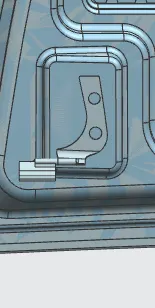
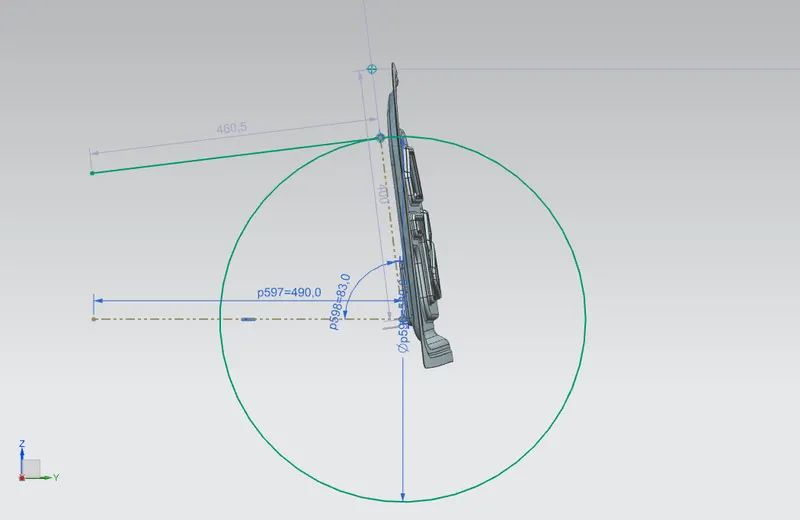
- Hinges allow the hood to rotate around a fixed axis for opening and closing movement.
- One part of the hinge is fixed with the engine compartment, while other part is connected to hood.
STRICKER :
- striker mechanism is provided to lock the hood, in order to prevent accidental opening of the hood during driving.
- The latch is present on the engine compartment & the striker is attached to inner part of hood.
CONCLUSION :
Hood design are create by using master section and following rules & create sucessfully.