Fender Design - Wheel Arch Challenge
FENDER WHEEL ARCH GAPS CALCULATION
fender is the part of a car, truck, motorcycle, or other vehicles that frames or covers a wheel well. Its main purpose is to prevent debris, rocks, mud, liquids, sand, and other road debris from getting thrown in the air while the tires rotate.
The “fender” typically refers to the front panel that covers the front wheels, and the “quarter panel” typically refers to the rear panel that covers the wheel that also includes the roof pillar. The “bumper” is the front and rear ends of a motor vehicle to absorb impact in a minor collision.
The below image shows a fender and quarter panel on a car. The top half of the image is the fender or “front fender” (highlighted in red). The bottom half of the image shows the quarter panel or “rear fender” (highlighted red).
The fender car part is the body kit or body part installed on the left and right sides of the vehicle. Manufacturers usually attach fenders to the wheel arches. There are different reasons why they are a requirement in vehicles. One obvious reason is to improve the aesthetics of the vehicle.
Fenders also enhance the car’s aerodynamics. They also prevent mud, sand, rocks, liquid, and all sorts of debris from being thrown in the air while you’re driving your car.
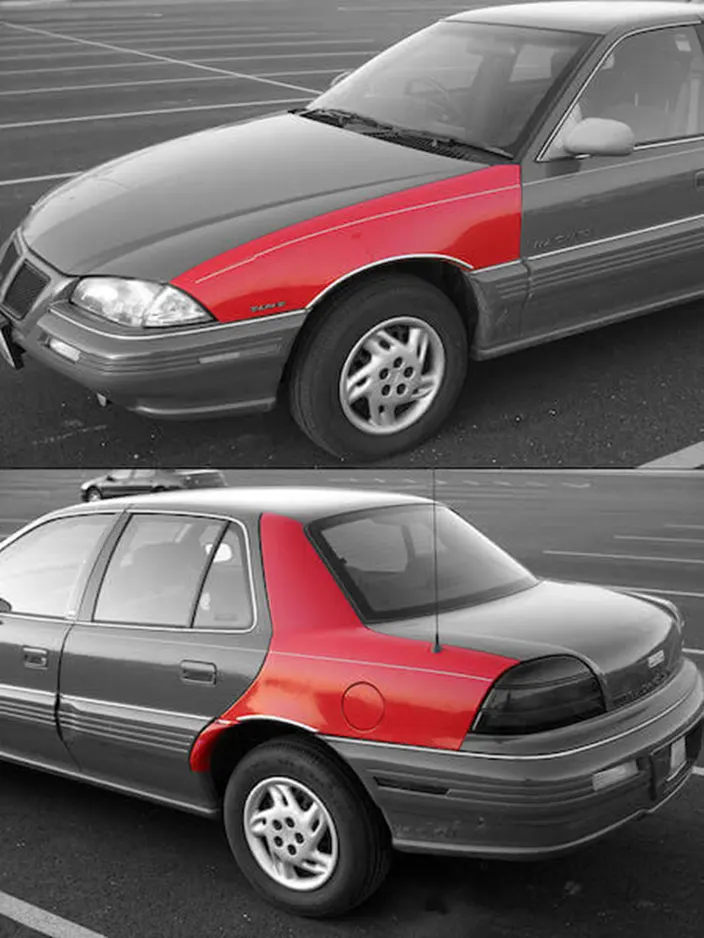
A fender is the part of a car that covers the wheel and extends up to the body of the car. The three main sections of a fender are:
–The inner fender: This is the section closest to the engine and other mechanical parts of the car. It is typically made of metal or plastic and helps to protect these parts from debris.
–The outer fender: This is the section that is visible on the outside of the car. It is typically made of metal, plastic, or fiberglass, and it helps to protect the body of the car from debris.
–The trim: This is the section that goes around the edge of the fender. It is typically made of plastic or metal and helps to give the car a finished look.
Types of Fenders:
- Full Bumper type
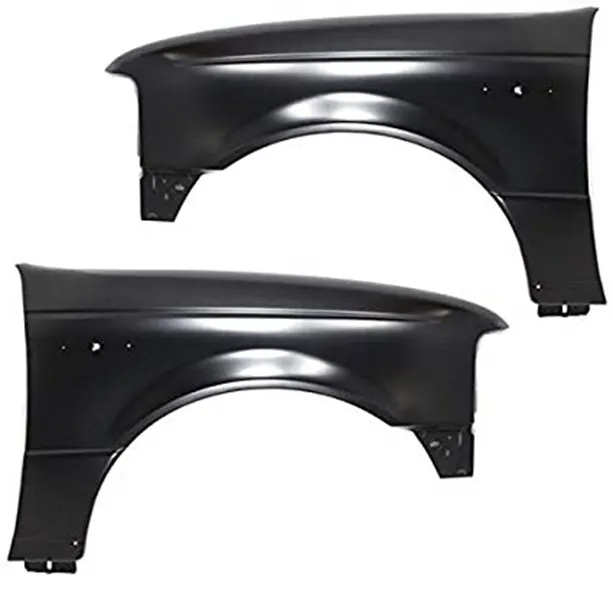
- Half Bumper type
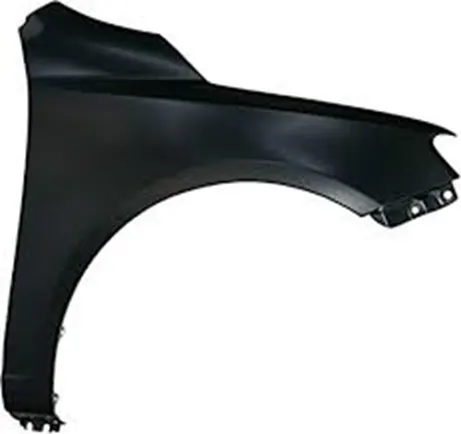
Mounting Points of Fender:
- A-Pillar
- Bumper
- Sill
- Drip Area
- Splash Cover / Wheel Well
Japan Requirements for fender wheel arch:
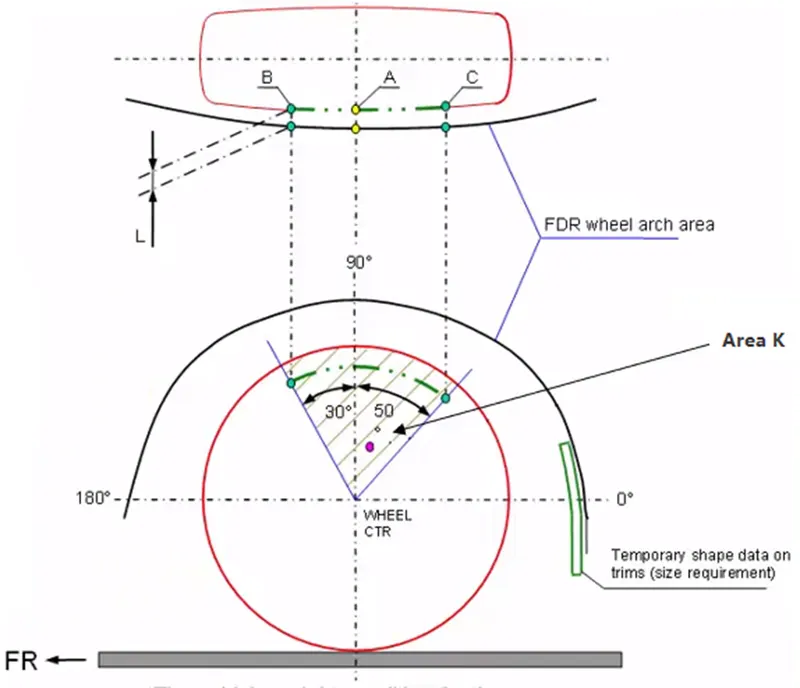
- measure clearence L of tire , hub, cap & fender in three different positions within area K and produce clearance check chart to validate.
- clearance must be greater than 5mm in all the three positions.
- whell guard requirement: the value a shall be more than 5 mm at a line 30* forward and 50* rearward from the central vertical axis of axis of wheel.
US Standards regulation for fender wheel arch:
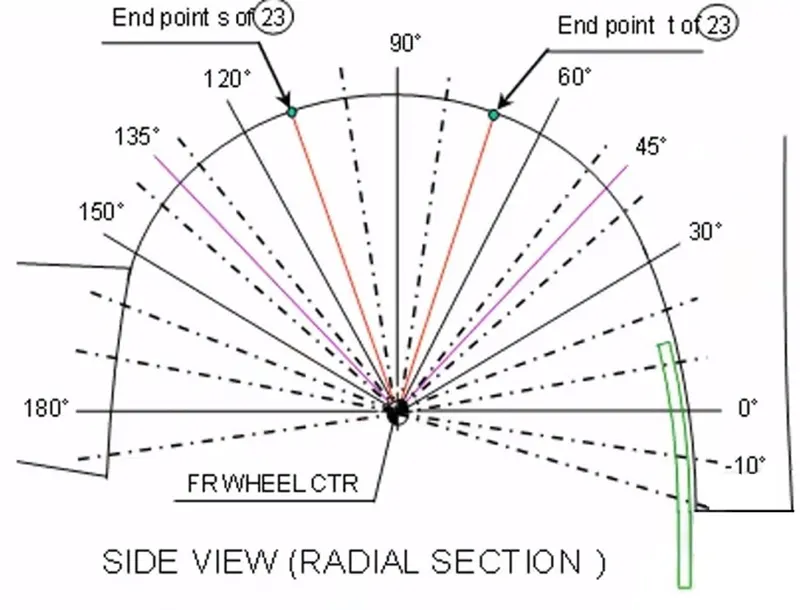
- Make clearance check details on all positions from -100* to 100* & make the clearance check table.
- all values should be greater than 5mm to satisfy the regulation.
- the value of 'a' shall be more than 5mm at a line 30* forward and 50* rearward from the central vertical axis of axis of wheel.
European regulation:
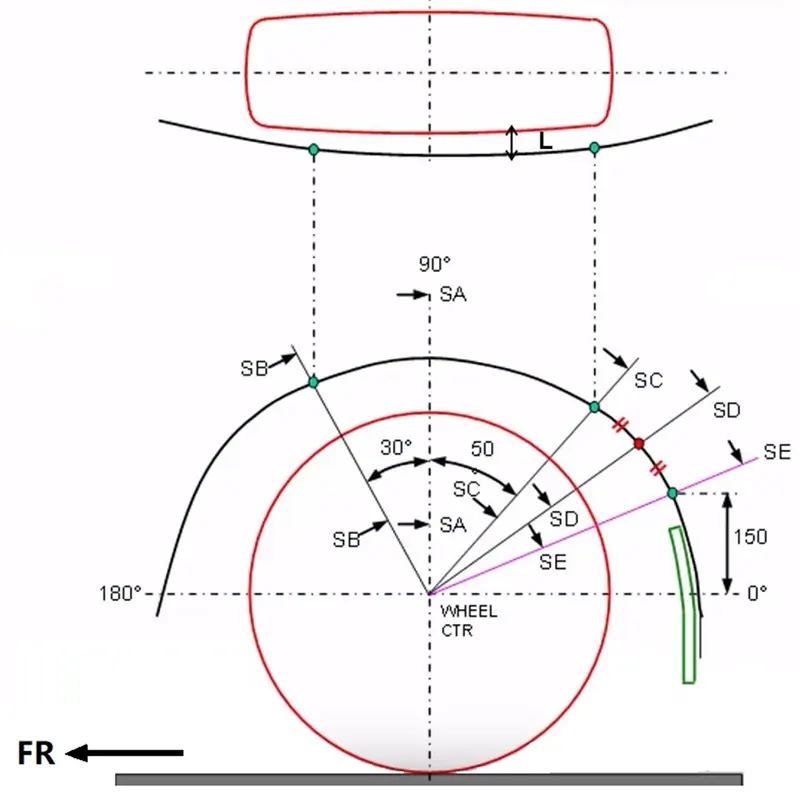
Measure CL L at section SA-SA SB-SB SC-SC SD-SD SE-SE and produce CL check chart to validate.
- at all five sections the CL L value should be greater than 10mm to satisfy the european regulations.
- wheel guard requirement: the value of 'a' shall be more than 5mm at a line 30* forward and 50* rearward from the central vertical axis of axis of wheel.
To calculate the wheel Arc area and prove whether the car will pass the standards or Not by Using the European Standards
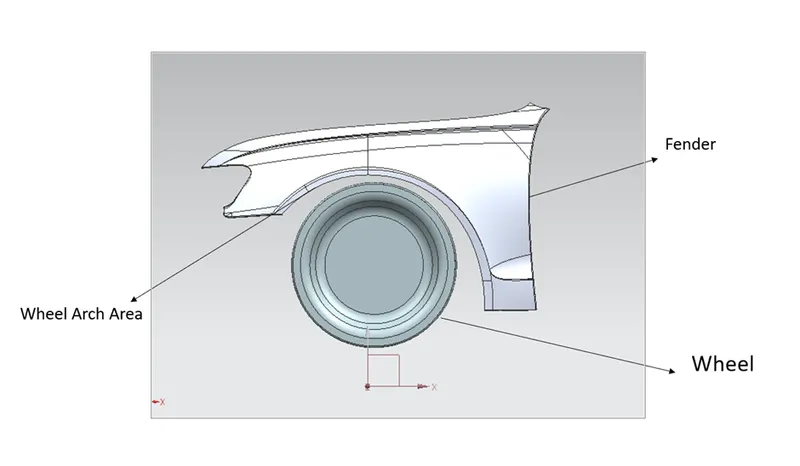
Procedure :
The given fender wheel fill is opened in the semines NX software.
Create a datum plain on the wheel distance value of 0.
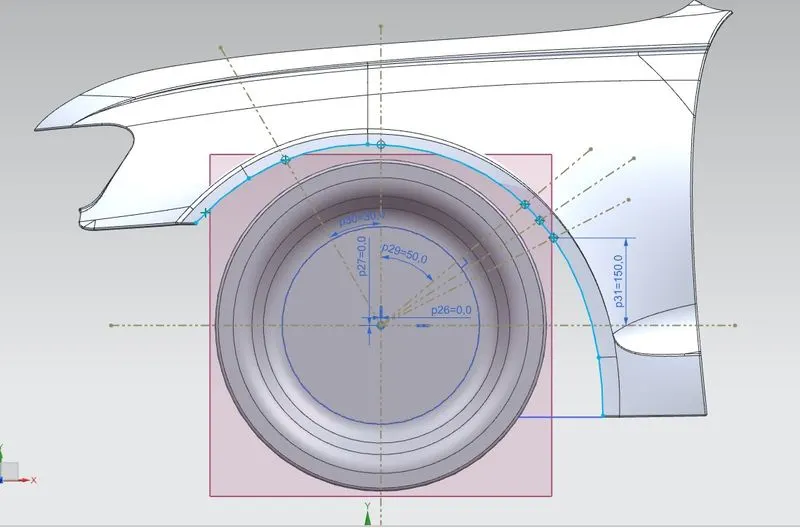
Create a sketch on datum plain to make edit of fender design.
To make measurements on wheel and fender we need to create some points on the fender and wheel.
Like centre of wheel, as per eurapoen regulation SA, SB, SC, SD, SE are five points to be created as per measurement from centre of wheel.
- SB=30 DGR, SC=50DGR, SA=90, SE= 150MM from horizontal of wheel. SD is in the middle of SC and SE.
- This all points are marked on wheel and wheel ark by drawing lines according to angle and distance.
- After making the points project the points on plain of wheel.
Now measuring the distance between projected point and original point if the distance is grater than or equal to 10 than the fender is pass, if less than 10 the fender is failed at every point.
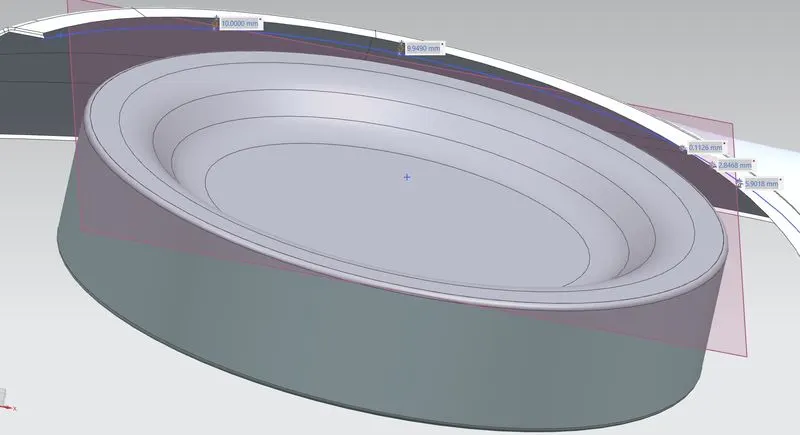
|
AXIS |
MIN DISTANCE |
DISTANCE |
RESULT |
|
SB |
10 |
10 |
PASS |
|
SA |
10 |
9.9490 |
FAIL |
|
SC |
10 |
0.1126 |
FAIL |
|
SD |
10 |
2.8468 |
FAIL |
|
SE |
10 |
5.9018 |
FAIL |
CONCLUSION:
As per the European regulation the design of fender wheel was failed because the distance between the points is less than 10.
So, designing a new fender.