Fender Design - Wheel Arch Challenge
WHEEL ARCH GAP (CALCULATION)
FENDER:
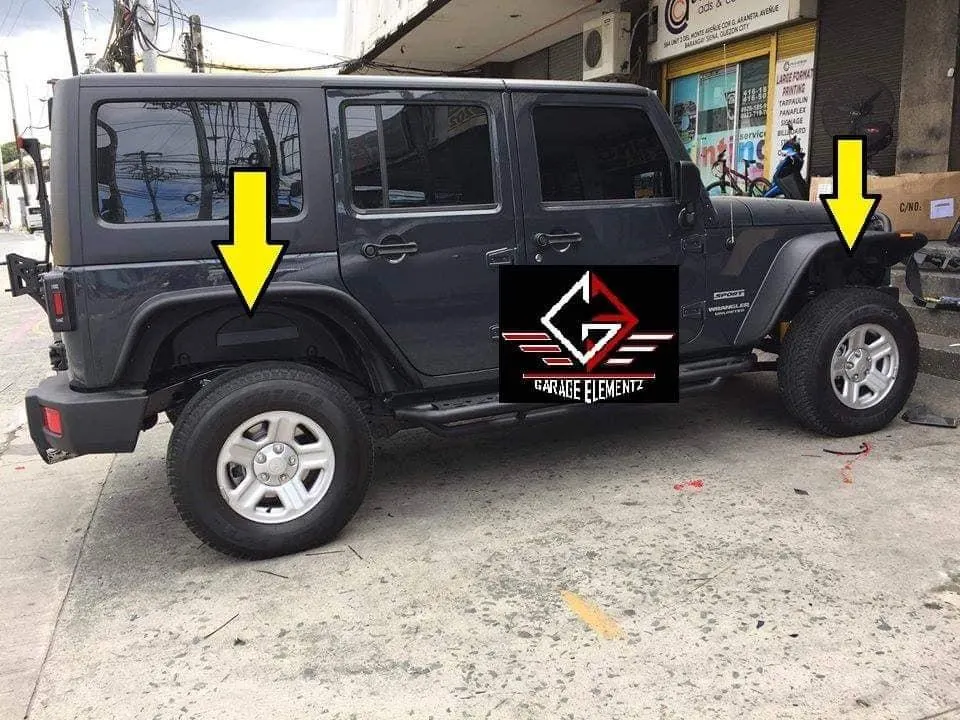
Fender covers a wheel, traditionally to prevent water and mud spray, but also for aerodynamic purposes. When the vehicle is moving tyre picks up stones & others and hurl them in all direction thus in order to prevent pedestrians from these stones fenders
MATERIAL USED:
The most commonly used wheel well are of plastic material. In olden day’s inner fender or wheel well were made of sheet metal. If the vehicle with metal inner fenders is used, there's a good chance winter salt and moisture has caused them to develop some rust in hard-to-spot areas.
STEEL TYPE
WHEEL ARC CLADDING:
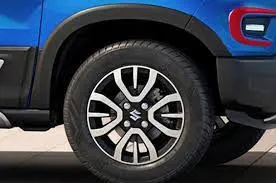
The wheel well cladding is used to minimize road noise, especially during highway cruising (in Indian cities, you'll never hear the tires over the din of everything else). There are various variations: No cladding at all, metal is exposed. Partial cladding, usually towards the passenger compartment
DESIGN OF WHEEL ARC:
WHEEL ARCH GAP:
The wheel arch is the semicircular part positioned above the wheel of a vehicle. The most important body change was that the front wheel arch was cut higher into the fender.
WHEEL ARCH CLEARENCE:
The important parameter which is considered in the designing of wheel arch or wheel is the clearance between wheel and fender during the vehicle bump conditions.
DIFFERENT STANDARD REGULATION FOR DIFFERRENT COUNTRIES:
European Regulation:
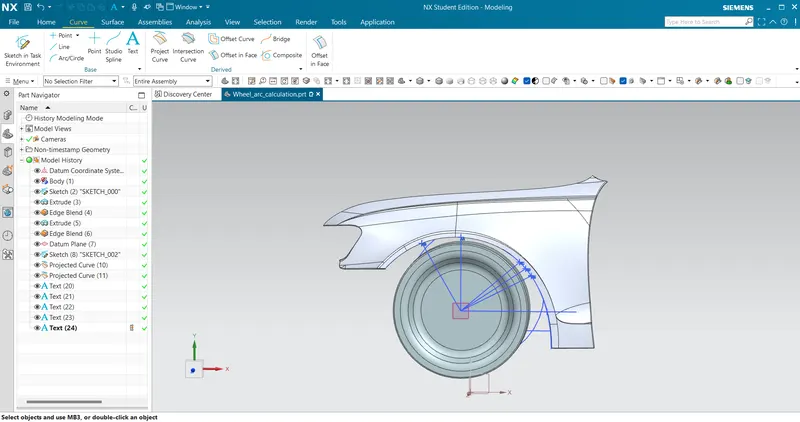
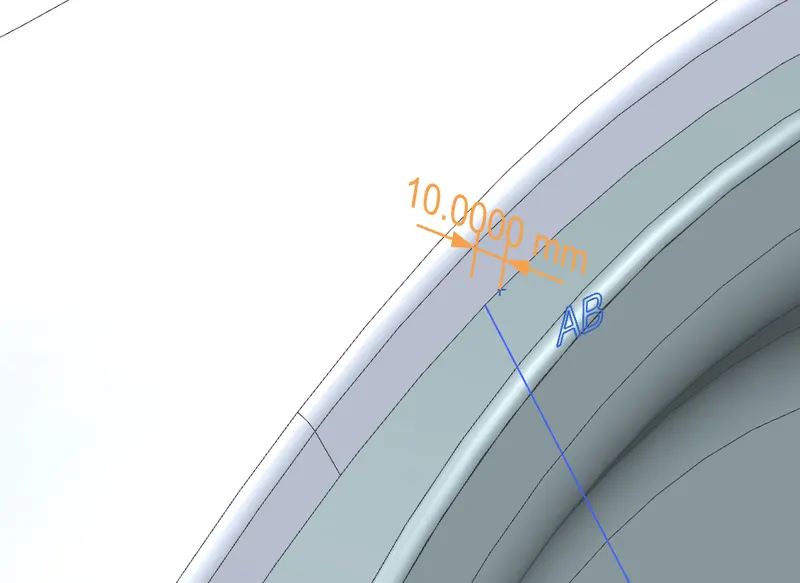
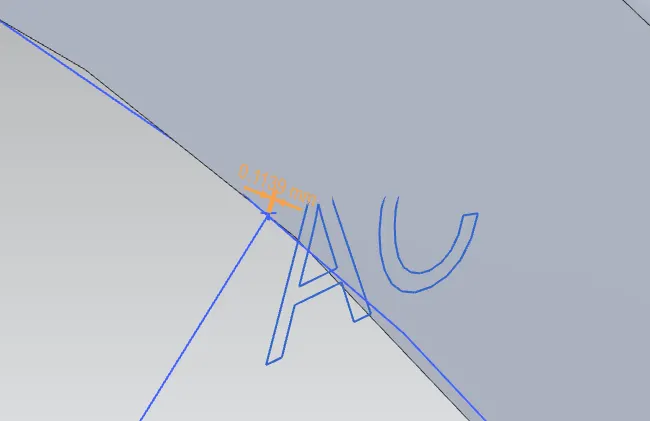
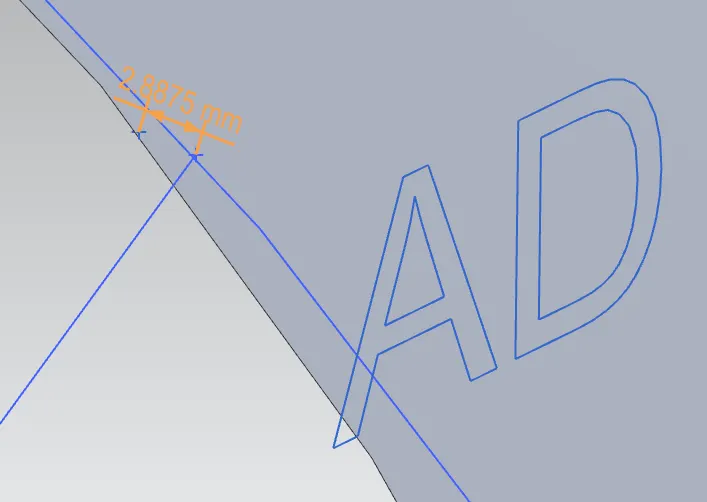
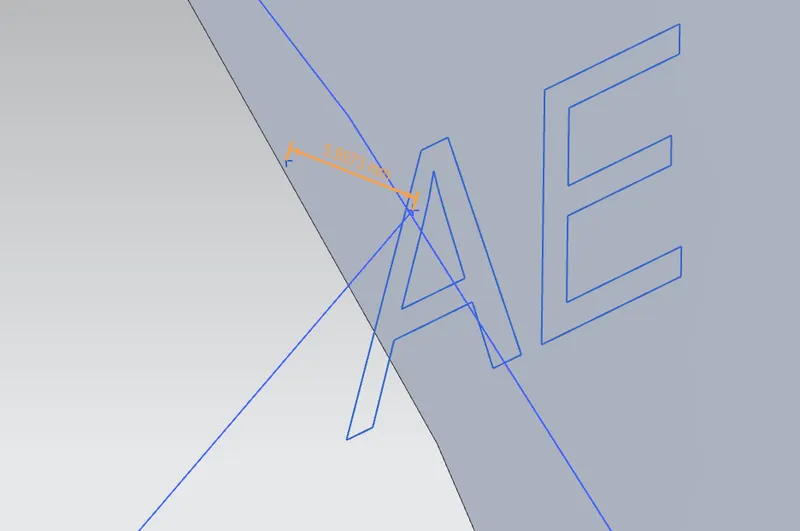
As per European regulation, the clearance value between fender and tyre profile must be greater than 10mm. The value is measured in projected point at an angle 30° forward and 50° rearward respectively. The measurement took in five different positions of the tyre at point a & b the clearance is acceptable. But at point c, d & e there is a negative sign which denoted the interference of wheel arch with a tyre.
Japanese Regulation:
As per Japanese regulation, the clearance between tyre and fender must be greater than 5mm The projected points to be measured are at an angle 30° forward & 50° rearward respectively.
US Regulation:
As per US regulation, the clearance between tyre and fender must be greater than 5mm. The projected points to be measured are at an angle 0° forward to 100° respectively. Thus each position is divided into 10°. Thus the projected distances are measured at around 21 different points.
Given case:
As per the given condition in the below picture the clearance between tyre profile and wheel arch to be measured as per European regulation.
Method to follow to check whether the wheel arch satisfies European Standards:
- Create a Datum plane on the extreme edge of the wheel
- Make sketch according to European Standards
- Project the point on the edge of the Fender
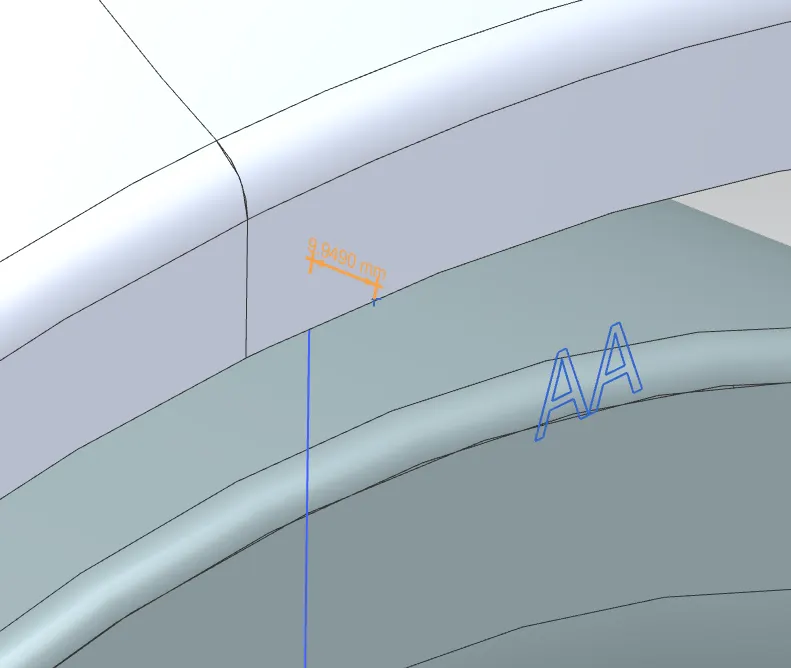
- Measure the perpendicular distance between projected points and the point on the datum plane
MEASUREMENTS:
1.
2.
3.
4.
5.
| POSITIONS | VALUE(mm) | As per standard | Note |
| AA | 9.94 | 10 | Doesn't satisfy |
| AB | 10 | 10 | Satisfy |
| AC | 0.11 | 10 |
Doesn't satisfy |
| AD | 2.88 | 10 | Doesn't satisfy |
| AE | 5.99 | 10 | doesn't satisfy |
CONCLUSION:
As per the table mentioned at points the clearance value may be high or low on some preferences (based on density of people & road conditions) which denotes the interference of tyre and fender assembly. Thus design modification has to be done on the specified points in order to meet the UG regulation requirements.