Fender Design - Wheel Arch Challenge
Wheel Arch;
The wheel arch is the semicircular part positioned above the wheel of a vehicle. The most important body change was that the front wheel arch was cut higher into the fender. Corrosion had occurred around the splash plate at the back of the wheel arch. It helps to structurally support the metal and the stamping of that area.
A car wheel arch, also known as a fender or wheel well, is the curved or flared section of the vehicle body that surrounds and covers the wheels. It is typically located above each wheel and serves several important functions.
The wheel arch protects the wheels and tires from debris, such as rocks, dirt, and water, that can be kicked up by the rotating tires. By providing a shield around the wheels, it helps prevent these materials from impacting the body of the vehicle or causing damage to other components.
It plays a role in aerodynamics. Its design helps to channel airflow around the rotating wheels, reducing drag and improving the vehicle's overall efficiency. Some wheel arches may feature aerodynamic enhancements, such as integrated spoilers or airflow management features, to further optimize the vehicle's aerodynamics.
Additionally, the wheel arch also contributes to the overall aesthetics of the vehicle. Different car models may have varying wheel arch designs, including different shapes, sizes, and styling elements. Wheel arches can add a sporty or aggressive look to a car, and they are often customized or modified by car enthusiasts to achieve a desired appearance.
Wheel Arch Regulatons;
Car wheel arch regulations can vary depending on the country and specific regulations set by governing bodies. The regulations typically cover aspects such as the size, clearance, and coverage of the wheel arches to ensure safety, prevent excessive tire projection, and maintain proper vehicle dynamics. Here are some general points that may be included in car wheel arch regulations:
Tire Coverage: Regulations often require that the wheel arches provide adequate coverage of the tires. This means that the wheel arches should extend far enough to prevent the tires from protruding excessively from the vehicle body.
Clearance: Regulations may specify minimum clearances between the wheel arches and other components of the vehicle, such as suspension parts, brakes, or body panels. These clearances are important to ensure that the wheels have sufficient space for proper suspension travel and rotation without interference.
Mud Flaps: Some jurisdictions require the use of mud flaps or splash guards to be fitted behind the wheel arches. Mud flaps help minimize the amount of debris and water splashing onto other vehicles or pedestrians, improving safety and reducing road hazards.
Wheel Arch gap calculation,
Sections made as per european std.,
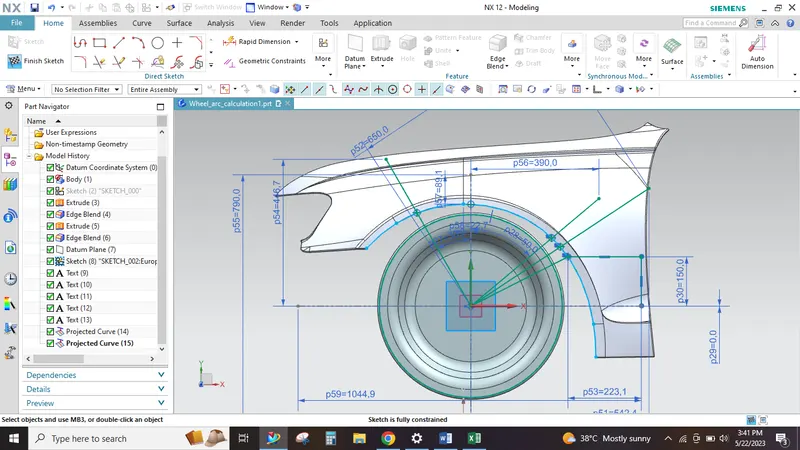
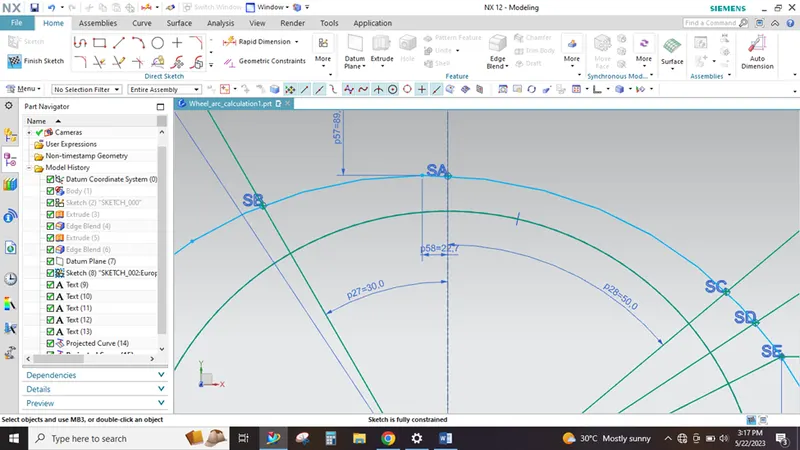
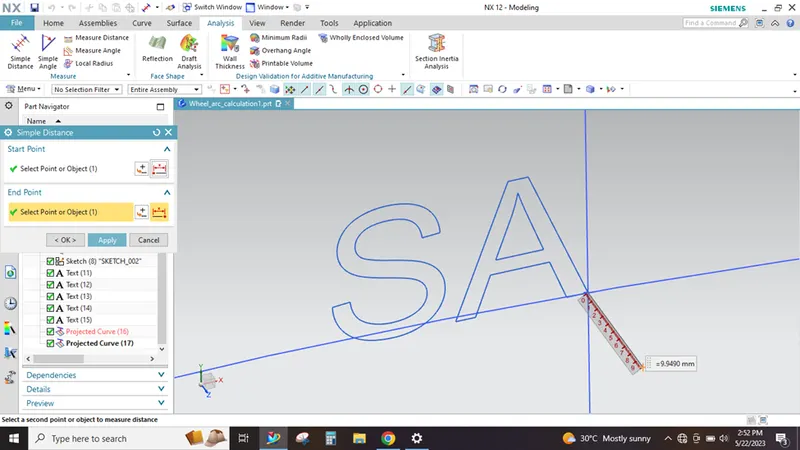
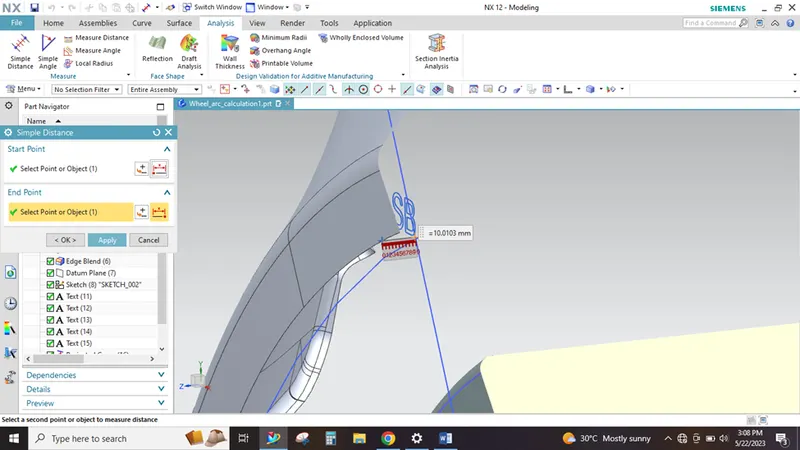
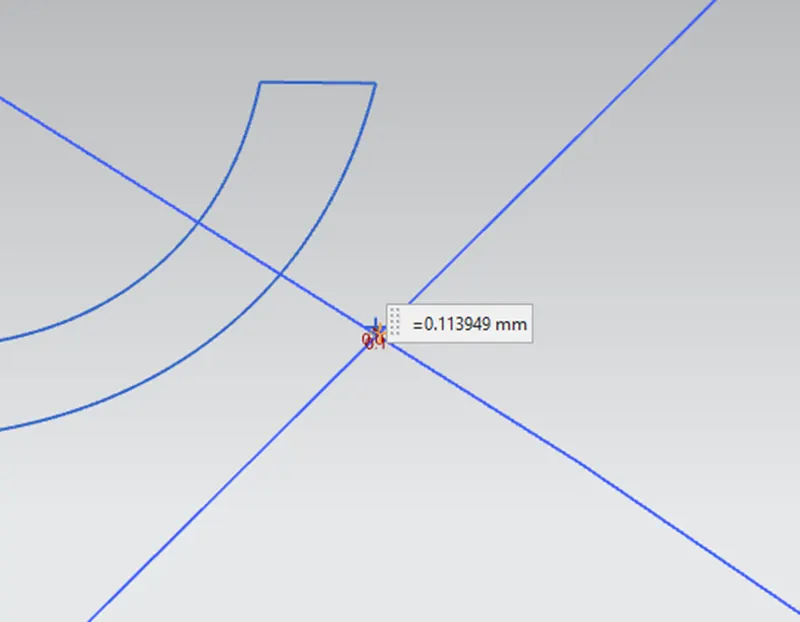
CL Clearance check chart;
|
Sections |
L value at the sections |
Regulation |
|
SA - SA |
9.94mm |
Fail |
|
SB - SB |
10.01mm |
Pass |
|
SC - SC |
0.11mm |
Fail |
|
SD - SD |
2.80mm |
Fail |
|
SE - SE |
5.99mm |
Fail |
Conclusion;
As per european wheel arc gap regulation the L value at the sections SA - SA, SB - SB, SC - SC,SD - SD and SE - SE should be greater than 10mm. The above clearance table shows the SB - SB section only has more than 10mm, other sections have less than 10mm. Hence the given fender wheel arc gap should be altered as per the regulation. The given wheel arc gap clearance is not suitable for the country Europe and japan.