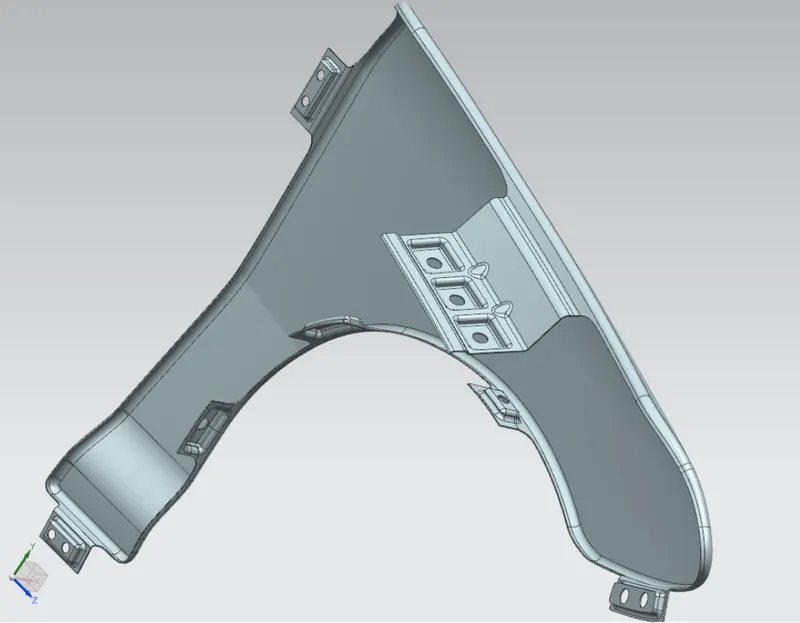
Fender Design Challenge
FENDER DESIGN
Fender is the American english term for the part of an automobile, motorcycle or other vehicle body that frames a wheel well (the fender underside). Its primary purpose is to prevent sand, mud, rocks, liquids, and other road spry from being thrown into the air by the rotating tire. Fenders are typically rigid and can be damaged by contact with the road surface. Sticky materials, such as mud, may adhere to the smooth outer tire surface, while smooth loose objects, such as stones, can become temporarily embedded in the tread grooves as the tire rolls over the ground. These materials can be ejected from the surface of the tire at high velocity as the tire imparts kinetic energy to the attached objects. For a vehicle moving forward, the top of the tire is rotating upward and forward, and can throw objects into the air at other vehicles or pedestrians in front of the vehicle.
Early automobile fenders set over the wheels to prevent mud, sand and dust being thrown on to the body and the occupants. Fenders typically became a more integral part of overall auto bodies by the mid-1930s. In contrast to the slab-sided cars, the volkswagan beetle had real bolt-on fenders over both its front and rear wheels. When vehicle is moving, tires pick up stones and others and hurl them in all directions. Fenders are basically present to prevent any injuries to pedestrians and contain the motion of these particles.
Most passenger automobiles have four fenders, one over each wheel. For vehicles with narrow car body that exposes the tire, the fender is an exposed curve over the top of the tire. For wide body vehicles that cover the tire, the fender forms the wheel well surrounding the tire, and is not directly visible from above the car body.Most passenger automobiles have four fenders, one over each wheel. For vehicles with narrow car body that exposes the tire, the fender is an exposed curve over the top of the tire. For wide body vehicles that cover the tire, the fender forms the wheel well surrounding the tire, and is not directly visible from above the car body.
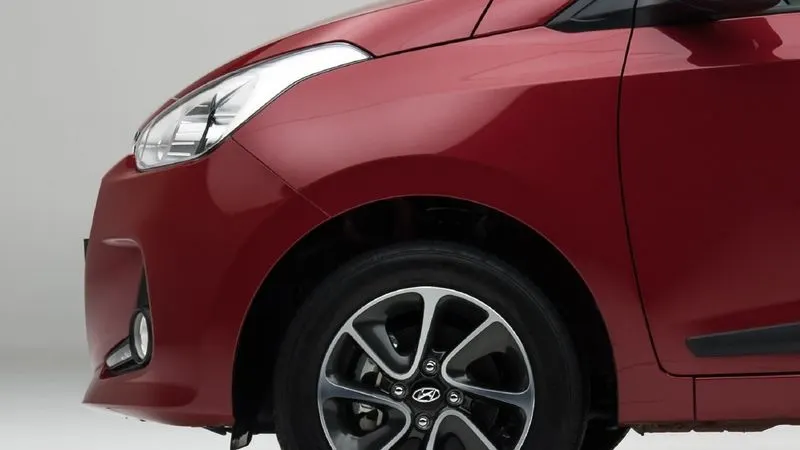
There are two types of the fender in general:
- Full bumper type
- Half bumper type
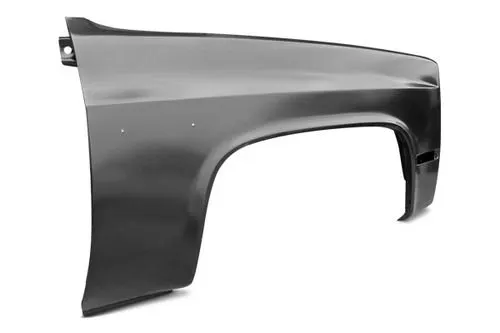
Full bumper type:
The full bumper type fender was used in old cars, it covers the full area until the front lighting. But it has a lot of sheet metal materials which is unnecessary and increases the weight of the fender. These type fenders are no longer used in the automobiles.
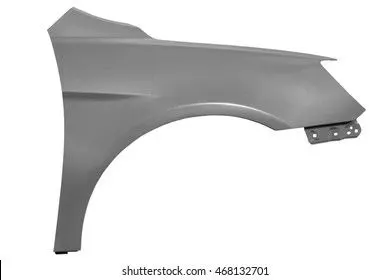
Half bumper type:
Fender mounting parts:
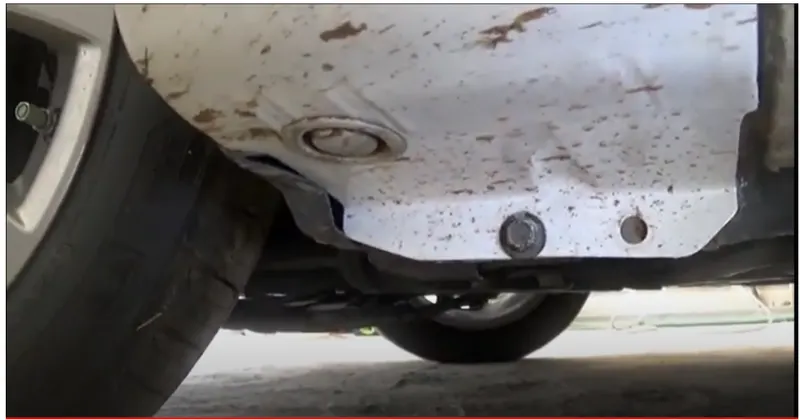
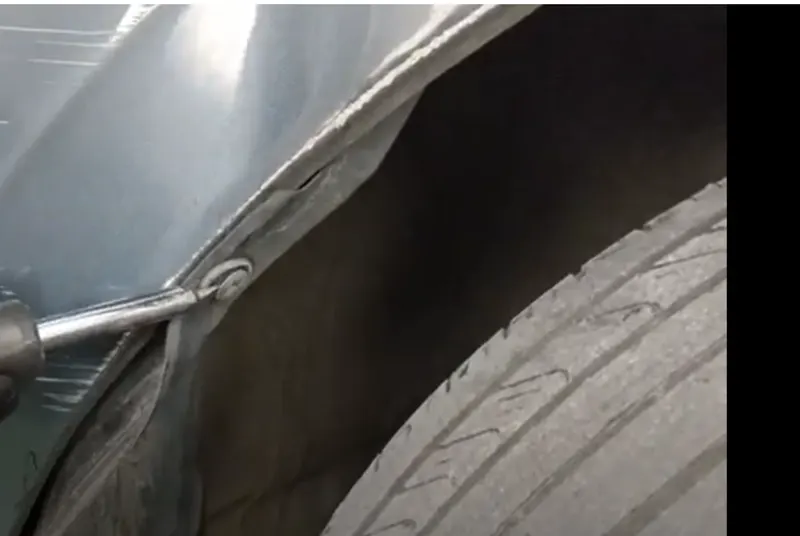
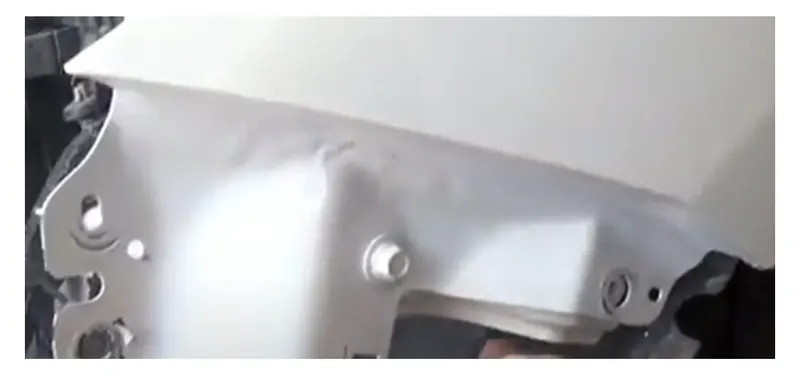
A fender has a total of five mounting points through which it is mounted in a car.
These are
- Sill mounting
- Splash cover mounting
3.Bumper mounting
4. Drip area
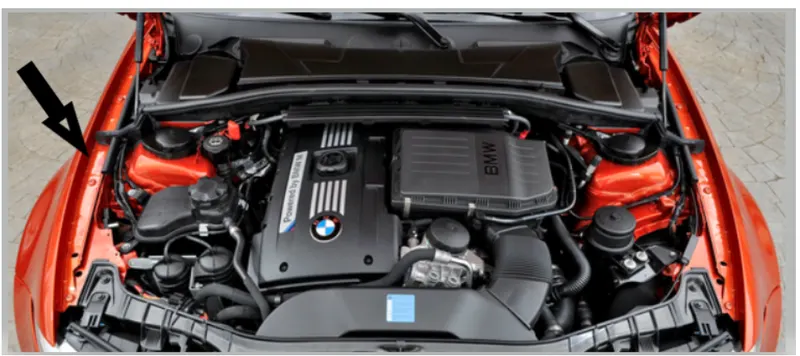
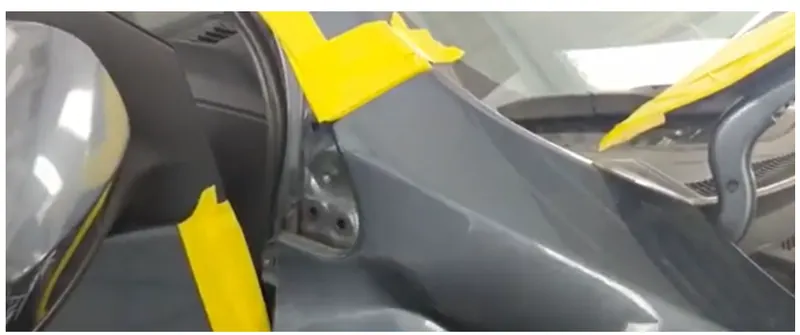
5. A-Pillar mounting
Feder wheel arch area:
- Japan Regulation Requirements
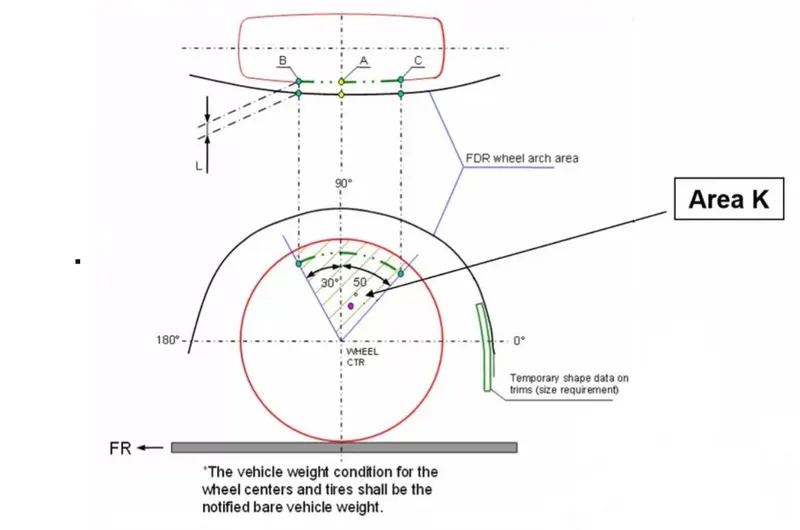
- Measure clearance L of tire, hub, cap and fender in three different positions within area K and produce clearance check chart to validate.
- Clearance must be greater than 5 mm in all the three positions.
- Wheel guard requirement: The value of ‘a’ shall be more than 5 mm at a line 30* forward 50* rearward from the central vertical axis of axis of wheel.
- European Regulation Requirement:
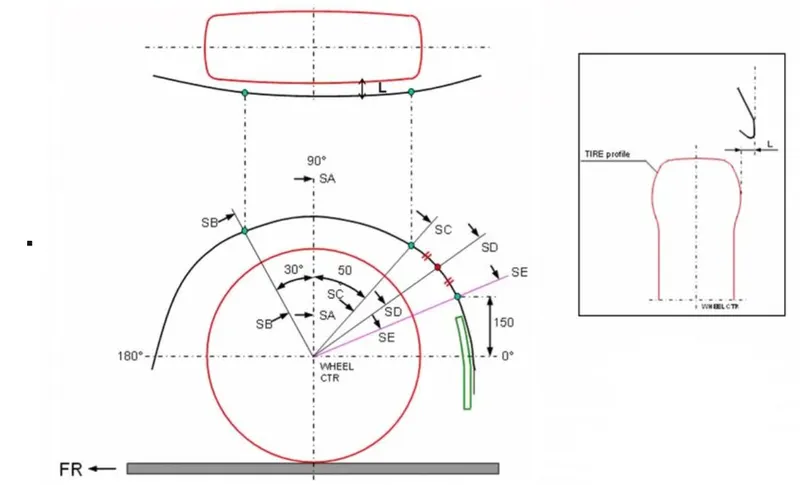
- Measure clearance L at sections SA-SA SB-SB SC-SC SD-SD SE-SE and produce CL check to validate.
- At all five sections the CL L value should be greater than 10 mm to satisfy the European regulations.
- Wheel guard requirement: The value of ‘a’ shall be more than 5 mm at a line 30* forward and 50* rearward from the central vertical axis of axis of wheel.
- US Regulation Requirements
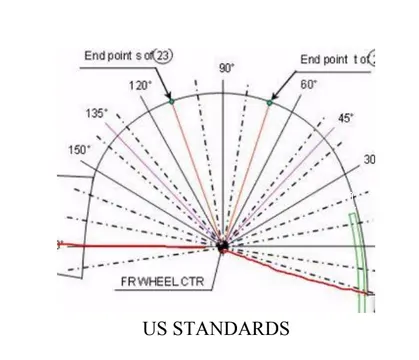
- Make clearance check details on all positions from 100* to100* and make the clearance check table.
- All values should be greater than 5 mm to satisfy the regulations.
- The value of ‘a’ shall be more than 5 mm at a line 30* forward and 50* rearward from the central vertical axis of axis of wheel.
OBJECTIVE IS TO:
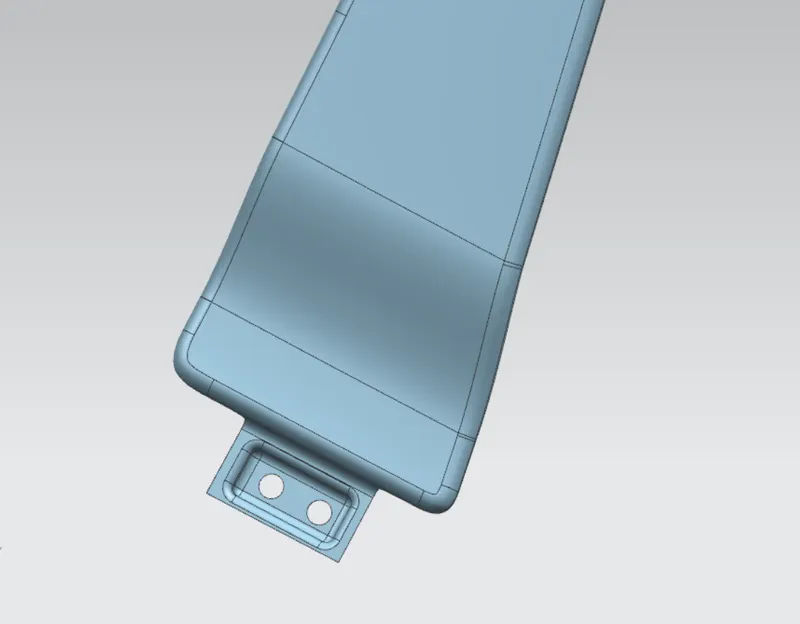
1.Design sill mount area
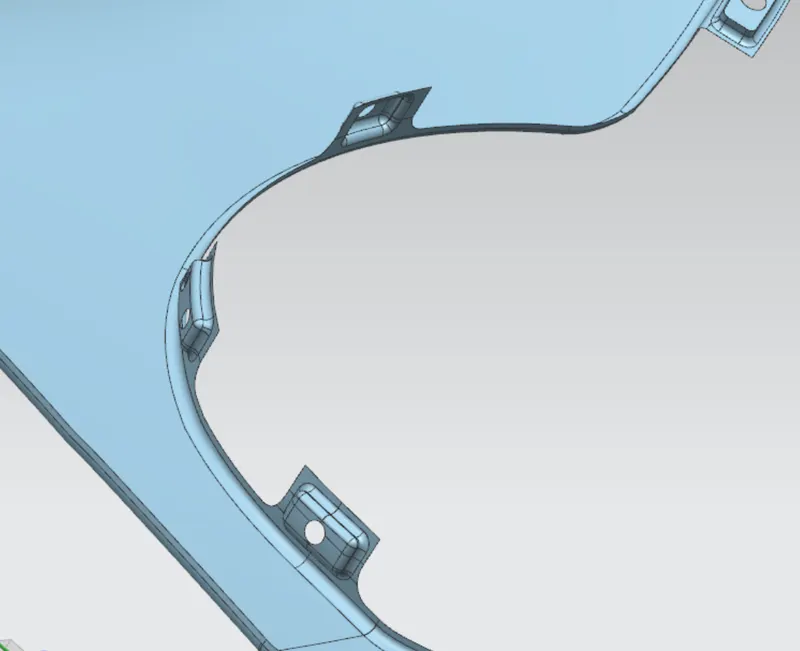
2.Design splash cover mount area
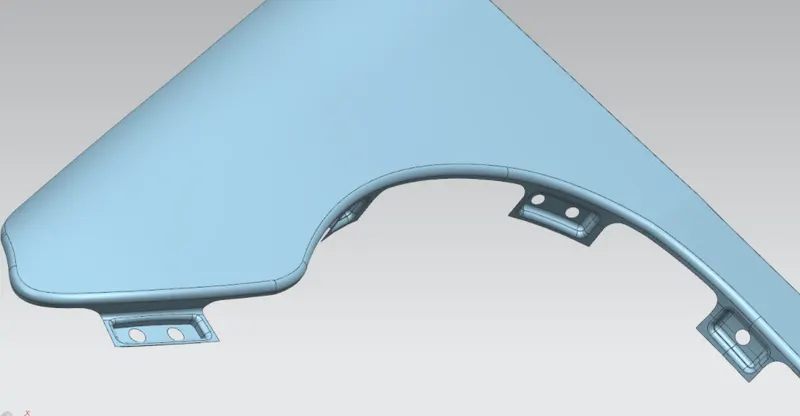
3.Design bumper mount area
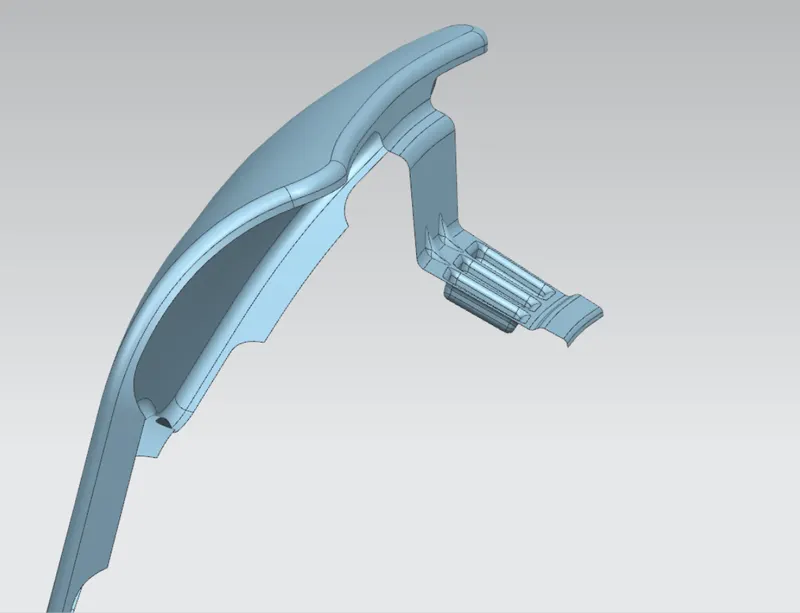
4.Design drip area
5.Design A-pillar mount area
Designed mounting areas
Sill mounting:
Splash cover mounting
Bumper mounting
Drip area
A-Pillar mounting
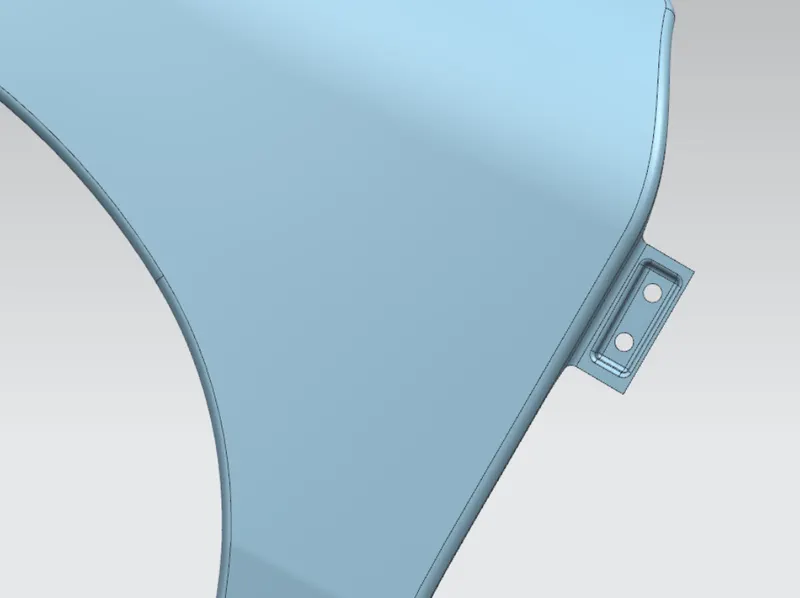
DESIGNED FENDER