Fender Design
AIM:
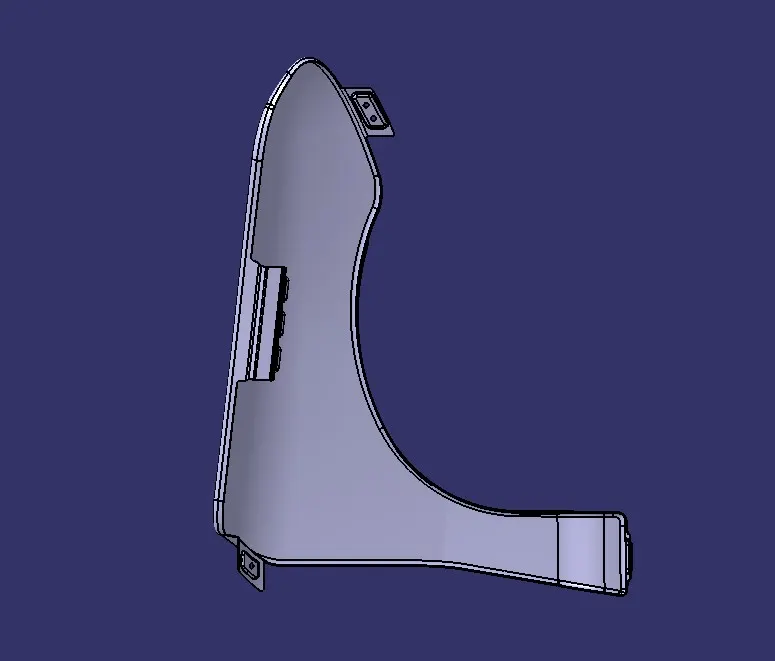
To Design Front Fender and the necessary mountings like drip, Sill, Bumper, Baffle(Splash), and A-Pillar from the given skin data and the Master section with the design parameter and Engineering standard.
INTRODUCTION:
A fender refers to the panel that covers the wheel well of a vehicle. It is typically located above and around the front or rear wheels, depending on the vehicle's design. Fenders serve several important functions in automobiles.
Fenders protect the wheel well and surrounding areas from road debris, such as rocks, gravel, and mud, that could be kicked up by the rotating tires. By covering the exposed parts of the wheels, fenders help prevent damage to the vehicle's body and paintwork.
Fenders play a role in shaping the aerodynamics of the vehicle. Their contours and curvature are designed to reduce air resistance and streamline airflow around the wheels, contributing to improved fuel efficiency and stability at higher speeds.
Fenders are a significant component of a vehicle's exterior design and aesthetics. They contribute to the overall style and visual appeal of the vehicle, and manufacturers often incorporate unique shapes, lines, and contours into the design of fenders to enhance the vehicle's appearance.
In some vehicles, particularly older models or trucks, fenders may provide additional structural support to the body or frame of the vehicle. They can help distribute impact forces in the event of a collision, reducing damage to other parts of the vehicle.
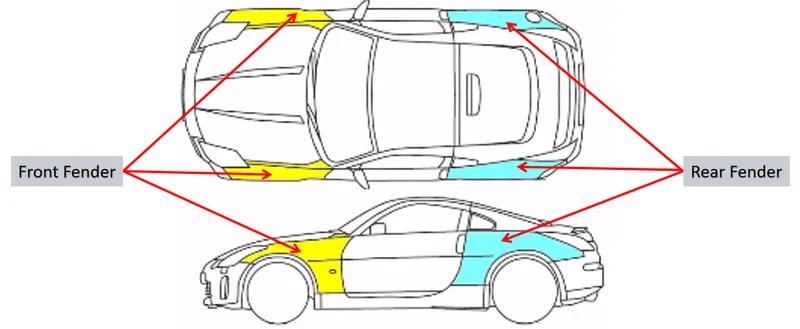
Above image shows the fender location on the car where it is mounted on the front and rear side.
Types Of Front Fender:
1.Full Fender Type
2.Half Fender Type
FULL FENDER TYPE:
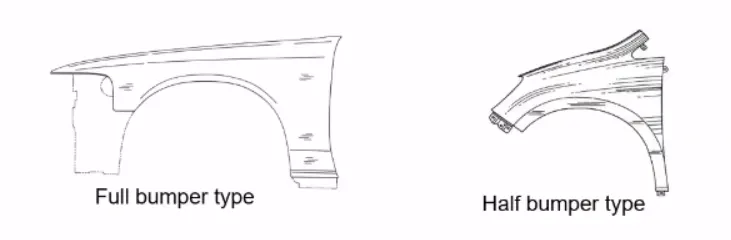
A full fender means they will be covering more area of the wheel in comparison to the half fender and it also extends towards the ground a lot more. The main advantage is increased coverage, less water on you, and importantly less water on your feet, meaning less road dirt and stuff stays drier longer. Since they cover more it also has the benefit of shielding your bike a bit more from that gritty wearing road dirt so your bike components will also benefit. But due to its bulky shape, the full fender increases the weight of the component which in turn increases the overall weight of the car's body.
HALF FENDER TYPE:
As the name itself refer, the half fender will be covering only the half portion of the wheel's area while the remaining part will be covered with the bumper part. This is done to make sure the weight of the vehicle is reduced without comprising the quality & service. Most of the modern-day vehicles come with half fender because of their rich aesthetic finish & low overall weight.
MANUFACTURING PROCESS OF FENDER:
STAMPING: Stamping is one of the most common methods used to manufacture metal automotive fenders. In this process, a flat sheet of metal, usually steel or aluminum, is placed into a stamping press. The press then applies high pressure to the metal sheet using a die and punch set, forming the desired shape of the fender. The formed fender may undergo additional operations, such as trimming, piercing, and bending, to achieve the final shape and features.
SHEARING: Shearing is a metal fabricating process used to cut straight lines on the flat metal stock. During the shearing process, an upper blade and a lower blade are forced past each other with the space between them determined by a required offset. Normally, one of the blades remains stationary.
PUNCHING: Punching is a Forming process that uses a punch presto force a tool, called a punch, through the workpiece to create a hole via Shearing. Punching is applicable to a wide variety of materials that come in sheet form, including sheet metal & valcanised rubber and some forms of plastic sheet. The punch often passes through the work into a die. A scrap slug from the hole is deposited into the die in the process.
FENDER MOUNTING:
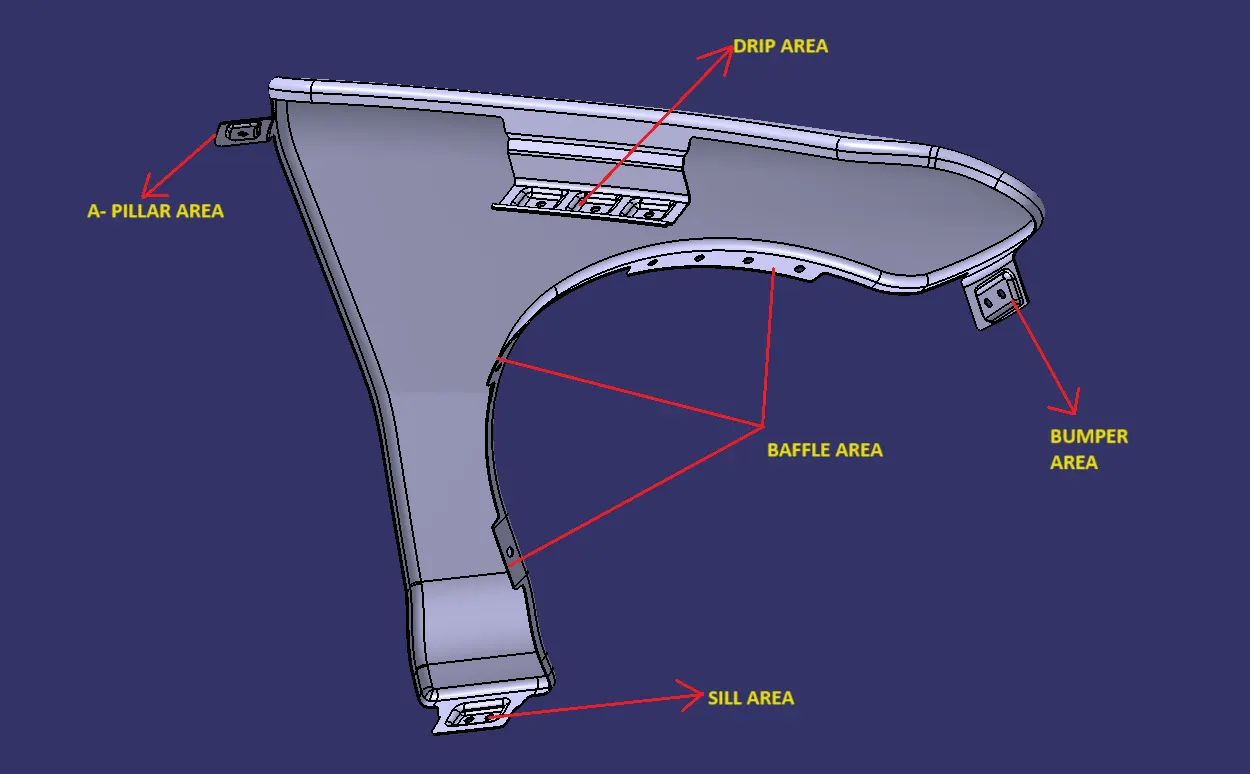
1. Drip Area.
2. Bumper Area.
3. Baffle Area .
4. Sill Area.
5. A Pillar Area.
Initially, extract the boundary of the fender. Use a parallel curve and offset it on the surface with a distance of 5mm. image mention below.
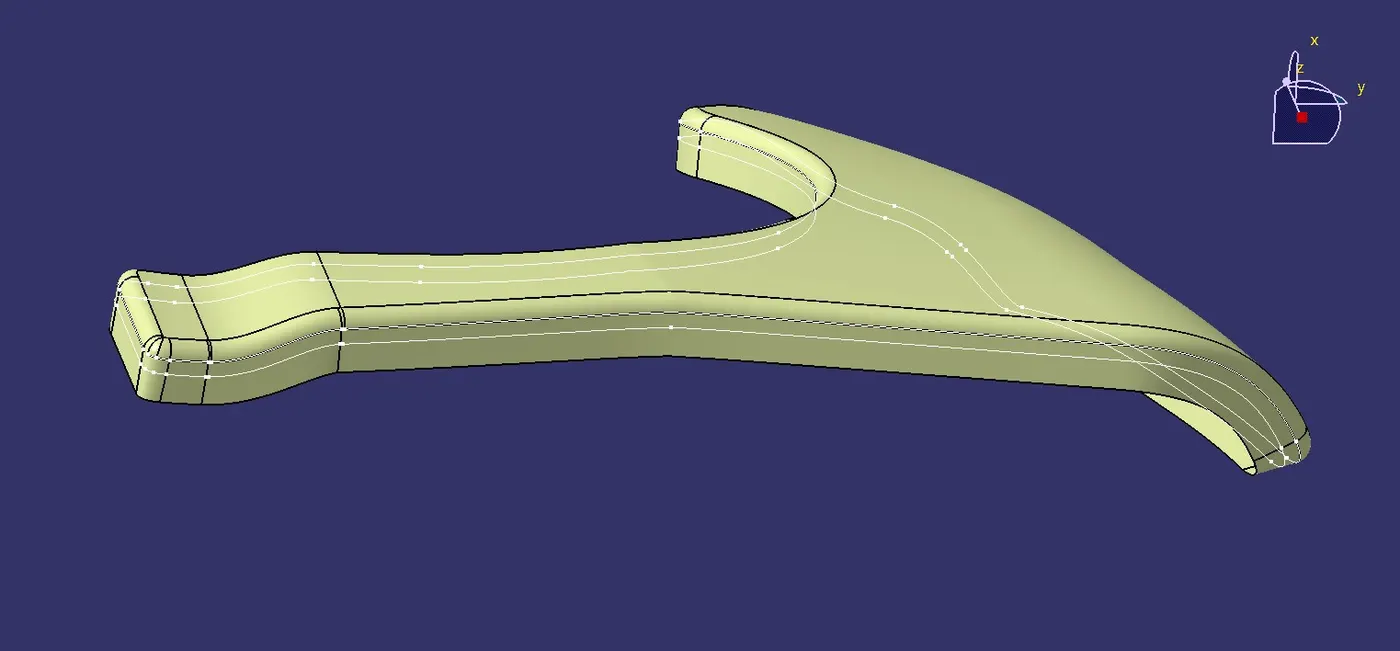
And then Create two-point on the Parallel Curve and split it. and again Create two-point on the lower edge of the fender. and join them with the connected curve command. image shown in below.
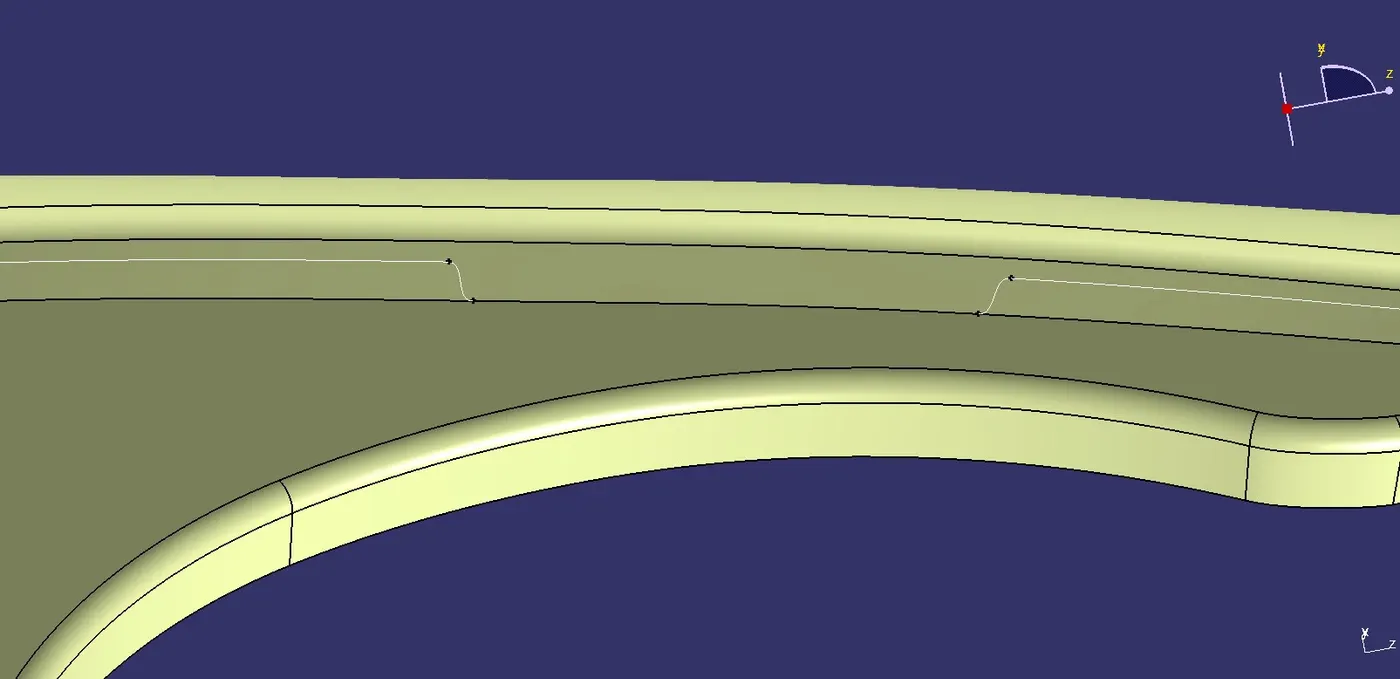
Like wise we create the line like shown in the image for all mounting location like Drip Area, Bumper Area, Baffle Area, Sill Area, A Pillar Area.
DRIP AREA:
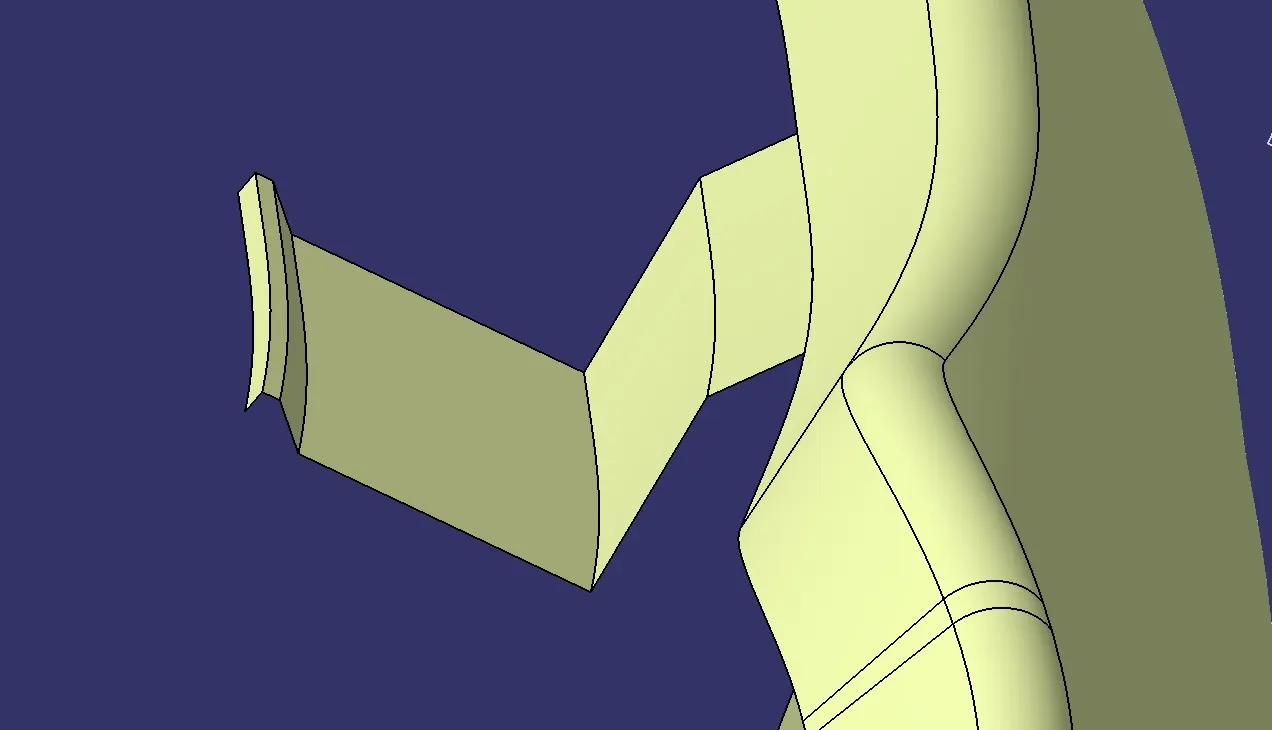
For design the drip area we have the master section as input. Drip Area should 150 mm from the front side and 200 from the A-pillar area. From the master section we have optimize values for draft, drawing and assembly point of view. sweep the flange with the angle as mention in the master section. image mention below.
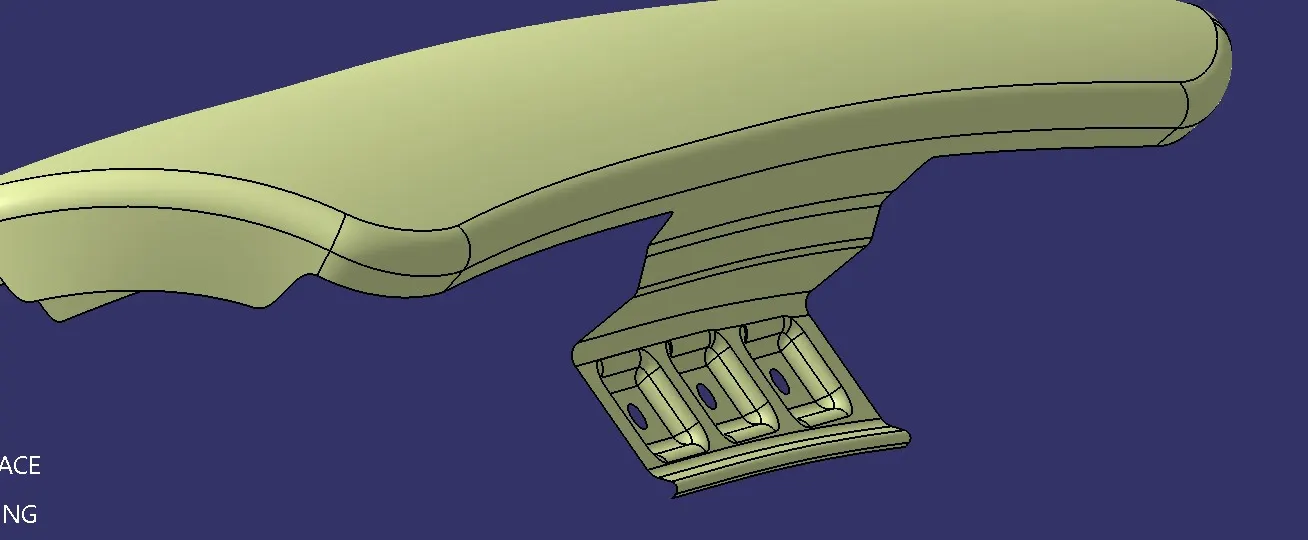
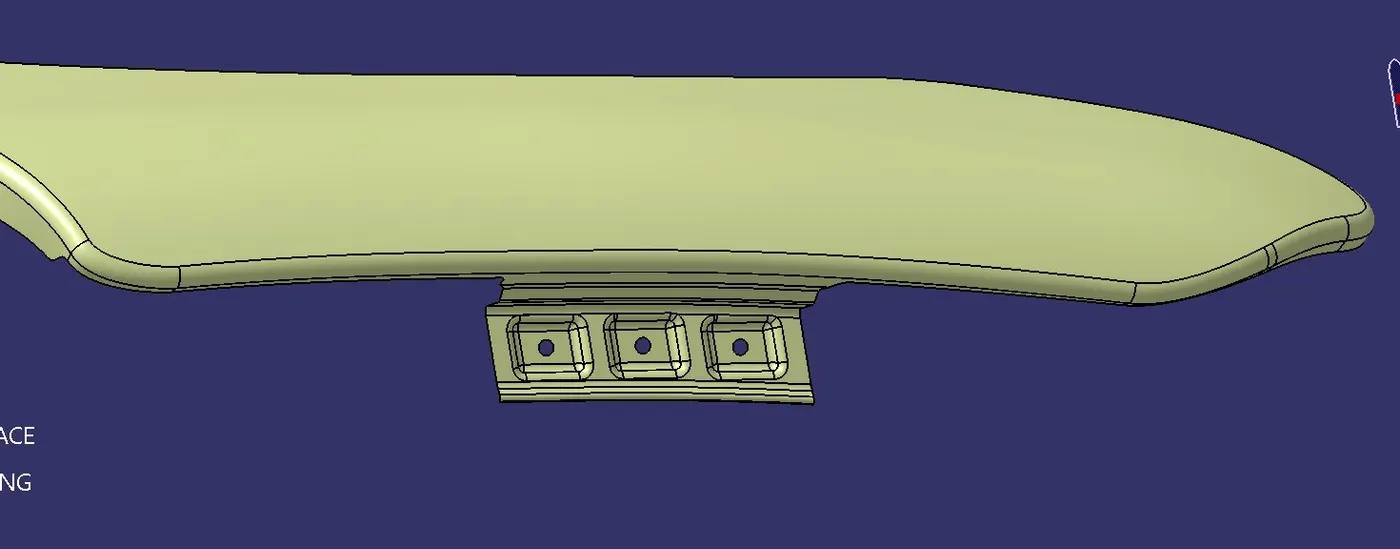
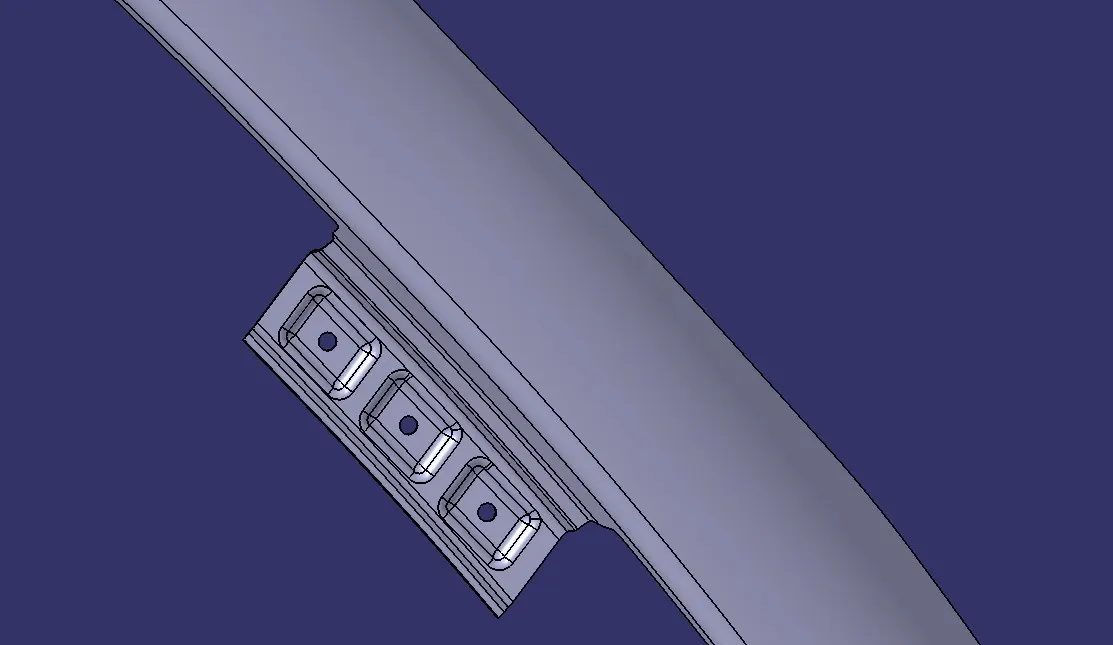
And give the fillet and create the emboss in the flange and create hole in emboss and it in the flate surface only image mention below.
A-PILLAR MOUNTING:
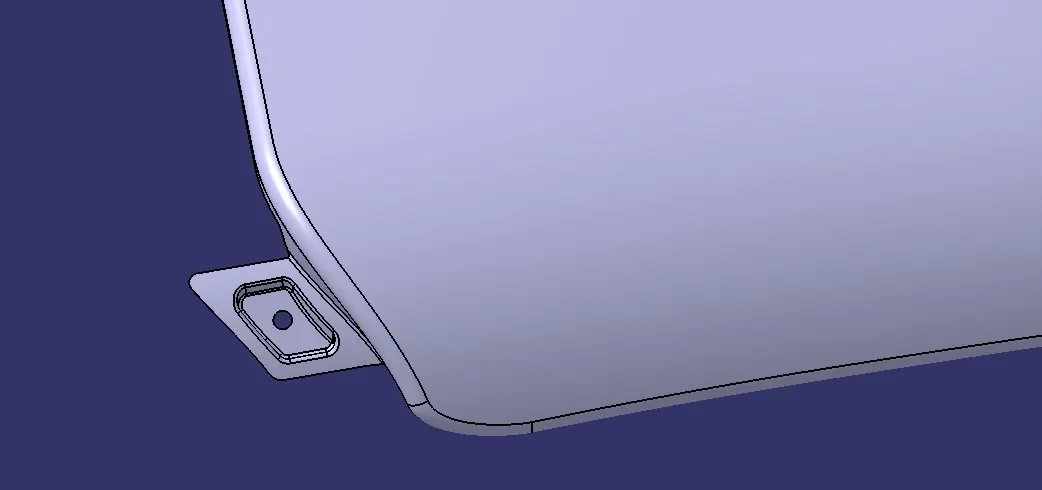
We create a A-pillar mounting emboss like drip area this time as a own design with the consideration design parameters. While creating this mount was tricky one as we have create a emboss on curved surface so for that we have used datum plane and according to that we have created the sketch. image mention below.
SILL MOUNTING AREA:
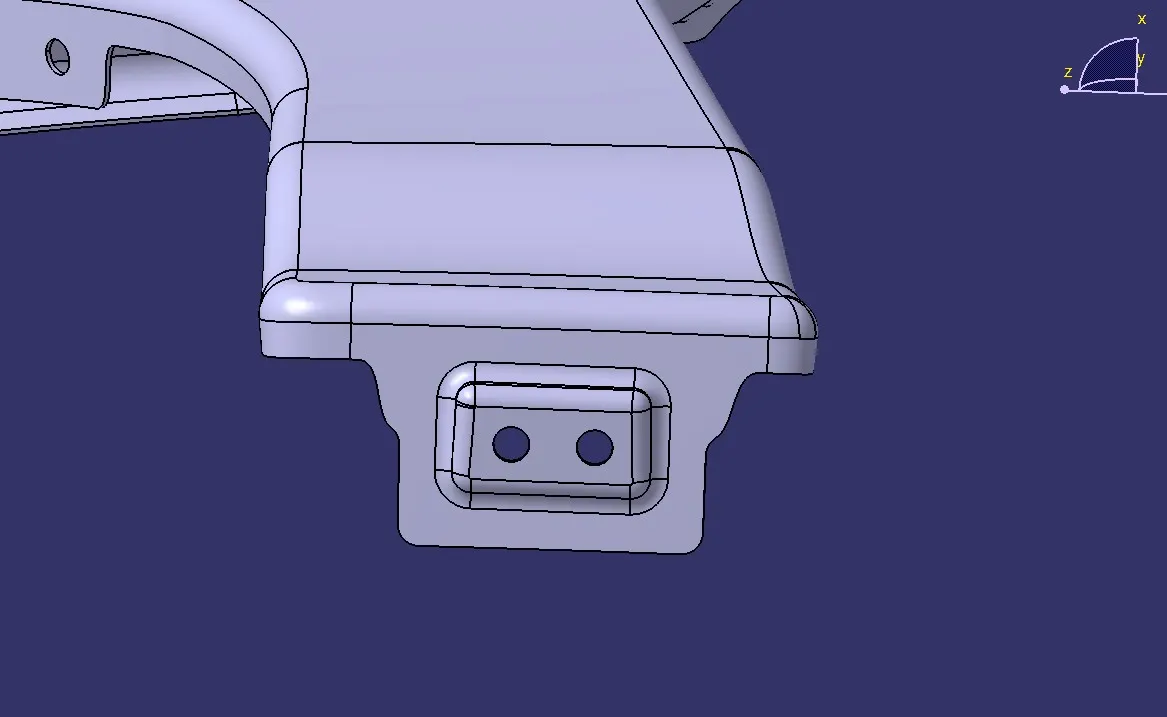
It is the area where the fender is mounted to Floor rails by Bolts. Like drip mount we have created the sill mount too and we made sure that we didn’t have any sharp corners and we provided relief to it. image mention below.
BUMPER MOUNTING AREA:
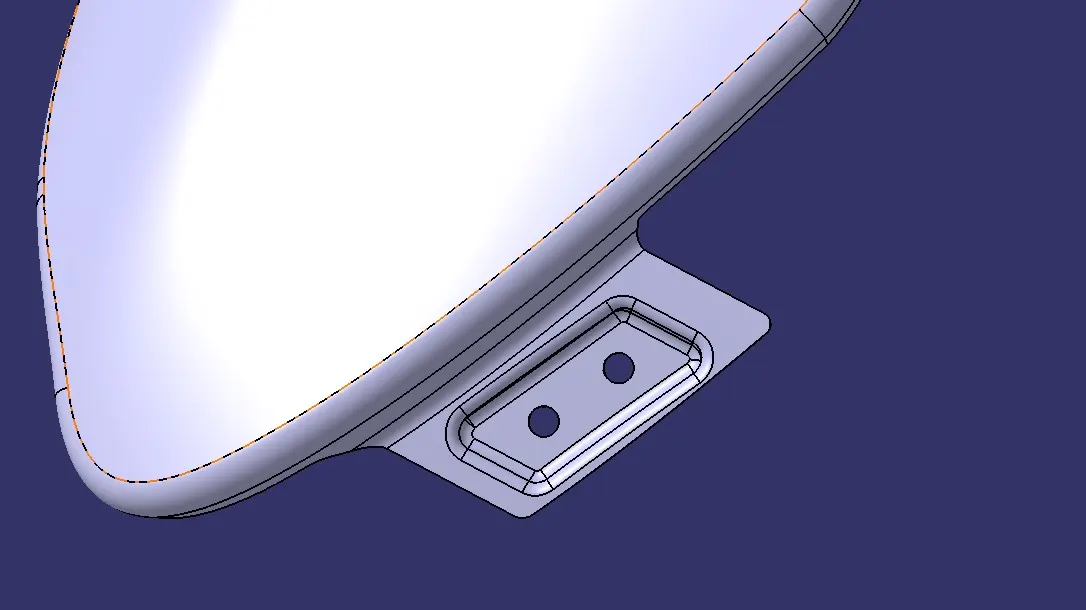
It is the area where the fender is mounted to Bumper by Screws or Bolts. image mention below.
BAFFLE MOUNTING:
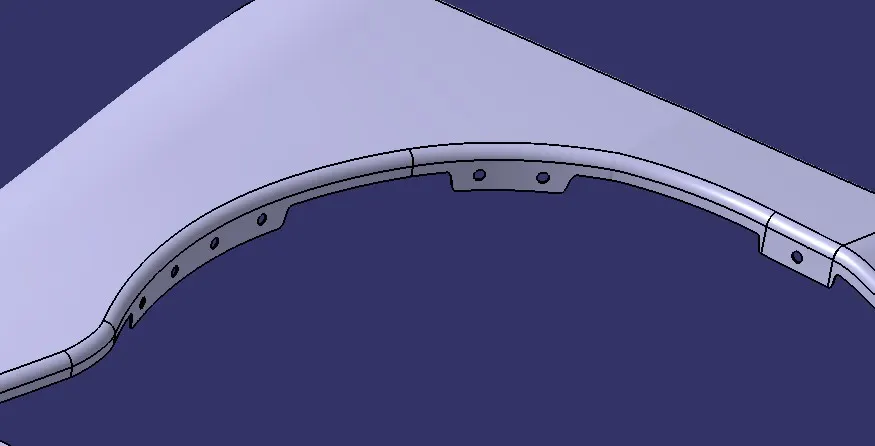
It is the area where the Baffle is mounted to Fender by Screws.For baffle mounting we didn’t made any kind of emboss we have created the mounting holes for it and we have created the baffle flange on which the holes are there. image mention below.
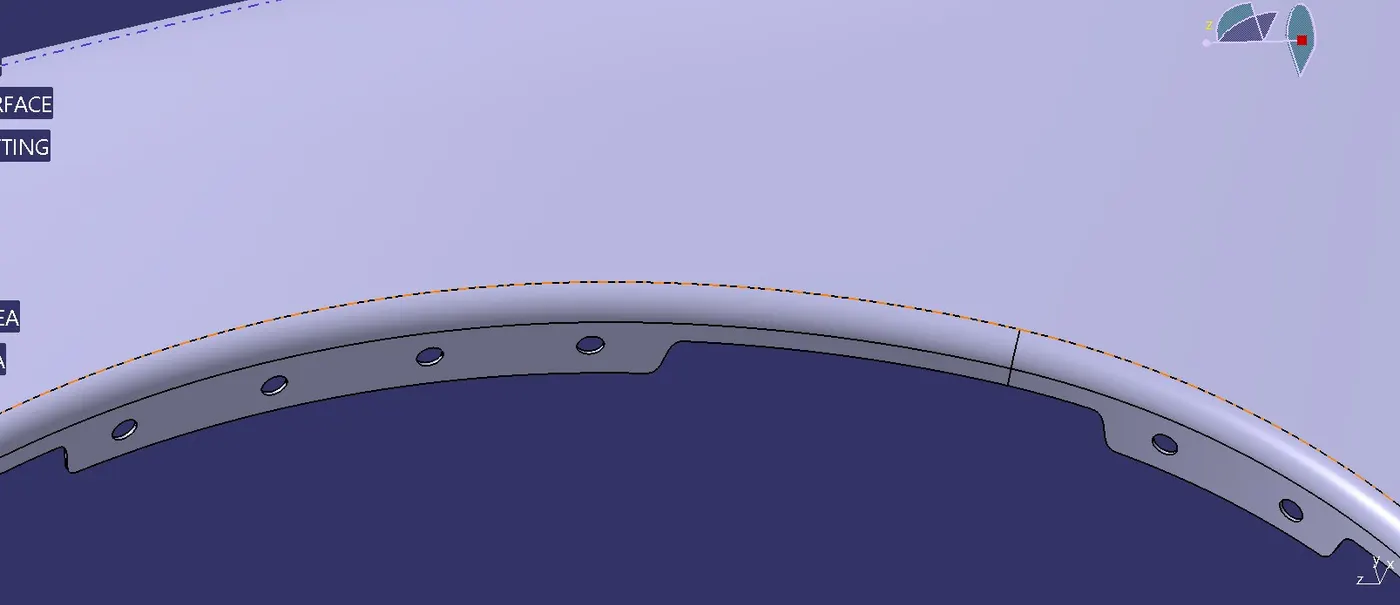
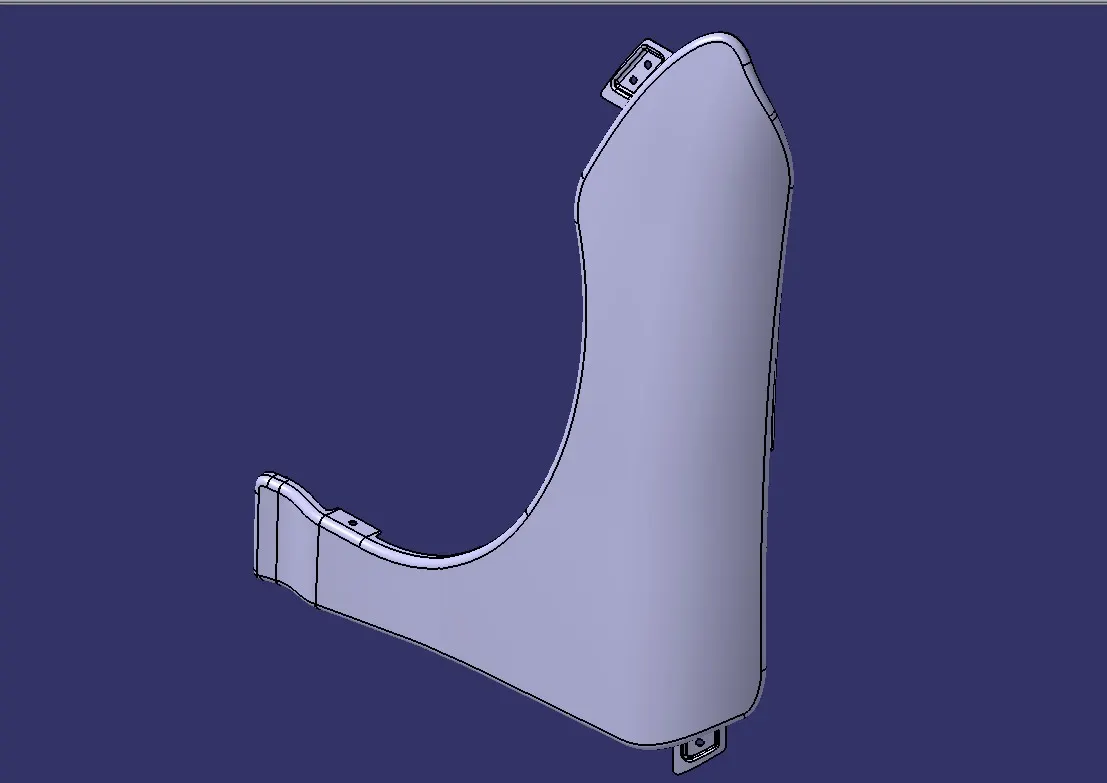
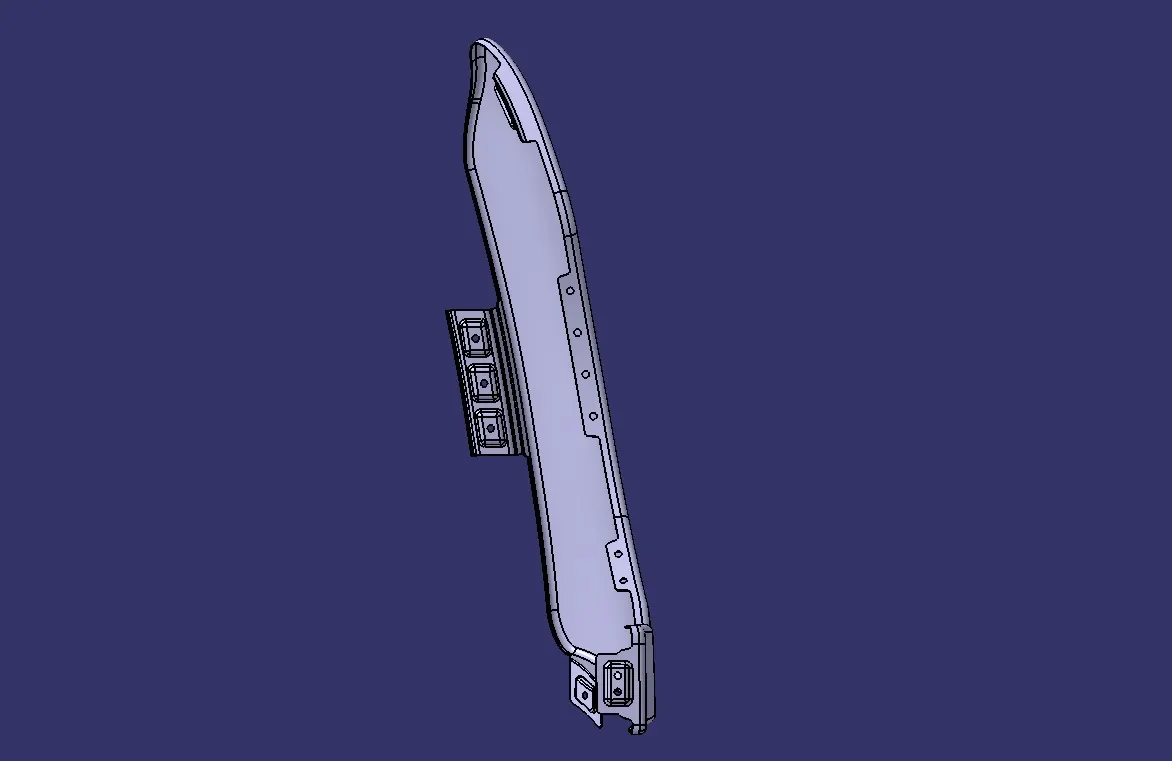
And finally thicken the surface into 0.75mm. image mention below.
CONCLUSION:
As per the master section with consideration of design parameter and Engineering standard. We successfully design the Front Fender and the necessary mountings like drip, Sill, Bumper, Baffle(Splash), and A-Pillar.