Fender Design
Fender Design
Introduction:
Fenders play a crucial role in the automotive, serving as protective barriers between a vehicle or vessel and obstacles. This report delves into the design aspects of fenders, focusing on the various mounts, manufacturing processes, and design parameters that contribute to their effectiveness.
Fender mounts:
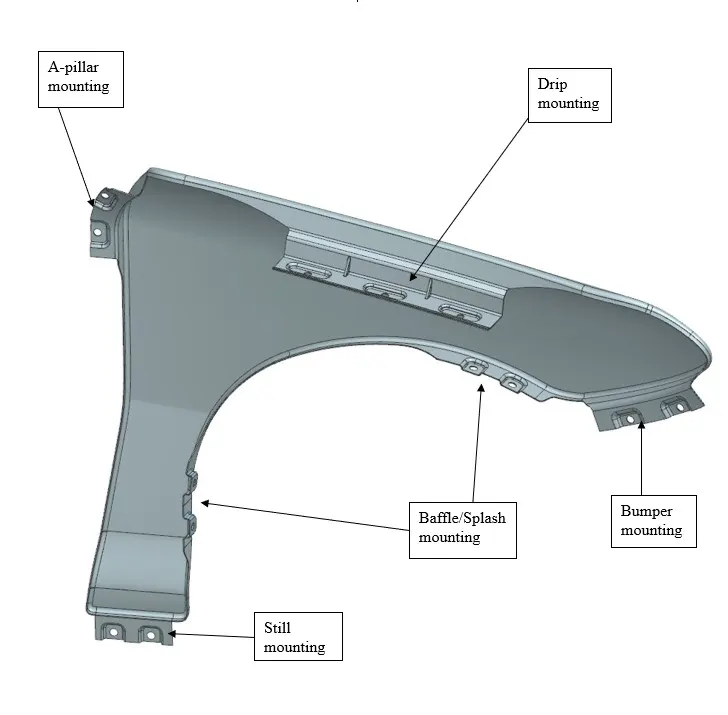
· Drip Mounting: Drip molding or drip mounting refers to the installation of a molding or trim piece along the upper edge of a vehicle door or window to divert water away from the interior.
· A-pillar Mounting: The A-pillar is the vertical support structure on either side of the windshield, connecting the roof to the vehicle's body.
· Sill Mounting: Sill mounting involves the attachment of components or structures along the lower perimeter of a vehicle, including the rocker panels.
· Bumper Mounting: Bumper mounting involves attaching the front and rear bumpers to the vehicle's frame or body.
· Baffle (Splash) Mounting: A baffle or splash shield is a component positioned behind a vehicle's wheel to prevent water, mud, and debris from being thrown into the engine compartment or other critical areas.
Fender images:
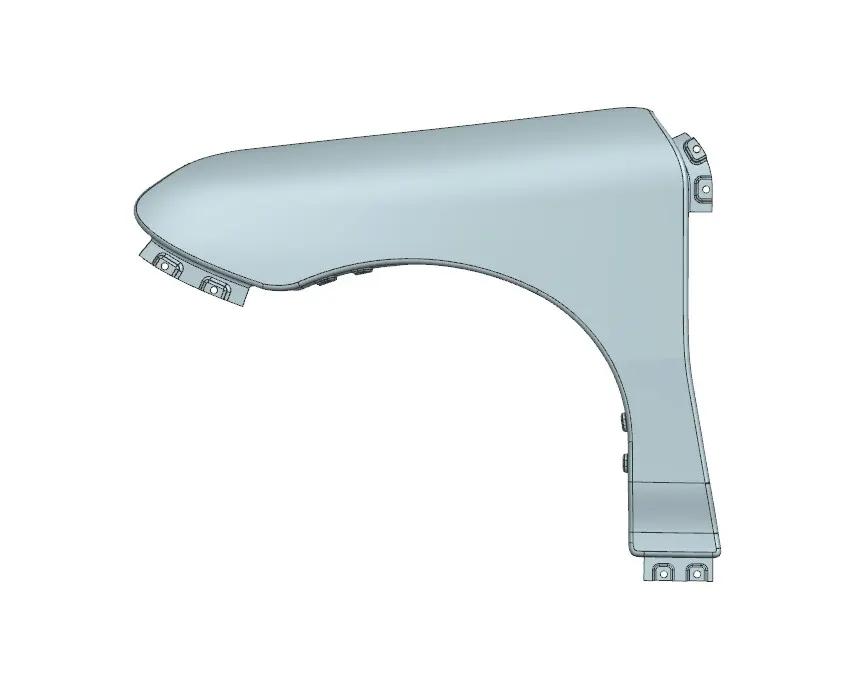
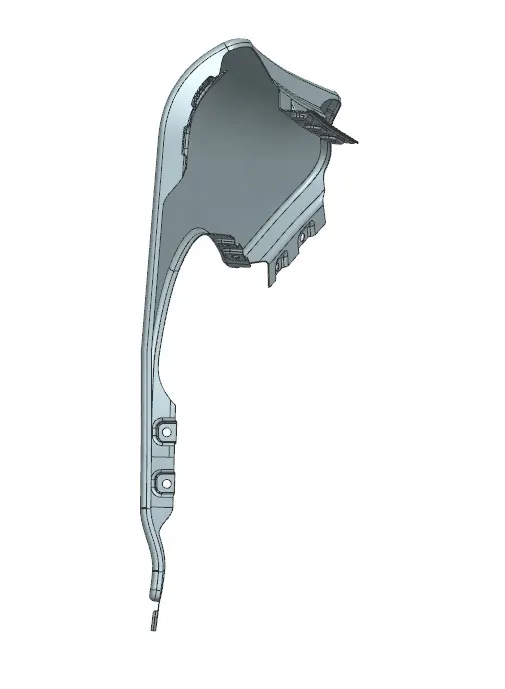
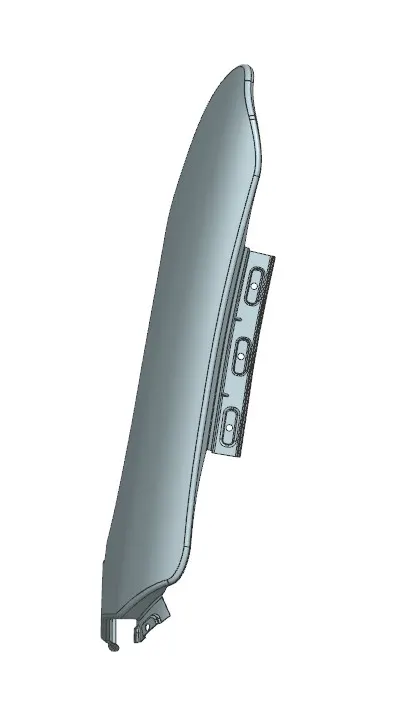
Manufacturing Process:
The manufacturing process of fenders involves several key steps to ensure durability, functionality, and quality:
· Material Selection:
- Fender materials commonly include rubber, foam, plastic, or a combination of these.
- Selection depends on factors such as impact resistance, weathering, and cost.
· Molding:
- Rubber fenders are often molded using compression or injection molding techniques.
- Precision in molding is crucial to achieve the desired shape and performance.
· Reinforcement:
- Fenders may incorporate reinforcement layers, such as fabric or metal, to enhance strength.
- Reinforcements are strategically placed based on stress analysis and load distribution.
· Curing:
- The molded fender undergoes a curing process to achieve its final physical properties.
- Curing methods include heat curing and chemical curing, depending on the material.
· Testing:
- Rigorous testing is conducted to validate the fender's performance under various conditions.
- Common tests include impact resistance, load-bearing capacity, and durability assessments.