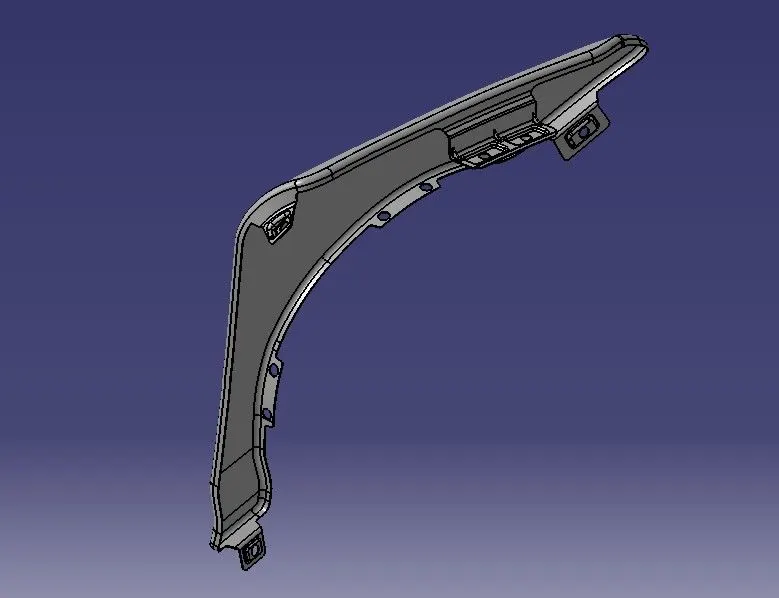
Fender Design
FENDER
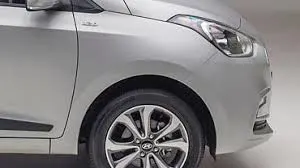
Fender is a important part in the car, it act as a barrier for the car from the mud, Sand and other foreign particles.
It not only protect the car also protects the pedestirans on the road by stoping the deberies from the wheel rotation.
TYPES OF FENDER
There are mainly two types of fender used in the market
they are,
1.Full bumper type
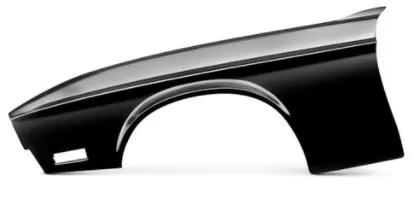
2.half bumper type
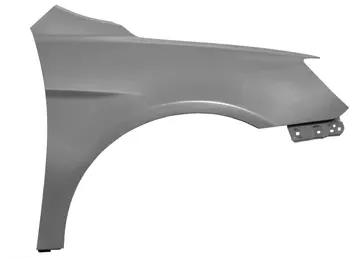
here half bumper type is mainly been used in market
USES OF FENDERS
- Gives an aesthetic look to the car
- Easy maintanence
- It reduces the weight
- It reduces the uses of steel
- Instead of using steel it uses the plastic so overall weight is reduced
- Easy fittings
- protects the car inner parts and pedestrian
MANUFACTURING PROCESS
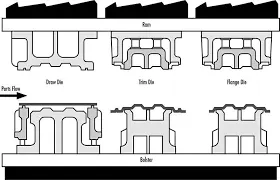
1. STUMPING
Stamping also called pressing involves placing flat sheet metal, in either coil or blank form, into a stamping press. In the press, a tool and die surface form the metal into the desired shape. Punching, blanking, bending, coining, embossing, and flanging are all stamping techniques used to shape the metal.
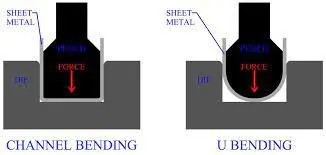
2. BENDING
Bending is a manufacturing process that produces a V-shape, U-shape, or channel shape along a straight axis in ductile materials, most commonly sheet metal. Commonly used equipment include box and pan brakes, brake presses, and other specialized machine presses.
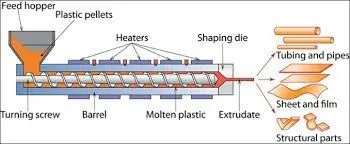
3. EXTRUTION
Extrusion is a process where a material undergoes plastic deformation by the application of a force causing that material to flow through an orifice or die. The material adopts the cross-sectional profile of the die and if the material has suitable properties, that shape is retained in the final extrudate.
DIFFERENT MOUNTING POINTS IN FENDER
There are five main mounting points in the fender
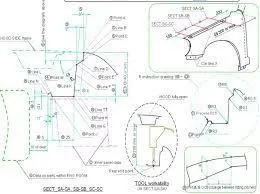
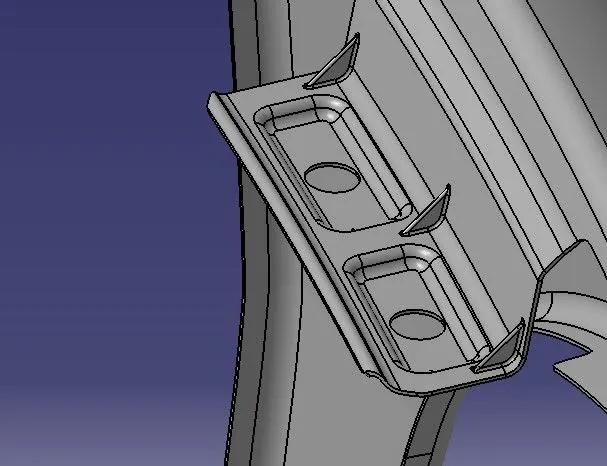
1.DRIP
There are certian considerations should follow while desiging drip, that are given below as image
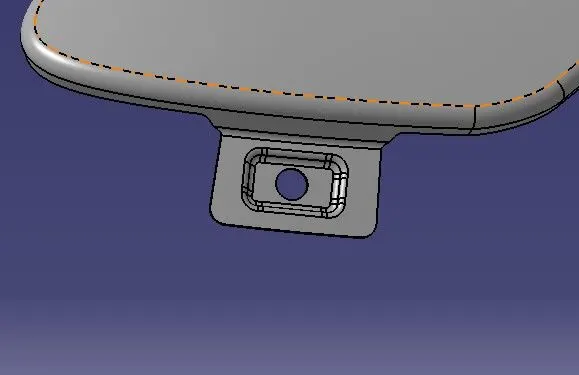
2.BUMPER
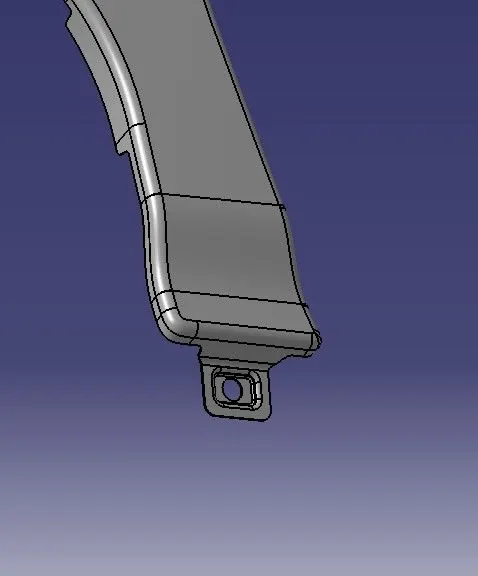
3.SILL
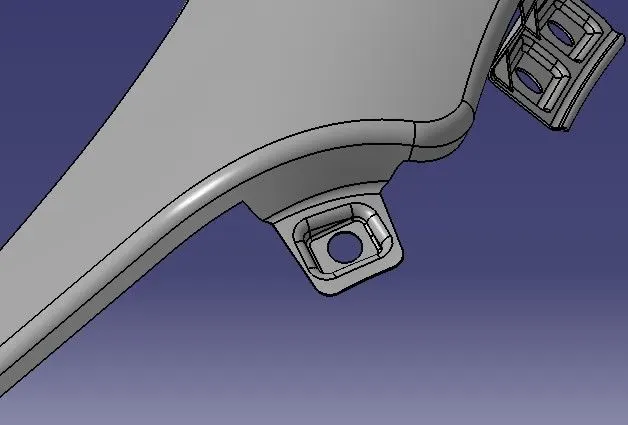
4.COWL
5.BAFFALE
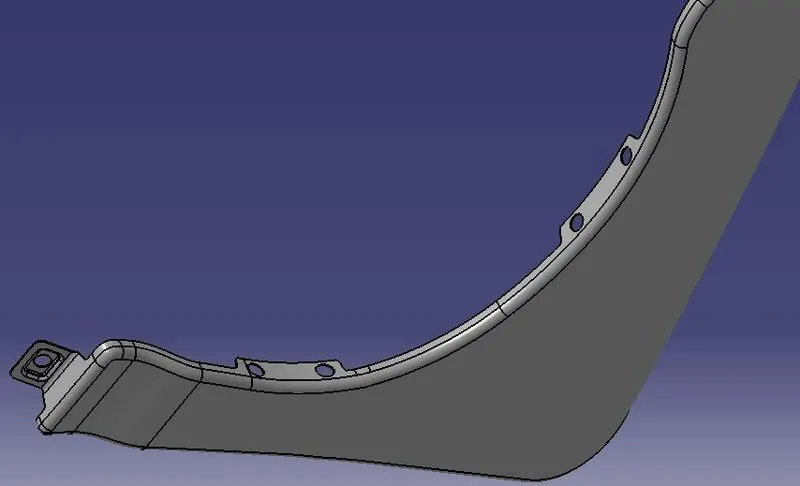
DIFFERENT VIEWS OF FRONT FENDER
1. FRONT VIEW
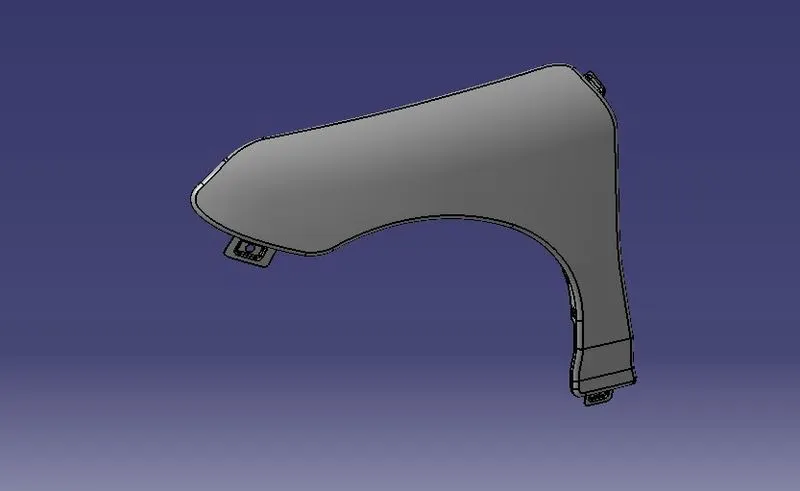
2.SIDE VIEW
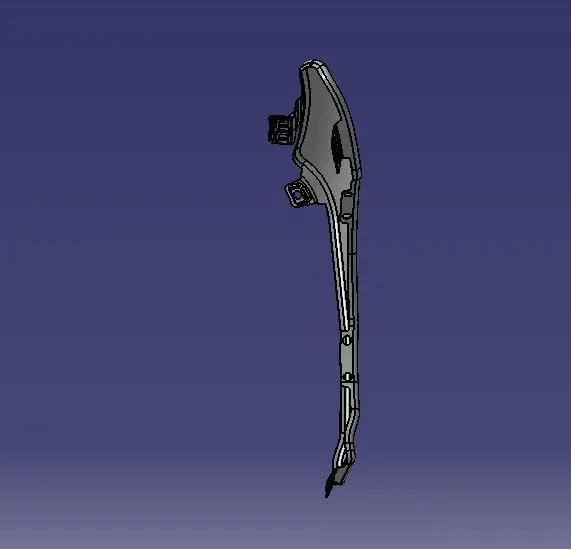
3.ISOMETRIC VIEW