Emission Characterization on a CAT3410 Engine using Converge
Aim: To setup and perform the simulation of combustion process with open-w-piston and omega piston for Diesel engine.
Software used: Converge CFD
Objective:
- To run the simulation for Open W-piston and Omega piston and post process the results using PARAVIEW.
- Characterize the Emissions
- Create cut-plane animations showing Soot, NOx and UHC and compare them between omega and the Open-w pistons
Introduction:
In this project we have introduced two pistons such as W-piston and Omega piston to simulate using converge CFD and to find the power, torque, Engine efficiency, combustion efficiency, Emissions (SOOT, NOx and UHC) for the same engine specifications and the results were analysed.
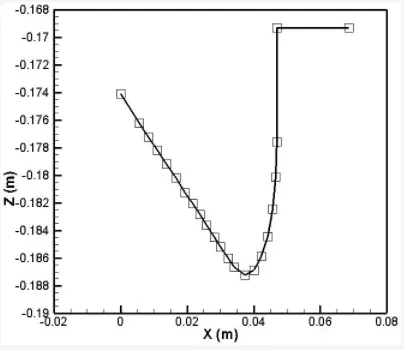
Omega piston:
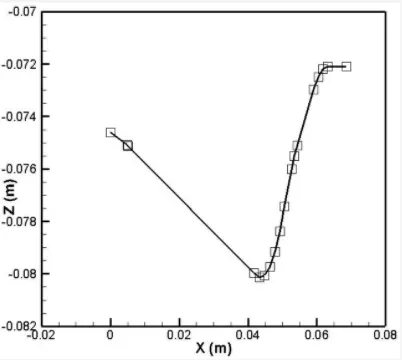
Open-W piston:
Geometry:
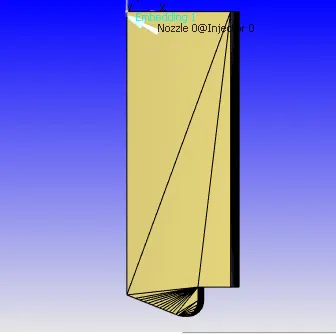
The below shown is the combustion chamber from which the two pistons are been extracted using the make surface profile.
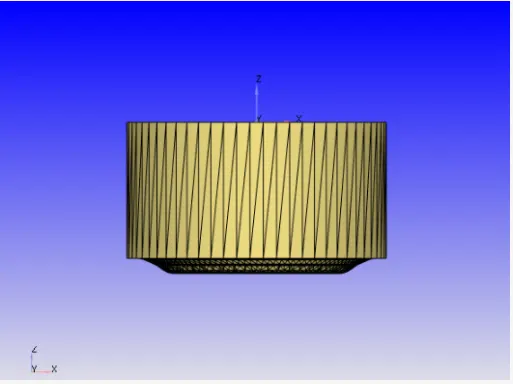
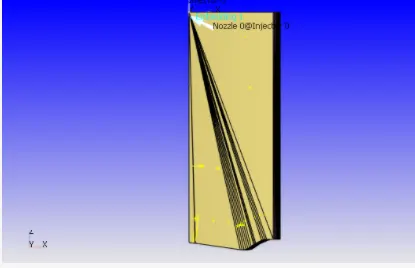
Two piston profiles were extracted from the engine using the utility called make surface in order to reduce the computational time rather than taking the full engine. Make surface will automatically configure the surface geometry.
W-piston profile:
Omega piston profile:
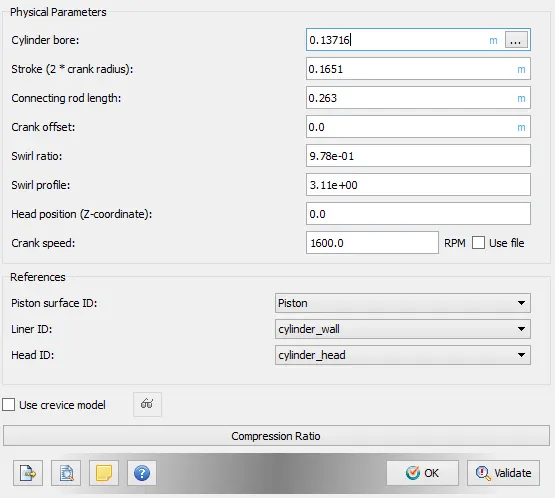
Engine geometric parameters:
- Bore = 0.13716m
- Stroke = 0.1651m
- Connecting rod length = 0.263m
- RPM = 1600
Case setup:
Application type: Cranck based IC Engine
Materials:
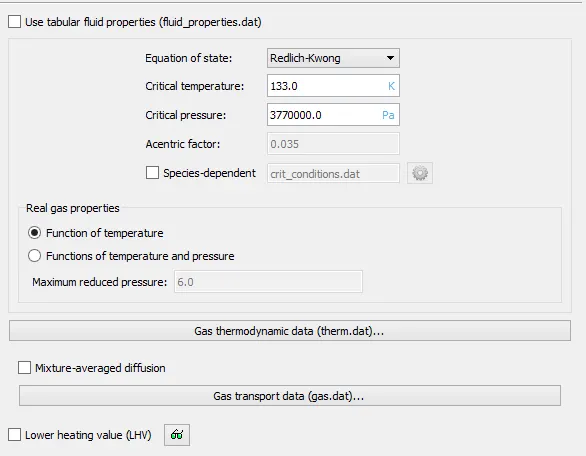
Gas Simulation:
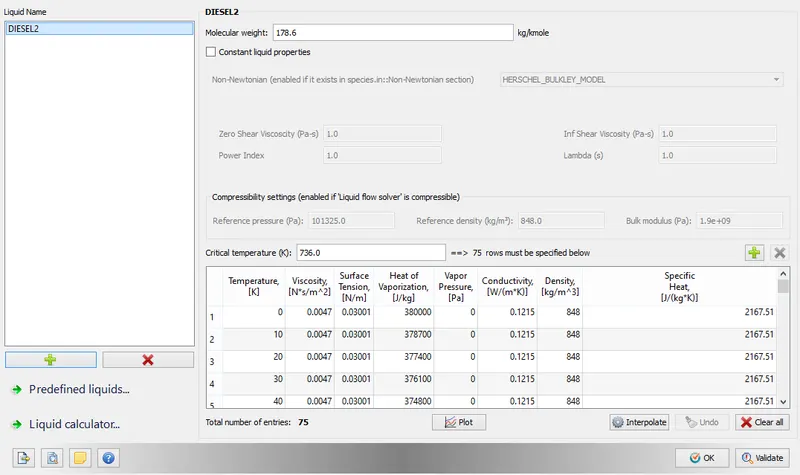
Parcel Simulation:
Reaction mechanism:
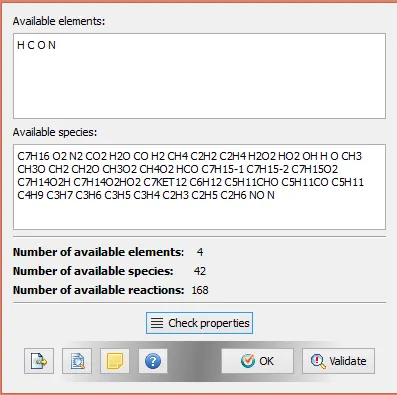
Species:
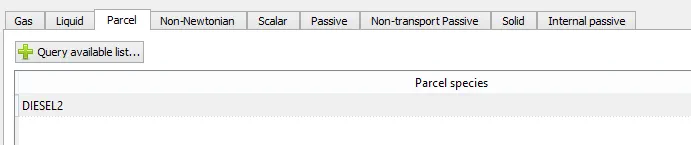
Simulation Parameters:
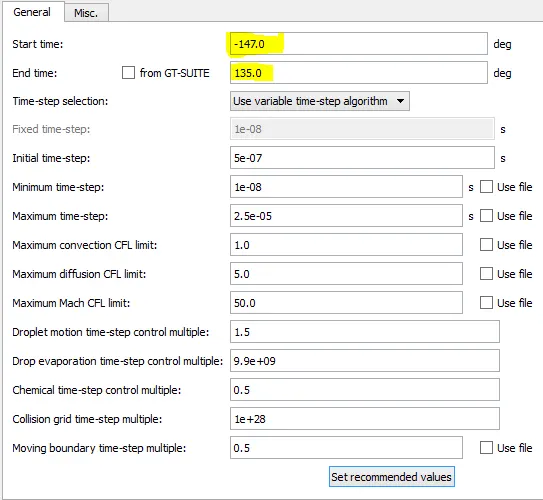
Simulation time parameters:
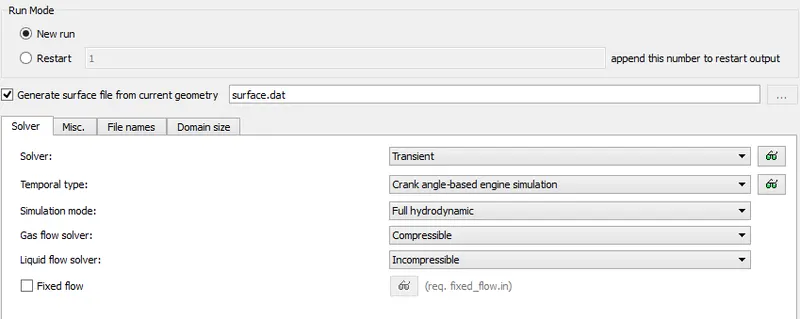
Solver type:
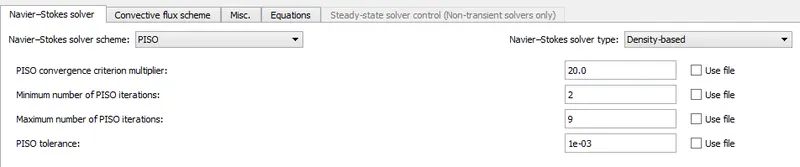
Boundary conditions:
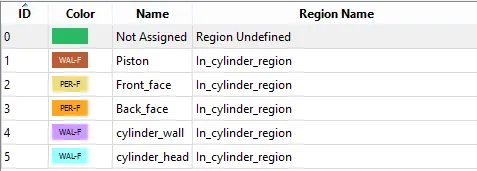
Piston:
Type : wall
Wall motion type : Translating
Surface movement : Moving
Temperature : law of wall (553K)
Front face:
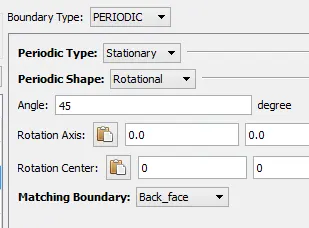
Back Face:
Matched front face boundary
Cylinder wall:
Type : wall
Wall motion type : Stationary
Surface movement : Fixed
Temperature : law of wall (433K)
Cylinder Head:
Type : wall
Wall motion type : Stationary
Surface movement : Fixed
Temperature : law of wall (523K)
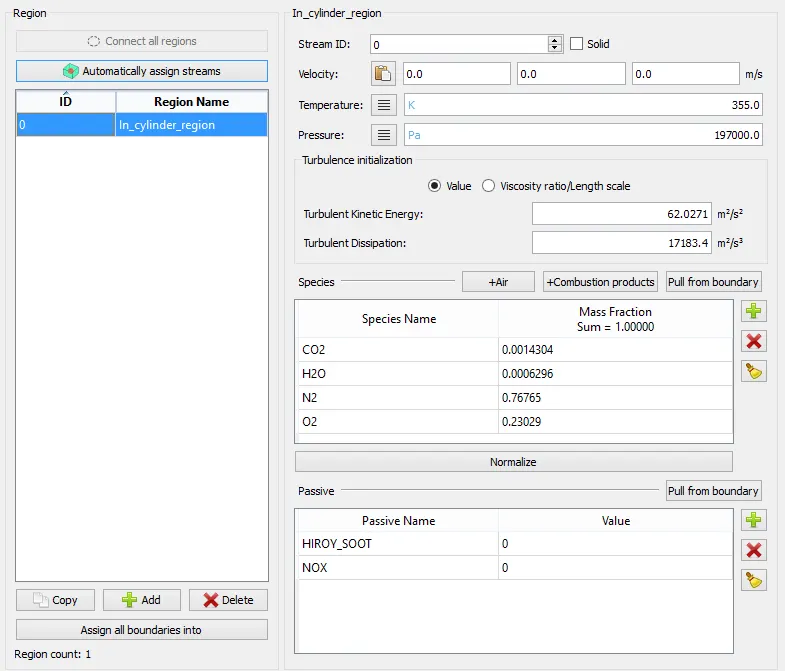
Regions and Initialization:
Species:
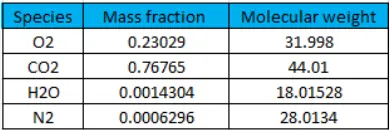
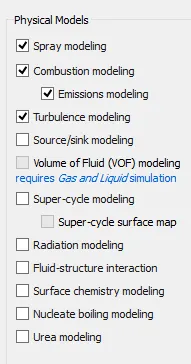
Physical Models:
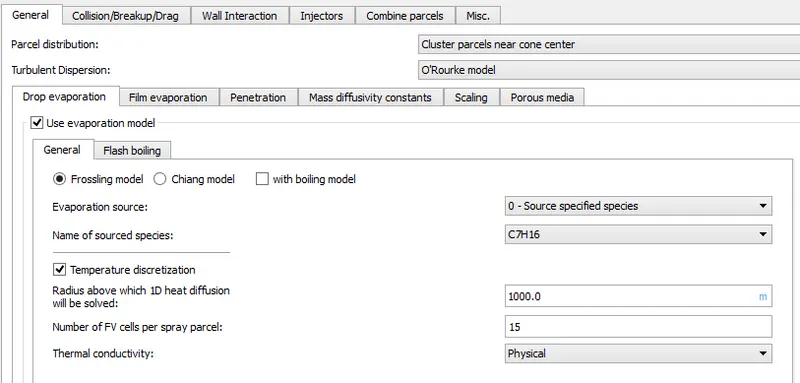
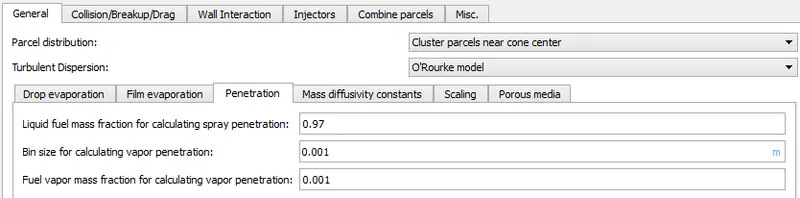
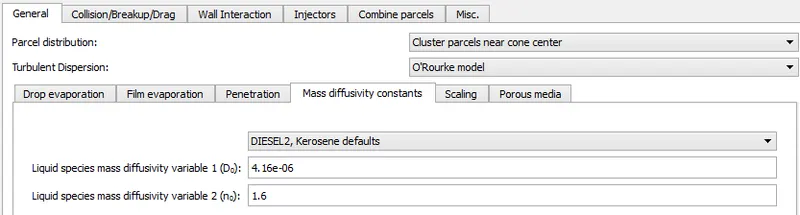
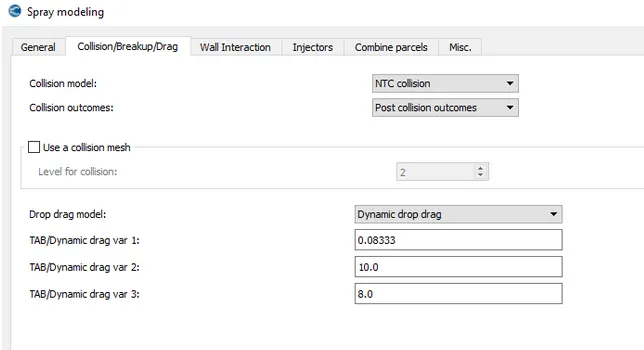
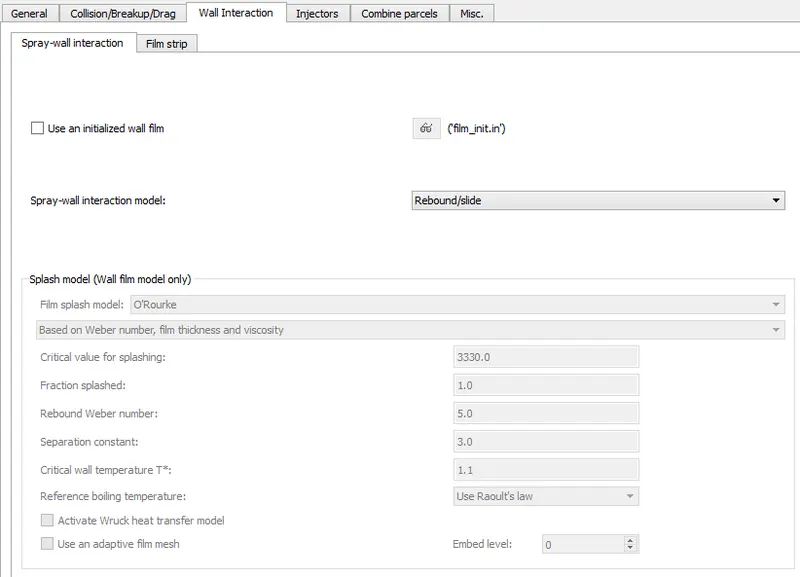
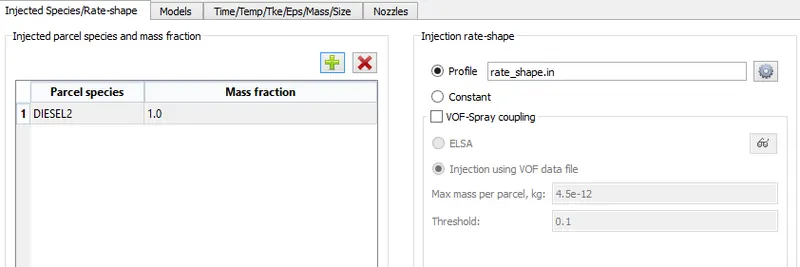
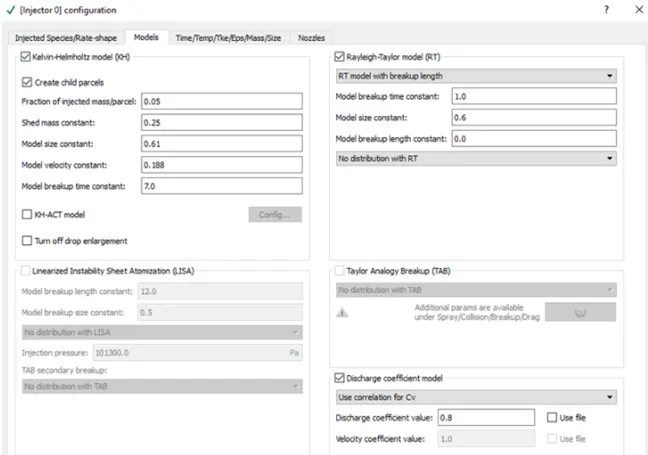
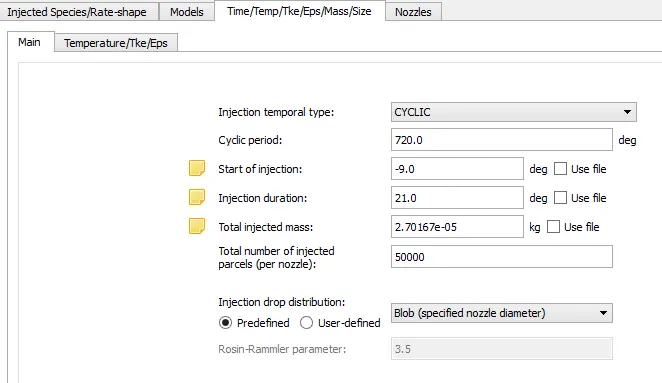
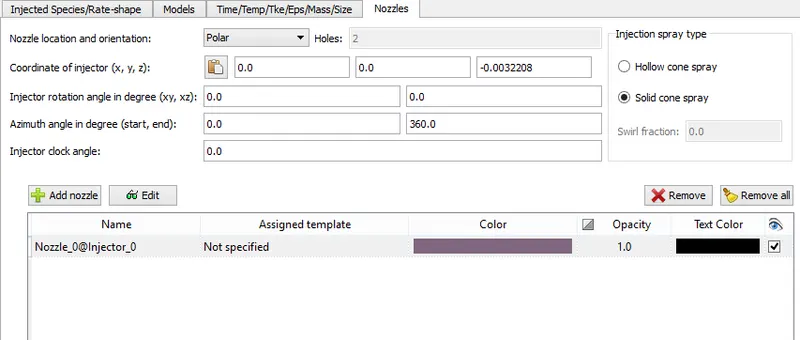
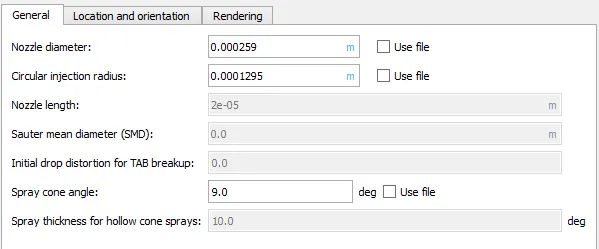
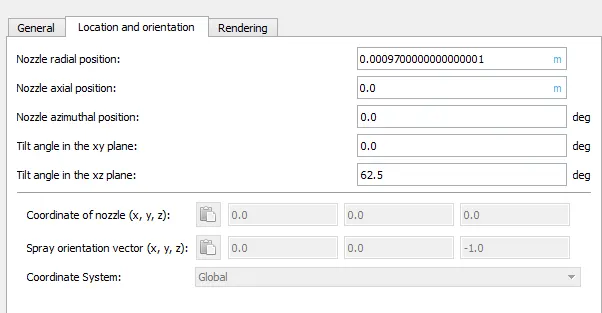
Spray Modelling:

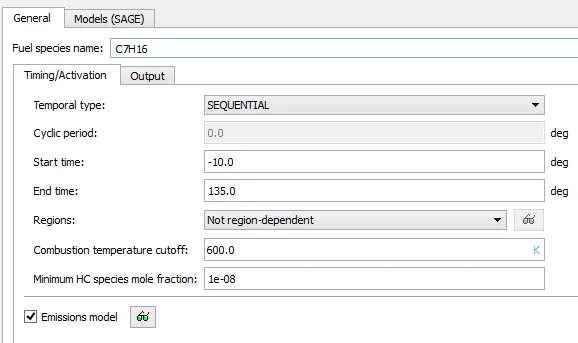
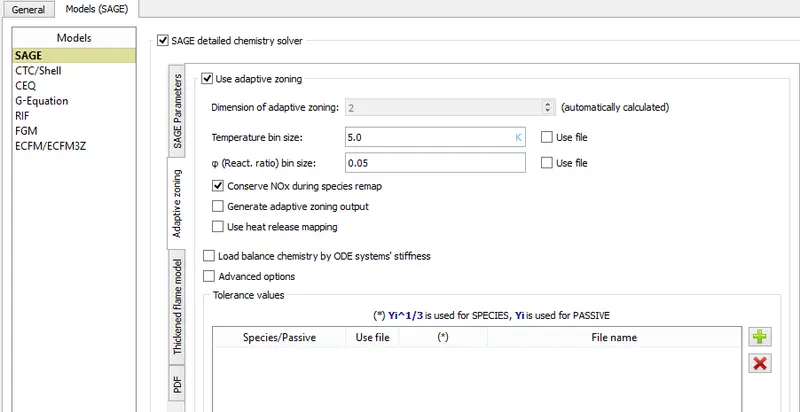
Combustion modelling:
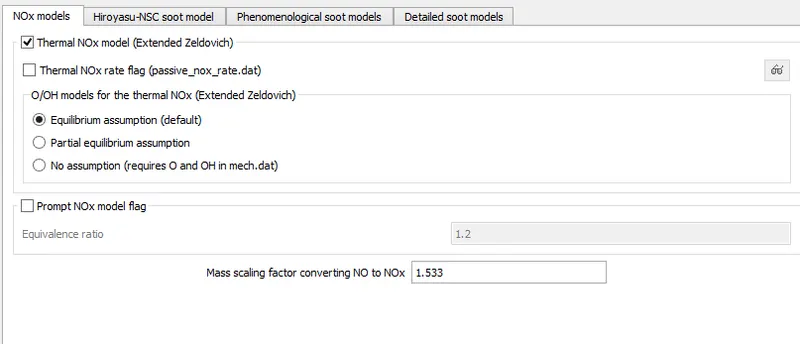
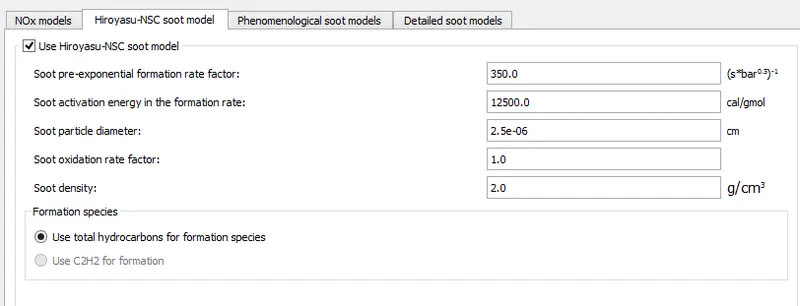
Emission modelling:
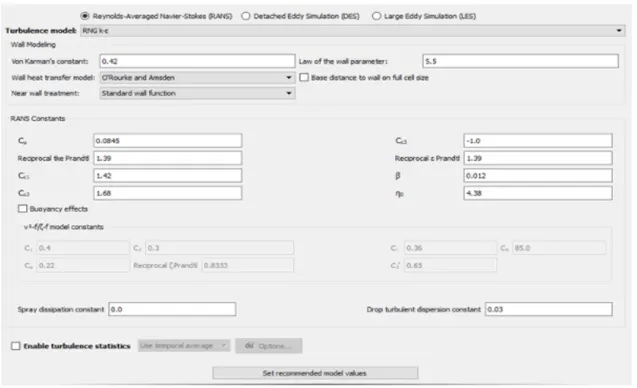
Turbulence Modelling: RNG k-E
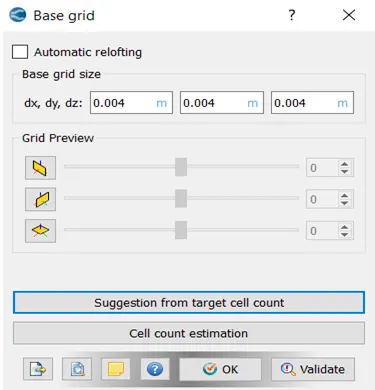
Grid Control:
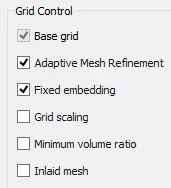
Adaptive mesh refinement:
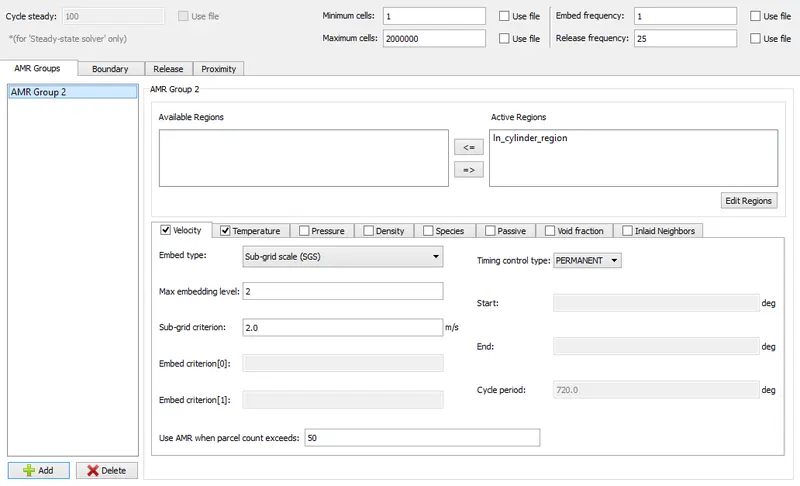
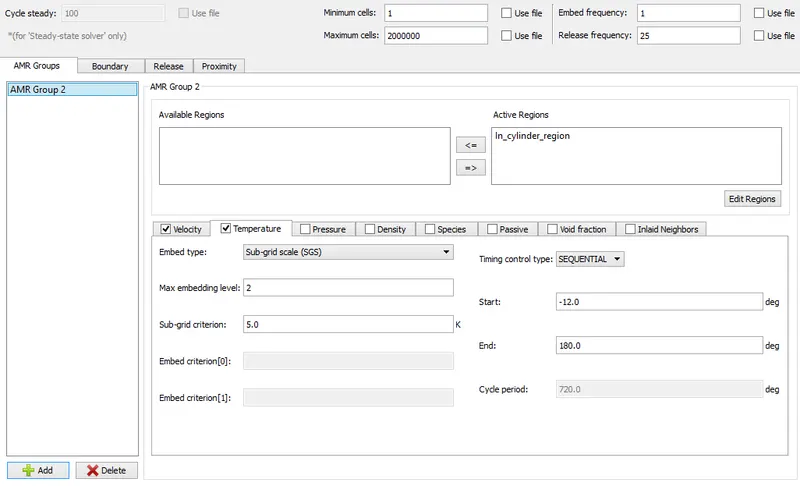
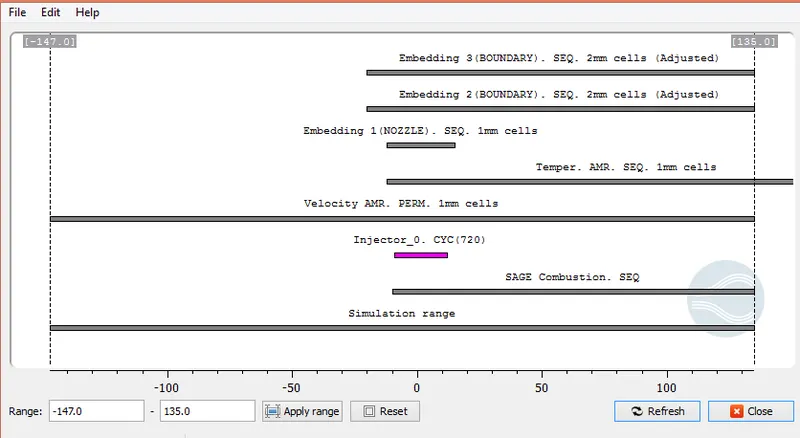
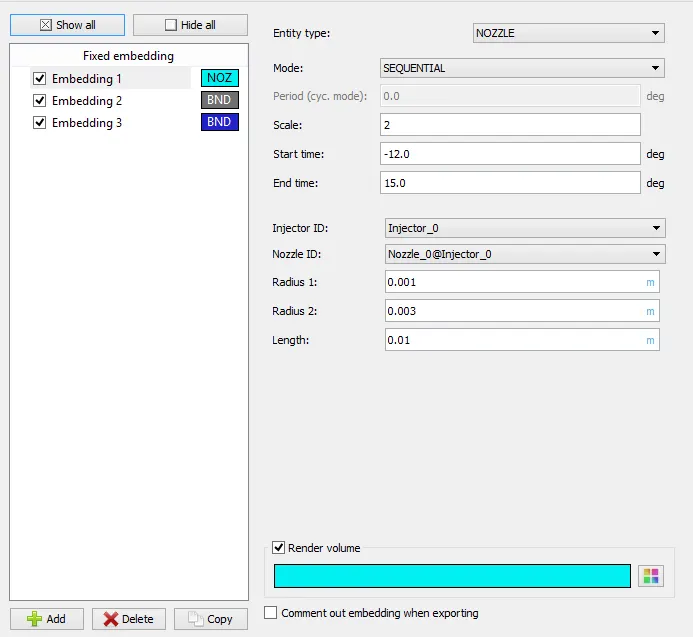
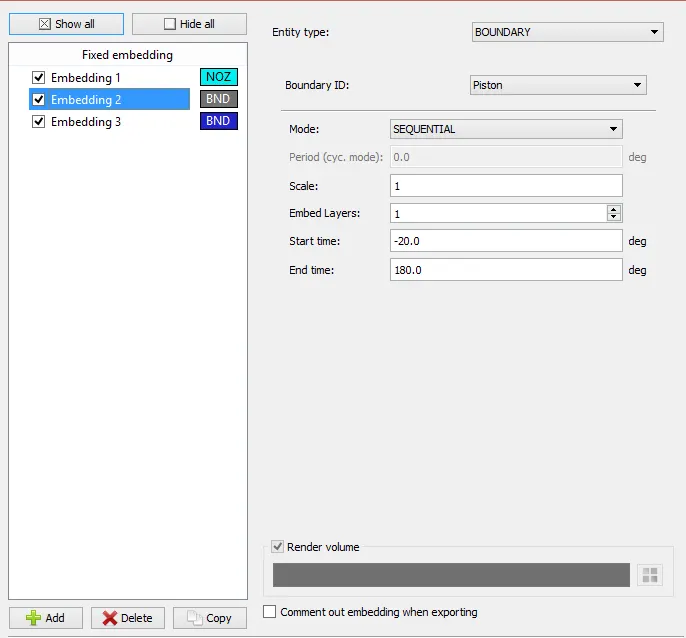
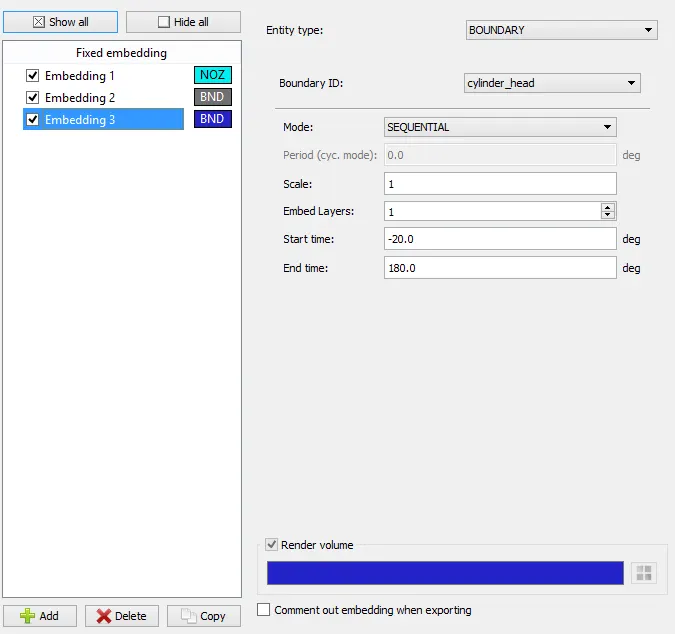
Fixed Embedding:
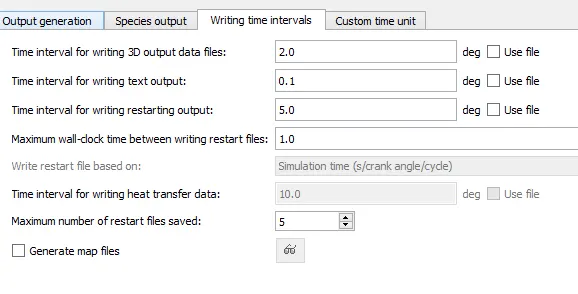
Output files:
Results:
Meshing:
Animation Link:
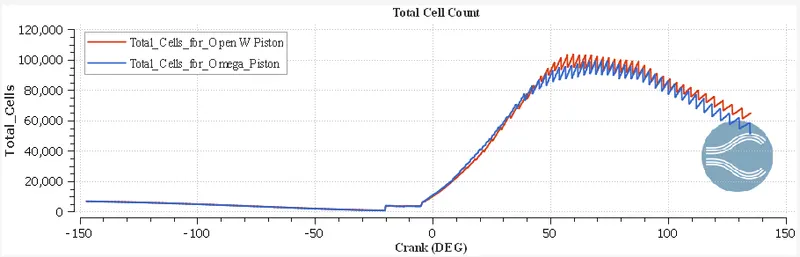
Total cell count:
Pressure plot:
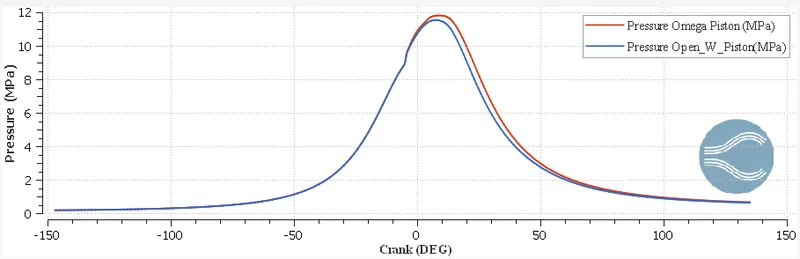
The above plot shows the around -100 deg crank angle in the cylinder pressure begins to increase, this is because of beginning of compression stroke.
As the piston moves towards the TDC, the cylinder pressure keeps increasing and finally around -5 deg crank angle the combustion process begins due to which the slope of the curve increases suddenly.
The cylinder pressure peaks around 5 deg crank angle indicating that the piston has reached the TDC, high pressure generated due to combustion pushes the piston with a high force
Peak pressure in case of Omega piston is higher than the Open-W piston.
Temperature Plot:
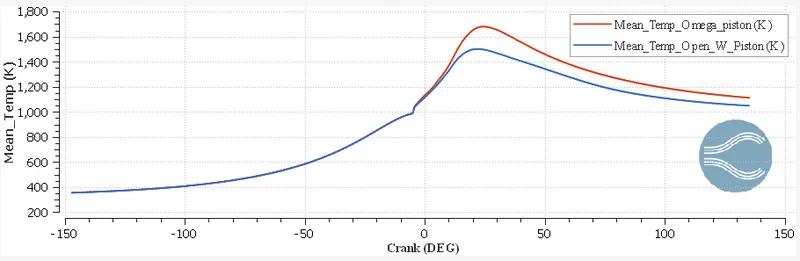
The temperature in the omega piston produces more heat than the open w piston because of the better combustion of air and fuel in the combustion chamber.
The temperature profiles of the combustion chamber show that when the piston moves towards the TDC. Temperature raise slowly because the air in the combustion chamber gets compressed.
When the fuel spray particles are sprayed into the combustion chamber at the high temperature and high pressure results in the burning of the mixture and thus we observed the high temperature in the chamber before the volume starts increasingly.
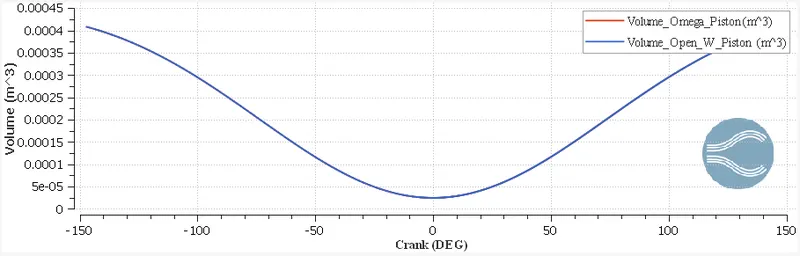
Volume plot:
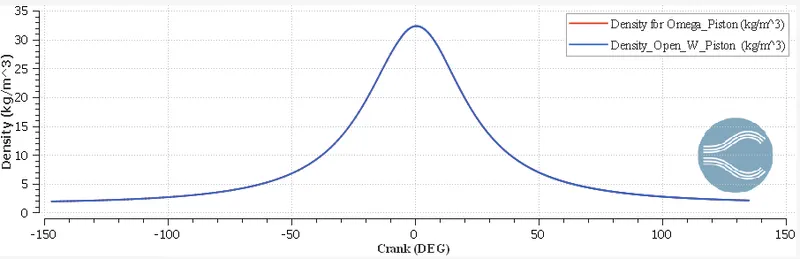
Density plot:
Integrated heat release rate:
Heat release rate:
Animation link:
Pressure:
Temperature:
Velocity:
PV Diagram:
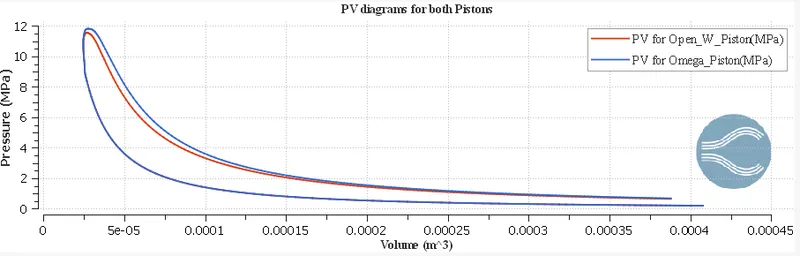
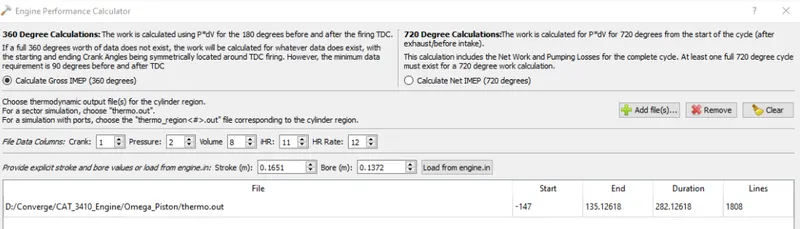
The area under PV diagram of an engine indicates the work done by the engine. By comparing the above PV diagrams of the both pistons configuration, the area under the Omega piston PV diagram curve is indicating higher work done which can observe in the engine performance calculator.
Engine Performance parameters:
Open-W piston:

Power is defined as the ratio of doing work done per unit time.
Power = work done/time

Open W Piston:
Work done = 478.471
Rotations per minute = 1600
Rotations per second = 1600/60 = 26.667
Degree per second = 360*RPM/60 = 360*1600/60 = 9600
Time moving per degree = 1/degree per second
= 1/9600
= 1.0417*10e-4 sec/deg
Time for 270.286 degrees = 270.286*1.0417*10e-4
= 0.028154
From Engine performance calculator
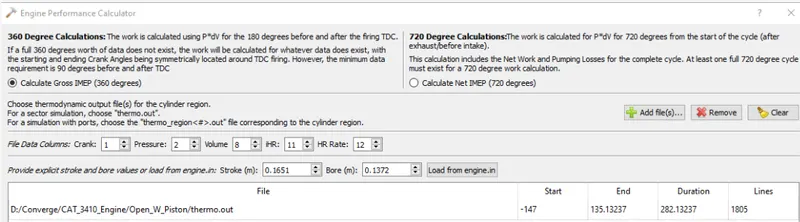
Gross work done = 478.471
Power = 478.471/0.028154
= 16994.778
= 16.994 KW
Torque for the Open W piston is

T = 60*16.994*10e3/(2*3.14*1600)
T = 101.43 N-M
Omega piston:

Work done = 548.293
Rotations per minute = 1600
Rotations per second = 1600/60 = 26.667
Degree per second = 360*RPM/60 = 360*1600/60 = 9600
Time moving per degree = 1/degree per second
= 1/9600
= 1.0417*10e-4 sec/deg
Time for 270.286 degrees = 270.286*1.0417*10e-4
= 0.028154
From Engine performance calculator
Gross work done = 548.2993
Power =548.293/0.028154
= 19474.7815
= 19.47 KW
Torque for the Open W piston is
T = 60*19.47*10e3/(2*3.14*1600)
T = 116.23 N-M
The performance parameters for both the piston configuration are calculated by using the engine performance calculator
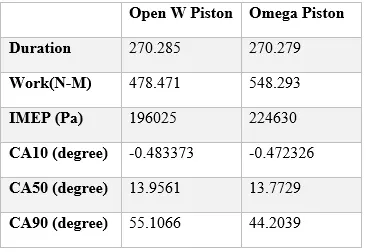
IMEP is higher in Omega piston than the open w piston and work done also higher in Omega piston.
Emissions:
Hiroy soot Emissions:
The plot shows that a significantly higher amount of soot is produced in case of Open W piston due to incomplete combustion of fuel.
Mass of soot in Omega piston = 4.81*10e-7 kg
Mass of soot in Open-W piston = 1.119*10e-6 kg
Animation link:
NOx Emissions:
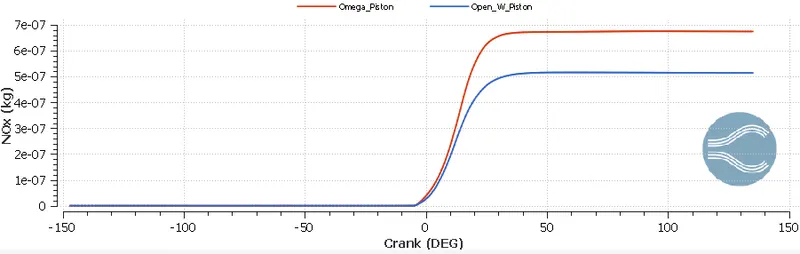
The above plot shows that higher amount of NOx is produced in case of Omega piston. This can be attributed to higher mean temperature in the cylinder.
Mass of NOx in Omega piston = 6.74*10e-7 kg
Mass of NOx in Open-W piston = 5.14*10e-7 kg
Animation link:
Unwanted Hydro Carbons:
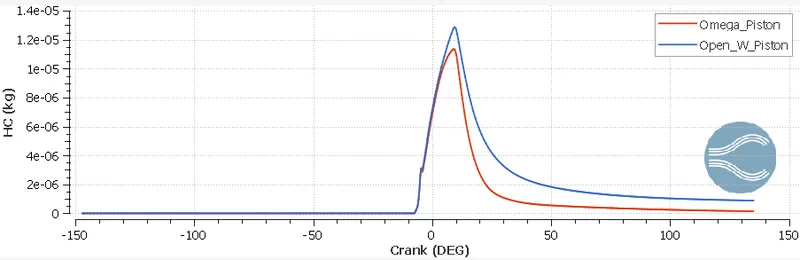
The above plot shows that higher amount of Unburnt hydro carbons fuel is remaining in the cylinder in case of Open-W piston due to incomplete combustion of fuel.
Mass of HC in Omega Piston = 1.41*10e-7 kg
Mass of HC in Open-W piston = 8.81*10e-7 kg
Co Emissions:
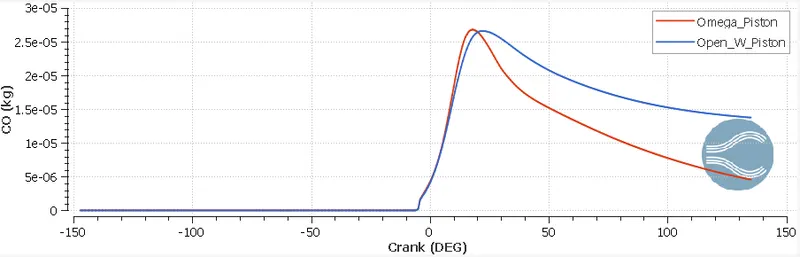
The plot shows that a significantly higher amount of CO is produced in case of Open W piston due to incomplete combustion.
Mass of CO in Omega piston = 4.58*10e-6 kg
Mass of CO in Open W piston = 1.38*10e-5 kg
Animation Link:
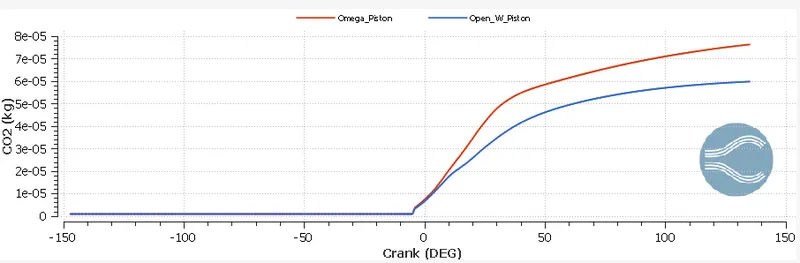
CO2 Emissions:
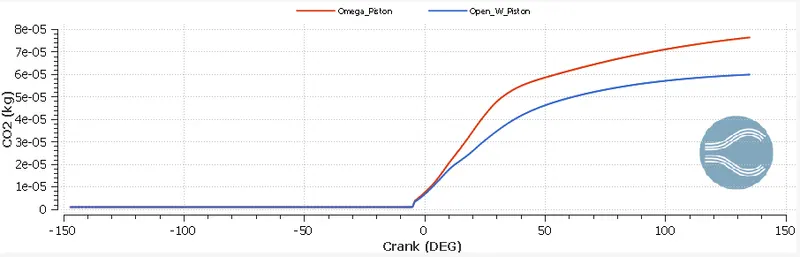
The above plots show a lesser amount of CO2 is produced in case of Open W piston.
Mass of CO2 in Omega piston is 7.63*10e-5 kg
Mass of CO2 in Open W piston is 5.98*10e-5 kg.
Animation link:
Conclusions:
The following conclusions can be drawn based on the comparative study between Omega piston and Open W piston:
- The performance characteristics of Omega piston are better than Open W piston. Omega piston delivers more Work/Power.
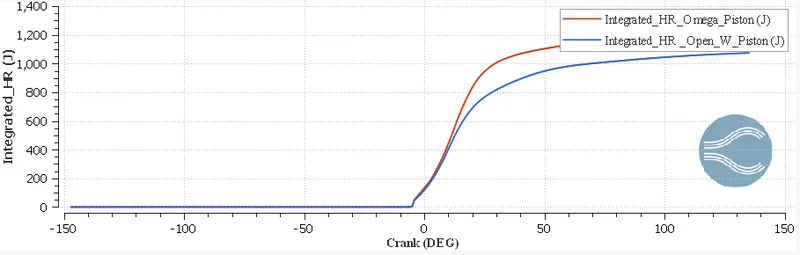
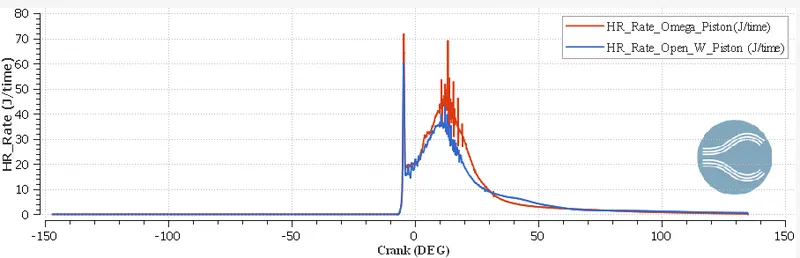
- The combustion characteristics o Omega piston is better than Open W piston. In case of Omega piston more amount of heat is released from the same amount of fuel as compared to Open W piston.
- Mean temperature in the cylinder is higher in case of Omega piston, so it produces more NOx.
- Due to incomplete combustion of fuel in case of Open W piston, it produces greater amount of soot, CO and HC but lesser amount of CO2.
- Based of all performance and Emission characteristic, Omega piston is the better choice . Open W piston is better for only if aims to reduce the NOx emissions.