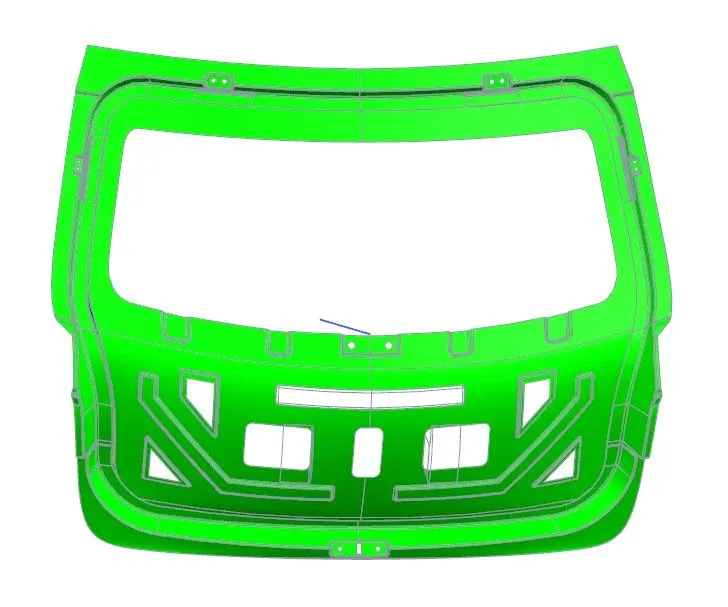
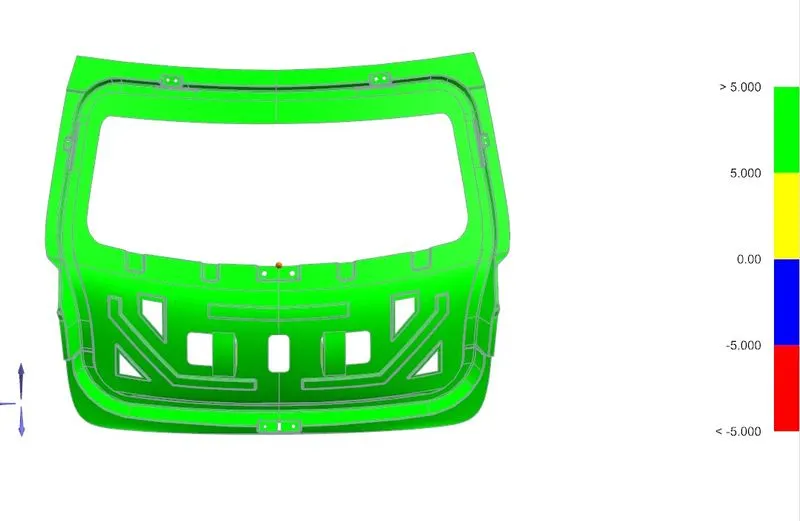
Design of backdoor
The back door of a car is also known as the rear door or the tailgate. It is the door located at the back of the vehicle, usually used for accessing the trunk or cargo area. Some back doors can be opened independently of the main door, while others are connected and open and close along with the main door. The back door is an important safety feature of a car, as it allows passengers to enter and exit the vehicle safely, and it also helps to protect the occupants of the car in case of a collision.
There are several design considerations that go into the back door of a car, including rear visibility for safety and functionality. Rear visibility is important because it allows the driver to see what is behind the vehicle, which is essential for backing up and maneuvering in tight spaces. To improve rear visibility, many car manufacturers incorporate features such as a rearview camera, a rearview mirror, and rear parking sensors into the design of the back door.
Other design considerations for the back door of a car include the size and shape of the door, as well as the material used for the door panel. The size of the door can affect the amount of space available for passengers and cargo, and the shape of the door can impact the overall aerodynamics of the vehicle. The material used for the door panel can also play a role in the durability and weight of the door, as well as the overall appearance of the vehicle.
The material used for the door panel of a car can vary depending on the make and model of the vehicle. Some common materials used for door panels include:
-
Plastic: Plastic is a lightweight and inexpensive material that is commonly used for door panels in lower-priced cars.
-
Metal: Metal, such as aluminum or steel, is more durable and sturdy than plastic, but it is also heavier. Metal door panels are often used in higher-end vehicles.
-
Composite materials: Composite materials, such as fiberglass or carbon fiber, offer a combination of strength and lightweight properties. These materials are often used in high-performance vehicles or in vehicles that prioritize fuel efficiency.
-
Leather or upholstery: Many luxury vehicles feature leather or upholstery on the door panels for a more upscale look and feel.
Ultimately, the material chosen for the door panel depends on the design and performance goals of the vehicle.
The parts of a car's back door can vary depending on the make and model of the vehicle, but here are some common elements found on most back doors:
-
Handle: A lever or button that allows the door to be opened.
-
Lock: A mechanism that secures the door closed, typically operated by a key or electronic fob.
-
Hinges: The mechanical parts that connect the door to the car and allow it to open and close.
-
Window: A transparent panel that allows light and visibility into the car, often operated by a switch or button.
-
Weatherstripping: A rubber or foam seal that helps keep water and air from entering the car.
-
Glass: The transparent panel that allows light and visibility into the car.
-
Trunk Release: A lever or button that allows you to open the trunk from the inside.
-
Safety Latch: A safety feature that prevents the door from opening in the event of an accident.
-
Interior handle: A lever or button located inside the car that allows the passengers to open the door from inside.
-
Door Sill: The area of the door that is in contact with the ground when the door is closed.
INNER PANEL:
The inner panel of a car's back door refers to the panel that is located on the inside of the door. It serves as the surface that faces the interior of the car. The inner panel of a car's back door can include several different parts and features, including:
-
Armrest: A padded surface that provides a comfortable place for the passenger's arm to rest.
-
Power window switch: A button or lever that controls the power windows.
-
Interior door handle: A lever or button that allows the passenger to open the door from the inside.
-
Interior door lock: A button or lever that allows the passenger to lock or unlock the door from the inside.
-
Interior door panel trim: The decorative trim that surrounds the inner panel
-
Interior door pull: A handle that allows the passenger to pull the door closed.
-
Inner door weatherstripping: A seal that helps keep water and air from entering the car.
-
Speaker/Speakers: Some cars have speakers mounted in the inner panel of the back door.
-
Door control module: Some vehicles have electronic control modules for features such as power windows and door locks, which are located in the inner panel of the door.
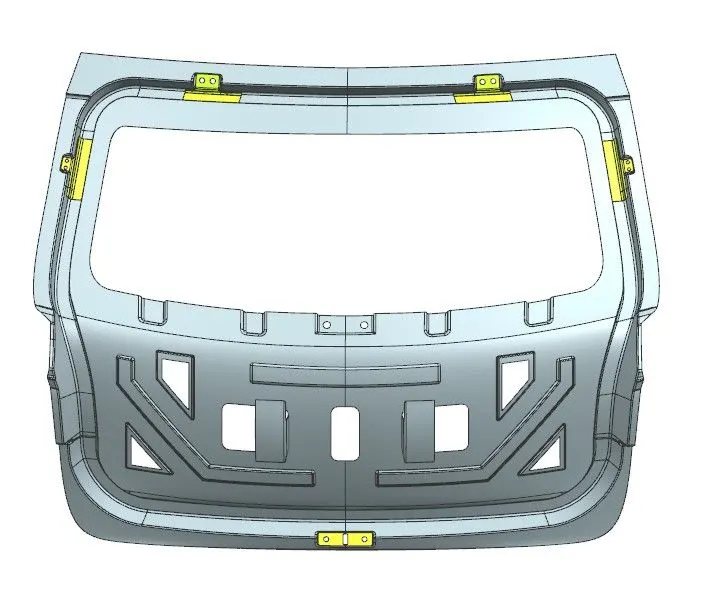
The above picture shows that the inner panel for Back door of a car.
Embossing:
Embossing refers to a technique used to create a raised or recessed design on a surface. In the context of the inner panel of a car's back door, embossing could refer to a raised design or logo that is pressed into the panel. The design could be in the form of a brand logo, a name or any other design element that the car manufacturer wants to incorporate.
Embossing can be done using various techniques like using a die and stamping press, using a mold or using a laser or CNC machine. The process of embossing can be done on various materials like plastic, metal and even on fabrics, depending on the design and the manufacturer's preference.
Embossing can also be combined with other techniques like painting, polishing or applying a coating to make the design more visible and enhance its appearance.
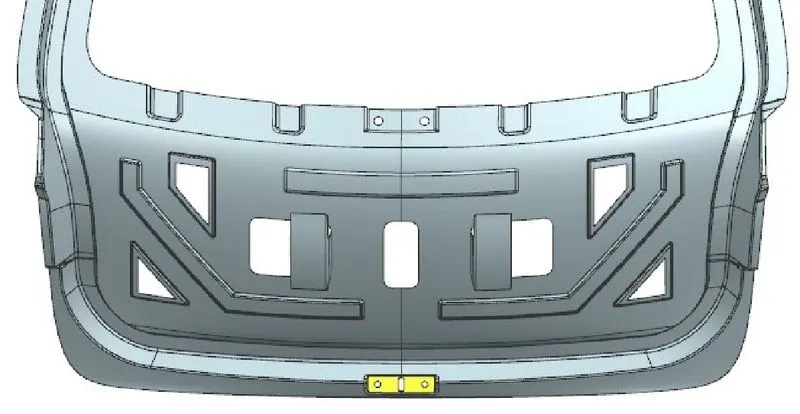
The characteristics of metal embossing process can vary depending on the specific method used, but in general, the following are common characteristics of metal embossing:
-
High precision: Metal embossing allows for precise control over the design and shape of the embossed pattern, resulting in a highly detailed and accurate final product.
-
Durability: Metal embossing is a strong and durable process that can withstand high levels of stress and pressure without deforming.
-
Variety of materials: Metal embossing can be used on a variety of metals such as steel, aluminum, brass and many more.
-
Repeatability: Metal embossing process can be repeated multiple times in the same location to achieve the desired depth and finish.
-
Finishing options: Metal embossing can be combined with other finishing techniques such as painting, polishing or applying a coating to enhance the appearance of the design.
-
Cost-effective: Metal embossing process is relatively cost-effective, especially when done in large quantities.
-
Versatility: Metal embossing can be used for various applications, such as decorating, branding, or providing additional functionality like providing grip, or providing a visually pleasing design.
-
Customizable: Metal embossing can be customized according to the client's need, by changing the design, size, and shape of the embossed pattern.
The materials commonly used in the metal embossing process include:
-
Steel: Steel is one of the most commonly used materials in metal embossing. It is strong, durable, and easy to work with, making it an ideal choice for many applications.
-
Aluminum: Aluminum is lightweight and corrosion-resistant, making it a popular choice for metal embossing in applications where weight and durability are a concern.
-
Brass: Brass is a yellowish alloy of copper and zinc. It is often used for decorative purposes in metal embossing, due to its attractive color and ability to be polished to a high shine.
-
Copper: Copper is a soft, malleable metal that is easy to work with. It can be used to create intricate designs in metal embossing, and is often used for decorative and architectural applications.
-
Stainless steel: Stainless steel is a type of steel that is resistant to corrosion and staining. It is often used in metal embossing for applications where a high level of durability and resistance to the elements is required.
-
Other metals like titanium, zinc, and nickel are also used in certain applications where specific properties like high strength, corrosion resistance, and heat resistance are required.
Cable Harness Gaps:
A cable harness, also known as a wire harness or wiring loom, is an organized assembly of cables or wires that transmit electrical power or signals within an electrical system. Gaps in a cable harness refer to spaces or voids between the wires or cables that make up the harness. These gaps can occur for a variety of reasons, including:
-
Incorrect routing: If the wires or cables are not properly routed, they can create gaps or empty spaces in the harness.
-
Improper installation: If the harness is not properly installed, it can create gaps or empty spaces between the wires or cables.
-
Incorrect wire or cable length: If the wires or cables are not cut to the correct length, they can create gaps or empty spaces in the harness.
-
Insufficient bundling: If the wires or cables are not properly bundled together, they can create gaps or empty spaces in the harness.
-
Overheating: If the harness is exposed to excessive heat, it can cause the wires or cables to expand, creating gaps or empty spaces in the harness.
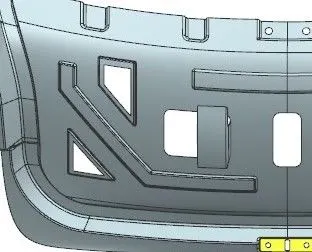
These gaps can cause several issues like -
- Interference with other equipment or systems
- Reduced durability of the harness
- Increased risk of damage to the wires or cables
- Increased risk of electrical failure
To prevent gaps in a cable harness, proper routing, installation, and bundling techniques should be used, and the harness should be regularly inspected for any signs of damage or wear.
WIPER MOTOR MOUNTING:
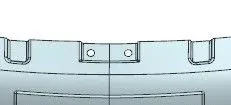
A wiper motor mounting is the mechanism that attaches the wiper motor to the vehicle body. The wiper motor is the device that powers the wipers that clear the windshield of the vehicle.
The wiper motor mounting is typically made of metal and is designed to securely hold the wiper motor in place while also allowing for the motor's movement during operation. The mounting typically includes a bracket that attaches to the motor, and a set of bolts or screws that secure the bracket to the vehicle body. The bracket and the bolts or screws are engineered to withstand the forces generated by the motor during operation and vibration of the vehicle while driving.
The wiper motor mounting is usually located in the engine compartment or behind the dashboard, and it is designed to be accessible for maintenance and repair. Proper installation of the wiper motor mounting is essential to ensure safe and effective operation of the wipers, and to prevent damage to the motor or other components.
The wiper motor mounting is a crucial part of the wiper system, it allows the wiper motor to move the wipers across the windshield, if this part is loose, damaged or missing it can cause the wipers not to work properly or not work at all.
Latch and Stiker Reinforcement:
Latch and striker reinforcement refers to the strengthening of the latch and striker components of a door, hatch or trunk, to improve their durability and resistance to wear and tear. The latch and striker are the mechanical parts of a door, hatch or trunk that hold the door closed and allow it to open when the handle or button is used.
The reinforcement can be done by adding additional metal components or by using stronger materials for the latch and striker. This reinforcement is done to improve the strength of the latch and striker, making them less prone to breakage or damage and more resistant to wear and tear.
The reinforcement can also include adding additional locking mechanisms to the door, such as a deadbolt, which can provide an extra layer of security and improve the overall strength of the door.
The reinforcement can also include adding additional brackets or plates that attach the latch and striker to the door frame, which can help to distribute the force of the latch and striker more evenly across the door and frame, reducing the likelihood of damage or wear.
The reinforcement can also include adding a reinforcement plate on the door frame where the striker meets the door frame. This plate can be made of metal or other strong materials and it is designed to distribute the force of the striker across a larger area, reducing the likelihood of damage to the door frame.
Overall, latch and striker reinforcement is an important aspect of door design and construction, as it helps to improve the durability and security of the door and can reduce the likelihood of damage or wear over time.
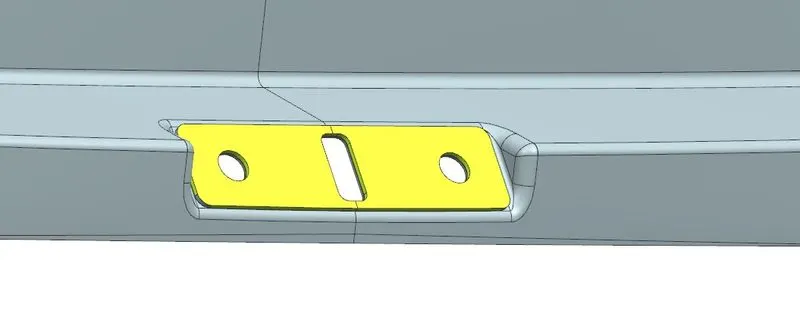
Hinge Reinforcement:
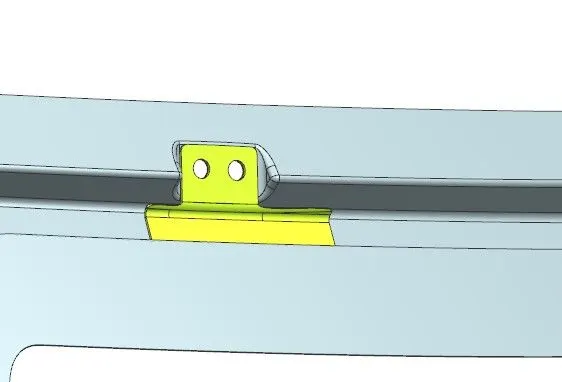
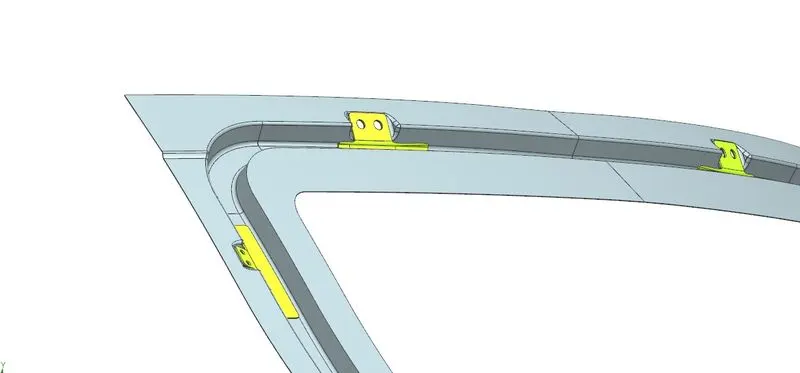
Hinge reinforcement refers to the strengthening of the hinge components of a door, hatch or trunk, to improve their durability and resistance to wear and tear. The hinge is the mechanical part of a door, hatch or trunk that connects the door to the vehicle body and allows it to open and close.
Hinge reinforcement can be achieved by using stronger materials for the hinge, such as thicker gauge steel or reinforced with additional metal components like gussets or brackets. This reinforcement is done to improve the strength of the hinge, making it less prone to breakage or damage and more resistant to wear and tear.
Another way to reinforce the hinges is by adding additional hinge points, this is done by adding additional hinge pins or mounting points for the hinge. This can help distribute the load of the door more evenly across the hinge, reducing the likelihood of damage or wear.
Additional reinforcement can also include the use of bushings or bearings in the hinge mechanism, these help to reduce friction and wear on the hinge, prolonging its life.
Hinge reinforcement is an important aspect of door design and construction, as it helps to improve the durability and security of the door and can reduce the likelihood of damage or wear over time. It also helps to keep the door aligned and prevent it from sagging or binding.
Hinge Reinforcement thickness be 1.2mm to 1.5mm.
Gas Stay Reinforcement:
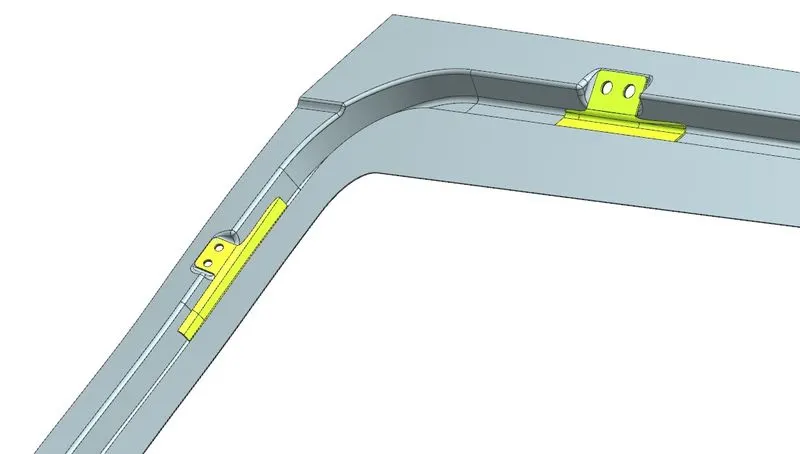
Gas stay Reinforcement thickness be 1.2mm to 1.5mm.
POSITION OF LATCH :
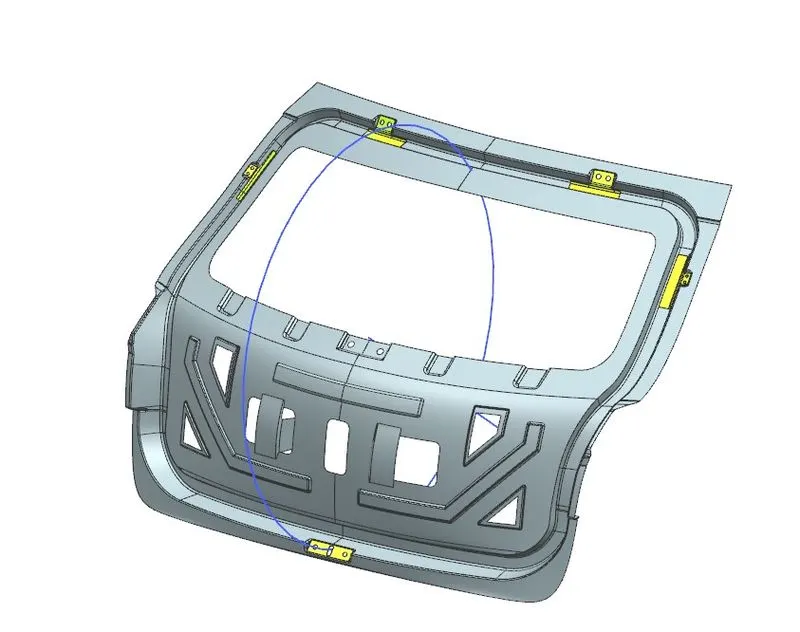
The position of the latch refers to where the latch is located on a door, hatch or trunk in relation to the door frame, strike plate or locking mechanism.
The position of the latch is an important aspect of door design, as it affects the functionality and security of the door. In general, the latch should be positioned in a way that makes it easy to operate and provides a secure fit when the door is closed.
- The latch is usually located on the door edge that faces the door frame.
- The latch is typically positioned near the top of the door, so it's easy for the user to reach and operate.
- The latch is also positioned in a way that allows it to engage with the strike plate or locking mechanism when the door is closed.
- Some door designs may have multiple latches, which can be positioned at different heights and locations on the door, to provide additional security or to meet specific design requirements.
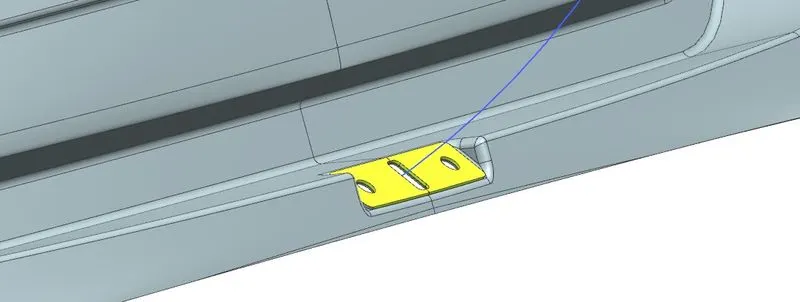
The position of the latch is also affected by the design of the vehicle, for example, on a hatchback or a trunk, the latch might be located at the bottom or at the top of the door.
Outer Panel:
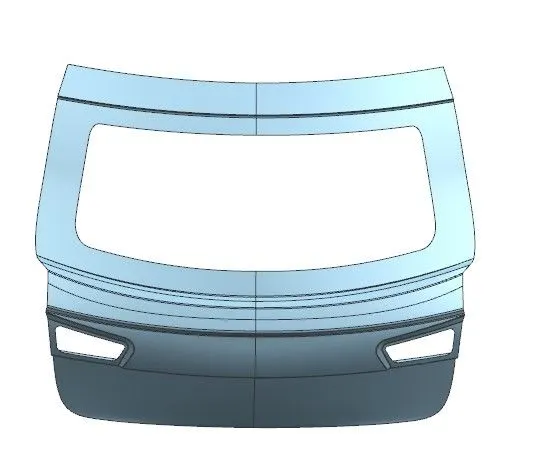
Inner panel:
Draft Analysis: