Design of backdoor
AIM:
To design the back door using the provided styling surface and by using appropriate design methodologies and by providing the necessary reinforcements and embosses.
Introduction:
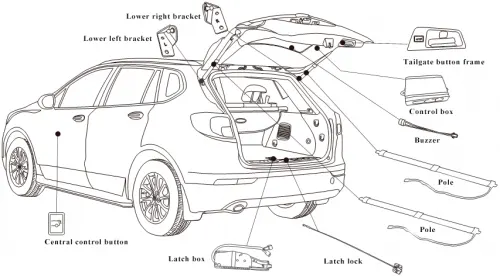
In this project i have designed a back door for a hatch back where it is hinged at roof level as opposed to the boot trunk lid of a sedan which is hinged below the winbow silmilar to the hood and side doors back door is a swingind closure commodity in a car .It consists of outer and inner panel .it is a very critical component because of the passenger safety requirements.Backdoor has to be designed by keeping in mind the space required for the luggage compartment as well as to accommodate the latch and striker motor and wiper motor without compromising the strength of the component.Usually aluminium or steel is used to manufacture the backdoor .while aluminim backdoor is lighter in weight and has lesser number of components since the part is cast it has varying thickness and therefore doesn't require reinforcements steel backdoor is deep drawn with uniform thickess added reiforcement and therefore is heavier but the production cost of the latter and therefore a steel backdoor is priced lower.
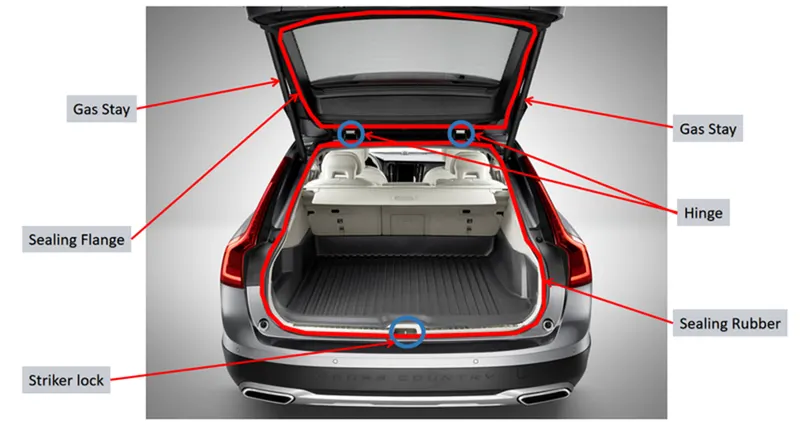
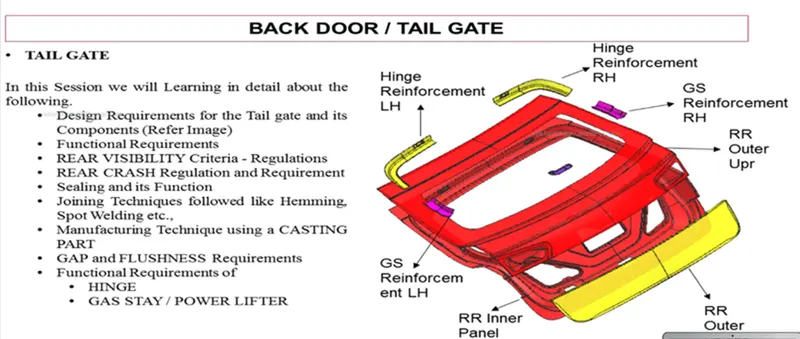
Major Parts and Design Methodologies:
Outer Panel :
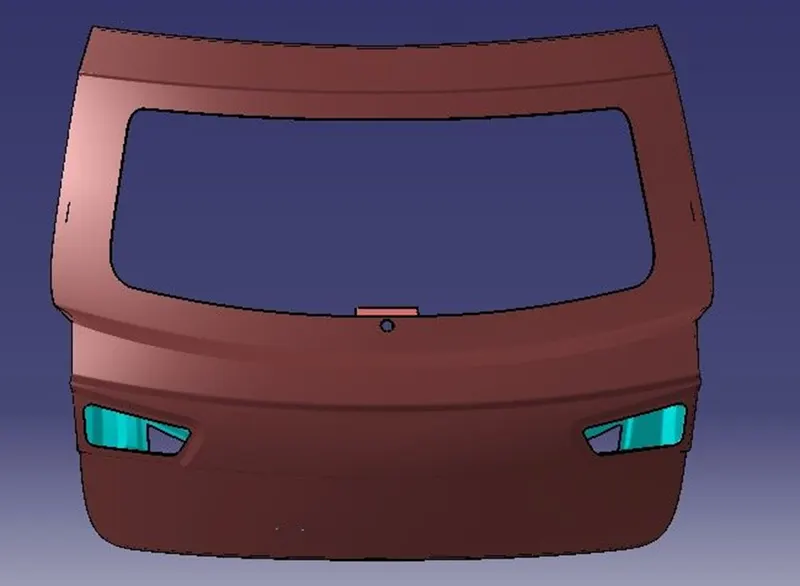
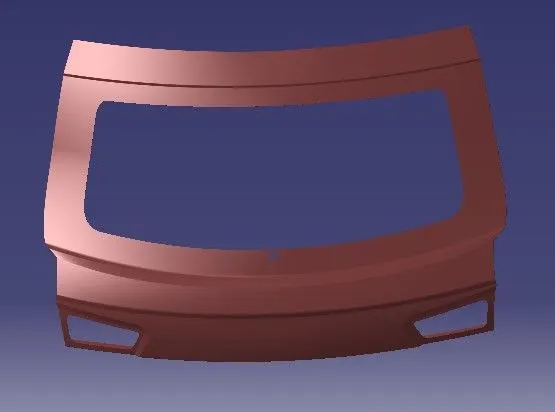
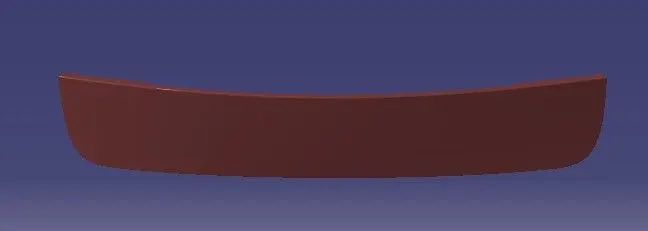
The Outer Panel is the styling surface of the back door .it is the source of design of other parts door primarily the inner panel it acts as the outer cover and deals with the aesthetics of the car .it thickness is in the range of 0.75mm
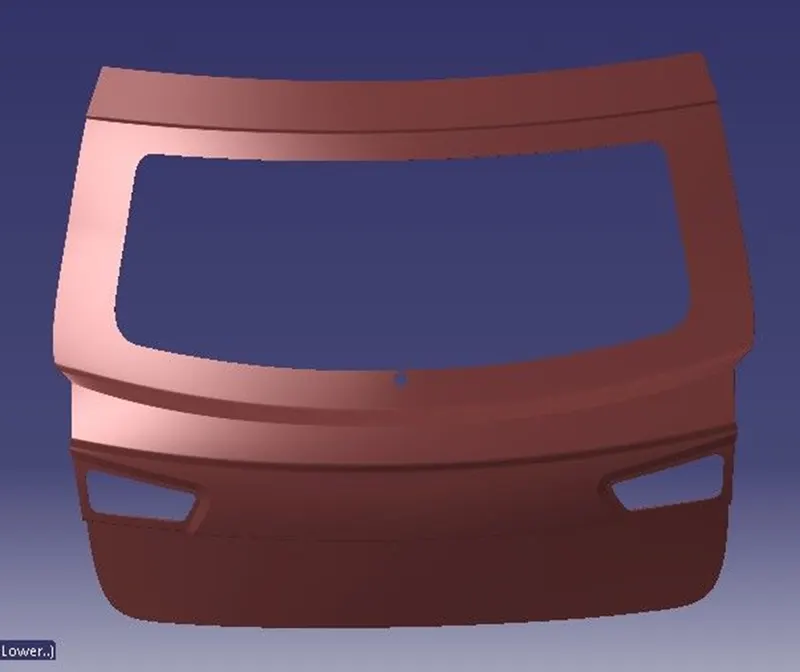
Inner Panel:
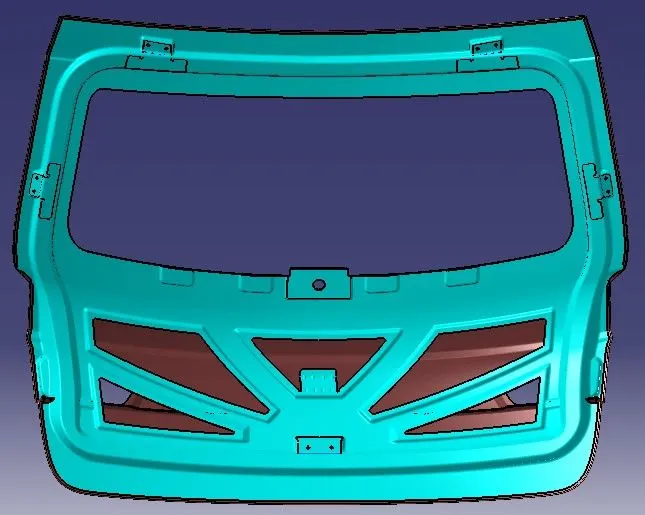
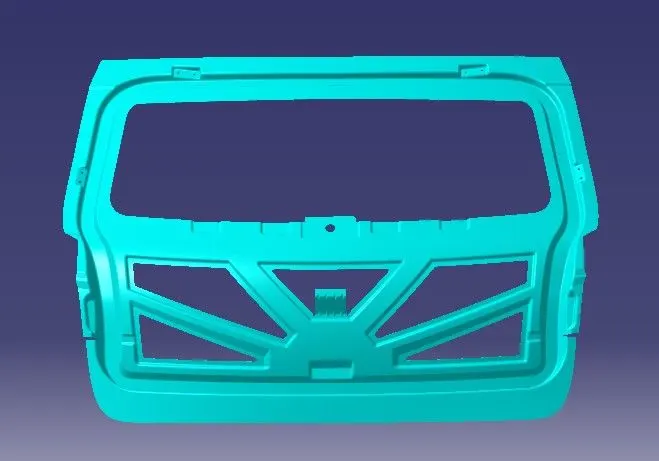
The inner panel provides strength to the back door .they are of 0.75mm thick .it is the inner panel where reinforcements and embosses are provided to justify its function.ther are many cases where the inner panel is subjected to stress due to frequent opening and slamming. These stress and depression factors are compensated by features like embossess and reinforcements.
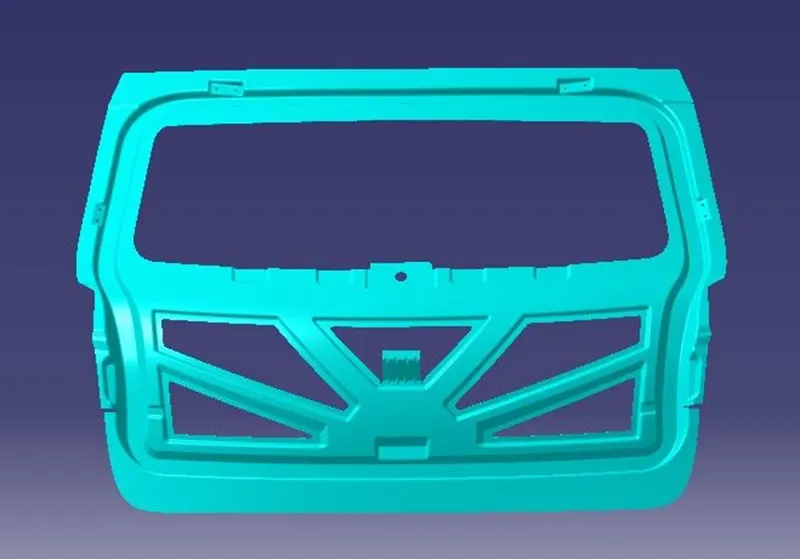
Embossing:
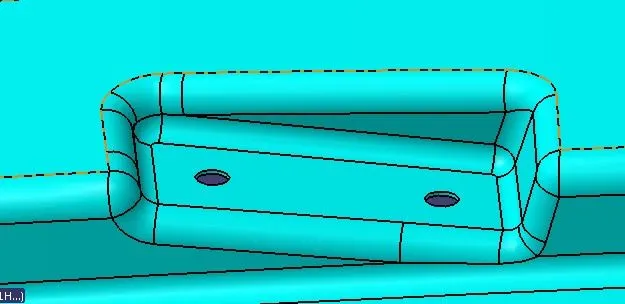
Embossing is a metal forming process for producing raised designs relief in sheet material by means of matched male and female roller dies, theoretically with no change in metal thickness .embosses are created to provided addition strength and direct the forces towards the hindge and body of the car for inner panel to act as a good reinforcement it needs to disperse the stress outwards hence the emboss was designed in such a way that the forces are directed outwards or away from the center.
Hinge Emboss:
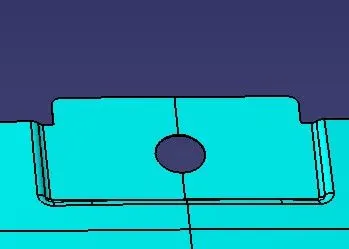
Wiper Motor Emboss:
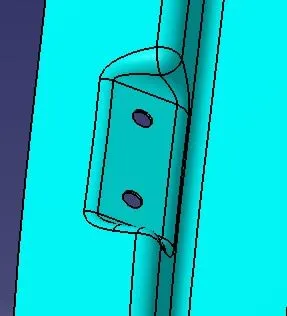
Gas stay Emboss :
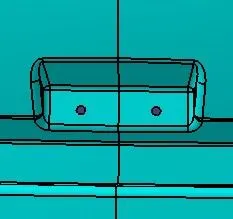
Latch and striker Emboss :
Hemming:
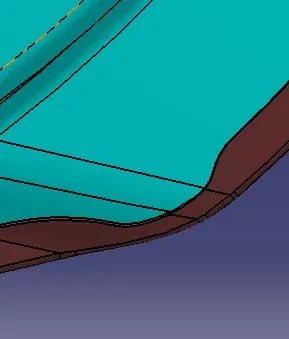
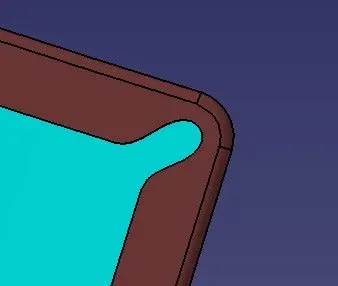
Hemming is the procress in which the edge is rolled flush to itself, while a seam joins the edges of two materials normally hemming operations are used to connect parts together to improve the appearance of a part and to reinforce part edges.Relief is provided onto the part or commponent in order to remove any stresses developed in a particular area i.e sharp corners that takes place during the hemming process is carried out .thus corners are rounded or chamfered.
Relief:
Relief helps to control sheet metal material behaviar and to prevent unwanted deformation during unbend operations.So here i gave two carnor relief for Back door.
Reinforcements and Embosses:
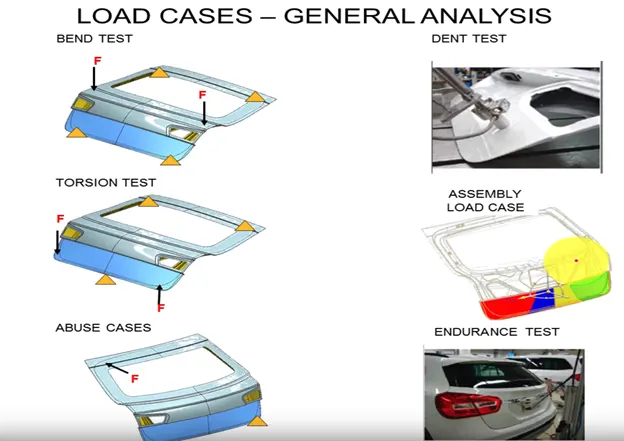
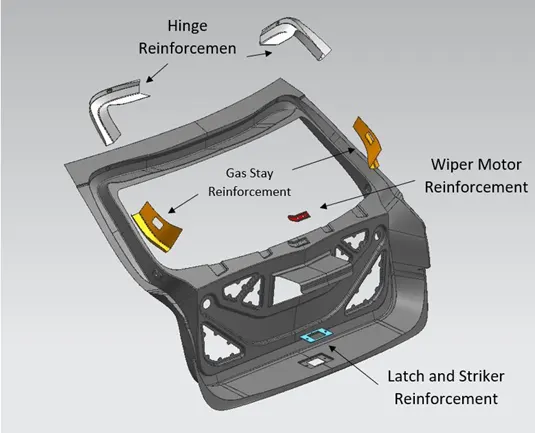
Reinforcements and embosses are added or designed to compensate for loss of strength in aregion or area due to the load acting there. In back door's case load acts in the form of Hinge, Gas Stay and latch & striker. These load cases are determined with the help of various tests and simulations.
Gas stay Reinforcement:
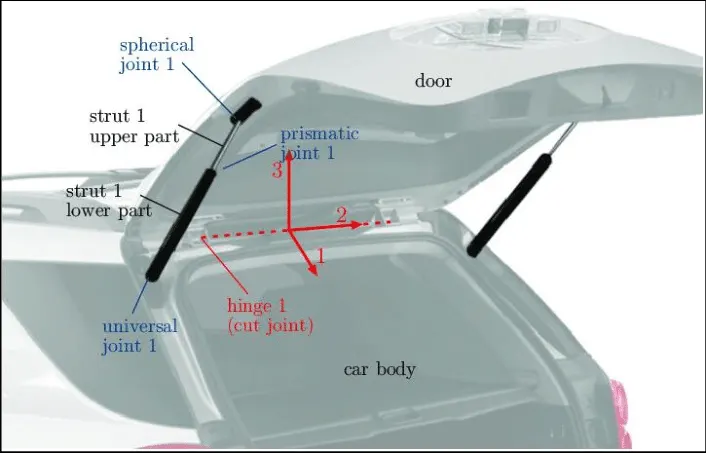
Gas stay is a device used for supporting the back door in its open position. Gas stay requires no man power and is engaged into support position automatically as the back door opens. One end of the Gas stay is fixed on the backdoor and the other end on the Body side or on the Back door stationary area. Embossing is provided at the Gas stay mounting area to compensate for the functional holes punched.
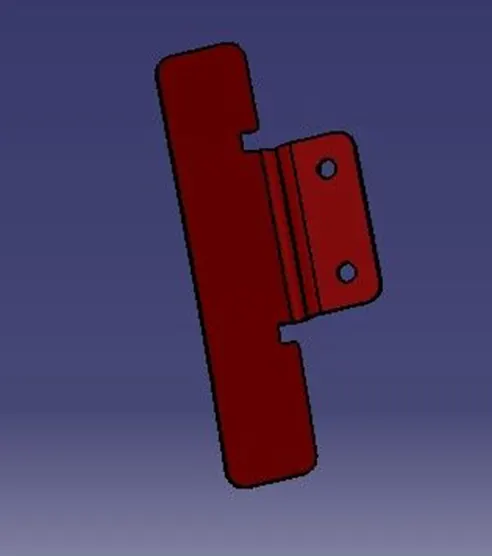
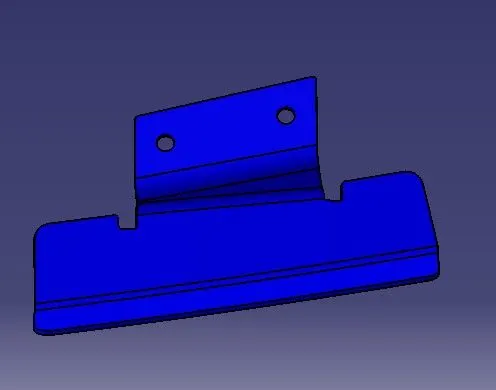
Hinge Reinforcement:
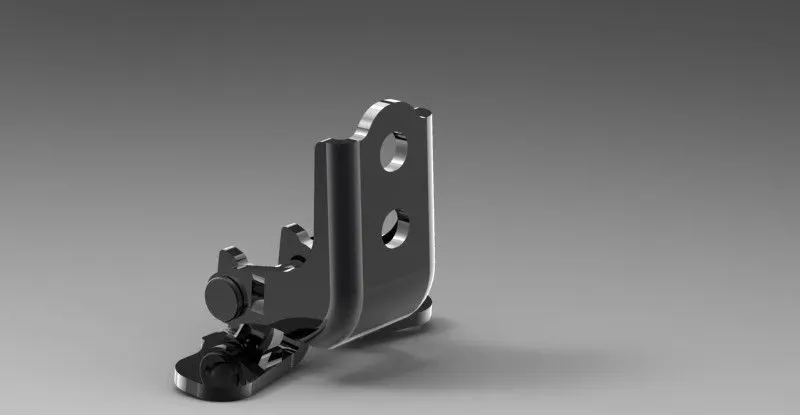
Hinges enable the opening and closing of the back door. One end of hinge is fixed on the backdoor and the other end on the Roof on both sides. Hinges can be placed outside or inside the backdoor. Similar to the Gas stay, Hinge reinforcements are added in this region to compensate for the week zone developed due to the load acting while opening and closing the backdoor.
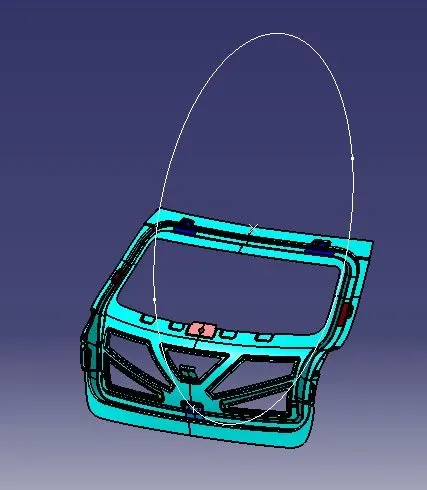
The position of the hinges are determined by the modpoint of the axis of the Hinger called the Hinge Axis point which should be aligned with the latch and striker throuth the trajectory of the back door opening and closing. If the striker is exactly perpendicular to the trajectory then the hinges can be fixed accordingly on the inner panel. Embossing is done at the Hinge placements to compensate for the functional holes punched.
Wiper Mount Reinforcement:
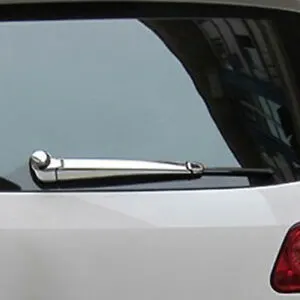
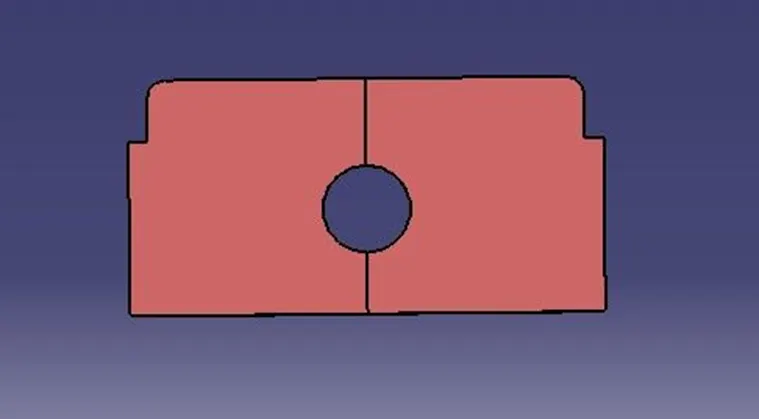
Wiper motor reinforcement is created to mount the wiper motor assembly.
Latch and striker Reinforcement:
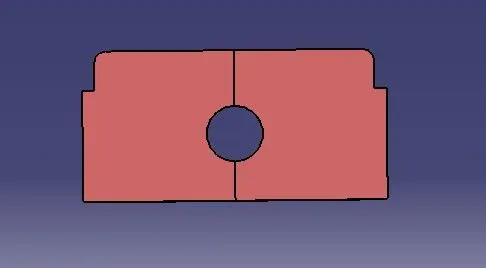
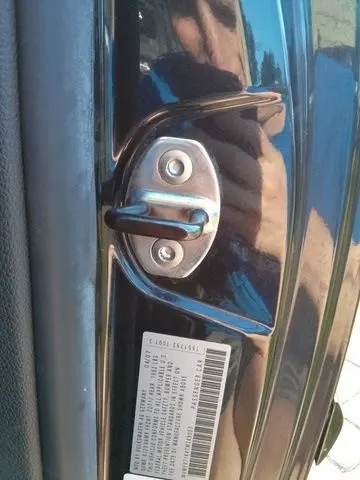
The latch & striker forms the locking mechanism of the backdoor with the car. Due to regular opening, closing and over slamming of the backdoor, there is stress developed in the Latch and Striker area . Further , during a rear collision this area will be the first point of contact. To compensate for the same, reinforcements are added in this area.
Reinforcement:
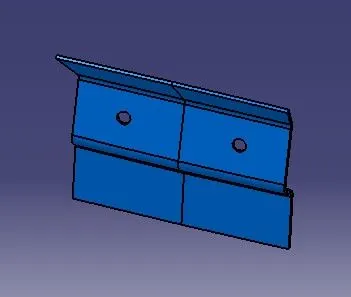
Instead of making the whole inner panel of a thicker sheet. A sheet with less thickness in addition to local reinforcement is provided to increase the streangth of the component and reduce the weight.
Mastic Sealants :
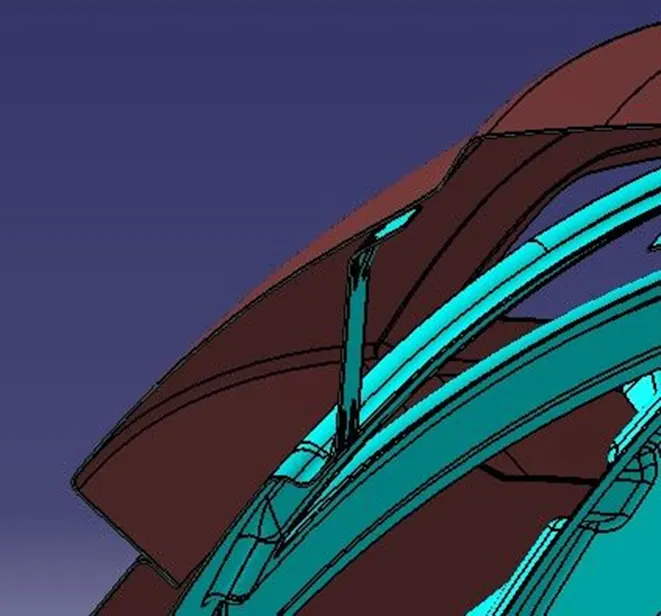
To improve NVH (noise, Vibration and Harshness) i.e to reduce these levels, Mastic Sealants are used. They also improves the strength. They are made of hard Rubber and are introduced as a paste thereby joining the inner and outer panel with a thickness of 5mm. Mastic Sealants are preferred over spot welding to join the inner and outer panel due to the fact that the latter reduces the aesthics of the car especially on the outer panel which is the styling surface.
ASSEMBLY IMAGE'S :
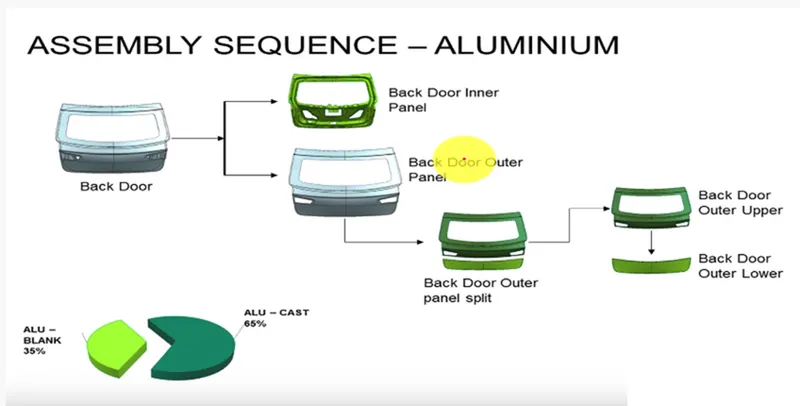
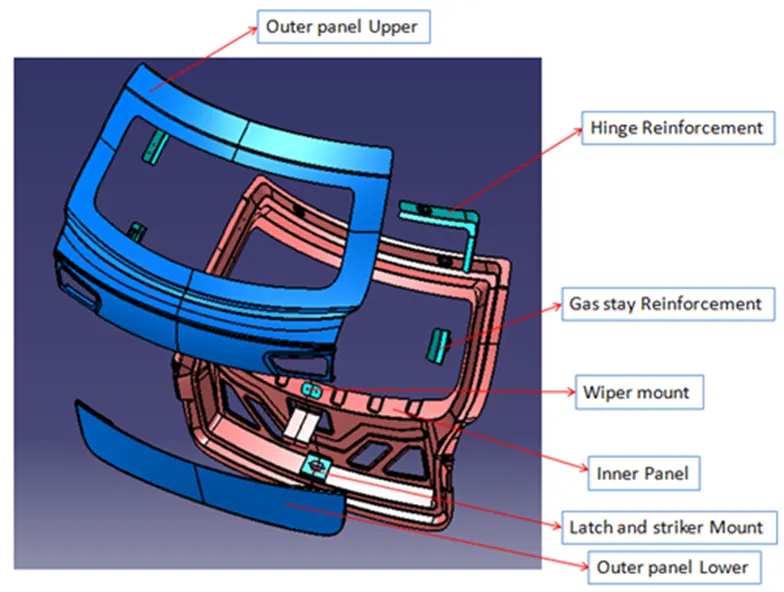
Outer Panel
Outer Panel Upper
Outer Panel Lower
Inner Panel
Wiper Mount:
Gas stay Reinforcement:
Hinge Reinforcement:
Latch and striker Mount:
Force Distribustion:
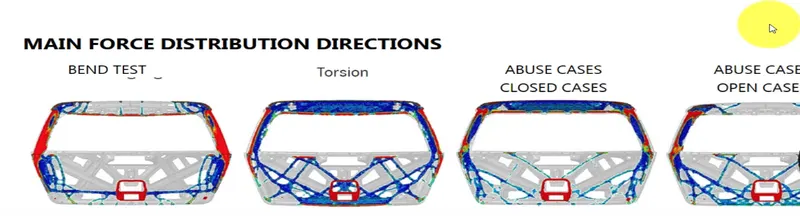
When the car hited at rear end the force which acted should be react outside. the emboss which is helps to move the force to the outer end.
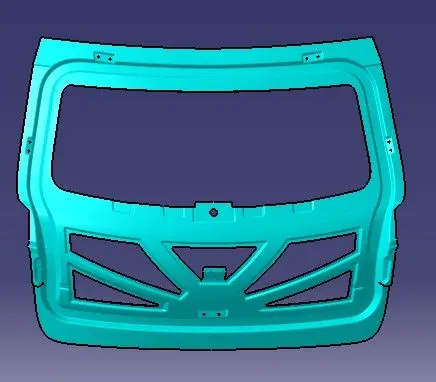
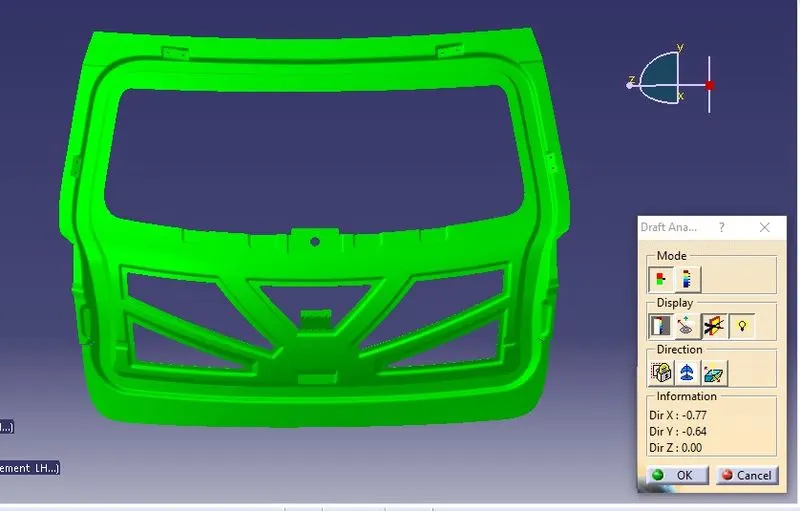
Draft Analysis:
Draft Analysis is done to analyze the draft angle .this allows us to verify whether the product will be easily removed from the tool .when designing a product they need to be angled slightiy so that the tool can be pulled away from the object easily without deformation or damage .This slight angle is called draft I have given the condition for draft angle with a maximum deviation of 7 degrees, anything within that limit is shown in green, whicn means that the part is producible.
Conclusion :
Thus the back door was designed and developed from the given styling surface with essential reinforcements and emboss definitions .Drafy analysis was also done on the inner panel.