Design of backdoor
DESIGN OF BACKDOOR
Objective: To design Backdoor of a car using given Class A Surface
INTRODUCTION
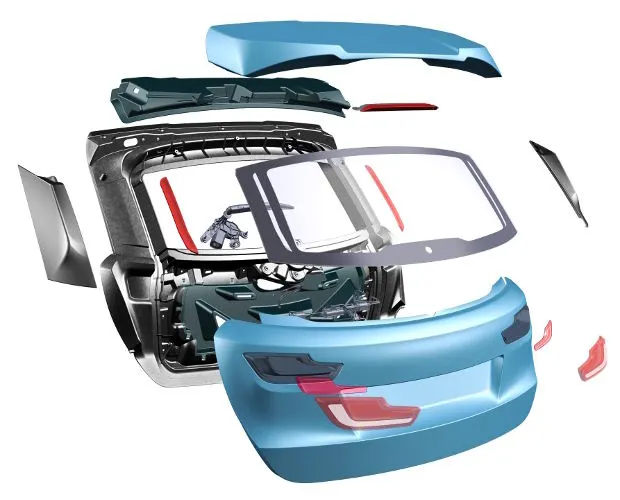
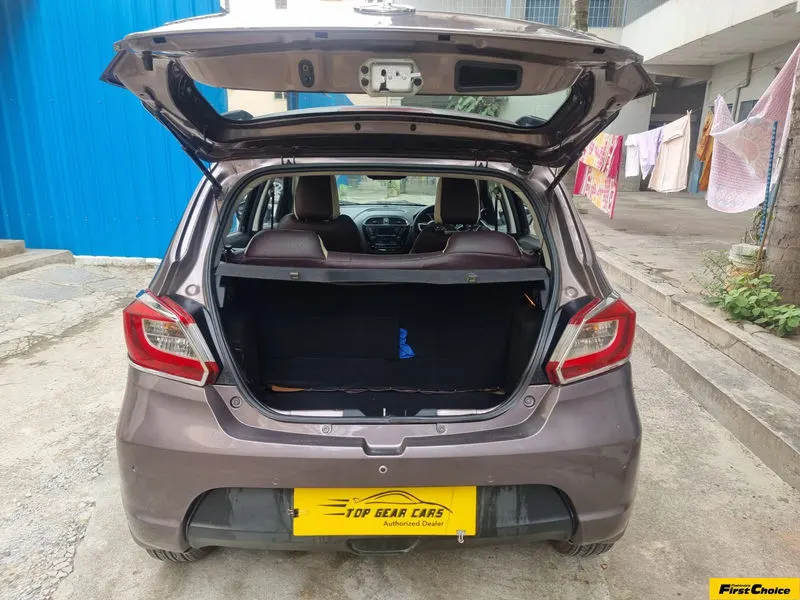
The back door is a hinged door/tailgate at the rear of the vehicle. It may be used for loading and unloading cargo, or to get passengers in and out, in case there are seats present at the rear.
Back Door is also referred as 'Hatch' or 'Tailgate' or 'Trunk-lid' or 'Boot-door'. Its the rearmost part of the vehicle which gives access to the trunk and has mounts for tail lamps, hinges, wiper motor, gas stayetc.
Types Of BACKDOOR
- Top mounted
- Side mounted
- Botom mounted
Top Mounted
This style of back door is used on station waggons, truck trunks, and some utility vehicles. Modern automobiles have top-mounted tailgating systems that are both motorised and gas-stay supported.
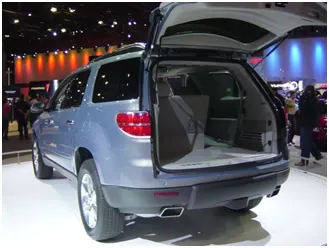
Side Mounted
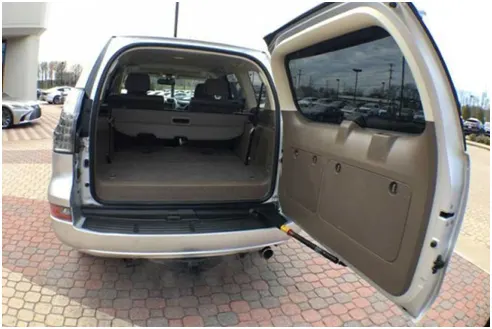
It is commonly seen in vans, MPVs, SUVs, and pickup trucks. These side mounted barn doors are much easier to instal than top mounted ones. These doors are often tiny and easily accessible. These doors are more handy for goods handlers hauling long things, such as pipes, because just one door is maintained open. It also prevents unintentional head strikes. Loading and unloading items is much easier in cars with side-mounted doors.
Bottom Mounted
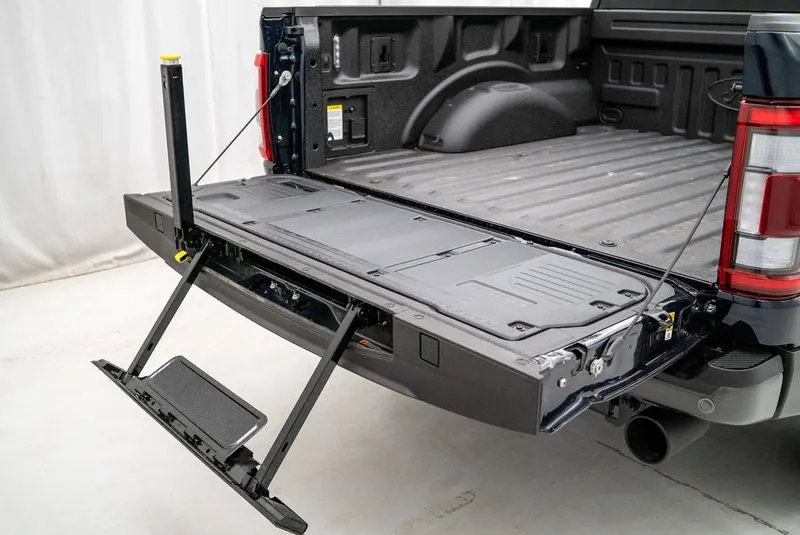
Estate cars, pickup trucks, and certain premium SUVs use bottom type or split type backdoor systems. These are the most handy kind of backdoors, with the bottom split serving as a support or perhaps a table for visitors.
Component to be Designed
1) Outter Panel :
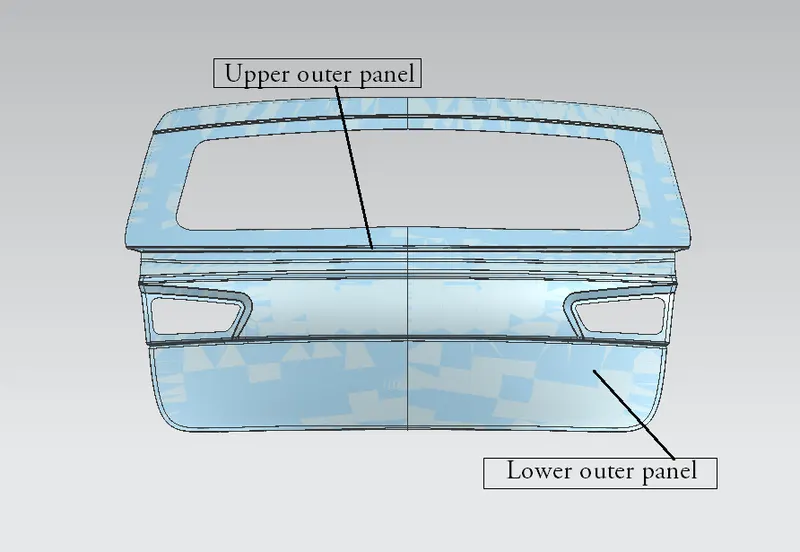
It is the back door's outside styling skin surface. It contains multistage coatings that provide scratch resistance, corrosion avoidance, and other benefits. Hemming is used to wrap it around the inside panel.
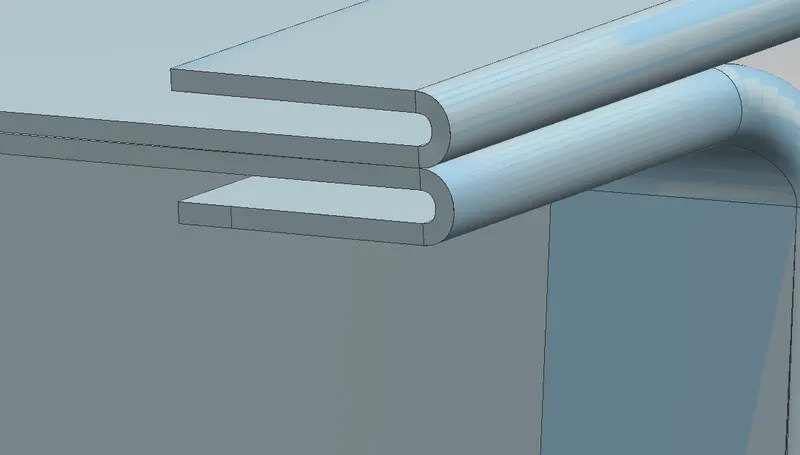
Hemming:Hemming is a shaping technique that involves folding the edges of a sheet over another portion to obtain a snug fit. Hemming procedures are typically used to join components, improve the look of a part, and strengthen part edges. Hemming is used in automotive component assembly as a supplementary procedure following deep drawing, trimming, and flanging to unite two sheet metal sections (outer and inner). Hoods, doors, trunk lids, and fenders are common pieces for this sort of construction.
2) Inner pannel :
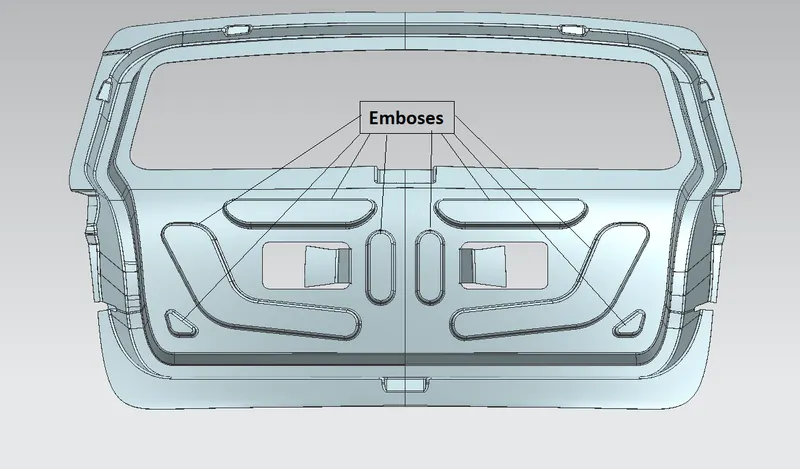
The inner panel is a critical component in backdoor construction. It offers strength and aids in the absorption of stresses outside the part by the use of embosses. It aids with the installation of accessories such as hinges, wiper motors, gas stays, latches and strikers, and so on.
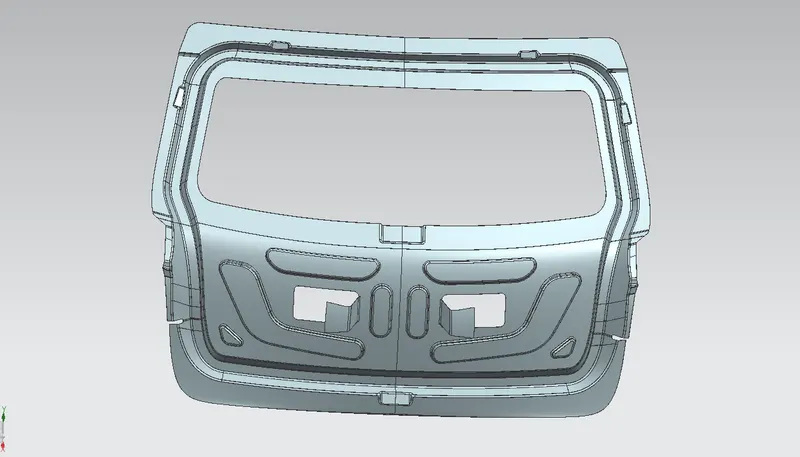
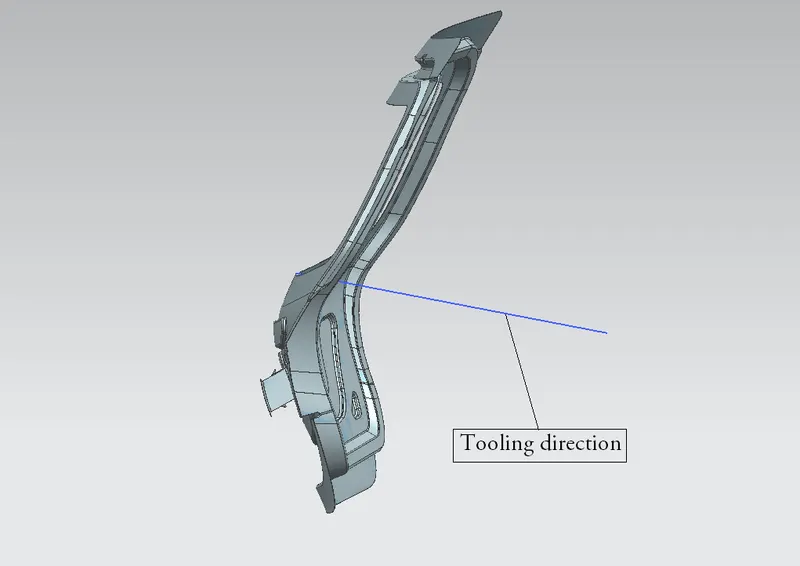
The majority of the aluminium parts are casted, while the steel interior panels are produced by a deep drawing technique. If a panel is to be deep drawn, there must be a tooling direction through which it must be deep drawn.
Embosses: They are used to add strength to sheet metal panels and to assist distribute forces/energy in a certain direction. Here, the embosses (Y/V emboss) are meant to lead them to the outside end of the backdoor, as illustrated in the figure.
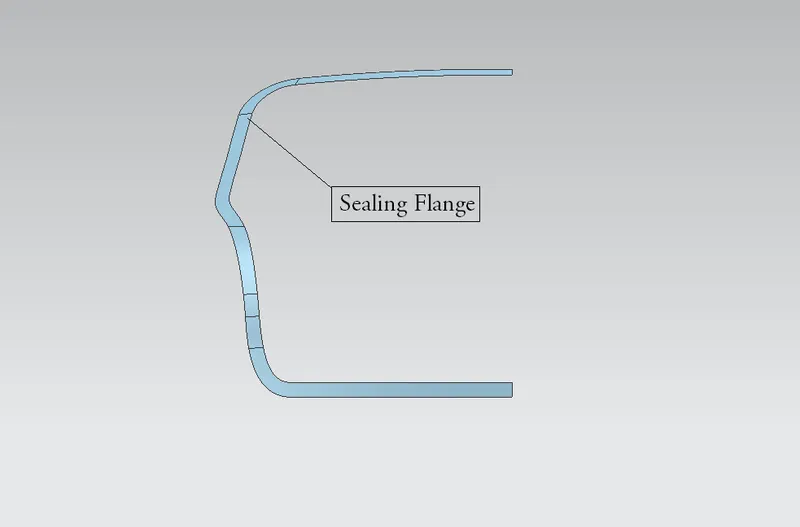
Sealing Flange: This is the piece of the inner panel that allows the backdoor to sit over the car's rear body side. Its design is significant because it determines how a backdoor is installed on the car's rear body side and also prohibits any external materials from entering the vehicle.
Mastic Sealants: Since the outer panel contributes to the vehicle's aesthetic appearance, we cannot attach parts using bolts, spot welding, or any other method that detracts from the panel's aesthetic appearance. Mastic sealants are therefore employed to bond the inner and outer panel parts. The distance between places where mastics are to be applied must not be less than 5 mm.
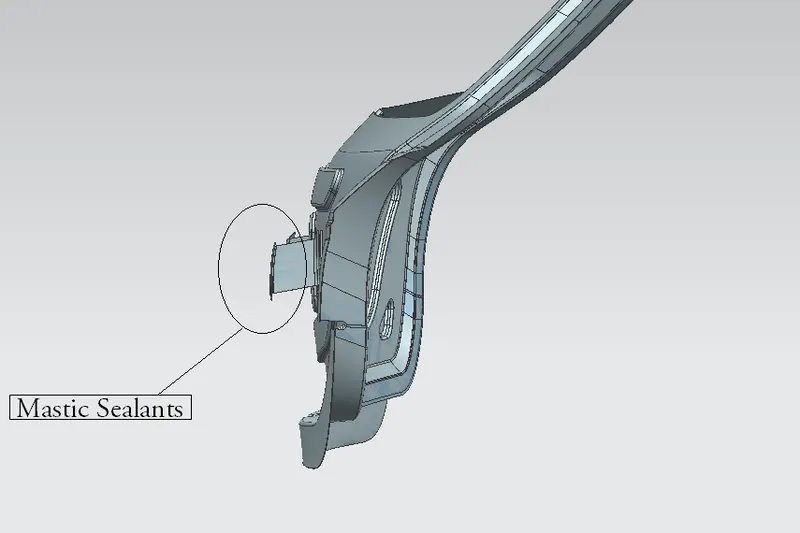
3) Reinforcements :
Reinforcements are often installed to boost the strength of the panel in localised locations that are relatively tiny compared to sheet metal sections for absorbing and dispersing such stresses throughout the panel assembly to assist preserve panel rigidity. In most cases, the reinforcements are 1-1.5mm thick, as opposed to the 0.75mm thick panel employed in this portion.
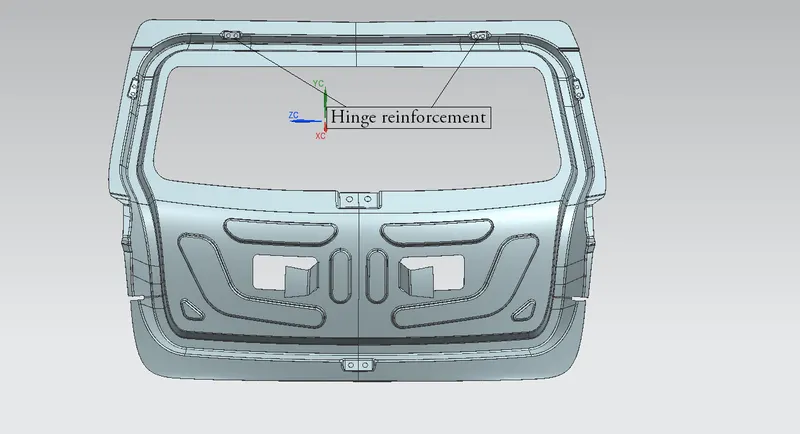
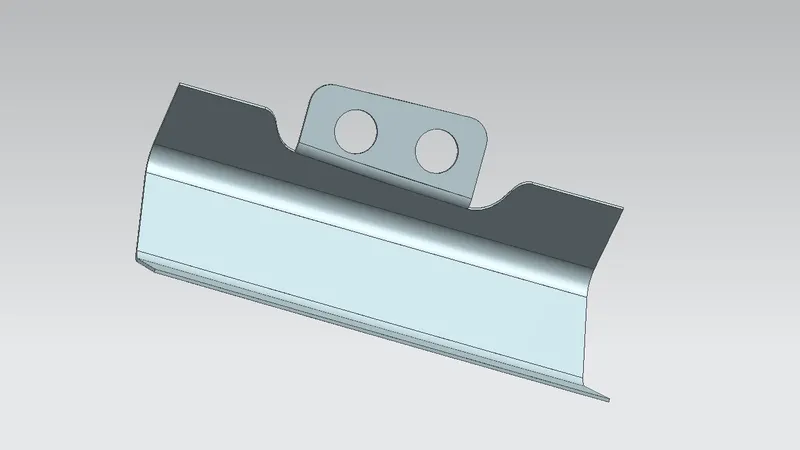
- Hinge Reinforcement :
Hinge is a pivot mechanism which supports the total weight of the backdoor. So reinforcements are added for strength and rigidity.
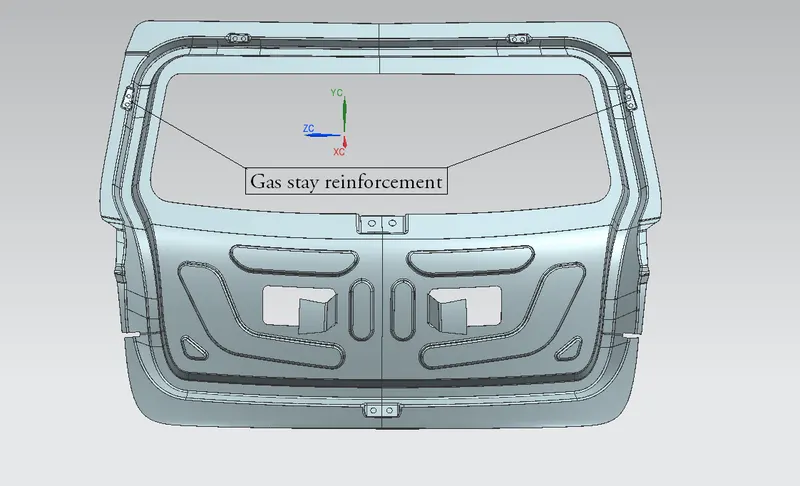
- Gas stay reinforcement :
The gas stay is used to automatically elevate the backdoor and to support the backdoor in its open position. It can be of two kinds. Semi-automated and fully-automated systems are available.
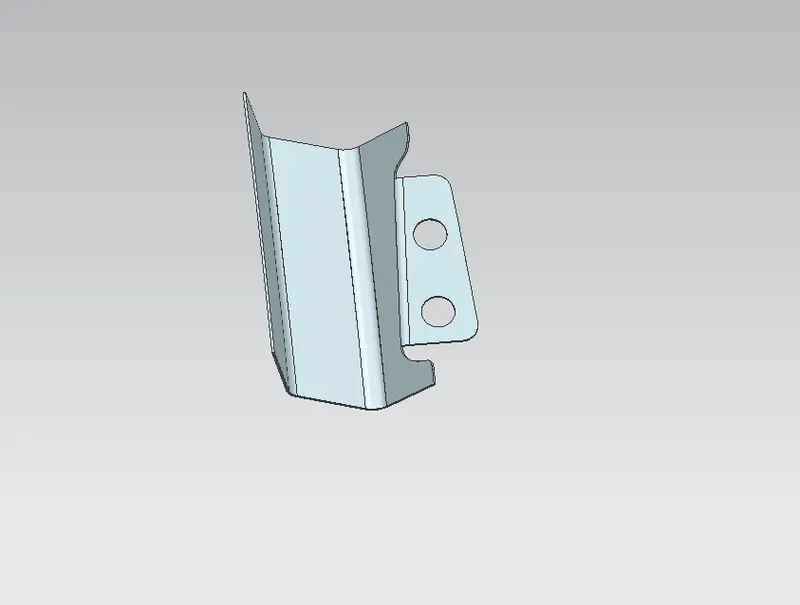
- Wiper Mount reinforcement:
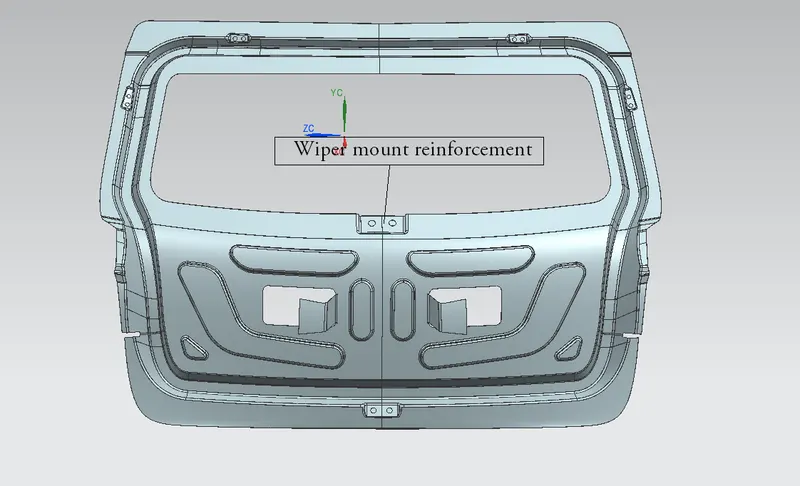
Wipers are used to remove dust and water from the windscreen glass, which reduces rear view. It is powered by a motor located on the inside panel. The inner panel deforms as a result of the motor's vibration and heat, resulting in a loss of strength and stiffness, resulting in poor NVH. As a result, reinforcement is supplied in order to avoid these circumstances.
- Latch and Striker reinforcement
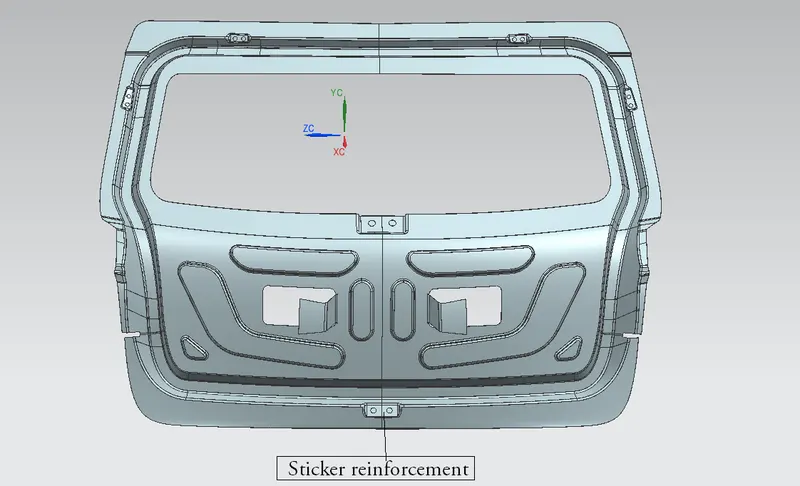
An emboss is made at the bottom of the panel for the placement of the latch and striker assembly. There is excessive banging and abuse while opening and shutting the door, necessitating the installation of reinforcing.
Assembly
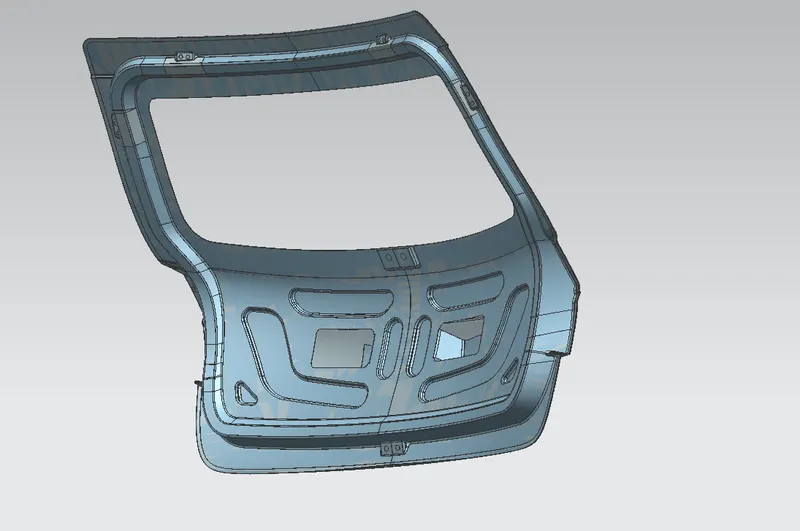
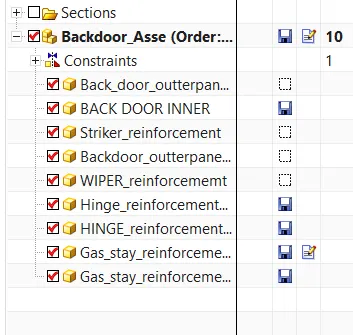
The top down technique was used in this assembly, where the inner panel was constructed utilising different tools/commands in NX from a provided style surface. Following that, each component was simulated in accordance with the specifications.
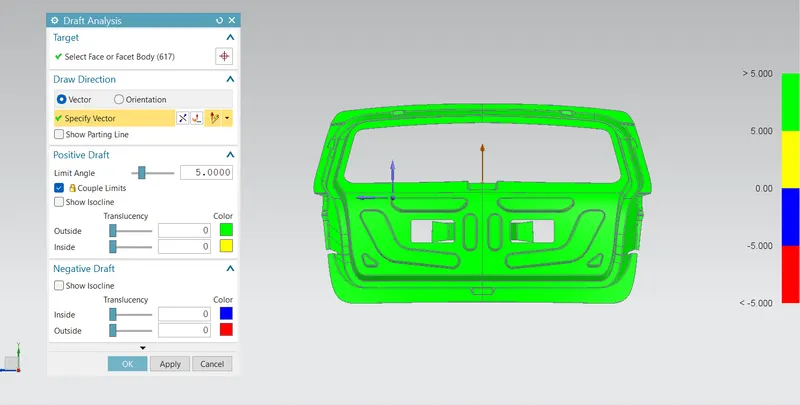
Draft Analysis
Every object made with a press tool or other forming tool requires some positive draught on the faces parallel to the tooling direction. If we do not offer draught (Zero Draft) or negative draughts on certain sides, it will adhere to the mould surface and ruin the surface when the mould is in motion, lowering the surface finish. Thus, the Draft Analysis command tells us if the component we've drafted may be readily discarded or not. It also provides information on the crucial zones, allowing suitable adjustments to the design to be made if necessary.