Design of backdoor
Objective:
- To design the Back door of a car from the provided Styling surface by implementing appropriate design methodologies.
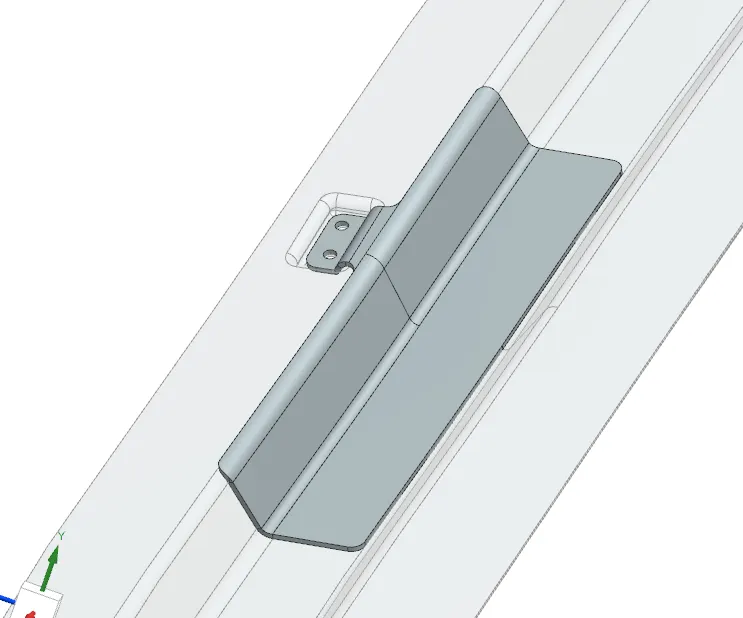
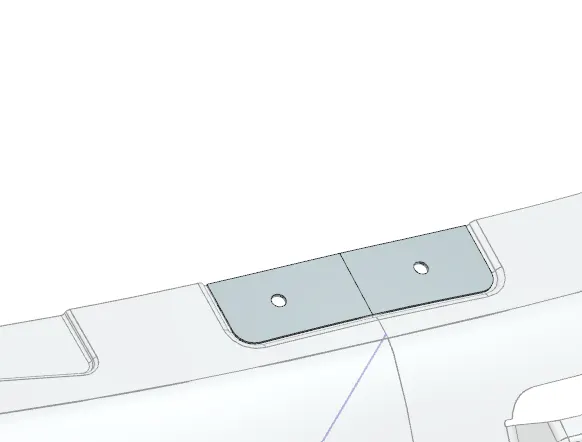
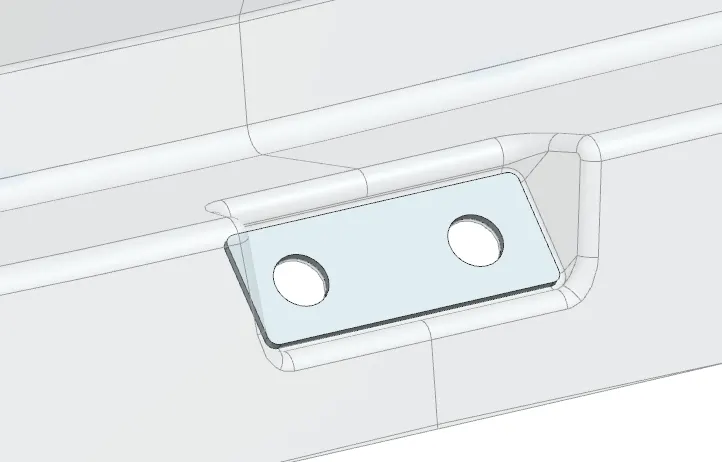
- To design the inner panel reinforcements and creating embosses on the inner panel.
- To find out the hinge axis and Latch and striker trajectory.
Back Door of a Car:
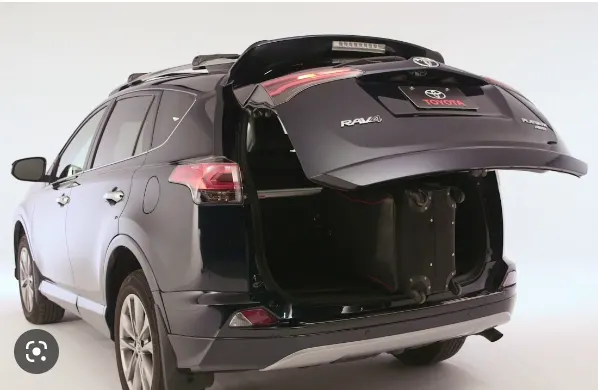
A car door is a type of door opening, typically hinged on its front edge, but sometimes attached by other mechanisms such as tracks, for entering and exiting a vehicle. Doors most often integrate side windows for visibility from inside the car and can be locked to secure the vehicle.
Car doors may be manually operated or with power assist supplied by the vehicle. Powered doors or power doors may be found on minivans, luxury vehicles, or modified cars.
Design Methodology:
Car doors are designed to facilitate ingress and egress by car passengers. Unlike other types of doors, the exterior side of the vehicle door contrasts in its design and finish from its interior side (the interior part is typically equipped with a door panel that has decorative and functional features.
The exterior side of the door is designed of steel or other material like the rest of the vehicle's exterior. In addition, its decorative appearance, typically coloured with a design, is intended to match with the rest of the vehicle's exterior, the central purpose being to add to the overall aesthetic appeal of the vehicle exterior.
A vehicle typically has two types of doors: front doors and rear doors. Loosely related are: vehicle hoods and vehicle trunk lids. There are also doors known as a "hatch".
Class A surface Patches:
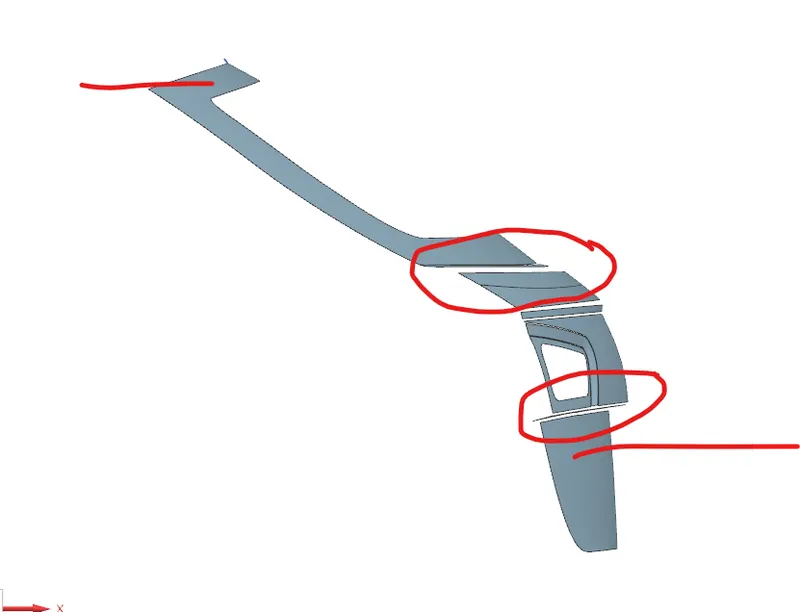
The given Class A surface had Patching errors. The errors are rectified by creating a new surface blend and sewing it to make a new surface.
Design of sealing flange:
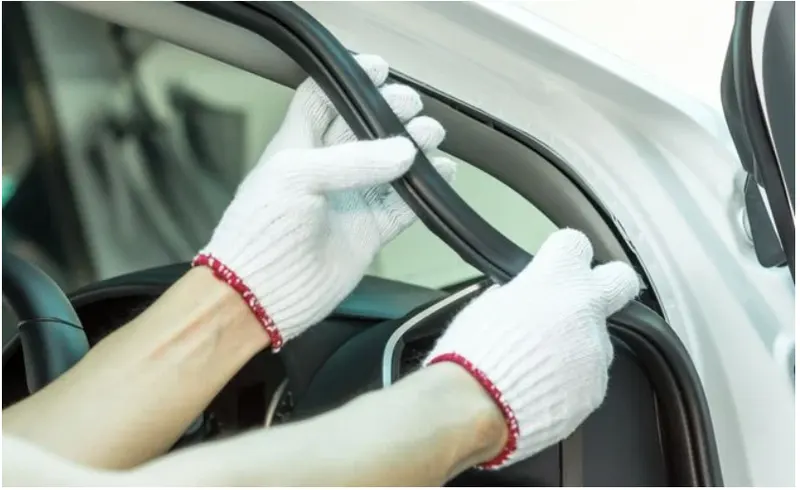
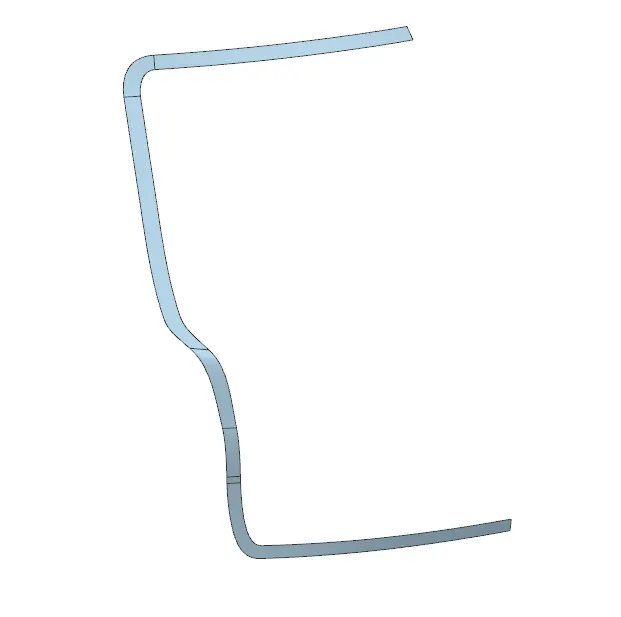
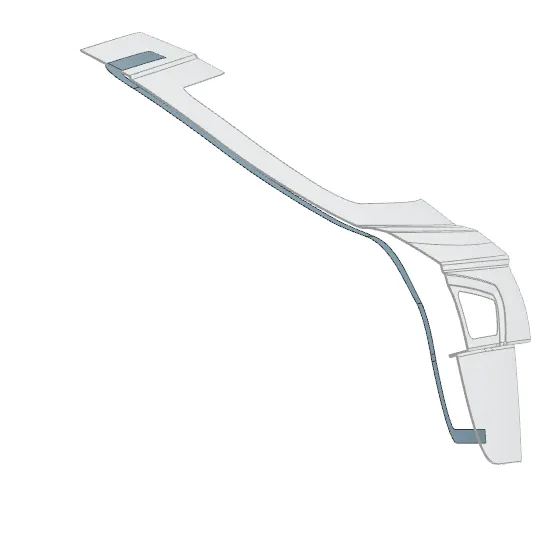
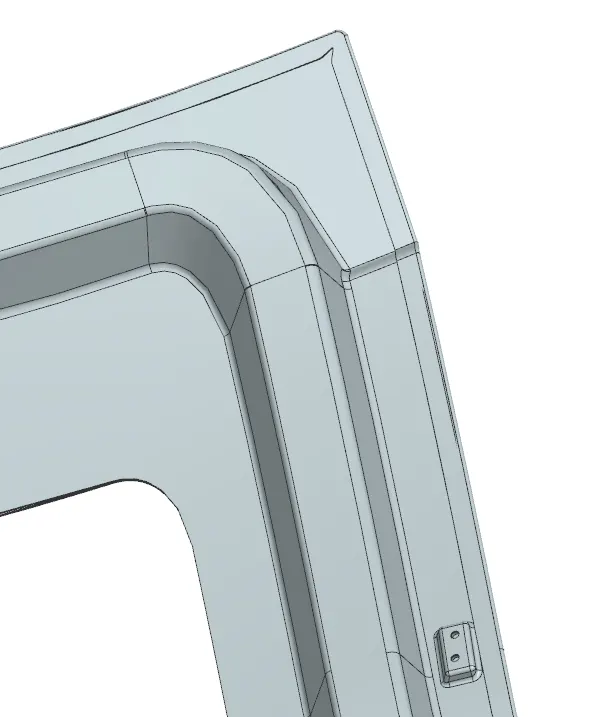
In our design, the main purpose of the door is to provide ingress protection to the passengers sitting inside the car. And also it should facilitate the visibility of the environment outside the car. So taking these into considerations we first design the sealing flange from the given Class A surface. Sealing flange is created by offsetting the Class a surface and then trimmed off to create a flange .
Tooling Direction:
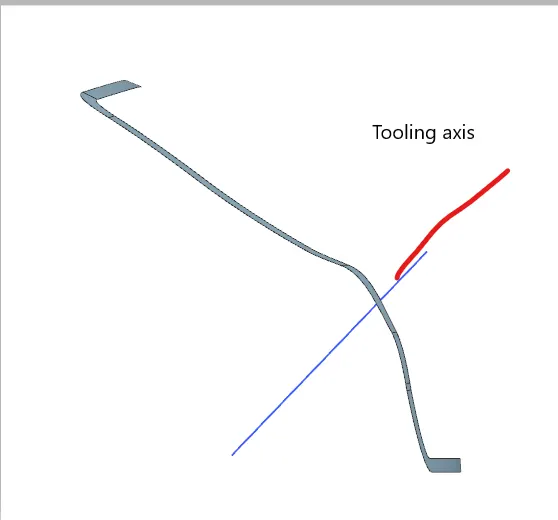
Since the Inner panel is made out of a stamping process, it is necessary to find out the Tooling direction of the part and the flanges are created on the Tooling direction.
Creation of Windshield Panel:
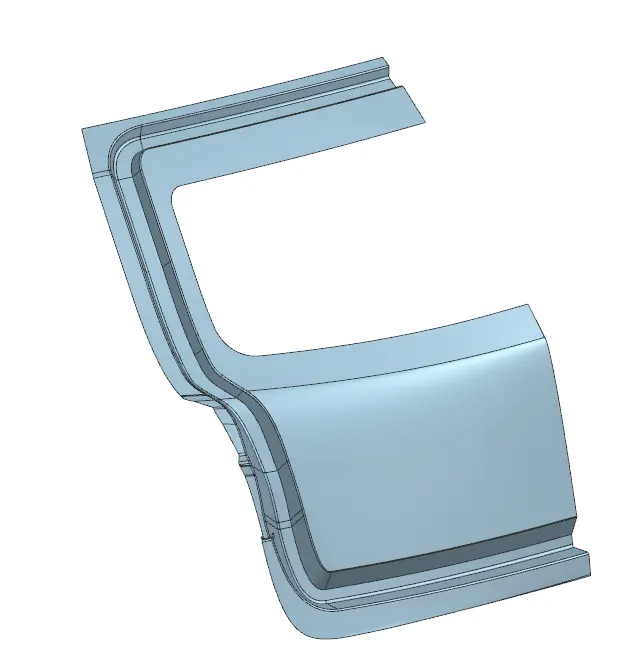
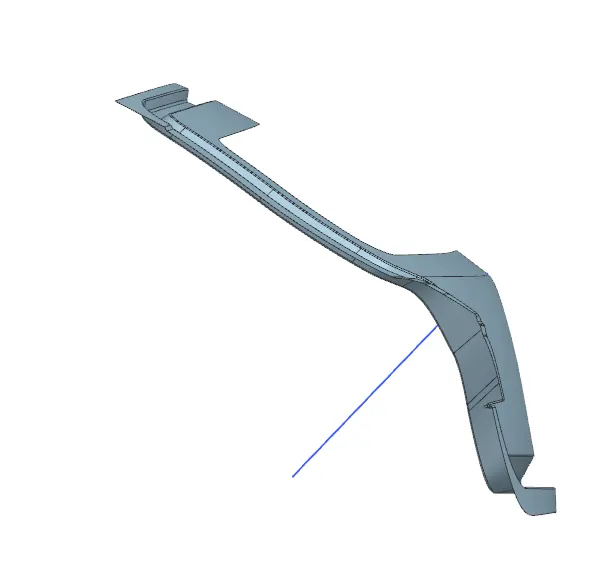
Once the sealing flange is created, it is trimmed off with the outer panel to form a sealing surface. To accommodate the windshield , the open surface is patched to create a closed surface for windshield mounting.
Embosses and Mastic Flange:
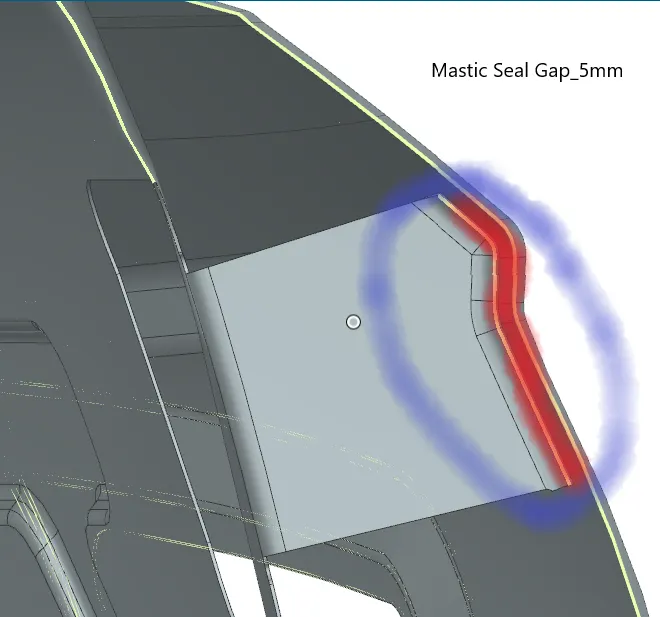
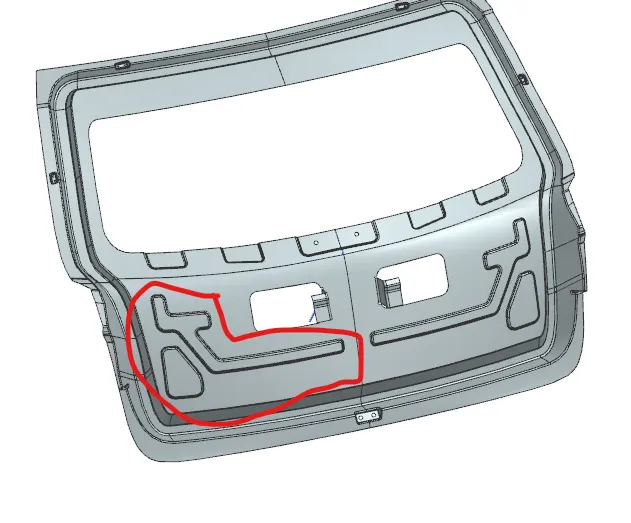
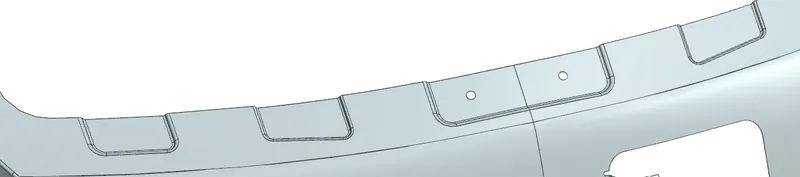
The inner panel is joined with the outer panel by hemming and mastic sealants. To seal it with a mastic sealant, a flange is created on the inner panel and a gap of 5mm is maintained between the outer and inner panel. At this point a mastic is provided between the panels to join them together.
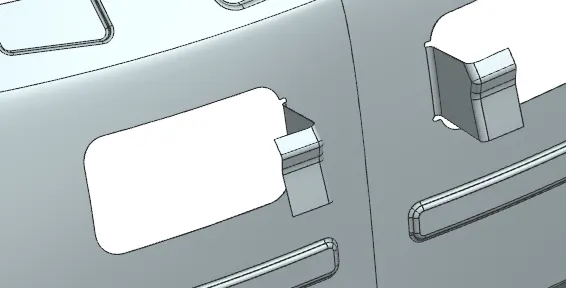
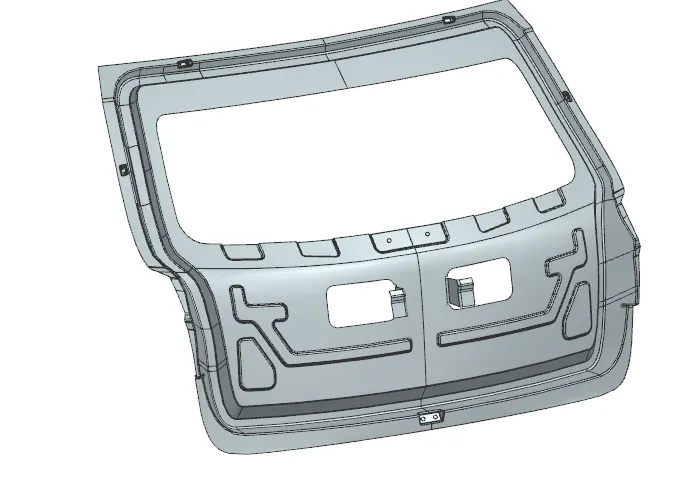
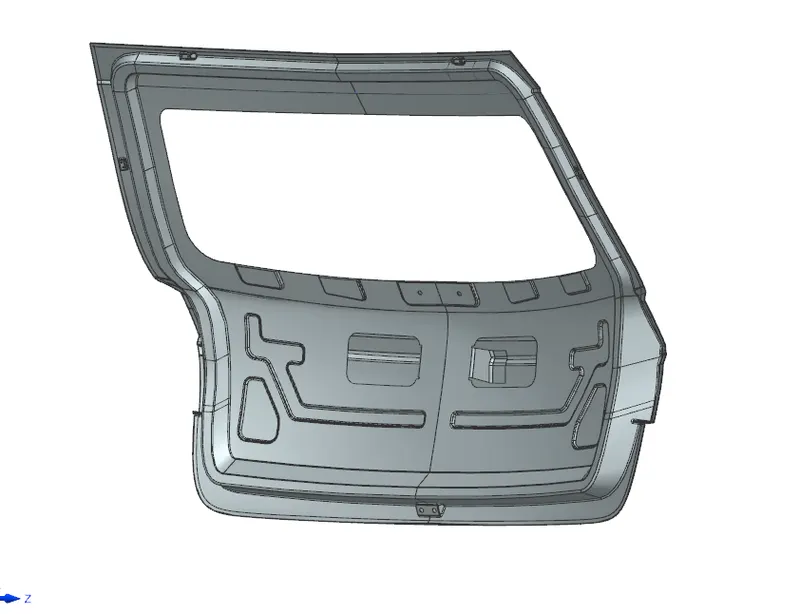
Embosses are provided on the lower side of the inner panel to improve the strength of the inner Panel.
Hinge axis and latch and striker Placement:
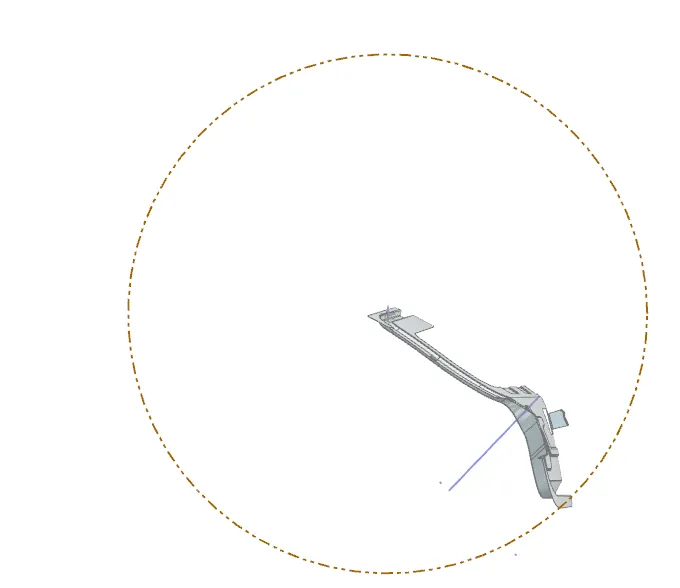
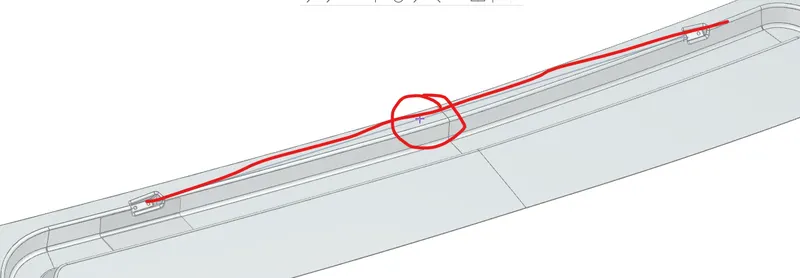
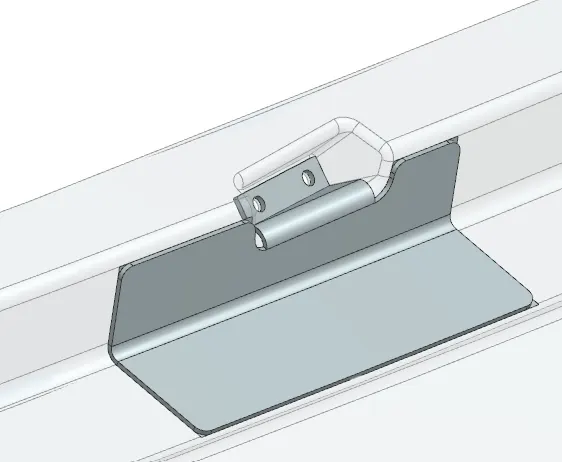
Since door is a swinging part, the top part of the door is hinged and rotated at the hinge axis. Since the door is heavy it cannot be lifted single handedly. To overcome this problem a gas assisted strut is provided to facilitate the opening and closing of the door. The latch position is found out by drawing a circle with hinge axis as its centre.
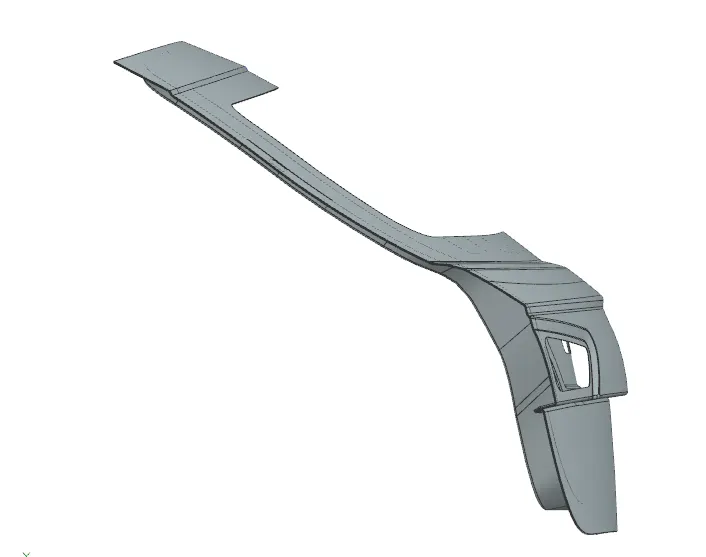
Reinforcements.
Hemming:
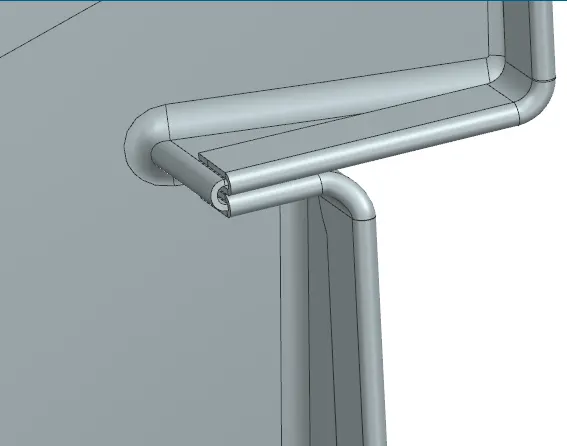
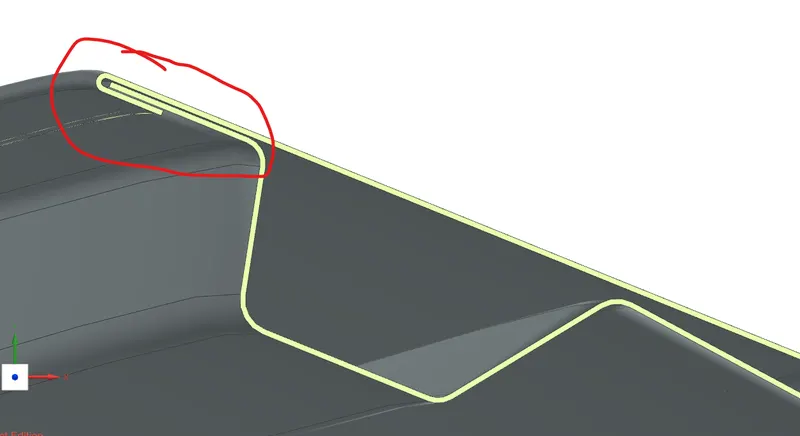
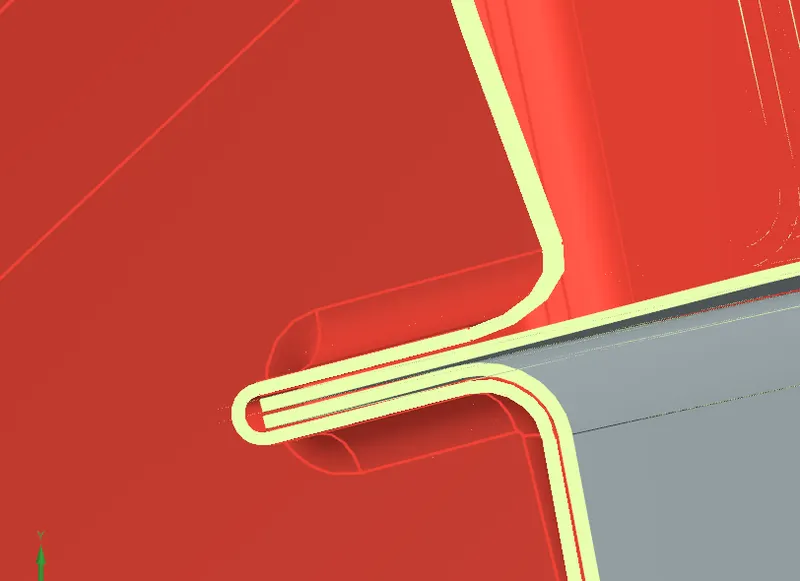
Hemming is a sheet metal forming process in which sheets are joined by bending it usually to 180°. Automotive body panels and automotive parts such as deck-lids, trunk-lids, doors, hoods and tailgates are formed by hemming process.
The outer panel is separated into upper and lower panel. Hemming flanges are created separately for upper and lower flanges and joined with the inner panel.
Final Assembly:
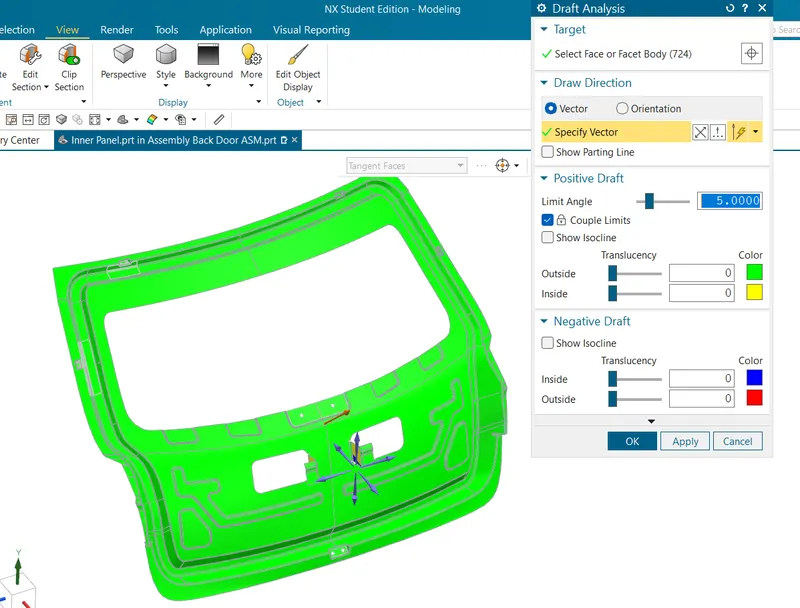
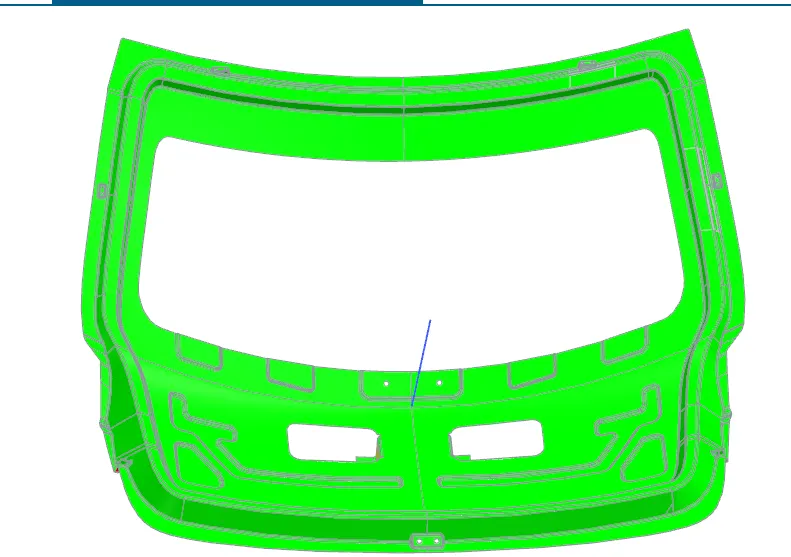
Draft Analysis: